
Reviewed · GYEONGJU
Busan: 7 Highlights Gyeongju City One Day Tour
Gyeongju in a single day can feel like trying to read a whole novel in one sitting, and that is exactly why this tour is interesting. You go from Busan, hit key Silla and Joseon sights, then return with a route designed for maximum sightseeing and plenty of easy photo stops.
I like how the day connects big ideas you hear in Korean history class to real places you can walk through, especially at Bulguksa. I also love the mix of temples and royal tumuli with street-level culture at Hwangnidan-gil, where you can hunt down local snacks like 십원빵 (10 won bread).
One drawback to consider: the itinerary is packed, so there is a fair amount of walking and standing. It is not a great fit if you have heart problems, and it is not set up for wheelchair users.
Key highlights to look forward to
- Busan round-trip convenience: morning pickups in Busan and a return back to your meeting area at the end of the day.
- Photo-first timing: stops are chosen for views, statues, pagodas, and bridges where you can get great shots without rushing every second.
- Bulguksa’s National Treasures up close: Dabotap and Seokgatap are part of what you see, and Dabotap is also on the 10 won coin.
- Hwangnidan-gil street food and shopping: a pedestrian-only lane with trendy shops and restaurants, plus the must-try snack 십원빵.
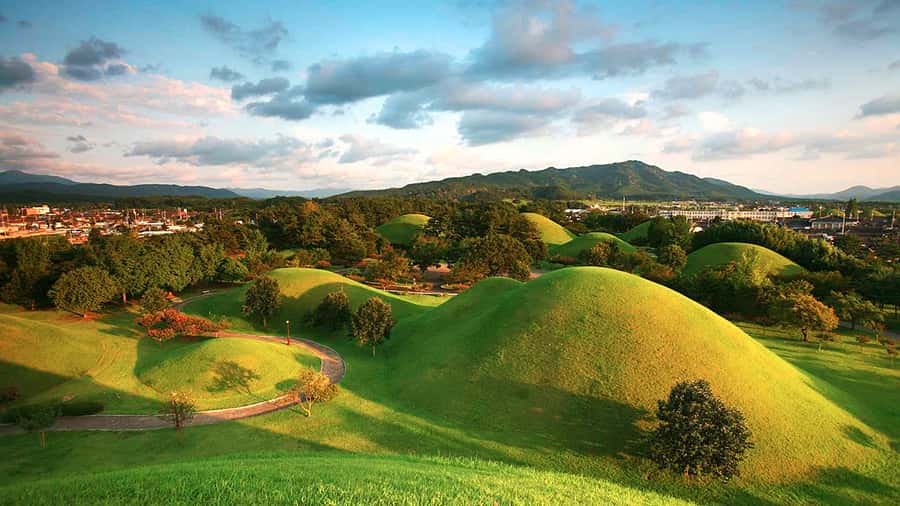
- Daereungwon’s preserved Silla royal burials: 23 tombs and multiple National Treasures, with sturdy tumuli that helped protect relics.
- Woljeonggyo bridge serenity: an Unified Silla bridge rebuilt in 2018, described as Korea’s largest wooden bridge.
One-day Gyeongju from Busan, without the headache
The best part of a Busan-to-Gyeongju day tour is not just that it saves time. It is that it saves decision-making. Instead of spending your day figuring out transport between scattered sites, you follow a route that strings together Gyeongju’s major eras, from Silla to Joseon.
Gyeongju is often called a roofless museum because heritage sites are everywhere, not locked behind one gate. This tour leans into that idea. You are not doing one temple and calling it a day. You are seeing the kinds of places that explain why Gyeongju mattered, then finishing with the kind of streets and houses you can still enjoy today.
The tour also uses round-trip transfers between stops. That matters because Gyeongju is full of short walks from parking and viewpoints. When you are moving by bus or van, the day feels more relaxed than it looks on paper.
More of Gyeongju:
- Busan: Gyeongju Guided Day Trip to Three Kingdoms Capital
★ 4.8 · 1,925 reviews - From Busan: Gyeongju UNESCO World Heritage Guided Day Tour
★ 4.8 · 1,250 reviews - Gyeongju UNESCO World Heritage Guided Day Tour from Busan
★ 5.0 · 660 reviews
Starting in Busan and the Ulsan Daewangam Suspension Bridge detour
Your morning begins with pickup from one of the meeting points in Busan. The operator notes that the exact meeting point can vary by option, so check your confirmation closely. Try to arrive 5 to 10 minutes early. Latecomers cannot be refunded, and the whole day depends on the group leaving on time.
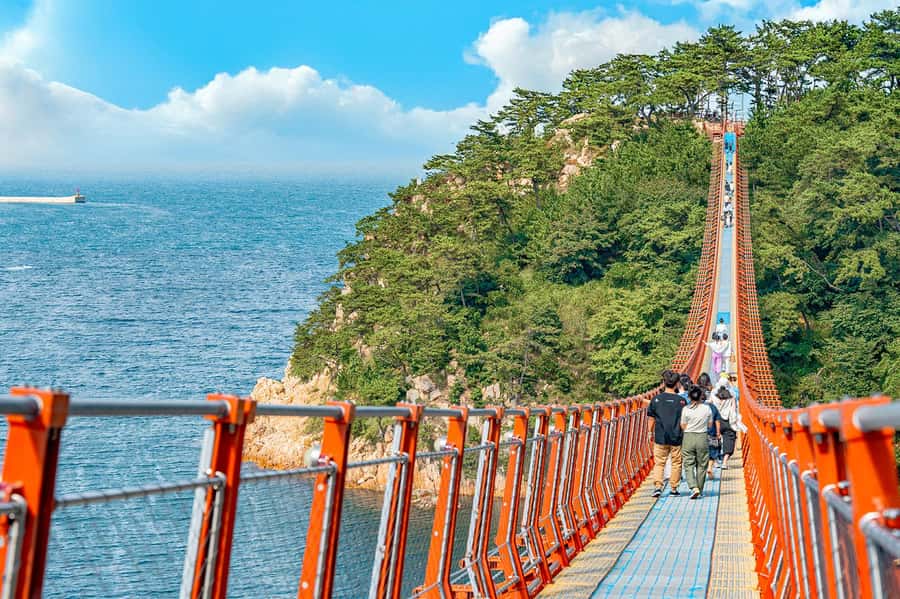
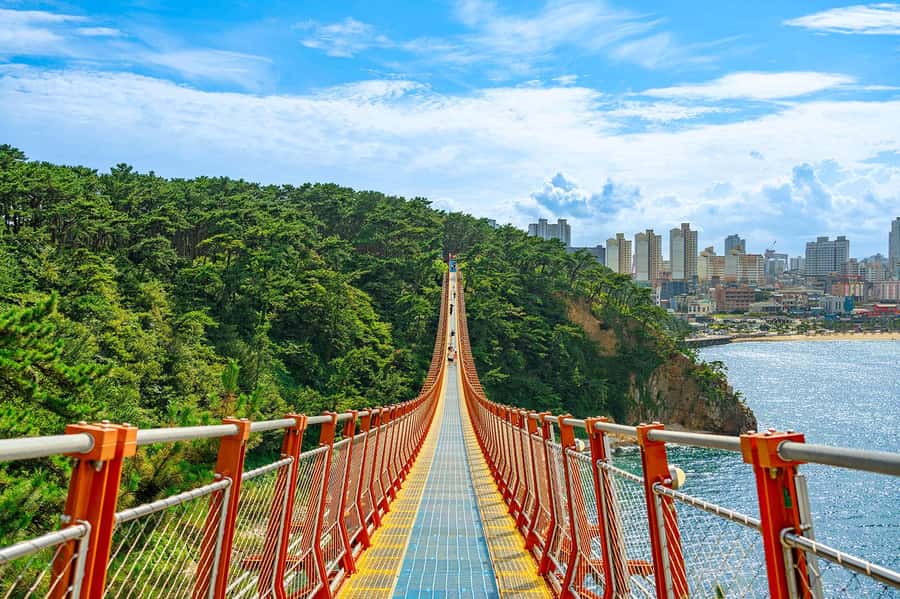
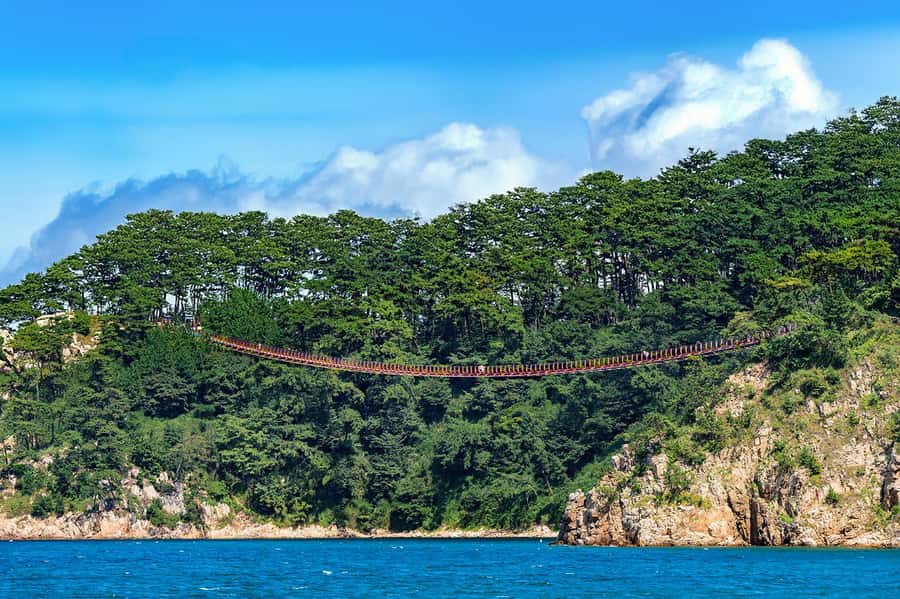
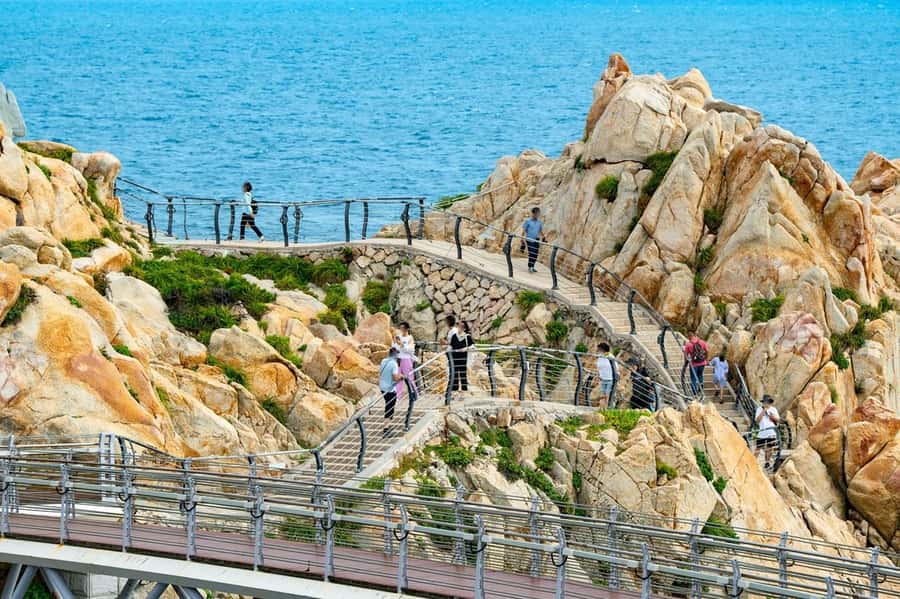
After pickup, the tour heads toward Ulsan Daewangam Suspension Bridge. This is called out as a thrilling stop, surrounded by rocks and the sea. It is also the one place where timing changes based on your departure date: from Sep 15, 2025, the plan includes this bridge instead of Seokguram Grotto.
Why that matters: if you are planning around specific photos or a particular scenic highlight, confirm which version of the route applies to your date. The rest of the Gyeongju sightseeing is the consistent backbone of the day.
One more practical note, based on the operator’s info: your itinerary can shift slightly with traffic and weather. That is normal for a one-day schedule. Go in with flexibility, and you will be happier if the driver adjusts a few minutes here or there.
Bulguksa: where the stone pagodas earn the 10 won coin
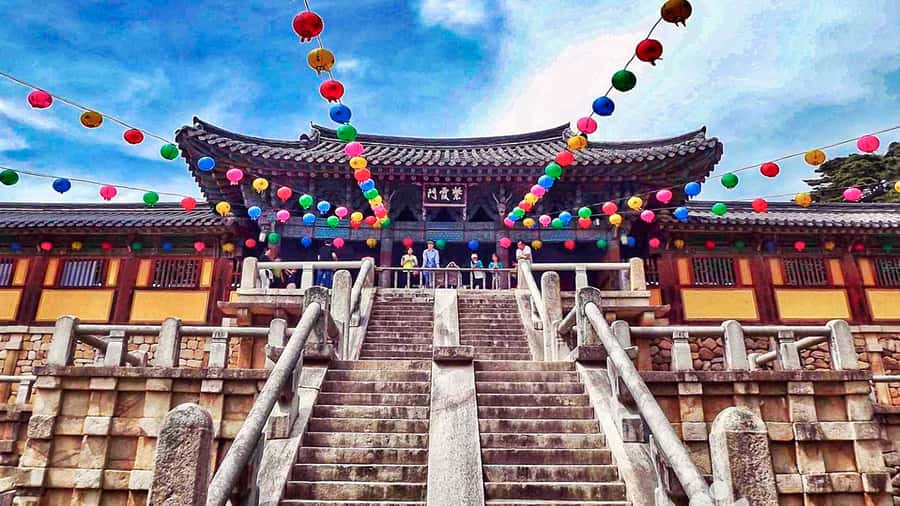
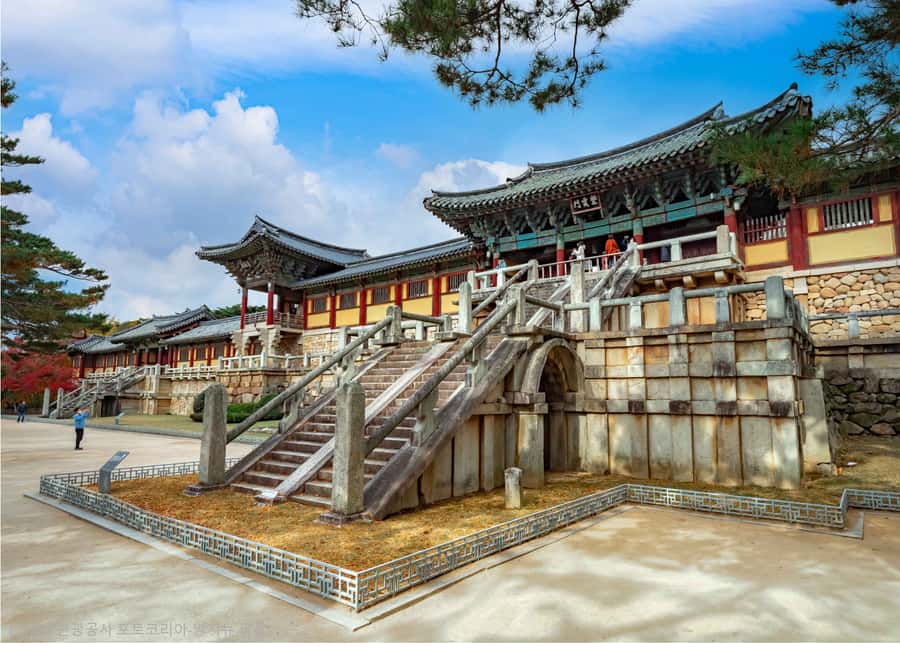
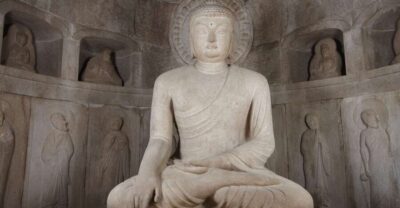
Bulguksa is the kind of place where you immediately understand why Korea’s historic sites earned UNESCO recognition and why people keep coming back. This tour visits the Buddhist temple on Tohamsan, and you get access to major highlights that are explicitly tied to Korea’s National Treasures.
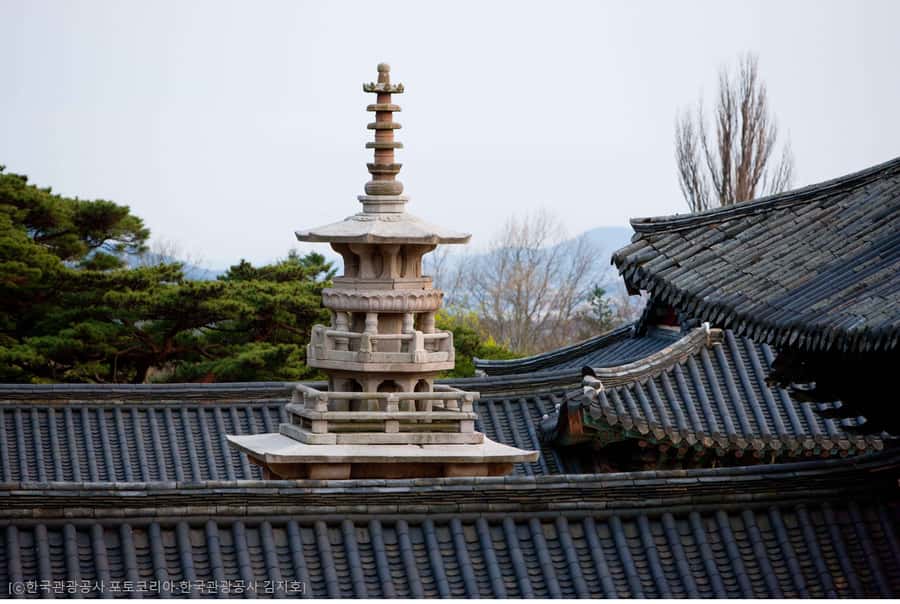
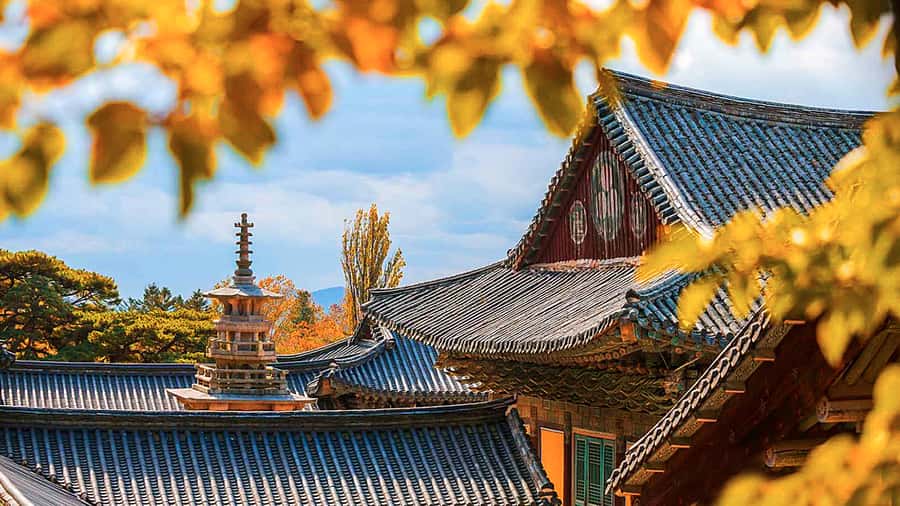
Two names come up again and again: Dabotap and Seokgatap. The tour guide also points out that Dabotap is featured on the 10 won coin. That detail is more than trivia. It helps you recognize the imagery later in everyday life, so the trip sticks with you after you return to Busan.
What to watch for on-site:
- Stone pagoda details: even if you know the story from a book, the shapes and materials look different in person.
- Photo spots with scale: the temple grounds give you natural framing. You can usually find angles that show pagodas without them feeling like a tiny distant object.
A practical drawback: temple visits tend to involve uneven paths and standing time for photos. Wear comfortable shoes, and keep your water situation in mind since meals and beverages are not included.
Hwangnidan-gil’s pedestrian lane and the 10 won bread mission
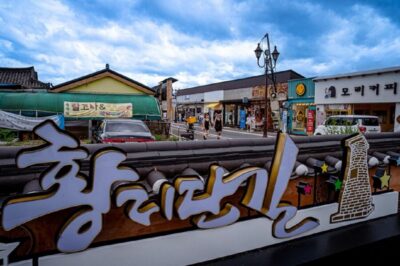
After the big temple stop, the tour shifts gears in the right way. Hwangnidan-gil is one of Gyeongju’s most significant attractions, and it is pedestrian-only. That means you can actually stroll, not just pass through.
This lane is packed with trendy shops and restaurants, so it works even if you do not want to treat the day like a checklist. You can pause for snacks, browse small stores, and take street photos without worrying about traffic.
The highlight snack is 십원빵 (10 won bread). Even if you do not consider yourself a “food tour” person, this is a smart stop because it is local culture in a bite-sized form. It is also easy to plan for: you are in the right place at the right time, and the group timing helps you fit it in.
One heads-up: because it is a street full of options, you will have choices that can slow you down if you let it. I suggest you pick one snack target first, then allow yourself a quick look around. You will get more out of the remaining sites.
More Day Trips in Gyeongju
- Busan: Winter Healing Park and (Gyeongju/Daegu) One Day Tour
★ 5.0 · 5 reviews - Korail Day Trip to Gyeongju’s Unesco World Heritage Sites from Seoul
★ 4.5 · 3 reviews - One Day Private tour to World Heritage GyeongJu from Busan
★ 4.5 · 3 reviews - Busan + Gyeongju One Day Tour from Busan
★ 5.0 · 3 reviews
Daereungwon: Silla tumuli, protected relics, and a whole lot of stone
Daereungwon sits right next to Hwangnidan-gil, which is a clever use of time. You go from modern street culture to Silla burial history with almost no transit gap.
This area is a complex of Silla-era tumuli. The tour notes there are 23 tombs of kings, queens, and nobles from the Silla period. What really matters for your understanding is the reason these relics survived: the sturdy construction made it hard for plunderers to access. As a result, many items are preserved, and some are designated National Treasures.
Important practical detail: admission to Daereungwon Tomb Complex is not included. The tour includes admission to attractions in general, but this one extra fee should be expected. If you are budgeting tightly, set aside cash for it before you arrive.
Photo-wise, tumuli can be a little tricky because you want to show both the burial structure and the layout. Do not wait until the end to take pictures. Grab one or two angles early, then you can relax while listening to the guide’s explanation.
Cheomseongdae, the oldest astronomical observatory in Asia
Next up is Cheomseongdae, described as the oldest astronomical observatory in Asia. That fact alone makes it worth slowing down a little. When you stand here, you are not just seeing a monument. You are seeing a mind at work, a society treating the sky as something worth measuring carefully.
For photography, keep your eye on the proportions. Cheomseongdae often looks impressive from the correct angle, not just from straight-on. If you want the classic framing, aim for the viewpoint the guide points out rather than trying to create your own angle while the group is moving.
This stop also helps you connect the day’s theme. You have had religious power and royal burial engineering so far. Cheomseongdae adds a different kind of Silla achievement: observational science built into architecture.
If the day feels crowded, take a short pause here. It is one of those places where quiet attention makes the experience better.
Gyochon Traditional Village and the Joseon hanok atmosphere
Then comes Gyochon Traditional Village, which is one of the most enjoyable “walk-and-feel” stops in the day. You are in an area with traditional Korean village layout and hanok houses from the Joseon Dynasty.
The tour specifically highlights the Gyeongju Choi clan and their story as the Rich Choi Family. Over twelve generations, about 400 years, they were described as the richest landowners in the region. That background gives the houses meaning. You start to notice details that feel like status, comfort, and family structure, not just old architecture.
There is also a food and culture tie-in. The tour points to traditional Korean rice wine, Gyeongju Gyo-dong Beopju, brewed and sold in this village. Even if you do not plan to buy it, knowing that the area still supports living tradition makes the visit more than sightseeing.
A small practical note: this part of the day is where you can slow down without ruining the schedule. If you want photos that show everyday life rather than monuments, this is where you do it.
Woljeonggyo: the largest wooden bridge in Korea, rebuilt in 2018
Woljeonggyo is the final “big visual” moment. It is adjacent to Gyochon Traditional Village, and it is a bridge built during the Unified Silla period (AD 676 to 935). It burned down during the Joseon Dynasty and was rebuilt in 2018. The tour describes it as the largest wooden bridge in Korea.
This stop is a great closer because it adds serenity after temple stone and tomb structures. It is also a practical photo moment. Bridges give you depth, reflections if conditions are right, and a clear line for composition.
If you are the type who likes night scenes, you might find the lighting version especially memorable. One guide-led experience highlighted Woljeonggyo with lights on as breathtaking, which makes sense because a wooden bridge with illumination has a natural storybook feel.
After Woljeonggyo, the tour returns toward Busan, ending back at the meeting point area, such as Haeundae Station or Seomyeon Station.
The guide matters, and the tour does guide well
This is where the experience usually rises or falls. You get an English-speaking tour guide and driver, and the reviews included mentions of guides who explain history clearly and point out the best photo spots. One guide named Leo is called out for being open-minded and for helping participants with pictures, not just facts.
You will also appreciate guides who can adapt their pacing to the group. The operator notes you might see slight itinerary changes due to traffic and weather. A good guide makes those changes feel like smart local management, not chaos.
Also worth noting: some participants mentioned guides handling multiple languages, including English plus Chinese and Korean. If you are nervous about your Korean and want explanations you can actually follow, this is a strong sign to book confidently.
What I recommend you do: bring your questions. Even a simple one like what to focus on at Dabotap, or why the tumuli were built so sturdily, helps you connect the dots fast.
Price and value: why $47 can feel fair
At $47 per person, the price feels like good value because you are paying for more than just entry fees. You get an English-speaking guide/driver, round-transfers between destinations, and admission to attractions (with one clear exception).
Here is what is included that usually adds up quickly:
- Transfers between stops in and around the day’s route
- Guide support and explanations
- Admission to attractions, so you are not constantly paying on the spot
And here is what costs extra, so you do not get surprised:
- Meals and beverages are not included
- Admission to Daereungwon Tomb Complex is not included
If you were to DIY Gyeongju from Busan, you would likely spend money on transport plus individual admissions, then spend time coordinating everything. This tour compresses that. The trade-off is you surrender some freedom to linger wherever you want. If you like a guided day with a clear plan, the value makes sense.
Who should book this one-day Gyeongju plan
This tour fits best if you want:
- A history-to-street-culture mix in one day
- Efficient transport between major sights
- Photo stops with clear subject matter, like pagodas and bridges
- Clear explanations in English, from a guide who helps you notice what matters
It may not fit if:
- You have heart problems, since the day is not framed as a low-walking experience
- You use a wheelchair, because it is noted as not suitable for wheelchair users
- You want pets included (pets are not allowed)
It is also a good choice for first-time visitors to Gyeongju. You get the big names without needing to build an itinerary from scratch.
Should you book it?
I think this is worth booking if your goal is a confident one-day introduction to Gyeongju from Busan, with enough structure to see the essentials and enough variety to keep it fun. The route covers temples, royal tomb engineering, a landmark astronomical observatory, a Joseon hanok village, and a bridge that gives you a calm ending.
Book it if you like guided days and you want the “roofless museum” idea to make sense quickly. You should consider skipping or switching plans if you need a slower pace, have mobility concerns, or strongly prefer meal inclusion and fully covered fees, since Daereungwon has an extra admission cost and food is on your own.
If you do book, arrive early at your meeting point and keep a little flexibility for traffic and weather. That is the difference between a good day and a great one.
FAQ
What is included in the tour price?
The tour includes an English-speaking tour guide/driver, round-transfers between destinations, and admission to the attractions included in the plan.
Are meals included?
No. Meals and beverages are not included, so plan to buy food on your own during the day.
Does the tour include Daereungwon Tomb Complex admission?
Admission to Daereungwon Tomb Complex is not included, even though you visit the area.
Where does the tour start and end?
It starts at a meeting point in Busan that may vary depending on the option booked, and it ends back at the meeting point.
Which bridge do you visit from Sep 15, 2025?
From Sep 15, 2025, the tour includes Ulsan Daewangam Suspension Bridge instead of Seokguram Grotto.
Are infants allowed, and are baby seats provided?
Infants ages 0 to 2 are free of charge only if they sit on laps in the vehicle. Baby seats are not available.
What are the main restrictions and suitability notes?
Pets are not allowed. The tour is not suitable for people with heart problems and it is not suitable for wheelchair users.
Recently reviewed in Gyeongju
- Gyeongju private tour with an official tour guide (Unesco)★ 4.5 · 4 reviews
- 7 days Flexible Tour for Major Cities(Seoul,Busan,Gyeongju etc)★ 5.0 · 5 reviews
- Gyeongju UNESCO Sites Tour by KTX train; The Museum Without walls★ 4.5 · 11 reviews
- Small Group 7D Korea package Tour with Seoul Gyeongju Busan Jeju★ 4.5 · 13 reviews
- 3-Days 2-Nights Gyeongju UNESCO Sites & Busan City [Private Tour from Seoul]★ 4.5 · 11 reviews
- Gyeongju UNESCO sites Private tour with licensed tour guide★ 5.0 · 275 reviews
- Gyeongju UNESCO World Heritage Sites and History Full-Day Tour with Lunch★ 5.0 · 104 reviews
- Korail Day Trip to Gyeongju’s Unesco World Heritage Sites from Seoul★ 4.5 · 3 reviews
Gyeongju, compared.
Gyeongju Guided Day Trip to Three Kingdoms Capital
Read our review →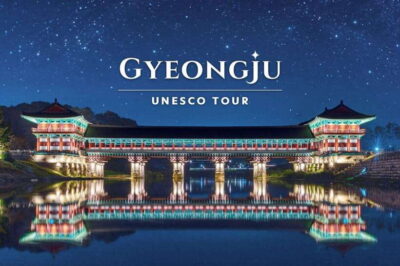
Gyeongju UNESCO World Heritage Guided Day Tour
Read our review →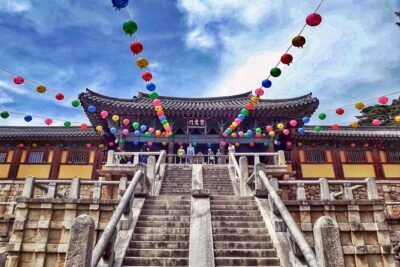
Gyeongju UNESCO World Heritage Guided Day Tour from Busan
Read our review →
Old Korea Thousand History Tour of Gyeongju from Busan
Read our review →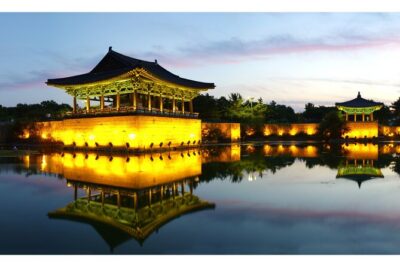
Gyeongju UNESCO sites Private tour with licensed tour guide
Read our review →
Private Gyeongju Tour – Explore Gyeongju UNESCO Sites
Read our review →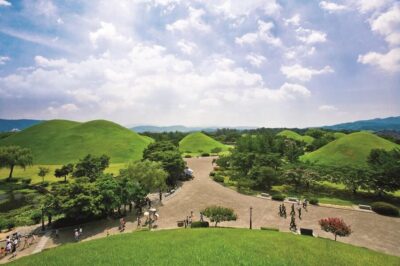
UNESCO Heritage Tour Including Bulguksa Temple
Read our review →Browse the lists this tour appears in