
Reviewed · GYEONGJU
Korail Day Trip to Gyeongju’s Unesco World Heritage Sites from Seoul
This day trip is interesting because it swaps Seoul crowds for a KTX ride and a full day of UNESCO World Heritage sites in Gyeongju. I love the line-skipping convenience of having your KTX plan arranged in advance, and I love having a private guide to connect Bulguksa, Silla tombs, and Cheomseongdae into one clear story.
The trade-off is tight timing. With roughly 9 to 10 hours total, and short on-site windows at each place, you will get a smart overview, not a slow, hours-long wander.
Key Highlights You Will Actually Feel
- KTX-first schedule: the train ride is part of the experience, not just transport
- Private guide attention: faster understanding, fewer language headaches, better pacing
- UNESCO in one day: temple, tombs, an observatory, plus a museum stop
- Silla details that stick: you leave with names, dates, and why these sites matter
- Admissions handled: Bulguksa and the tomb complex are covered, and the museum and Cheomseongdae are free
Why Gyeongju Beats Trying to Do This Alone
If you have ever tried to piece together a day trip from Seoul by yourself, you know the weak link is rarely the attractions. It is the logistics. This is built around an organized KTX jump, then a private flow in Gyeongju.
The big win is that you are not just ticking boxes. The sites connect to the same theme, the Silla kingdom, and the day is paced so you understand what you are looking at instead of staring at stone and hoping it clicks. Even the short stops feel purposeful.
More of Gyeongju:
- Busan: Gyeongju Guided Day Trip to Three Kingdoms Capital
★ 4.8 · 1,925 reviews - From Busan: Gyeongju UNESCO World Heritage Guided Day Tour
★ 4.8 · 1,250 reviews - Gyeongju UNESCO World Heritage Guided Day Tour from Busan
★ 5.0 · 660 reviews
KTX, Pickup, and the 9 to 10 Hour Rhythm
The core rhythm here is simple: go from Seoul to Gyeongju by KTX, then explore with private transport and a guide. The train portion is about two hours each way, which means you are not burning the entire day in transit.
Pickup and drop-off are set at SinGyeongju Station, which is helpful if you want an easy plan without hunting around inside Seoul. The meeting point info also lists Gyeongju Station, so after you book, rely on your confirmation for the exact pickup location. The tour ends back at the meeting point.
One practical note: the tour is a private group capped at two people per booking. That is great for focus, and it usually means the guide can steer you based on your pace. The flip side is that it is not built like a big group bus tour where you can drift and still catch up easily.
Bulguksa Temple: Silla Buddhism With a Story Behind the Stones
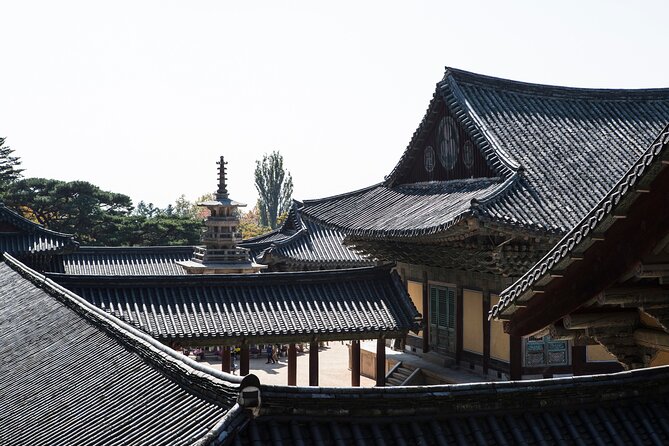
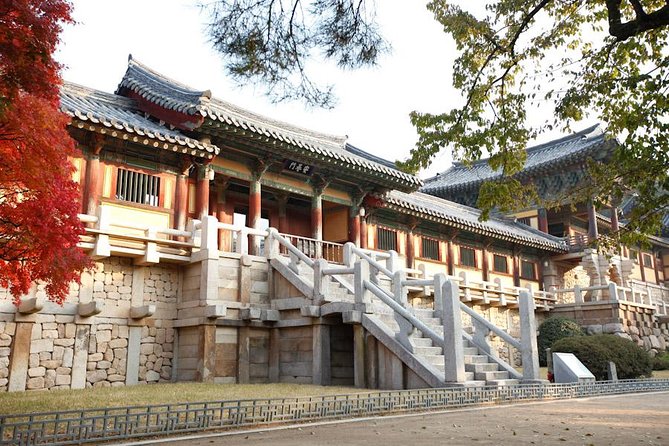
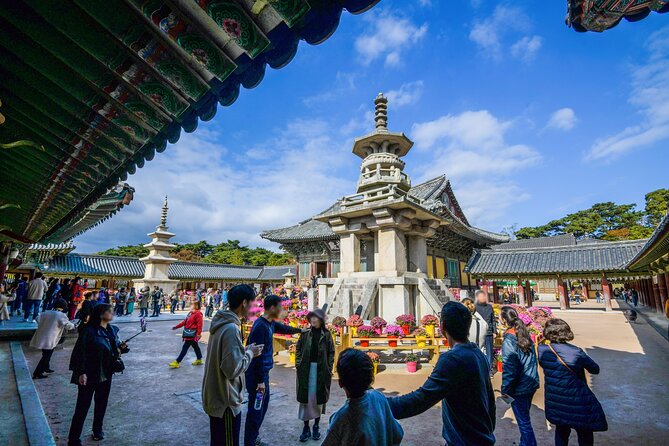
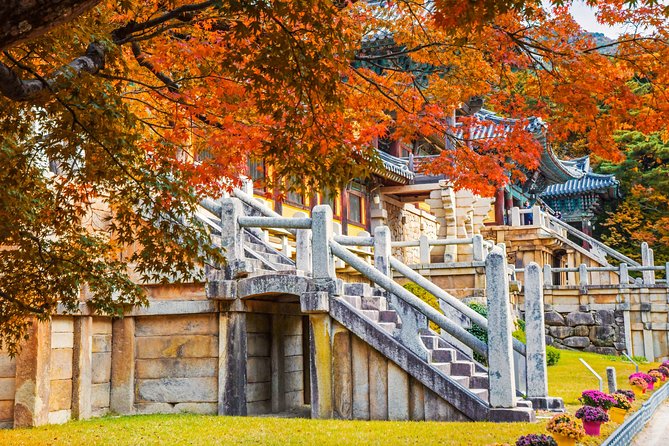
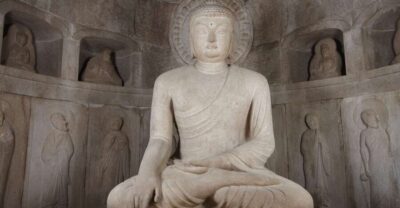
Bulguksa is the kind of UNESCO site where it helps to know what you are seeing. This temple is tied to the Silla kingdom, built in 528 during King Beop-Heung’s reign, and later rebuilt in 751 by Kim Dae-Seong. It suffered a major setback during the Imjin War (1592 to 1598), when fire damaged the temple, and after that it was sometimes targeted by robbers.
You get about one hour here, and admission is included. In that window, the guide can help you place the temple’s “ups and downs” in context. That matters because Bulguksa is not just pretty stone and a peaceful setting. It is a record of belief, rebuilding, and survival.
What to watch for in your short visit:
- How the temple’s history adds weight to your photos. You are not only capturing architecture, you are seeing why restoration culture matters.
- The way the guide frames Silla Buddhism, so the temple feels like part of a larger political and spiritual world.
Possible drawback: with only one hour, you will not have time to slowly roam every corner. If you like “sit and soak it in,” you might feel a bit rushed. But if you want the essentials and understanding fast, this stop works well.
Daereungwon Tomb Complex and Cheonmachong Tomb: Upper-Class Silla in Numbers
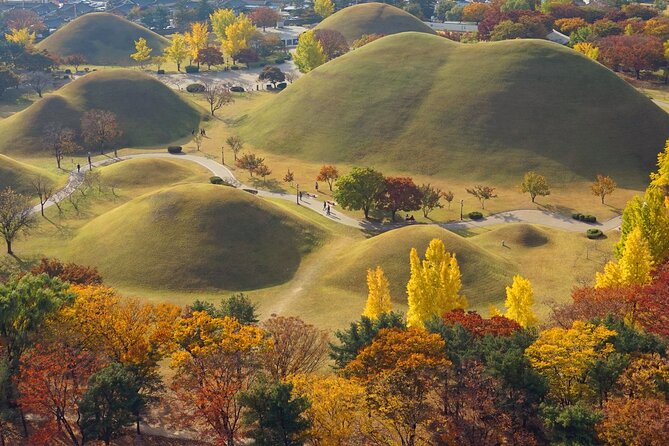
Next comes Daereungwon Tomb Complex, and inside it the star is Cheonmachong Tomb (Ancient Tomb No. 155). This tomb was excavated in 1973 and it is built as an underground chamber with a wooden coffin placed inside, surrounded by an earth mound and boulders.
The details are what make this stop memorable. The mound reaches 12.7 meters in height and about 50 meters in diameter. The rock layer uses stones collected from streams, and below that is a wooden chamber roughly 6.5 meters long, 2.1 meters wide, with a similar height. The coffin sits at the center.
Then there is the scale of what archaeologists found: 11,526 artifacts. One of them, Cheonmado, is noted as Korea’s first artwork excavated from an ancient tomb.
You get about one hour here, admission included. The value of a guided stop is that you do not just learn numbers, you understand why they signal status and design. This is what turns a tomb complex from “interesting” into “I get it.”
Possible drawback: tomb sites can feel very long in your mind because the story is deep, but the time is limited. You will want to focus on the big picture, not try to memorize every dimension.
More UNESCO sites around Gyeongju:
- Gyeongju UNESCO sites Private tour with licensed tour guide
★ 5.0 · 275 reviews - Private Gyeongju Tour – Explore Gyeongju UNESCO Sites
★ 5.0 · 272 reviews - Gyeongju: UNESCO Highlights Tour with Guide and Ticket
★ 4.9 · 166 reviews - Gyeongju UNESCO World Heritage Sites and History Full-Day Tour with Lunch
★ 5.0 · 104 reviews
Gyeongju National Museum: A Clean, Comfortable Reset
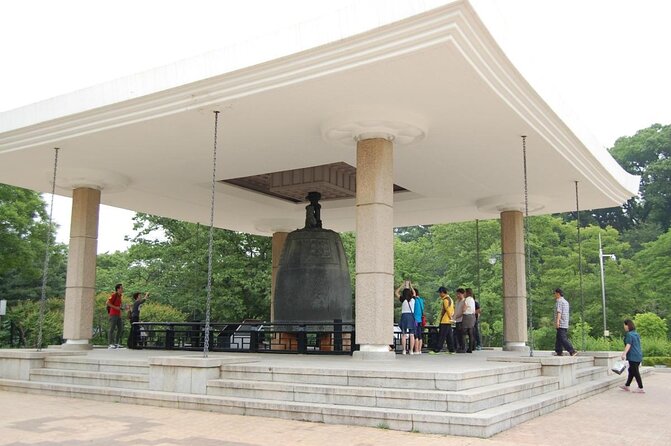
After temples and tombs, the Gyeongju National Museum is a smart break. You have about one hour and admission is free. The museum is a major Silla-focused collection covering 57 BC to AD 935, and it has had recent renovations, with galleries and exhibition halls updated.
This stop is not just a fallback when weather or energy dips. It is how you make the rest of the day “stick.” When you see artifacts after you have visited the tombs, you start to connect objects to the people and craftsmanship behind the UNESCO sites.
The museum also aims to support community learning and strengthen its identity, which you can often feel in how exhibitions are organized for everyday visitors, not only hardcore history fans. With limited time, you should pick a few rooms and go deeper rather than rushing everything.
Cheomseongdae Observatory: The World’s Oldest-Feeling Astronomy Stop
Cheomseongdae is short, but it is one of those places that feels bigger than its footprint. It is an astronomical observatory from the 7th century in Silla-era Gyeongju, built in the kingdom’s capital area, Seorabeol, which is present-day Gyeongju.
It is described as the oldest surviving astronomical observatory in Asia, and possibly even the world. It was designated as South Korea’s 31st national treasure on December 20, 1962.
The story expands when you compare it to other observatories. It is modeled on the earlier Baekje observatory Jeomseongdae, which exists only in historical records. It also influenced the construction of the Japanese Senseidai observatory in 675, and Duke Zhou’s observatory in China in 723.
You get about 30 minutes here, and admission is free. That is enough time to understand the core facts and take in the structure without your day feeling swallowed by one building.
Possible drawback: because the stop is brief, you should be ready with your attention. If you zone out, you may walk away knowing the date but missing the why.
Price and Value: What $594.81 Buys You Here
At $594.81 per person for a 9 to 10 hour private experience, price is not “cheap.” So the question is value, not affordability.
Here is what your money is paying for, based on the included items:
- Driver/guide for the day
- Private transportation with a fuel surcharge
- Pickup and drop-off at SinGyeongju Station
- Admission tickets included for Bulguksa and Daereungwon Tomb Complex
- Gyeongju National Museum and Cheomseongdae are free
Meals are not included, so you will need to plan food on your own.
One detail you should double-check before you go: the information indicates that KTX tickets are not included, but the overall concept is built around a smooth KTX day. Your confirmation should clarify exactly what is handled for your train ride, and whether your booking includes tickets or covers the booking arrangement. This matters because KTX costs can change your final total fast.
So, is it worth it?
- If you want private guidance and an organized KTX flow, it is strong value for a one-day “Silla greatest hits” plan.
- If you are comfortable navigating independently and already know the history, you could likely DIY it for less. But you will trade away the fast, guided connections that make the sites meaningful in limited time.
How to Plan Your Day So You Do Not Feel Rushed
This experience is easiest when you treat it like a focused tour day. You are moving between four major stops, with short time windows.
A smart strategy: plan for snacking or skipping a long sit-down lunch. Meals are not included, and the schedule is designed for momentum. One of the easiest ways to make this day trip feel enjoyable instead of stressful is to keep food simple and short.
Also, pack for comfort. The tour says to dress comfortably and you should have moderate physical fitness. That does not mean you need to be in athlete shape, it just means you will be walking and moving enough that comfy shoes matter.
Weather can change plans too. The tour operates under favorable weather conditions, and if it is canceled due to poor weather, you should have an option for an alternative site.
Who This Private Tour Suits Best
This tour fits you best if you:
- Want to see multiple UNESCO sites in one day without spending the day solving transportation
- Prefer a private guide who can explain Silla context and connect the dots
- Have limited time and want the high-value stops rather than only one attraction
- Like your history with names and dates, not just generic facts
It is less ideal if you want a slow, unstructured day. With only about 30 minutes for Cheomseongdae and about an hour for the larger stops, you are choosing understanding over wandering.
Also note the group rule: minimum two people per booking, maximum two per booking. If you are traveling solo, you will need a partner or the ability to join a minimum two requirement.
Should You Book This Tour?
Book it if you want a smooth KTX day trip with private guidance, admissions handled for the key sites, and a clear Silla storyline from temple to tombs to astronomy. This is the kind of plan that works when you are short on time but still want more than surface sightseeing.
Skip it if you hate tight schedules, plan to spend long hours in museums, or you want a full DIY adventure with unlimited flexibility. Also, verify how the KTX ticket situation is handled in your confirmation, since the details about train tickets can be easy to misread.
If you are okay moving at a purposeful pace, this is one of the better ways to experience Gyeongju without losing your day to transit stress.
FAQ
How long is the Korail day trip from Seoul to Gyeongju?
It runs about 9 to 10 hours.
Which stops are included during the day?
You visit Bulguksa Temple, Daereungwon Tomb Complex (including Cheonmachong Tomb), Gyeongju National Museum, and Cheomseongdae Observatory.
Are admission tickets included?
Yes for Bulguksa Temple and Daereungwon Tomb Complex. Gyeongju National Museum and Cheomseongdae Observatory are listed as free.
Are meals included?
No. Meals are not included.
Where do they pick you up and drop you off?
Pickup and drop-off are included at SinGyeongju Station, and the tour ends back at the meeting point.
Are KTX train tickets included?
No. KTX train tickets are listed as not included, even though the tour is built around KTX travel.
Is this a private tour?
Yes. It is private, and only your group participates, with a maximum of 2 people per booking.
What if bad weather cancels the tour?
If canceled due to poor weather, you get the option of an alternative site. Also, the experience is non-refundable and cannot be changed.
More Day Trips in Gyeongju
- Busan: 7 Highlights Gyeongju City One Day Tour
★ 4.9 · 10 reviews - Busan: Winter Healing Park and (Gyeongju/Daegu) One Day Tour
★ 5.0 · 5 reviews - One Day Private tour to World Heritage GyeongJu from Busan
★ 4.5 · 3 reviews - Busan + Gyeongju One Day Tour from Busan
★ 5.0 · 3 reviews
More Historical Tours in Gyeongju
- Old Korea Thousand History Tour of Gyeongju from Busan
★ 5.0 · 518 reviews - Gyeongju: UNESCO Heritage Tour Including Bulguksa Temple
★ 4.8 · 104 reviews - Full day Private Gyeongju UNESCO Heritage Tour : a glimpse into Silla
★ 5.0 · 60 reviews - From Busan: Echoes of Silla Gyeongju Historical Day Tour
★ 4.8 · 55 reviews
Recently reviewed in Gyeongju
- Gyeongju private tour with an official tour guide (Unesco)★ 4.5 · 4 reviews
- 7 days Flexible Tour for Major Cities(Seoul,Busan,Gyeongju etc)★ 5.0 · 5 reviews
- Gyeongju UNESCO Sites Tour by KTX train; The Museum Without walls★ 4.5 · 11 reviews
- Small Group 7D Korea package Tour with Seoul Gyeongju Busan Jeju★ 4.5 · 13 reviews
- 3-Days 2-Nights Gyeongju UNESCO Sites & Busan City [Private Tour from Seoul]★ 4.5 · 11 reviews
- Gyeongju UNESCO sites Private tour with licensed tour guide★ 5.0 · 275 reviews
- Private Gyeongju Tour – Explore Gyeongju UNESCO Sites★ 5.0 · 272 reviews
- Full day Private Gyeongju UNESCO Heritage Tour : a glimpse into Silla★ 5.0 · 60 reviews
Gyeongju, compared.
Gyeongju Guided Day Trip to Three Kingdoms Capital
Read our review →
Gyeongju UNESCO World Heritage Guided Day Tour
Read our review →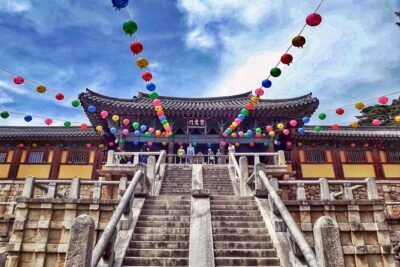
Gyeongju UNESCO World Heritage Guided Day Tour from Busan
Read our review →
Old Korea Thousand History Tour of Gyeongju from Busan
Read our review →
Gyeongju UNESCO sites Private tour with licensed tour guide
Read our review →
Private Gyeongju Tour – Explore Gyeongju UNESCO Sites
Read our review →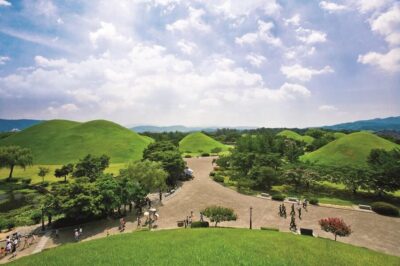
UNESCO Heritage Tour Including Bulguksa Temple
Read our review →Browse the lists this tour appears in