
Reviewed · GYEONGJU
Gyeongju UNESCO World Heritage Sites and History Full-Day Tour with Lunch
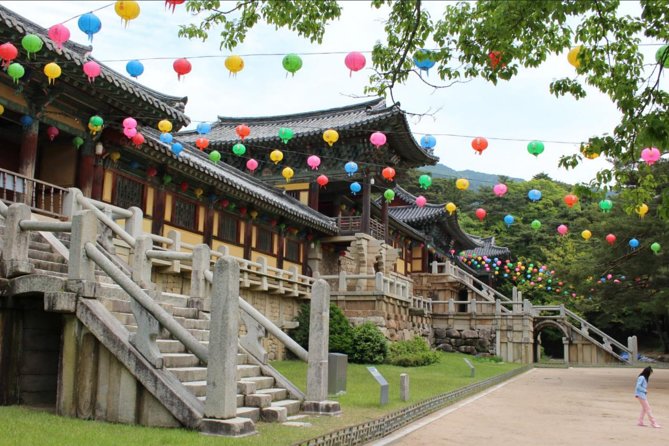
Gyeongju is one of Korea’s best “time travel” cities, and this day tour strings together the UNESCO sites that define Silla-era power in one efficient loop. You get the big spiritual pair, Bulguksa Temple and Seokguram Grotto, plus the royal tomb landscape that makes the history feel real, not textbook-y.
I especially like two things. First, you are not stuck figuring out transport between far-flung stops, because the tour uses an air-conditioned minivan with pickup and drop-off. Second, the practical stuff is handled for you, with lunch and entrance fees included, plus options for vegetarian needs.
The main thing to consider is that it is a packed day with walking and set time windows. Even with planning, a busy crowd day can mean a stop like Cheomseongdae gets shortened or skipped.
Key highlights to know before you go
- Bulguksa + Seokguram: the UNESCO spiritual centerpiece in one outing
- Royal burial ground at Daereungwon: 23 major tombs, built to broadcast Silla status
- Cheomseongdae: Asia’s oldest surviving astronomical observatory, tied to weather forecasting
- Gyochon Traditional Village: a hanok village window into the Choi clan’s domestic life
- Lunch with dietary options: reports include vegetarian and gluten-free accommodations
- Air-conditioned minivan with pickup/drop-off: less transit stress, more time on sites
Gyeongju UNESCO in one day: why this route works
If you only have a day or two in the region, Gyeongju can feel like it’s daring you to multitask. UNESCO listed sites sit close together in the city, but the “wow” locations also spread out onto hills and across historical districts. This tour tackles that problem head-on with a single-day route that hits the essentials.
What makes it click is the balance between sacred and royal. You start with timekeeping and knowledge at Cheomseongdae, move through palace-era footprints at Donggung Palace and Wolji Pond, shift into everyday tradition at Gyochon Traditional Village, then land on power at Daereungwon Tomb Complex. Finally, the day funnels into the UNESCO showstoppers: Seokguram and Bulguksa.
It is not a slow, meander-your-way-through kind of day. It is built for efficiency, and you will do best if you come in ready to walk, look, and listen.
More of Gyeongju:
- Busan: Gyeongju Guided Day Trip to Three Kingdoms Capital
★ 4.8 · 1,925 reviews - From Busan: Gyeongju UNESCO World Heritage Guided Day Tour
★ 4.8 · 1,250 reviews - Gyeongju UNESCO World Heritage Guided Day Tour from Busan
★ 5.0 · 660 reviews
Getting picked up and staying comfortable in the 8-hour rhythm
This is an 8-hour tour (approx.) with a straightforward rhythm: pickup, drive, site, site, lunch, then more sites, ending with drop-off. The transportation is an air-conditioned minivan, which matters in the heat. One review even called out extreme temperatures and praised the way the day still flowed.
Group size is kept small, with a maximum of 40 travelers. In practice, feedback suggests it often feels intimate, and guides also have time to handle small questions without turning your day into a lecture hall.
A few practical tips that line up with what you should expect:
- Wear comfortable shoes. The itinerary has multiple walking segments and uphill paths around temple and grotto areas.
- Bring sunscreen, since you will be outside for long stretches.
- If you are traveling as a couple or solo, this kind of pickup and driver time can be a big quality-of-life upgrade versus public transit juggling.
Also, the tour uses a mobile ticket, so you are not hunting for paper confirmations at check-in time.
Cheomseongdae: the oldest surviving astronomical observatory you can visit
Your morning starts at Cheomseongdae Observatory, one of the most distinctive sights in the city. It is described as the oldest existing astronomical observatory in Asia, built during Queen Seon-deok’s reign (632 to 647).
What I like about this stop is how it reframes “old stone” as a tool. The story is not just architecture for architecture’s sake. Stars were observed to forecast the weather, which connects science, planning, and daily life in an era when people depended on nature to survive.
Logistics are easy here. The visit time is about 30 minutes, and admission is listed as free in the tour details. The observatory also has that great “quiet wow” factor: you can appreciate it quickly, even if you are not a big astronomy person.
Donggung Palace & Wolji Pond: Silla palace mood, plus a scenic pause
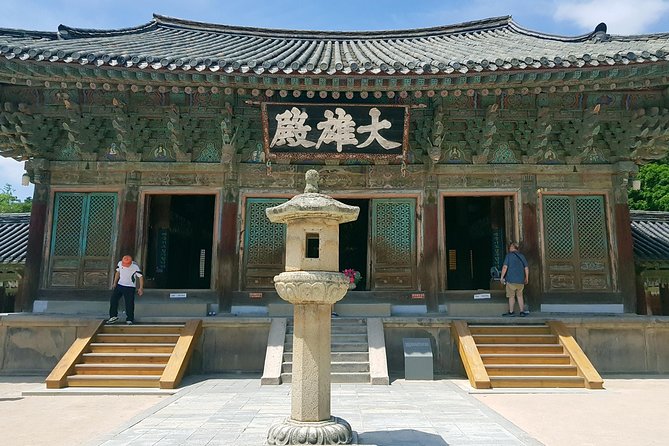
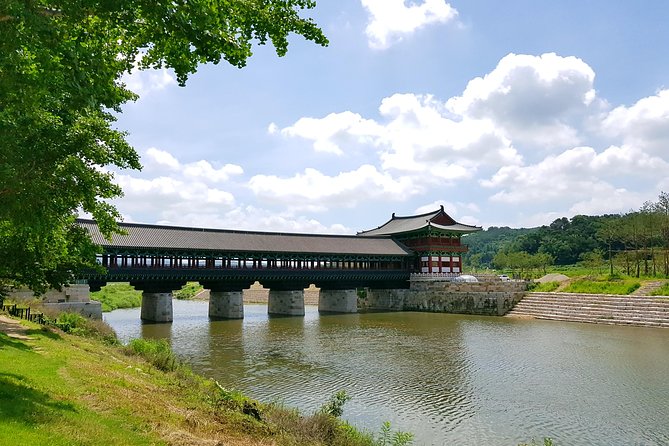
Next up is Donggung Palace & Wolji Pond. This is a palace and pond complex tied to the Silla Kingdom, with records stating that Wolji Pond was built in the 14th year of King Munmu’s reign (661 to 681 AD).
You will get around an hour here, which is just right for absorbing the layout without rushing. The tour description notes that small mountains were created inside the palace, which helps explain why this place feels like a crafted landscape rather than just a plain pond. Even if the structures are not the size you expect from a modern palace, the design intent is clear.
This stop also works as a break in the day. You go from observatory stone to pond and palace atmosphere, a nice reset before the more physically demanding UNESCO sites later.
More UNESCO sites around Gyeongju:
- Gyeongju UNESCO sites Private tour with licensed tour guide
★ 5.0 · 275 reviews - Private Gyeongju Tour – Explore Gyeongju UNESCO Sites
★ 5.0 · 272 reviews - Gyeongju: UNESCO Highlights Tour with Guide and Ticket
★ 4.9 · 166 reviews - Gyeongju: UNESCO Heritage Tour Including Bulguksa Temple
★ 4.8 · 104 reviews
Gyochon Traditional Village and the Choi clan hanok houses
After the pond, you shift into Gyeongju Gyochon Traditional Village, a hanok village with a focus on the Choi clan’s life. The tour details mention that you can see the House of the Gyeongju Choi Clan, an important folklore asset.
This is one of those stops where the time matters. You only get about 45 minutes, so you will want to move with purpose. Look at how the hanok spaces are organized and pay attention to what is preserved, not what is missing. One point worth noting: some visitors are fine with the “living history feel,” while others only want the highest-volume attractions. If you know you prefer only the most famous monuments, this stop may feel lighter than the temples and tombs.
That said, it is still a useful contrast. Gyeongju is not just temples and royalty. It is also the domestic world that supported all that grand power.
Daereungwon Tomb Complex: 23 Silla tombs and a sense of scale
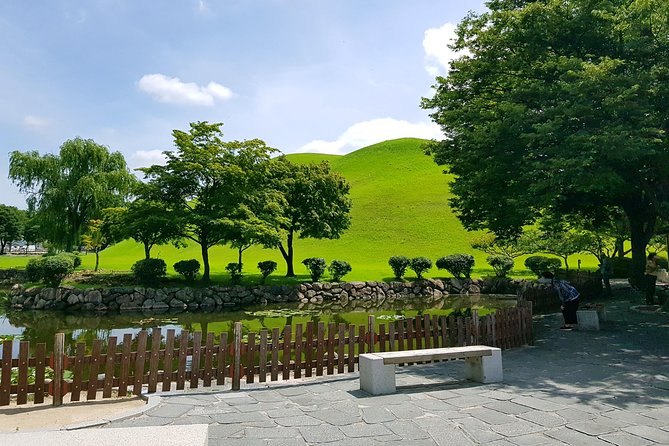
Then you head to Daereungwon Tomb Complex, known for large ancient tombs of Silla kings and nobles. The details say there are twenty-three large tombs here, with Cheonmachong Tomb referenced as well.
If you want one takeaway from this stop, it should be scale. These are not “one tomb and done” monuments. The layout makes it feel like you are standing inside a planned royal landscape, designed to last. The tour includes about an hour at the complex, which gives you enough time to understand the grouping and not just sprint for a photo.
This is also a good bridge to the UNESCO sites. Temples like Bulguksa and grotto sites like Seokguram are spiritual, yes, but they also reflect a society that invested deeply in meaning and stonework. Seeing the burial grounds right before the sacred sites helps the day connect.
Seokguram Grotto: stone temple intensity on Tohamsan Mountain
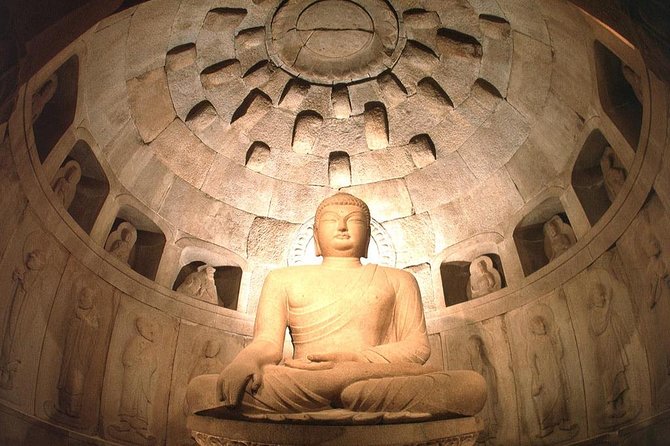
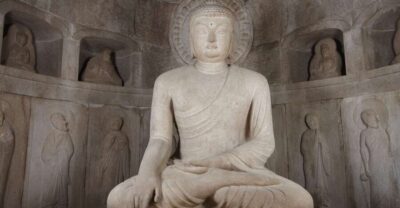
The most dramatic shift in the itinerary comes when you reach Seokguram on Tohamsan Mountain. Seokguram is presented as Korea’s representative stone temple, with an official designation as National Treasure No. 24.
You get about an hour here, and the tour frames it as a representative World Cultural Heritage site. Even if you have seen photos before, the on-site experience tends to feel more immediate. The grotto concept is intimate, and stone architecture gives it a different kind of quiet gravity than open-air temples.
One practical note: if your day is already hot, this is where you will feel it. Wear grippy shoes and take it slow on any uneven stone surfaces. This is one of those stops where good pacing is part of the experience.
Bulguksa Temple: UNESCO status, plus stone artistry you can actually look at
After Seokguram, you go to Bulguk Temple (Bulguksa), described as Gyeongju’s representative relic and designated as a UNESCO World Cultural Asset in 1995.
This is about an hour in the tour details, and it earns that time. The tour description highlights two things: the beauty of the temple itself and the artistic touch of stone relics. That combo is why Bulguksa pairs so well with Seokguram. One is grotto-based and intense. The other is temple-based and more expansive, with stonework that rewards closer attention.
Also, because it is UNESCO level, you will want to bring the right mindset. Don’t race through. Take a few moments to look at details instead of only capturing the biggest angles. If you do that, the time feels worth it.
Lunch in Gyeongju: included, and it can fit dietary needs
Lunch is included, and it tends to be a highlight. One review called it surprisingly good. Another mentioned a local restaurant that felt popular with Korean diners, and praised the food as filling and tasty.
What is genuinely useful for planning is that the operator seems ready to adjust meals. Reviews mention a vegetarian accommodation and even gluten-free lunch needs being handled without drama. That does not mean every day is identical, but it strongly suggests you can ask for dietary needs and expect an honest effort.
If you are sensitive about meal timing, keep in mind it is a structured day. So eat when lunch happens, not later. You’ll thank yourself when the afternoon temples and tomb areas heat up.
Walking, crowds, and timing: make the day easier on yourself
This tour is efficient, but it is not weightless. Expect walking in multiple places, plus some uphill sections near the grotto and temple areas. One report even mentioned around 11,000 steps on the day, which is a helpful real-world gauge.
Crowds are the other reality. There is a review about Cheomseongdae being super crowded on a holiday weekend, with the stop shortened. That tells you two things:
- You may not control crowds, but the guide can adjust timing to keep the day moving.
- If you travel during major Korean holidays, accept that one stop might not unfold exactly as planned.
To stay comfortable, pack for sun and heat. Comfortable shoes are non-negotiable. Sunscreen is recommended in the tour info, and that is not just for show.
Finally, remember the tour schedule is tight. If you get stuck at one location taking too many photos, you can feel the squeeze later. A good strategy is to enjoy each stop in two passes: first for the big view, then for details.
Guides and how the day turns into real understanding
The biggest boost to this kind of tour is usually the guide. Feedback repeatedly praises the guides for making history feel connected, not distant. Names that come up include Sue and Steve, and other guides like Chris and Jina are also mentioned in the feedback.
What I like about these mentions is the pattern: guests describe clear explanations, good pacing, and a comfortable day. One review even mentioned that the guide and driver worked as a team to minimize walking by dropping off right at gates and then picking up again.
That matters because a “site tour” can quickly become a “transit tour” if logistics are sloppy. Here, the transport and site handling seem built to reduce wasted time.
Price and value: what you are really paying for at $189.99
At $189.99 per person, this is not a budget-only option. But you are not just buying transportation. You are paying for a full bundle:
- Round-trip transport in a climate-controlled vehicle with pickup and drop-off
- Entrance fees included for the sites where admission is charged
- Lunch included
- A guided route that tries to compress multiple UNESCO highlights into one day
This is where value becomes personal. If you are staying far from the sites, the taxi and bus hassle can burn both time and money, and that is where a priced day tour starts to make sense fast.
If you are already based in Gyeongju, the math can feel different. Since many major sights are close enough to use taxis or possibly walk between depending on your base, the tour may feel like overkill for you. In that case, you might get more satisfaction doing a self-guided plan and spending extra time where you care most.
Also, the itinerary emphasizes outdoor and sacred sites more than museum time. If you want museum-style explanations and artifact viewing, you may feel the day runs a bit fast on that front. The flip side is that the route does take you directly to UNESCO spaces where the atmosphere does the teaching.
Who this tour is best for
This tour is a strong fit if you:
- Want a one-day hit list of Gyeongju UNESCO World Heritage Sites
- Prefer a driver and route planning so you can focus on the sites
- Appreciate guided context, especially for Silla-era temples, burial customs, and palace culture
- Need dietary-aware lunch options such as vegetarian or gluten-free (based on feedback)
You might think twice if you:
- Are staying in Gyeongju and already plan to use taxis or go at your own pace
- Hate structured schedules and want unlimited time at each location
- Want museum-heavy content over temples and tomb landscapes
Should you book this Gyeongju UNESCO World Heritage tour?
I think you should book it if your priority is seeing the main UNESCO sites in one day without transportation stress. Bulguksa + Seokguram plus the tomb complex and the palace-pond area is a lot to fit in, and the tour handles the timing, entrance fees, and lunch so you can focus on the experience.
If your trip is flexible and you love slow travel, consider pairing this kind of tour with one extra half day in Gyeongju so you can return to your favorite spot and linger. And if you are visiting during a peak holiday period, come in ready for crowds, and trust that the guide will manage the day.
Bottom line: this is a practical, high-impact day that saves you from logistics headaches and gets you to the places that define Gyeongju’s Silla story.
FAQ
How long is the tour?
The tour duration is listed as 8 hours (approx.).
Is pickup and drop-off included?
Yes. Pickup is offered, and the tour includes round-trip transportation with pickup and drop-off.
Are entrance fees and lunch included?
Yes. Lunch and entrance fees are included in the tour.
Can I request a vegetarian meal?
Yes. A vegetarian option is available, and you should advise the operator at booking if you need it.
What should I wear for the day?
Wear comfortable shoes, and high heels are not recommended. The tour also suggests bringing sunscreen.
Is the tour suitable for children?
Most travelers can participate, but children must be accompanied by an adult.
More Lunch Experiences in Gyeongju
- Seoul City Private Full-Day Tour Including Lunch
★ 5.0 · 469 reviews - Premium Private DMZ Tour & (Suspension Bridge or N-Tower) include lunch
★ 5.0 · 348 reviews - Private DMZ Tour with North Korean Defector + N Korean Lunch
★ 5.0 · 122 reviews - Busan Tour: Gamcheon Village & Haedong Yonggungsa Temple + Lunch
★ 5.0 · 119 reviews
More Historical Tours in Gyeongju
- Old Korea Thousand History Tour of Gyeongju from Busan
★ 5.0 · 518 reviews - Full day Private Gyeongju UNESCO Heritage Tour : a glimpse into Silla
★ 5.0 · 60 reviews - From Busan: Echoes of Silla Gyeongju Historical Day Tour
★ 4.8 · 55 reviews - Gyeongju Historic Areas Day Tour with Sky Capsule from Busan
★ 5.0 · 18 reviews
Recently reviewed in Gyeongju
- Gyeongju private tour with an official tour guide (Unesco)★ 4.5 · 4 reviews
- 7 days Flexible Tour for Major Cities(Seoul,Busan,Gyeongju etc)★ 5.0 · 5 reviews
- Gyeongju UNESCO Sites Tour by KTX train; The Museum Without walls★ 4.5 · 11 reviews
- Small Group 7D Korea package Tour with Seoul Gyeongju Busan Jeju★ 4.5 · 13 reviews
- 3-Days 2-Nights Gyeongju UNESCO Sites & Busan City [Private Tour from Seoul]★ 4.5 · 11 reviews
- Gyeongju UNESCO sites Private tour with licensed tour guide★ 5.0 · 275 reviews
- Private Gyeongju Tour – Explore Gyeongju UNESCO Sites★ 5.0 · 272 reviews
- Full day Private Gyeongju UNESCO Heritage Tour : a glimpse into Silla★ 5.0 · 60 reviews
Gyeongju, compared.
Gyeongju Guided Day Trip to Three Kingdoms Capital
Read our review →
Gyeongju UNESCO World Heritage Guided Day Tour
Read our review →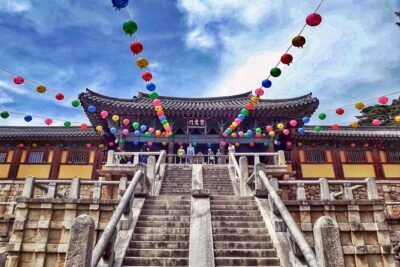
Gyeongju UNESCO World Heritage Guided Day Tour from Busan
Read our review →
Old Korea Thousand History Tour of Gyeongju from Busan
Read our review →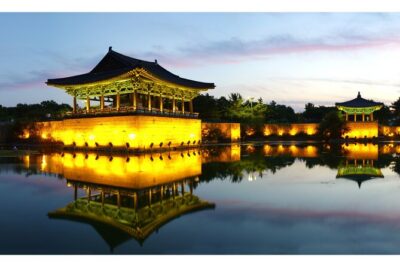
Gyeongju UNESCO sites Private tour with licensed tour guide
Read our review →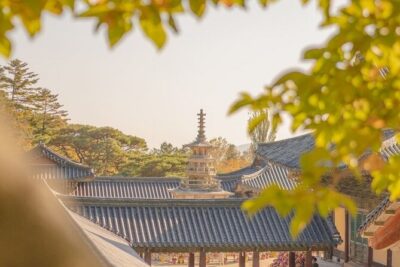
Private Gyeongju Tour – Explore Gyeongju UNESCO Sites
Read our review →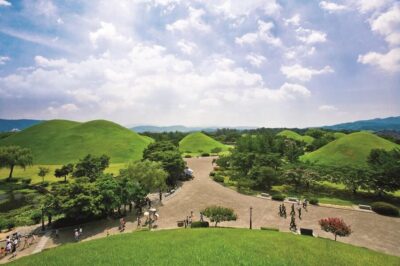
UNESCO Heritage Tour Including Bulguksa Temple
Read our review →Browse the lists this tour appears in