
Reviewed · GYEONGJU
Gyeongju: UNESCO Highlights Tour with Guide and Ticket
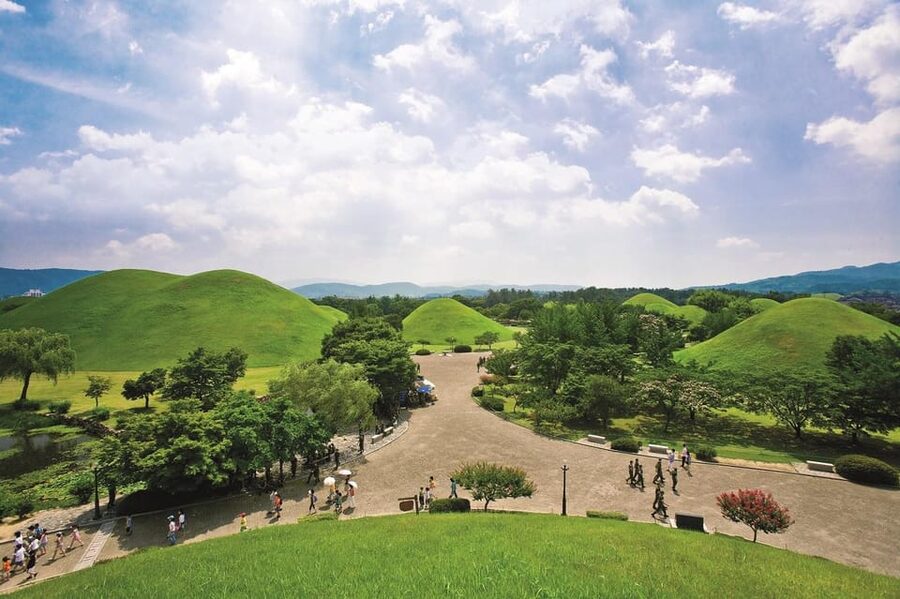
Gyeongju works best when you can tie the places together, and this tour does that by pairing Silla royal tombs with two major UNESCO sites in one long day. I like that it starts at Daereungwon and lets you step inside Cheonmachong, not just look at it from the outside.
My second favorite part is the built-in payoff at the Gyeongju National Museum, where you can see the artifacts linked to what you just visited. The one thing to consider is stamina, because the route includes a lot of stairs and slopes, and it is not suitable for kids under 5, strollers, or wheelchair users.
Key points to know before you go
- Inside Cheonmachong with the entrance fee included, so you get the full tomb experience
- Seokguram Grotto and Bulguksa Temple as your UNESCO anchor stops
- Museum artifacts connected to the tombs, so the morning makes more sense
- English guides who manage the day well, with guides like Dongmin Goh and Sam known for clear explanations and photo spots
- Photo moments planned in, including the Great Hwangnam Tomb background and Woljeonggyo Bridge
- Morning bus tour, afternoon walking tour, which is efficient but still means comfortable shoes are non-negotiable
Why a guided UNESCO highlights day works so well in Gyeongju
Gyeongju can feel like a pile of important sites unless someone helps you connect the dots. This tour aims to do that in a single 8.5-hour block, using a mix of vehicle rides and walking so you spend less time figuring out logistics and more time understanding why each stop matters.
The biggest win is how the day is structured. You start with the Silla royal tomb landscape, then jump to UNESCO Buddhist masterpieces at Seokguram Grotto and Bulguksa Temple, and later return to bridges, villages, astronomy, and museum context. It is the kind of route that makes you leave with a clearer timeline instead of a photo stack.
More of Gyeongju:
- Busan: Gyeongju Guided Day Trip to Three Kingdoms Capital
★ 4.8 · 1,925 reviews - From Busan: Gyeongju UNESCO World Heritage Guided Day Tour
★ 4.8 · 1,250 reviews - Gyeongju UNESCO World Heritage Guided Day Tour from Busan
★ 5.0 · 660 reviews
Daereungwon Tomb Complex, Cheonmachong, and the Silla royal “why”
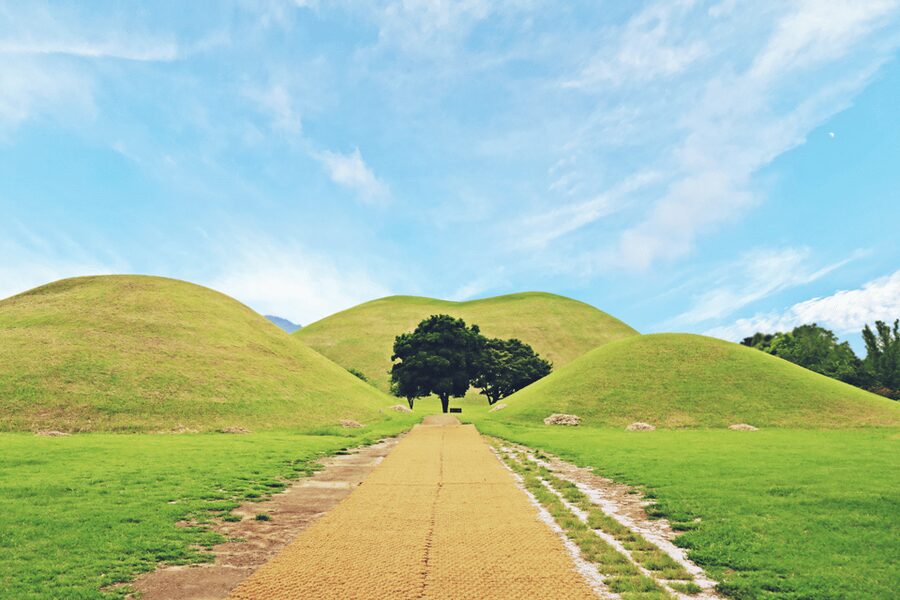
Your day begins at Daereungwon Tomb Complex, at the back gate area. This is a smart move because it sets the tone early: Gyeongju’s story is not only temples and statues, it is also power buried in the ground.
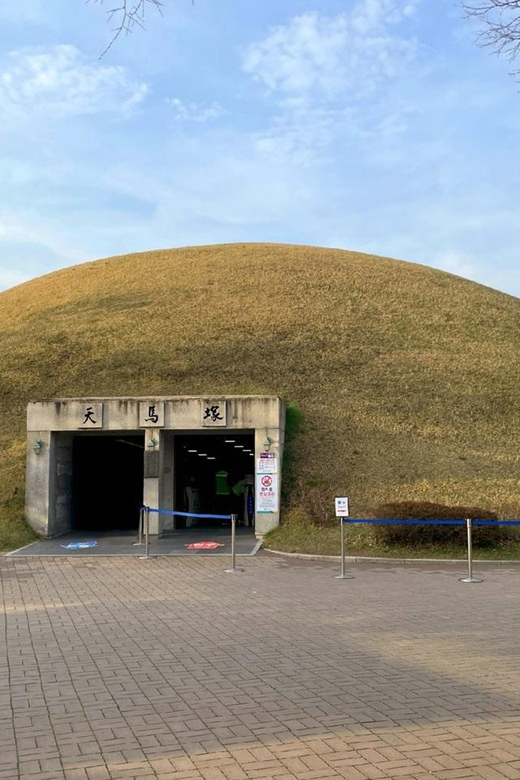
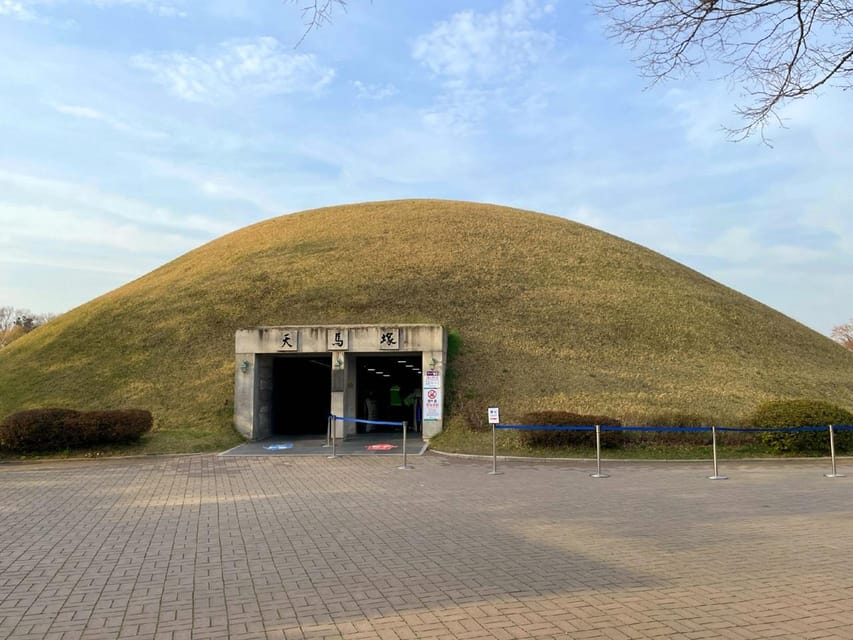
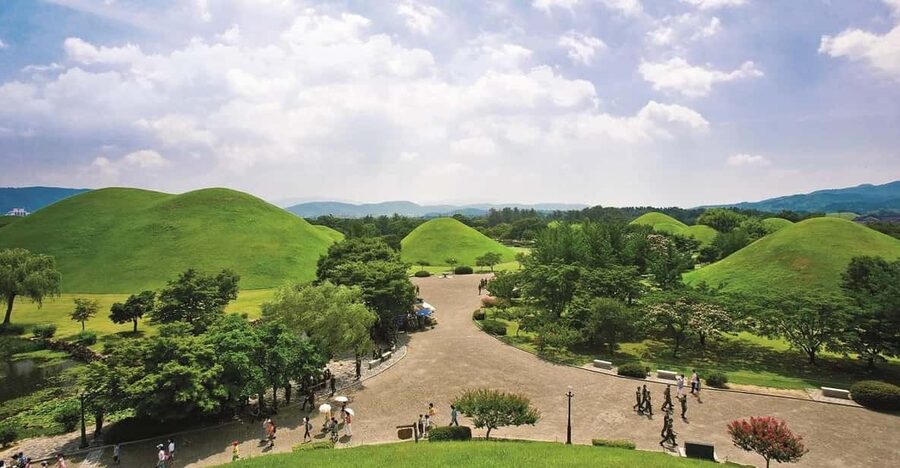
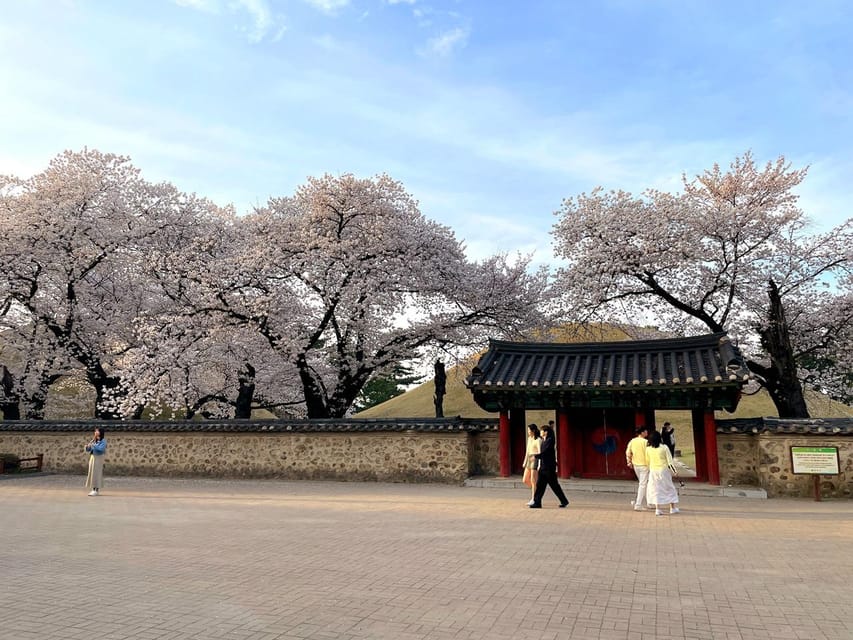
First you’ll visit the early Silla tombs at Daereungwon. Even if you have read a little about Silla, seeing the burial mounds in person helps you understand the scale of royal status in this kingdom. Then comes Cheonmachong, one of the few Silla royal tombs where you can see the interior.
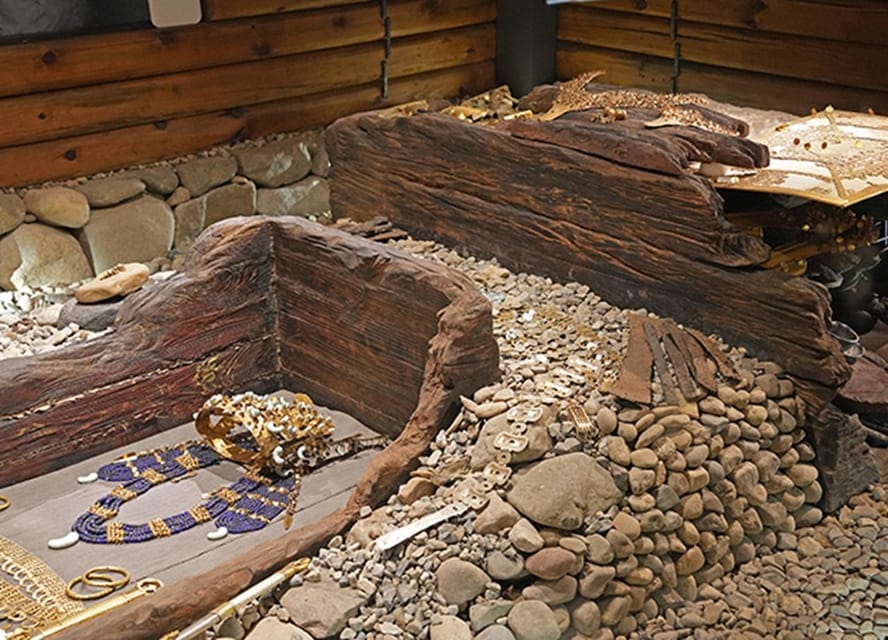
Cheonmachong is famous for a detail that turns an excavation into a story. The name Cheonmachong, or Tomb of the Heavenly Horse, comes from a birch bark saddle flap, also described as a mud-guard, depicting a flying horse that was unearthed during excavation. Standing where the tomb interior is presented makes that sort of “tiny find, huge meaning” idea real.
A practical note: there is a lot of up close looking here. Bring your patience for time spent reading displays and paying attention to the guide’s explanations. This is the stop where the tour shifts from sightseeing to understanding.
Great Hwangnam Tomb, then the museum shows you what it all meant
After the Cheonmachong visit, you’ll head to the Great Hwangnam Tomb, described as the largest tomb in Gyeongju. The guide will encourage you to take a photo with the tomb in the background, and it is a good cue for framing your day. This is one of those places where a single clear photo helps your memory later when you are bouncing between eras.
Here is why this part of the itinerary matters. The relics excavated from the Great Hwangnam Tomb are then shown at the Gyeongju National Museum. In other words, the tour does not just say, trust us, these are important artifacts. It gives you a built-in connection, so the museum feels like a continuation instead of a separate attraction.
Seokguram Grotto: the scale hits you before the explanation does
Next up is Seokguram Grotto, one of the UNESCO highlights and often the star for first-time visitors. The tour frames it as a masterpiece of Silla Buddhist art, and you really do feel that as soon as you enter the cave space.
The experience here is physical. You are meant to be overwhelmed by the immense scale of the main Buddha figure inside the grotto, and by the gentle expressions on the statues’ faces. Then there is the atmosphere, that cave-like quiet that makes the artwork feel less like a museum piece and more like something people once gathered around with intention.
What I’d do for your visit: don’t rush for photos first. Let your eyes adjust, then follow your guide’s order of viewing. The tour format helps because you’ll be guided through what to notice, not just asked to walk around.
More UNESCO sites around Gyeongju:
- Gyeongju UNESCO sites Private tour with licensed tour guide
★ 5.0 · 275 reviews - Private Gyeongju Tour – Explore Gyeongju UNESCO Sites
★ 5.0 · 272 reviews - Gyeongju UNESCO World Heritage Sites and History Full-Day Tour with Lunch
★ 5.0 · 104 reviews - Gyeongju: UNESCO Heritage Tour Including Bulguksa Temple
★ 4.8 · 104 reviews
Bulguksa Temple: core Silla Buddhism and national treasures
After Seokguram, you’ll move to Bulguksa Temple, described as a core center of brilliant Silla Buddhist culture. This is the kind of site most Koreans grow up hearing about, and the tour treats it that way, with time to see why Bulguksa is so widely recognized.
The highlight is the beauty and significance of seven national treasures at the temple. Even if you do not know each item by name before arriving, the guide’s explanations help you understand what you are looking at and why it is protected at this level.
If you like your sacred places calm rather than chaotic, Bulguksa is a good match. The cave is enclosed, and the temple feels grounded and open. Between the two UNESCO stops, you get contrast, and that helps the day feel coherent.
Lunch break and how to use the time well
Lunch is not included. You get the time for individual meals, freely. That can sound vague, but it is also flexible. If you want Korean comfort food, you can plan for that. If you prefer something lighter, you can keep your energy for the afternoon walking.
One smart tactic I like: eat early enough that you are not stuck in peak lines. The tour pace is full, and the day still expects you to move after lunch.
Gyeongju National Museum: the artifacts connection is the payoff
After lunch, you’ll head to the Gyeongju National Museum. This is where the morning becomes clearer, because you can look at Golden Crown artifacts excavated from Cheonmachong and relics excavated from the Great Hwangnam Tomb.
This museum stop is more valuable than it sounds, because it turns “I saw a tomb” into “I can match that tomb to what people removed from it.” You stop guessing what matters, and you start recognizing themes like royal status, craftsmanship, and religious influence.
If you are short on time elsewhere in Korea, museums can feel optional. Here, it is not optional. It is the bridge between the physical sites and the historical meaning.
Woljeonggyo Bridge photo stop, plus a bridge recovered in modern times
Next you’ll see Woljeonggyo Bridge, described as a bridge built during the Unified Silla Dynasty that connects Wolseong to Namsan in Gyeongju. The tour adds a detail that makes the bridge feel alive, it was lost during the Joseon Dynasty and later restored in 2018.
This is a good photo break because it gives you a clear, frameable subject between heavier sites. A quick shot with the bridge in the background also helps you remember the spatial layout of the old city.
Gyochon Traditional Village: the Choi clan story in everyday form
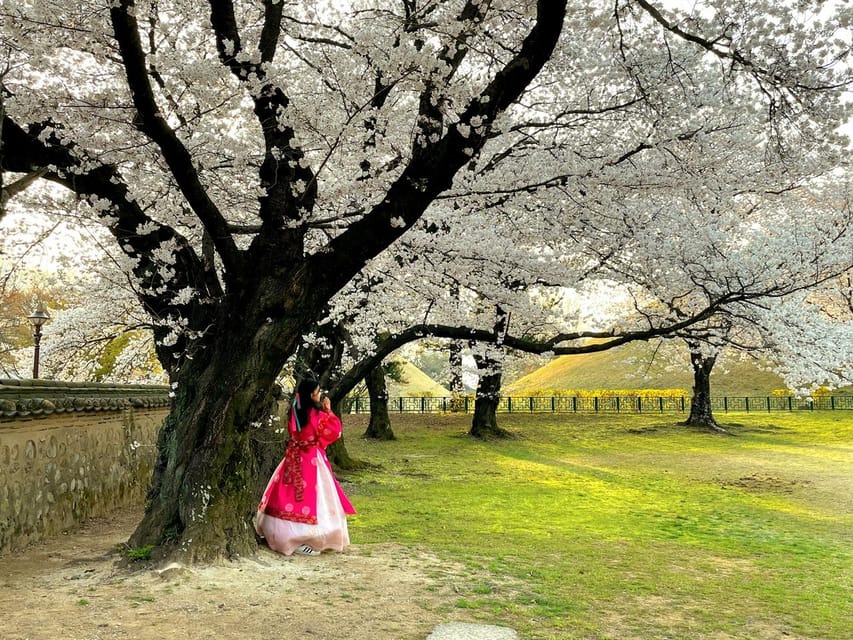
You’ll then shift to the Joseon period for a change of pace, visiting Gyochon Traditional Village. This is where the old house of the Gyeongju Choi clan is located, tied to the idea of a famous rich Choi family house and a noble family mindset that was supposed to come with social responsibility.
The tour’s angle here is learning the six principles of the Choi family by walking around a simple old home. It’s not flashy like a palace, but that’s the point. You get a feel for how status looked in daily space, not just in ceremonial architecture.
Even if your interests are mostly Silla, this stop helps you understand that Gyeongju did not freeze in time. It kept living, and its identity kept changing.
Cheomseongdae: counting stones like a real astronomer
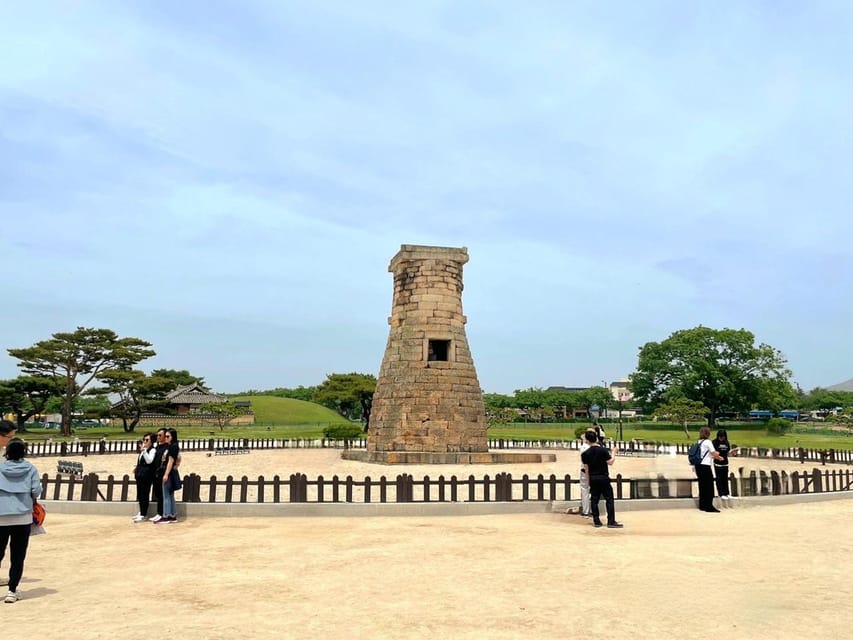
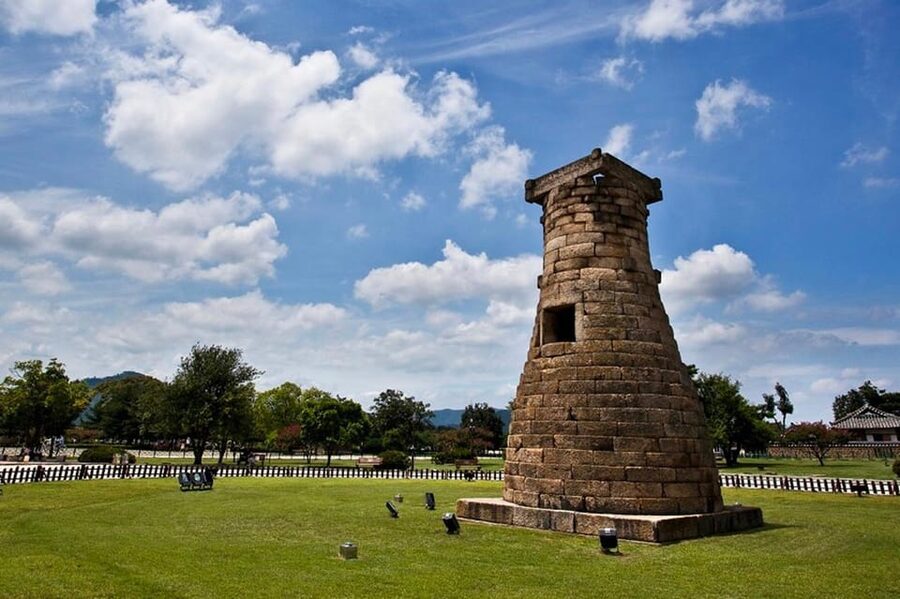
Back in the Silla era, you’ll finish with Cheomseongdae, described as the oldest astronomical observatory in Asia. The tour explains that the observatory uses 365 stones, representing the number of days in a year.
It also points out that the number of stone step levels is 29 or 30 depending on how you count, representing days in a lunar month. The guide will encourage you to count them yourself. That hands-on moment turns a monument into a puzzle, and it is a fun way to end a day full of explanations.
Price and logistics: what your $58 actually covers
At $58 per person for a full day around Gyeongju, the value comes from what is included, not just the sightseeing list. You get:
- a professionally licensed English-speaking guide
- entrance fees
- dedicated vehicle transport
That is important here because several stops are not quick to manage alone. The tour includes vehicle transfers, which matters when you have temples, tomb areas, and museum time packed into one day.
The day is scheduled as a morning bus tour and an afternoon walking tour. That mix is efficient, but it also means you should dress and pack as if you will walk a lot, even though you are not walking between everything.
Also keep in mind that the order and end time can shift depending on local circumstances like weather and road conditions. It is not a reason to panic, it is how real touring works.
Who should book this, and who should skip it
This tour is a good fit if:
- you want major UNESCO highlights in one day
- you like guided storytelling that connects stops to artifacts and dates
- you prefer not to spend time sorting out transport and ticket timing
It may not be your best choice if:
- you have trouble with lots of stairs and slopes, since the route includes them
- you are traveling with a stroller or need wheelchair access, since it is not suitable for those
- you are bringing very young kids, as it is not suitable for children under 5
- you are over 75, since it is not suitable for that age group
If you have solid mobility and a good attitude about walking, this is a strong “one shot at Gyeongju” plan.
Final take: should you book this UNESCO Highlights Tour?
If your goal is to understand Gyeongju, not just collect stamps, I think this one makes sense. The combo of Cheonmachong interior, the Great Hwangnam Tomb connection, the museum payoff, and the two UNESCO anchors at Seokguram Grotto and Bulguksa Temple is exactly the kind of structure that helps the day click.
One last tip before you book: wear comfortable shoes and plan to move all day. This is not a slow stroll tour. It is a full day that rewards you for paying attention.
FAQ
How long is the Gyeongju UNESCO Highlights Tour?
It runs for 8.5 hours, and starting times can vary, so you’ll need to check availability for the departures.
Where does the tour start and end?
The tour starts in front of the back gate of Daereungwon Tomb Complex, and it ends back at the same meeting point.
What is included in the price?
The price includes a professionally licensed English-speaking guide, entrance fees, and a dedicated vehicle.
Is lunch included?
No. Lunch and drinks are not included, and you’ll handle your own meal.
What should I bring?
Bring comfortable shoes and comfortable clothes, since the route includes lots of walking.
Is this tour suitable for children and strollers?
It is not suitable for children under 5. It is also not suitable for strollers because the itinerary includes many stairs and slopes.
Is it wheelchair accessible?
No. The tour is not suitable for wheelchair users due to stairs and slopes.
What languages are available?
The tour is conducted in English with a live guide.
Can I cancel for a refund?
Yes. There is free cancellation up to 24 hours in advance for a full refund.
Recently reviewed in Gyeongju
- Gyeongju private tour with an official tour guide (Unesco)★ 4.5 · 4 reviews
- 7 days Flexible Tour for Major Cities(Seoul,Busan,Gyeongju etc)★ 5.0 · 5 reviews
- Gyeongju UNESCO Sites Tour by KTX train; The Museum Without walls★ 4.5 · 11 reviews
- Small Group 7D Korea package Tour with Seoul Gyeongju Busan Jeju★ 4.5 · 13 reviews
- 3-Days 2-Nights Gyeongju UNESCO Sites & Busan City [Private Tour from Seoul]★ 4.5 · 11 reviews
- Gyeongju UNESCO sites Private tour with licensed tour guide★ 5.0 · 275 reviews
- Private Gyeongju Tour – Explore Gyeongju UNESCO Sites★ 5.0 · 272 reviews
- Full day Private Gyeongju UNESCO Heritage Tour : a glimpse into Silla★ 5.0 · 60 reviews
Gyeongju, compared.
Gyeongju Guided Day Trip to Three Kingdoms Capital
Read our review →
Gyeongju UNESCO World Heritage Guided Day Tour
Read our review →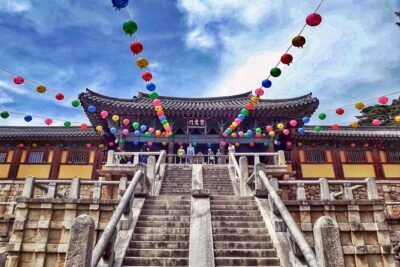
Gyeongju UNESCO World Heritage Guided Day Tour from Busan
Read our review →
Old Korea Thousand History Tour of Gyeongju from Busan
Read our review →
Gyeongju UNESCO sites Private tour with licensed tour guide
Read our review →
Private Gyeongju Tour – Explore Gyeongju UNESCO Sites
Read our review →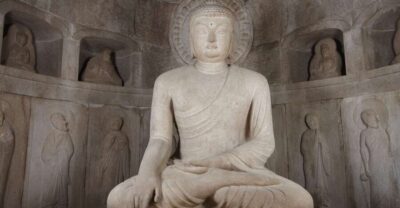
UNESCO Heritage Tour Including Bulguksa Temple
Read our review →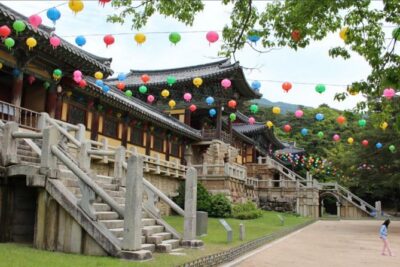
Gyeongju UNESCO World Heritage Sites and History Full-Day Tour with Lunch
Read our review →Browse the lists this tour appears in