
Reviewed · GYEONGJU
Old Korea Thousand History Tour of Gyeongju from Busan
This day trip is interesting because it compresses ancient Silla Korea into one long, guided day, starting from Busan and ending with night views. I like the convenience of round-trip transportation plus live commentary that helps you connect what you are seeing to how people once lived. One drawback to plan for: it is a full-day outing with real walking, and Gyeongju can feel hotter and more humid than coastal Busan.
I also love that your ticket covers admission at the main stops, so you spend less time on lines and more time looking closely. You hit multiple UNESCO World Heritage sights, and the schedule stretches into the evening for those classic pond and bridge views. If you prefer slow pacing or long breaks inside museums, this may feel like a “see it all” day rather than a relaxed day.
Key Points Before You Go
- Round-trip transport from key Busan stations keeps logistics simple and stress low
- Admission is covered at the featured sites, so you do not have to micromanage tickets
- Live guides add the stories and often help with photos for solo travelers
- UNESCO sites plus classic street and market feel gives more than just temples
- Evening timing works in your favor for Wolji Pond and Woljeonggyo Bridge light-up views
Why This Gyeongju UNESCO Day Trip Works So Well From Busan
If you only have one day in Busan, you still can see why Gyeongju gets called a living museum. The tour is built around big, well-known Silla-era landmarks, but it does not stop at “point, snap, move on.” With live guiding, you get enough context to notice details you might otherwise miss, like why certain temples and palace sites matter in Korea’s long timeline.
The best value move here is that the price bundles transport and admission to the attractions. At $64 per person for an all-day loop, that can be a smart deal versus piecing together transit and individual ticket entries on your own. It also fits people who want a plan, because the route is already set and the guide keeps the flow moving.
The tradeoff is time. This is about stacking a lot into about 12 hours, so your “free roaming” time is limited. You will also want to think ahead for the weather and your energy level, especially during warmer months.
More Historical Tours in Busan
- From Busan: Gyeongju UNESCO World Heritage Guided Day Tour
★ 4.8 · 1,250 reviews - Gyeongju UNESCO World Heritage Guided Day Tour from Busan
★ 5.0 · 660 reviews - Busan history and market food tour with local chef
★ 5.0 · 58 reviews
Getting There: Pickups in Busan and the Road to Gyeongju
The day starts with pickup around the morning from Busan Station, then it continues at Seomyeon Station and Haeundae Station. During the summer season (APR to SEP), Busan Station pickup is listed at 10:00, with Seomyeon following at 10:20. Exact timing can shift slightly depending on the season and traffic, but the important thing is that you are not starting from some random neighborhood.
Round-trip transfers matter because Gyeongju is inland and getting there on your own can be a bit of work if you are juggling bags, language, and schedules. Here, you get a bus setup, and reviews mention the comfort of the bus and the chance to cool off with AC between stops.
Also note the format: you use a mobile ticket, and the group size can go up to 400 travelers. In real life, you may end up in a smaller English-speaking group depending on the day, but the key is that you should be ready for a group pace. If you like asking lots of questions, it helps if you speak up during the stops rather than waiting until the bus ride.
Bulguksa Temple: The UNESCO Start That Sets the Tone
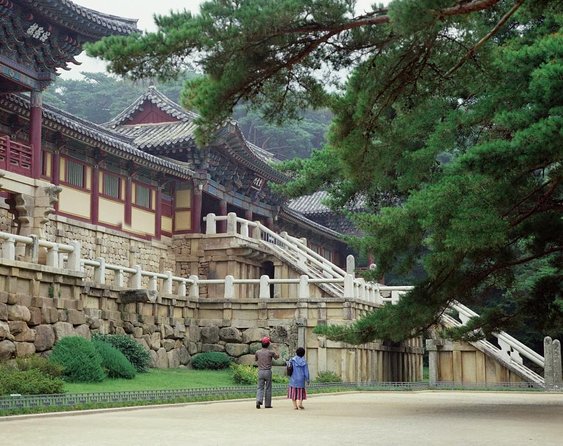
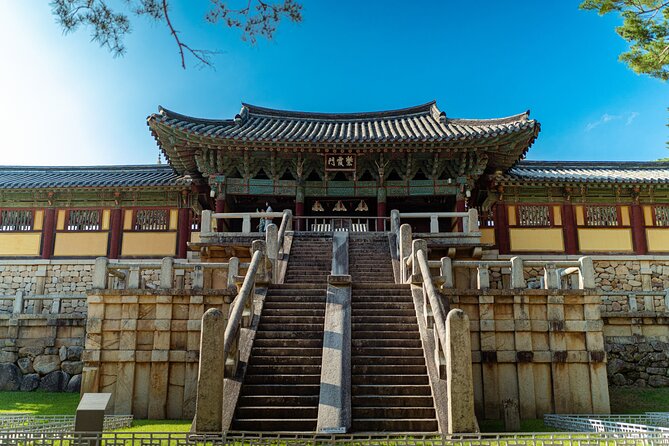
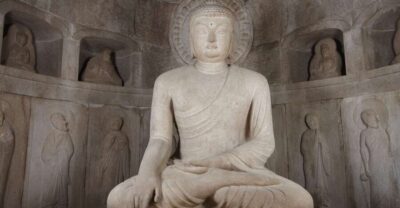
Your first major stop is Bulguksa Temple, a UNESCO World Heritage site representing the Silla period. This is the kind of place where the big wow factor is immediate: stonework, architecture, and the way the temple sits with the surrounding nature. It is popular with Koreans of all ages, which is a clue that it is not just tourist-page material.
You get about 1 hour here, which is enough for a solid walk-through and photos, but not enough to treat it like a slow museum visit. If you want to really understand what you are seeing, this is where live commentary earns its keep. A strong guide will help you connect key parts of the temple to the broader Silla story, so you are not just looking at pretty buildings.
Practical tip: wear shoes you can trust. Even though Bulguksa is not a long-distance hike, you are on uneven ground and you will be walking consistently throughout the day.
Gyochon Traditional Village: Hanok Streets and the Old-Style Food Stop
Next up is Gyeongju Gyochon Traditional Village, a hanok-focused area built around traditional streets and historic structures. You get about 1 hour, and the highlight here is the atmosphere: stone paths, traditional houses, and nearby spots like Woljeonggyo and Gyeongju Hyanggyo. The tour also mentions high-class Korean restaurant options in the village area, which is a sign this is both a heritage site and a place locals enjoy.
One thing I like about adding a village stop is that it shifts you from “royal and religious monuments” to daily-life textures. Hanok streets help you picture what normal life might have looked like in a historic city, even if the buildings you see are partly shaped for modern visitors.
The possible drawback is that an hour goes quickly. If you want to linger over shop windows, try snacks, or sit with tea, you may feel a bit rushed. I would treat this as a chance to wander with purpose, then save a longer village meal for another trip day if you have it.
More of Gyeongju:
- Busan: Gyeongju Guided Day Trip to Three Kingdoms Capital
★ 4.8 · 1,925 reviews - From Busan: Echoes of Silla Gyeongju Historical Day Tour
★ 4.8 · 55 reviews - Gyeongju Small Group photo Tour (Max 6 Pax)
★ 5.0 · 38 reviews - Gyeongju Historic Areas Day Tour with Sky Capsule from Busan
★ 5.0 · 18 reviews
Daereungwon Tomb Complex: Big Silla Burials, Simple Viewing
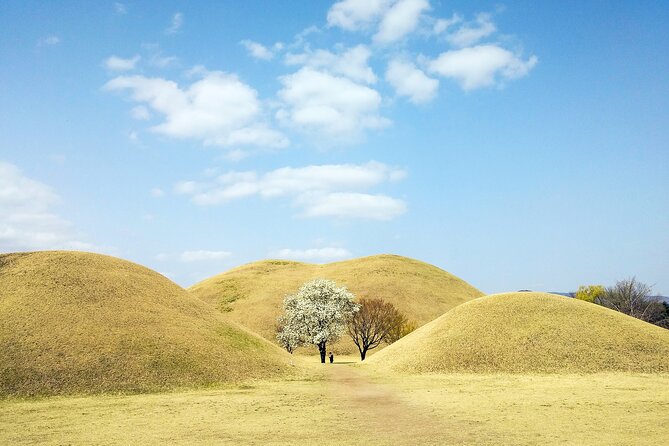
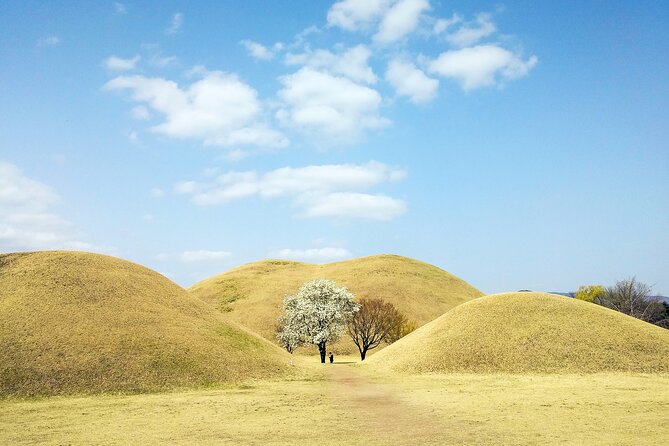
Then the tour moves to Daereungwon Tomb Complex, another UNESCO-connected stop that represents major tombs from the old Silla era. You get about 1 hour, and the setting is dramatic in scale even if the “viewing experience” is more about the terrain and mounds than indoor exhibits.
This is where expectations matter. Some visitors love tomb sites for the historical importance and the sense of place. Others find it harder to get excited because there is not much “to see” in a typical museum way. You can still make it worthwhile by focusing on what the guide points out: why these tombs are important, how the area relates to royal power, and how Silla-era planning shows up in the layout.
If your goal is photos, this is usually workable, just do it efficiently. If your goal is deep exploration, you may wish you had more time. Either way, it is a key Silla landmark on this route, and it helps balance the day between religious sites, residential heritage, and royal burial history.
Hwangridan-gil: The 1960s-Feeling Street Break
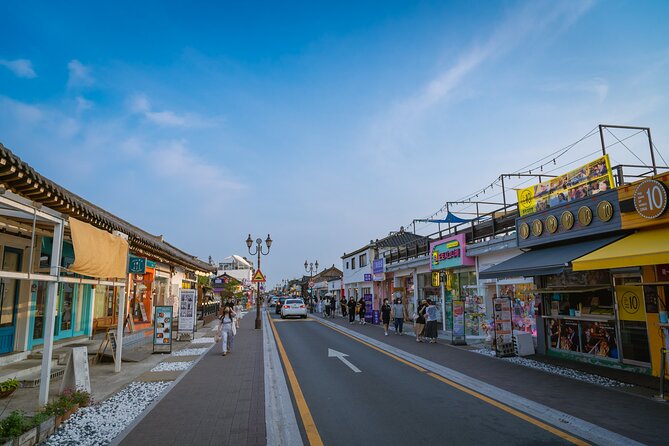
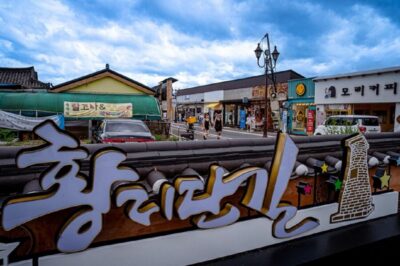
After the tomb area, you get a lighter-feeling stop at Hwangridan-gil (also spelled Hwanglidangil on some materials). This is described as a street that preserves old buildings from the 1960s, so it has that “human scale” feel that monuments alone cannot provide.
You spend about 2 hours here, which is one of the longer blocks on the tour. That extra time matters because streets like this reward casual walking, browsing, and slow photo stops. If you are the type who likes street scenes, you will likely enjoy this pause.
The downside is that the view and experience can shift depending on the season and local events. If there are holiday crowds or temporary setups, the street can feel different than you hoped. Still, even in a busier moment, a street stop gives your brain a breather before the evening palace and pond area.
Donggung Palace and Wolji Pond (Anapji): Palace Echoes, Night Beauty
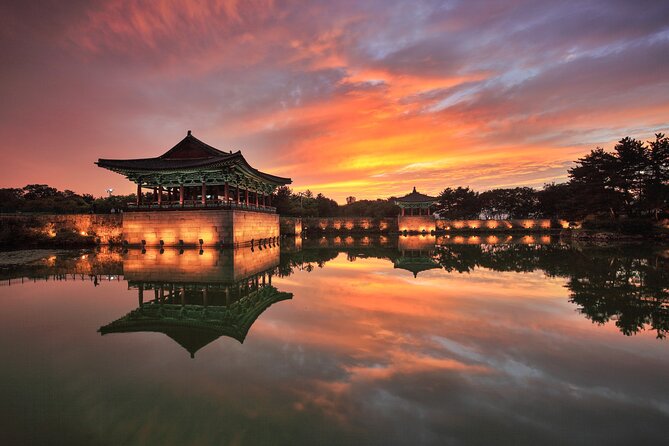
The last big star block is Donggung Palace and Wolji Pond, also known by the older name Anapji Pond. This is a palace site from the Unified Silla period, and the main reason people get excited is the way the palace is reflected in the lake. Even when the palace itself is not intact as a full standing structure, the pond setting makes the imagination work.
You get about 1 hour here, and the tour’s timing is set so you can catch that classic evening mood. Reviews specifically call out how memorable the palace and bridge illumination is, so if you care about night photos, this is a major reason to choose this specific day trip format.
If you are bringing a camera, prioritize the pond reflections and the silhouetted structures. If you are traveling solo, this is also a good area to ask the guide for photo help, since several guides named in feedback were praised for doing exactly that.
Woljeonggyo Bridge at Night: The Photo-Friendly Finish
Finally, you end with Woljeonggyo Bridge, a short stop of about 30 minutes that focuses on the night view and the lights reflected on the water. This is the kind of finishing moment that turns your day into something more than a list of landmarks.
It is short on purpose, which is why you should arrive ready to move. If you want wide-angle shots, give yourself a minute or two to find a spot where you are not blocking other people.
Even if you skip a few photos, do not skip the walk itself. The bridge vibe is a gentle close to a fast day, and it helps you remember Gyeongju as a city of atmosphere, not only stone and ceremonies.
The Real Schedule: Heat, Walking, and How the Day Feels
On paper, this tour is about 12 hours. In real life, it can feel even longer because you are transitioning between sites, waiting at pickup points, and then resetting your mindset for a new type of place each stop.
Reviews mention heat and humidity as a serious factor, with one guest logging more than 18,000 steps. If you are visiting in summer or near summer weather, you should act like you are going to spend the day outside all day. Bring sunscreen and a hat or umbrella, and hydrate early, not after you start feeling tired.
I also like that the bus provides chances to cool off between stops, and guides often remind people to stay hydrated and keep cool. Some guides named in feedback, like Bada and Erica, were singled out for managing the pace in hot conditions and keeping things engaging.
One more thing: this is a schedule that runs into the evening. If you are traveling with kids or you hate late-day fatigue, plan around bedtime logistics on your return to Busan.
Guides and Group Energy: What People Seem to Value
The guide can make a huge difference on a packed itinerary like this. The feedback includes multiple named guides, including Bada, Hyony, Kyla, Katrina, Erica, Eva, and Keyla, and the common theme is that they keep the stories clear and the mood upbeat. Several reviews mention that guides helped with photos for solo travelers, which is genuinely practical on a day when you are hopping between viewpoints.
You should also know this: you might feel guided rather than free. If you like lots of independent exploration, you may find the group pace a bit controlling. One participant even complained about a guide pushing for tips and reviews. That kind of awkward moment is avoidable if you keep your boundaries simple, but it is something to be aware of if you prefer totally hands-off interaction.
Bottom line: if you want a smooth day with context and photo help, the guide quality is a big part of the value.
Price and Value: Why $64 Can Make Sense for a Full-Day UNESCO Route
Let’s talk value honestly. $64 is not cheap, but this is not just a bus to a single attraction. You are getting round-trip transfers, admission to the attractions, and a professional guide for about 12 hours.
That matters because in Korea, admission and local transit can add up quickly when you are doing multiple sites. Also, you are not dealing with how to get from stop to stop, which is half the headache on a day trip.
The only “extra cost” category you should expect is food, since meals are not included. Some people find lunch available for purchase during the day, but you should budget for it. If you know you will buy meals anyway, this tour price still usually lands as reasonable because your tickets and transport are already handled.
Who Should Book This Tour From Busan
This is a great fit if you want one day of big sights without planning headaches. I would especially recommend it if you:
- have limited time in Busan and want a day trip with multiple UNESCO stops
- like guided storytelling that helps you understand what you are looking at
- prefer a structured itinerary with photo-friendly moments
I would think twice if you:
- hate walking and would struggle with a long day outside
- want maximum freedom to linger at each location
- need a very gentle pace, especially in warm weather
If you are traveling solo, the photo help mentioned in feedback can be a real advantage. If you are traveling as a family, aim for good shoes and expect the day to feel long.
Should You Book Old Korea Thousand History Tour of Gyeongju From Busan?
If you want a high-effort, high-reward day, I think you should book this tour. It gives you the biggest Gyeongju hits, adds a street stop that breaks up the heavy monuments, and ends with the evening pond and bridge glow that most people remember.
Just go in with the right mindset: plan for heat, wear walking shoes, and keep your expectations aligned with a guided, timed schedule. If you do that, the $64 price starts to feel like a bargain for a full-day UNESCO route that also covers transport and admissions.
FAQ
How long is the Gyeongju day trip from Busan?
It runs for about 12 hours.
Where do pickups happen in Busan?
Pickup starts at Busan Station, then continues at Seomyeon Station and Haeundae Station.
Are entrance fees included?
Yes. Admission to the visited attractions is included.
What does the tour price include?
Round-trip transfers, admission to attractions, and a professional tour guide are included.
Are meals included in the tour price?
No. Meals are not included.
Is this a mobile ticket experience?
Yes, the tour uses a mobile ticket.
How much walking should I expect?
You should have a moderate physical fitness level. The day involves walking between multiple sites.
How many travelers can be on the tour?
The maximum number of travelers is 400.
What is the cancellation policy?
You can cancel for a full refund up to 24 hours before the experience starts. If the experience is canceled due to poor weather, you are offered another date or a full refund.
Is this tour dependent on weather?
Yes. It requires good weather, and it may be canceled due to poor weather.
Recently reviewed in Busan
- Gyeongju private tour with an official tour guide (Unesco)★ 4.5 · 4 reviews
- Small Group Discover Busan Tour with hotel pickup and dropoff★ 5.0 · 111 reviews
- A Well-Rounded Small-Group Busan Tour with Hotel Pickup Service★ 5.0 · 157 reviews
- Real Busan Walking Experience★ 5.0 · 27 reviews
- Busan Seafood Tour : Oyster village Tour with Oyster cuisines★ 5.0 · 3 reviews
- Enchanting Oedo Island Day Tour from Busan with Windy Hill★ 4.5 · 59 reviews
- Suncheon one day tour from Seoul, Busan or Suncheon★ 5.0 · 3 reviews
- Visit Busan night market and enjoy the night view of Busan harbor★ 5.0 · 6 reviews
Gyeongju, compared.
Gyeongju Guided Day Trip to Three Kingdoms Capital
Read our review →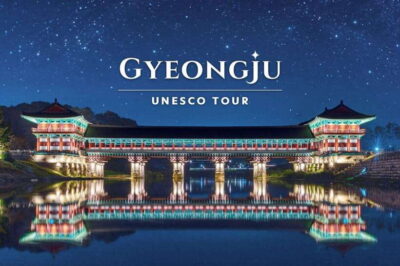
Gyeongju UNESCO World Heritage Guided Day Tour
Read our review →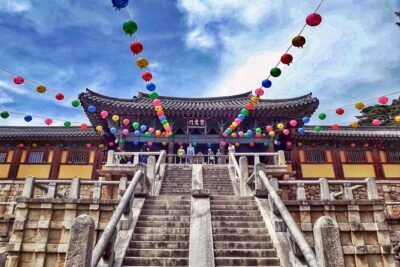
Gyeongju UNESCO World Heritage Guided Day Tour from Busan
Read our review →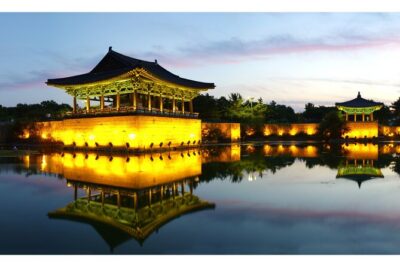
Gyeongju UNESCO sites Private tour with licensed tour guide
Read our review →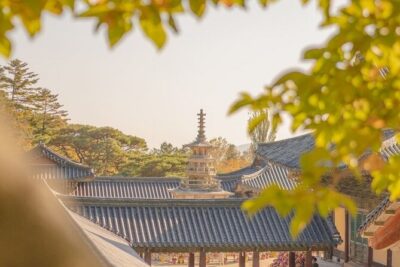
Private Gyeongju Tour – Explore Gyeongju UNESCO Sites
Read our review →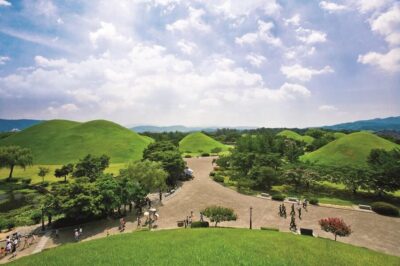
UNESCO Heritage Tour Including Bulguksa Temple
Read our review →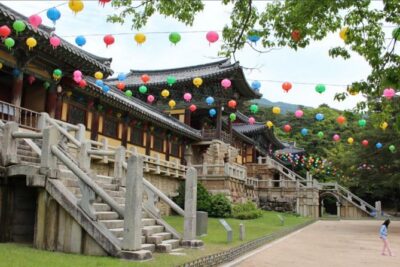
Gyeongju UNESCO World Heritage Sites and History Full-Day Tour with Lunch
Read our review →Browse the lists this tour appears in