
Reviewed · GYEONGJU
Gyeongju UNESCO Sites Tour by KTX train; The Museum Without walls
A KTX-powered UNESCO day from Seoul is one of those rare tours that actually feels efficient. You get a full run through major Silla-era sites, with hotel pickup, KTX tickets, and an English-speaking guide doing the heavy lifting. For a first-time Gyeongju visit, it is a smart way to see a lot without spending your day wrestling transit.
I especially like two things: the smooth rail-and-car setup (private transfers plus round-trip KTX), and the way the stops connect into one clear story of the Silla kingdom. You also get plenty of time at the bigger landmarks, not just quick photo stops.
One thing to watch is the timing and the outdoors. It is a long day, and several key sights sit outside or up on hills, so rain can affect comfort and your ability to fully enjoy places like Bulguksa and Seokguram. I’d also pay attention to guide clarity if you are sensitive to accents, since one guide’s English level has been a small sticking point for some people.
Key Things I’d Put on Your Radar
- KTX round-trip plus private pickup means you start at 7:00 am and keep the day organized
- Cheonmachong Tomb gives you direct context for Silla burial mounds, with an excavated section that some groups can walk into
- Gyeongju National Museum is where the city’s timeline clicks into place before the outdoor monuments
- Cheomseongdae includes a rare dose of early astronomy lore, built in 634 under Queen Seondeok
- Bulguksa and Seokguram are the big-hitters, with Seokguram set high above the East Sea
- Private tour format keeps you in your own group, not mixed crowds
Why Gyeongju UNESCO Sites Work as a Seoul Day Trip by KTX
Gyeongju is the kind of place where the past is not behind glass. It is in mounds in the ground, stone towers, palace ponds, and Buddhist sites that look like they were built to last longer than any empire.
The tour name, Museum Without Walls, fits perfectly. Even though you visit a museum, the real “exhibits” are all over town, spread across the Silla timeline. The format matters because it helps you connect what you are seeing instead of treating each stop like a separate checklist item.
The KTX piece is what makes the day feel realistic. You are not spending half your vacation day figuring out schedules and station transfers. The tour builds the day around a rail rhythm, then fills the in-between time with sites that are actually worth the effort.
And yes, it is early. Start time is 7:00 am, but that usually means you beat the worst crowds and get the best chance for clearer light at the outdoor viewpoints.
More of Gyeongju:
- Small Group 7D Korea package Tour with Seoul Gyeongju Busan Jeju
★ 4.5 · 13 reviews - 3-Days 2-Nights Gyeongju UNESCO Sites & Busan City [Private Tour from Seoul]
★ 4.5 · 11 reviews - 7 days Flexible Tour for Major Cities(Seoul,Busan,Gyeongju etc)
★ 5.0 · 5 reviews
Morning Plan: 7:00 am Pickup, Private Car Transfers, and KTX Seats
This is not a “meet at a station and figure it out” setup. You get hotel pickup in Seoul areas and round-trip KTX tickets, plus a private-vehicle transfer component. That matters because you avoid the stressful part of the trip, the part where a single missed connection can throw off everything.
From what’s been shared with this experience, one of the standout logistics moments is how the guides handle the rail boarding process. For example, guides such as Andrew have been described as helping people get from the pickup to the station and then walking them onto the correct train seats.
In Gyeongju, guides like Jay have also been described as meeting guests after they exit local transit and then guiding them to the right sites in order. That kind of “I’ve got you” pacing is what turns a long day into a manageable one.
There is one practical caution though: the tour includes pickup, but hotel drop-off in Seoul is not included. Plan ahead so you know how you will get back to your exact accommodation after the tour ends. If you are staying outside the pickup area, confirm the exact end point and your easiest return option.
Cheonmachong Tomb: Silla Burial Mounds You Can Actually Understand
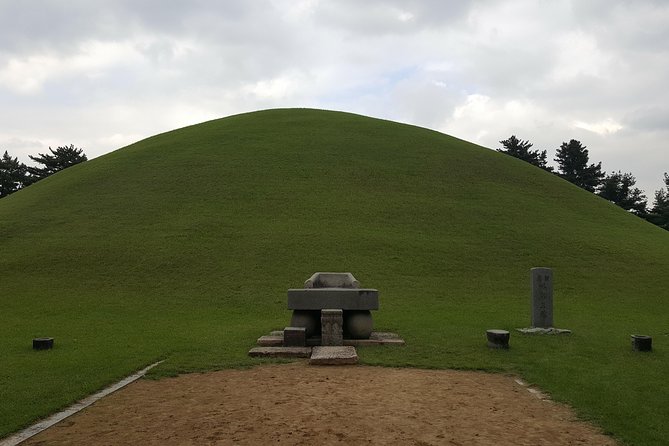
Stop one sets the tone for the entire day: Cheonmachong Tomb. This site is part of a larger area with more than 20 large and small tombs from the Silla period. The descriptions focus on the mix of mound shapes, mostly earthen and mound-like, including some double gourd-shaped forms.
What I like about starting here is that it gives you a physical anchor. Before you see towers, temples, and palace ponds, you understand how power and status were expressed in Silla burial culture.
Another reason this stop lands well is the “scale of time” feeling. These are not reconstructed props. They are ancient burial mounds, and the sheer density of tombs in one area makes the city’s historical importance feel real fast.
Some guides, like Jay, have been described as bringing people to an excavated tomb section that you can walk through. If that portion is open during your visit, it turns the site from visual into experiential. If it is not open, you still get the core mound context and guide interpretation.
Practical note: this is mostly outdoors terrain, so comfortable shoes matter. If it is raining, expect slick ground and fewer “linger moments,” especially near mound paths.
Gyeongju National Museum: The Timing Saver That Makes the Outdoors Make Sense
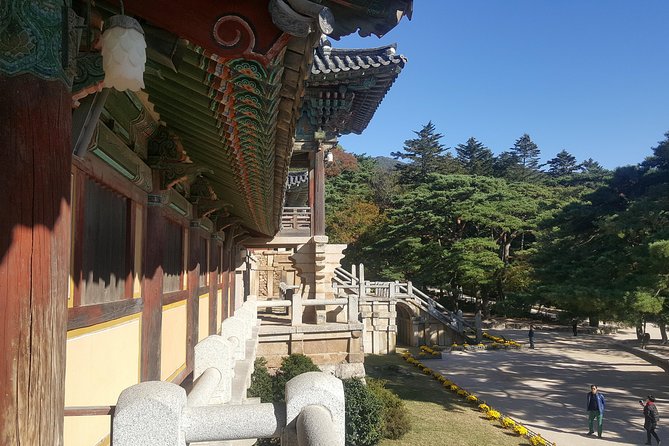
Next comes the Gyeongju National Museum, and this is the smartest kind of museum stop. The museum is not there to replace the sites. It is there to help you read them.
The museum’s archaeological hall is where you can appreciate Gyeongju’s role in one sweep, and that pays off later. When you reach sites like Cheomseongdae and the temples, you will understand better what you are looking at: why Silla built certain monuments, what materials and design choices meant, and how the pieces connect.
This stop is also pleasantly flexible. Admission is listed as free for this itinerary, and the museum slot is around an hour. So you can see the main galleries without feeling like you are trapped inside all day.
If you like history but dislike long museum marathons, this is a good compromise. You get the “why it matters” context, then you get back outside to enjoy the monumental parts.
More UNESCO sites around Seoul:
- Day Trip to UNESCO: Suwon Fortress Adventure from Seoul
★ 5.0 · 56 reviews - Full-day UNESCO Heritage Tour with Suwon Hwaseong from Seoul
★ 5.0 · 28 reviews - Andong Hahoe Village [UNESCO site] Premium Private Tour from Seoul
★ 5.0 · 24 reviews - From Seoul: 5-Day Tour of Korea with UNESCO Sites
★ 4.8 · 22 reviews
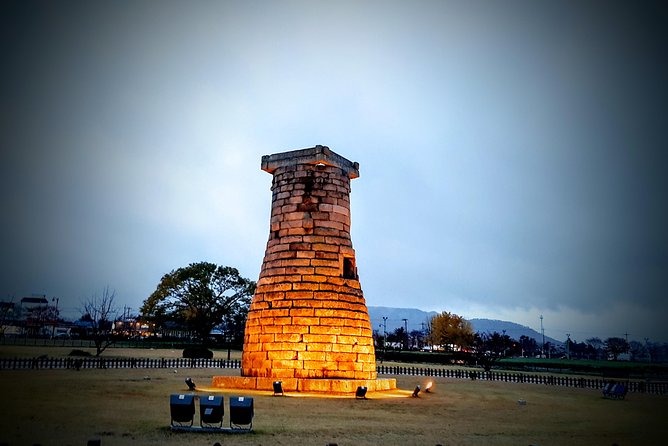
Cheomseongdae Star Gazing Tower: The 634 Astronomy Story in Stone
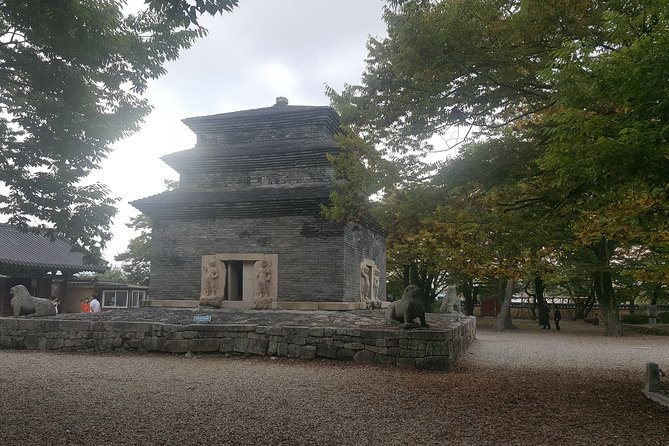
Cheomseongdae Observatory is one of those stops that feels small from a distance and huge once you’re there. The name translates to star gazing tower, and the core highlight is its age and purpose.
It was built in 634 during the reign of Queen Seonduk (the 27th ruler of the Silla dynasty), and it is described as the oldest existing observatory in the Far East. The tower’s stone construction uses 27 levels of stones, which is a neat detail to look for as you stand there.
Here is why this stop works on a day tour: it expands your idea of what Silla culture included. You are not only seeing tombs and temples. You are also seeing how they tracked the sky, and how that knowledge fit into governance and planning.
The drawback is simple: it’s a popular sight, and you may spend part of the hour waiting for a good moment to photograph without people in your frame. If you travel with someone who enjoys quiet, show up with patience.
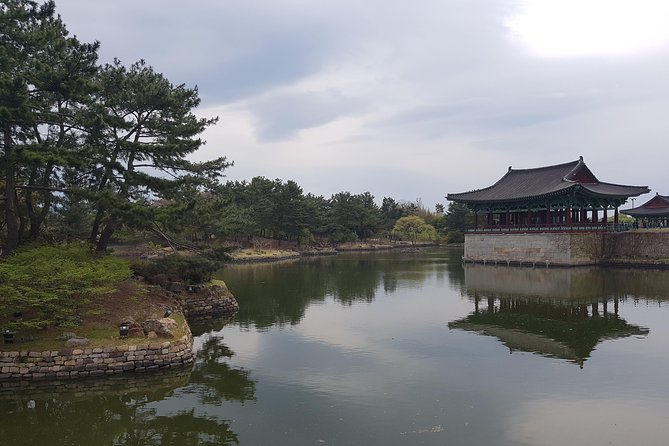
Donggung Palace and Wolji Pond: Palace, Garden, and a Pond Full of Meaning
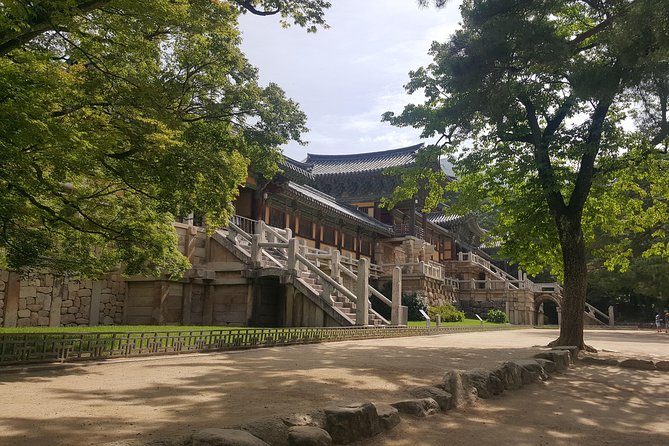
After the observatory, the tour heads to Donggung Palace and Wolji Pond (often known as Anapji). This stop is about the palace setting and the water-and-garden design.
The description notes that Anapji Pond was built in 674 after the unification of the Korean Peninsula. That timing is important. It signals a moment when Silla leadership consolidated power, and architecture and landscaping became part of that statement.
You also hear about the palace gardens being shaped with small mountains inside the palace walls, along with trees, flowers, and rare birds and animals. That’s a reminder that “garden” here is not only pretty. It is cultural display, a way of staging nature as controlled spectacle.
What I like for your planning: this is another outdoors-heavy stop, but it usually feels less physically demanding than temple stair routes. If the day is hot, you might appreciate breaks in the shade, assuming your route includes them.
If it is raining, pond views can look dark and flat, but that can still be worth it. The guide interpretation helps you see the purpose behind the setting, not only the aesthetics.
Bulguksa Temple and Seokguram Grotto: The Big Two UNESCO Stops
If you only cared about one day trip and you wanted the “I’m glad I came” moments, this pairing is it.
Bulguksa Temple
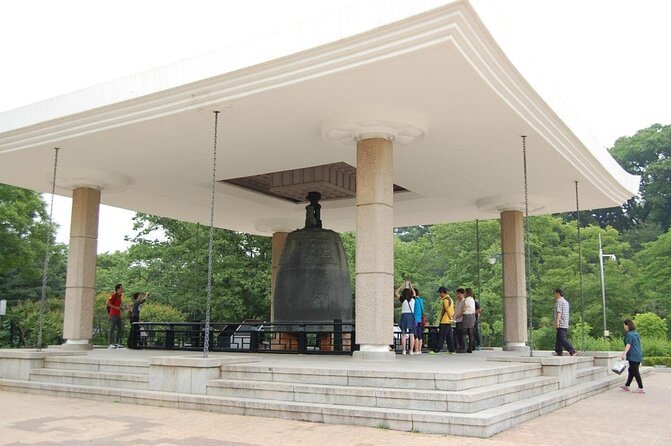
Bulguksa Temple is described as the most famous Buddhist temple in Korea. It is part of the experience for a reason: it’s home to important Silla-period relics, including standout stone pagodas such as Dabotap.
Temple days can be intense because they include walking on uneven ground and climbing pathways. This itinerary gives you about an hour at Bulguksa, which is enough to see the key structures without turning it into a marathon.
If you need a practical strategy, this is it: let the guide set the “where to look first” order. With a site this iconic, your time is better spent knowing what to notice than trying to read every sign at once.
Seokguram Grotto
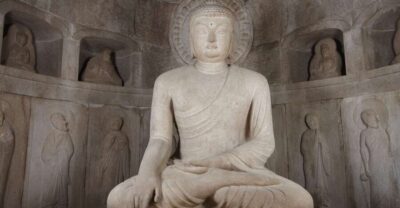
Then you go to Seokguram, a hermitage that belongs to the Bulguksa complex. The key points from the description are its setting and art. It overlooks the East Sea and sits 750 meters above sea level.
That height factor affects the feel of the visit. You get viewpoint air, wind sometimes, and a sense of arrival when you step into the grotto setting. The description also highlights Buddhist sculptures, described as some of the best in the world.
One small reality check from the way the day is described: if the weather is bad, you may feel it more here than you would inside a museum. The rain impact is why people who dislike outdoor time should think carefully before booking.
In the more positive stories, guides like Dylan have helped make these stops feel organized and paced, not rushed. When the route is well ordered, Seokguram especially feels less like a destination you sprint through and more like a place you actually absorb.
Food, Breaks, and the Rain Reality Check
Meals are not included. You will need to plan on buying lunch or snacks on your own, and that means you will want a flexible mindset about timing.
In past experiences shared about this tour, guides have sometimes helped people find a lunch spot. For example, John was described as taking the group to a small restaurant for lunch, with a meal portion large enough that some people could not finish everything. So if your guide offers lunch advice, take it. It can save you time and help you eat something simple and local between stops.
Now, rain. One of the downsides you should take seriously is that a full day packed with outdoor sights can get uncomfortable if weather turns. An accounts of a hard rain suggests it can reduce the enjoyment of outdoor portions. So do yourself a favor and pack a compact umbrella or rain jacket, and bring shoes that handle wet surfaces.
A long day also means you should bring water. The itinerary does not list included meals, and the sites are spaced so you may not want to waste energy hunting for drinks every time you feel thirsty.
Price and Value: What $470 Really Covers
At $470 per person, you are paying for far more than “a guide and a bus.” The price includes:
- hotel pickup in Seoul areas
- KTX round-trip fare in economic class
- round-trip transfer service by private vehicle
- an English-speaking guide
- admission fees to the listed sites
When the alternative is DIY, the cost adds up in boring ways. KTX tickets cost something. Admissions cost something. And the biggest hidden expense is time, because you have to connect trains, find the right local transit, and organize a route that does not waste daylight.
This tour’s value is the coordination. It is basically someone else handling the schedule math so you can spend your energy on the actual monuments.
Is it worth it for everyone? If you enjoy planning every detail and navigating independently, you might prefer DIY. But if you want the day to be smooth and guided, and you care about seeing multiple UNESCO-related Silla sites in one push, the package pricing starts to make sense.
The rating signal is also strong, with an overall score of 4.6 across 11 reviews and a 91% recommendation rate. That suggests most people come away thinking the organization and guide experience justified the cost, even with the occasional complaint about rain or English clarity.
Who This Private Tour Fits Best (and Who Should Rethink It)
This tour is a strong match if you want a structured, one-day introduction to Gyeongju’s Silla monuments. It is also a good fit if you like history and you want a guide who can link the tombs, the museum objects, the observatory, and the temples into a single narrative.
It is also a practical match for groups who do not want to split up to manage tickets and transit. The experience is described as a private tour, with only your group participating, and that usually means less waiting around.
Who might want to reconsider:
- If you dislike long days and early starts, because the itinerary runs about 8 to 9 hours
- If you are sensitive to outdoor walking on slick ground, because multiple stops are outdoors
- If you strongly depend on very clear English audio, since one experience noted trouble understanding a guide’s accent
Should You Book This Gyeongju UNESCO Sites Tour by KTX?
I’d book it if your goal is a smooth, high-value day trip from Seoul that covers major Silla sites without you doing the logistics work. The combination of KTX round trip, private transfers, and site admissions is the core reason it feels like a deal, not because it’s cheap.
I’d think twice if weather regularly messes with your travel style. If rain tends to ruin your day, pack for it and plan to stay flexible. I’d also confirm the end-of-tour return plan to your hotel since drop-off in Seoul is not included.
If you want the best odds of a great day, choose this tour when you can handle a long morning, and when you can appreciate monuments in sequence. Done right, it feels like a museum exhibit that happens to be outside, built of tombs, stone, and sky-watching lore.
FAQ
What time does the tour start from Seoul?
The tour start time is 7:00 am.
Does the tour include admission fees for the sights?
Yes. All admission fees to the listed tourist sites are included.
Are meals included during the day?
No. Meals are not included.
How do we travel between Seoul and Gyeongju?
You use KTX round-trip train tickets in economic class, plus round-trip transfer service by private vehicle.
Is this a private tour?
Yes. It is described as a private tour/activity, with only your group participating.
Is hotel drop-off included in Seoul?
Hotel pickup in Seoul areas is included, but hotel drop-off service is not included. You will need to arrange your return from the tour’s end point.
More Museums in Seoul
- Seoul: The War Museum, Jogyesa, and Tapgol Park Tour
★ 4.8 · 54 reviews - Seoul: War Memorial of Korea Private Guided Museum Tour
★ 4.9 · 29 reviews - DMZ Tour + The War Memorial of Korea Museum
★ 5.0 · 28 reviews - Color Pool Museum
★ 4.0 · 22 reviews
Recently reviewed in Seoul
- Korean Folk Village & Suwon Hwaseong Fortress Private Tour★ 5.0 · 3 reviews
- Seoul City Private Tour (Optional layover)★ 5.0 · 3 reviews
- 5D4N Korea Cultural Heritage immersion Private Tour★ 5.0 · 3 reviews
- War Memorial, Jogyesa Temple & Tapgol Park Tour in Seoul★ 4.5 · 3 reviews
- Private Tour : Royal Palace & Traditional Villages wearing Hanbok★ 5.0 · 3 reviews
- Full Day Private Seoul Tour for foodies★ 5.0 · 3 reviews
- K-Pop Tour★ 3.5 · 3 reviews
- 3D Private Seoul Highlight tours with DMZ & Korean Folk Village★ 5.0 · 3 reviews
Gyeongju, compared.
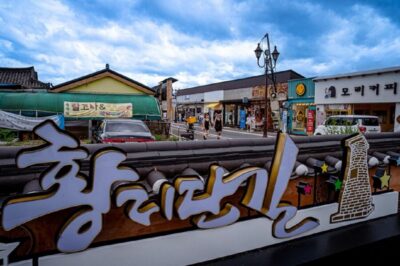
Gyeongju Guided Day Trip to Three Kingdoms Capital
Read our review →
Gyeongju UNESCO World Heritage Guided Day Tour
Read our review →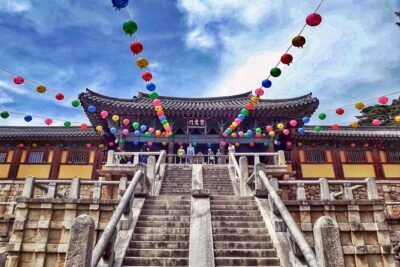
Gyeongju UNESCO World Heritage Guided Day Tour from Busan
Read our review →
Old Korea Thousand History Tour of Gyeongju from Busan
Read our review →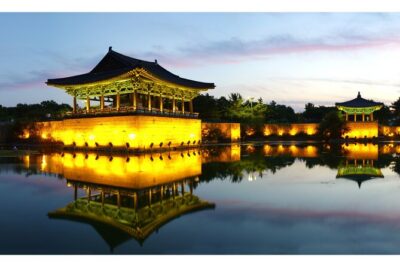
Gyeongju UNESCO sites Private tour with licensed tour guide
Read our review →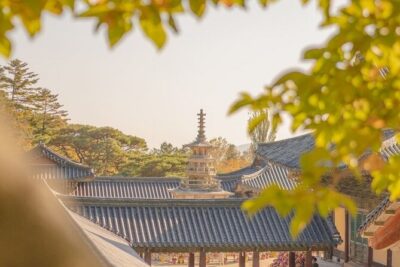
Private Gyeongju Tour – Explore Gyeongju UNESCO Sites
Read our review →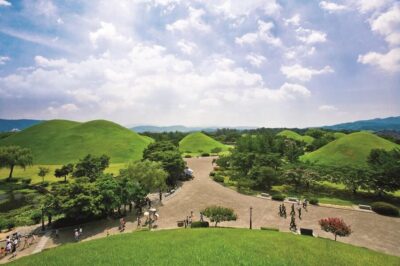
UNESCO Heritage Tour Including Bulguksa Temple
Read our review →Browse the lists this tour appears in