
Reviewed · UNESCO SITES
From Seoul: 5-Day Tour of Korea with UNESCO Sites
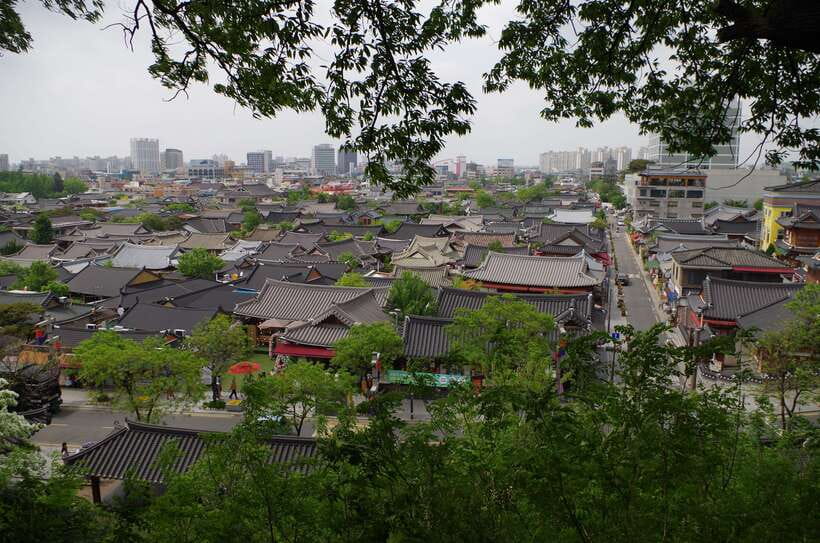
Korea works best for me when you mix big-name sites with real daily life, and this plan does that. You start in Seoul with a clear handoff at Gwanghwamun, then move through UNESCO areas in Gongju, Jeonju, and Gyeongju, plus Korea’s coastal and mountain scenery. The guides, including Justin and Mr. Kim, are a big reason this kind of schedule stays smooth.
I especially like two parts. First, the UNESCO route hits more than one “style” of Korea, so you do not just repeat the same vibe in different cities. Second, the day in Busan around Jagalchi and Haeundae gives you an easy, fun break from temples and fortresses.
One heads-up before you fall in love with the idea: in October, Seoraksan can be restricted and may be skipped, and you should be ready for bus limits and a long walk from the parking area.
Key highlights you will actually feel on the ground
- UNESCO in multiple cities so your trip feels like a route, not a checklist
- Gwangju and the May 18 National Cemetery for a meaningful stop beyond sightseeing
- Jagalchi Fish Market plus Haeundae and Dongbaek Park for an easy city-and-coast mix
- Andong Hahoe Folk Village as a preserved Joseon-era housing area that has had major visitors, including Queen Elizabeth II
- Seoraksan UNESCO Biosphere setting with the option to take a cable car to Gwongeumseong Fortress
- Strong guide handling noted in reviews, including managing crowds and big local events like APEC
Meeting at Gwanghwamun: where your trip starts and how you stay on time
You meet your guide at the Donghwa Duty Free Shop Building at Gwanghwamun Intersection, right by Metro Gwanghwamun Station Exit 6. Your guide holds a K-shuttle sign board, so you can spot them fast and avoid that classic start-of-tour confusion.
From there, this is a bus-and-checkpoints kind of tour, with air-conditioned transportation included. That matters because you are moving between cities, and Korea’s weather can swing hard, especially if you are touring outside.
The biggest practical tip I can give you is not glamorous, but it saves stress. Bring comfortable shoes, and plan for a steady walking pace even on days that include lighter stops. Also, have enough KRW before departure, since the tour notes that it can be hard to exchange currency during the trip.
More UNESCO sites around Seoul:
- Day Trip to UNESCO: Suwon Fortress Adventure from Seoul
★ 5.0 · 56 reviews - Full-day UNESCO Heritage Tour with Suwon Hwaseong from Seoul
★ 5.0 · 28 reviews - Andong Hahoe Village [UNESCO site] Premium Private Tour from Seoul
★ 5.0 · 24 reviews
Day 1: Gongju UNESCO stops, then Jeonju Hanok Village area at night
Your first big day connects Seoul to Gongju and then slides you into Jeonju’s old-street atmosphere. In Gongju, you visit the Tomb of King Muryeong (UNESCO) and Gongsanseong Fortress (UNESCO). These are the kinds of stops where guided time helps, because you need to understand what you are looking at and where the important viewpoints are.
Then you head to Jeonju and check into Jeonju Ramada Hotel or similar, ideally close to Jeonju Hanok Village. Even if you do not plan a long night, being near the Hanok streets is a real advantage. After a travel day, it is nice to have something walkable without taking extra taxis.
The value on Day 1 is pacing. You get UNESCO right away, but you also end with an area where you can control your time. If you like to photograph architecture or simply wander, this is the kind of evening that makes the early mornings feel worth it.
Day 2: Gwangju’s modern democracy memorial, then Suncheon Bay Garden and Yeosu history
Day 2 starts with breakfast and then shifts to a different emotional tone. In Gwangju, you visit the May 18th National Cemetery, described as the birthplace of Korea’s modern democratic movement. It is a solemn stop, and it deserves a slower mindset than the usual “photo and move” routine.
After that, you go to Suncheon Bay Garden, then continue to Yeosu. Your Yeosu walk focuses on the Historic Site of Admiral Yi Sun-sin’s Path, so you are not just sightseeing scenery, you are following a route tied to Korea’s historical figures.
Finally, you stay at Ramada Plaza by Wyndham Yeosu or similar. The practical win here is location flexibility. A port city day can mean breezy evenings and lots of places to grab a bite on your own, which is especially helpful because lunch and dinner are not included on the tour.
One thing to watch: a review flagged that Suncheon Bay Garden can have monthly closure patterns and that it was not announced ahead of time. I would plan your expectations with that in mind, especially if you are traveling around months when closures are common. If Suncheon Bay Garden is a must for you, double-check opening timing before you go.
Day 3: Jinjuseong Fortress, Busan seafood at Jagalchi, and beach time at Haeundae
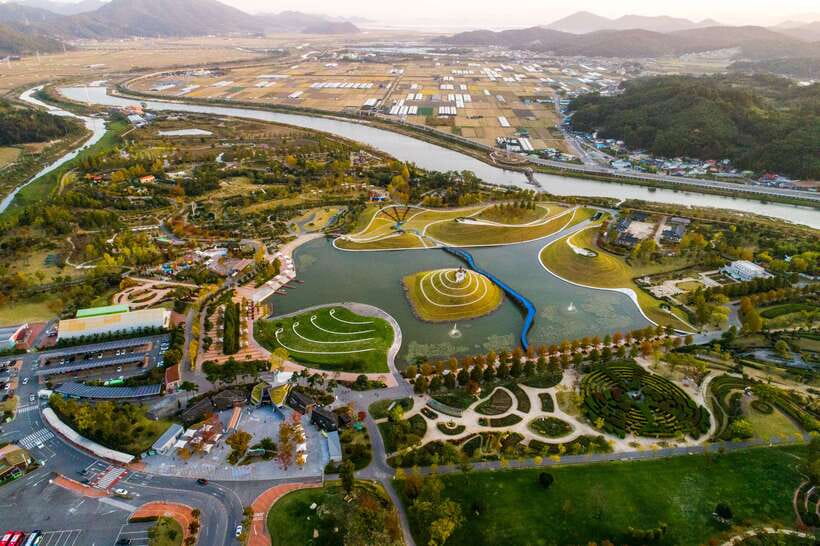
Day 3 is where the trip turns more energetic. You begin with Jinjuseong Fortress, including the Chokseoknu edifice, then you head to Busan.
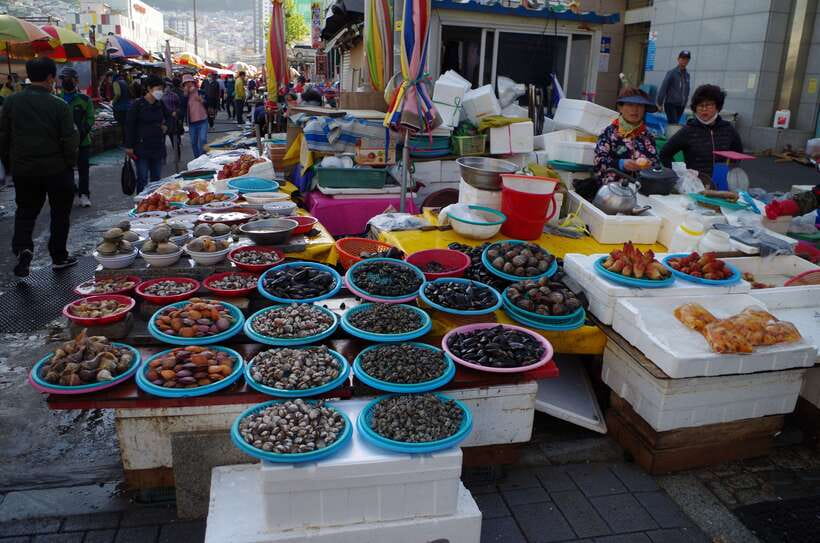
The anchor stop is Jagalchi Fish Market, described as Busan’s largest seafood market. This is not the kind of market where you want to rush. You get a real sense of how coastal Korea feeds itself, and it is also a great place to pick up snacks or try local seafood dishes on your own schedule since lunch and dinner are not included.
Next you shift from market energy to open-air scenery with Haeundae Beach and Dongbaek Park. That combination is smart for two reasons. It gives your legs a change of pace, and it breaks up the fortress and temple-heavy feel you had the previous days.
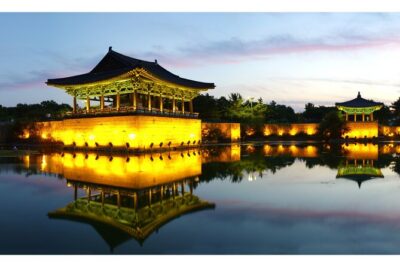
You end in Gyeongju, checking into Gyeongju Commodore Hotel or similar. Gyeongju is where the tour leans back into heritage, so it helps to have a comfortable landing spot. If you care about rest, aim to call it an earlier night, because the next day includes major UNESCO sites.
A few more Seoul days side by side
- Best DMZ Tour Korea from Seoul (Red Suspension Bridge Optional)
★ 5.0 · 41,422 reviews - DMZ Tour: 3rd Tunnel, Option(Suspension Bridge, Boat) from Seoul
★ 5.0 · 21,373 reviews - DMZ tour south Korea from Seoul (NK experience hall, defector)
★ 5.0 · 20,599 reviews - Seoul: The Best DMZ Tour with Optional Suspension Bridge
★ 4.7 · 4,978 reviews
Day 4: Seokguram Grotto and Bulguksa, plus Andong Hahoe Folk Village (Joseon housing)
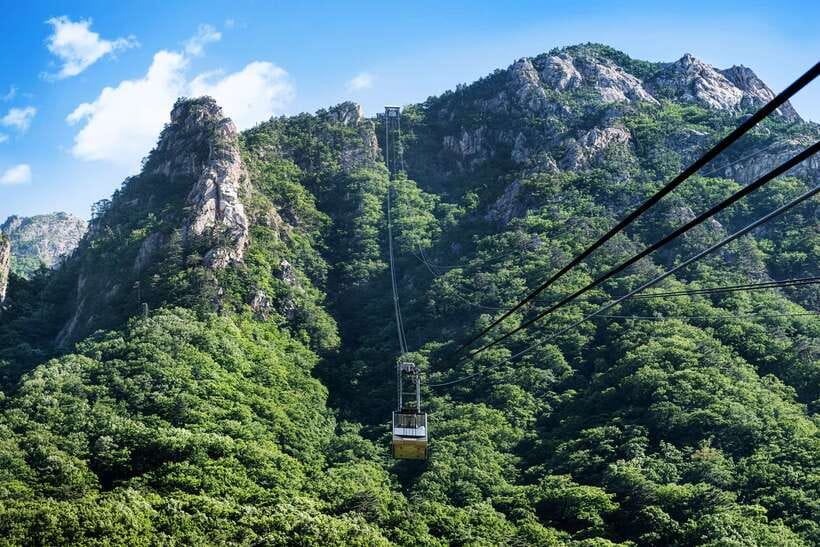
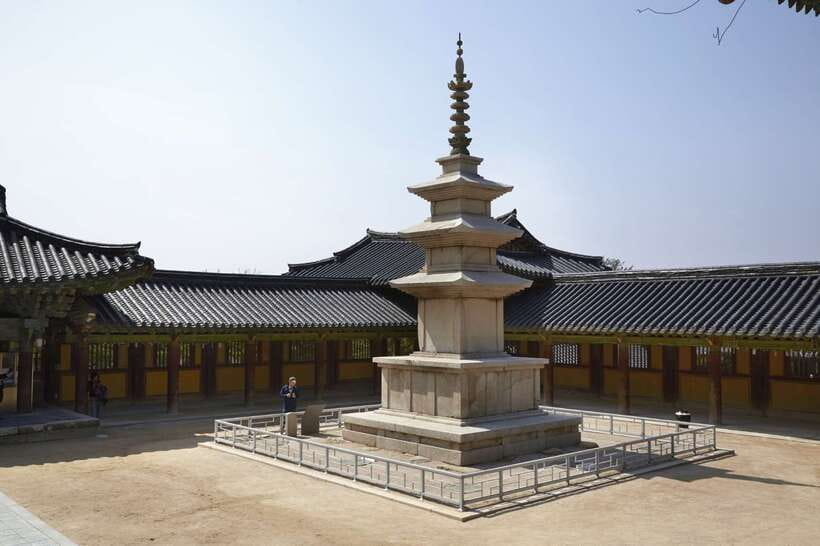
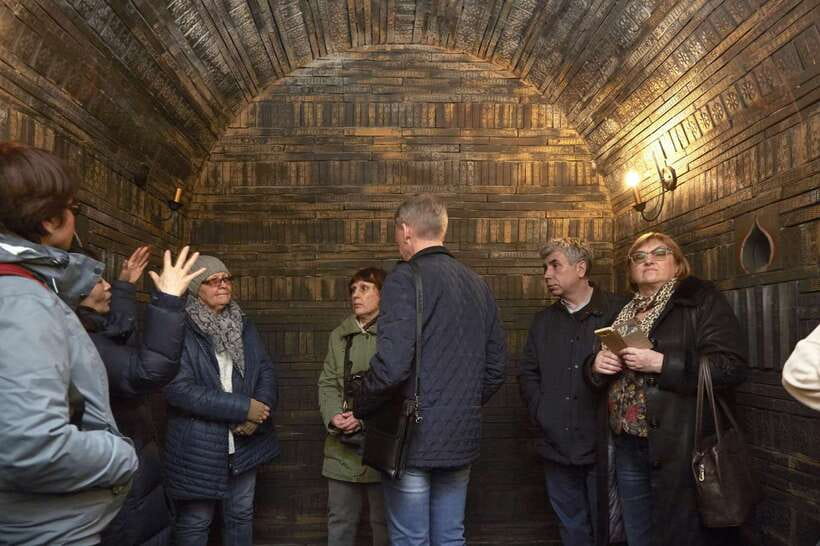
Day 4 is the biggest heritage day. You start in Gyeongju with Seokguram Grotto (UNESCO) and Bulguksa Temple (UNESCO). Even if you are not the type who loves formal temple visits, I find these stops are worth it because you get a guided route and you avoid wandering into the wrong areas at the wrong times.
Then the trip moves to Andong Hahoe Folk Village (UNESCO). This is where the tour’s “living architecture” angle becomes real. The village is preserved Joseon Dynasty ancient housing, and it is noted as having been visited by Queen Elizabeth II. That detail matters because it signals the place is internationally recognized, not just a local stop.
From Andong, you continue to Pyeongchang for hotel time. Your hotel is Ramada Hotel PyeongChang or similar, and that location choice makes sense because it puts you closer to the mountain day ahead. It also gives you a chance to rest up before Seoraksan, which is the most physically demanding piece on the schedule.
Day 5: Mt. Seorak UNESCO Biosphere, cable car option, and the return to Seoul
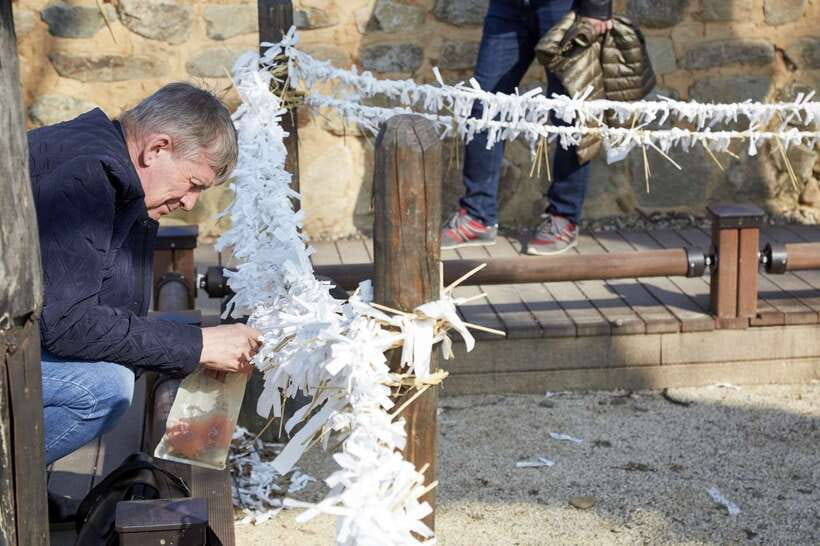
Your final day is about nature with a UNESCO label attached: Mt. Seorak National Park (UNESCO Biosphere Preservation District). The trip describes the views in poetic, practical terms, with jade-like water through valleys and peaks breaking through cloud cover. Even if you have seen mountain parks before, the scale and the cloud timing can make this feel like a different kind of day.
There is an optional piece depending on your preference and conditions: a cable car to Gwongeumseong Fortress. It is also described as a possible add-on if you are interested in the Shinheungsa temple option.
Then you head back to Seoul, arriving at Gwanghwamun at 17:00. This end time is useful for planning your evening. You can usually handle dinner or a final stroll without the all-night travel stress.
October reality check for Seoraksan
The tour explicitly warns that Seoraksan could be restricted in October and may be skipped. If that happens, it is often because of bus limits, since the tour notes you might have to walk 3.6 km from the parking lot to the entrance.
So if you travel in October, I recommend you mentally budget for a tougher walking day. Bring the best shoes you own, and keep water and snacks in your bag if allowed by your group. If mountains are your main “reason” for booking, consider building extra days in your personal schedule in case nature conditions change.
Hotels, meals, and what you are really paying for at $999
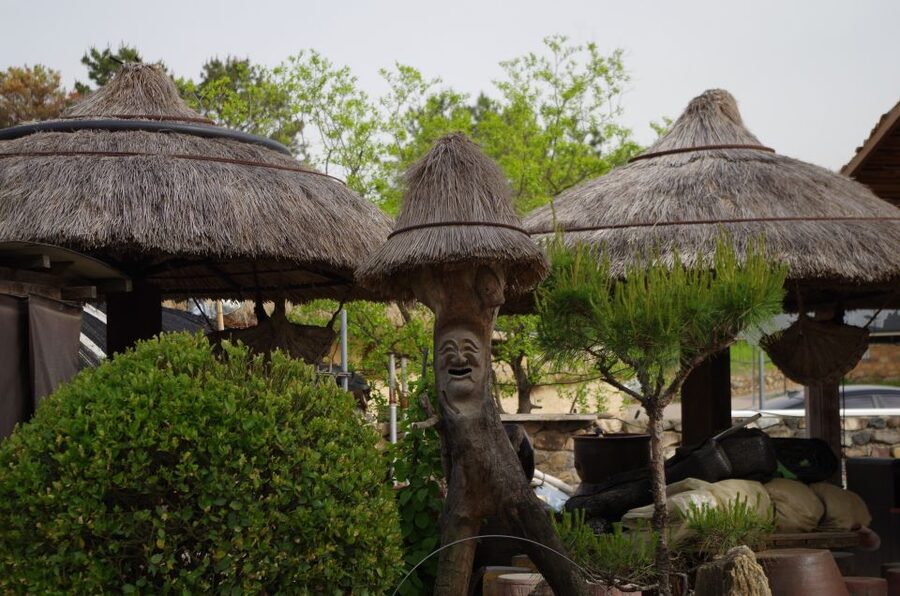
At $999 per person for 5 days, the value here is not just the sightseeing list. The price includes 4 nights of hotel accommodation with twin or triple sharing, hotel breakfast, an English-speaking guide, and air-conditioned transportation. It also includes entry tickets for selected attractions, which usually adds up when you are bouncing between multiple cities.
What is not included is equally important: lunch and dinner are on you, and travel insurance is not included. Also, there is no hotel pickup or drop-off from Seoul, which makes the Gwanghwamun meeting point your starting line.
One review mentioned hotels were generally perfect, while another flagged a letdown with room category, where the assigned rooms were described as less ideal, possibly near a road or parking area. That tells me this is a real-world group tour assignment, not a luxury guarantee. If you care a lot about quiet rooms, you should try to plan for the fact that room placement can vary.
Still, breakfast being included across multiple days is a practical win. It means you start each day with food covered, and you can decide later where you want to spend your lunch and dinner money.
How tight is the pace, and where you might want more time
This tour packs UNESCO sites, historical routes, markets, and parks into 5 days. In reviews, people praised how much was completed, even with constraints like crowds and big local events. That suggests the guide team is good at moving the schedule forward.
But pace comes with a trade-off. One review wished for two extra days, and another noted that some places may deserve more time while others felt like you skimmed through. That is not a failure. It is the nature of a multi-city route that tries to do “a lot” in a short time.
I think the sweet spot for this tour is curiosity plus stamina. If you want a relaxed slow travel week, you might find the transitions between cities exhausting. If you like structure and hate the hassle of planning transportation between Seoul, Jeonju, Gyeongju, and beyond, this style is a good fit.
Who this 5-day UNESCO Korea tour is best for
This works well if you want a guided route that keeps logistics under control. You get English and Korean guide support, plus air-conditioned transport and selected entrance fees taken care of.
It also suits you if you like variety. You cover UNESCO sites across several cities, you get a strong memorial moment in Gwangju, you get seafood market energy in Busan, and you end with a mountain day in Seoraksan.
Where it might not fit is simple. If you are traveling in October and you care most about Seoraksan, you should be comfortable with the possibility of restrictions or skipping. If you strongly prefer free time in each city, you may feel the schedule squeezes your choices.
Should you book this tour?
I would book it if you want a tight, guided route that hits multiple UNESCO stops without you juggling tickets and transit between cities. The guide teamwork, strong hotel placements most of the time, and the blend of heritage, market life, and nature are the core reasons it scores high.
I would pause before booking if you have a very specific attachment to Suncheon Bay Garden opening dates or if Seoraksan is your one must-see in October. In those cases, plan for flexibility, wear your most comfortable shoes, and accept that some conditions are beyond anyone’s control.
If you want a well-run “Korea sampler” with real historical weight and a great mix of cities, this one is a strong match.
FAQ
Where do I meet the guide?
You meet your guide at the Donghwa Duty Free Shop Building, Gwanghwamun Intersection. Your guide will be holding a K-shuttle sign board, and the meeting point is at Metro Gwanghwamun Station Exit 6.
What is included in the price?
The tour includes 4 nights of hotel accommodation (twin or triple sharing), hotel breakfast, an English-speaking guide, entry tickets for selected attractions, and air-conditioned transportation.
Are lunch and dinner included?
No. Lunch and dinner are not included, so you will plan meals on your own during the day.
What hotels will I stay in?
You stay 4 nights in hotels listed as Jeonju Ramada Hotel or similar, Ramada Plaza by Wyndham Yeosu or similar, Gyeongju Commodore Hotel or similar, and Ramada Hotel PyeongChang or similar.
What is the tour duration and when does it run?
The tour lasts 5 days. Starting times depend on availability, so you check availability for the departure time.
What language is the guide?
The tour includes an English-speaking guide, and Korean is also supported as a guide language.
What should I bring or prepare?
Bring comfortable shoes. The tour also recommends preparing enough KRW before departure, since exchanging currency can be hard during the trip.
Can Seoraksan be skipped in October?
Yes. The tour notes that visiting Seoraksan could be restricted and may be skipped in October, and there may be a 3.6 km walk from the parking lot if buses are restricted.
Is there a cancellation option?
Yes. Free cancellation is available if you cancel up to 3 days in advance for a full refund.
Recently reviewed in Seoul
- Seoul City Private Tour (Optional layover)★ 5.0 · 3 reviews
- Korean Folk Village & Suwon Hwaseong Fortress Private Tour★ 5.0 · 3 reviews
- 5D4N Korea Cultural Heritage immersion Private Tour★ 5.0 · 3 reviews
- War Memorial, Jogyesa Temple & Tapgol Park Tour in Seoul★ 4.5 · 3 reviews
- Full Day Private Seoul Tour for foodies★ 5.0 · 3 reviews
- Private Tour : Royal Palace & Traditional Villages wearing Hanbok★ 5.0 · 3 reviews
- Nami Island & Nearby Attractions : Charter Van Tour With Driver★ 4.0 · 3 reviews
- K-Pop Tour★ 3.5 · 3 reviews
UNESCO Sites, compared.
Gyeongju UNESCO World Heritage Guided Day Tour
Read our review →
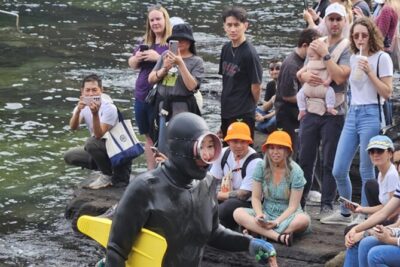
East Jeju Essentials – Seongsan Ilchulbong (UNESCO) & Haenyeo
Read our review →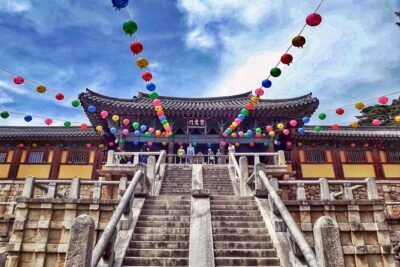
Gyeongju UNESCO World Heritage Guided Day Tour from Busan
Read our review →
Gyeongju UNESCO sites Private tour with licensed tour guide
Read our review →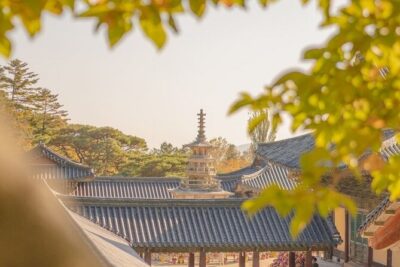
Private Gyeongju Tour – Explore Gyeongju UNESCO Sites
Read our review →Browse the lists this tour appears in