
Reviewed · TEMPLES
Seoul: The War Museum, Jogyesa, and Tapgol Park Tour
Seoul can be heavy in the best way on this tour, because you’re pairing military history with places of faith and independence. The War Memorial of Korea and the UN Memorial Cemetery set a serious tone fast, then Jogyesa and Tapgol Park bring you back to human stories.
I like two things a lot. First, the tour uses a professional local guide who can connect dates and exhibits into something you can actually remember, with guides you might encounter such as Dragon, Connie, Leo, Melvin, Park, or Sam. Second, I love the cheeky cultural stop that ties to pop culture, because you get the lottery moment that is referenced from Squid Game season 2.
One consideration: you’ll do moderate walking, and the tour is not set up for wheelchair users. If you have mobility limits or hate rain days, plan carefully, since it runs rain or shine.
Why these Seoul stops fit together so well
This isn’t just a checklist of famous places. The tour’s arc moves from how Korea remembers war, to how Korea narrates modern life, to how people practice Buddhism and defend independence.
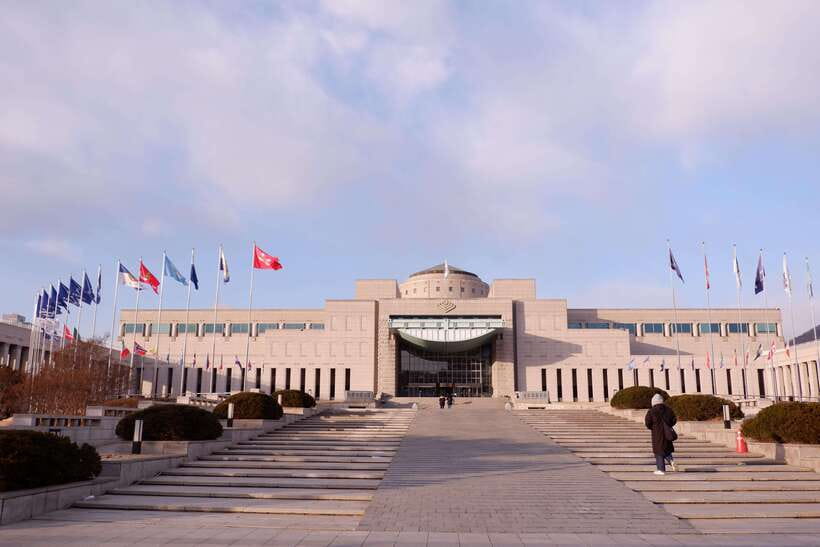
You start at the War Memorial area, which is built to make you pause. Then you step into the National Museum of Korean Contemporary History, where the story stretches from the late 1800s to the present. After that, Jogyesa shows you Seoul’s spiritual side, not as a museum display, but as a living temple tradition.
Tapgol Park lands the independence theme again, and it does it in a way that feels current because it’s near Insadong and it’s also referenced in Squid Game season 2 episode 1, Bread and Lottery. That pop-culture wink makes the independence history easier to hold onto.
Price and what you actually get for $42
The price is $42 per person, and that matters because several costs are handled for you. Your ticket price includes entrance fees, a professional guide, air-conditioned minivan transport, and the lottery activity.
Food and drinks are not included, so budget for at least snacks during the day. If you choose the full-day option, lunch is at your expense too, with time built in for Gwangjang Market.
Is it a deal? For Seoul, it’s a strong value if you like structured time. You’re paying to reduce the guesswork, get clear context, and move efficiently between sites without fighting traffic or station transfers on your own.
More Temple Visits in Seoul
- Seoul: Palace, Temple and Market Guided Foodie Tour at Night
★ 4.9 · 750 reviews - Seoul: Mt Seorak + Naksansa Temple or Nami Island Group Tour
★ 4.7 · 422 reviews - Best Things to Do – Half Day Seoul Trip (Seoul Palace & Temple)
★ 5.0 · 190 reviews
Meeting points and how the day usually runs
This tour runs with set departure times, so your best move is to check availability for the specific start time you want. Duration can be 4 to 9 hours, depending on which option you book.
Afternoon tour: starting point and finish area
For the afternoon option, the designated departure point is the lobby of the Koreana Hotel office building. You end with a drop off at Myeongdong Cathedral.
Full-day tour: different start, longer route
For the full-day option, you meet at Myeongdong Station Exit #10, in front of Sejong Hotel. You still finish at Myeongdong Cathedral.
In both cases, you’ll ride in an air-conditioned minivan with your guide. That’s one of the simplest perks in Seoul, because it saves energy for the walking parts.
Different day, same base:
- Best DMZ Tour Korea from Seoul (Red Suspension Bridge Optional)
★ 5.0 · 41,422 reviews - DMZ Tour: 3rd Tunnel, Option(Suspension Bridge, Boat) from Seoul
★ 5.0 · 21,373 reviews - DMZ tour south Korea from Seoul (NK experience hall, defector)
★ 5.0 · 20,599 reviews - Seoul: The Best DMZ Tour with Optional Suspension Bridge
★ 4.7 · 4,978 reviews
War Memorial of Korea and the UN Memorial Cemetery: where the tone changes
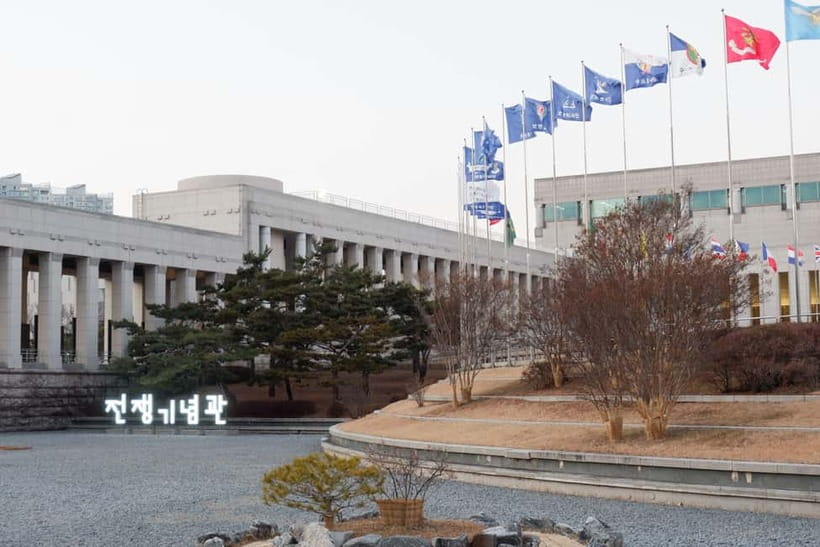
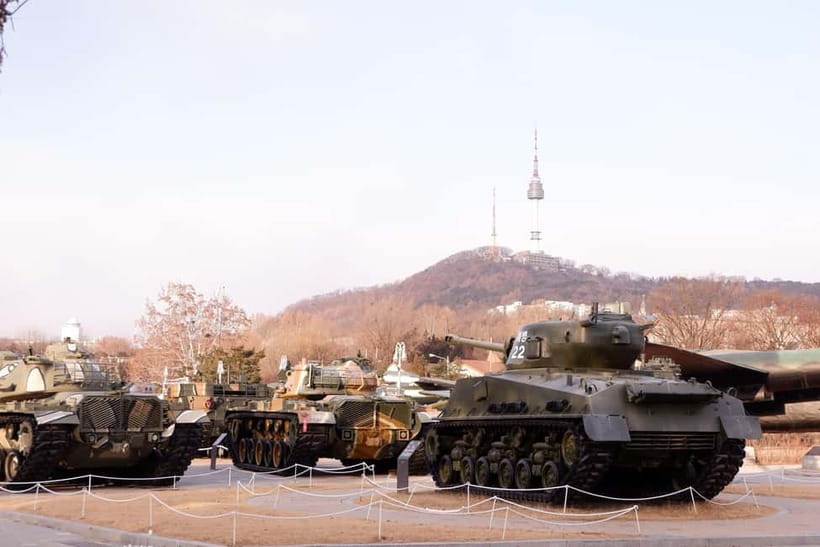
If you only cared about museums, you’d still come for this part. The War Memorial of Korea was established in 1994, and it is built around a simple purpose: preventing war through lessons from the Korean War, with hope for reunification of North and South Korea.
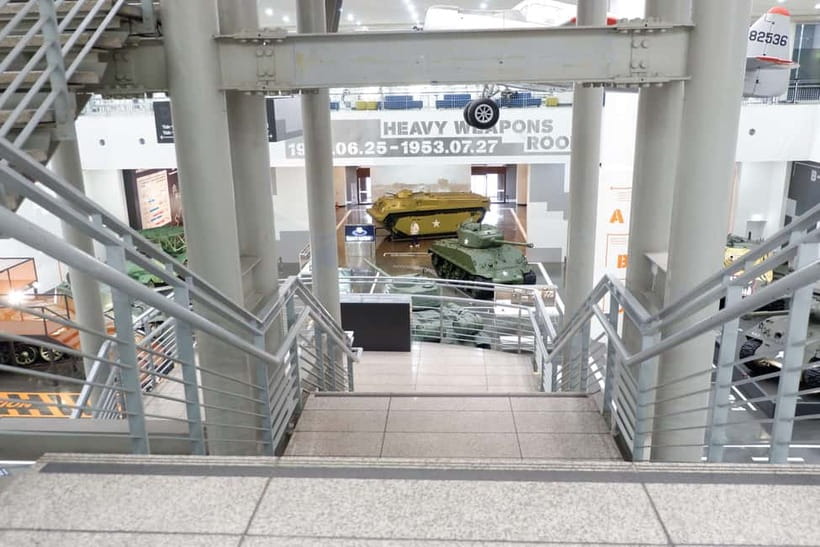
You’ll spend time mainly on the 3rd floor with the UN Memorial Cemetery area. That focus matters, because it’s not just tanks and planes as objects, it’s there to connect artifacts to people and consequences.
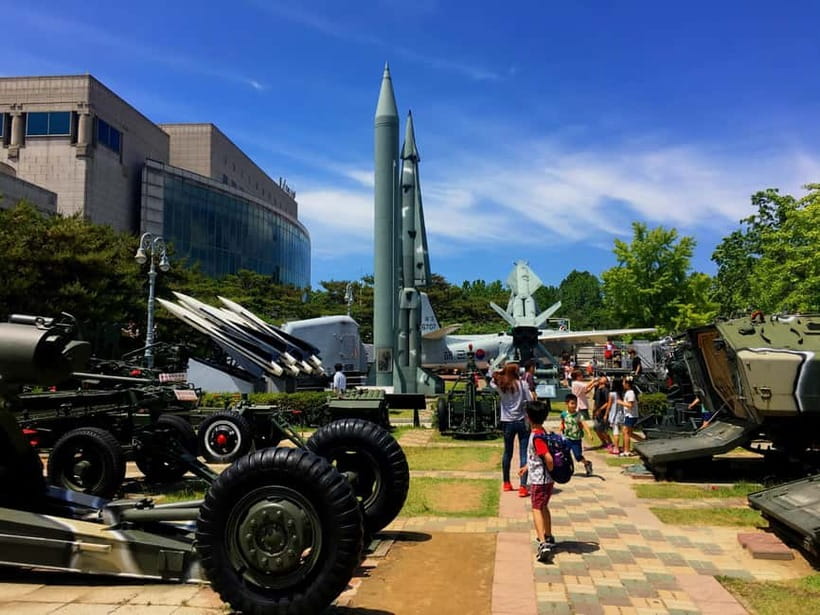
The exhibits include dramatic military displays like tanks and flights. You get a chance to look closely without getting lost in your own translation problems, because your English guide can point out what to notice and why it matters.
A practical tip: this is the part where comfortable shoes pay off. You may want a slower pace for photos and quiet moments, since this section is more reflective than sightseeing.
National Museum of Korean Contemporary History: the big timeline in manageable chunks
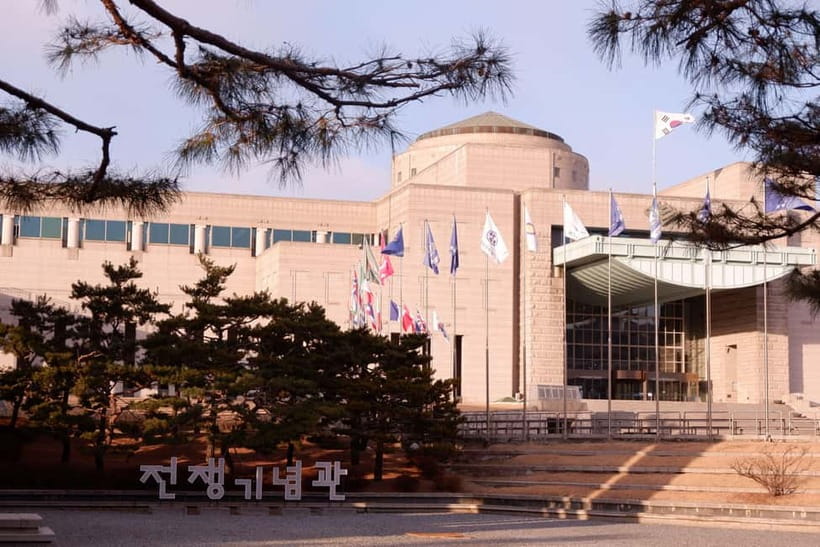
Next up is the National Museum of Korean Contemporary History, which opened on December 26, 2012. The museum is organized into four permanent exhibition halls, covering South Korea from the late 19th century to today.
This stop can feel intimidating on paper, because it’s a sweeping timeline. In real life, the tour approach helps. You’re not expected to absorb everything alone. You get a guided route that picks key themes so the museum doesn’t turn into random facts.
If you like context, this is the “aha” section. You’ll be able to connect what you learn about modern Korean history to the later cultural stops, especially the independence story tied to Tapgol Park.
One thing to keep in mind: museums are slower by nature. This stop takes energy, not just time, so I suggest bringing mental snacks in the form of a notebook note or a few questions you want answered.
Jogyesa Temple: Korean Buddhism you can actually feel
Then you walk into Jogyesa Temple, chief temple of the Jogye order, which represents Korean Buddhism. It’s not only famous because it’s old. It’s described as a place that promotes the idea of people living together, and it ties that to the Bodhisattva spirit.
Jogyesa is also labeled a historic site that survived Korea’s turbulent modern history. That combination matters. You’re not just visiting a pretty temple. You’re seeing a place where faith and modern change have overlapped.
What to expect on the ground is still pretty simple: you’ll get guided time to look around and understand the religious significance of what you’re seeing. If you’ve been to temples elsewhere in Asia, you’ll recognize the shared human rhythm, but you’ll still get distinctly Korean explanations.
Wear sleeves if you can, especially if you get into outdoor temple areas where people expect respectful dress. The tour rules mainly call for comfortable shoes, but being mindful helps.
Tapgol Park: independence roots and the Squid Game lottery moment
Tapgol Park sits in the center of Seoul near Insadong, and it’s tied to a specific historic date: in 1919, the March 1 Korean Independence Movement began here.
That’s the core reason this stop hits. Independence history is not abstract when you’re standing in a public park where it started.
Now for the fun part: Tapgol Park is briefly featured in Squid Game season 2 episode 1, Bread and Lottery. In that scene, the recruiter hands out lottery tickets and bread to homeless people, then stamps down the remaining bread. The tour uses this reference to give you a pop-culture hook without losing the serious history underneath.
The tour also includes a lottery activity. You might find the tone shifts here from solemn to playful, but it still connects back to the theme of how ordinary people get pulled into systems they didn’t design.
If you go in thinking you’ll only watch a scene, you’ll miss something. If you go in ready to learn why the independence movement began where it did, the lottery reference becomes a memory aid.
How the guide makes or breaks the experience
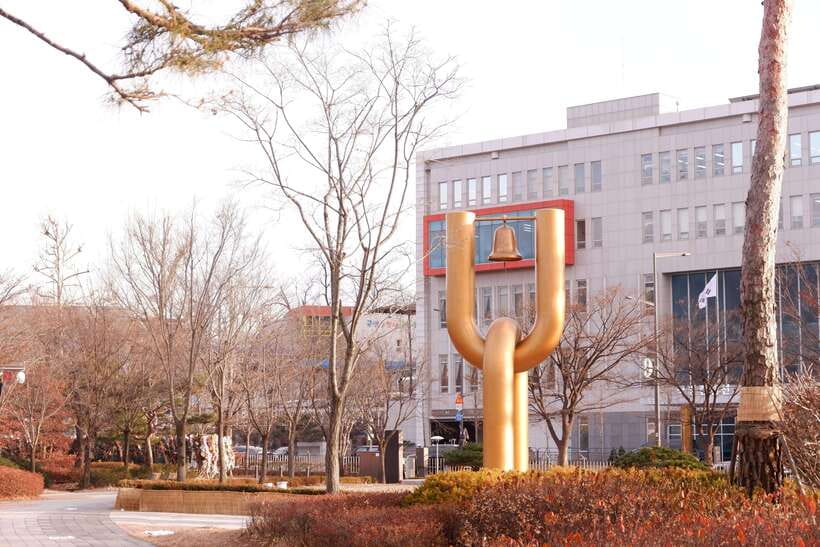
A big reason this tour scores well is the way the guide tends to run the day. You’ll have an English live tour guide, and the stories attached to each stop are usually what people remember later.
Guides such as Dragon, Connie, Leo, Melvin, and Sam show up in the pattern of feedback, and that usually means you can expect friendliness and clear explanations. Some guides also help with photos and practical questions about Seoul beyond the strict itinerary.
There’s also a real-world note here: sometimes the tour includes extra time for breaks and small cultural experiences. One example in the feedback is a traditional Korean tea stop when the day’s main sights are done. If you’re sensitive to schedule changes, keep your expectations flexible.
If you want to get the most out of your guide, come with two or three questions. Ask why the museum is organized the way it is, or what Jogyesa’s role is today. Those questions make the tour feel personal instead of like a script.
Full-day option: palace, hanok villages, and the market lunch
If you book the full-day tour, you’re adding several classic Seoul highlights before you reach the War Memorial and Jogyesa.
Gyeongbokgung Palace with royal guard changing
You’ll visit Gyeongbokgung Palace with the Royal Guard Changing Ceremony. This gives you a high-impact, visual start. It’s also one of the most popular photo moments in the area, so go in knowing it can be busy and move with patience.
Bukchon Hanok Village, with a Sunday swap
You’ll then head to Bukchon Hanok Village. On Sundays, the itinerary swaps to Namsangol Hanok Village instead.
Either way, you’re walking through a preserved neighborhood style. The guide helps you understand what you’re looking at beyond the “pretty houses” factor.
Bugak Skyway and a ginseng stop
Next comes Bugak Skyway, followed by a Ginseng Museum stop.
One practical caution: a ginseng or health-product stop can feel like time goes quickly, especially if you don’t enjoy sales-style environments. If you want a calmer museum-only day, you might prefer the afternoon option.
Gwangjang Market lunch at your pace
Lunch is at Gwangjang Market with own expenses. This is a chance to try local food where the guide can give you direction, even if the meal cost is on you.
Then back to the core sites
After all the extras, you still hit the War Memorial (mainly 3rd floor UN Memorial Cemetery), the National Museum of Korean Contemporary History, Jogyesa Temple, and Tapgol Park, finishing in the Myeongdong area.
Who this tour is best for
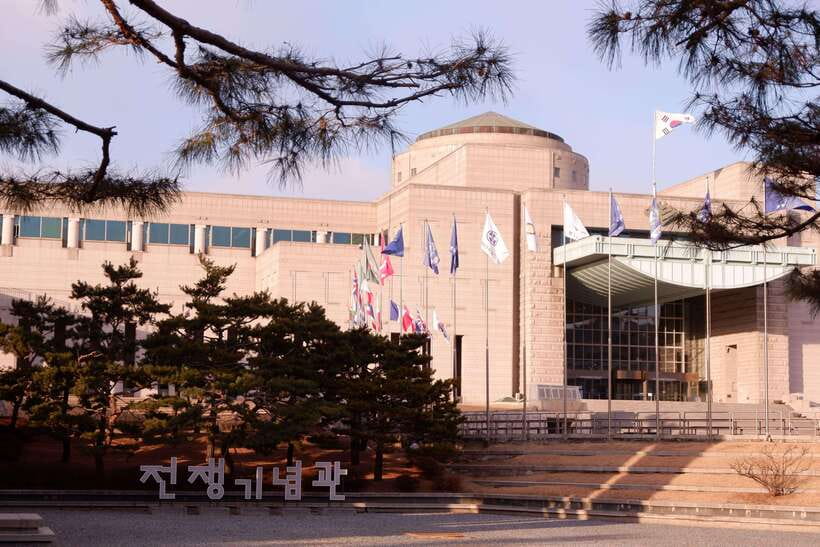
This tour fits best if you want a clear Seoul overview with meaning, not only photos. If you care about modern Korean history, independence themes, and the emotional context behind memorials, you’ll feel like you’re seeing the city in the order it wants to be understood.
It’s also a good match for people who like guided structure. The tour includes entrance fees and transport, and the guide helps you process what you see so you don’t leave with only random facts.
If you’re traveling as a couple or small group, this style of tour can be extra satisfying, because you’re not constantly waiting for people who are deciding in real time.
What to bring and how to plan for real life
Bring comfortable walking shoes. That’s the main requirement, and it’s worth taking seriously because temples and museum floors add up.
The tour happens rain or shine, so bring a compact rain layer. If you get caught with wet hair or slippery soles, you’ll feel it for the rest of the day.
You should also know that handmade or traditional clothing like hanbok is NOT available. Plan your outfit like a normal city day.
Alcohol and drugs are not allowed, and unaccompanied minors are not allowed. Children must be accompanied by an adult.
And if wheelchair access is part of your planning, note that it is not suitable for wheelchair users.
Should you book this War Memorial, Jogyesa, and Tapgol Park tour?
I’d book it if you want the War Memorial experience to come with clear context, and you like history stops that connect to everyday Seoul locations like Insadong and Tapgol Park. The $42 value is strongest when you want a guided route that handles entrance fees and transport.
I’d think twice if you dislike structured museum time, you need full wheelchair accessibility, or you hate schedule elements that can include sales-style stops like the ginseng museum. In that case, choose the afternoon version or make sure you’re comfortable with the longer day options.
For most visitors, this tour is a smart way to get your bearings fast, and it leaves you with memories that feel more than photographic.
FAQ
How long is the Seoul War Museum, Jogyesa, and Tapgol Park Tour?
The duration is 4 to 9 hours, depending on the option you book. Check availability for the specific starting times.
Where do I meet for the afternoon tour?
For the afternoon tour, the designated departure point is the lobby of the Koreana Hotel office building.
Where does the tour end?
The tour ends with a drop off at Myeongdong Cathedral.
Is food included?
No. Food and drinks are not included. Lunch is also own expense on the full-day option.
Is hanbok provided during the tour?
No. Hanbok is NOT available.
Does the tour run rain or shine?
Yes. This tour takes place rain or shine.
More Museums in Seoul
- Seoul: War Memorial of Korea Private Guided Museum Tour
★ 4.9 · 29 reviews - DMZ Tour + The War Memorial of Korea Museum
★ 5.0 · 28 reviews - Color Pool Museum
★ 4.0 · 22 reviews - SEOUL: Gugak – Korean Traditional Music Museum&Concert Tour
★ 4.7 · 17 reviews
Recently reviewed in Seoul
- Korean Folk Village & Suwon Hwaseong Fortress Private Tour★ 5.0 · 3 reviews
- Seoul City Private Tour (Optional layover)★ 5.0 · 3 reviews
- 5D4N Korea Cultural Heritage immersion Private Tour★ 5.0 · 3 reviews
- War Memorial, Jogyesa Temple & Tapgol Park Tour in Seoul★ 4.5 · 3 reviews
- Private Tour : Royal Palace & Traditional Villages wearing Hanbok★ 5.0 · 3 reviews
- Full Day Private Seoul Tour for foodies★ 5.0 · 3 reviews
- Nami Island & Nearby Attractions : Charter Van Tour With Driver★ 4.0 · 3 reviews
- K-Pop Tour★ 3.5 · 3 reviews
Temples, compared.
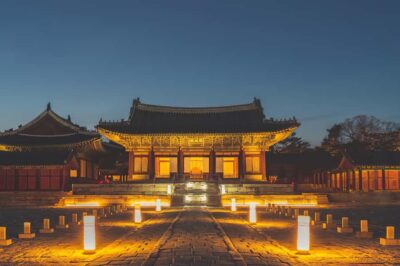
Palace, Temple and Market Guided Foodie Tour at Night
Read our review →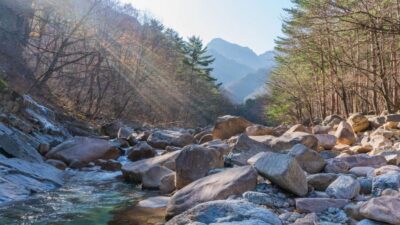
Mt Seorak + Naksansa Temple or Nami Island Group Tour
Read our review →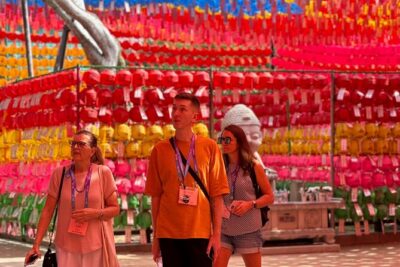
Best Things to Do – Half Day Seoul Trip (Seoul Palace & Temple)
Read our review →
Mount Seorak and Naksansa Temple One Day Tour from Seoul
Read our review →
Busan Tour: Gamcheon Village & Haedong Yonggungsa Temple + Lunch
Read our review →
UNESCO Heritage Tour Including Bulguksa Temple
Read our review →
Full Day Busan Tour Including Haedong Yonggungsa Temple
Read our review →
Private Busan tour with gamcheon culture village and the temple (Customizable)
Read our review →Browse the lists this tour appears in