
Reviewed · GYEONGJU
Gyeongju UNESCO sites Private tour with licensed tour guide
Gyeongju’s UNESCO sites are the kind of history you want to see in person, but also the kind that makes no sense if you are just reading signs. This private tour is interesting because it strings together major Silla-era stops in one day, with live explanation as you go, plus a comfortable ride from Busan or Gyeongju.
Two things I really like are practical and travel related. I like the private air-conditioned vehicle, because the day is long enough that you will want a real break between temples and tombs. I also like the licensed guide narration in English or Chinese, and the guide names you hear repeatedly, like Joy, Jino, Cynthia, and Sang, tend to match the same pattern: clear context, good pacing, and help when your group needs a slower rhythm.
One drawback to plan around: this is a stop-heavy day, so expect some walking and steady time on your feet. Also, admissions are not all included, and Daereungwon is listed as admission not included, so budget a little extra for any paid tickets.
Key highlights I’d bank on
- Licensed guide in English or Chinese who explains what you are seeing, not just where to stand for a photo
- Private, air-conditioned transport with parking fees and tolls handled
- UNESCO concentration in and around Gyeongju, including Bulguksa Temple and Seokguram Grotto
- Mix of Silla power and everyday culture, from royal tombs to a traditional village
- Flexible routing options (round-trip or one-way) depending on where you start in Busan or Gyeongju
How a private Gyeongju UNESCO day keeps you from wasting time
If you only have a short trip window in South Korea, Gyeongju is the kind of place where planning mistakes cost you real sightseeing time. A private UNESCO-focused day helps because you are not fighting schedules, transfers, or trying to figure out how to connect distant sites on your own.
This tour is designed to work like a guided “choose your pace” day. You ride in a private, air-conditioned vehicle, and your licensed guide gives live narration at each major stop. In other words, you spend less time guessing what something is, and more time looking at details you would otherwise miss.
Another practical win is the grouping of famous UNESCO stops into one loop. Bulguksa Temple and Seokguram Grotto are close enough to make sense on the same day, and the rest of the itinerary builds outward into tombs, museum time, and cultural stops. That structure is why the guide matters so much here: they help you connect the dots between a temple, a tomb complex, and what the museum shows about the same era.
More of Gyeongju:
- Busan: Gyeongju Guided Day Trip to Three Kingdoms Capital
★ 4.8 · 1,925 reviews - From Busan: Gyeongju UNESCO World Heritage Guided Day Tour
★ 4.8 · 1,250 reviews - Gyeongju UNESCO World Heritage Guided Day Tour from Busan
★ 5.0 · 660 reviews
Pickup from Busan or Gyeongju, and why the timing feels easier
You can start from either Busan or Gyeongju, and pickup is offered. That alone saves a lot of friction, especially if you are moving hotels, carrying luggage, or trying to coordinate a day trip with family.
The total duration runs from 4 to 9 hours, depending on the option you pick. That range matters because it changes how many stops you can actually enjoy versus just rush through. If you are traveling with kids, older adults, or anyone with limited mobility, a shorter option can feel like a win, even if it is fewer total sites.
The day also tends to feel more “on rails” than you might expect from a private tour. The vehicle, parking, and tolls are included, so the guide can focus on timing stops and adjusting pace. Many guests highlight the comfort factor too, like having a spotless car and a driver who keeps things smooth.
Tip from me: wear shoes you can walk in for extended periods. This tour is not just a drive-by. Even when stops are brief, you will still cover ground at multiple locations.
Bulguksa Temple: the Silla temple details your photos need
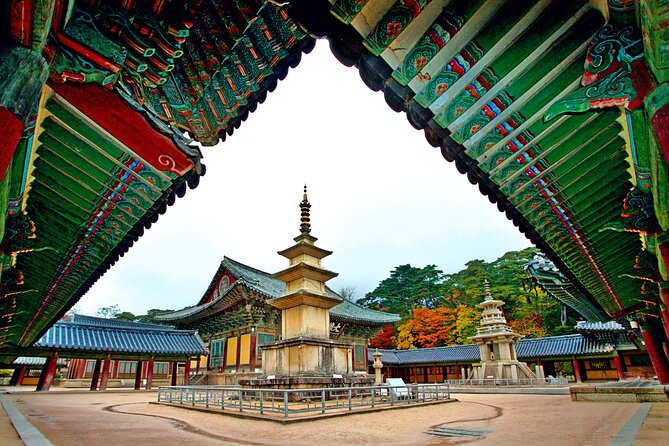
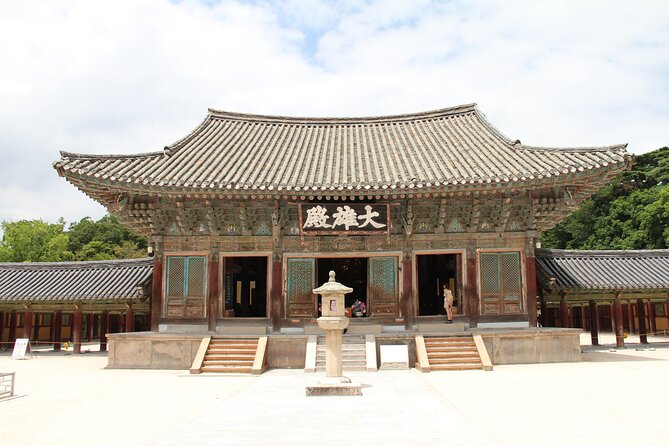
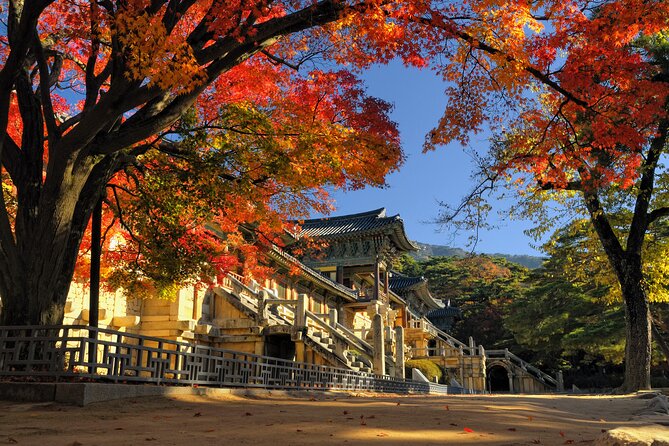
Bulguksa Temple is UNESCO-listed and is often the emotional opener for this kind of day. It is a Silla-era Buddhist architecture masterpiece built in the 8th century, and your time here is planned for about one hour.
What you will want to pay attention to with a guide is the “why,” not just the “what.” Your narration is aimed at helping you understand the significance of the stone pagodas and the temple layout, so the complex starts to feel coherent instead of random. The good version of this stop is when you leave with a mental map: what you saw, why it was built, and how it connects to broader Silla Buddhist culture.
Admission is listed as free in the itinerary details, which is great for value. One more reason to show up ready to look: temples like this reward slow observation, even if your clock says one hour. Let your guide set the tempo, then take your time during the quiet moments for photos and architectural details.
Also, keep an eye on your energy level. If you start strong at Bulguksa, the rest of the day feels less like a checklist and more like a story.
Seokguram Grotto: a 40-minute reset near Bulguksa
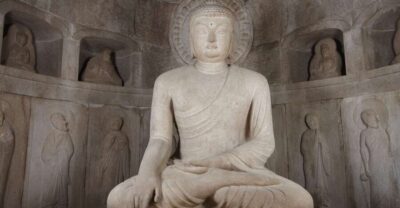
Next is Seokguram Grotto, another UNESCO site near Bulguksa. This is Buddhist art from the 8th century, and it is set in the mountains, so the atmosphere is part of the experience.
The scheduled time here is about 40 minutes, with admission listed as free. That time window is short enough that you will want to focus on key features while you are there. Your guide’s job is to keep you from treating the grotto like a quick photo stop. With the narration, you can understand what you are looking at, and why the setting matters.
A practical point: because it is a mountain site, the walk and the air can feel different from the flat city stops. Dress for comfort. If the weather is changeable, bring something light you can layer.
I also like that Seokguram is placed right after Bulguksa. After you absorb temple architecture, the grotto becomes a calmer, more contemplative chapter. It is one of those transitions that keeps the day from feeling like repeat temple mode.
More UNESCO sites around Gyeongju:
- Private Gyeongju Tour – Explore Gyeongju UNESCO Sites
★ 5.0 · 272 reviews - Gyeongju: UNESCO Highlights Tour with Guide and Ticket
★ 4.9 · 166 reviews - Gyeongju UNESCO World Heritage Sites and History Full-Day Tour with Lunch
★ 5.0 · 104 reviews - Gyeongju: UNESCO Heritage Tour Including Bulguksa Temple
★ 4.8 · 104 reviews
Daereungwon Tomb Complex and Cheonmachong: royal power in plain sight
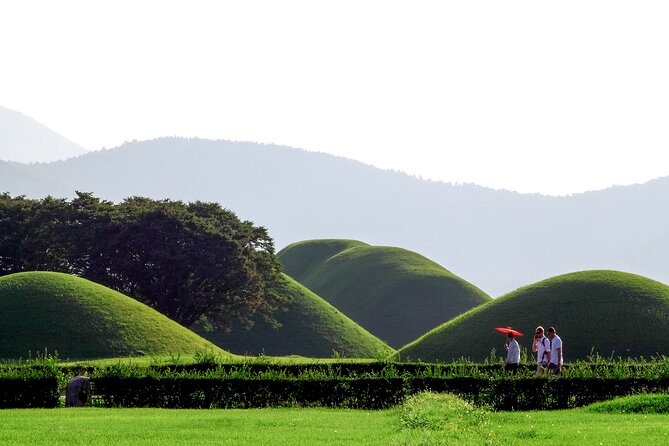
Daereungwon Tomb Complex is where the day shifts gears from religion and architecture to royal burial culture. This UNESCO site centers on the Silla dynasty’s ancient burial mounds, and among them is Cheonmachong, also called the Heavenly Horse Tomb.
Your allotted time is about 40 minutes, and here the itinerary notes admission is not included. That is one reason I call out value early: you may pay at least one entry cost during the day, even when many other sites are free.
This stop is fascinating because tomb complexes are often where you see what a society valued enough to build for the long term. Your guide’s narration matters because the burial mounds can look similar at first glance. The best tours are the ones where you can tell why certain elements mattered and what made the Cheonmachong find important.
If you are counting on only free admissions, plan a buffer. And if you have seniors in your group, note that the tour info says entrance fees may be free for travelers over 65, which can change what you actually spend on paid tickets.
Gyeongju National Museum: when the artifacts give the story back
After the outdoor stops, the Gyeongju National Museum brings everything into focus. The museum showcases over 100,000 artifacts from the Silla Kingdom, covering 57 BC to 935 AD. Two things you can expect to hear about during your visit are the famous 20th Bell and golden crowns connected to royal tomb finds.
Your scheduled time is about 40 minutes, and admission is listed as free. That short museum slot is not trying to turn you into a museum scholar. It is a “set your context” visit so when you go back to temples and tombs, you understand what the objects meant.
If you like history in a visual way, this is one of the best stops for value. You get to see material culture in a controlled environment, without fighting weather or trying to interpret what looks like a pile of rocks outside.
One small practical benefit of a guide-led museum visit: they can steer you to the most relevant artifacts fast. That matters with a packed day, because otherwise you can end up walking through areas that do not connect to what you already saw.
Cheomseongdae Observatory: the 9.17 meter time machine
Cheomseongdae Observatory is next, and it is one of those UNESCO sites that feels oddly modern even though it is ancient. It was built during Queen Seondeok’s reign, 632 to 647 CE.
This observatory is the oldest surviving astronomical observatory in Asia, and it is listed as 9.17 meters tall. Your guide’s narration is useful here because the structure can look like a simple stone cylinder until you understand its purpose and how it fit into royal science and astronomy.
The itinerary details do not specify an admission ticket for this stop, and the tour’s exclusions say entrance fees are not included if applicable. So treat this as a possible paid ticket stop unless you confirm the situation when you book or with your guide on the day.
Even with that uncertainty, Cheomseongdae is worth protecting time for. It is the point where the day stops being only about temples and tombs and becomes about how the Silla court observed and organized the natural world.
Gyochon Traditional Village and Woljeonggyo Bridge: culture after the big hitters
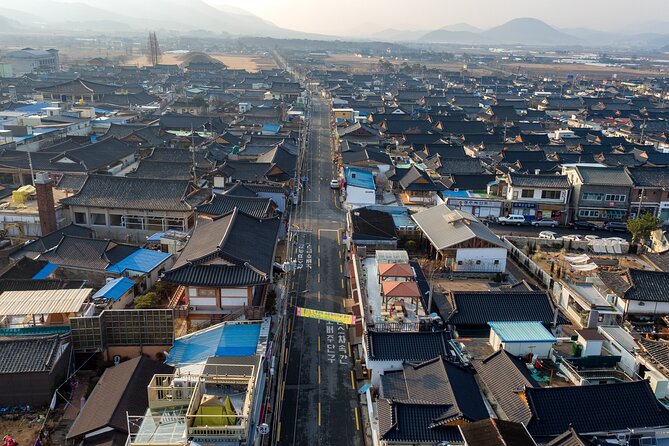
Gyochon Traditional Village is a classic way to soften the day. Here you get a look at cultural heritage associated with the Gyeongju Choi clan and their 12-generation legacy. The stop includes the historic House of the Gyeongju Choi Clan, and it runs about 40 minutes with admission listed as free.
This is a good contrast after tombs and temples. Tombs can feel monumental and museum-like. A traditional village stop helps you remember that history also lives in local families and built spaces, not only in UNESCO awards.
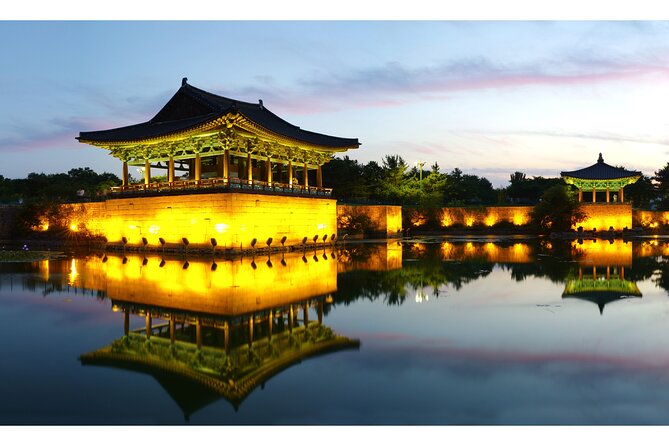
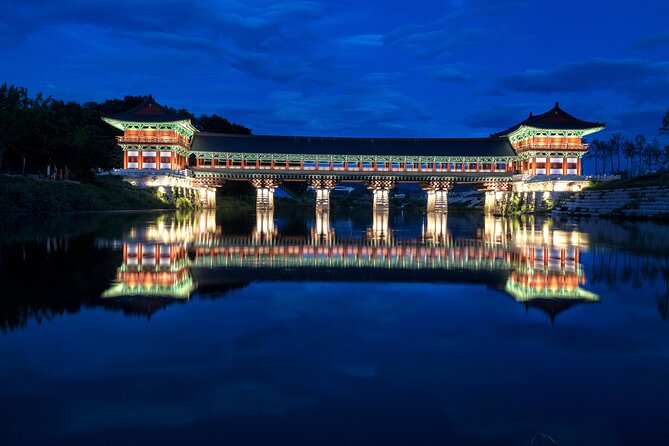
Then comes Woljeonggyo Bridge. It is a reconstructed wooden bridge originally built in 760 AD during the Unified Silla period. It was destroyed during the Joseon dynasty and rebuilt between 2008 and 2018.
The stop is scheduled for about 20 minutes with admission listed as free. That brief time is perfect for a quick break and photos, especially if the rest of your day has you moving steadily from site to site.
If you want a more relaxed ending, this pairing helps. You go from serious heritage to a calm walking atmosphere and a bridge that is easy to see and photograph.
Guides who actually run the day, not just talk
The biggest reason this tour works well is not the vehicle. It is the person holding the schedule and pacing the information. Across the most praised experiences, guides are singled out for attention to timing, clear explanations, and adjusting the plan when a group has different needs.
You will see names like Joy, Jino, Cynthia, Sang, Jake, William, CK, Lily, and Finn connected to the same themes: great driving, good English, and a habit of tailoring the day. Some guides also help with practical stuff like photo taking. Others lean into food and local recommendations, which is a real quality-of-life benefit when you are trying to eat well in a place you do not know.
It also helps that this is truly private. Only your group participates, so you are not stuck listening to a one-size-fits-all narrative that ignores where your interests actually land.
One more practical point: the tour info asks for moderate physical fitness. Your guide can help with pacing, and one family reported the guide taking extra care for kids and lifting a stroller in step areas. That kind of hands-on support is not something you want to assume, but it is good to know that guides can adapt.
My advice: tell your guide what matters most to you, temple, tombs, astronomy, or culture, and also tell them your limits. Private means your day should fit you.
Price and value for a UNESCO-heavy private day in Gyeongju
The price is $186.50 per person, and duration can range from 4 to 9 hours. On paper, that sounds like a lot. In practice, it often makes sense because you are paying for four things at once: private transport, a licensed guide, and time saved by skipping planning and connection hassles, plus parking and tolls.
Many of the named sites in this itinerary show free admission in the details. That helps value a lot. The tradeoff is that at least one stop, Daereungwon Tomb Complex, is listed as admission not included. Depending on your final timing and tickets, you may also see other paid-entry requirements.
So the value check for you is simple: if you can imagine doing this on your own, you would need to (1) get from place to place efficiently, (2) pay for local knowledge to understand what you are seeing, and (3) handle the awkward pacing between far-flung spots. This tour packages those needs into one bill.
Who gets the best deal? Families, couples, and friends who want to see multiple UNESCO sites without stress. Also, anyone who wants a guided explanation at temples and tombs, because reading alone is not the same experience.
Who should book this Gyeongju UNESCO private tour?
I think this tour is a strong match if you fall into one of these groups:
- You want a tight UNESCO itinerary with less transit hassle
- Your group includes kids, seniors, or mixed mobility, and you need flexible pacing
- You care about the story behind the sites, not just the photo ops
- You are staying in Busan or Gyeongju and want an efficient day out
If you are the kind of traveler who loves self-guided wandering and you already know a lot about Silla history, you might prefer going solo. Still, even then, a private guide can be a big shortcut for making each UNESCO stop click.
Should you book this Gyeongju UNESCO private tour?
Yes, I’d book it if you want a well-structured UNESCO day with a licensed guide and private transport, especially if your time in Korea is limited. The balance of free-entry sites, plus one or two likely paid stops, tends to keep your total cost reasonable for the amount of ground you cover.
Book it if you appreciate good explanations and want your day to feel personal. The guide factor is the differentiator here, with many strongly praised guides across different groups and ages.
Skip or reconsider if you know your group cannot handle walking between multiple stops, or if you only want one or two sites and nothing else. With this itinerary, the plan is packed, so your feet need to be ready.
FAQ
How long is the Gyeongju UNESCO private tour?
The duration is about 4 to 9 hours, depending on the option you choose.
Where does pickup happen?
Pickup is offered, and the tour departs from either Busan or Gyeongju.
Is this a private tour or shared group?
This is a private tour. Only your group participates.
What UNESCO sites are included?
The itinerary includes Bulguksa Temple, Seokguram Grotto, Daereungwon Tomb Complex, Gyeongju National Museum, Cheomseongdae Observatory, Gyochon Traditional Village, and Woljeonggyo Bridge.
Are entrance fees included?
Entrance fees are not included if applicable. In the itinerary details, some stops are listed as free admission, but Daereungwon is listed as admission not included. Entrance fees may be free for travelers over 65.
Is food included?
No meal is included.
What languages does the licensed guide speak?
The guide is English or Chinese speaking.
Is it okay if I am traveling with service animals?
Service animals are allowed.
What is the cancellation policy?
Free cancellation is available if you cancel up to 24 hours in advance for a full refund. If you cancel within 24 hours, there is no refund.
Recently reviewed in Gyeongju
- Gyeongju private tour with an official tour guide (Unesco)★ 4.5 · 4 reviews
- 7 days Flexible Tour for Major Cities(Seoul,Busan,Gyeongju etc)★ 5.0 · 5 reviews
- Gyeongju UNESCO Sites Tour by KTX train; The Museum Without walls★ 4.5 · 11 reviews
- Small Group 7D Korea package Tour with Seoul Gyeongju Busan Jeju★ 4.5 · 13 reviews
- 3-Days 2-Nights Gyeongju UNESCO Sites & Busan City [Private Tour from Seoul]★ 4.5 · 11 reviews
- Private Gyeongju Tour – Explore Gyeongju UNESCO Sites★ 5.0 · 272 reviews
- Full day Private Gyeongju UNESCO Heritage Tour : a glimpse into Silla★ 5.0 · 60 reviews
- Gyeongju UNESCO World Heritage Sites and History Full-Day Tour with Lunch★ 5.0 · 104 reviews
Gyeongju, compared.
Gyeongju Guided Day Trip to Three Kingdoms Capital
Read our review →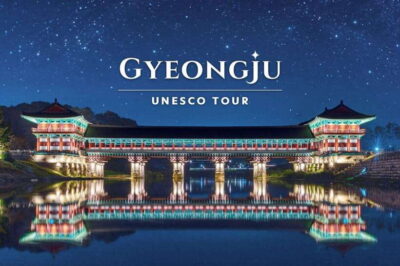
Gyeongju UNESCO World Heritage Guided Day Tour
Read our review →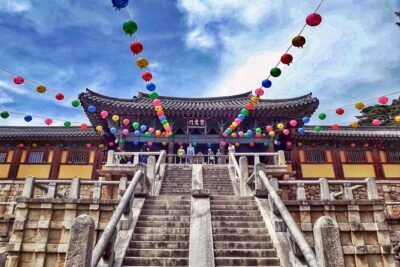
Gyeongju UNESCO World Heritage Guided Day Tour from Busan
Read our review →
Old Korea Thousand History Tour of Gyeongju from Busan
Read our review →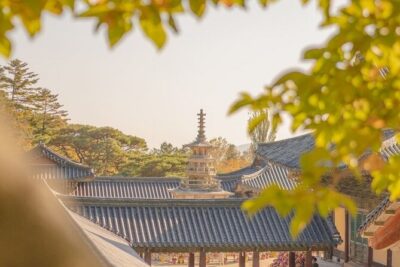
Private Gyeongju Tour – Explore Gyeongju UNESCO Sites
Read our review →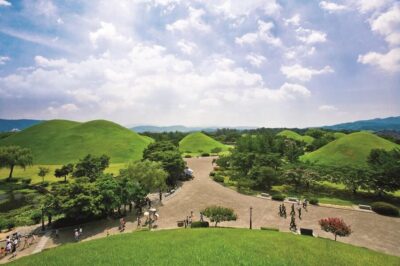
UNESCO Heritage Tour Including Bulguksa Temple
Read our review →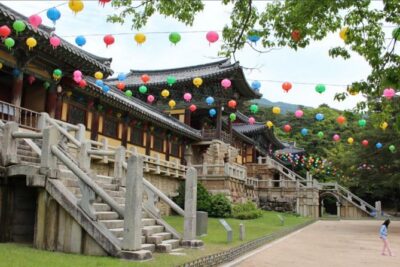
Gyeongju UNESCO World Heritage Sites and History Full-Day Tour with Lunch
Read our review →Browse the lists this tour appears in