
Reviewed · GYEONGJU
Gyeongju: UNESCO Heritage Tour Including Bulguksa Temple
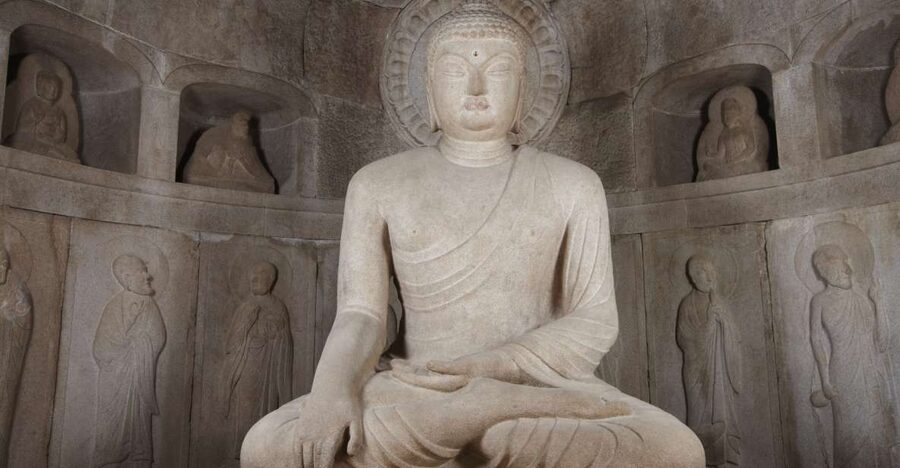
Gyeongju is one of South Korea’s best “history in motion” cities, and this day tour strings together the big Silla-era landmarks into one easy loop. I like how Bulguksa Temple brings UNESCO-level architecture into a calm, spiritual setting, and I also like how Seokguram Grotto delivers that famous granite Buddha surrounded by intricate guardians.
The main tradeoff is time. With an 8-hour schedule and multiple guided stops, you can end up moving a bit briskly if the day gets crowded or your pickup timing is tight. That said, the experience runs with a friendly, hands-on team, like Sue with driver Joe in some groups, and guides such as Steve, who also handle crowd pressure on busy days.
Key highlights to look for in your day
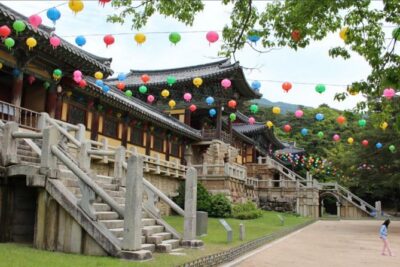
- UNESCO focus at Bulguksa Temple, with guided time to see the key pagodas and stone bridges
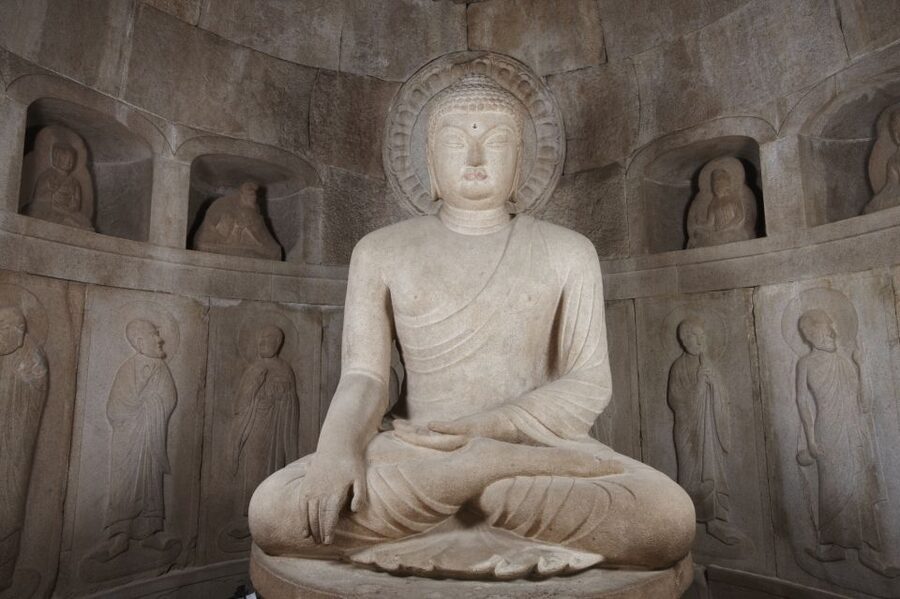
- Seokguram Grotto on Tohamsan Mountain, famous for the granite Buddha and carved guardian figures
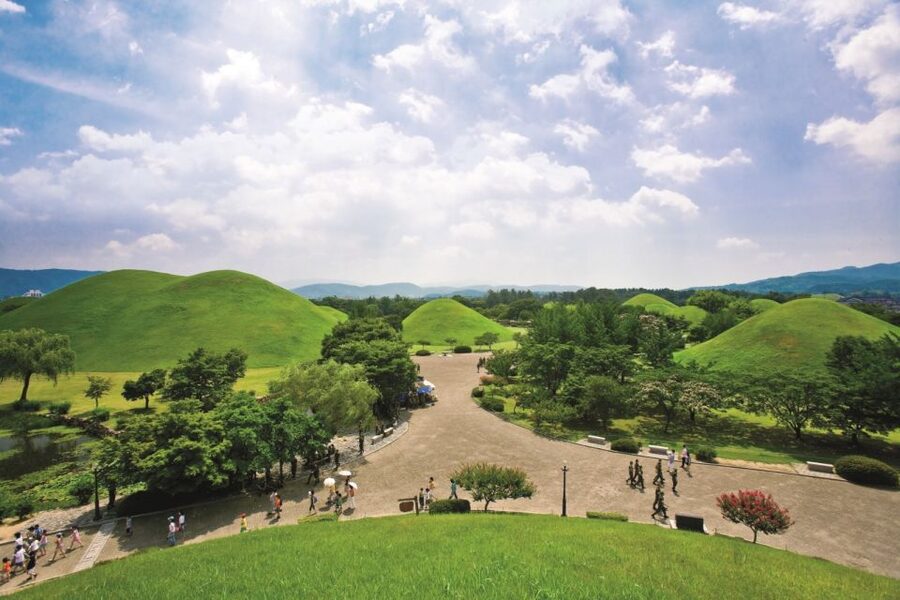
- Daereungwon Tomb Complex, where grassy royal mounds include sites like Cheonmachong and Hwangnamdaechong
- Cheomseongdae, the oldest existing astronomical observatory in Asia, tied to Queen Seondeok
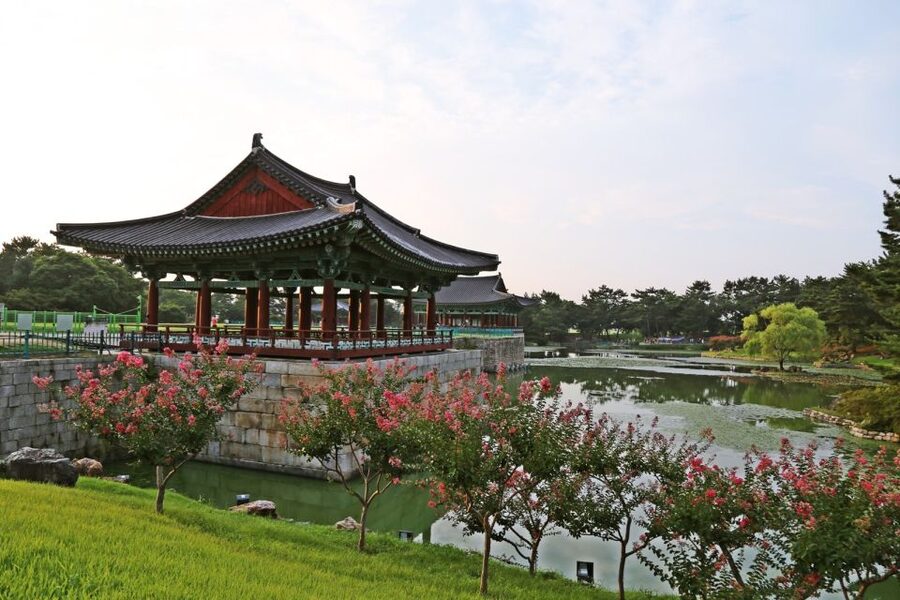
- Wolji Pond (Donggung Palace Site), a palace garden finish that often looks gorgeous around dusk
- Gyochon Village in hanok alleys, plus a chance to try regional Gyeongju Gyodong Beopju when available
Why Gyeongju works so well in a single day
Gyeongju is often called a museum without walls, and that nickname makes sense because the Silla story is spread out across temples, tomb fields, and palace-garden remnants. The trick is not trying to “see everything.” The trick is seeing the right anchors, then letting each stop explain the next one.
This tour is built around that idea. You start with living architecture and noble life at Gyochon Village, then you move into royal power at the Daereungwon Tomb Complex. From there, you pivot to science with Cheomseongdae, then shift to spiritual art at Bulguksa and Seokguram, before ending with the softer, reflective mood of Wolji Pond.
If you’re short on time in South Korea, that pacing is the whole point. You get the sweep of an ancient capital without having to plan rides between scattered sites.
More of Gyeongju:
- Busan: Gyeongju Guided Day Trip to Three Kingdoms Capital
★ 4.8 · 1,925 reviews - From Busan: Gyeongju UNESCO World Heritage Guided Day Tour
★ 4.8 · 1,250 reviews - Gyeongju UNESCO World Heritage Guided Day Tour from Busan
★ 5.0 · 660 reviews
Pickup comfort, air-conditioned van, and a pace you can actually enjoy
The tour includes hotel pickup and drop-off in Busan or Gyeongju, with a guide and an air-conditioned van. The practical win here is that you do not need to troubleshoot buses, taxis, or changing transport schedules between distant attractions. You just show up, then spend your energy on the sites.
It also helps that the transport has been rated very highly for comfort, with 96% of reviewers giving it a perfect score. In real terms, that means fewer “we’re stuck somewhere and sweating” moments, which matters a lot in a day that includes walking through tomb grounds and temple areas.
One more plus: the day is guided in English, and the guides often use visual aids while you look around. In multiple trips, drivers have helped with photo angles, and guides like Sue or Steve have used stories and explanations to connect what you’re seeing to what it means.
Still, be realistic. This is not a slow museum day. If you hit crowds or arrive later than planned, the schedule can tighten. One group noted they started late and still had to keep moving, which is why it’s smart to keep your day flexible.
Gyochon Village and the hanok life of the Gyeongju Choi Clan
Your day begins with Gyochon Village, a traditional hanok village that preserves the look and feel of older Korean residential architecture. This stop is not just “pretty houses.” It’s an intentional warm-up, because it helps you understand that Silla-era legacy did not vanish. It shaped later lifestyles too, and you get a sense of the social world behind the grand temples and royal tombs.
Inside the village, you visit the House of the Gyeongju Choi Clan, which highlights family heritage and traditional craftsmanship. Then you wander the quieter alleys where the scale feels human, slower, and easier to photograph than the big ticket sites.
One optional flavor note: when available, you may try Gyeongju Gyodong Beopju, a regional liquor. It’s a nice way to turn a cultural stop into a sensory one, especially if you prefer tasting local specialties over only looking at artifacts.
Practical tip: wear comfortable shoes. Even in “village” settings, you still walk uneven stone and compact paths.
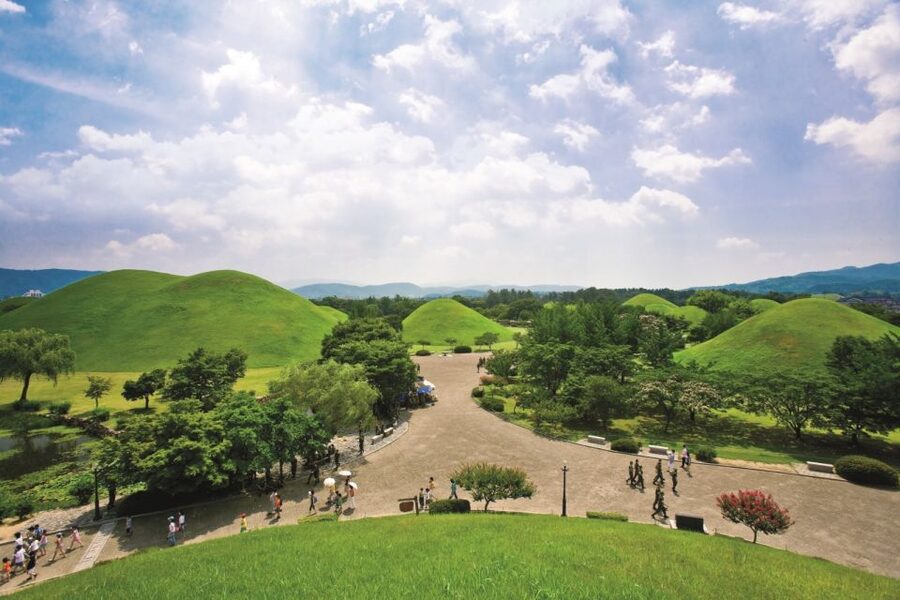
Daereungwon Tomb Complex: royal mounds, Cheonmachong, and big-sky quiet
Next comes Daereungwon Tomb Complex, where Silla kings and aristocrats are remembered through large grassy burial mounds. The setting matters here. The earth-and-grass view makes the scale feel less like a museum exhibit and more like a landscape of memory.
You’ll see key tomb highlights, including Cheonmachong, where the famous ancient horse painting was found, and Hwangnamdaechong, one of the largest and most elegant tombs of the era. The horse story adds a surprising human detail to the monumental setting. It turns “tomb” into “art discovered within power.”
What I like about this stop for first-time visitors is that it’s a full stop for the Silla worldview. Thrones are one thing. Burial practices are another kind of signal, a statement about status, belief, and how the living wanted the dead to be remembered.
Drawback to note: tomb grounds can be sun-heavy, and you may do more walking than you expect. If you’re sensitive to heat, bring or use the water provided, and pace yourself.
More UNESCO sites around Gyeongju:
- Gyeongju UNESCO sites Private tour with licensed tour guide
★ 5.0 · 275 reviews - Private Gyeongju Tour – Explore Gyeongju UNESCO Sites
★ 5.0 · 272 reviews - Gyeongju: UNESCO Highlights Tour with Guide and Ticket
★ 4.9 · 166 reviews - Gyeongju UNESCO World Heritage Sites and History Full-Day Tour with Lunch
★ 5.0 · 104 reviews
Cheomseongdae: how Queen Seondeok left a stone astronomy lesson
After tombs, the tour shifts to something almost science-forward: Cheomseongdae. This is the oldest existing astronomical observatory in Asia, built during the reign of Queen Seondeok. You’re looking at stone design that was meant to track the sky, which is a cool contrast to the earlier stops focused on power and burial.
Cheomseongdae is also iconic because the structure is so distinctive. Even if you only have 30 minutes of guided time, you’ll come away with a clearer idea of why Silla leadership wasn’t only political. It was also technical and observational.
Why this matters for you: it gives your day balance. Without Cheomseongdae, the route becomes temples plus tombs. With it, you get a fuller picture of how a capital city could function in multiple directions at once, religion, governance, and careful sky-watching.
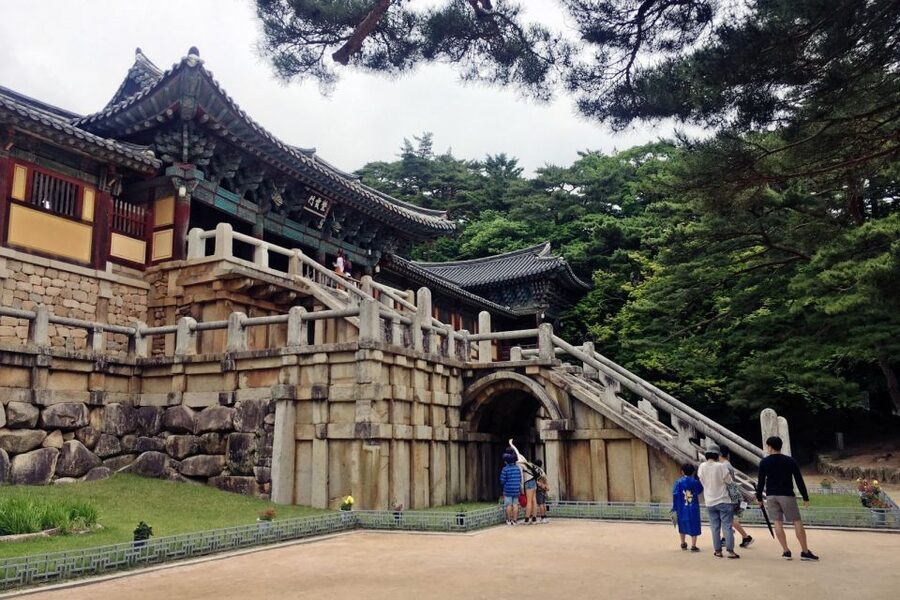
Bulguksa Temple: UNESCO architecture, stone bridges, and Dabotap plus Seokgatap
Then you hit one of the day’s strongest anchors: Bulguksa Temple, a UNESCO World Heritage Site. Bulguksa is known for architectural beauty and spiritual importance, and the guided time is long enough to stop treating it like a quick walk-through.
You’ll move through quiet courtyards and see standout temple features, including the stone bridges and the famous pagodas: Dabotap and Seokgatap. This is a stop where the details help you understand the whole. The design choices are not random. They’re meant to guide your pace and attention, turning walking into a kind of ritual.
What I like for travelers is that Bulguksa feels both grand and grounded. It’s impressive, but it is not chaotic. You can actually slow down and look.
Possible consideration: you may be on your feet for paths, steps, and stairs, especially if you’re aiming to photograph pagodas from different angles. This is doable, but go in with comfortable footwear and a calm mindset.
Seokguram Grotto on Tohamsan Mountain: the granite Buddha and carved guardians
From Bulguksa, the route moves to Seokguram Grotto on Tohamsan Mountain. This is where the tour’s spiritual art side gets a dramatic setting.
Inside Seokguram, you’re met with a granite Buddha statue, surrounded by intricately carved guardians. The effect is simple and intense: big central figure, then layers of carving that reward careful looking. Even if you’ve seen statues before, this one often lands because the craftsmanship feels built for the gaze.
One extra small perk worth planning for: there may be a chance to try snacks sold outside the grotto. It’s not a core part of the cultural story, but it turns waiting time into a fun local moment, especially if you want something salty or sweet between sites.
Timing note: Seokguram has a guide with about an hour allocated. That’s enough to see it well, but not enough for long wandering detours. If you’re a slow photographer, tell your guide early and keep a realistic plan.
Wolji Pond (Donggung Palace Site): a calm palace garden finish
To close the day, you visit Wolji Pond, also associated with the Donggung Palace Site. This is the “breathing room” stop. After tombs and temples, the palace garden feel is softer, with calm water reflecting pavilions and trees.
Wolji Pond is especially picturesque around dusk, which is useful even if your day’s timing shifts a bit. If light conditions cooperate, this is the place where your photos look more “story-like” without trying too hard.
What you’ll likely appreciate most here is the contrast. The earlier sites focus on permanence and power. Wolji Pond gives you a sense of leisure and atmosphere, how a palace space could be designed for reflection.
Lunch, bottled water, and why small comforts matter on 8 hours of walking
This tour includes lunch plus a bottle of water, and that sounds basic until you’re actually stacking multiple long stops. Eating on the schedule you’re given keeps you from losing time hunting for food near major heritage sites.
The lunch quality seems to be a consistent strong point in the day’s feedback, with multiple people praising it as delicious. One traveler specifically mentioned bibimbap as a standout, and it’s a good clue that the meal is treated as a proper part of the experience, not an afterthought.
If you’re sensitive to heat, pay attention to the way the guides handle it. In real trips on this route, guides have been known to think about iced water when temperatures are harsh. You should still plan like you might be outside between stops.
Price and value: what $189 buys when time is your biggest constraint
This tour costs $189 per person for an 8-hour guided day, with pickup and drop-off in Busan or Gyeongju, a live English guide, lunch, bottled water, and all entrance fees included.
Here’s how I judge value for a day like this. If you had to pay for transport between sites, hire separate guides, and buy tickets individually, the cost can climb fast, especially when the sites are spread out. This package bundles those costs into one predictable number, so your day feels stress-free in a way that self-planning often doesn’t.
The “hidden value” is reduced decision fatigue. You do not need to figure out the order, confirm what ticket you need at each stop, or guess how long each site should take. With heritage days, that planning work is what kills spontaneity.
That said, there is one fair caution. If you are traveling very slowly, or if you plan to spend lots of extra time at one site, you might feel the schedule pressure. If you want deep research time in a single place, you’ll probably prefer a slower, narrower plan.
Who this tour fits best (and who might want a different style)
This is a great fit if you:
- want a solid first visit to Gyeongju without building your own route
- care about Silla-era highlights, from tombs to astronomy to Buddhist sites
- like guided storytelling that explains what you’re looking at in plain terms
- prefer a comfortable group day over solo logistics
It may be less ideal if you:
- hate walking between spaced-out stops
- want lots of free time to linger in one location for hours
- are extremely detail-focused and want to study exhibits at your own pace
The tour does work for small groups and private options too, which helps if you like a calmer feel or you want more control over the flow of photos and questions.
Should you book this Gyeongju UNESCO Heritage Tour?
If you have a day and you want the real Gyeongju highlights connected into one smooth experience, I think you should book it. You’re getting a strong anchor in Bulguksa Temple, a dramatic art stop in Seokguram Grotto, plus the “capital city” context of tombs, astronomy, and a palace garden finish.
My practical advice for your best day:
- plan to wear shoes you trust for stone paths and steps
- keep your expectations in “highlights mode,” not “study mode”
- if you care about dusk photos, pay attention to how your timing lands at Wolji Pond, and ask your guide when the light looks best
If your goal is to see the major Silla sites without spending your vacation time on logistics, this is a very workable choice.
FAQ
How long is the Gyeongju UNESCO Heritage Tour?
The tour lasts 8 hours.
Does the tour include hotel pickup and drop-off?
Yes. Pickup and drop-off are included for locations in Busan and Gyeongju.
What language is the tour guide?
The live tour guide speaks English.
Is lunch included?
Yes, lunch is included.
Are entrance fees included?
Yes. All entrance fees are included.
How long is the guided time at Bulguksa Temple and Seokguram Grotto?
Bulguksa Temple includes 1 hour guided time, and Seokguram Grotto includes 1 hour guided time.
Which UNESCO World Heritage Site is included?
Bulguksa Temple is listed as the UNESCO World Heritage Site included on this tour.
Is bottled water provided?
Yes, bottle of water is included.
Is the group private or small?
Private or small groups are available.
Can I cancel for a refund?
Yes. You can cancel up to 24 hours in advance for a full refund.
More Historical Tours in Gyeongju
- Old Korea Thousand History Tour of Gyeongju from Busan
★ 5.0 · 518 reviews - Full day Private Gyeongju UNESCO Heritage Tour : a glimpse into Silla
★ 5.0 · 60 reviews - From Busan: Echoes of Silla Gyeongju Historical Day Tour
★ 4.8 · 55 reviews - Gyeongju Historic Areas Day Tour with Sky Capsule from Busan
★ 5.0 · 18 reviews
More Temple Visits in Gyeongju
- Seoul: Palace, Temple and Market Guided Foodie Tour at Night
★ 4.9 · 750 reviews - Seoul: Mt Seorak + Naksansa Temple or Nami Island Group Tour
★ 4.7 · 422 reviews - Best Things to Do – Half Day Seoul Trip (Seoul Palace & Temple)
★ 5.0 · 190 reviews - Mount Seorak and Naksansa Temple One Day Tour from Seoul
★ 4.5 · 167 reviews
Recently reviewed in Gyeongju
- Gyeongju private tour with an official tour guide (Unesco)★ 4.5 · 4 reviews
- 7 days Flexible Tour for Major Cities(Seoul,Busan,Gyeongju etc)★ 5.0 · 5 reviews
- Gyeongju UNESCO Sites Tour by KTX train; The Museum Without walls★ 4.5 · 11 reviews
- Small Group 7D Korea package Tour with Seoul Gyeongju Busan Jeju★ 4.5 · 13 reviews
- 3-Days 2-Nights Gyeongju UNESCO Sites & Busan City [Private Tour from Seoul]★ 4.5 · 11 reviews
- Gyeongju UNESCO sites Private tour with licensed tour guide★ 5.0 · 275 reviews
- Private Gyeongju Tour – Explore Gyeongju UNESCO Sites★ 5.0 · 272 reviews
- Full day Private Gyeongju UNESCO Heritage Tour : a glimpse into Silla★ 5.0 · 60 reviews
Gyeongju, compared.
Gyeongju Guided Day Trip to Three Kingdoms Capital
Read our review →
Gyeongju UNESCO World Heritage Guided Day Tour
Read our review →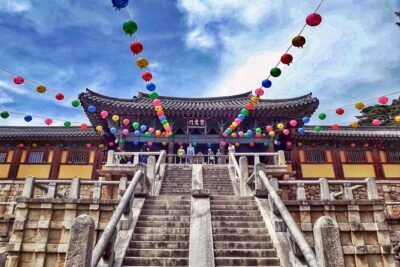
Gyeongju UNESCO World Heritage Guided Day Tour from Busan
Read our review →
Old Korea Thousand History Tour of Gyeongju from Busan
Read our review →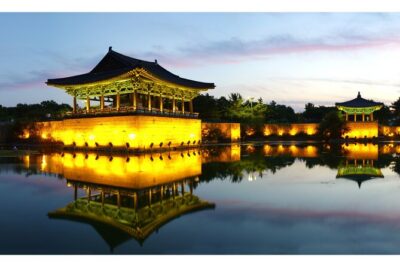
Gyeongju UNESCO sites Private tour with licensed tour guide
Read our review →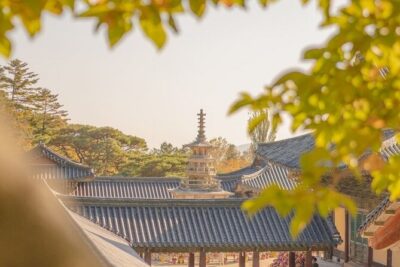
Private Gyeongju Tour – Explore Gyeongju UNESCO Sites
Read our review →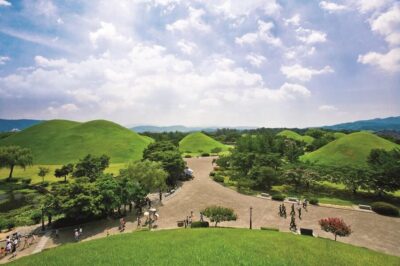
Gyeongju UNESCO World Heritage Sites and History Full-Day Tour with Lunch
Read our review →Browse the lists this tour appears in