
Reviewed · HISTORICAL TOURS
Korean History & Heritage Tour
This full-day private sweep through Seoul’s Gangbuk neighborhood is interesting because it stitches together the big story of Korea, plus the everyday scenes you can still see on the street. You get the best of both worlds, royal palace sights in the morning and traditional life and food later on, with an expert guide keeping the connections clear.
I also like that it is truly private (your group only), and you ride comfortably in an air-conditioned vehicle between stops. One possible drawback to plan for, the Gyeongbokgung Palace ticket is not included, and lunch is on your own.
Key highlights to expect
- Private, door-to-door style pickup in Seoul so you spend the day seeing, not hunting down transit
- Royal, folk, and everyday Seoul in one route from the guard ceremony to the market street food carts
- A museum that follows life stages at the National Folk Museum of Korea, covering birth, life, death, and more
- Classic neighborhoods with living culture at Bukchon Hanok Village, where people still live in hanoks
- Free time for simple browsing and walking at Insadong, with antique alleys and easy souvenir stops
- Kwangjang Market’s long food timeline (linens once, comfort-food now) plus a short but focused taste of the place
A Private Day Through Seoul’s Gangbuk: What You Really Get
This tour is built for people who want more than checkpoints. Instead of hopping randomly between famous sites, the route is arranged like a story of Korean heritage, starting with royal power, then shifting to how ordinary people lived, prayed, shopped, and ate.
Because it is private, your guide can match the pacing to your group. If you like photos, you can pause. If you prefer questions, you can ask. If your group moves a bit slower, you do not feel like you are holding up a bus full of strangers.
And the vehicle matters. Seoul is busy, and walking between far-apart neighborhoods can eat up your energy. Here, the air-conditioned car keeps the day from turning into a long transit workout, so you arrive ready to enjoy each site.
More Historical Tours in Seoul
- Seoul: Evening Dark History, Folklore & Ghost Story Walking Tour
★ 5.0 · 593 reviews - Hanbok Photoshoot and History Tour at Gyeongbokgung Palace
★ 5.0 · 276 reviews - Seoul: City Highlights and Historical Experience No Shopping
★ 5.0 · 74 reviews
Timing, Route Order, and How the 7 Hours Actually Feel
The day starts at 9:00 am, and you are generally looking at about 7 hours total. The stop order also helps you get a smoother flow: palace first, then museum and historic neighborhoods, and food at the end.
That structure is practical. Gyeongbokgung Palace is a larger, more structured experience, so getting there early makes sense. After that, the day shifts into easier-to-scan areas like Bukchon, Insadong, and a temple plus a stream stroll. Then Kwangjang Market at the end works well because you are ready for something casual and delicious.
One small planning tip: since lunch is not included, decide ahead of time whether you want a sit-down meal between stops (based on your guide’s suggestions) or whether you want to save your appetite and eat at Kwangjang.
Gyeongbokgung Palace Guard Ceremony: More Than Just a Photo Stop
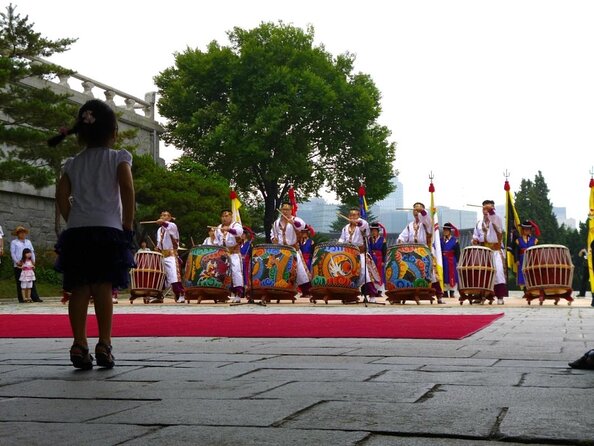
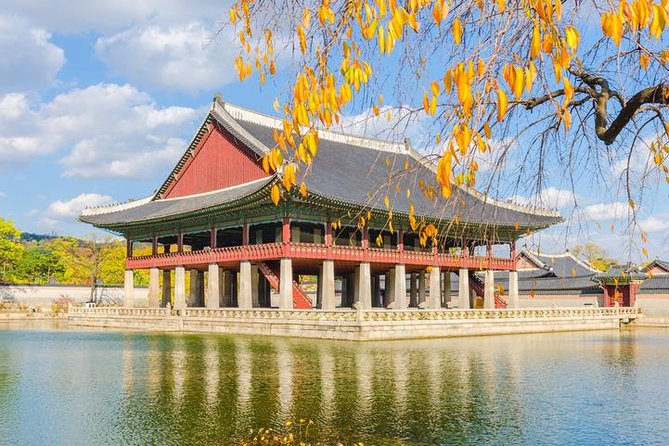
Your morning begins at Gyeongbokgung Palace, where you see the Changing of the Guard Ceremony. You also go deeper into the palace grounds for a feel of the architecture and the life surrounding the king.
This is one of the most worthwhile stops because it anchors the whole day. You are not just looking at a landmark, you are seeing the public face of Joseon-era authority, then you move on to places that show how people lived under that same long-lived culture.
Plan for the palace ticket separately. Admission is not included here, so budget for it before you go. Time is about 45 minutes, which is enough to see the ceremony area and still feel like you are touring, not rushing.
If you are sensitive to crowds or standing for ceremonies, tell your guide early. With a private group, you can often choose the spot you feel most comfortable in.
National Folk Museum of Korea: Life Stages, Beliefs, and Afterlife
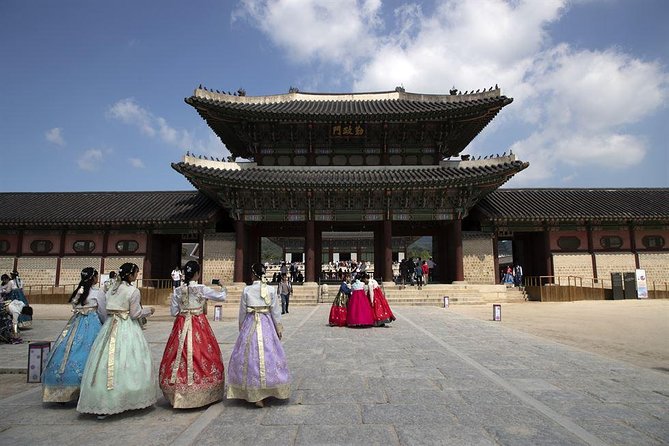
Next up is the National Folk Museum of Korea, and this stop is free. The museum is guided in a way that helps you connect scenes to real human life: you start with birth, move through daily living, then end with death and even the afterlife.
That framing is useful. Many museums leave you with isolated objects, but this one is set up to make you think in themes. You start to see how culture shapes what people eat, wear, celebrate, and fear.
The museum time is about 30 minutes, so treat it as an orientation visit. You will not see everything in half an hour, but a guided approach helps you catch the big ideas fast and then decide what you would want to explore further on a separate trip.
Different day, same base:
- Best DMZ Tour Korea from Seoul (Red Suspension Bridge Optional)
★ 5.0 · 41,422 reviews - DMZ Tour: 3rd Tunnel, Option(Suspension Bridge, Boat) from Seoul
★ 5.0 · 21,373 reviews - DMZ tour south Korea from Seoul (NK experience hall, defector)
★ 5.0 · 20,599 reviews - Seoul: The Best DMZ Tour with Optional Suspension Bridge
★ 4.7 · 4,978 reviews
Bukchon Hanok Village: Traditional Homes Still Used by Real People
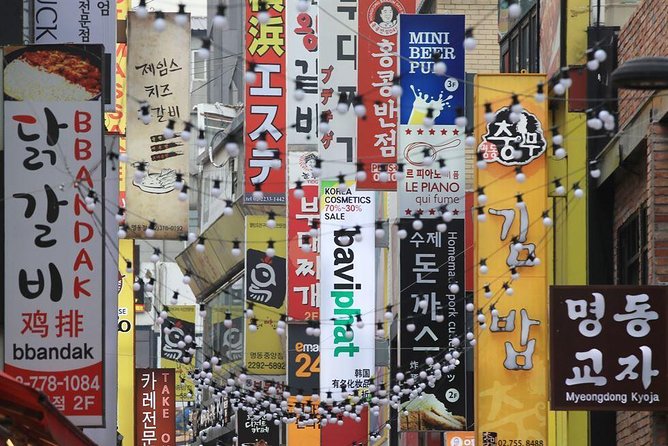
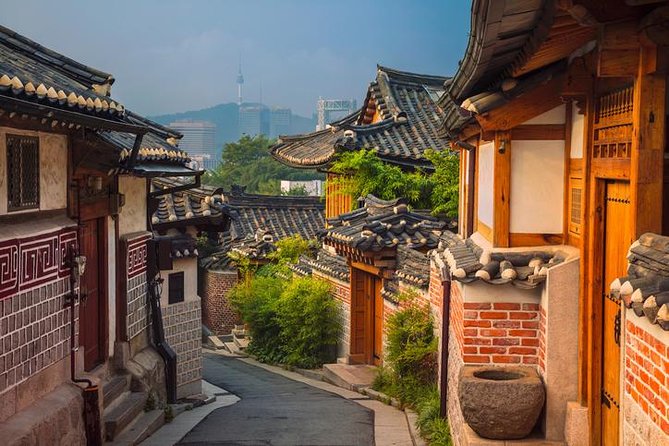
After the museum, you head to Bukchon Hanok Village, also free. The key point here is simple: you are seeing a traditional village where people still live.
That changes the vibe. Instead of a theme park, you are walking through a lived-in neighborhood with the look and feel of hanok architecture. You can get a stronger sense of how Korean homes were designed around everyday rhythms, not just how they look for visitors.
Your time is about 40 minutes. That is enough to do a slow walk, spot details like traditional roof shapes and courtyard-style layouts, and still keep moving toward the next stops without feeling exhausted.
One practical note: you will be outside and walking. Wear shoes you trust, especially if the ground looks uneven or slick to you.
Insadong’s Antique Alleys: Art, Souvenirs, and a Historic Hangout
You then walk through Insadong, spending about 45 minutes. This area is known for antiques and souvenir shopping, and your guide helps connect it back to older cultural life.
You will walk through what is described as the king’s guild area, commissioned for artists and designers. Today, the focus has shifted, with the antique alleyway functioning as a place to browse and pick up Korean keepsakes.
This is a strong stop if you like browsing with context. If your goal is only shopping, it can feel like a lot of strolling. But with a guide, it becomes more than retail, because you understand why the shops are here and why certain crafts fit into the cultural story.
Bring cash or a payment method you are comfortable using, and plan for small purchases rather than one huge shopping spree. You have other stops after this, and you will want room to keep moving.
Jogyesa Temple and Cheonggyecheon Stream: Two Different Speeds of Seoul
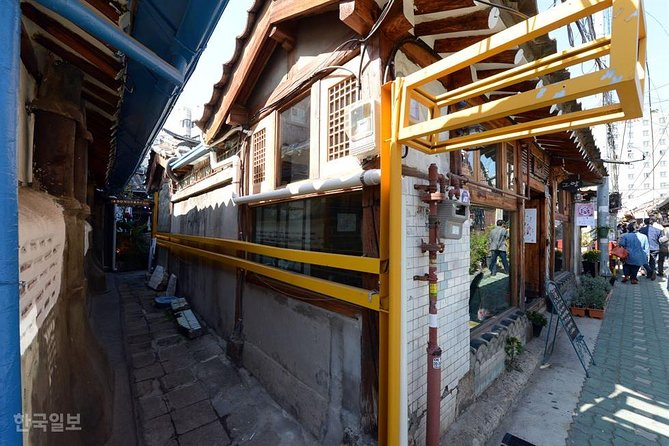
Next is Jogyesa Temple, a Buddhist temple that is described as having been the national religion of the country. This stop is short, about 20 minutes, and it is free.
Even when it is brief, a temple break helps reset the day. After palaces and museums, it gives you a moment of calmer atmosphere where you can observe without the heavy learning curve. Keep your expectations realistic: you will not do a long worship visit, but you can take in the feeling and ask your guide what stands out in the site’s role in Korean religious life.
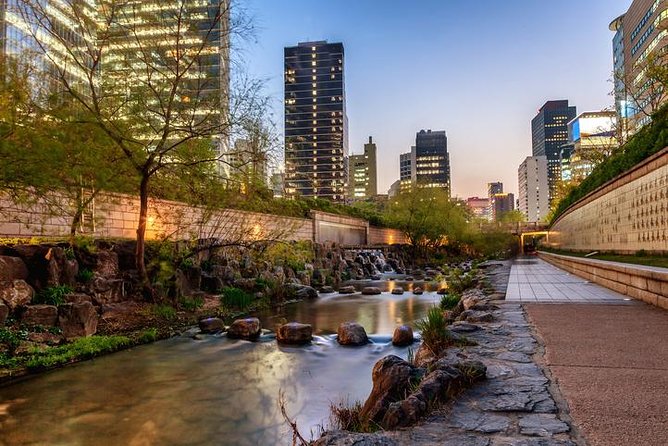
Then you walk the Cheonggyecheon Stream for about 30 minutes. This is free as well. Your guide shares stories behind the stream, which adds meaning to a simple stroll.
The pairing of temple plus stream is smart. One is spiritual and architectural, the other is urban and walkable. You get variety without needing to change your whole day plan.
Kwangjang Market: 600 Years of Food That Changed With Time
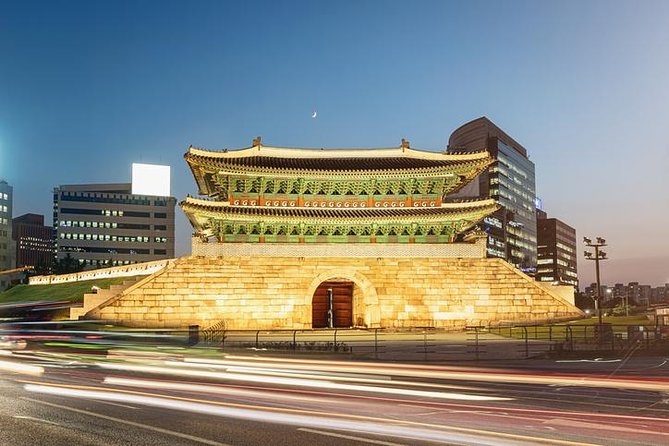
To end, you go to Kwangjang Market, which is described as about 600 years old. This stop is free, and you get around 30 minutes.
Here is what makes Kwangjang Market especially interesting: it started out selling linens for special occasions, then reinvented itself into a go-to place for comfort street food carts. That kind of shift is exactly what you want from a heritage day. It shows culture adapting while staying recognizable.
Thirty minutes is not enough to try everything, but it is enough for a guided taste and a focused walk through the market atmosphere. If you have strong food preferences, tell your guide at the start of the market stop so you can prioritize what matters most to you.
If you have not eaten much during the day, you will appreciate this ending more. If you already ate a full lunch, use the market for lighter bites and browsing.
Price and Value: Is $475 per Group Up to 6 a Good Deal
The price is $475 per group, up to 6 people. That makes it easier to budget if you are traveling with family or friends. It is also why this tour can feel like good value compared to per-person pricing, because the guide time and the vehicle are shared within your group.
What you get that supports the price:
- Air-conditioned vehicle for comfortable movement between stops
- Hotel pickup and drop-off across Seoul for free, so you do not pay extra for convenience
- A private guide for the whole day
- Several stops with admission listed as free, including the museum, Bukchon Hanok Village, Insadong, Jogyesa Temple, Cheonggyecheon Stream, and Kwangjang Market
What costs extra that you must plan for:
- Gyeongbokgung Palace admission ticket is not included
- Lunch is not included
- If you need pickup/drop-off outside Seoul within Gyeonggi Province, there is a $50 surcharge (so check where you are staying)
The value sweet spot is groups who can split the total cost, and who want the day organized into a sensible route with minimal hassle. If you are going solo, or if you do not care about palace, museum context, and guided shopping, another kind of tour might make more sense. But if you want a guided heritage day with transport, this price can actually feel fair.
How to Get a Smooth Day: Comfort, Pace, and Questions That Matter
The best part of this kind of private tour is how it can run like it was designed for you. In the strongest experiences, the guide is both friendly and patient, with the ability to explain history in a way that feels practical, not like a lecture.
In examples of this tour, guides like Michael and Judy have stood out for their kind approach and willingness to tailor the walk for guests who need extra help keeping up. Michael, for instance, has also taken guests to his favorite restaurant for ginseng black chicken, showing that good guides sometimes add thoughtful local flavor beyond the scheduled stops.
Use that as your cue. Ask your guide what they recommend for a meal when lunch time comes up, and do not be shy about preferences. If you want something traditional but not too heavy, say so. If you want something easy to eat on the go, say that too.
Also, protect yourself from common day-stoppers:
- Bring water for your breaks. The day is mostly walkable.
- Wear shoes that handle uneven pavement.
- Have a plan for the palace ticket cost so it does not interrupt your morning.
- If your group has photo goals, mention it early so your guide can build in smart moments.
Should You Book This Gangbuk Korean History & Heritage Tour?
Book it if you want a private, guided heritage day that connects royal Korea, everyday culture, and food into one route. It is especially a good fit for couples, small families, and friend groups who can share the cost, and who would rather ride in an air-conditioned car than spend time figuring out how to connect neighborhoods.
Skip it or shop around if you are very budget-focused and would rather pay only for entry tickets you choose yourself. Also think twice if you do not want to pay separately for the Gyeongbokgung Palace admission or you already know you will want a long, independent day plan with no guide.
If you like structured walking tours with context, and you want a day that feels like Seoul’s history and daily life happening in the same neighborhood, this is the kind of tour that can make the city click quickly.
FAQ
What is the duration of the Korean History & Heritage Tour?
It runs for about 7 hours.
What time does the tour start?
The start time is 9:00 am.
Is hotel pickup included?
Yes. Pickup and drop-off are provided free of charge from anywhere in Seoul.
Are admission tickets included for all stops?
No. The Gyeongbokgung Palace admission ticket is not included. The National Folk Museum of Korea, Bukchon Hanok Village, Insadong, Jogyesa Temple, Cheonggyecheon Stream, and Kwangjang Market are listed as free.
Is lunch included?
No. Lunch is not included.
Can I cancel for a full refund?
Yes. You can cancel up to 24 hours in advance for a full refund.
Recently reviewed in Seoul
- Seoul City Private Tour (Optional layover)★ 5.0 · 3 reviews
- Korean Folk Village & Suwon Hwaseong Fortress Private Tour★ 5.0 · 3 reviews
- 5D4N Korea Cultural Heritage immersion Private Tour★ 5.0 · 3 reviews
- War Memorial, Jogyesa Temple & Tapgol Park Tour in Seoul★ 4.5 · 3 reviews
- Full Day Private Seoul Tour for foodies★ 5.0 · 3 reviews
- Private Tour : Royal Palace & Traditional Villages wearing Hanbok★ 5.0 · 3 reviews
- Nami Island & Nearby Attractions : Charter Van Tour With Driver★ 4.0 · 3 reviews
- K-Pop Tour★ 3.5 · 3 reviews
Historical Tours, compared.
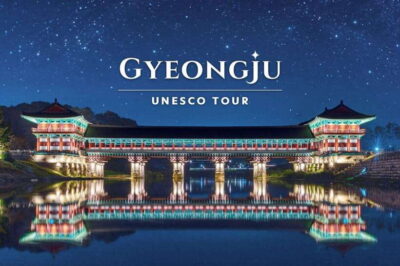
Gyeongju UNESCO World Heritage Guided Day Tour
Read our review →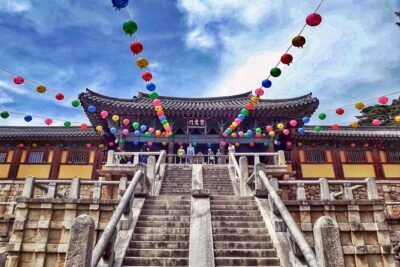
Gyeongju UNESCO World Heritage Guided Day Tour from Busan
Read our review →
Evening Dark History, Folklore & Ghost Story Walking Tour
Read our review →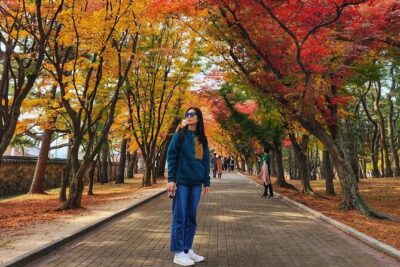
Old Korea Thousand History Tour of Gyeongju from Busan
Read our review →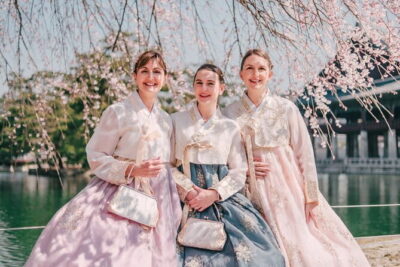
Hanbok Photoshoot and History Tour at Gyeongbokgung Palace
Read our review →
Gyeongju UNESCO World Heritage Sites and History Full-Day Tour with Lunch
Read our review →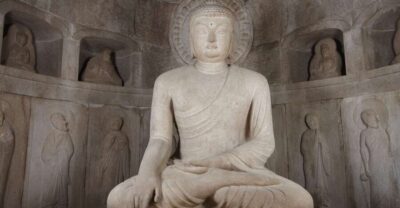
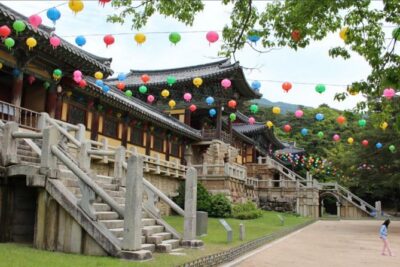
UNESCO Heritage Tour Including Bulguksa Temple
Read our review →Browse the lists this tour appears in