
Reviewed · HISTORICAL TOURS
Discover Seoul: Local Life and History
What makes this tour interesting is how it mixes Seoul’s royal core with the everyday lanes of Jongno, where you can see both old ceremony and new city energy in the same walk. I like the way the route builds meaning for you, starting with big public spaces tied to the Joseon story and then moving into palace grounds, tea houses, and traditional alleys. I also like that you get practical food guidance along the way, not just photos. One thing to consider is that this is a walking route and it depends on decent weather.
You’ll meet at Seoul Plaza, head through Gwanghwamun, and end in the Bukchon area at Cafe Onion Anguk. The group stays small (maximum 20), the tour runs about 3 hours 30 minutes, and you’ll use a mobile ticket so you can spend less time on paperwork.
Key things to know before you go
- A tight route through Gwanghwamun and Jongno that makes the city feel connected, not scattered
- Gyeongbokgung Palace and guard-change viewing with context so it feels less random
- Insadong’s tea houses, craft shops, and galleries as part of the walk, not an optional detour
- Bukchon Hanok Village positioned for that classic upper-neighborhood perspective between palace and village
- Small group size (up to 20) that keeps questions from getting lost
- Free admission tickets listed for the stops on the route, so your money goes mostly to the guide and route
Why this route from Gwanghwamun to Bukchon makes sense
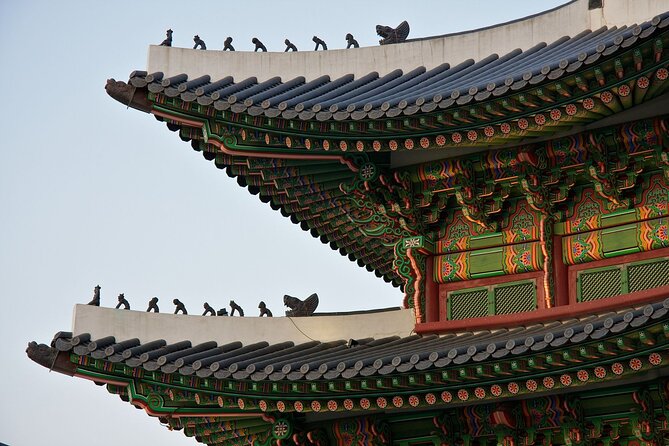
Seoul can feel like two cities at once. You have high-speed modern life one minute, then royal gates, Confucian shrines, and temple stories the next. This tour is built to help you hold both ideas in your head at the same time, without needing to study a guidebook for weeks first.
The big win is the order. You start with major city anchors around Gwanghwamun, then you move into the palace, and only after that do you slow down into the older neighborhood streets. That sequence makes the details easier to remember, because you’re not jumping randomly between eras.
You should expect a guided walk with frequent “here is what you’re seeing and why it matters” moments. The goal is not to make you memorize dates. It’s to help you read the place, from statues and plazas to gate lines and hanok alleys.
More Historical Tours in Seoul
- Seoul: Evening Dark History, Folklore & Ghost Story Walking Tour
★ 5.0 · 593 reviews - Hanbok Photoshoot and History Tour at Gyeongbokgung Palace
★ 5.0 · 276 reviews - Seoul: City Highlights and Historical Experience No Shopping
★ 5.0 · 74 reviews
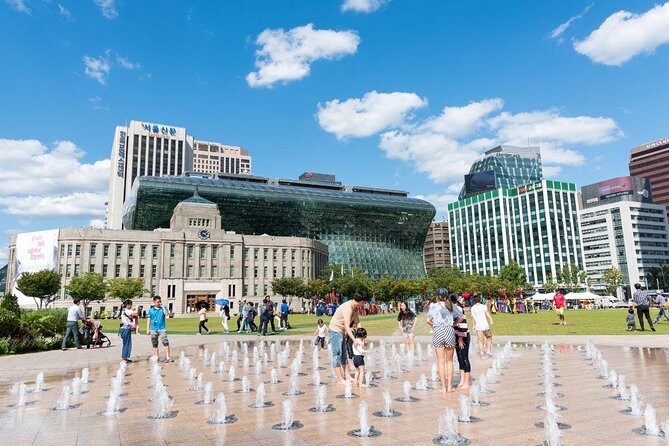
Seoul City Hall and Gwanghwamun Plaza: start with the big picture
Your tour begins at Seoul Plaza (110 Sejong-daero, Jung District). This is a smart start point because it puts you in central Seoul quickly and gives you an easy reference for what comes next. The tour also lists Seoul City Hall as the first stop, with free admission and about 30 minutes.
There is one practical caveat: on some Tuesdays, Seoul City Hall might be closed. If that happens, don’t panic. The timing shift usually just changes how much time you spend at the first location before moving deeper into Gwanghwamun.
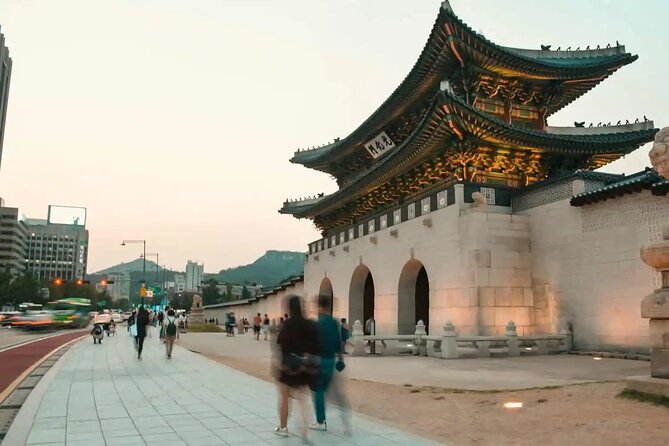
Next you head to Gwanghwamun Square, along Gwanghwamun Avenue. This stretch is all about scale. You’ll see a main artery of the city and get the sense of how public spaces have always mattered in Korean civic life.
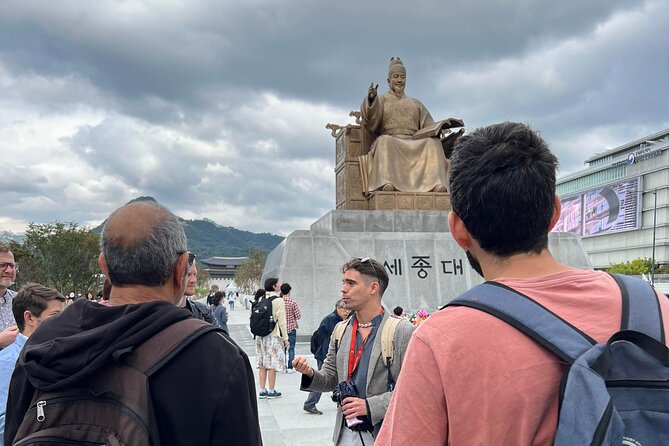
Then comes a quick but meaningful stop at Gwanghwamun Plaza. Right in front of the Gwanghwamun Gate, there are public statues connected to Joseon-era leadership, including King Sejong and Admiral Yi Sunshin. A short stop like this can still land hard when you understand who the figures were and why the city keeps naming public space after them.
If you’re here early in your trip, this section is a good mental warm-up. It helps you stop treating palaces as isolated “pretty places” and start seeing them as part of how the capital was organized.
Gyeongbokgung Palace and the guard change, without the confusion
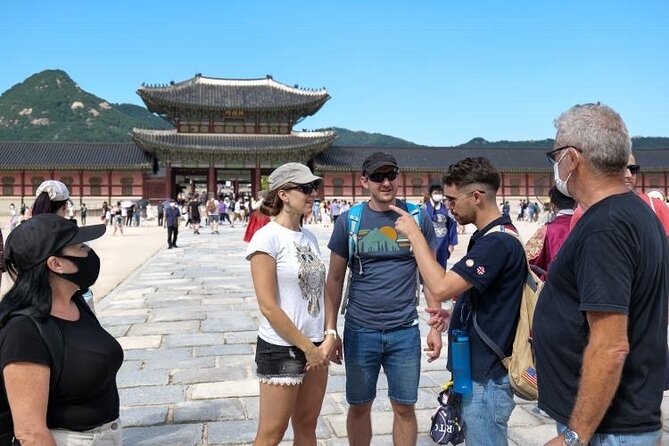
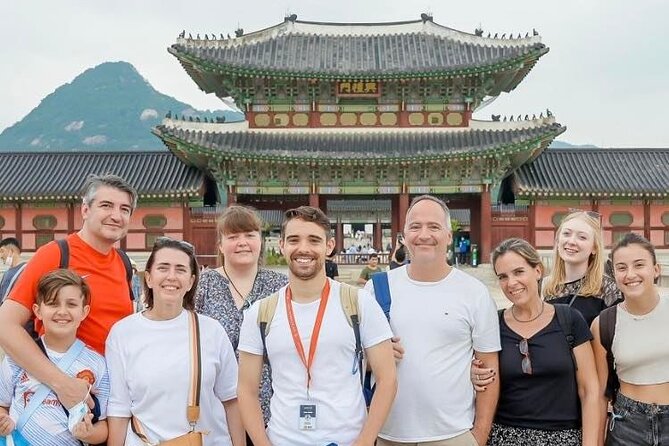
The centerpiece of the tour is Gyeongbokgung Palace, scheduled for about 30 minutes. This is the main palace of Seoul in a Joseon dynasty setting, and you’ll get an introduction to how to look at the grounds and buildings as a royal complex, not just a collection of buildings.
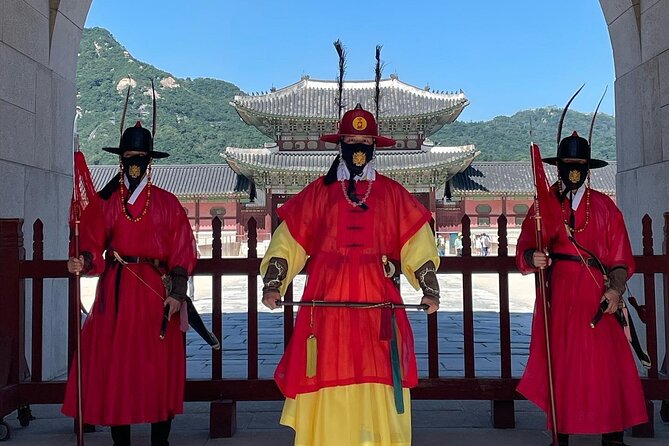
One of the best-known moments here is the guard change. The tour includes time for you to see and understand it, which matters because this ceremony is easy to misunderstand if you’re standing in the wrong place or moving too quickly. With a guide, you’re more likely to know what you’re watching and why the timing and movement are the point.
You should plan to slow down here. Palace spaces tend to reward calm walking, not rushing for landmarks. If you come in with comfortable shoes and a little patience, you’ll get more out of the time than you would trying to sprint from photo spot to photo spot.
Admission is listed as free for this stop, so your payment is really going toward the guide’s explanations and the effort of getting you positioned for the key moments.
Insadong on foot: tea houses, crafts, and real food guidance
After the palace area, the tour flows into Insadong, one of Seoul’s older neighborhoods. You’re given about 30 minutes here, which is enough time to feel the neighborhood character without feeling trapped in “shop mode.”
Insadong is described as a maze of streets with hanoks, plus traditional tea houses, galleries, craft shops, and bars. That mix is exactly why I like it on a guided route. Left alone, you can wander for an hour and still not know what to prioritize. With a plan, you can pick up the vibe first, then choose where you want to linger.
This is also where food matters. The tour includes tips on where to drink and eat, including recommendations like Korean beer chicken. I like this style of suggestion because it’s practical. It tells you what to look for and how to fit it into your schedule while you’re already in the neighborhood.
In my view, the best part of adding Insadong here is pacing. After palace formality, you need something more human-scale. Tea houses and craft shops are calmer, and the streets feel made for strolling, even if you don’t buy anything.
Different day, same base:
- Best DMZ Tour Korea from Seoul (Red Suspension Bridge Optional)
★ 5.0 · 41,422 reviews - DMZ Tour: 3rd Tunnel, Option(Suspension Bridge, Boat) from Seoul
★ 5.0 · 21,373 reviews - DMZ tour south Korea from Seoul (NK experience hall, defector)
★ 5.0 · 20,599 reviews - Seoul: The Best DMZ Tour with Optional Suspension Bridge
★ 4.7 · 4,978 reviews
Bukchon Hanok Village: how to make sense of 600 years of alleys
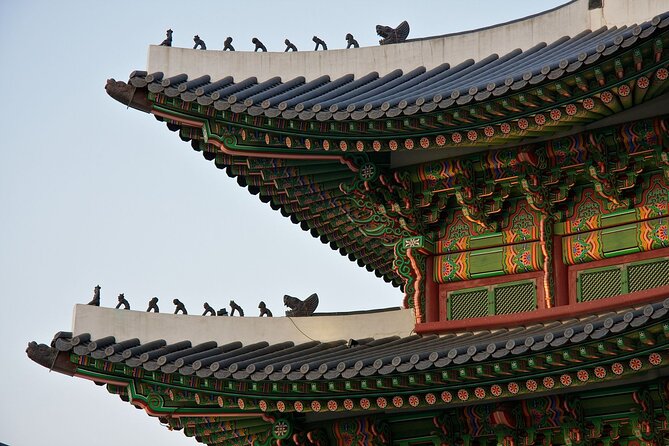
The route ends in the Bukchon area, with a stop at Bukchon Hanok Village. You’re scheduled for about 30 minutes, and this village sits on higher ground between Gyeongbokgung Palace and the neighborhood itself, so you get that “upper view” feeling that many visitors miss when they only stay on the flatter main streets.
The tour description notes the preservation of the hanok setting over roughly 600 years, which is the key idea to keep in mind while you’re there. You’re not just looking at old houses. You’re looking at an old neighborhood layout that still shows how people lived, moved, and turned corners in that era.
Because the tour time here is limited, focus on what changes with your angle. Look for how the alleys curve, how roofs and walls frame small sightlines, and how the neighborhood feels layered up the hill.
You’ll finish at Cafe Onion Anguk (5 Gyedong-gil, Jongno District). That end point is helpful because you get an easy “wrap it up here” location instead of getting dropped somewhere generic.
One small timing note to keep in mind: the cafe opening hours are listed as Monday to Friday, 10:00 AM to 5:00 PM. If your tour lands outside that window, you’ll still likely be close to other options, but it’s smart to double check your day-of-week plans.
Price and logistics: what $96.75 really buys you
At $96.75 per person for about 3 hours 30 minutes, you’re paying for three things: a route that connects major sites, a guide who can explain what you’re seeing, and time savings versus trying to piece it all together on your own.
A big part of the value is that the listed stops include free admission tickets. That doesn’t mean you pay nothing. It means your money isn’t going into entry fees. Instead, it goes into the planning and guidance.
Another practical value point is size. The tour caps at 20 people, which usually keeps the walking flow workable and gives you a better chance to ask questions at the key stops. Reviews also highlight strong English ability. In particular, guides like Moises and Gemma show up in the strong feedback, and they’re repeatedly credited with making history feel usable, not like a lecture.
The tour also uses a mobile ticket, which is the kind of detail that quietly improves the experience. Less fuss at the start means more time actually in the city.
Booking tends to happen well ahead, with an average of about 24 days in advance. If your dates are tight, plan early so you’re not stuck with fewer time options.
Timing, weather, and what to pack for a smooth walk
This experience requires good weather. That matters in Seoul, because sudden rain or poor conditions can change how pleasant the walking parts feel, especially around palace areas and narrow neighborhood lanes.
The tour runs for roughly 3 hours 30 minutes, so you’ll want to think in “comfort blocks.” Wear shoes you can walk in for hours, even if the official time sounds short on paper. Bring a small layer. Palace and plaza spaces can feel cooler or windier than you expect once you’re out in open areas.
Also, since you start at Seoul Plaza and end near Bukchon, plan your main day around it. It’s an efficient use of time if you’re trying to get bearings in central Seoul early.
And because City Hall might be closed on some Tuesdays, don’t schedule a delicate follow-up immediately at the first meeting area. Keep your post-tour plans flexible so you can absorb any small timing adjustments.
Who this tour fits best (and who might want something else)
This is ideal if you:
- Want to understand how Joseon-era stories connect to modern Seoul streets
- Like seeing palace culture and then switching gears into everyday neighborhood life
- Prefer a small-group walk with a guide who can answer questions in clear English
- Are visiting for the first day or two and want a map in your head before you go solo
It may be less ideal if you want:
- A long, slow palace deep-stroll without time limits
- Fully flexible wandering with no set sequence
- An indoor museum-heavy plan, since the route is built around outdoor walking spaces
That said, the mix is strong. You get the royal palace introduction, short statue-and-plaza context, the Insadong street-life tempo, and then a hanok village finish with photo-worthy alleys and views.
Should you book Discover Seoul: Local Life and History?
If your goal is to get oriented fast and still feel like you learned something real, I think this is a smart booking. The route is concentrated, and the guide explanations make the stops easier to connect. You also get a practical edge, with food and drink tips that fit the places you’re standing in.
If you’re traveling with time constraints, the 3 hours 30 minutes format is a nice compromise. It covers major highlights in central Seoul without turning your day into a marathon. And with a small group size and mobile ticket convenience, the whole thing feels straightforward.
My main caution is weather and walking. If you’re visiting during a rainy stretch or you’re not comfortable on foot, consider swapping to a different day or a more indoor-focused plan.
Overall, this tour is a good value because the money goes into guidance and connections, not just sightseeing tickets. If you want Seoul to make sense from the first afternoon, this one is worth your time.
FAQ
What is the duration of the tour?
The tour lasts about 3 hours 30 minutes.
Where does the tour start and end?
It starts at Seoul Plaza on Sejong-daero in Jung District and ends at Cafe Onion Anguk in Jongno District near Gyedong-gil.
How much does the tour cost?
The price is $96.75 per person.
Is a mobile ticket used?
Yes, the tour uses a mobile ticket.
Are admission tickets included for the stops?
Admission tickets are listed as free for the listed stops on the route.
How many people are in the group?
The tour has a maximum of 20 travelers.
Is the tour dependent on weather?
Yes, it requires good weather. If canceled due to poor weather, you’ll be offered a different date or a full refund.
What is the cancellation policy?
You can cancel for free up to 24 hours in advance for a full refund. If you cancel less than 24 hours before the start time, the amount paid is not refunded.
Are service animals allowed and is public transportation nearby?
Yes, service animals are allowed, and the meeting area is near public transportation.
Recently reviewed in Seoul
- Korean Folk Village & Suwon Hwaseong Fortress Private Tour★ 5.0 · 3 reviews
- Seoul City Private Tour (Optional layover)★ 5.0 · 3 reviews
- 5D4N Korea Cultural Heritage immersion Private Tour★ 5.0 · 3 reviews
- War Memorial, Jogyesa Temple & Tapgol Park Tour in Seoul★ 4.5 · 3 reviews
- Private Tour : Royal Palace & Traditional Villages wearing Hanbok★ 5.0 · 3 reviews
- Full Day Private Seoul Tour for foodies★ 5.0 · 3 reviews
- K-Pop Tour★ 3.5 · 3 reviews
- 3D Private Seoul Highlight tours with DMZ & Korean Folk Village★ 5.0 · 3 reviews
Historical Tours, compared.
Gyeongju UNESCO World Heritage Guided Day Tour
Read our review →
Gyeongju UNESCO World Heritage Guided Day Tour from Busan
Read our review →
Evening Dark History, Folklore & Ghost Story Walking Tour
Read our review →
Old Korea Thousand History Tour of Gyeongju from Busan
Read our review →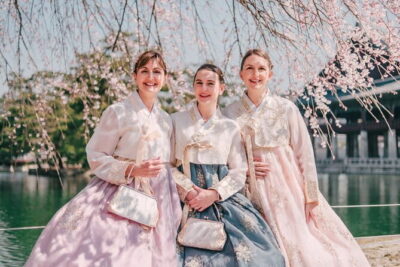
Hanbok Photoshoot and History Tour at Gyeongbokgung Palace
Read our review →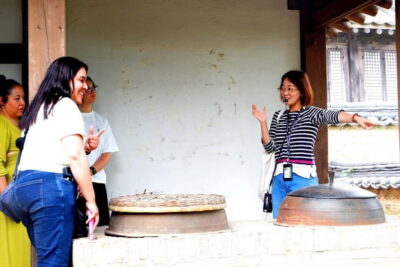
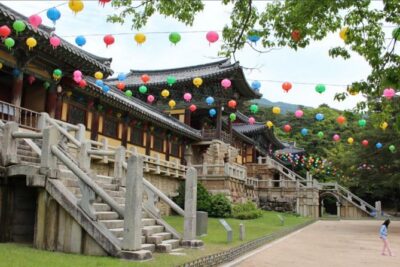
Gyeongju UNESCO World Heritage Sites and History Full-Day Tour with Lunch
Read our review →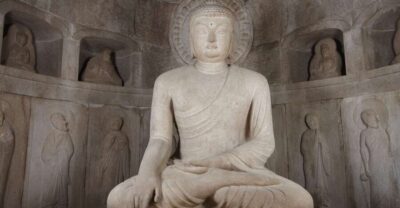
UNESCO Heritage Tour Including Bulguksa Temple
Read our review →Browse the lists this tour appears in