
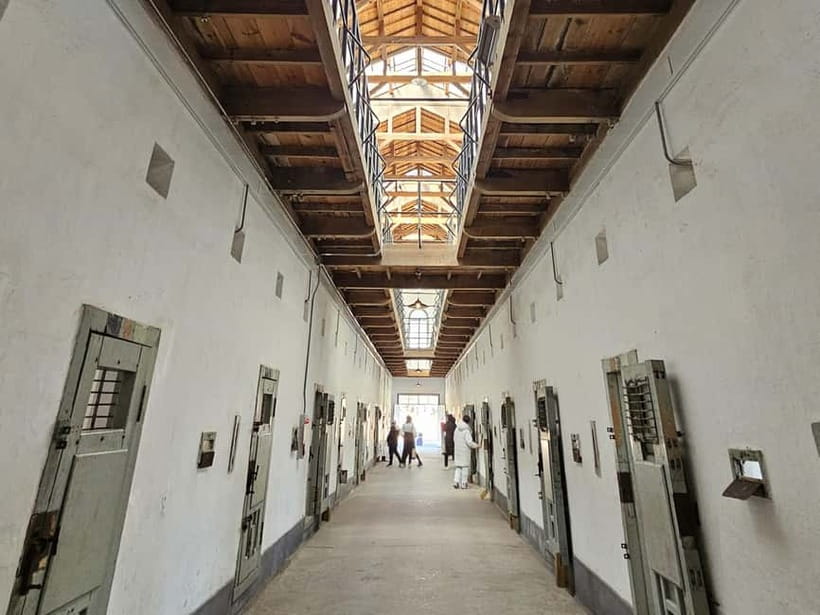
Reviewed · HISTORICAL TOURS
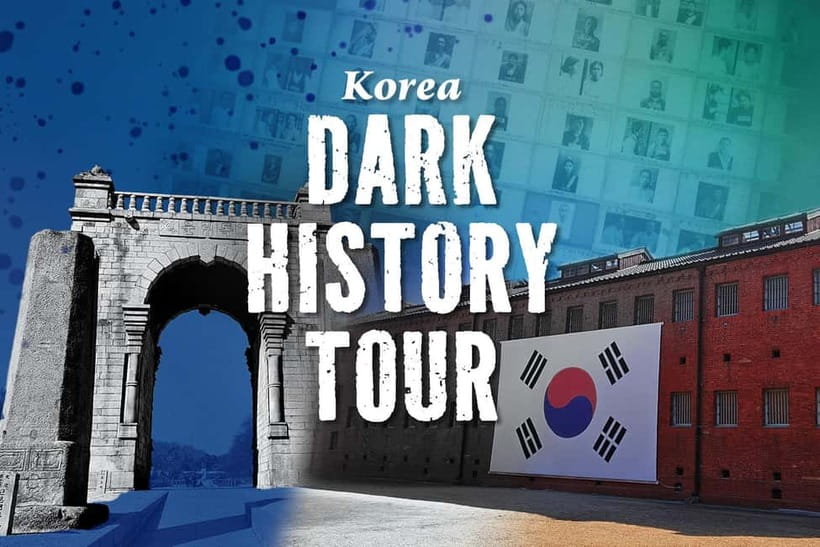
Blood & Tears: Korea Dark History Guided Walking Tour
Walking between prison halls, former government power, and memorial spaces is what makes Blood & Tears: Korea Dark History such a gripping experience. I like how it links Korea’s independence story and later democracy struggle to specific places you can still stand in today. One consideration: you will spend a half day on your feet, and the emotional tone is heavy throughout.
The tour runs as a small group, capped at 10 people, and the guide quality matters a lot for this topic. A guide like Jonathan, noted for being friendly and well informed, can help you keep the facts straight while you absorb what you are seeing.
Key Things That Make This Tour Work
- Two clear routes: independence first, or democracy later, each with its own start time
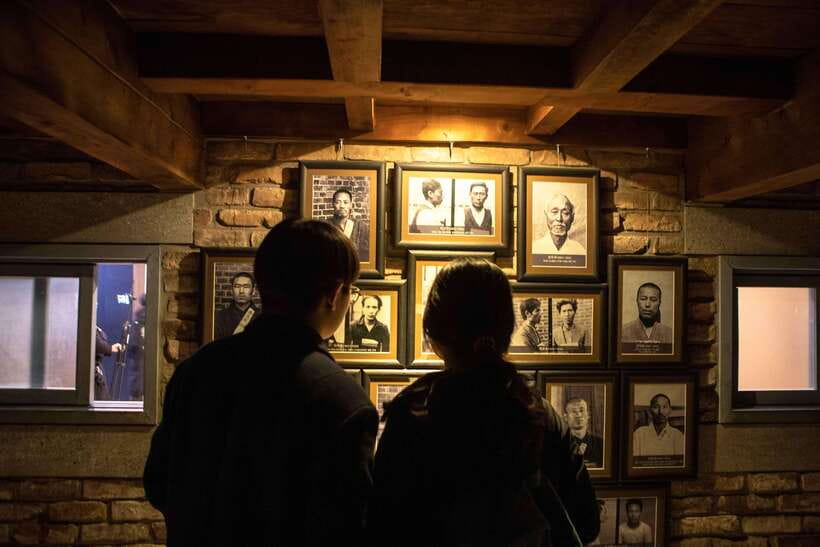
- Seodaemun Prison History Hall for the cold, direct feel of imprisonment and execution
- Dongnimmun Arch and Tapgol Park tied to public momentum and the independence uprising
- Dilkusha practical detail: you may need to remove shoes, slippers provided
- Namsan KCIA headquarters and surveillance sites on the democracy-focused package
- Tongin Market stop built around a traditional lunch option, with meals not included in the price
Why This Dark-History Walk Hits Different Than a Lecture
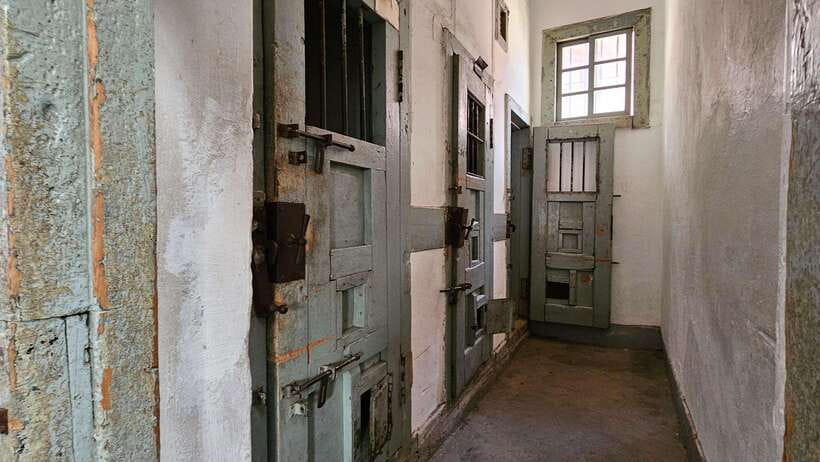
This is not a history class where you memorize dates and move on. The value here is that you connect the political story to rooms, streets, and buildings that still carry the memory of what happened there. Standing in the same zones where people were held, interrogated, and punished makes the topic feel real in a way a book can’t quite match.
I also like that the tour gives you two entry points. If you start with the fight for independence, you see how colonial power worked and how resistance spread. If you start with the road to democracy, you see the post-war struggle against dictatorship and oppression, and how citizens pushed back.
More Historical Tours in Seoul
- Seoul: Evening Dark History, Folklore & Ghost Story Walking Tour
★ 5.0 · 593 reviews - Hanbok Photoshoot and History Tour at Gyeongbokgung Palace
★ 5.0 · 276 reviews - Seoul: City Highlights and Historical Experience No Shopping
★ 5.0 · 74 reviews
Two Packages With Different Start Times (Pick Your Mood)
You can choose one package or do both for a full arc. Either way, you meet your guide in the morning and end back near where you started.
Package 1: Then, Fight for Independence
This route starts at 9:30 AM at Dongnimmun Station Exit 5. You’ll move through the most direct “resistance paid a price” stops first, then shift toward public uprising and the independence energy that rose through the city. It ends at Tapgol Park around 1:00 PM.
Package 2: Now, Road to Democracy
This route starts at 9:50 AM at Gwanghwamun Station Exit 7. It begins with context, then moves into the machinery of political control, ending at the Korea Democracy Foundation around 4:00 PM. If you want the story of how modern Korea fought dictatorship, this is the sharper cut.
Traffic and weather can affect timing, so build in a little buffer in your day plan.
Different day, same base:
- Best DMZ Tour Korea from Seoul (Red Suspension Bridge Optional)
★ 5.0 · 41,422 reviews - DMZ Tour: 3rd Tunnel, Option(Suspension Bridge, Boat) from Seoul
★ 5.0 · 21,373 reviews - DMZ tour south Korea from Seoul (NK experience hall, defector)
★ 5.0 · 20,599 reviews - Seoul: The Best DMZ Tour with Optional Suspension Bridge
★ 4.7 · 4,978 reviews
Seodaemun Prison History Hall: The “What They Did” Portion
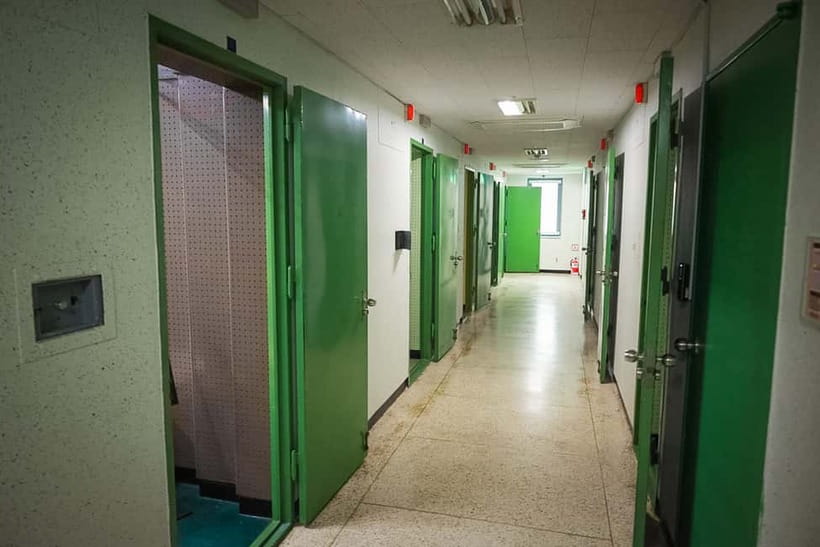
On the independence route, the first major landmark is Seodaemun Prison History Hall. This is where the tour goes beyond generalities. You are guided through the site in a way that emphasizes the suffering of freedom fighters who were imprisoned, tortured, and executed for resisting Japanese colonial rule.
What you get from this stop is the cost of defiance. You are not just learning that resistance happened. You are absorbing what punishment looked like in real, physical terms, including how people were confined. If you are sensitive to heavy topics, I’d treat this as the emotional core of the whole day.
Practical note
The tour stays respectful and focused, but you’ll likely be standing and moving through dimmer spaces. Wear comfortable shoes, and plan to slow down mentally as you go from room to room.
Dongnimmun Arch: When a Monument Meets a Complicated Truth
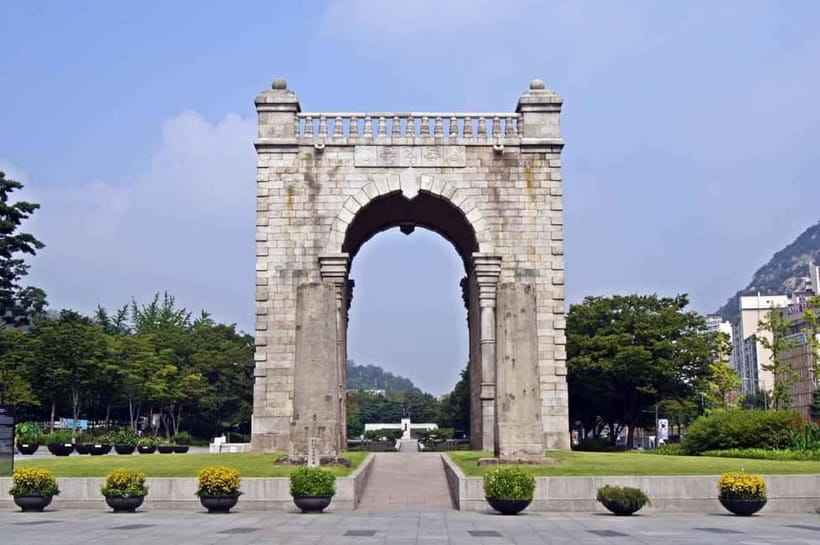
After Seodaemun, you head to Dongnimmun Arch. On paper, an independence arch is a celebration. But on this tour, you learn how the arch later became a witness to the realities of Japanese colonization.
I like this stop because it shows how symbols can change meaning depending on who controls the city. It is a reminder that political power is not only about laws and weapons, it is also about framing the story of who belongs and what the future should look like.
Dilkusha: A Former Residence With a Story You Can Feel
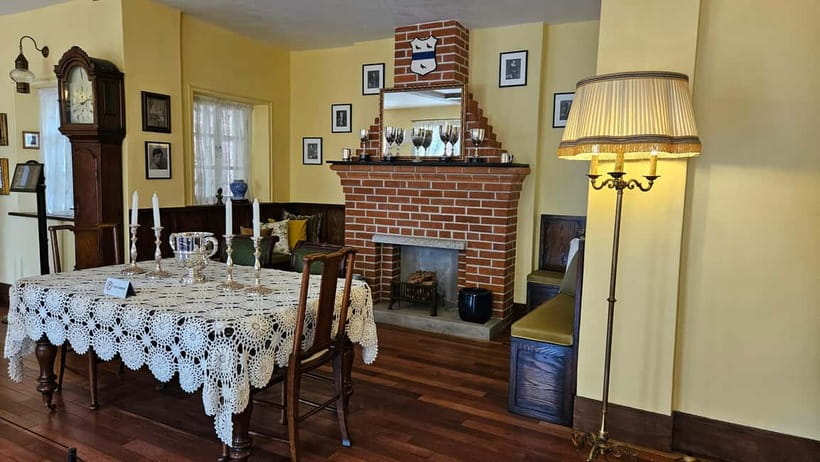
Next is Dilkusha, the former residence of Albert W. Taylor, an American journalist who exposed Japan’s brutal rule to the world. This is an important pivot: you’re moving from what happened to Koreans locally, to how international awareness played a role.
Dilkusha also has a practical visitor detail. You may need to remove your shoes when visiting the historic residence, and slippers are provided on-site. Bring socks you’re comfortable walking in, because this can be the kind of detail that slows you down if you show up unprepared.
Tapgol Park: Where Public Momentum Starts
The independence package ends at Tapgol Park (around 1:00 PM). The guide ties this location to the 1919 independence movement, where early cries for independence spread and helped spark a nationwide uprising.
This is a smart way to end the first route. You start with imprisonment and punishment, then you finish with public action. It helps you understand resistance as both a private act of survival and a collective act of courage.
National Museum of Korean Contemporary History: Context Before the Hard Parts
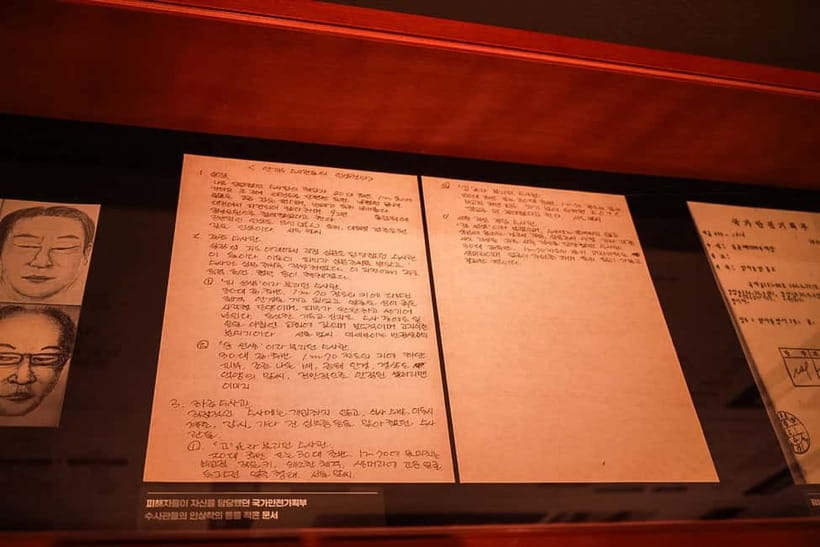
If you choose the democracy route, your first big stop is the National Museum of Korean Contemporary History. This matters because it frames the bigger picture: post-war reconstruction, military regimes, and citizen resistance.
I like starting here because it prevents the walk from feeling like a set of isolated sites. Instead, you get a storyline for why the later places exist in the way they do, and why surveillance and oppression became tools of power.
Tongin Market Lunch Break: History Meets Everyday Life
The democracy route then includes time around Tongin Market, where you can enjoy a traditional lunch. The tour theme is serious, but this stop matters because it shows you another side of the story: the daily rhythm of ordinary people living through difficult decades.
Important reality check: meals are not listed as included in the price. So you should budget for lunch on your own. Still, the market stop is useful because it gives you an easy way to eat without derailing the day.
Blue House: Power and the Decisions Behind Closed Gates
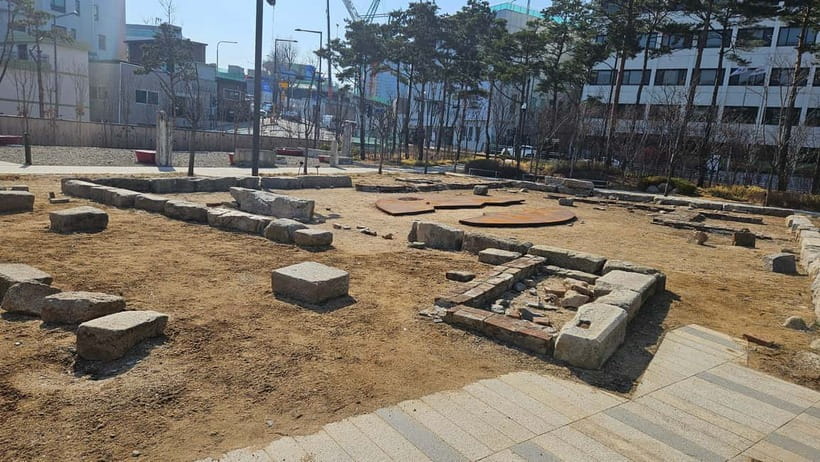
Next on the democracy route is the Blue House, the former presidential office. On this walk, the building represents more than architecture. It symbolizes power, and the controversial decisions that were made behind its gates.
This stop is where oppression shifts from something that happens in hidden spaces to something connected to national leadership. It is also where you start to connect the citizen’s role in pushing back, rather than only reacting to what a colonizer or regime does.
Namsan KCIA Headquarters: Surveillance as a System
Then you head toward Namsan KCIA headquarters, one of the most intense places on the road to democracy route. This stop is framed around surveillance, political oppression, and torture, all used to silence dissent.
Even if you already know the broad outlines, this is the kind of location that makes the system feel personal. You’re not just studying power. You’re looking at the machinery that people believed could crush resistance.
I recommend you take a breath here, literally. Let the guide explain, then let the site sit in your mind. It is the kind of place where rushing makes it harder to process.
Korea Democracy Foundation: Turning Pain Into a Public Reminder
The democracy package ends at the Korea Democracy Foundation (around 4:00 PM). This site functions as a remembrance space for what surveillance and political oppression were meant to do, and how Korea’s democracy was hard-won.
I appreciate that the tour ends on this note. It moves from the tools of control to the idea of accountability and public memory. You come away with the sense that democracy is not automatic. It has to be defended, again and again, by real people.
Price and Logistics: Is $29 Good Value
At $29 per person, this is good value if you factor in what’s included. Your ticket covers an English-speaking guide, admission fees, and public transportation fees during the tour.
What is not included: meals, travelers insurance, and other personal expenses. So if you’re doing the democracy route, plan to pay for lunch around Tongin Market.
The small group size (maximum 10) is also part of the value. In a topic like this, you want time for questions and explanations that match the pace of the group. If you usually like guided history walks, this one is priced like it wants to be practical, not just symbolic.
Two more logistics things to know:
- The itinerary can change due to traffic and weather.
- The tour is wheelchair accessible, but because you use public transportation, a wheelchair or stroller can be inconvenient. If accessibility is a major factor for your day, you’ll want to plan your comfort level with transit.
What to Wear and Bring (So You Can Focus on the Story)
This tour deals in difficult themes, so your best “equipment” is comfort and calm.
- Wear comfortable walking shoes. The day includes multiple stops and you’ll likely be standing more than you expect.
- Bring a light layer. Indoor sites can feel cooler, and weather can shift quickly in a walking route.
- If you go on the independence package, remember the shoe removal at Dilkusha detail. Slippers are provided, but socks and comfort help.
- Carry water if you can. The tour includes transportation between sites, but meals are not included.
And emotionally, give yourself permission to feel it. This is the kind of tour where reflection is part of the design.
Who This Tour Suits Best
You’ll love this if:
- You want Korean history through real places, not just dates.
- You care about the arc from independence resistance to modern democratic struggle.
- You like a small-group guide who can explain context and keep the story coherent.
You might not love it if:
- You hate heavy subject matter and prefer a lighter, more entertainment-style tour.
- You need a lot of downtime. This is a half-day walk with intense stops.
Should You Book Blood & Tears Korea Dark History?
If you’re serious about understanding Korea beyond quick surface stops, I think you should book it. The price is fair for what you get, especially because admissions and transit are handled and the group stays small. The independence route and the democracy route each have their own emotional center, so pick based on what story you want most today.
My best advice is simple: choose the package that matches your interest first, then use the other package only if you want the full before-and-after picture. Either way, go in ready to stand quietly where history happened, and let the guide connect the dots from oppression to the push for freedom.
FAQ
How much does Blood & Tears: Korea Dark History Guided Walking Tour cost?
It costs $29 per person.
How long is the tour?
The duration is 3.5 to 6 hours, depending on the option and start time.
What are the two tour package options?
You can book Package 1: Then, Fight for Independence or Package 2: Now, Road to Democracy. Each package has different meeting points and a different set of stops.
Where do I meet for the independence package?
For Package 1, you meet at Dongnimmun Station Exit 5 at 9:30 AM.
Where do I meet for the democracy package?
For Package 2, you meet at Gwanghwamun Station Exit 7 at 9:50 AM.
When and where does each tour end?
Package 1 ends at Tapgol Park around 1:00 PM. Package 2 ends at the Korea Democracy Foundation around 4:00 PM. Both tours end back at the meeting point area.
What is included in the ticket price?
Included are public transportation fees during the tour, an English-speaking guide, and admission fees.
Are meals included?
No. Meals are not included.
Is the tour wheelchair accessible?
Yes, the tour is listed as wheelchair accessible, but traveling by public transportation may be inconvenient for strollers or wheelchairs.
What are the cancellation and payment options?
You get free cancellation up to 24 hours in advance for a full refund, and there is also reserve now & pay later (you can book and pay nothing today).
More Walking Tours in Seoul
- Seoul moonlight walking tour with local historian
★ 5.0 · 940 reviews - Seoul: Nighttime Hidden Gems Walking Tour
★ 5.0 · 775 reviews - Seoul: Dark Side of the City and Ghost Stories Walking Tour
★ 4.8 · 484 reviews - Gangnam Walking Tour on Youth and Society in Seoul Korea
★ 5.0 · 401 reviews
Recently reviewed in Seoul
- Seoul City Private Tour (Optional layover)★ 5.0 · 3 reviews
- Korean Folk Village & Suwon Hwaseong Fortress Private Tour★ 5.0 · 3 reviews
- 5D4N Korea Cultural Heritage immersion Private Tour★ 5.0 · 3 reviews
- War Memorial, Jogyesa Temple & Tapgol Park Tour in Seoul★ 4.5 · 3 reviews
- Full Day Private Seoul Tour for foodies★ 5.0 · 3 reviews
- Private Tour : Royal Palace & Traditional Villages wearing Hanbok★ 5.0 · 3 reviews
- Nami Island & Nearby Attractions : Charter Van Tour With Driver★ 4.0 · 3 reviews
- K-Pop Tour★ 3.5 · 3 reviews
Historical Tours, compared.
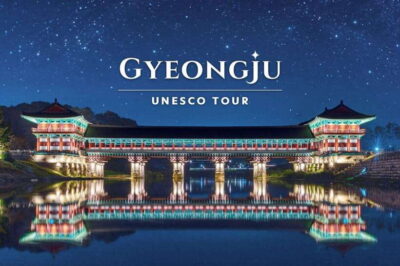
Gyeongju UNESCO World Heritage Guided Day Tour
Read our review →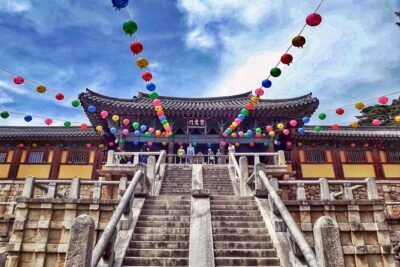
Gyeongju UNESCO World Heritage Guided Day Tour from Busan
Read our review →
Evening Dark History, Folklore & Ghost Story Walking Tour
Read our review →
Old Korea Thousand History Tour of Gyeongju from Busan
Read our review →
Hanbok Photoshoot and History Tour at Gyeongbokgung Palace
Read our review →
Gyeongju UNESCO World Heritage Sites and History Full-Day Tour with Lunch
Read our review →
UNESCO Heritage Tour Including Bulguksa Temple
Read our review →Browse the lists this tour appears in