
Reviewed · KIMCHI MAKING
Korean Grandma Cooking Class l Gimbap & Kimchi Pancake l Seoul
A Korean grandma cooking class in Seoul is interesting because you are not just learning recipes, you are stepping into a real home and getting the family version of how things are done. You start with a warm welcome tea, then get a tour of the house and kitchen before your hands go to work. It feels personal in a way most cooking experiences do not.
I love that the focus is hands-on cooking, specifically making gimbap and kimchi pancake yourself. I also love the family-story approach from Grandma Sharon, including the way she keeps things calm and communicative, which makes it work especially well for groups and kids.
One possible drawback: it is a home setting. That usually means less room than a cooking school, so wear comfortable clothes and expect a more casual, lived-in kitchen vibe than a polished studio.
Key highlights you will feel right away
- Grandma Sharon’s home setting in Seoul, with a real tour before you cook
- Welcome tea and an easy start with time to connect with your group
- Two classic Korean dishes you make yourself: gimbap and kimchi pancake
- Patient, skilled teaching paired with English that makes instructions clear
- A shared table moment at the end, including pictures and story sharing
- Private group format, so the experience stays focused on your people
Why a Grandma Cooking Class in Seoul Beats a Standard Cooking School
This is the kind of class where the setting does half the work for you. Instead of a classroom feel, you meet Grandma’s household, learn how Koreans live day to day, and see how food fits into that routine. You get a quick look at traditional kitchen setups, and you may even catch glimpses of family items, which turns the class from pure technique into a better understanding of culture.
The other big difference is the teaching style. Grandma Sharon does not just instruct like a timer and a checklist. She brings stories and family recipes into the lesson. That matters because it gives you context for why certain steps exist, not just what to do next. And when you are learning something as hands-on as gimbap and kimchi pancake, that context helps you remember.
This experience also comes with a values angle that feels practical, not preachy. By choosing a local, personal class, you are supporting a tourism style that keeps the interaction human. It is a small thing, but it is the type of decision that makes your trip feel more connected.
More Workshops in Seoul
- Local Home Korean Cooking Class & Market Adventure in Seoul
★ 5.0 · 1,024 reviews - Seoul: Korean Cooking Class at a Local Home and Market Tour
★ 5.0 · 348 reviews - Yongpyong Ski Resort from Seoul with Optional Lesson and Packages
★ 5.0 · 217 reviews
Meeting at 메리츠화재연수원92 in Ui-dong, Gangbuk-gu
You meet at 메리츠화재연수원92 Ui-dong, Gangbuk-gu, Seoul, South Korea, and the tour ends back at the same meeting point. The start time is 11:00 am, and the total time is about 2 hours 30 minutes.
The meeting point is described as near public transportation, which is what you want in a city where subway access can be your best friend. Also, this is a private tour, meaning only your group participates. That often makes a class like this easier to manage, especially when kids are involved or when you want room for questions.
You receive a mobile ticket, so you can skip printing. Just make sure you have your phone charged and ready when you arrive. If you are coming from another part of Seoul, aim to get there a few minutes early so you can settle in before the tea and the home tour begin.
Welcome Tea and a Tour of Grandma’s Real Kitchen
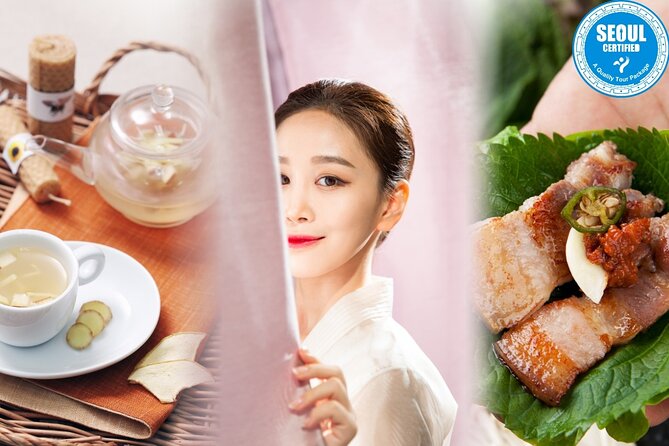
Before cooking, Grandma hosts you with welcome tea. That first moment sounds simple, but it changes the whole tone. You get a chance to meet your group, and you are not rushing straight into chopping or rolling.
Next comes the home tour. Grandma walks you through the house and shares insights into Korean living spaces and traditional kitchen setups. Even if you already know Seoul is a big mix of old and new, this part gives you a grounded look at domestic life, where everyday details matter more than sightseeing.
This is also where you can take a picture with Grandma. That is not just a photo stop. It signals that you are a welcome visitor, not a student on a schedule. Then, once cooking starts, you bring that comfort with you, which helps if you are not confident in the kitchen.
One practical tip: since the class begins with tea and a tour, treat it like a cultural visit, not a quick grab-and-go activity. Arrive on time, listen for instructions, and let the flow unfold. It will feel smoother and more enjoyable.
Gimbap Workshop With Grandma Sharon: Learn the Korean Way
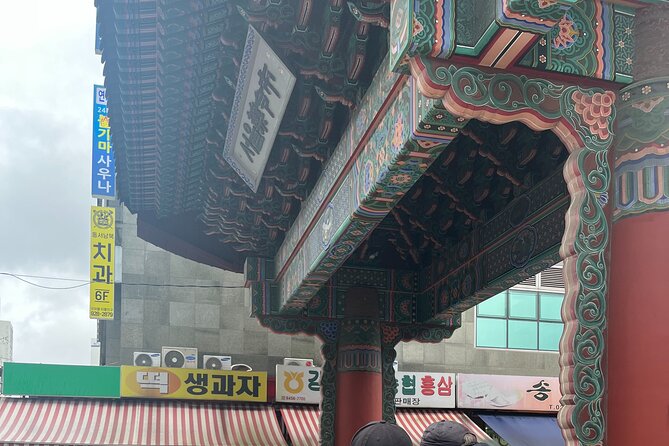
Gimbap is one of those foods that looks deceptively simple. It is not. Getting the roll right takes practice, and getting the flavor balanced takes a bit of guidance. That is why this gimbap workshop is such a good fit for a home class.
Grandma Sharon teaches you to make gimbap yourself, like Koreans do. In practice, that means you are not just watching. You are learning how to handle the key steps and how to put it together with care. The benefit is confidence. After this, you are more likely to be able to recreate it later, rather than just remembering a list of steps.
Also, the teaching style matters here. The experience is built around patience and clear communication, including English that makes it easier to follow along. That is a big deal if you are traveling with kids, because they can actually participate instead of sitting on the sidelines.
What you can do to get more out of the gimbap portion:
- Pay attention to how Grandma explains small adjustments, not only the final shape
- Take your time with the rolling steps, rushing usually leads to messy results
- Ask questions while you still have the tools in your hands, not after the table is set
You will likely leave with a better sense of why gimbap is eaten as everyday comfort food, not just a snack. It is practical, portable, and friendly.
More Kimchi Making in Seoul
- Master Korean traditional cooking with a Kimchi chef
★ 5.0 · 385 reviews - Korean Kimchi Making Day Experience with a Local Market Tour
★ 5.0 · 99 reviews - Seoul Cultural Tour – Kimchi Making, Gyeongbok palace with Hanbok
★ 5.0 · 25 reviews - Private Trip to Seongmo Island(Temple) and North Korea Observatory+Kimchi Lesson
★ 5.0 · 5 reviews
Kimchi Pancake Hands-On: Taste Grandma’s Version, Then Cook Your Own

Then you move into kimchi pancake. This is where Korean home cooking turns into real comfort. Kimchi pancake has a straightforward appeal: bold flavor, satisfying texture, and it feels made for sharing.
Here, you taste Grandma’s kimchi, then you make the pancake using it. That structure helps because it lets you understand what the ingredient is doing before you ask your dough and heat to cooperate. You do not just learn a recipe. You learn how kimchi tastes when it is cooked into something warm and pan-friendly.
This portion also tends to land well with families. The class format is designed for people to participate, and the pace stays manageable. If you have kids in your group, this is often the moment where they stop thinking of it as a lesson and start thinking of it as fun food.
Practical advice for the pancake part:
- Watch the heat and timing cues, since pancakes are more sensitive than they look
- Focus on consistency and mixing, because lump-free batter helps the final texture
- Taste as you go in the way you are guided, adjustments are part of cooking
By the end of this session, you will have two Korean dishes you helped create. That is a strong result for 2 hours 30 minutes.
The Shared Table Moment: Stories, Pictures, and What You Take Home
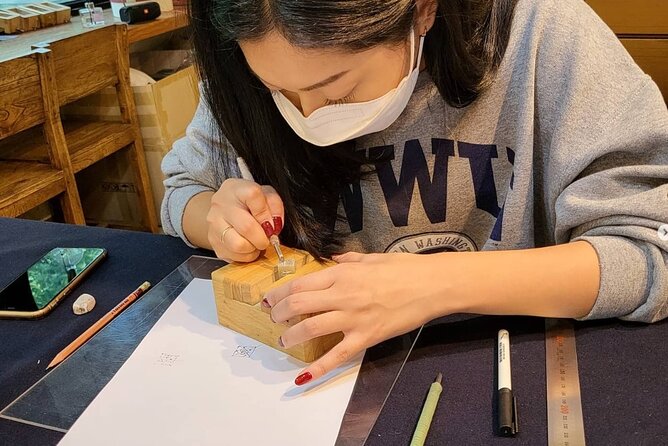
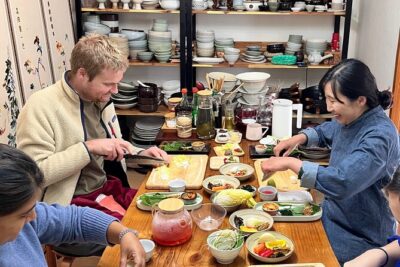
After cooking, you gather around the table to share what you made. This is one of the best parts of the experience, because it turns the class from skills training into a social moment. You get to connect over the food, and you also get prompted to share stories, which helps you feel like a guest rather than a consumer of culture.
You also get the chance to take a picture with Grandma during the earlier portion. Still, the meal is where it clicks. Everyone is eating something they helped make, which gives you common ground fast.
Think of it as a shortcut to real interaction in Seoul. You sit, eat, and talk in a home environment. That is different from a restaurant where the conversation is mostly about menus and schedules.
What you take home is not only the taste of gimbap and kimchi pancake. You take home the feeling that Grandma recipes are family knowledge, shared generously. That is the kind of memory that sticks, even if your next meal at home ends up a little less perfect than the one you cooked in her kitchen.
Is It Worth $52 for 2.5 Hours of Home Cooking?
At $52 per person for about 2 hours 30 minutes, this can feel like a “splurge,” but it is also a fair deal when you map out what you get. You are paying for:
- A visit to Grandma’s house, not a generic cooking room
- Welcome tea and a home tour before the cooking
- Hands-on instruction for two dishes
- A shared meal at the end
- A private group experience that keeps attention on your needs
The private format matters for value. When only your group participates, you tend to get more time with the teacher and less waiting for your turn. That is especially helpful if you are traveling as a couple with kids, or if you want a smoother rhythm without big crowds.
Booking timing also hints at demand. This is commonly booked about 108 days in advance on average, which suggests people like this experience enough to plan early. If you are flexible, you can still find options, but if your travel dates are fixed, do not leave it to the last minute.
The price also makes sense because you are leaving with practical skills. Being able to cook gimbap and kimchi pancake yourself is the kind of souvenir you can use later, not just a photo in your camera roll.
Who Should Book This Seoul Class, and Who Might Skip It
Book this if you want a Seoul experience that feels human and learn-by-doing. It fits well for:
- Families, because the teaching style is patient and instructions are communicated clearly
- Food lovers who want more than sightseeing
- Groups that want a shared table experience with a real host
- First-time Korean cooking learners who like step-by-step guidance
You might skip it if you want a highly scripted, professional studio atmosphere, or if you are uncomfortable in a home setting. Since the class happens in Grandma’s house, the vibe is casual and personal, which is great for many people but not for everyone.
Bottom line: should you book?
If you like the idea of learning Korean comfort food in a real home, this is an easy yes. The combination of hands-on gimbap and kimchi pancake, plus Grandma Sharon’s calm instruction and English clarity, makes it a strong choice for both adults and kids.
One smart move: come with a relaxed attitude and be ready to participate. This works best when you treat it like a family cooking visit, not a rushed class.
FAQ
What dishes will I cook in this Seoul class?
You will make gimbap and kimchi pancake. You also get to taste Grandma’s kimchi as part of the pancake portion.
How long is the Korean Grandma Cooking Class?
The experience lasts about 2 hours 30 minutes.
What is the meeting point and start time?
The meeting point is 메리츠화재연수원92 Ui-dong, Gangbuk-gu, Seoul, South Korea, and the class starts at 11:00 am.
Is this a private tour?
Yes. It is a private tour/activity, and only your group participates.
How much does it cost?
The price is $52.00 per person.
Will I receive my ticket on my phone?
Yes. The tour includes a mobile ticket.
When will I get confirmation after booking?
Confirmation is received within 48 hours of booking, subject to availability.
What is the cancellation policy?
You can cancel for a full refund if you cancel up to 24 hours in advance of the experience start time. If you cancel less than 24 hours before, the amount paid is not refunded. There is also a minimum traveler requirement, and if the minimum is not met, you will be offered a different date or a full refund.
More Cooking Classes in Seoul
- Seoul: Korean Cooking at Seoul Cooking Club!
★ 5.0 · 311 reviews - Korean Cooking at Seoul Cooking Club
★ 5.0 · 220 reviews - Experience Korean Cooking in Modern Hanok Kitchen
★ 5.0 · 118 reviews - Korean Cooking Class with Grocery Shopping at Seoul Local Market
★ 5.0 · 107 reviews
Recently reviewed in Seoul
- Korean Folk Village & Suwon Hwaseong Fortress Private Tour★ 5.0 · 3 reviews
- Seoul City Private Tour (Optional layover)★ 5.0 · 3 reviews
- 5D4N Korea Cultural Heritage immersion Private Tour★ 5.0 · 3 reviews
- War Memorial, Jogyesa Temple & Tapgol Park Tour in Seoul★ 4.5 · 3 reviews
- Private Tour : Royal Palace & Traditional Villages wearing Hanbok★ 5.0 · 3 reviews
- Full Day Private Seoul Tour for foodies★ 5.0 · 3 reviews
- Nami Island & Nearby Attractions : Charter Van Tour With Driver★ 4.0 · 3 reviews
- K-Pop Tour★ 3.5 · 3 reviews
Kimchi Making, compared.
Master Korean traditional cooking with a Kimchi chef
Read our review →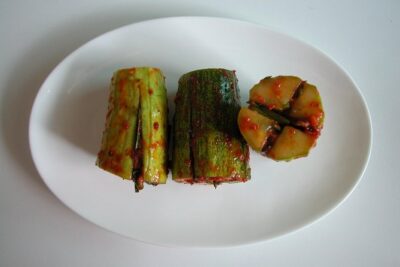
Korean Kimchi Making Day Experience with a Local Market Tour
Read our review →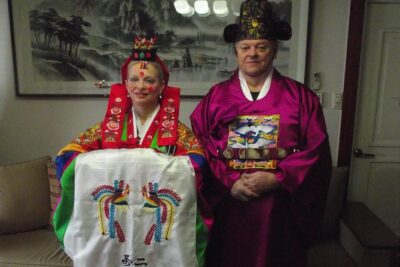
Seoul Cultural Tour – Kimchi Making, Gyeongbok palace with Hanbok
Read our review →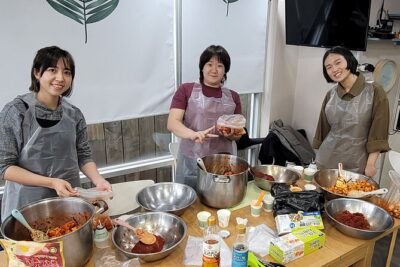
Busan Kkakdugi(Korean radish Kimchi) class with various options
Read our review →
Private Trip to Seongmo Island(Temple) and North Korea Observatory+Kimchi Lesson
Read our review →
Kimchi Making Class (+ Korean BBQ) in Traditional Hanok Courtyard
Read our review →Browse the lists this tour appears in