
Reviewed · KIMCHI MAKING
Busan Kkakdugi(Korean radish Kimchi) class with various options
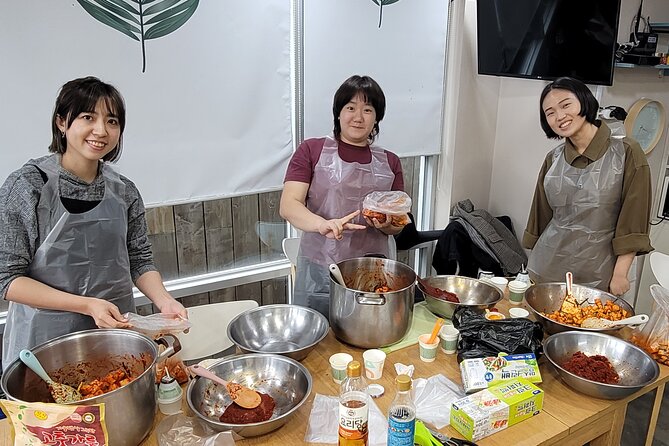
What makes this kkakdugi class fun is that you do more than cook, you learn how the process fits Korean food culture. You’ll start in a real home kitchen near Seomyeon, make your own radish kimchi from scratch, then leave with a container of homemade results. The small group setup (with a class size capped at six, and the overall activity limited to eight) keeps it hands-on and friendly.
I especially like how the instructor explains the why behind each step, so the 2-hour salt-marination part makes sense instead of feeling like waiting around. I also like the meal break at a Korean Chinese restaurant, since you eat while the radish does its work, not after everything is done. One consideration: this experience needs good weather because there’s a beach-photo stop after the class.
Key things you will notice right away
- Small-group class size that stays personal and hands-on, not like a factory tour
- A real schedule built around fermentation time, with salt-marination started first
- Seasoning sauce guidance, including enough extra for making kkakdugi again
- Lunch included during the marination break, so your time feels used well
- A take-home container so you can actually share or keep what you made
- A nearby beach photo stop, which depends on weather
Entering the Busan kkakdugi rhythm in Seomyeon
The experience starts in Seomyeon, at the subway area near 730 Jungang-daero in Busanjin District. That’s a practical choice, because Seomyeon is one of Busan’s most convenient hubs for getting around, even if you’re staying in a different neighborhood. You’ll meet, then head to the kitchen together.
From the first minutes, the class has a clear purpose: make radish kimchi the Busan-style way, kkakdugi style, in a format that beginners can handle. This is not a showpiece lesson where you watch while someone else does the work. You get a simple, step-by-step workflow, so your confidence builds as you go.
If you’ve ever felt intimidated by kimchi because it looks complicated or spicy, you’re in the right place. The format keeps things grounded. You’ll be guided through the seasoning, the marination stage, and the final mixing and packing.
More Workshops in Busan
- Korean cooking class in Haeundae, Busan
★ 5.0 · 92 reviews - Busan Tailored Korean cooking class (Vegan OK)with market tour
★ 5.0 · 66 reviews - Busan: Small-Group Traditional Korean Food Cooking Class
★ 4.9 · 58 reviews
Getting the kitchen basics: what you learn before you touch ingredients
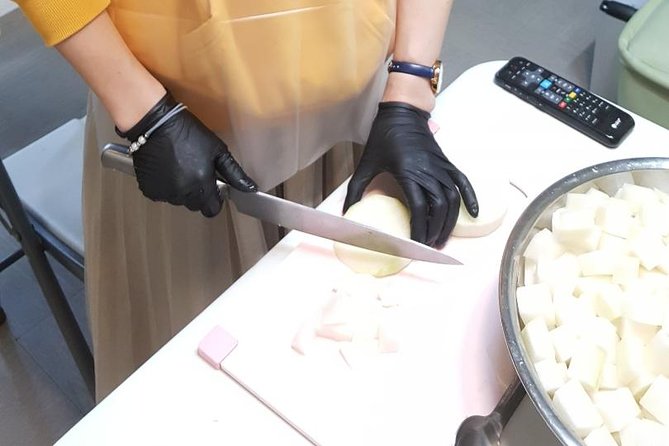
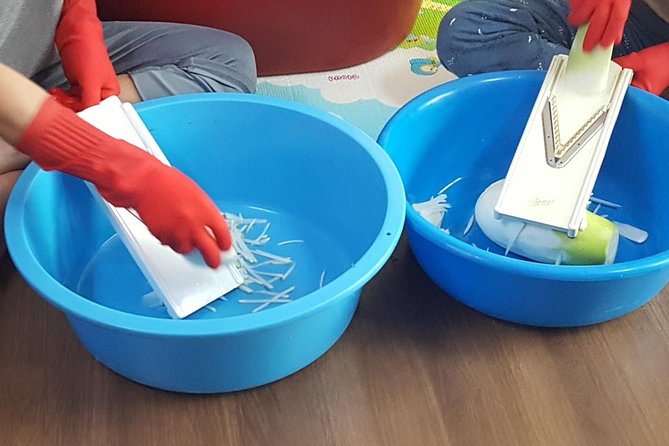
Once you arrive at the kitchen, you’ll get a quick overview of how to make radish kimchi before cooking starts. The key point is timing, because kkakdugi isn’t a 20-minute dish. The radish needs time to marinate with salt, about 2 hours.
This step matters for two reasons. First, salt draws out moisture from the radish, which helps it soften while still keeping texture. Second, it sets you up for better seasoning absorption later. In other words, the class isn’t just teaching recipes, it’s teaching sequencing.
The lesson also includes how to build the seasoning sauce. You’ll make the mix that will coat your radish, and you’ll also make enough so you can re-use the seasoning for a second attempt later. That small detail makes the class feel less like one-time entertainment and more like a skill you can repeat at home.
And in the real-life vibe of the class, you’ll likely appreciate clear instruction in English. One past participant highlighted that the guide’s English was perfect and that he was enthusiastic about sharing Korean culture. That kind of communication matters when you’re learning techniques by listening, not just by watching.
The marination wait that actually makes your kimchi better
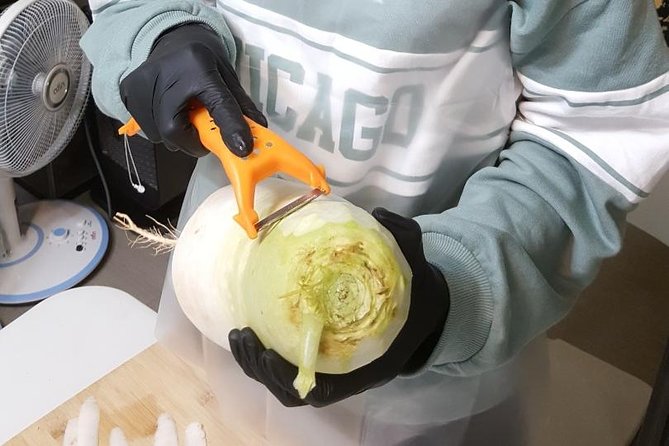
After you salt the radish and start the marination, the class shifts gears into the real reason kimchi takes patience: waiting is part of the flavor.
You’ll spend that time with a break built into the program. Lunch is included, and it’s timed so you eat while the radish is marinating properly. This is a smart structure. Instead of feeling like you’re stuck waiting, you get a meal and a reset, and you return when the radish is ready for the next step.
This also means you should treat the class like a half-day experience, even though the total duration is about 3 hours 30 minutes. You’re not just cooking for an hour and going. You’re following a process that has real fermentation logic behind it.
Making the seasoning sauce, and learning how to control heat
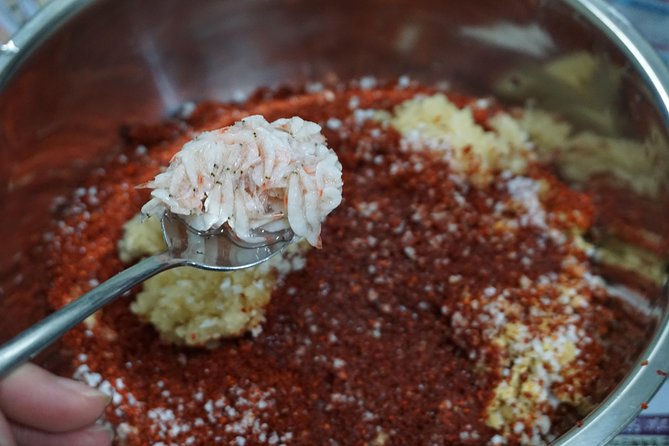
Once the radish has had its salt time, you’ll move on to the seasoning sauce. This is where kkakdugi becomes recognizably Korean, with the chili-based flavors and other ingredients that create the signature punch.
You’ll make the seasoning sauce for the batch you’re working on. The class also includes extra seasoning sauce so you can store it and use it again the next time you make radish kimchi.
Heat level is one place beginners often worry. One participant noted they ended up halving the chili paste because the full amount would have been too spicy. That tells you something useful: the guide can help adjust intensity so you enjoy the process without suffering through it. If you’re heat-sensitive, tell your instructor early, and ask for guidance on portioning the chili component.
More Kimchi Making in Busan
- Master Korean traditional cooking with a Kimchi chef
★ 5.0 · 385 reviews - Korean Kimchi Making Day Experience with a Local Market Tour
★ 5.0 · 99 reviews - Seoul Cultural Tour – Kimchi Making, Gyeongbok palace with Hanbok
★ 5.0 · 25 reviews - Private Trip to Seongmo Island(Temple) and North Korea Observatory+Kimchi Lesson
★ 5.0 · 5 reviews
Lunch break at a Korean Chinese restaurant
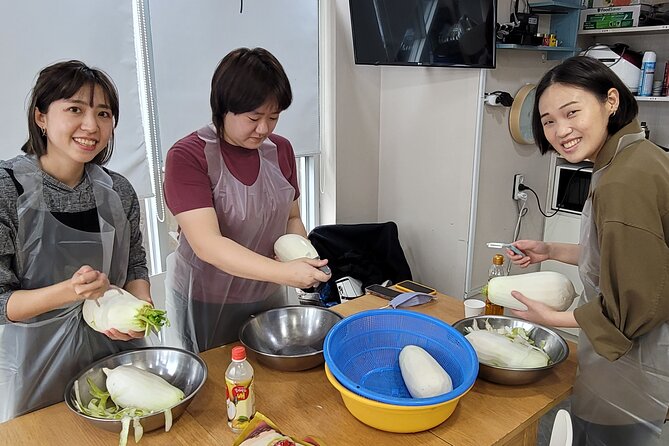
Lunch is included during the marination break. You’ll head to a nearby Korean Chinese restaurant as part of the program. The exact menu isn’t listed here, but the important point is the timing: you eat during the waiting period, so you stay energized for the hands-on mixing phase.
I like this setup because it keeps you connected to Korean eating culture without forcing you to guess where to go. You get a meal included in the price, and the schedule keeps the class flowing instead of turning it into a long stretch of waiting.
The hands-on part: mixing radish kimchi like you mean it
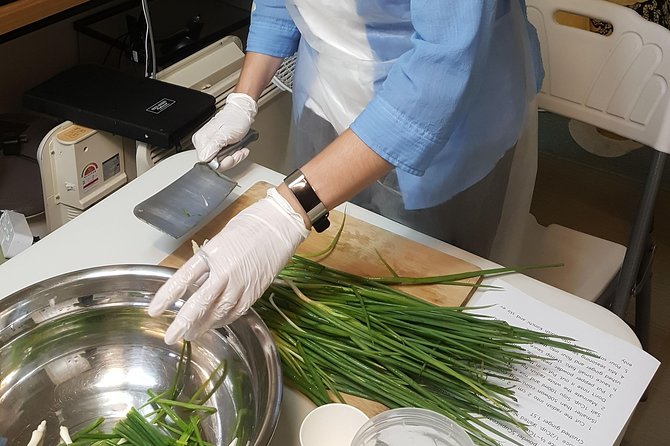
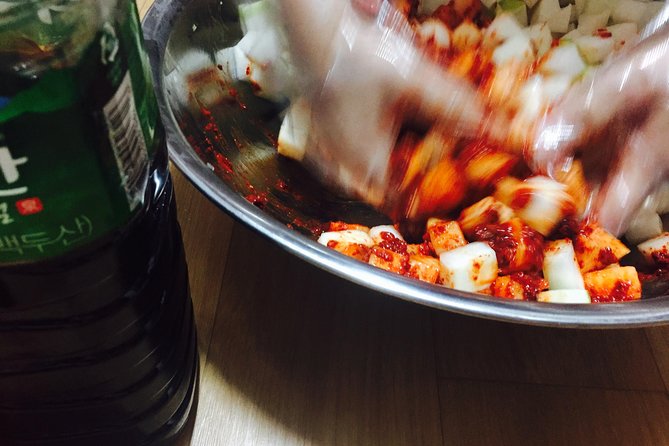
After lunch, you return and make the radish kimchi yourself. This is the moment most people remember, because you’re finally doing the part that looks and smells like kkakdugi.
At this stage, your radish has already been salted and marinated, so it’s ready to accept the seasoning sauce. You’ll mix the sauce with the radish in a guided way, so the final result looks consistent and tastes balanced.
This is also where the value of a small group really shows up. With fewer people, the instructor can notice when someone’s technique needs a tweak, and you get answers faster. The atmosphere stays friendly, not rushed.
In the class format, you’ll also get to take part in packing, because the instructor provides plastic containers. That means you can focus on making the kimchi, rather than figuring out what container to bring or how to store it.
Packing your take-home container and planning your next batch
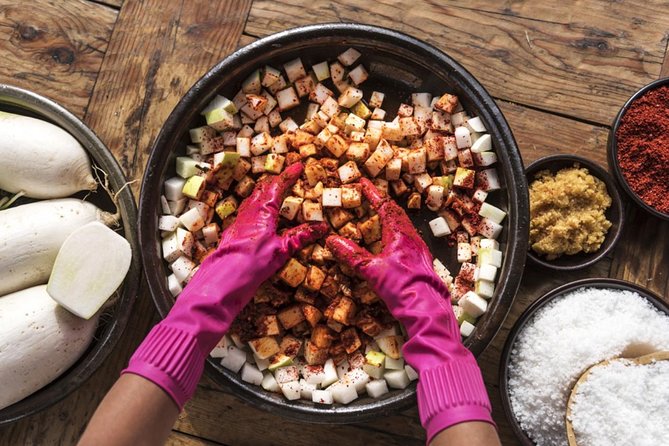
One of the best parts is that you leave with homemade kkakdugi in a provided plastic food container. That’s not just a souvenir. It’s real food you can eat later or share with friends.
Since the seasoning sauce includes extra for making kkakdugi again, you have a built-in advantage: you can recreate the flavors at home without starting from zero. That makes the class more practical for future cooking, especially if you want to make kimchi more than once a year.
If you’re the type who likes to cook, this is the class that nudges you from curiosity to repeatable results. You’ll walk away knowing the steps in order, which is often what separates a one-off dish from a real home recipe.
The beach-photo stop after class, and why weather matters
After the cooking portion and packing, the instructor takes you to a nearby beach for photographs. This is a nice pairing with the food lesson, because it gives you a change of scenery and a chance to get pictures while the experience is still fresh.
The catch is simple: this part requires good weather. If the weather doesn’t cooperate, you’ll be offered a different date or a full refund. So if you’re booking close to your trip deadline, keep an eye on forecasts and build in a little flexibility.
Even if you don’t care much about photos, this stop is still a small reward. You spend time in a neighborhood kitchen, you learn a technique, and then you step outside and connect it to the actual place you’re visiting.
Price, time, and value: is $100 really fair for this class?
At $100 per person for about 3 hours 30 minutes, this isn’t a budget activity. But it also isn’t just a cooking demo. You’re paying for a structured workflow, a small-group lesson, lunch, and a take-home container of what you make.
Here’s what you’re getting that supports the price:
- Hands-on instruction in a small group, which usually costs more than large classes
- Lunch included, during the marination timing window
- A container included, so your take-home food is practical
- Extra seasoning sauce for a future batch, which lowers the friction of repeating the recipe
- A cultural component, since you learn the logic behind steps, not only the final product
- A beach photo stop that turns the lesson into a broader experience of Busan
If you compare this to doing kimchi-making on your own from random online recipes, the advantage is time and clarity. You’re not guessing salt timing, mixing methods, or how to judge the seasoning stage. You leave with something edible, not just knowledge.
Who this class is best for (and who might look elsewhere)
This kkakdugi class suits you if you want a guided cooking experience without complicated prep or intimidating techniques. It’s also a strong fit if you like small groups and clear English instruction, because the guide’s communication is a key part of why people recommend this class.
It’s especially good for:
- First-timers who want a simple recipe pathway
- Food lovers who want a practical takeaway, not just a meal out
- People traveling in Busan who want a morning or afternoon plan that stays focused and social
- Anyone who enjoys hands-on learning and wants ingredients and steps organized for them
It might not be the best fit if you want a market tour first. This class does not include a local market tour. You get the kitchen lesson, lunch, and take-home kimchi, but you won’t have that extra ingredient shopping part built in.
Practical tips so you enjoy the class more
- Plan around the time the radish needs. The 2-hour salt-marination is not filler. It’s the backbone of the recipe.
- Tell the instructor about spice tolerance. One participant needed to halve the chili paste. You can ask for adjustments.
- Bring your appetite for lunch. Lunch happens during marination, and you’ll want energy for the final mixing stage.
- Have a plan for storage. You’ll leave with kimchi in a plastic container, so think about how you’ll refrigerate it once you’re back to your lodging.
- Check the weather. The beach-photo stop depends on it, and the experience has a weather-based adjustment rule.
Should you book the Busan kkakdugi class?
Book it if you want a friendly, small-group cooking class where the process is explained clearly and you go home with real homemade food. The combination of hands-on radish kimchi making, lunch included, seasoning sauce for a second try, and a take-home container makes this feel practical, not just entertaining.
Skip it or consider another option if you’re specifically looking for a market tour, because this class does not include one. Also, if your schedule is extremely fixed and you cannot shift plans for weather, note that the beach photo stop needs good conditions.
If you like learning by doing, this is one of those Busan experiences that turns a travel memory into something you can taste again later.
FAQ
Where does the experience start?
The meeting point is Seomyeon, underground at 730 Jungang-daero, Busanjin District, Busan, South Korea.
How long is the class?
It runs for about 3 hours 30 minutes.
Does this class include a market tour?
No. The local market tour is not included.
What’s included in the price?
Coffee and/or tea, lunch at a Korean Chinese restaurant, and radish kimchi plus a plastic food container.
How big is the group?
The class is set up as a small group. The information provided mentions a six-person maximum group size, and the overall activity has a maximum of 8 travelers.
What happens if the weather is bad?
This experience requires good weather. If it’s canceled due to poor weather, you’ll be offered a different date or a full refund.
Recently reviewed in Busan
- Gyeongju private tour with an official tour guide (Unesco)★ 4.5 · 4 reviews
- Small Group Discover Busan Tour with hotel pickup and dropoff★ 5.0 · 111 reviews
- A Well-Rounded Small-Group Busan Tour with Hotel Pickup Service★ 5.0 · 157 reviews
- Real Busan Walking Experience★ 5.0 · 27 reviews
- Busan Seafood Tour : Oyster village Tour with Oyster cuisines★ 5.0 · 3 reviews
- Enchanting Oedo Island Day Tour from Busan with Windy Hill★ 4.5 · 59 reviews
- Suncheon one day tour from Seoul, Busan or Suncheon★ 5.0 · 3 reviews
- Visit Busan night market and enjoy the night view of Busan harbor★ 5.0 · 6 reviews
Kimchi Making, compared.
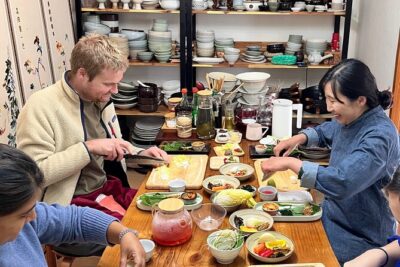
Master Korean traditional cooking with a Kimchi chef
Read our review →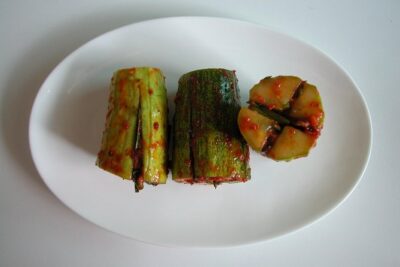
Korean Kimchi Making Day Experience with a Local Market Tour
Read our review →
Seoul Cultural Tour – Kimchi Making, Gyeongbok palace with Hanbok
Read our review →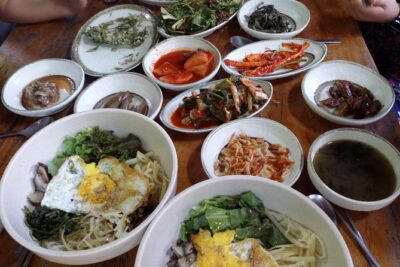
Private Trip to Seongmo Island(Temple) and North Korea Observatory+Kimchi Lesson
Read our review →
Kimchi Making Class (+ Korean BBQ) in Traditional Hanok Courtyard
Read our review →
Korean Grandma Cooking Class l Gimbap & Kimchi Pancake l Seoul
Read our review →Browse the lists this tour appears in