
Reviewed · COOKING CLASSES
You’re Invited to Our Home in Seoul: The Only Cooking Class!
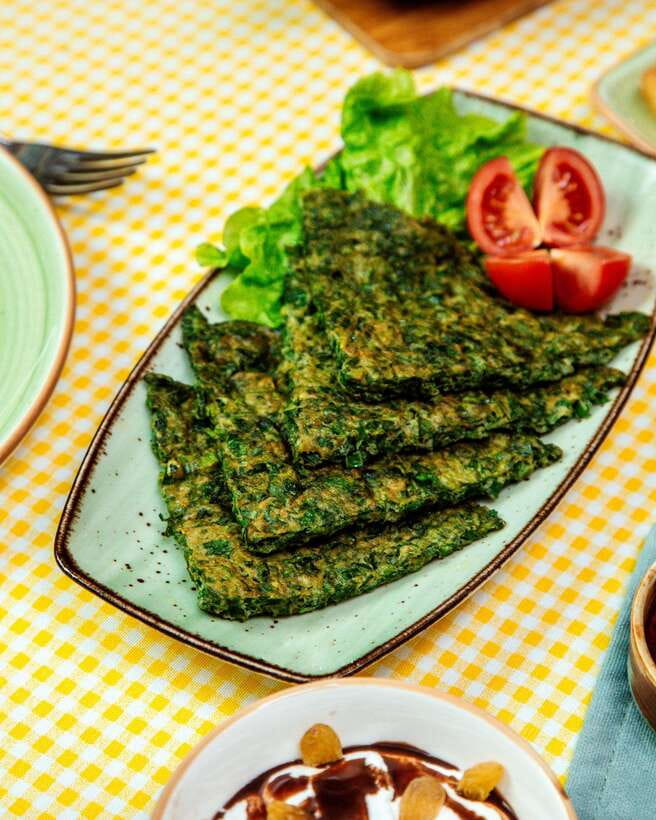
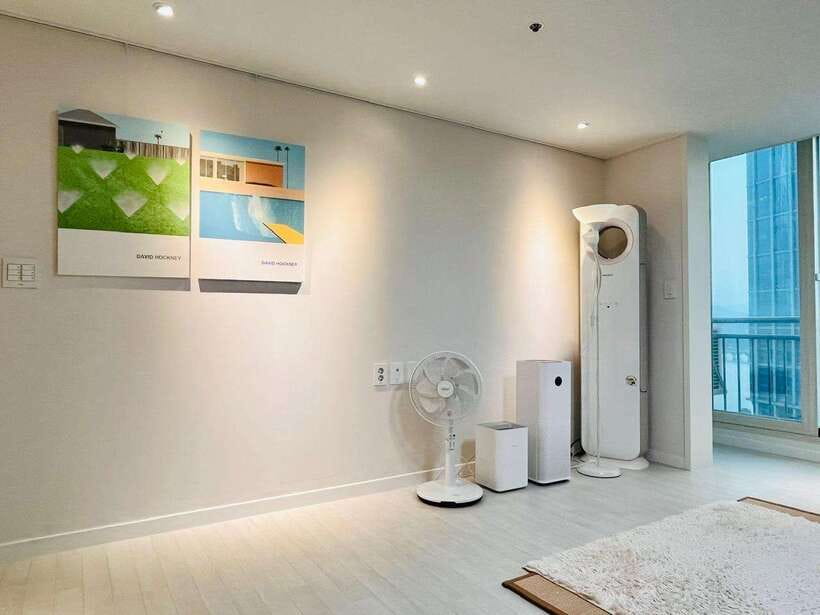
What makes this Seoul cooking class so interesting is the setting, a true Korean home kitchen with a Han River view and the kind of warm, personal welcome you do not get in a big group food tour. You cook, eat, and chat like a friend of the family, not like a customer in a showroom.
I especially like the hands-on focus. You are making assorted Jeon from scratch, plus a comforting stew and sweet treats. I also like that the host team, David and Hanna (English support with Korean warmth), keeps it practical so first-timers can actually pull it off.
One consideration: this experience is in a real home, so it is not suitable for wheelchair users, and you will want comfortable shoes because you may be moving around a bit during cooking.
Key reasons this class is worth your time
- You cook in a real Seoul apartment, not a commercial kitchen
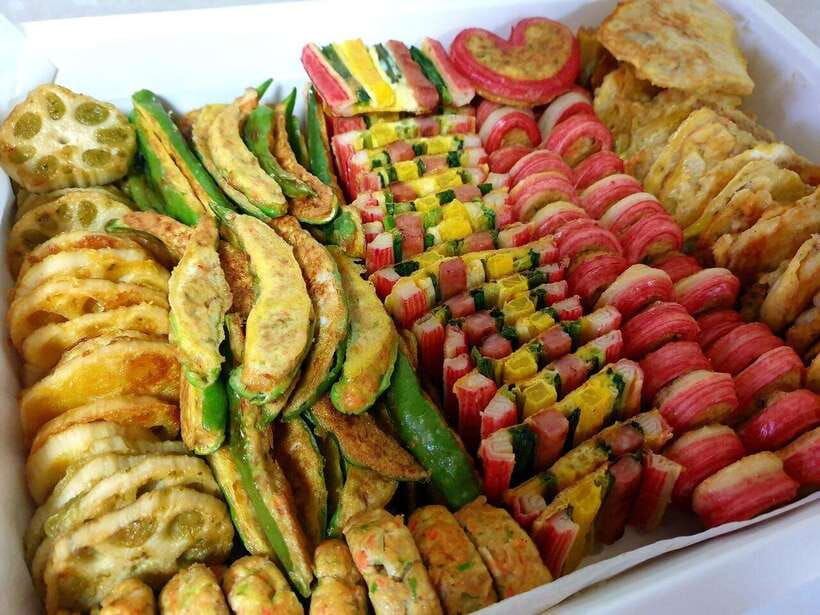
- Assorted Jeon from scratch, with multiple pancake types on the menu
- Dietary adjustments are built in, including vegan/vegetarian options and spice control
- Han River time after the meal, plus an optional local walk
- Recipe handoff, so you can recreate the food at home
- Photo support during the class, with DSLR pictures provided afterward
A Real Korean Home Kitchen, With the Han River in View
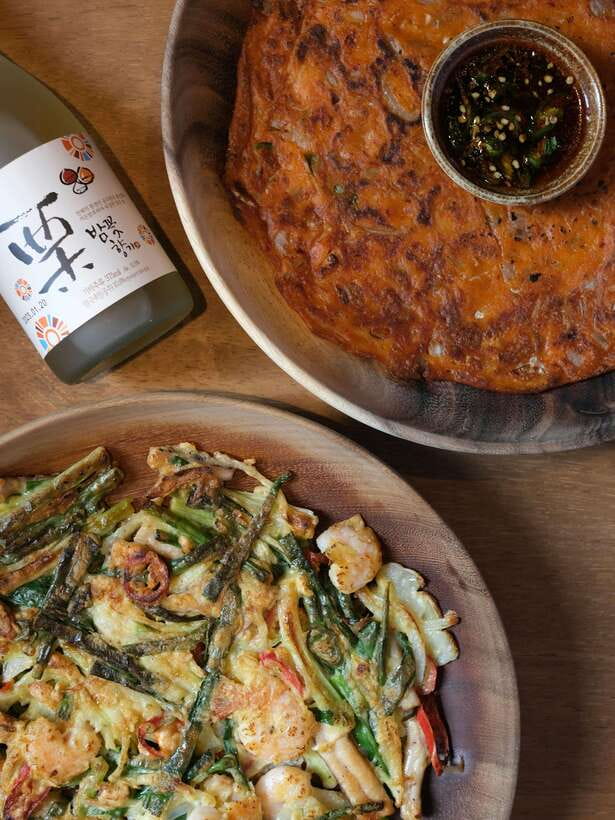
In Seoul, you can find classes everywhere. This one feels different because you are invited into a home. That changes the tone fast. Instead of rushing through steps, you get a slower, more natural rhythm: welcome tea, a quick intro, cooking together, then sitting down for the meal you helped make.
The view is a big part of why this works. You get to cook while looking out toward the Han River and downtown Seoul, so the experience feels both local and special. It is not just about food. It is a glimpse of everyday life, where meals happen in the same spaces you live in.
There is another subtle benefit: small group size. Limited to 4 participants, it stays calm and personal, which helps if you are nervous about cooking or your Korean is limited. If you like hands-on travel, this kind of setup usually beats a lecture-style class.
More Workshops in Seoul
- Local Home Korean Cooking Class & Market Adventure in Seoul
★ 5.0 · 1,024 reviews - Seoul: Korean Cooking Class at a Local Home and Market Tour
★ 5.0 · 348 reviews - Yongpyong Ski Resort from Seoul with Optional Lesson and Packages
★ 5.0 · 217 reviews
Welcome Tea, Small Group Energy, and Host Guidance That Actually Helps
The class starts with a welcome drink of Korean traditional tea, plus tea and snacks available during the session. That matters because you settle in before the work begins. You are not waiting hungry while everyone else gets organized.
Then comes the real advantage of going small with the host team. David and Hanna keep things organized and explain what you are doing and why. You are not just watching someone else cook. You are turning, flipping, and timing the pancakes with guidance right there, so you can learn the technique and not just the recipe.
You are also eating what you cook, as part of a full meal with seasonal banchan. That turns the class into a proper shared table experience, the way it often happens at home. Even the tea is part of the pacing, it gives you breaks between steps so you can focus instead of rushing.
Practical note: you should bring a camera if you want pictures from the DSLR session, or to capture the dishes and the view yourself. Comfortable shoes are also smart, because home spaces can be less forgiving than a studio.
Your Menu: Sikhye, Jeon (Assorted Pancakes), and Doenjang-jjigae
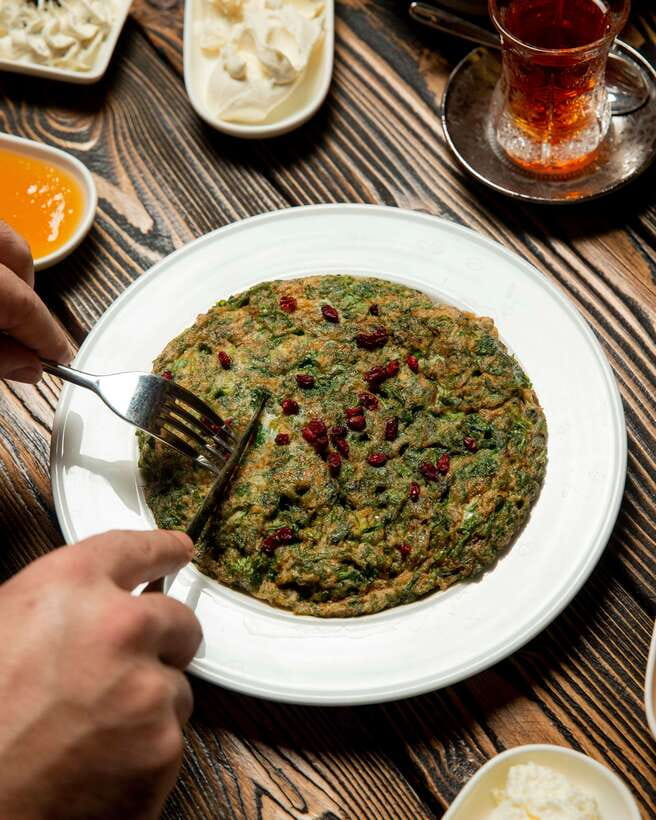
The menu is where this class earns its title: you get to work with Korean dishes that are everyday comfort, yet also feel celebratory.
Sikhye, the sweet rice punch
You start with Sikhye (sweet rice punch). It is light, sweet, and soothing, and it gives you an easy entry into Korean flavors. Sweet rice drinks are often served in Korea for comfort and celebration, and making it helps you understand the softer side of Korean cuisine.
More Cooking Classes in Seoul
- Master Korean traditional cooking with a Kimchi chef
★ 5.0 · 385 reviews - Seoul: Korean Cooking at Seoul Cooking Club!
★ 5.0 · 311 reviews - Korean Cooking at Seoul Cooking Club
★ 5.0 · 220 reviews - Experience Korean Cooking in Modern Hanok Kitchen
★ 5.0 · 118 reviews
Assorted Jeon, with multiple pancake styles
Then you hit the main event: Assorted Jeon (Korean pancakes). The exact pancake mix can vary based on what ingredients are available, but you can expect options like:
- Donggeurangttaeng (meatball pancake)
- Pajeon (scallion pancake)
- Hobakjeon (zucchini pancake)
- Beoseotjeon (mushroom pancake)
- Dubujeon (tofu pancake)
- Yukjeon (beef pancake)
- Kkochi-jeon (skewered pancake)
- Haemuljeon (seafood pancake)
This matters for value. You are not learning one pancake and calling it a day. You are getting a range of techniques and flavor directions, which makes the class more useful when you try cooking later.
Jeon also has cultural weight beyond taste. In Korean home cooking, these pancakes show up when people want to share something warm, round, and friendly. They often connect to gatherings and family meals, because they are made to be shared and eaten together right away.
Doenjang-jjigae, soybean paste stew
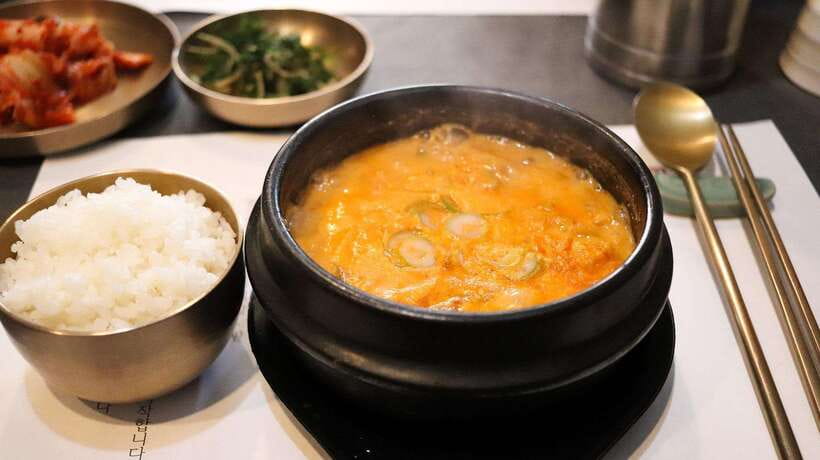
The meal also includes Doenjang-jjigae, a soybean paste stew that brings depth and warmth. It helps balance the pancakes, since it adds savory comfort and a different texture on the table.
Plus, you get three main dishes with seasonal banchan, so the meal feels complete. You are not just testing one item. You are building a real Korean dinner plate.
Cooking Jeon Well, Not Just Cooking Jeon
A good pancake is more than following a recipe. It is timing, heat control, and knowing how batter and toppings behave. That is why a hands-on class like this is worth paying for.
In your session, you learn the art of patience and precision as you pan-fry each piece. You practice getting the right rhythm so each pancake cooks evenly and stays tasty. And since it is a home class, the guidance feels practical rather than dramatic.
You also get to see how ingredient swaps change the result. For example, scallion pancakes and zucchini pancakes cook differently because water content and texture act differently in the pan. When you taste the differences during the meal, the learning sticks.
If you are worried about allergies, this is also the kind of setting where clear communication matters. The class can adjust the menu for dietary needs, and you should tell them in advance. One person joined with a shellfish allergy and felt comfortable taking part because adjustments were handled.
That is what you want: not a generic “we can adjust” promise, but confidence that the hosts will work with you.
Hotteok and Tea: The Sweet Finish You Will Actually Remember

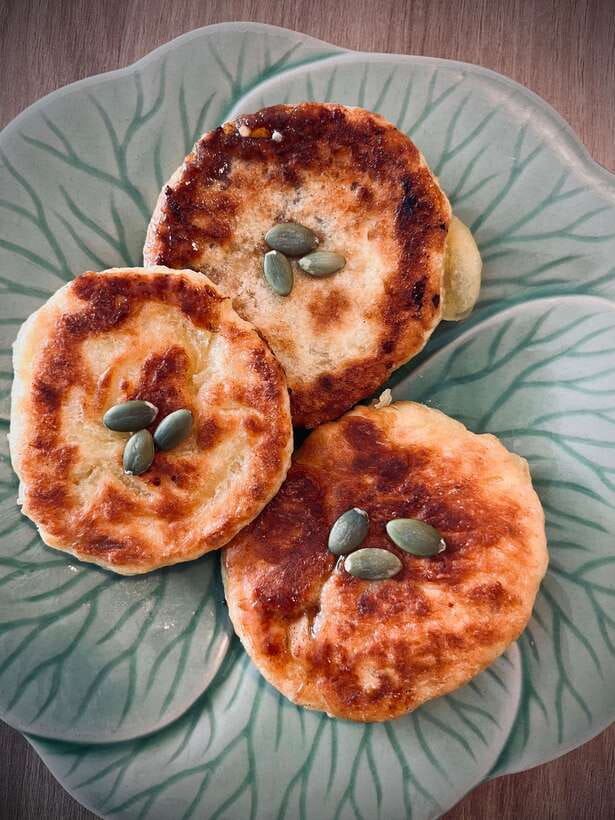
Dessert is Hotteok, a sweet Korean pancake, plus you keep sipping traditional tea during the class.
Hotteok is a satisfying ending because it is warm, sweet, and comforting. It is also a nice contrast to the savory Jeon you worked on earlier. By this point, you have already handled batter and pan heat, so the dessert feels like a reward instead of a total second learning curve.
This portion also helps with the overall pacing. A two-hour experience can feel short if you are only watching. Here, you cook, taste, and then finish with something that ties the experience together.
The Optional Han River Walk, Plus a Local Area Stroll
After the meal, there is an optional free 1-hour walk by the Han River. There is also an optional local area tour.
This part is not just for sightseeing. It helps you decompress after cooking, and it turns the experience from a kitchen-only moment into an actual Seoul day plan. You get to connect flavors you learned to the city around you.
If you want an easy win, do this walk. If you are tired, you can skip it without ruining your day, because the cooking class is the main event.
And yes, it is worth asking questions during the meal. The hosts share travel and everyday life tips, which often translate into what neighborhoods you should explore next and how to move around with less stress.
Recipes to Take Home, So This Becomes More Than One Meal
One reason people love food classes is the “now what” question after you get home. This class includes recipes so you can recreate what you made.
That turns your time in Seoul into a tool you can use later. You can cook Jeon and stew at home and remember the exact flavors and textures you tasted in the class. And because you made multiple Jeon types, you are not stuck with just one dish to practice.
You also get utensils and an apron for use during the class, so you are not dealing with bringing kitchen gear. You only need to bring yourself and follow along.
DSLR Photos, the Little Touch That Makes It Feel Like a Keepsake
If you like memories you can hold onto, you will appreciate the DSLR photography session. Photos are taken during the class and provided afterward.
This is a practical inclusion. It means you can focus on cooking without worrying that you missed your chance to photograph everything. You still can take your own pictures, but you get a second layer of coverage from someone who is actually paying attention to lighting and framing.
What $110 Really Buys in a 2-Hour Seoul Class

Let’s talk value in plain terms. $110 per person is not cheap for two hours. But you are not just paying for time in a kitchen.
Your price includes:
- Welcome drink (Korean traditional tea) and ongoing tea and snacks
- A full-course meal with three main dishes and seasonal banchan
- Desserts (Sikhye and Hotteok)
- Personalized guidance from the host
- All ingredients and equipment
- Utensils and apron for the class
- Recipes to take home
- Optional local area and Han River tour
- DSLR photos
What is not included is transportation to and from the class location, and you would need to buy any ingredients later if you cook at home. Still, the core experience is heavily included, and that is where the value comes from.
If you compare it to a nice meal plus a standard cooking demo, the difference is you get real participation. You cook, you taste, you learn technique, and you leave with a practical plan to repeat it.
Who Should Book, and Who Should Think Twice
This experience fits best if you:
- Want a hands-on food experience, not a lecture
- Like small group interactions
- Enjoy Korean flavors and want to learn why they work together
- Need something a bit more local and personal than a commercial tour
It may not fit if you:
- Need wheelchair access, because it is not suitable for wheelchair users
- Have very limited mobility, since it is a real home environment and you may move around during cooking
- Are hoping for a passive, sit-and-watch class (this one is designed for doing)
If you have dietary needs, the good news is that the menu can be adjusted for vegan or vegetarian preferences, and spice level can be adjusted. Tell them in advance so they can plan the best version for you.
Practical Tips, Like What to Bring and What Rules to Follow
Here is what you should plan for so the class feels smooth:
- Bring comfortable shoes
- Bring a camera if you want photos of your dishes and the view
- Bring snacks and water (water is included, but snacks can still help if you get hungry later)
- Know that the class takes place in a real Korean home
- No smoking and no pets
If you have allergies or strict dietary needs, message ahead. The menu is adjustable, but it only works if you give clear info early.
Also keep in mind that the pancake selection can vary based on ingredient availability on the day. That is normal for fresh cooking, and it is often part of why home-style classes feel more alive than rigid, scripted menus.
Should You Book This Seoul Cooking Class?
Yes, if you want a small-group, real-home experience where you actually cook and eat Korean food together. The assorted Jeon, the hands-on cooking, and the warm host energy with David and Hanna are the core strengths. Add the Han River walk and the fact you get recipes and photos, and the $110 starts to make sense.
Skip it only if you need wheelchair accessibility or you prefer a more impersonal, watch-only activity. Otherwise, this is the kind of Seoul experience that gives you both a story and a skill you can use again at home.
FAQ
How long is the cooking class in Seoul?
The class lasts 2 hours.
What dishes are included in the cooking menu?
The class menu includes Sikhye (sweet rice punch), Assorted Jeon (Korean pancakes), Doenjang-jjigae (soybean paste stew), and traditional Korean dessert items like Sikhye and Hotteok. The exact Jeon types can vary depending on ingredient availability.
Is the class suitable for dietary restrictions like vegan or vegetarian?
Yes. The menu can be adjusted for vegan, vegetarian, and specific dietary needs. Spice levels can also be adjusted if needed.
What is included in the price?
Included are welcome tea and Korean tea and snacks, a full-course meal with three main dishes and seasonal banchan, desserts (Sikhye and Hotteok), personalized cooking guidance, all ingredients and equipment, recipes to take home, utensils and an apron, water, and an optional local area and Han River tour. A DSLR photography session is also included.
Do I need to bring cooking equipment or ingredients?
No. All ingredients and equipment are provided for the class. You only need to bring items like comfortable shoes and a camera.
Is there an additional walk after the meal?
Yes. After the meal there is an optional free 1-hour Han River walk, and an optional local area tour.
What languages are spoken during the class?
The host or greeter speaks English and Korean.
Recently reviewed in Seoul
- Korean Folk Village & Suwon Hwaseong Fortress Private Tour★ 5.0 · 3 reviews
- Seoul City Private Tour (Optional layover)★ 5.0 · 3 reviews
- 5D4N Korea Cultural Heritage immersion Private Tour★ 5.0 · 3 reviews
- War Memorial, Jogyesa Temple & Tapgol Park Tour in Seoul★ 4.5 · 3 reviews
- Private Tour : Royal Palace & Traditional Villages wearing Hanbok★ 5.0 · 3 reviews
- Full Day Private Seoul Tour for foodies★ 5.0 · 3 reviews
- Nami Island & Nearby Attractions : Charter Van Tour With Driver★ 4.0 · 3 reviews
- K-Pop Tour★ 3.5 · 3 reviews
Cooking Classes, compared.
Local Home Korean Cooking Class & Market Adventure in Seoul
Read our review →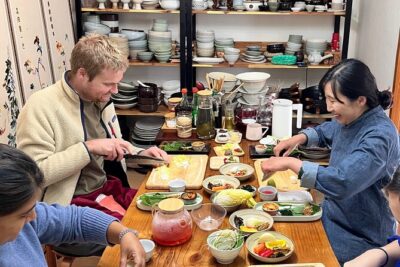
Master Korean traditional cooking with a Kimchi chef
Read our review →
Korean Cooking Class at a Local Home and Market Tour
Read our review →
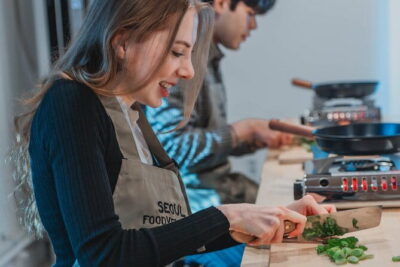
Korean Cooking Class with Grocery Shopping at Seoul Local Market
Read our review →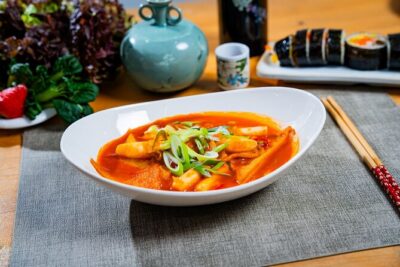
Taste of Korea, Authentic home style Cooking class
Read our review →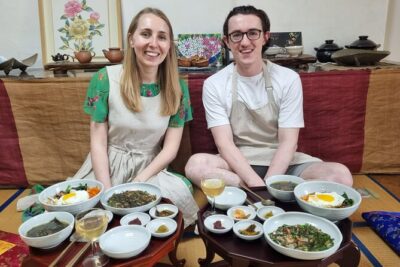
Browse the lists this tour appears in