
Reviewed · WORKSHOPS
Seoul: herbal tea class & Korean Medicine tour
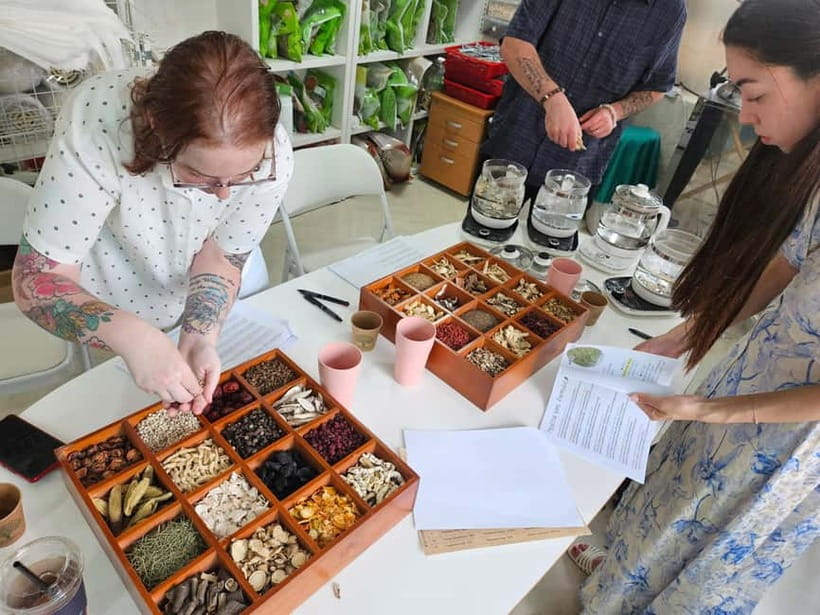
This tour is interesting because it turns Korean medicine from a concept into something you can see, touch, and taste. You spend time inside the Oriental Medicine Museum with an herbal medicine expert, and your guide (Heojunoppa) keeps the whole experience friendly and human.
I also like the mix of learning and hands-on doing. You get guided museum time plus a workshop where you make your own herbal tea, not just watch from the sidelines.
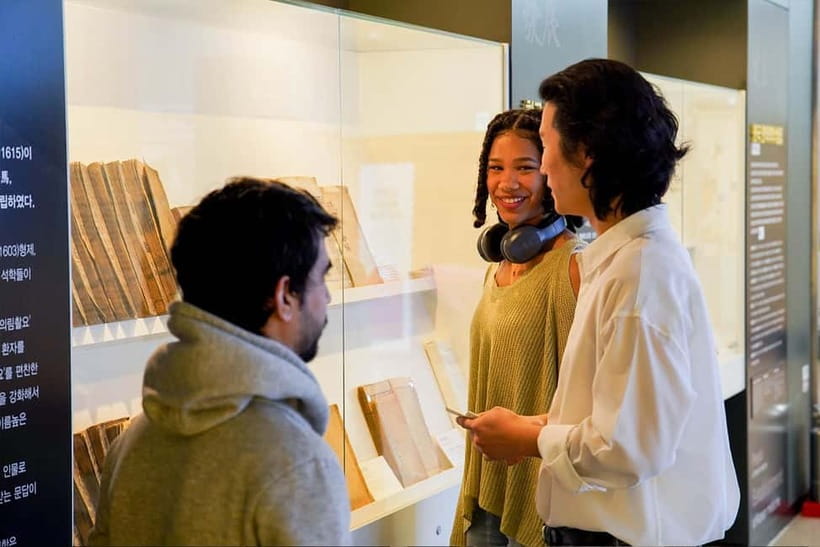
One possible drawback: some museum materials are in Korean only, so if you rely on reading English signage, plan to use a translation app on your phone.
Key highlights I’d prioritize
- Expert-led museum tour that focuses on medicinal plants and remedies you can actually recognize
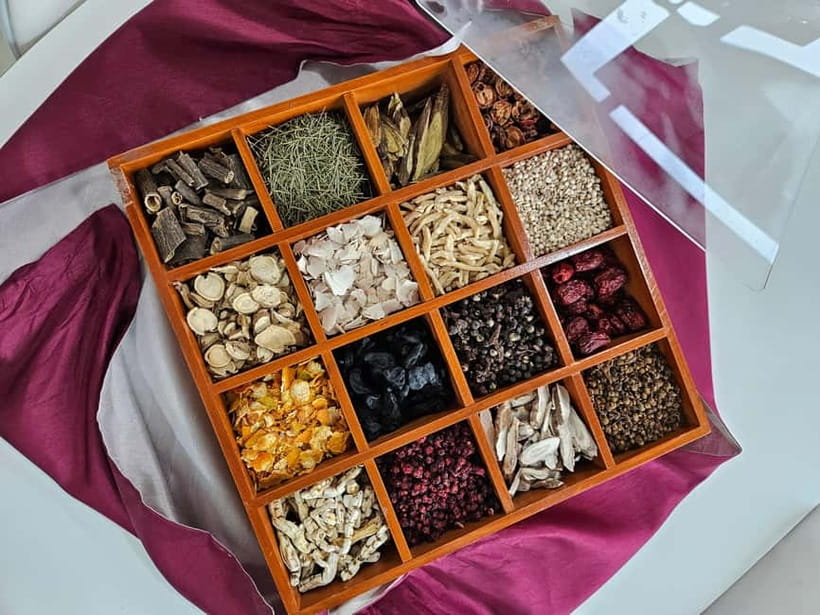
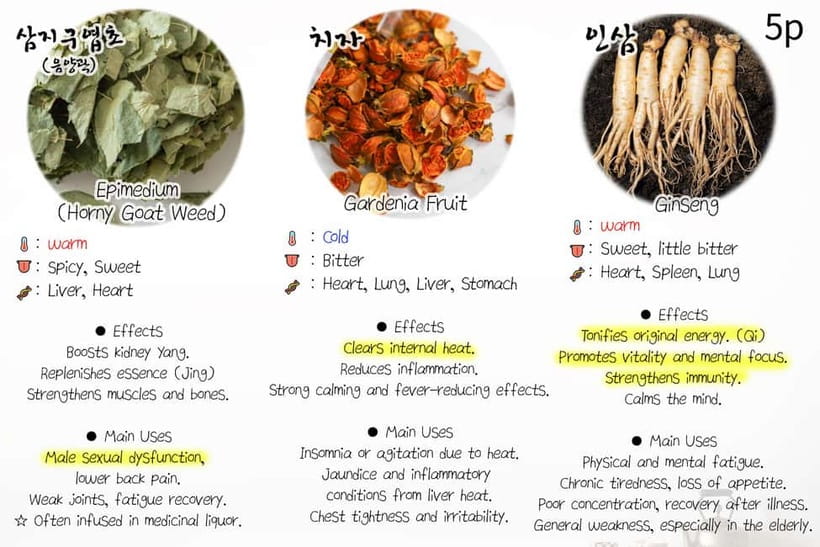
- 350+ kinds of medicine shown up close, including ginseng, antler, mineral medicine, and animal-based ingredients
- Foot spa (March to November) or meridian massage (winter) as a practical add-on to the education
- Oriental medicine lecture with ideas you can use for your own self-care
- Make your own herbal tea, then take home a bottle so you can keep experimenting
- Small group (up to 10), which makes it easier to ask questions in English or through translation
Starting at Seoul K-medi Center: tea, orientation, and a quick reset
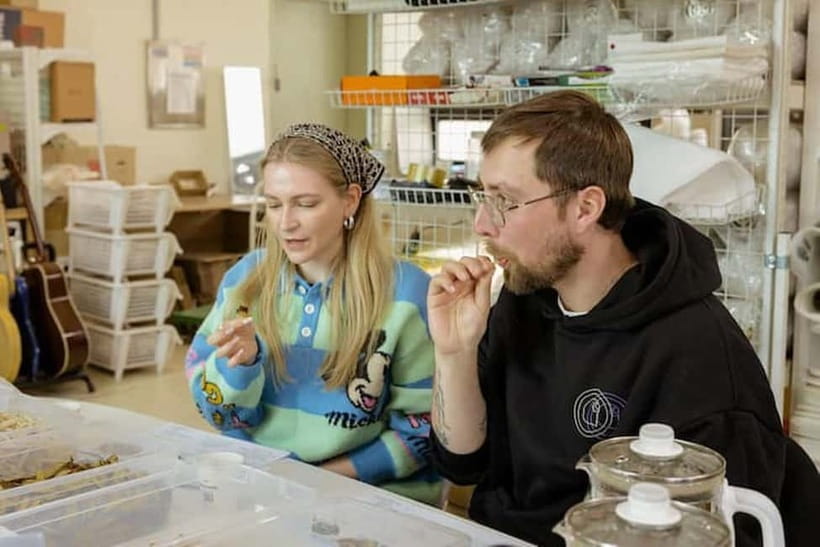
Your experience begins at Seoul K-medi Center. Expect a warm welcome and an easy start, with herb medicine tea served right away so you’re not just listening with a dry mouth.
This first section is also where you get your bearings. You’ll have guided time and a shopping period, which is useful because you can spot what you like before you sit down for the workshop later.
Because this is a small group (limited to 10), the vibe stays calm. You can ask questions without getting lost in the shuffle, which matters if you want more than a basic overview.
More Workshops in Seoul
- Local Home Korean Cooking Class & Market Adventure in Seoul
★ 5.0 · 1,024 reviews - Seoul: Korean Cooking Class at a Local Home and Market Tour
★ 5.0 · 348 reviews - Yongpyong Ski Resort from Seoul with Optional Lesson and Packages
★ 5.0 · 217 reviews
The Oriental Medicine Museum tour: herbs, remedies, and real variety
The museum visit is the heart of the experience. You’ll walk through the Han medicine museum with a guide who’s an herbal medicine expert, and the focus is on what the ingredients are and how they’re used.
Here’s the big detail I’d anchor on: the collection includes over 350 kinds of medicine. You may see familiar names like ginseng, plus less common categories like mineral medicine, herb roots, and animal medicine. Even if you’re not trying to memorize everything, seeing that range helps you understand why Korean medicine doesn’t work like one-size-fits-all supplements.
This is also where you’ll get the most “wow, that’s specific” moments. Instead of generic wellness talk, the guide points you toward what each ingredient represents, and you’ll likely start noticing how people build remedies with intention.
What to watch for with language
One thing I’d plan around: museum text may not be available in English. You can still follow the guide well, but you should be ready to translate on your phone and ask questions directly. If you like reading, bring your phone charger and keep your translation app ready.
Foot spa in warmer months, meridian massage in winter
After the museum tour, you’ll enjoy the bodywork option included with your ticket. The key seasonal switch is simple: foot spa runs from March to November, and meridian massage runs in winter.
This part is more than a nice extra. It connects the idea of healing through body balance to something you can feel in real time. Even if you’re skeptical at first, the sensation tends to make the whole day click.
Also, this is a good “reset” between learning and your tea-making session. Your feet or your whole-body meridian work leaves you more relaxed, and that makes the final workshop easier to enjoy.
Different day, same base:
- Best DMZ Tour Korea from Seoul (Red Suspension Bridge Optional)
★ 5.0 · 41,422 reviews - DMZ Tour: 3rd Tunnel, Option(Suspension Bridge, Boat) from Seoul
★ 5.0 · 21,373 reviews - DMZ tour south Korea from Seoul (NK experience hall, defector)
★ 5.0 · 20,599 reviews - Seoul: The Best DMZ Tour with Optional Suspension Bridge
★ 4.7 · 4,978 reviews
Moving to the tea class: what you actually learn and apply
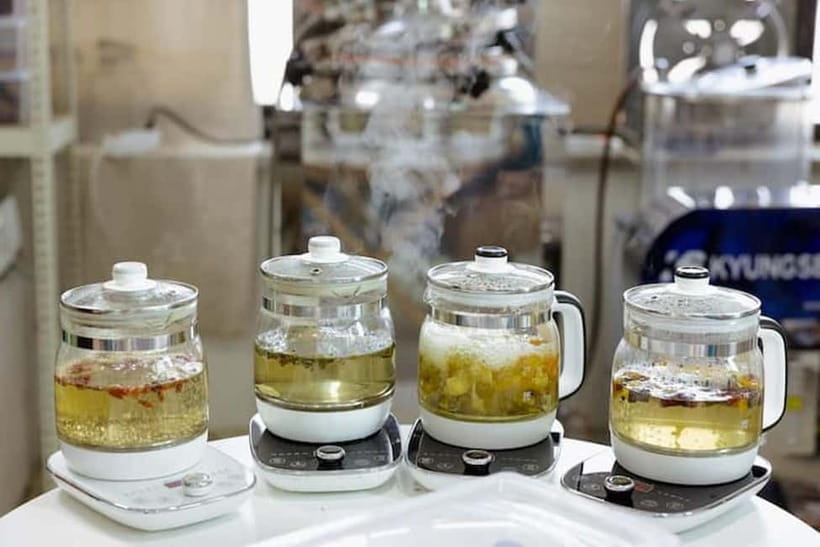
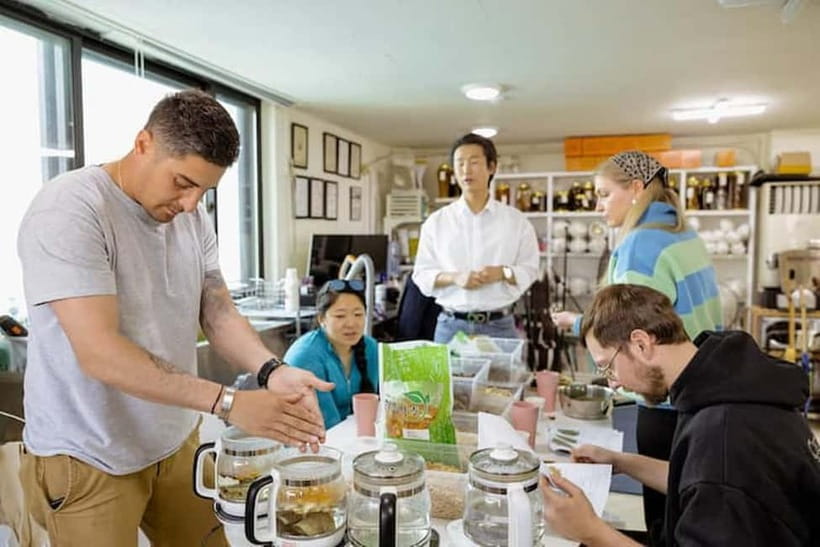
Once you transition to the tea class location, the tempo shifts from museum walk to active participation. You’ll be making your own herbal tea, and the structure is built around learning plus tasting.
This section is where the tour stops being purely educational and becomes practical. You’ll see how Korean herbal tea is more than flavor. It’s built around the same ingredient logic you saw in the museum, just in a form you can reproduce at home.
You’ll also hear a lecture about Han medicine theory and autotherapy, meaning self-care based on traditional principles. The wording may be traditional, but the intent is modern: you learn how practitioners think, so you can make more informed choices for your own habits.
A useful mindset shift
What I like about this learning style is that it encourages curiosity without forcing belief. You come away with new perspective on health, even if you treat this as complementary wellness rather than a replacement for Western medicine.
Making your own herbal tea, then taking it home
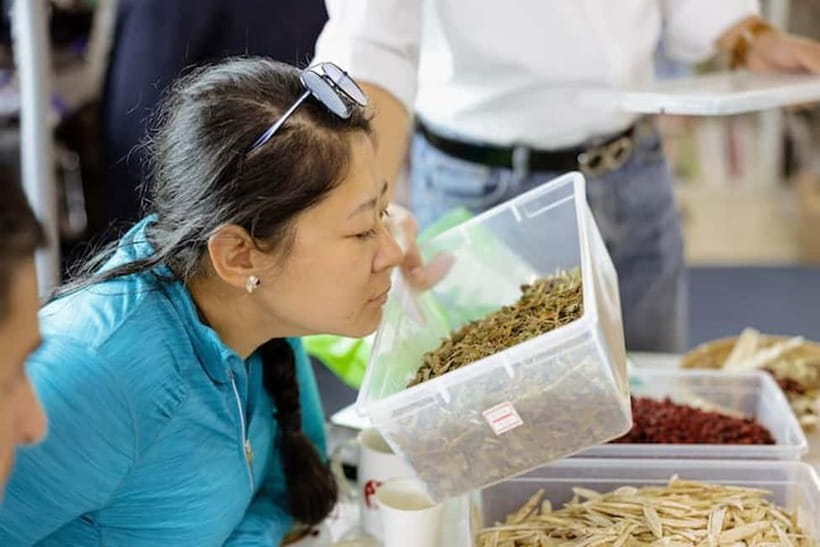
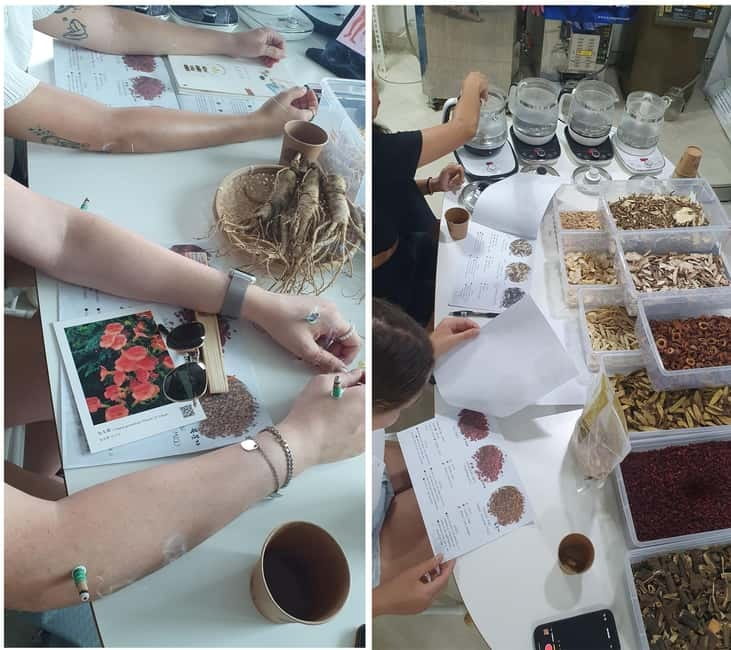
The workshop is hands-on, and that’s the difference between remembering a class for a day versus carrying it for weeks. You’ll try and drink multiple herbal tea options during the session, which helps you figure out what tastes good to you, not just what sounds healthy.
At the end, you’ll take home a bottle filled with your herbal tea. That detail is a big deal for value because you’re not leaving with only memories. You can use the bottle as a starting point to try your own routine at home.
The tour also includes herbal-related tasting and drinks, plus additional herbs presented by the host based on what you want. This part is friendly and interactive, and it’s where questions tend to come naturally, especially for people who like to learn by doing.
How the price stacks up for $51
$51 for a 3-hour guided experience is a fair value if you care about more than sightseeing.
Here’s what you’re getting in one package:
- An Han medicine expert guide
- Museum entry with the included bodywork (foot spa or meridian massage)
- Welcome tea
- An oriental medicine lecture
- Herbal tea making, plus drinks during the session
- A bottle to take your tea home
- Herbs presented at the end
What’s not included is herbs you might buy. That’s normal for tours like this, but it’s worth knowing because it can turn your final cost into a personal decision later.
If your goal is cultural understanding plus an actual product to bring home, this tour is priced to make sense. If your goal is a purely academic lecture with lots of printed English material, you might feel less satisfied because some museum elements can be Korean-only.
Group size and language: how to get the most out of it
The group is limited to 10, which is one of the smartest parts of the design. In a small group, you’re more likely to get direct answers, and the guide can tailor the pace to the questions coming in.
Language options are Korean and English, and the guide will guide in ways that keep you moving forward. If English materials are limited in the museum, you can still keep up by translating key labels and asking questions as you go.
Practical tip: before you arrive, skim a few Korean medicine keywords in your translation app. You do not need to be perfect. Just having the right terms ready can turn confusion into quick clarity.
Who this tour is best for
This is best for you if you like practical culture, not just looking at buildings and moving on. If you’re the type who enjoys hands-on workshops, tasting experiences, and learning from a real expert, you’ll probably have a great time.
It’s also a strong fit if you want to understand Korean medicine through ingredients and self-care ideas. You get to see herbs in a museum context, then translate that learning into tea you can drink later.
If you’re expecting lots of English reading material inside the museum itself, adjust your expectations. Bring your phone and rely on the guide’s explanations.
Small “considerations” that matter on the day
This experience is short, about 3 hours, so it’s not meant to stretch into an all-day wellness plan. Wear comfortable shoes for the museum and the transition to the class space, especially if you’re doing the foot spa season option.
Also, shopping time happens early. If you’re not interested in buying anything, you can still use the browsing as a way to see what products are commonly offered, then focus on the tea-making workshop.
Finally, expect to leave with choices. The tour includes making and trying teas, and the host may present herbs you’re interested in. That can lead to curiosity, and curiosity can lead to shopping. Decide ahead of time what budget feels comfortable for you.
Should you book this Seoul herbal tea and Korean medicine tour?
Book it if you want a compact Seoul experience that mixes museum learning with hands-on herbal tea making and a included bodywork option. The take-home bottle and the expert-led museum time give you real value, not just a photo opportunity.
Skip it or rethink it if you strongly need English signage and fully translated museum text. You can still enjoy the tour with phone translation and smart questions, but the museum materials may not be set up for easy English reading.
If you’re open-minded, enjoy tasting, and like learning from a passionate guide like Heojunoppa, this is the kind of class you’ll remember because you can literally keep drinking what you made.
FAQ
How long is the Seoul herbal tea class and Korean medicine tour?
It lasts 3 hours.
What is included with the museum visit?
Museum entry is included, along with either a foot spa (summer months) or meridian massage (winter).
Do I make tea during the tour?
Yes. You make your own herbal tea and you can try multiple herbal teas and drinks during the class.
What body treatment is included, and does it change by season?
In March to November, you get a foot spa. In winter, you get a meridian massage.
What language is the live guide?
The live tour guide offers Korean and English.
Is there a limit on group size?
Yes. The group is small, limited to 10 participants.
Do I get anything to take home?
You receive a bottle that you can take home with your tea, plus herbs presented by the host.
Recently reviewed in Seoul
- Seoul City Private Tour (Optional layover)★ 5.0 · 3 reviews
- Korean Folk Village & Suwon Hwaseong Fortress Private Tour★ 5.0 · 3 reviews
- 5D4N Korea Cultural Heritage immersion Private Tour★ 5.0 · 3 reviews
- War Memorial, Jogyesa Temple & Tapgol Park Tour in Seoul★ 4.5 · 3 reviews
- Full Day Private Seoul Tour for foodies★ 5.0 · 3 reviews
- Private Tour : Royal Palace & Traditional Villages wearing Hanbok★ 5.0 · 3 reviews
- Nami Island & Nearby Attractions : Charter Van Tour With Driver★ 4.0 · 3 reviews
- K-Pop Tour★ 3.5 · 3 reviews
Workshops, compared.
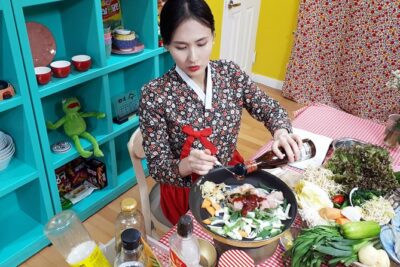
Local Home Korean Cooking Class & Market Adventure in Seoul
Read our review →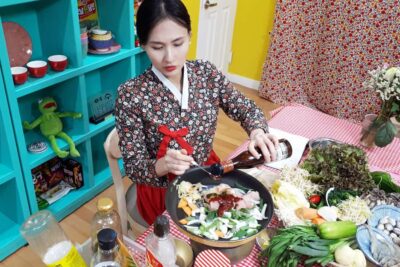
Korean Cooking Class at a Local Home and Market Tour
Read our review →
Yongpyong Ski Resort from Seoul with Optional Lesson and Packages
Read our review →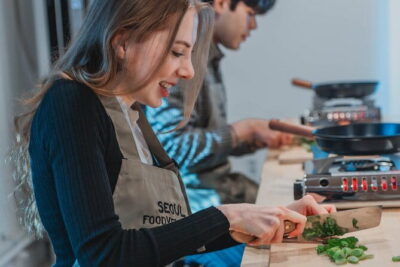
Korean Cooking Class with Grocery Shopping at Seoul Local Market
Read our review →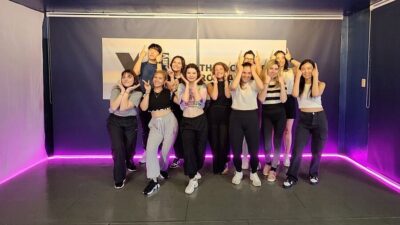
Kpop Dance Class in Seoul (incl. video shooting & editing)
Read our review →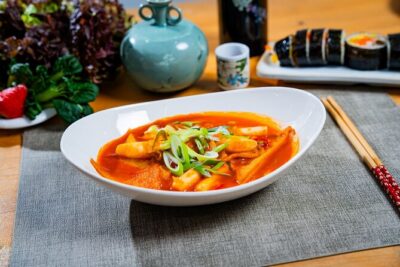
Taste of Korea, Authentic home style Cooking class
Read our review →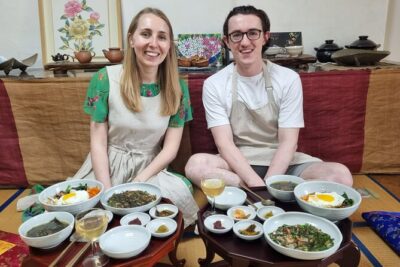
Busan Tailored Korean cooking class (Vegan OK)with market tour
Read our review →Browse the lists this tour appears in