

Reviewed · DMZ TOURS
Seoul: DMZ & Observatory Tour with Suspension Bridge or Boat
The DMZ day trip is interesting because it is history you can see and hear in real time. You get sweeping views from the Dora Observatory (Dorasan area), then you walk through the 3rd Invasion Tunnel of Aggression, which feels strangely physical for something so political. I like that the trip also includes the unification villages at the end, so you see what the border means beyond headlines. One possible drawback is that the DMZ can close suddenly for military reasons, and you will get an alternative tour instead of a guaranteed route.
Two things I really like about this experience are how much time you spend at the key sites (not just a quick bus stop photo), and the way your English-speaking guide ties it together so it lands as a story, not a checklist. I also like the structure: you start at Imjingak, move into the DMZ zone with the group bus, then finish with a calmer look at the boundary from the unification villages. The main consideration is pace and access, since the tour is not suitable for people with mobility impairments and you cannot bring luggage or large bags.
Key things that make this DMZ tour worth your time
- Dora Observatory views of North Korea from the Dorasan area, weather and permissions permitting
- 3rd Tunnel walking section that turns invasion plans into something you can stand inside
- Unification villages visit at the end of the DMZ portion, so the day has a clear emotional arc
- Imjin River boat option (full-day) that adds a rare border-area perspective, if conditions allow
- Guides who make the history make sense, with names like Dennis, Joey, Julie, Lucy, and Paul showing up repeatedly in great experiences
DMZ day trip from Seoul: why this feels different than a museum visit

A museum gives you distance. The DMZ tour gives you proximity. Even when you are watching from controlled areas, you are in the same kind of space that shaped decisions for decades, and that changes how the story lands.
I like that the tour is built around three anchors: the tunnel, the Dora Observatory viewpoint, and the unification villages. Those stops cover three different angles of the same reality, engineering and intent inside the tunnel, what the border looks like from a specific viewpoint, and what life at the edge of two Koreas looks like in the unification village area.
You should also know the tone will be serious. That is not the kind of outing where you treat it as sightseeing only. Bring a bit of patience for security routines and guided explanations, and you will get a day that feels meaningful without turning into a lecture.
More Boat Trips in Seoul
- DMZ Tour: 3rd Tunnel, Option(Suspension Bridge, Boat) from Seoul
★ 5.0 · 21,373 reviews - Seoul: Han River Guided Night Cruise and Hangang Park Picnic
★ 4.7 · 351 reviews - [DMZ Adventure] DMZ and optional Boat Voyage in River
★ 5.0 · 69 reviews
Half-day vs full-day: what you gain with the Imjin River boat voyage
There are two versions, and your choice really changes the day.
Half-day DMZ only focuses on the main DMZ stops: you visit Imjingak, Dora Observatory, and the unification village after the tunnel portion. It is a compact way to see the core sites, usually with earlier drop-off back toward places like Hongik University Station or Myeongdong.
Full-day with boat voyage adds more time after the DMZ segment, including the Imjin River boat ride. The boat option is the one tied to the restricted area perspective from North Korea flowing side context, and it can add a calmer, scenic reset between the structured DMZ visits and the return to Seoul.
The practical catch is that the boat is conditional. If there is maintenance or weather issues, the boat can change to an alternative. If you are short on time, choose half-day and do not overthink it. If you can spare the extra hours, the boat option adds something special that the half-day route cannot.
Getting started at Imjingak Park: Mangbaedan, Bridge of Freedom, and a steam locomotive
Most DMZ tours begin in the Imjingak Park area, and this one is no different. You typically see the Mangbaedan Altar area, the Bridge of Freedom, and even the steam locomotive sight linked with Korean War-era memory.
This opening matters more than it sounds. It gives you context and terms before you step into the DMZ proper, so when the guide starts connecting locations and events, you can follow without needing to pause and guess.
You also pass by a specific bridge segment on the way in. For this tour, it is Dokgae Bridge and not what some people might expect from a suspension bridge description. That difference matters because it affects what you picture when you hear bridge and walk.
If you are the type who likes photos, this is also where you usually get your first clean shots before the more controlled DMZ areas. You will still want your comfortable shoes, but here the walking tends to be easier than later tunnel sections.
The group bus and checkpoint rhythm inside the DMZ

Once the group is together, you travel by the designated group bus associated with the Korean Military. That bus ride is part of the experience, even if it feels repetitive on the way out and back.
Inside the DMZ zone, timing depends on access permissions. Expect that the schedule can shift, especially when military authorization or weather affects what is possible that day. The tour is designed for this reality, so your guide keeps you moving between stops without turning the day into chaos.
When a tour has a guide plus multiple timed site visits, the biggest advantage is that you get context while you wait. The guide can explain what you are about to see next and why the stop is placed where it is. That makes security and transit time feel less like dead time and more like preparation.
More suspension bridge stops:
- Best DMZ Tour Korea from Seoul (Red Suspension Bridge Optional)
★ 5.0 · 41,422 reviews - Seoul: The Best DMZ Tour with Optional Suspension Bridge
★ 4.7 · 4,978 reviews - Signature DMZ Tour: Exclusive Defector Talk & Suspension Bridge
★ 5.0 · 4,459 reviews - Seoul: DMZ Tour & Suspension Bridge (Option English/Spanish)
★ 4.9 · 2,628 reviews
Third Invasion Tunnel of Aggression: where scale becomes hard to ignore
The 3rd Invasion Tunnel of Aggression is one of the most intense parts of the day, and it is also one of the most valuable included experiences. You get a guided walking tour inside the tunnel, not just a look from outside.
This stop works because it turns strategic intent into physical scale. You feel how man-made spaces like this can shape the outcome of political conflict. Even if you already know the basics, walking the tunnel helps you understand the planning and the limitations that came with it.
The typical downside is also straightforward: it is a tunnel experience, so go in ready for enclosed, structured walking. Comfortable shoes matter here, and you should plan for a slower pace than open-air sightseeing.
If you like history that comes with textures and boundaries, this is the part that will stay with you. It is also one of the stops where a great guide makes the difference, because the stories are not just about dates, they are about why people built this and what it was meant to do.
Dora Observatory (Dorasan): the view that makes the whole trip click
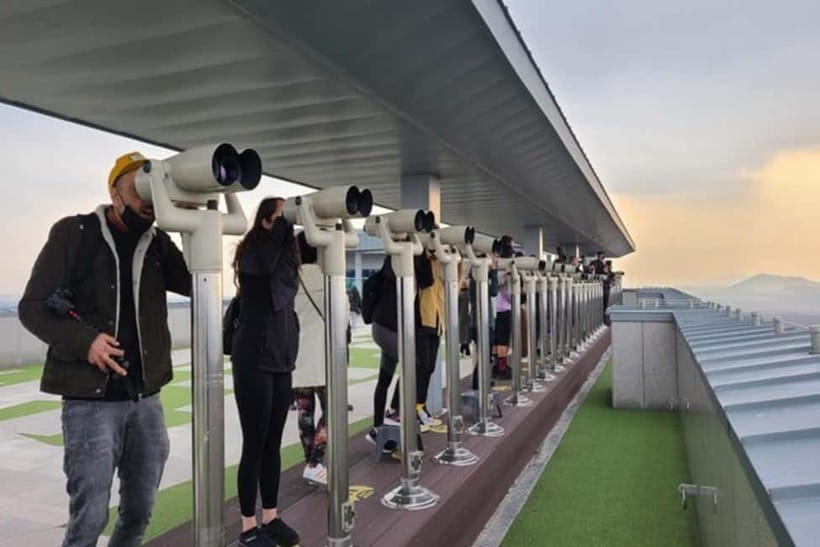
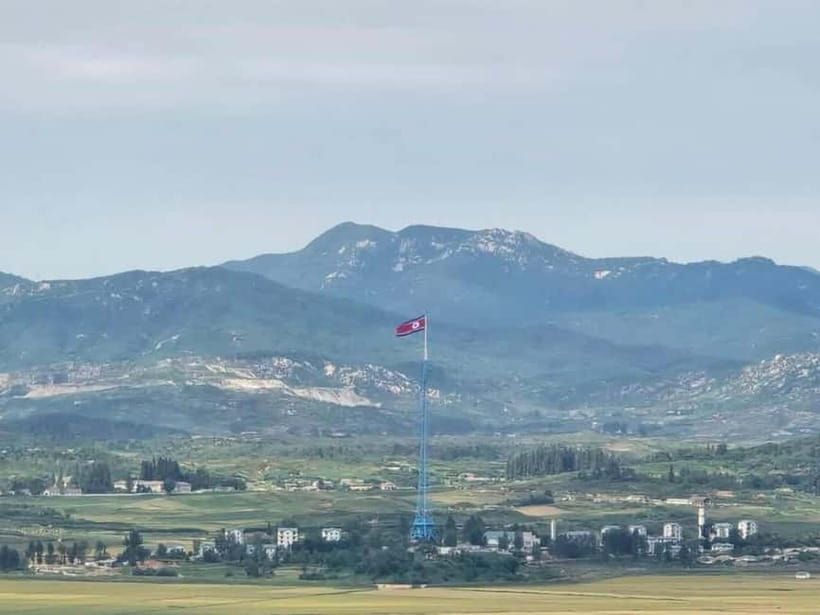
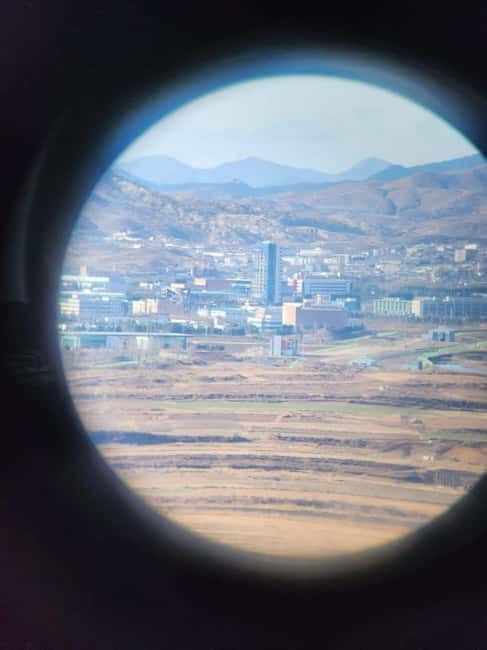
The Dora Observatory, often associated with the Dorasan area, is where you finally look out toward North Korea. The tour gives you a guided visit plus time at the viewpoint, so you are not just there for a two-minute glance.
What I like about this stop is the way the guide connects what you see with what you heard earlier. The tunnel explains capability, the Dora view gives you the geography, and the unification village visit gives you the human side of a divided space.
Your best chance at a satisfying view depends on weather and conditions. That is true for any observatory situation, but the DMZ adds extra variables tied to access rules. If you keep a flexible attitude and accept that the day might be partly weather-dependent, you will still get value from the guided context even if visibility is not perfect.
This is also a strong “first timer” stop. If you are doing one DMZ tour and want the iconic viewpoint moment, this is the one you should not rush past.
Unification Village: seeing the edge up close, not just the border on maps
After the Dora Observatory and DMZ movement portion, you end this phase with a visit to the unification villages. This is the emotional counterweight to the more intense parts of the day.
In practical terms, it is a place where the boundary becomes more than a line. You get guided time to understand what the unification village setup is about and how it fits into the larger story of the two Koreas.
I also appreciate that it is placed later in the itinerary. After tunnel and observatory, your brain has plenty of facts. The unification village segment shifts you from strategy to consequence, which makes the overall arc feel complete.
If you like taking photos, you will likely find enough opportunities for pictures here. Just remember that this is still a controlled area. Be respectful, stay with the group, and treat it like a place with rules, not a casual street corner.
The Paju-si break and lunch reality
Between DMZ site portions, the tour includes a break in Paju-si with about an hour for lunch time. Lunch is not included, so plan on buying your own meal during that window.
This is one of those details that changes how comfortable your day feels. If you snack lightly before you go and pick something simple during the break, you will keep your energy up for the return route. If you expect a full restaurant meal included in the price, you will be disappointed.
The upside is that a break lets you reset, use the bathroom, and avoid the “we saw three sites and now you are hungry but stuck on the bus” problem. Treat it as your recharge period and your second half of the day will feel smoother.
Guides matter here: Dennis, Joey, Julie, Paul, and others who keep it human
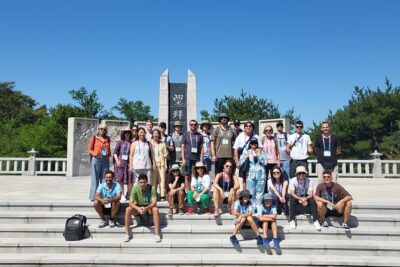
A DMZ tour lives or dies on how the guide tells the story. In this experience, the guide is English-speaking and leads the walking segments plus the guided explanations at the sites.
I noticed a recurring theme from past groups: certain guides like Dennis, Joey, Julie, Lucy, Paul, and Moon Young are praised for energy and clear storytelling. That pattern matters because DMZ history can become heavy if your guide just recites dates. A good guide connects each stop to the big picture so you are left with understanding, not just images.
There is also a practical skill that shows up in strong reviews: guides who answer questions clearly and keep people together at checkpoints. That matters because the day can include limited time at each stop, and you do not want to lose your turn at the most important viewpoints.
If you have a preference, you can sometimes request a specific guide when booking. Even if you cannot, look for a tour where the guide is a real person leading all major segments, not an audio-only approach.
What you get for about $39: value, transfer, and included admissions
The price is $39 per person, and that is a big part of the appeal because you are not just paying for viewpoints. You are paying for guided access in a military-adjacent environment plus roundtrip transfer from Seoul.
On the included side, this tour covers:
- the guide
- roundtrip transfer from Seoul
- admission fees to the DMZ
- walking tour in the 3rd Tunnel
Lunch and traveler insurance are not included. Also, the tour duration runs about 6 to 9 hours, depending on which option you pick and how the day moves.
Is it worth it? For most visitors, yes, if you want a guided DMZ day without hunting down transport, permissions, and timing on your own. You are essentially buying the workflow that makes this possible in the first place. If you are the type who enjoys solo travel planning and already has a process for DMZ logistics, you might not need a package. But for many people, the included transfers and admissions are what make the day realistic.
Before you go: passport, shoes, and the DMZ closure reality
Bring your passport. It is required for access to the DMZ, and this is not the kind of place where a photo ID on your phone will help.
Wear comfortable shoes. Even if the walking is not huge, you will be on your feet for checkpoints, tunnel walking, and viewpoint changes. Also, this tour is not suitable for people with mobility impairments.
Do not bring luggage or large bags. The tour is set up for people traveling light enough for controlled areas.
One more thing to keep your expectations grounded: the DMZ can close suddenly without notice. If that happens, an alternative tour may be provided, and refunds are not offered. That is not meant to scare you, it is just the nature of a military environment. If you keep flexibility in your schedule, you will handle it better.
Should you book this Seoul DMZ tour?
Book it if you want one well-paced day that covers the 3rd Tunnel, Dora Observatory, and the unification villages with a live English guide. It is especially worth it if you do not want to manage transfers and permissions yourself.
Choose the full-day option with the Imjin River boat if you are curious about the border area from an extra angle and you have time. Just remember the boat can change due to maintenance or weather, so keep the rest of your day flexible.
Skip it only if you need an accessibility-friendly route, or if you cannot travel with a passport and limited luggage. If your schedule can handle the possibility of route changes due to military access, this tour is a strong value way to experience the DMZ without guesswork.
FAQ
How long is the DMZ tour?
The duration is listed as 6 to 9 hours, depending on the option and starting time available.
What is the price per person?
The price is $39 per person.
What options are available?
You can book a half-day DMZ tour, or a full-day DMZ tour that includes a boat voyage on the Imjin River.
Do I need a passport to enter the DMZ?
Yes. All guests must bring a valid passport to access the DMZ.
What is included in the tour price?
The tour includes a guide, roundtrip transfer from Seoul, admission fees to the DMZ, and a walking tour in the 3rd Tunnel.
What is not included?
Lunch and traveler’s insurance are not included.
Is the tour offered in English?
Yes, the tour includes a live tour guide in English.
Are luggage or large bags allowed?
No. Luggage or large bags are not allowed.
What happens if the DMZ is closed suddenly?
The DMZ is a military area and might be closed suddenly without notice. If that happens, an alternative tour may be provided, and no refunds are offered.
More DMZ Tours from Seoul
- DMZ tour south Korea from Seoul (NK experience hall, defector)
★ 5.0 · 20,599 reviews - Thrilling Korean DMZ 3rd Tunnel Tour from Seoul + Red Bridge Rush
★ 5.0 · 3,097 reviews - DMZ Past and Present: Korean Demilitarized Zone Tour from Seoul
★ 5.0 · 2,481 reviews - Ultimate Korea DMZ Tour from Seoul (Gondola & Suspension Bridge)
★ 5.0 · 2,396 reviews
Recently reviewed in Seoul
- Korean Folk Village & Suwon Hwaseong Fortress Private Tour★ 5.0 · 3 reviews
- Seoul City Private Tour (Optional layover)★ 5.0 · 3 reviews
- 5D4N Korea Cultural Heritage immersion Private Tour★ 5.0 · 3 reviews
- War Memorial, Jogyesa Temple & Tapgol Park Tour in Seoul★ 4.5 · 3 reviews
- Private Tour : Royal Palace & Traditional Villages wearing Hanbok★ 5.0 · 3 reviews
- Full Day Private Seoul Tour for foodies★ 5.0 · 3 reviews
- K-Pop Tour★ 3.5 · 3 reviews
- 3D Private Seoul Highlight tours with DMZ & Korean Folk Village★ 5.0 · 3 reviews
DMZ Tours, compared.
Best DMZ Tour Korea from Seoul (Red Suspension Bridge Optional)
Read our review →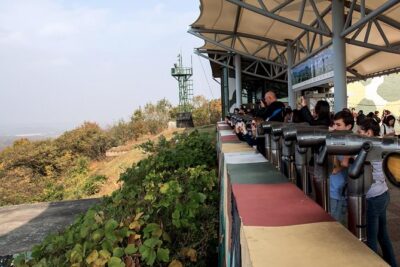
DMZ Tour: 3rd Tunnel, Option(Suspension Bridge, Boat) from Seoul
Read our review →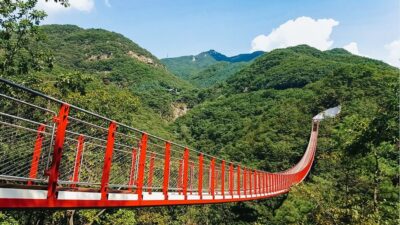
DMZ, 3rd Tunnel and Optional Suspension Bridge Tour
Read our review →
The Best DMZ Tour with Optional Suspension Bridge
Read our review →

Thrilling Korean DMZ 3rd Tunnel Tour from Seoul + Red Bridge Rush
Read our review →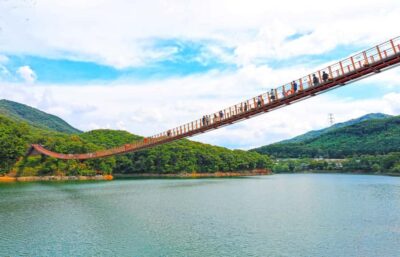
DMZ Tour & Suspension Bridge (Option English/Spanish)
Read our review →
DMZ Past and Present: Korean Demilitarized Zone Tour from Seoul
Read our review →Browse the lists this tour appears in