
Reviewed · DMZ TOURS
Ultimate Korea DMZ Tour from Seoul (Gondola & Suspension Bridge)
A visit to the DMZ is interesting on paper, but this tour adds the kind of views and physical landmarks that make the Cold War feel real. I like the way you get DMZ gondola views and then step into the Third Tunnel, so it is history you can point to.
I love two things most: the tour’s guide-led storytelling (names like Nancy and Diane show up again and again in standout comments), and the mix of reunification symbols with border-side viewpoints like Dora Observatory. That combo helps you connect the dots between what happened and what people hope for now.
One possible drawback: the schedule is tight, and you should plan for uphill walks plus a tunnel visit that can feel cramped. Also, photo rules can limit what you can take in certain North Korea-facing spots.
Key highlights you will actually feel during the day
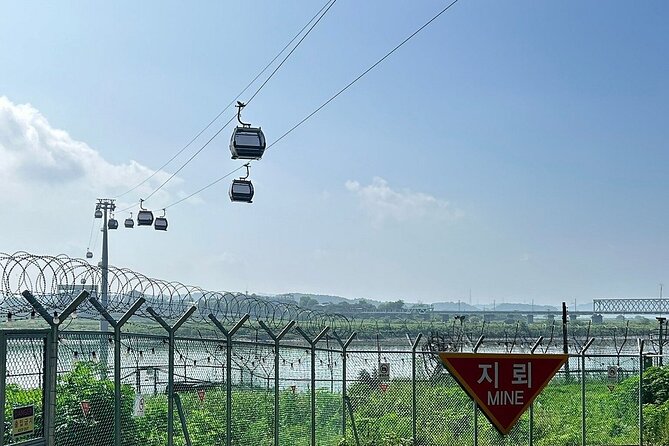
- A gondola ride across the Imjin River for an aerial look that is hard to get any other way
- Bridge of Freedom and the 12,773-prisoner story that turns a monument into a timeline
- Peace Bell and memorial spots that give you context for reunification hope
- Third Tunnel plus Dora Observatory to compare underground history with what the border view allows
- Optional suspension bridges near the DMZ if you want bigger “wow” moments beyond the checkpoints
- ID checks at the Unification Bridge military checkpoint that make the day feel real and tightly controlled
Meeting Points In Seoul: Quick starts, minimal fuss
This is a day trip built around leaving Seoul smoothly and getting you into position early enough to hit a lot of stops. You meet at one of three downtown points, which helps depending on where you are staying: Myeongdong Station Exit 9, Seoul City Hall Station Exit 6, or Hongdae Station Exit 3. The tour also offers pickup, but you should not assume a hotel door-to-door drop.
The practical upside is that you can plan your morning around Seoul subway lines instead of relying on a taxi roulette. You’ll also use a mobile ticket, so have your phone charged and easy to access.
One small tip that will save you time and nerves: go to your meeting point earlier than you think you need. This kind of itinerary depends on the bus moving on schedule. If you are the kind of person who likes to stroll after coffee, you will still want a buffer in the morning so you do not feel rushed before the DMZ part begins.
When the day ends, you are dropped off back in lively areas, typically Hongdae, Seoul City Hall, or Myeongdong. That is handy because you can keep the day going with food and shopping without dragging luggage across town.
More suspension bridge stops:
- Best DMZ Tour Korea from Seoul (Red Suspension Bridge Optional)
★ 5.0 · 41,422 reviews - DMZ Tour: 3rd Tunnel, Option(Suspension Bridge, Boat) from Seoul
★ 5.0 · 21,373 reviews - Seoul: The Best DMZ Tour with Optional Suspension Bridge
★ 4.7 · 4,978 reviews
The DMZ first pass: how the “quiet” becomes context
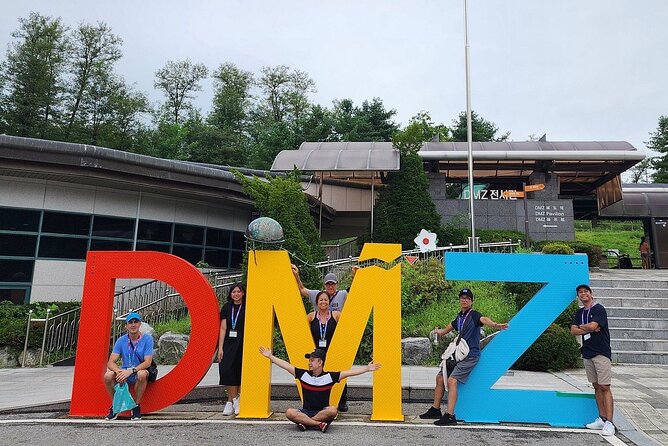
The DMZ stop is the emotional and educational center of the day. You are looking at a 4 km-wide strip that has split North and South since the Korean armistice in 1953. The tone here is different from any museum visit. Even if you already know the big facts, the setting makes the war feel less like a headline and more like something that shaped everyday life.
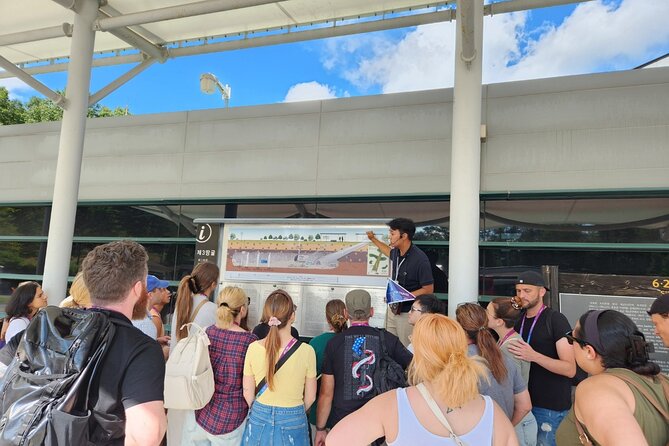
Your guide is key in the DMZ portion. The tour’s goal is not just to transport you to viewpoints. It is to help you understand why these specific locations were built, why they matter to reunification, and what “civilian life” looks like on the edges of a highly controlled border area.
Expect a short visit time here and a lot of information in a limited window. The practical takeaway: listen closely on the bus and at the stops. If you wait until you are already walking away from a monument, you may miss the story that explains what you are looking at.
Also, the DMZ experience includes “real rules.” Photo restrictions can apply in certain areas, and your guide will generally guide you on when photography is permitted. Build your mental plan around the idea that some shots may be off-limits, and focus on getting a good sense of place instead of trying to capture everything.
Imjingak Pyeonghwa-Nuri Park: reunification symbols you can read like a map
Imjingak Pyeonghwa-Nuri Park is where the tour shifts from raw division to the theme of reunification and remembrance. This stop includes exhibits tied to Korean reunification, plus historic and peace-focused features.
What I like about this part of the itinerary is that it helps you understand the DMZ without turning the day into a list of bleak sites. You also get several “touch and stand near it” moments, which make the story more personal and less abstract.
You’ll likely encounter elements such as:
- The rusted Iron Horse train relic tied to Korean War-era history
- A visit that connects peace themes to nearby memorial structures
- The general “this is why people keep coming back here” feeling that drives the park
The tour also includes nearby bridge and river-side themes during the same overall area, so it works like a pocket lesson. You start seeing the landscape as a sequence of events rather than isolated points of interest.
One reason this stop lands well for families is that it is not only about viewing. It gives you objects and symbols, which kids and adults can process at their own pace. If your group includes people who do not want constant border lectures, this park section gives them breathing room.
Bridge of Freedom, Mangbaedan memorial, and the Iron Horse track story
After the main DMZ orientation, the day becomes more specific and more human. The Bridge of Freedom is a major example. This temporary wooden span built after the armistice in 1953 replaced a destroyed railroad bridge over the Imjin River. It carried 12,773 prisoners into South Korea, and the story is remembered as a major movement from captivity toward freedom.
That matters because it reframes the DMZ as something that displaced lives, not only something that created separation. You are not just looking at a boundary. You are looking at the route history forced people to take.
Then you visit Mangbaedan Memorial Altar, built in 1987 near the DMZ. This is where families honor loved ones in North Korea, especially around holidays. Expect a quiet, respectful atmosphere rather than an entertainment vibe. It is short, but it gives your mind something to hold onto: remembrance has its own geography here.
You also stop by the steam locomotive at Jangdan Station of the Gyeongui Line, often described as an Iron Horse relic. It is the kind of object that makes the Korean War feel tangible. A locomotive is not symbolic in a vague way. It is a piece of travel, movement, and interruption.
Finally, you reach the Peace Bell (Pyeonghwauijong), a 21-ton bronze bell cast in 2002. People come here to feel the weight of reunification as a physical ritual. The tour encourages you to touch the bell and listen to the deep chime.
If you like travel that mixes emotion with clear facts, these stops are the core payoff of the day.
More DMZ tours from Seoul:
- DMZ tour south Korea from Seoul (NK experience hall, defector)
★ 5.0 · 20,599 reviews - Signature DMZ Tour: Exclusive Defector Talk & Suspension Bridge
★ 5.0 · 4,459 reviews - Thrilling Korean DMZ 3rd Tunnel Tour from Seoul + Red Bridge Rush
★ 5.0 · 3,097 reviews - Seoul: DMZ Tour & Suspension Bridge (Option English/Spanish)
★ 4.9 · 2,628 reviews
Paju Imjingak Peace Gondola: the aerial DMZ view is the money moment
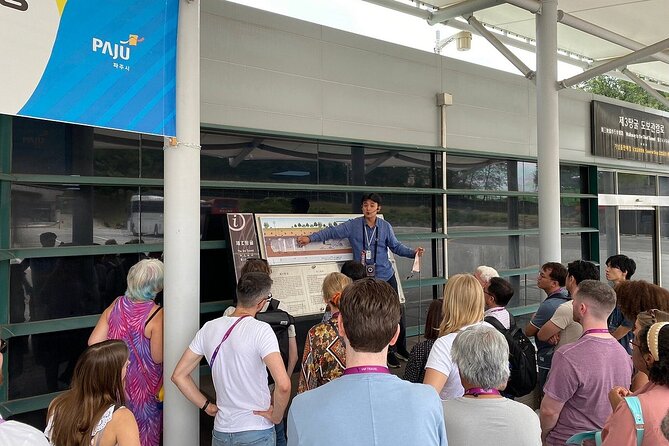
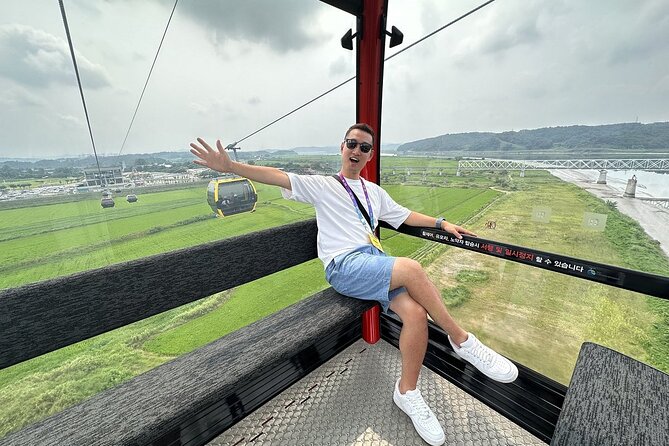
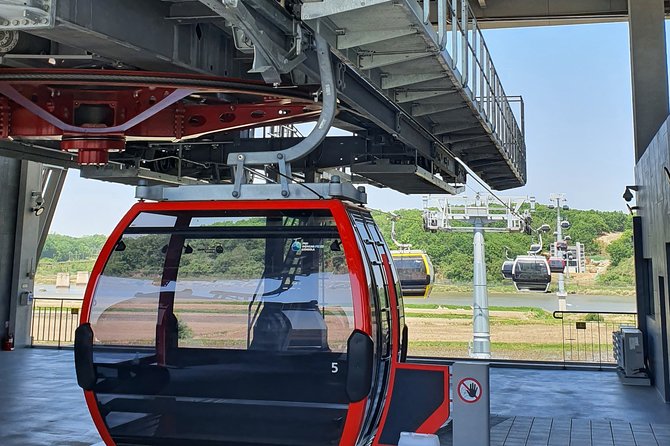
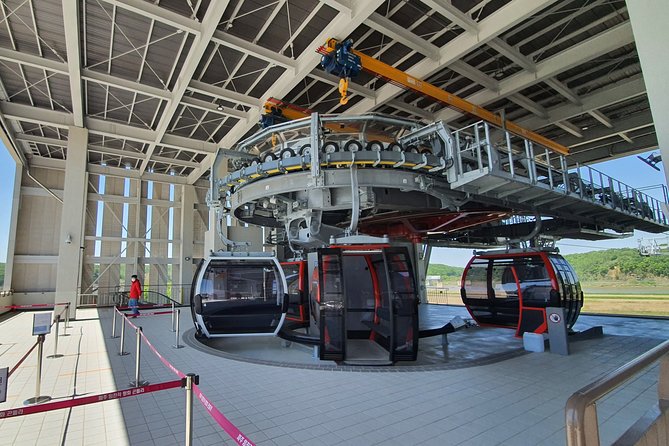
The optional DMZ gondola is one of the best ways to understand distance in this area. The Paju Imjingak Peace Gondola opened in 2020 and carries you across the Imjin River for a birds-eye view of the DMZ.
I like this because it reduces the guessing game. On the ground, the DMZ can look like a wall of trees and fences from far away. From the gondola, you get a clearer sense of how wide the zone is, and how the river and surrounding terrain fit into the bigger border picture.
The tour description also says the gondola goes beyond the Civilian Control Line, meaning you get a more extensive perspective than a basic river overlook.
In comments tied to this tour, the gondola is often described as “worth it.” That usually means two things: (1) the view feels different from the land stops, and (2) you get enough time to process without constant rushing. For a low base price, this add-on can turn the day from “a lot of stops” into “a few standout moments you will remember.”
Plan for calm photo habits here too. Even if you want skyline shots, follow your guide’s cues about what is permitted in each area.
Third Tunnel and Dora Observatory: underground walking versus border viewing
This is where the itinerary earns its reputation for intensity.
The Third Tunnel, sometimes called the 3rd Infiltration Tunnel, is located 12 km away from Munsan and 52 from Seoul. The big idea is that you are seeing a piece of history that was built to breach the divide. Your stop time is long enough to walk through the visitor route, but not long enough to do it slowly like a museum.
A practical note from the experience reality: the tunnel visit includes walking inside a limited space, and some people find the return climb challenging. If you have knee issues or stamina limits, this is the section where you need to be honest with yourself.
Some people are also surprised by the “window” style view described on-site. The tunnel experience can feel like a lot of effort for a short visual payoff. I would treat it as an educational stop first, not a scenic stop.
Then you head to Dora Observatory, rebuilt in 2018 and established in 1986. It is described as South Korea’s closest view of North Korea and sits at the top of Dorasan. Here, the payoff is simple: you look across the border and see how far your eyes can reach when the rules allow you.
This is a great contrast to the tunnel. Underground, you feel the war in engineering and intrusion. At Dora, you feel it in distance and restraint.
If you come into this section expecting “a dramatic movie shot,” you might feel underwhelmed. If you come in expecting a controlled view with real border context, it clicks.
Tongilchon-gil and the optional DMZ bridges: easing your legs near the edge
After the border-heavy stops, the day gives you a bit of relief with a village-style moment. Tongilchon-gil is described as a peaceful village just beyond the DMZ’s Civilian Control Line. It connects the border story to everyday agriculture, including Jangdan soybeans.
This stop does not erase the seriousness of the day, but it helps you reset your brain. You get a breather where the theme shifts from military infrastructure toward what life looks like just outside the strictest zone.
Then you have options for extra scenery if you want it. The tour includes optional suspension bridge stops near the DMZ:
- Gamaksan Chulleong Bridge: a 150 m suspension bridge near the DMZ, built in 2018, with capacity stated as up to 900 adults
- Majang Lake: a 220 m suspension bridge built in 2017, spanning a reservoir described as turned into an urban oasis
These are best if you like the physical feeling of crossing something elevated. They also act as a visual break from tunnels and checkpoints. If your group energy is low, you can treat these as add-on fun rather than mandatory.
Keep in mind: suspension bridges can still mean more walking, and your legs may already be tired from earlier uphill climbs. If you are deciding whether to do them, base the choice on how your feet feel in the moment, not on how excited you think you will be.
Price, pacing, and why the guide makes or breaks it
At $35 per person, this is positioned as a value-heavy way to see a lot in one day. The pricing question is fair: the DMZ area requires special access and time, and the day includes multiple paid sites.
Here’s what makes it feel like value in practice:
- Round-trip transport from Seoul in an air-conditioned vehicle
- Multiple admission stops marked as included across the itinerary
- A guide-led format that keeps you from wandering the wrong direction or missing the meaning of what you are seeing
But the other side of the value story is pacing. This is a 7.5-hour day built around many stops. You will be on the move. If you like slow travel, you may feel it. If you like structured touring, this will feel efficient.
The guide is repeatedly mentioned as a major reason people rate this tour at 4.9 with very high recommendation rates. Names that show up in positive comments include Nancy, Diane, Hana, Crystal, Emily, Gogo, and Alex, with notes like helpful storytelling, sense of humor, and keeping people on track.
That matters because the DMZ has rules. Your guide tends to help you understand when you can take photos and how to stay out of trouble around military-controlled areas. It also helps you absorb information quickly, since the itinerary does not give you long museum-style time.
So my advice is simple: bring your curiosity. In a day like this, the tour is partly about where you go and partly about how you listen while you are there.
Who should book this DMZ tour from Seoul
Book it if you want:
- A one-day DMZ experience with multiple major sites, including a tunnel and observatory
- A guided day that connects monuments like the Peace Bell to the big picture of division and reunification
- The chance to add a gondola ride for a view that feels meaningfully different from ground stops
- A structured trip that works well for mixed-age groups, including families
Think twice if:
- You have mobility limitations, because the day includes uphill walks and a tunnel section with limited space and walking
- You hate tours that move fast. This itinerary is packed by design
- You expect unlimited photography in border-facing areas. Photo rules can restrict what you can capture
Should you book this tour or not?
If your goal is to see the DMZ’s major emotional and visual touchpoints without spending your whole vacation logistics-planning, this is a strong pick. The base price feels unusually low for the number of stops, transport, and included admissions, and the gondola option can add a high-impact perspective.
I would book it if you can handle moderate walking and if you are comfortable with a day that is more “structured education” than “relax and wander.” And if you get a guide like Nancy or Diane, you are likely to feel the day click into place.
If you want, tell me your travel dates and whether you care most about photos, walking comfort, or the gondola. I can help you decide which optional stops are worth prioritizing for your group.
FAQ
How long is the Ultimate Korea DMZ Tour from Seoul?
The duration is listed as approximately 7 hours and 30 minutes.
Where do I meet the group in Seoul?
You can meet at one of three downtown locations: Myeongdong Subway Station Exit 9, Seoul City Hall Subway Station Exit 6, or Hongdae Subway Station Exit 3.
Is the gondola ride included or optional?
The gondola stop at Paju Imjingak Peace Gondola is listed as optional, and the admission ticket is indicated as included for that stop when you do it.
What ID do I need for the Unification Bridge military checkpoint?
The tour notes that soldiers will inspect the bus and carry out ID checks. You should have a passport, Military ID Card, or a South Korea-issued ARC.
Are admission tickets included for the main DMZ sites?
Admission is shown as included for multiple stops across the itinerary, including the DMZ area, the gondola, the Third Tunnel, and Dora Observatory.
Is lunch included in the price?
Lunch is listed as not included.
Recently reviewed in Seoul
- Korean Folk Village & Suwon Hwaseong Fortress Private Tour★ 5.0 · 3 reviews
- Seoul City Private Tour (Optional layover)★ 5.0 · 3 reviews
- 5D4N Korea Cultural Heritage immersion Private Tour★ 5.0 · 3 reviews
- War Memorial, Jogyesa Temple & Tapgol Park Tour in Seoul★ 4.5 · 3 reviews
- Private Tour : Royal Palace & Traditional Villages wearing Hanbok★ 5.0 · 3 reviews
- Full Day Private Seoul Tour for foodies★ 5.0 · 3 reviews
- K-Pop Tour★ 3.5 · 3 reviews
- 3D Private Seoul Highlight tours with DMZ & Korean Folk Village★ 5.0 · 3 reviews
DMZ Tours, compared.
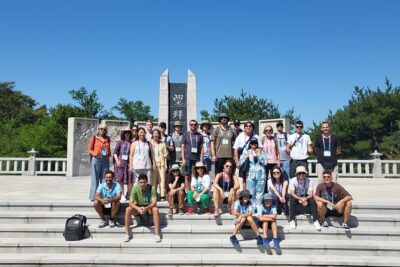
Best DMZ Tour Korea from Seoul (Red Suspension Bridge Optional)
Read our review →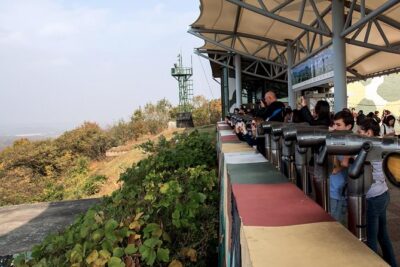
DMZ Tour: 3rd Tunnel, Option(Suspension Bridge, Boat) from Seoul
Read our review →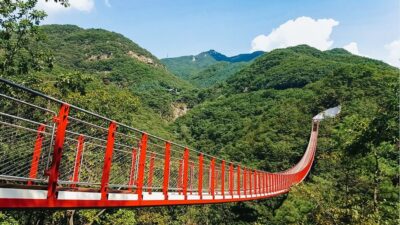
DMZ, 3rd Tunnel and Optional Suspension Bridge Tour
Read our review →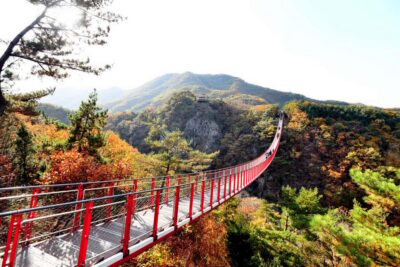
The Best DMZ Tour with Optional Suspension Bridge
Read our review →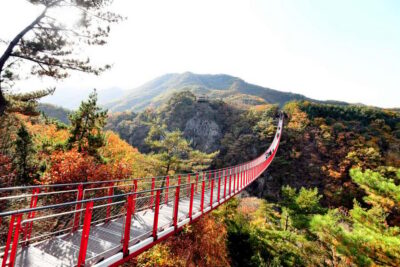
Thrilling Korean DMZ 3rd Tunnel Tour from Seoul + Red Bridge Rush
Read our review →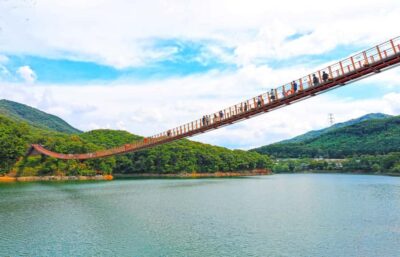
DMZ Tour & Suspension Bridge (Option English/Spanish)
Read our review →
DMZ Past and Present: Korean Demilitarized Zone Tour from Seoul
Read our review →Browse the lists this tour appears in