
Reviewed · MARKETS
Private Downtown Seoul Food & Market Tour with 8+ Tastings
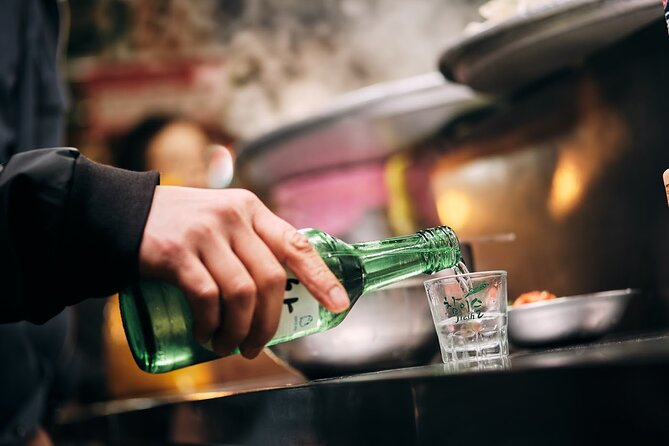
This tour is interesting because it does two things at once: it feeds you classic Seoul flavors and it drags you past the big sight stops in downtown Seoul, all without you needing to decode Korean menus alone. You also get a private flow, so you can match the pace to how hungry you are.
I like the 8+ tastings because they are not just random street snacks. They are a mix of savory, a few spicy bites, plus something sweet and tea-friendly, so you end up with a real sense of Seoul food habits. I also like the private guide element, since it is built to handle ordering and explain what you are eating as you go.
One possible drawback: the route is walk-heavy and a little over 3 hours, so comfortable shoes matter. Also, the itinerary and menu can shift with weather and what is available, and some dietary needs may not be supported even with advance notice.
Key points before you go
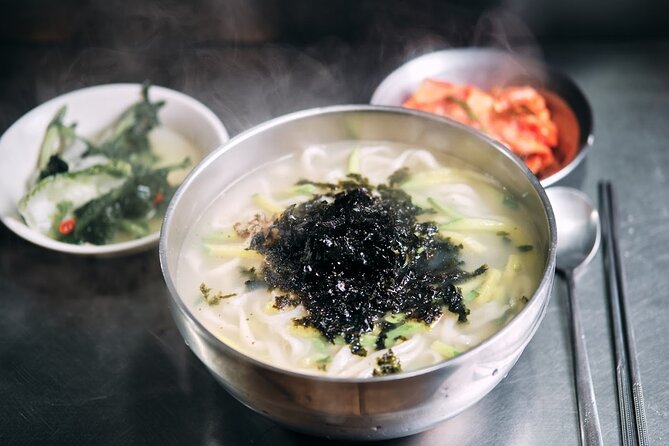
- 8+ tastings that range from dumplings and pancakes to kimbap and a tea pairing
- Private guiding with ordering help, plus practical tips that help you move around Seoul faster
- Downtown landmarks mixed in with food stops, so you are not choosing between sights and snacks
- Palace and market area focus, ending near Anguk Station and Insa-dong
- Customization based on your tastes, if you tell your guide your preferences up front
- Weather and availability dependent timing, with menu swaps possible
Downtown Seoul, fed first, guided always
This is the kind of tour I recommend when you want Seoul to make sense fast. You get a private guide who helps with language barriers, then you move through areas that would otherwise take you longer to connect. The result is a half-day that feels efficient, but not like a rushed checklist.
The best part is that you are not only eating. You are eating while you learn how the city is laid out around palaces, markets, and traditional neighborhoods. When you finally sit down for tastings, the sights are not just background. They help you understand why certain foods show up where they do, and how locals think about meals, snacks, and tea breaks.
And yes, this tour is designed for your senses, not just your stomach. You will be watching for textures, tasting hot and cold flavors, and picking up little cultural explanations that make the next bite easier to enjoy.
More Market Tours in Seoul
- Seoul Street Food Market Tour
★ 5.0 · 1,226 reviews - Local Home Korean Cooking Class & Market Adventure in Seoul
★ 5.0 · 1,024 reviews - Seoul: Night Market Food Tour with Local Guide
★ 4.9 · 943 reviews
Start at Jong-ro, finish in Insa-dong near Anguk Station
The tour starts at 214 Jong-ro, Jongno District, Seoul, at 10:00 am. There is no hotel pick up or drop off, so you will want to plan to arrive on your own by subway or on foot. That sounds minor, but it matters in Seoul, where the station web can feel confusing if you arrive late or hungry.
You end in Insa-dong at a small hidden teahouse, about 100 meters from Anguk Station on Line 3, the orange line. That ending point is practical because Insa-dong is a convenient place to continue exploring, grab a final drink, or take a breather before you head back to your hotel.
The total time is a little over 3 hours. Even if you are not doing a lot of stairs, you will still walk between stops. I would treat this as a 3-hour stroll with food breaks, not as a sit-down meal experience.
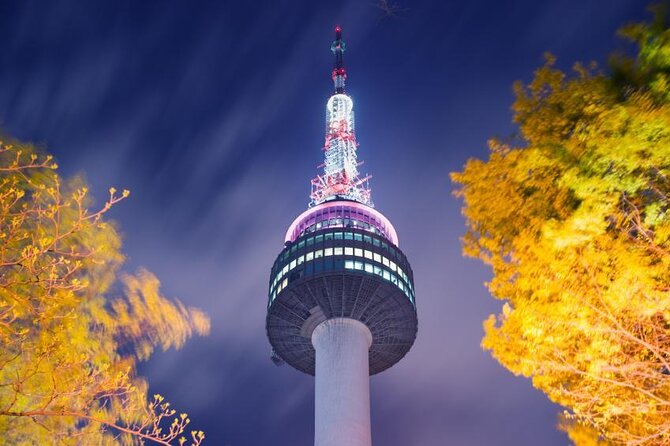
N Seoul Tower first stop, then food makes the city feel smaller
Starting with the N Seoul Tower stop gives you something most food tours skip: context. The tower is the YTN Seoul Tower, often called Namsan Tower or Seoul Tower, and it sits on Namsan Mountain. When you see the view early, the rest of the day feels less like random movement and more like a planned route.
What I like about this setup is psychological. If you can orient yourself visually, you waste less mental energy asking where you are. You also tend to take more useful photos because you understand what you are looking at.
Possible downside: because it is a landmark stop, you might get less time standing still for long tastings during this portion. If you are sensitive to crowds or you dislike viewpoint lines, it helps to ask your guide how long you will be on the tower area before you commit to timing.
Joseon palace area stop, where food stories fit the scenery
One of the stops is the main royal palace of the Joseon dynasty, built in 1395, in northern Seoul. Even if you know little about Korea’s dynasties, you will feel the layout right away. Palaces are built to guide movement, and your guide uses that structure to connect the food stops to what you are seeing around you.
This stop is also a good moment to slow down. After you have been walking and snacking, palace grounds can feel like a reset. You are not just buying food, you are moving through an area where meals traditionally mattered, where tea and simple bites fit into long days, and where people gathered for important moments.
One consideration: palace areas can be weather dependent. On bright days you will enjoy the open space, on rainy days you will want to keep your plan flexible. This tour notes that weather can change the itinerary and menu, which is realistic for outdoor stops.
More Shopping Tours in Seoul
- Seoul: Palace, Temple and Market Guided Foodie Tour at Night
★ 4.9 · 750 reviews - Private DMZ Tour (No Shopping): 3rd Tunnel & Suspension Bridge
★ 5.0 · 607 reviews - Downtown Seoul Guided Food & Market Tour with 8+ Local Tastings
★ 5.0 · 580 reviews - Seoul: Korean Cooking Class at a Local Home and Market Tour
★ 5.0 · 348 reviews
Namdaemun market next, the smells teach you what to taste
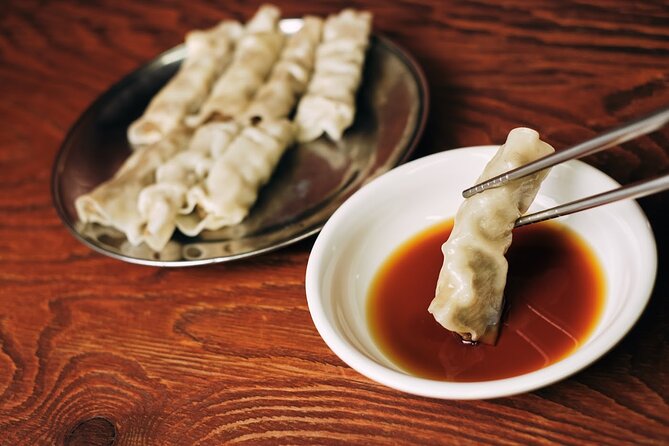
Then you get a big shift in energy at the traditional market near Namdaemun, the Great South Gate. The market is described as the oldest and largest in Korea, which hints at what you should expect: lots of food activity, lots of visual clutter, and lots of locals making quick choices.
This is where your private guide becomes more than a translator. Markets like this can overwhelm you if you are trying to read everything at once. A guide keeps you focused on what to order and what to pay attention to, so you do not end up stuck with the safest item on a menu just because you recognize fewer words.
What you are aiming for here is variety. This tour pairs the market time with multiple tastings, so you can sample flavors without committing to one heavy meal. It also means you can try spicy, savory, and softer comfort foods in one flow.
The traditional hilltop village stop, where snacks fit between hanok streets
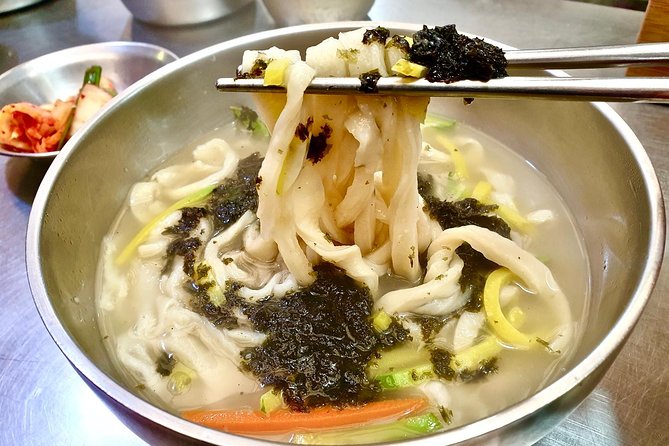
Next comes a Korean traditional village on a hill, located between Gyeongbok Palace, Changdeok Palace, and Jongmyo Royal Shrine. This is the kind of area where streets can feel narrow and scenic at the same time. It is a good stop to walk a little slower, take photos, and absorb the way architecture creates atmosphere.
A food tour works especially well in this kind of neighborhood because the snacks feel like part of the street rhythm, not something separated from sightseeing. You are also more likely to notice details your eyes would normally skip, like how locals time simple food breaks.
Possible drawback: the route is still a walking loop, and traditional village streets can be uneven or tight. If you are bringing small kids, or if you have knee issues, I would treat this as a “plan for walking” tour and wear shoes with solid grip.
Gyeongbokgung main gate stop, photo moments plus a taste reset
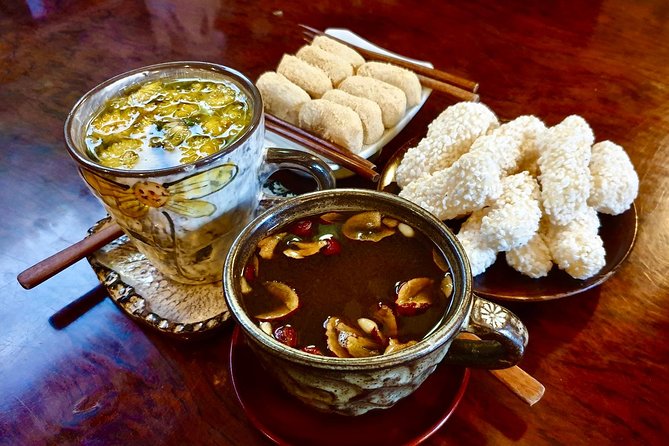
You also stop at the main and largest gate of Gyeongbokgung Palace, in Jongno-gu. In real life, this kind of landmark does two things. It gives you a clear end point to orient around, and it gives your brain a visual reset right before the next food phase.
I like that this tour does a major gate stop, then keeps moving. It prevents the common problem where you feel like you are spending too much time in one exact spot. By the time you reach the next stop, you are ready to taste again instead of forcing it.
If you like photography, this is the moment to slow down slightly. Your guide will help you understand what you are looking at, but your best photos will come from taking a second to stand where the light and crowd line up.
A second palace stop in a large park: more space, more pacing
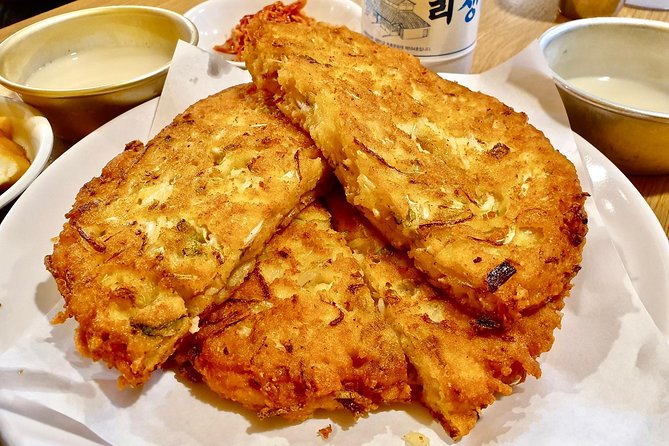
There is also a stop described as one of the Five Grand Palaces built by the Joseon Dynasty kings, set within a large park in Jongno-gu. Even without a name, you can still read the idea. This is palace grounds with room to breathe, not only gates and courtyards.
This part can help you pace the tour. After a market and a traditional neighborhood, a park-like palace area gives you a natural walking pause. It is also a good place for your guide to talk about context, then switch your attention back to food.
If you are traveling in hot weather, parks help but shade still matters. If you are traveling when it is wet or windy, you will probably feel the change. That is why it helps to pack a light layer and stay flexible with timing.
What you will eat: the tastings list, translated into real expectations
The tour includes more than just snacks. It includes a set menu that mixes classics and sweet finishes. Here is what is listed as included:
- Nukdujan mung bean pancake paired with sweet onions
- Mandu (Korean dumplings), plus tteokbokki (slightly spicy)
- Minced fish fillets paired with a bit of fish soup
- Freshly prepared kimbap, plus sweet and salty cream bread
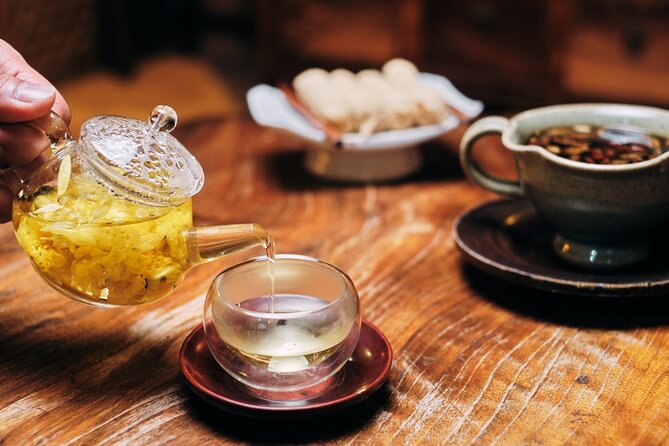
- Korean honey snack, plus grilled rice cake with a traditional tea
- Our delicious secret dish
I like this mix because it covers a few important categories of Korean street and comfort flavors. Pancakes and dumplings give you starch and chew. Tteokbokki brings heat, but it is noted as slightly spicy, so most people can handle it without turning the entire day into a sweat test. Fish elements and fish soup add a different kind of comfort that you might not order on your own as quickly.
Kimbap is a smart inclusion because it is common, portable, and a good bridge food between heavier items and something sweet. The sweet and salty cream bread adds a dessert-ish twist without becoming a full dessert stop. And the grilled rice cake with tea is one of those combinations that feels very Korean, even if you have not eaten it before.
The secret dish is the wildcard. It is included, but you do not see it in advance, which can be fun. If you hate surprises, tell your guide anyway, since private guiding makes it easier to adjust.
Guide tips that make it feel like a conversation, not a lecture
The reviews put a spotlight on the guide experience. One review specifically praises a guide named YL as well spoken, with lots of tips for first-time visitors to Seoul. Another note highlights cultural insights mixed into the food, plus additional restaurant recommendations.
What that means for you in practical terms: you will not just get food facts. You will get help learning how to move through the city with less stress. You may also end up with ideas for where to go next, which is valuable because your tour ends in Insa-dong, a neighborhood full of choices.
If you want the guide to tailor things better, you should give preferences at the start. Tell them if you love spicy food, seafood, dumplings, or sweets. The tour says you can customize the itinerary according to tastes, so your input matters.
Price and value for a private 3-hour food and sights plan
The price is $335.00 per person. That is not cheap, and you should treat it as paying for three things at once: a private guide, multiple food tastings, and organized movement through downtown landmarks.
Where it becomes good value is the tasting count. You are getting 8+ tastings, and the included list is not tiny bites only. You also get variety across several classics, which would cost time and money to replicate yourself while sorting out menus and ordering.
You are also paying for friction reduction. In a place where language can slow you down, a guide saves you from guesswork. The guide helps you order confidently and learn quickly what to look for, so you spend your time eating, not translating.
One more thing: it is a private tour, meaning only your group participates. That matters if you are traveling with people who want the same pace and taste direction. If your group has different appetites, tell your guide early so they can balance the selection.
Finally, it is often booked around 24 days in advance on average. So if your dates are fixed, you should plan ahead rather than hoping for last-minute availability.
Practical stuff that affects your enjoyment
This tour runs a little over 3 hours, so comfort matters. Wear walking shoes. If you are used to long days on foot, you will be fine, but you should not plan on flip-flops.
Dietary planning needs attention. The info says you should contact the tour in advance for dietary requirements, and it also notes many tours cannot accommodate certain restrictions while still providing a balanced gastronomy experience. So do not assume you can wing it. Ask early and be specific about what you avoid.
The itinerary and menu can change based on location availability, weather, and other circumstances. That is normal for any food-and-sights plan that includes outdoor landmarks and market timing. The best approach is to see it as a guided day that prioritizes quality, not a rigid script.
Should you book this Downtown Seoul Food and Market Tour?
Book it if you want a private guide, multiple tastings, and a route that stitches together Seoul landmarks with food stops in a single morning or half-day window. It is especially good for first-time visitors who want orientation plus eating, without spending hours planning your own day.
Skip it or at least ask more questions first if you have strict dietary restrictions that might be hard to accommodate, or if you dislike walking. Also consider your tolerance for day-of changes, since weather and availability can shift the menu and timing.
If you like the idea of ending in Insa-dong at a small teahouse near Anguk Station, and you want your Seoul day to feel guided but still food-forward, this is a strong match.
FAQ
Where does the tour start and end?
The tour starts at 214 Jong-ro, Jongno District, Seoul. It ends in Insa-dong at a hidden teahouse, about 100 meters away from Anguk Station (Line 3, orange line).
How long is the tour?
The tour runs a little over 3 hours, for an approximate duration of 3 hours.
Is this a private tour?
Yes. It is a private tour, so only your group will participate.
Are hotel pick up and drop off included?
No. Hotel pick up and drop off are not included.
What food is included in the tastings?
The tour includes a nukdujan mung bean pancake with sweet onions, mandu (Korean dumplings) and tteokbokki (slightly spicy), minced fish fillets with fish soup, freshly prepared kimbap and sweet and salty cream bread, a Korean honey snack with grilled rice cake and traditional tea, plus a secret dish.
Can the tour accommodate dietary restrictions?
You are advised to contact the tour in advance for dietary requirements. The info also notes that many tours may be unable to accommodate certain dietary restrictions while still creating a balanced experience, so it is best to ask before booking.
More Food & Drink in Seoul
- Small-Group Night Food Tour in Seoul with Korean BBQ
★ 5.0 · 304 reviews - Seoul Night Palace & Market Food Tour with Vehicle
★ 5.0 · 275 reviews - Seoul Fun Food Tour: 12 different food tastings
★ 5.0 · 266 reviews - Soju Tasting at Distillery – story of 3 pigs
★ 5.0 · 166 reviews
Recently reviewed in Seoul
- Korean Folk Village & Suwon Hwaseong Fortress Private Tour★ 5.0 · 3 reviews
- Seoul City Private Tour (Optional layover)★ 5.0 · 3 reviews
- 5D4N Korea Cultural Heritage immersion Private Tour★ 5.0 · 3 reviews
- War Memorial, Jogyesa Temple & Tapgol Park Tour in Seoul★ 4.5 · 3 reviews
- Private Tour : Royal Palace & Traditional Villages wearing Hanbok★ 5.0 · 3 reviews
- Full Day Private Seoul Tour for foodies★ 5.0 · 3 reviews
- Nami Island & Nearby Attractions : Charter Van Tour With Driver★ 4.0 · 3 reviews
- K-Pop Tour★ 3.5 · 3 reviews
Markets, compared.
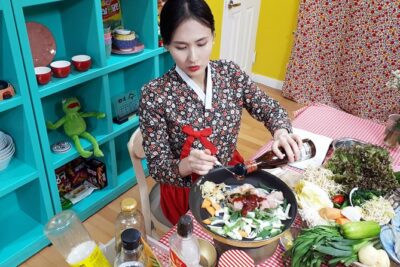
Local Home Korean Cooking Class & Market Adventure in Seoul
Read our review →
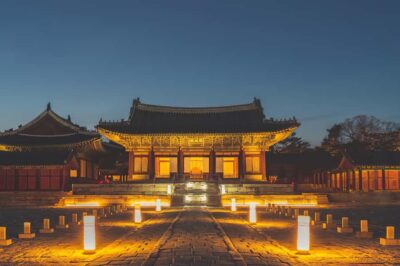
Palace, Temple and Market Guided Foodie Tour at Night
Read our review →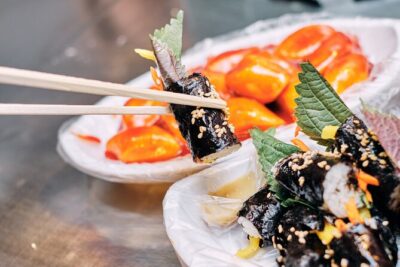
Downtown Seoul Guided Food & Market Tour with 8+ Local Tastings
Read our review →
Korean Cooking Class at a Local Home and Market Tour
Read our review →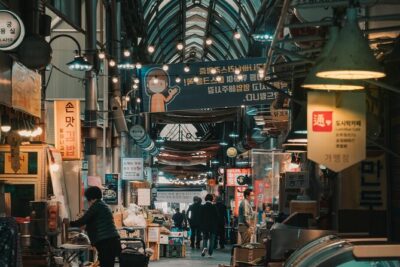
Seoul Night Palace & Market Food Tour with Vehicle
Read our review →
Cook 3 Authentic Korean Dishes with Local Market Tour
Read our review →Browse the lists this tour appears in