
Reviewed · COOKING CLASSES
Korean Premium & Original Cooking Class Experience in Hanok
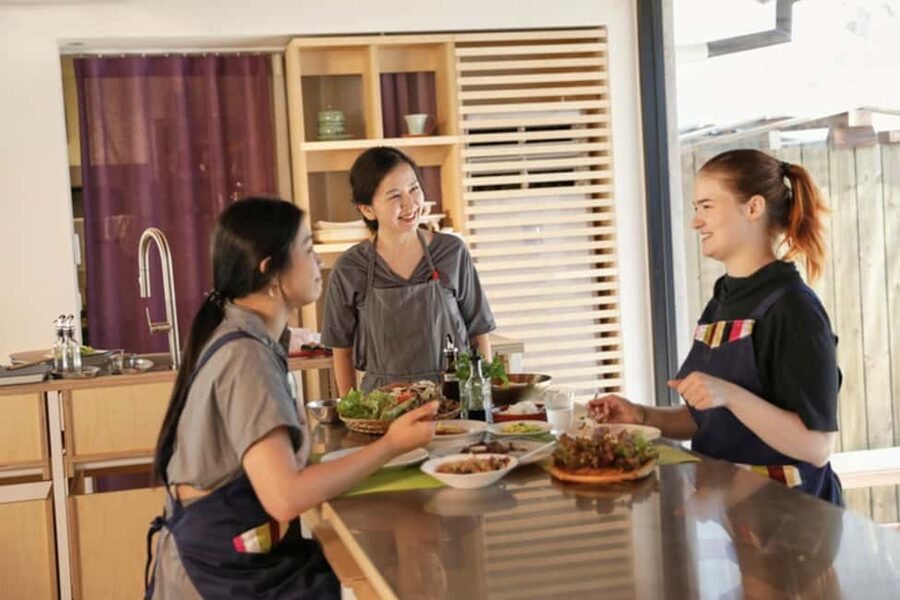
A Korean cooking class inside a renovated modern hanok in Bukchon is interesting because it mixes two things tourists often chase separately: atmosphere and food skills. I love that you do hands-on cooking with provided ingredients, not just watch. I also love the focus on Korean home-meal technique, so the dishes make sense beyond being “pretty food.”
This is also a good length for a busy Seoul day. It’s 2 hours, English live guidance, and you leave with recipes so you can repeat it at home. One possible drawback to plan for is that the classroom can feel cold when you first arrive, so bring a light layer.
Key highlights at a glance
- Renovated hanok kitchen in Bukchon: traditional setting, practical modern cooking space
- You cook your own dishes: ingredients provided, chef guidance while you work
- Bibimbap skill-building: learn how the bowl comes together for texture and balance
- Second dish from the classics: often Jeyuk-bokkeum, Japchae, or Bulgogi depending on your class setup
- Diet options welcome: you can customize for different dietary needs if you communicate them
- English help from the chef: live instruction, plus recipe support afterward
Why a Bukchon hanok cooking class feels different from a restaurant meal
If your only Seoul food plan is eating, you miss a big part of the story. Cooking classes turn food into technique. You learn what matters, like how rice bowls get layered, how sauces cling, and how cooks keep vegetables flavorful instead of soggy.
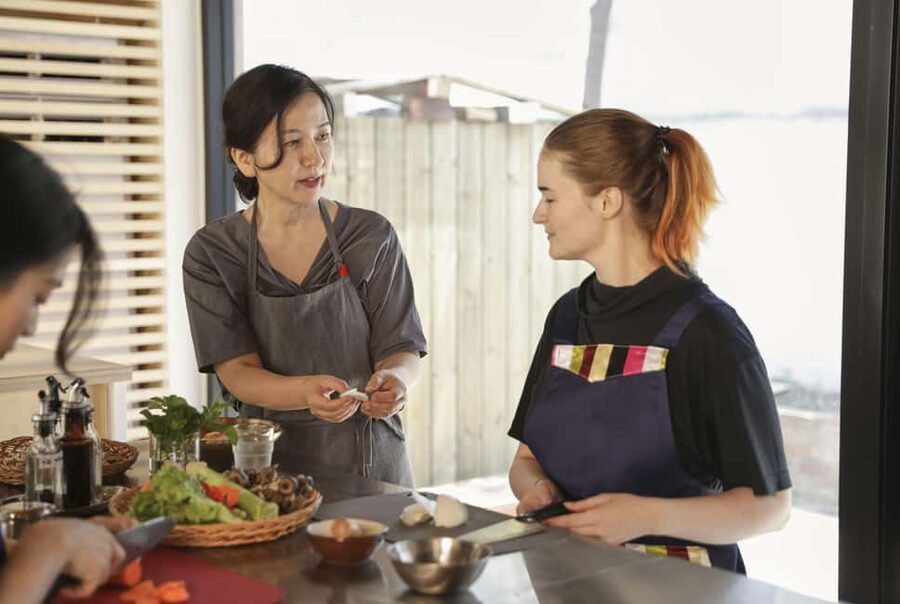
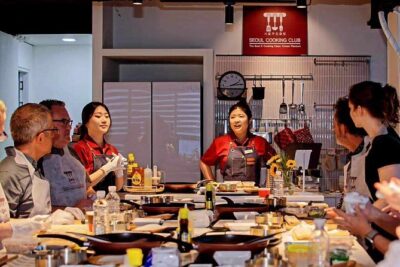
Here, the setting helps you pay attention. The studio is in the Bukchon area, inside a recently renovated modern hanok. That means you get traditional Korean mood, but the kitchen feels built for learning. Instead of standing around with a lecture voice in the background, you’re at your own station and working through the steps as the chef demonstrates.
The other “feel” difference is pace. A restaurant has a tempo you can’t control. In class, you can ask questions while you’re doing the work. That matters for Korean dishes where timing and prep steps affect the final bite.
More Workshops in Seoul
- Local Home Korean Cooking Class & Market Adventure in Seoul
★ 5.0 · 1,024 reviews - Seoul: Korean Cooking Class at a Local Home and Market Tour
★ 5.0 · 348 reviews - Yongpyong Ski Resort from Seoul with Optional Lesson and Packages
★ 5.0 · 217 reviews
From O’ngo Food Communications to your working kitchen in Bukchon
Your class starts at O’ngo Food Communications, at 137-11 Bukchon-ro, Jongno-gu, Seoul. You’ll meet there and then be directed to the cooking space in the Bukchon area, where the lesson happens.
Why this matters: Bukchon is not the easiest place to navigate if you’re already tired. Meeting at a specific address helps you avoid the “where do we actually go” stress. Plan to arrive a few minutes early so you can get settled, find your tools, and start warm.
Also, do yourself a favor and dress for indoor temperature. One common note from past participants is that the classroom can be freezing when you arrive. It’s not a deal-breaker, but it can make the first part of the session feel longer than it should. A light sweater or layer is an easy fix.
Your 2-hour flow: what you’ll do in class
This is a 2-hour experience, guided in English by a live tour guide or chef instructor. The structure is straightforward:
- Brief intro and dish planning
You’ll get context about Korean food culture and how home meals are prepared. This isn’t just trivia, it’s practical framing for why the recipes are built the way they are.
- Hands-on cooking at your station
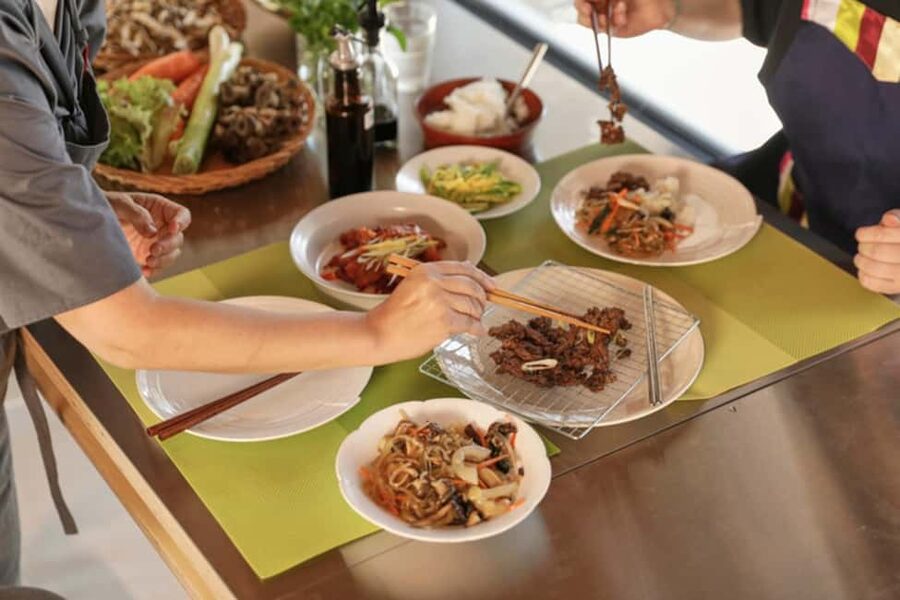
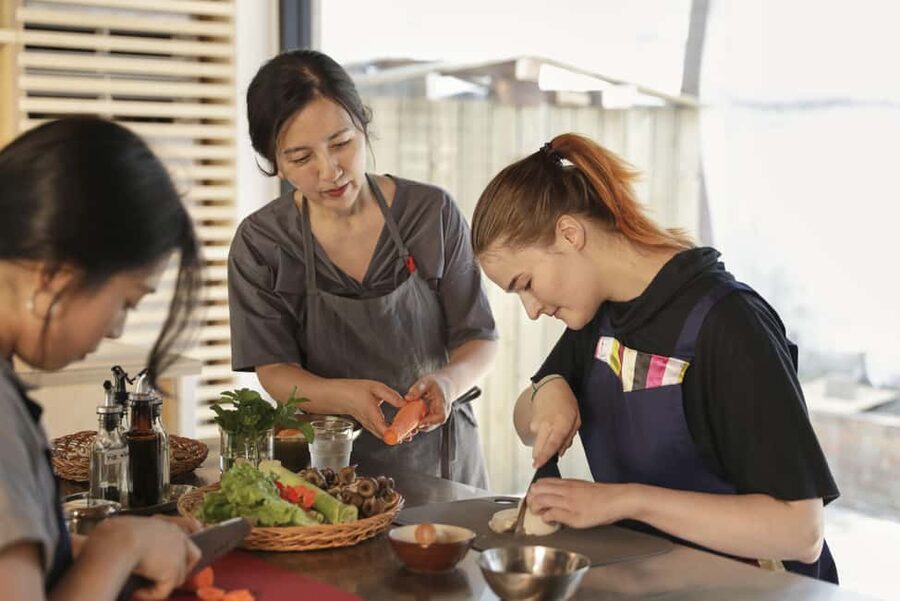
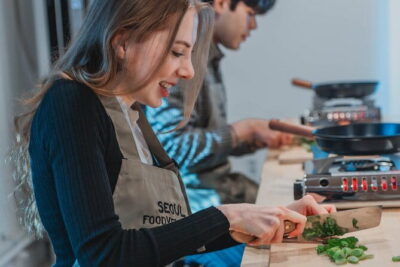
Each participant prepares their own dishes. That means you’re not sharing one cutting board and hoping it all goes to plan. You’re working with provided ingredients, guided by the chef.
- Cook, taste, adjust
You’ll create and taste your two Korean dishes. Taste is part of the lesson, so you learn what to fix next time, like seasoning balance or texture.
- Take-home recipes
You’ll receive recipes afterward. That’s the secret to getting value out of a cooking class, because you can recreate the dishes without relying on memory.
The overall vibe is small-group friendly. A smaller group makes it easier to get help at the exact moment you need it, especially if you’re new to Korean cooking techniques.
Bibimbap workshop: building a bowl with balance, not just ingredients
Bibimbap is one of Korea’s best-known dishes for a reason. It’s a rice bowl where every component has a job: warm rice, seasoned vegetables, and a topping that turns the bowl into a complete meal.
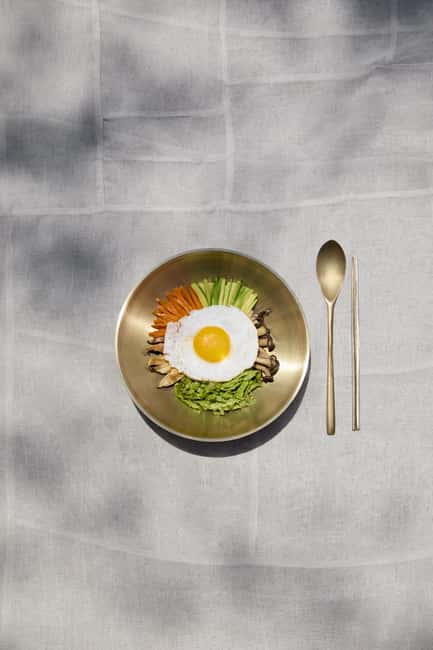
In this class, you’ll master the art of Bibimbap. Expect a classic approach that includes rice topped with seasonal vegetables that are cooked, plus a sunny-side-up fried egg. The vegetables aren’t random. They’re chosen to give the bowl contrast in color, crunch or softness, and flavor.
Here’s what you’re really learning beyond “put stuff on rice”:
- Layering for texture
You’re taught how to build the bowl so vegetables stay distinct rather than turning into one mixed mush.
- Seasoning basics
Korean dishes often rely on seasoning and sauce balance. When you cook the components, you see how a small change can shift the whole bowl.
- A mix-and-eat step
Bibimbap is meant to be mixed. You’ll taste as you go, so you learn the right moment to combine.
Why this is valuable: once you understand how a Bibimbap bowl is assembled, you can adapt it. Different seasons mean different vegetables, and your own fridge can become an ingredient list. The class helps you see the logic, which is what makes home repetition realistic.
More Cooking Classes in Seoul
- Master Korean traditional cooking with a Kimchi chef
★ 5.0 · 385 reviews - Seoul: Korean Cooking at Seoul Cooking Club!
★ 5.0 · 311 reviews - Korean Cooking at Seoul Cooking Club
★ 5.0 · 220 reviews - Experience Korean Cooking in Modern Hanok Kitchen
★ 5.0 · 118 reviews
Your second dish choices: Jeyuk-bokkeum, Japchae, or Bulgogi
The class includes two dishes total, and your second one comes from the Korean classics covered in the experience. The common lineup includes Jeyuk-bokkeum (spicy pork barbecue), Japchae (glass noodle vegetable dish), or Bulgogi (marinated beef).
Because the class is designed with customization in mind, your diet needs can affect what you cook. If you have allergies or dietary restrictions, you’ll want to tell the organizers before you go so they can adjust ingredients appropriately.
Jeyuk-bokkeum: spicy pork barbecue with gochujang flavor
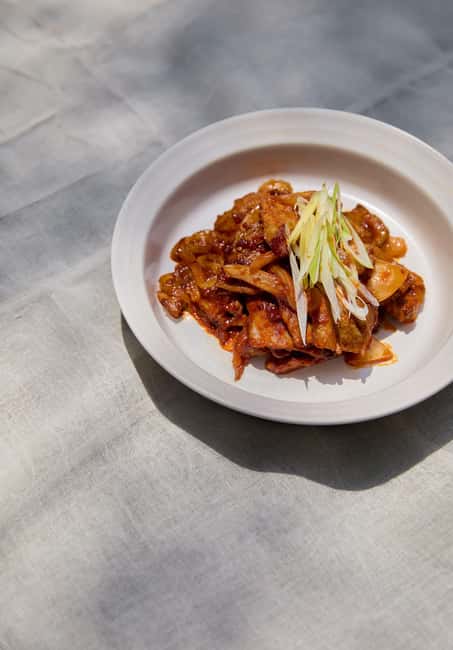
If you choose the spicy route, Jeyuk-bokkeum is usually the crowd favorite. It’s marinated pork barbecue seasoned with a special gochujang sauce. This dish teaches you something important about Korean flavors: heat is only one part. Sweet, savory, and tang also show up through the sauce balance.
In class, you’ll work through the steps to make your own version. The learning comes from seeing how the sauce coats and clings, so every bite tastes like it belongs together.
Japchae: a non-spicy noodle and vegetable favorite
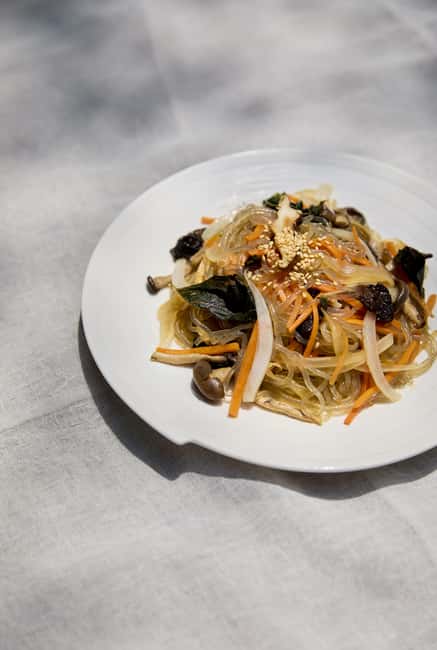
Japchae is a great pick if you want something milder. It’s a mix of vegetables cooked and combined with glass noodles to create a salad-like dish. The emphasis is on texture, especially the slippery chew of the noodles and the bite of vegetables.
This dish teaches you how to handle noodles so they feel springy, not heavy. It also reinforces seasoning technique, since Japchae still needs flavor without relying on spice.
Bulgogi: Korea’s classic marinated beef
Bulgogi is often called Korea’s national dish, and the core idea is simple: thinly sliced prime beef marinated in a soy, sesame, and garlic blend. That combination is a masterclass in comfort food flavor.
In class, you’ll get to see how marinade components work together. Soy brings depth, sesame adds a nutty aroma, and garlic delivers that unmistakable savory punch. When you taste your finished Bulgogi, you’ll understand why it’s so popular for home meals.
Chef-led instruction that actually answers the practical questions
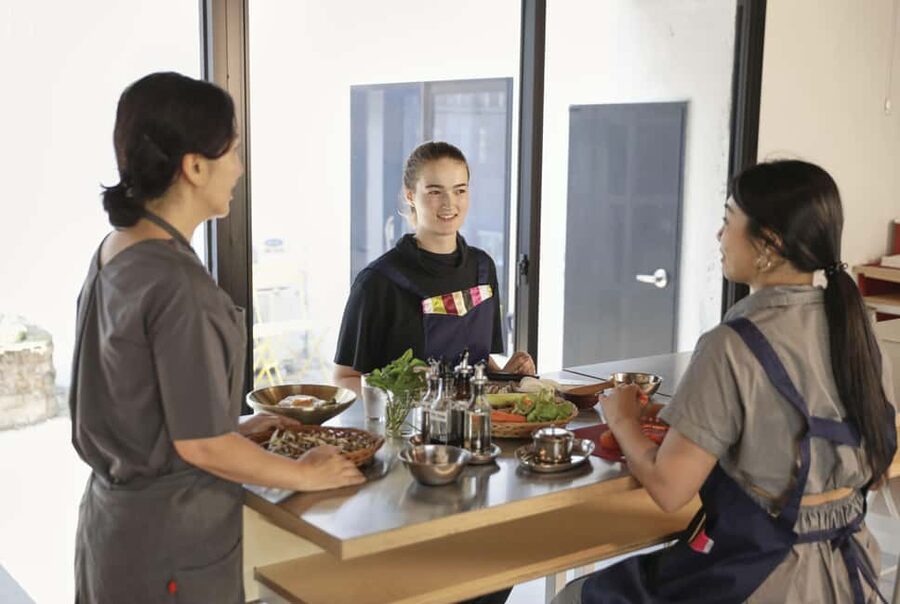
The experience is led by a professional chef, and in at least some sessions the chef is named Jia. The instruction style is precise and organized, with clear directions that help you follow along even if Korean cooking isn’t your strong suit.
What I like about chef-led classes like this is the “why” behind the “how.” You’re not only told what to do, you get background about Korean food culture and how people prepare home meals. That context makes it easier to troubleshoot when something looks or tastes slightly off.
A small plus from past participants: Jia also shared helpful suggestions for places to visit around Seoul. That turns the class into more than cooking, it becomes part of your trip planning.
Diet options and allergy planning, done the right way
Korean food can be easy to adapt, but only if you plan ahead. This class asks you to let them know about dietary restrictions and allergies. It also mentions private and customized classes are available by request, which is useful if you want a more controlled menu.
How to use this info:
- If you’re vegetarian, vegan, gluten-free, or avoiding specific ingredients, message the organizers ahead of time.
- List allergies clearly, especially for common ingredients that show up in sauces.
This matters because the class is hands-on. When ingredients are swapped or adjusted, it changes the cooking steps you’ll do. Planning ahead protects both your comfort and your final dish.
Price and value: is $84 for two dishes worth it?
At $84 per person for a 2-hour, chef-led, hands-on class, the value depends on what you want from your Seoul food day.
Here’s what you get that pushes the price toward “worth it”:
- You cook your own dishes, not just one-person demonstration.
- You learn technique for two classic Korean dishes, including Bibimbap fundamentals.
- Recipes afterward give you a practical take-home tool.
- English live guidance means you can ask questions without guessing.
- The studio setting is in a modern hanok in Bukchon, adding a real sense of place.
What you should be aware of:
- You’re cooking two dishes, not a full buffet of Korean classics. If you want a wide menu sampler, this may feel narrower than a longer multi-course class.
- If you want a purely casual experience with minimal effort, cooking actively might not match your style.
For most food-first travelers, though, this price often feels reasonable because you’re paying for ingredients, chef time, and the fact that you leave with a skill you can repeat.
Who this cooking class suits best
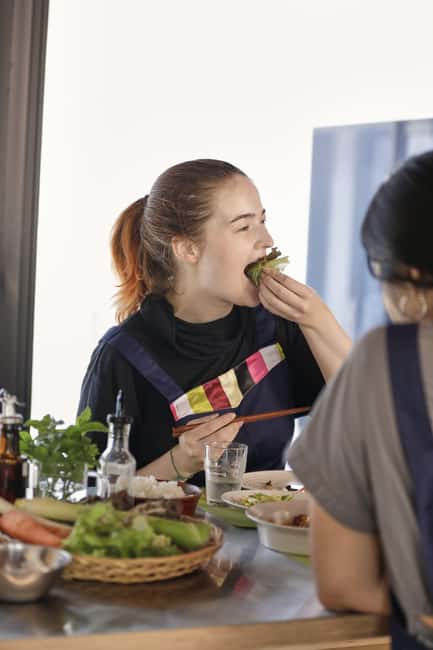
You’ll probably love this class if you:
- Want a hands-on Seoul food experience instead of another meal reservation
- Are curious about classic Korean flavors like gochujang, sesame, garlic, and glass noodles
- Like structured guidance, especially if you’re a beginner
- Want something manageable in time, 2 hours, while still feeling like you did something real
You might want to skip or consider a different option if:
- You hate cooking or prefer only tasting
- You need a warm indoor environment and would rather not dress for cold rooms
- You want more than two dishes in one session
Should you book this Korean hanok cooking class?
Book it if you want a practical, skill-focused Seoul food experience that happens in a real Korean setting. The combo of Bibimbap technique plus a second classic like Jeyuk-bokkeum, Japchae, or Bulgogi gives you variety without chaos. Add chef-led English instruction, recipe take-home support, and a small-group feel, and it’s a strong use of your time.
Before you go, do two things. First, check what dishes your specific session includes so you know you’re planning for two dishes total. Second, pack a light layer for the start of class, since the room can be cold when you first arrive.
If you’re building a Seoul itinerary around food, this is one of those activities that upgrades your trip and your future cooking.
FAQ
What is the duration of the cooking class?
The class runs for 2 hours. Starting times vary, so check availability for the time that fits your schedule.
How many dishes will I cook?
You will cook two Korean dishes during the experience.
Where does the class meet?
The meeting point is O’ngo Food Communications, 137-11 Bukchon-ro, Jongno-gu Seoul.
Will the class be in English?
Yes. The experience includes an English live tour guide.
Are dietary restrictions and allergies accommodated?
You should let the organizers know about dietary restrictions or allergies. The experience mentions customized options are available for different diet needs.
Is this class spicy?
The experience includes dishes with different spice levels. Japchae is described as non-spicy, while Jeyuk-bokkeum is a spicy pork dish.
What is the cancellation policy?
Free cancellation is available up to 24 hours in advance for a full refund.
Recently reviewed in Seoul
- Seoul City Private Tour (Optional layover)★ 5.0 · 3 reviews
- Korean Folk Village & Suwon Hwaseong Fortress Private Tour★ 5.0 · 3 reviews
- 5D4N Korea Cultural Heritage immersion Private Tour★ 5.0 · 3 reviews
- War Memorial, Jogyesa Temple & Tapgol Park Tour in Seoul★ 4.5 · 3 reviews
- Full Day Private Seoul Tour for foodies★ 5.0 · 3 reviews
- Private Tour : Royal Palace & Traditional Villages wearing Hanbok★ 5.0 · 3 reviews
- Nami Island & Nearby Attractions : Charter Van Tour With Driver★ 4.0 · 3 reviews
- K-Pop Tour★ 3.5 · 3 reviews
Cooking Classes, compared.
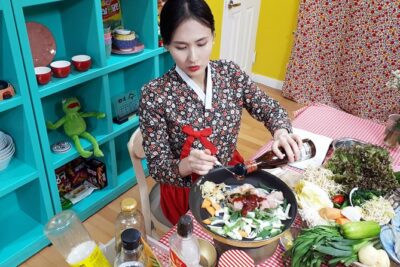
Local Home Korean Cooking Class & Market Adventure in Seoul
Read our review →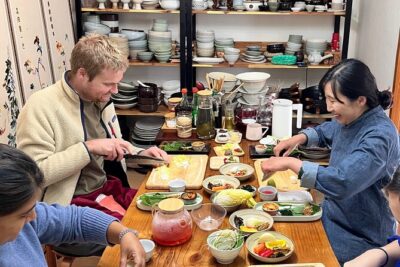
Master Korean traditional cooking with a Kimchi chef
Read our review →
Korean Cooking Class at a Local Home and Market Tour
Read our review →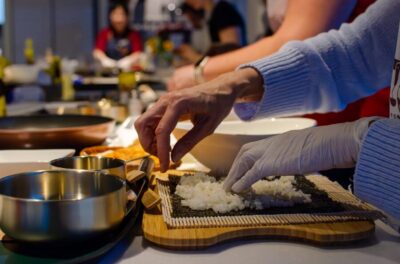
Korean Cooking Class with Grocery Shopping at Seoul Local Market
Read our review →
Taste of Korea, Authentic home style Cooking class
Read our review →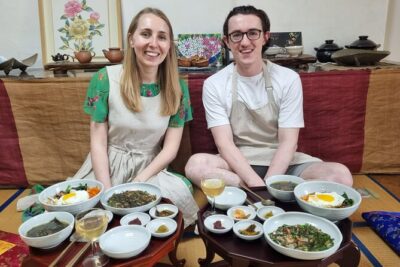
Browse the lists this tour appears in