Reviewed · SEOUL TOURS
Handmade Noodles with Korean Grandma
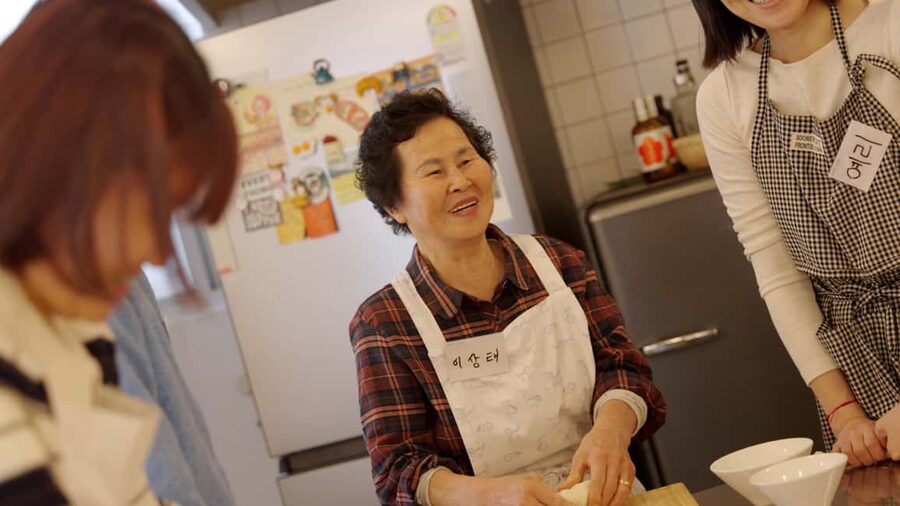
What makes Handmade Noodles with Korean Grandma so interesting is the setting and the person you cook with. You are not just following steps in a room full of strangers, you’re learning Korean noodle-making from a Halmoni in a cozy, private kitchen, with real stories along the way. I especially love how hands-on it is, from kneading dough to cutting noodles, and how the experience aims to feel like family, not a performance.
The main thing to consider is that this is a small-group cooking class with time in someone’s home kitchen. If you prefer very structured, fast-paced activities, or you are sensitive to sharing a meal and conversation in a personal setting, this may feel a little more intimate than you expect.
Key Things to Know Before You Go
- Knife-cut kalguksu from scratch, including dough work and cutting noodles by hand
- Halmoni-led storytelling, so you’re eating tradition, not just learning recipes
- Small group up to 8, which keeps the class personal and practical
- English live guide support, with team members like Miki and Yuwon helping keep everything clear
- Dietary flexibility, including vegetarian and vegan-friendly approaches when you request them
- Meal and beverages included, with the option to toast with makgeolli
Why This Kalguksu Class Feels Like Cultural Cooking, Not a Script
Kalguksu is one of those Korean comfort foods that tastes simple until you try to make it yourself. That is exactly why this class works. You start with basics, you work with your hands, and the finished bowl becomes the payoff. The difference here is that you are not learning from a cookbook mindset. You learn from a grandma, and you hear why the dish matters.
A big part of your enjoyment comes from the people. In the sessions I read about, the experience centers on Halmoni, with the cooking guided and explained in English by a host team that includes names like Miki and Yuwon. You also may spend time chatting with other helpers such as Jae and Yeri, which makes the evening feel like a real dinner with a lot of laughs, not a classroom.
You can also expect the tone to be warm and unforced. One theme shows up again and again: the English support is clear, the pace is friendly, and the group gets plenty of time to cook and eat. That matters, because noodle work rewards patience. If you want the kind of experience where you can ask questions without feeling rushed, this fits well.
A few more Seoul days side by side
- Best DMZ Tour Korea from Seoul (Red Suspension Bridge Optional)
★ 5.0 · 41,422 reviews - DMZ Tour: 3rd Tunnel, Option(Suspension Bridge, Boat) from Seoul
★ 5.0 · 21,373 reviews - DMZ tour south Korea from Seoul (NK experience hall, defector)
★ 5.0 · 20,599 reviews
Entering the Private Kitchen: Where the Experience Starts
The activity begins at a meeting point in Seoul, at 2F, 53-9, Tojeong-ro, Mapo-gu. Plan to arrive a few minutes early so you can check in without stress. Since this is a small group, you do not want to be the person who holds up everyone else.
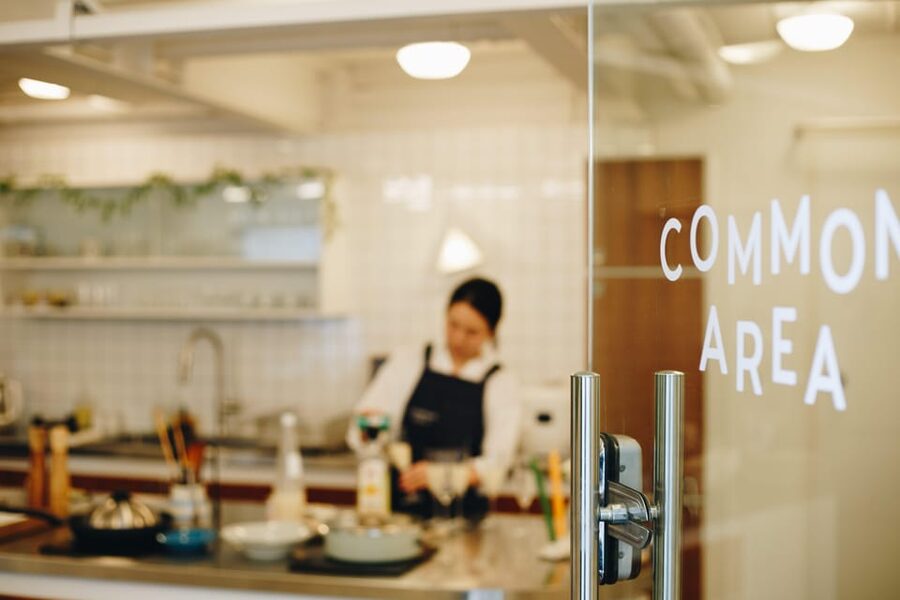
From there, you head to the cooking location in Gyeonggi Province for the main event. Even without a long travel saga, it helps to think of this day as an evening meal experience with a cooking kickoff. You are not going to a huge public venue. This is a private kitchen moment, which shapes everything about the class: you’ll likely feel more comfortable asking for help, and you will see how the workspace is arranged for real food prep.
Once you’re in, the class setup pushes you into the experience right away. You do not just watch. You knead, cut, and assemble. That hands-on format is a real value driver, because you leave with muscle memory, not just photos.
How the Hands-On Kalguksu Lesson Actually Unfolds
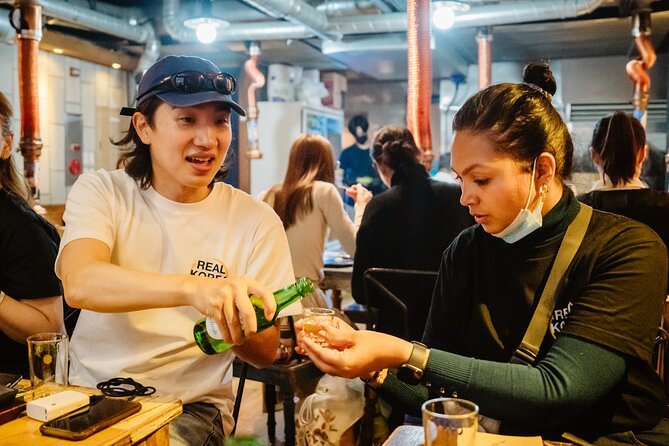
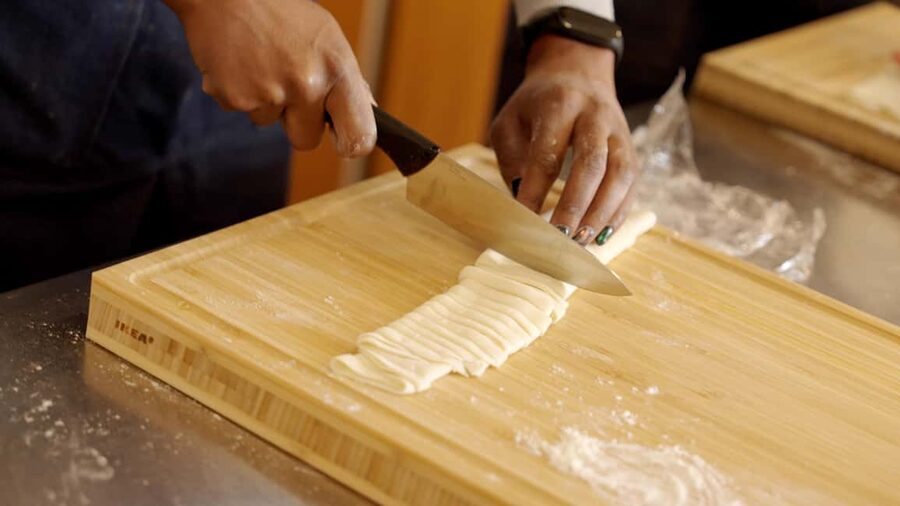
The heart of the class is making Korean knife-cut noodles, known for their uneven, homemade texture and their ability to hold broth and toppings well. You work through the dough process first, then move into cutting the noodles. It’s the kind of cooking that makes you slow down in a good way.
Here’s what the structure feels like in practice:
- Kneading the dough so it comes together properly.
- Cutting the noodles by hand, learning how to shape them for a satisfying bite.
- Topping and assembling so your bowl ends up balanced, warm, and complete.
The class also leans into ingredient quality. The guidance you get is tied to using fresh, local items rather than rushing with shortcuts. That might sound like a promise, but you’ll feel it when you build the bowl yourself. When your hands do the work, the final taste feels personal.
A useful detail: the team is ready to help different skill levels. Even if you’ve never made noodles before, you can participate. The small group size helps here, because you’re not lost in a crowd, and you’re more likely to get quick fixes when you need them.
The Grandma Factor: Stories, Laughter, and Why It Matters
Food traditions can be taught two ways. One is technical. The other is human. This experience leans hard on the human side, with Halmoni sharing heartfelt stories as you cook and eat.
That may sound soft, but it actually changes how you remember the recipe. When someone explains a dish through family routine, seasonal habits, or why a certain comfort food shows up during particular moods, you start cooking for meaning. Then, when you recreate it later at home, you don’t just remember steps. You remember intention.
The vibe is also notably social. In the accounts I read, you sit down together like family after the cooking. Conversation is part of the meal, and the team keeps communication flowing between English and Korean, including small back-and-forth moments that make it feel less like translation and more like shared understanding. That’s a big win if you want culture without needing to be fluent.
One more thing people value: the experience creates social good for older generations. That shows up not as a lecture, but through the simple fact that you are cooking with and supporting a grandma who is sharing skills that might otherwise be missed by younger audiences.
Different day, same base:
- Seoul: The Best DMZ Tour with Optional Suspension Bridge
★ 4.7 · 4,978 reviews - Signature DMZ Tour: Exclusive Defector Talk & Suspension Bridge
★ 5.0 · 4,459 reviews - Thrilling Korean DMZ 3rd Tunnel Tour from Seoul + Red Bridge Rush
★ 5.0 · 3,097 reviews - Seoul: DMZ Tour & Suspension Bridge (Option English/Spanish)
★ 4.9 · 2,628 reviews
Your Meal, Beverages, and a Possible Makgeolli Toast
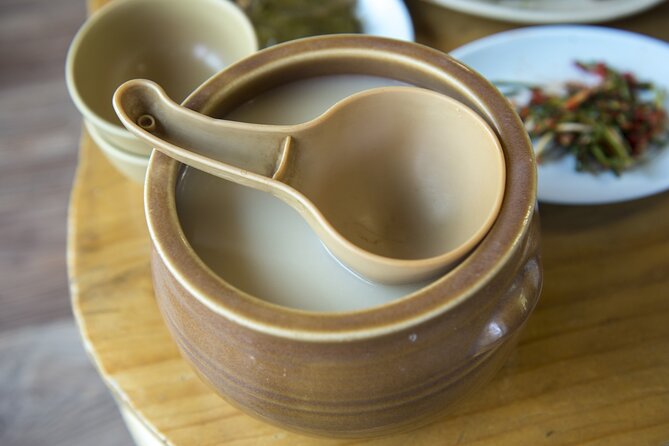
After the noodle work, you eat what you made. The meal is included, and so are beverages. In some sessions, you may even toast with makgeolli, Korea’s milky rice drink, which adds to the dinner-party feeling.
This part of the experience is where the cooking class earns its keep. You get to compare your effort to a shared table. If a noodle batch turns out slightly different than you hoped, you learn without wasting food, because everyone is eating together. That kind of setup keeps the mood light.
Also, the food served is not just a random add-on. It connects directly to what you made in the kitchen, so your meal is cohesive. You’re not paying for a “cooking demo plus paperwork.” You’re paying for an actual dinner you helped create.
Dietary Restrictions: How This Class Handles Different Needs
One of the most practical strengths here is that the class is designed to be accommodating. The experience is described as tailored for dietary preferences, including vegan and gluten-free options. That matters because noodle cooking can easily become complicated if someone has restrictions.
In real terms, this means you should plan to communicate your needs clearly before the class. If you are vegetarian, one past participant specifically noted that a vegetarian option was no problem. If you are avoiding gluten, you should mention it early so the kitchen can plan appropriately.
My advice: treat this like any good cooking experience. List what you can eat, list what you cannot, and include any allergy concerns. You’ll get a better outcome, and the team can adjust the toppings and ingredients around your preferences.
Duration, Group Size, and Scheduling Reality
The class runs about 2.5 hours, and the available start times depend on the day. You will want to check your schedule carefully, especially if you’re using this as your first evening in Korea. Past feedback described it as an excellent start to a trip, and the reason is simple: you get an immediate taste of Korean home-style cooking and culture without needing a huge time commitment.
Group size is limited to 8 participants, which is key. In a small group, you can ask questions, get hands-on assistance, and still have time to eat comfortably. This is not a large-tour situation where you cook one tiny part and then wait.
If you’re the type who likes to map the day, build in a little buffer at the meeting point. Private-kitchen classes run on a human timetable, not a factory schedule. Arriving calm helps you enjoy the cooking process rather than watching the clock.
Price and Value: Is $68 Worth It?
At $68 per person, the price is not “budget class” territory. But value in cooking experiences is not only about the meal. It’s about what you learn, how hands-on the teaching is, and how personally the evening is managed.
Here’s why this can feel worth it:
- You learn a core Korean dish technique, knife-cut noodles, with real instruction for each step.
- You cook in a small group with a Halmoni and an English guide, so attention is actually distributed.
- Your meal and beverages are included, turning the experience into a full dinner evening rather than a snack stop.
- The class offers dietary accommodation, which can be hard to find in cooking settings that focus on one fixed menu.
Where the cost might feel steep is if you only want a quick food taste or you’re uninterested in the cooking process. If your goal is mainly to eat Korean food, a market tasting might be cheaper. But if your goal is to leave with a skill you can repeat later, the price starts to make sense.
Who This Is Best For (and Who Might Skip It)
This class is ideal if you:
- Want hands-on Korean cooking, not just observing
- Enjoy talking with locals and hearing food stories
- Care about dietary flexibility and want an experience that can adjust
- Plan to cook at home and want to learn a real technique, like knife-cut noodles
You might skip it if you:
- Want a very detached, tourist-style activity where conversation is minimal
- Get uncomfortable in a home-like setting where the meal includes shared interaction
- Prefer fast, high-volume experiences with lots of different sights in a single day
Quick Booking Call: Should You Book This Noodle Class?
Book it if you want a memorable Korean food experience that feels personal, skill-based, and warm. The combination of Halmoni-led teaching, a small group, and the chance to make kalguksu from scratch gives you more than a meal. You get a story, a technique, and a table moment.
Skip it if you’re chasing only photo-friendly food stops. This is about time spent cooking and eating together, not about ticking boxes.
If you do book, send your dietary needs ahead of time and keep your expectations realistic: you are learning noodles with your hands, so it’s part work, part conversation, and part dinner.
FAQ
Where is the meeting point?
The class starts at 2F, 53-9, Tojeong-ro, Mapo-gu, Seoul, Republic of Korea.
How long does the experience last?
The duration is listed as 2.5 hours. Starting times vary, so check availability.
What will I be cooking?
You will make Korean knife-cut noodles (Kalguksu) from scratch, including kneading the dough, cutting the noodles, and adding toppings.
Is there an English guide?
Yes. The experience includes a live tour guide in English.
Is it a small group?
Yes. It is limited to 8 participants.
Can the class handle dietary restrictions?
Yes. It is described as welcoming all dietary preferences, including vegan and gluten-free options.
Are meals and drinks included?
Yes. The meal and beverages are included.
What is the cancellation policy?
You can cancel up to 24 hours in advance for a full refund.
Can I reserve and pay later?
Yes. You can reserve your spot and pay later.
Should I book this Handmade Noodles with a Korean Grandma class?
If you want a hands-on Korean cooking lesson with a small group, English guidance, and a real sit-down meal afterward, this is a strong pick. The key decision point is whether you want to learn noodle-making from scratch, with conversation and story time as part of the experience.
Recently reviewed in Seoul
- Seoul City Private Tour (Optional layover)★ 5.0 · 3 reviews
- Korean Folk Village & Suwon Hwaseong Fortress Private Tour★ 5.0 · 3 reviews
- 5D4N Korea Cultural Heritage immersion Private Tour★ 5.0 · 3 reviews
- War Memorial, Jogyesa Temple & Tapgol Park Tour in Seoul★ 4.5 · 3 reviews
- Full Day Private Seoul Tour for foodies★ 5.0 · 3 reviews
- Private Tour : Royal Palace & Traditional Villages wearing Hanbok★ 5.0 · 3 reviews
- Nami Island & Nearby Attractions : Charter Van Tour With Driver★ 4.0 · 3 reviews
- K-Pop Tour★ 3.5 · 3 reviews
Seoul Tours, compared.
Best DMZ Tour Korea from Seoul (Red Suspension Bridge Optional)
Read our review →
DMZ Tour: 3rd Tunnel, Option(Suspension Bridge, Boat) from Seoul
Read our review →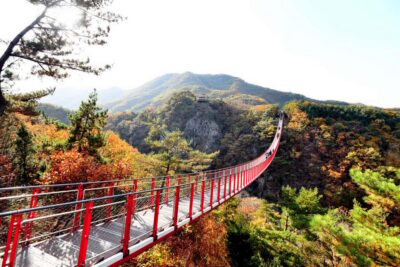
The Best DMZ Tour with Optional Suspension Bridge
Read our review →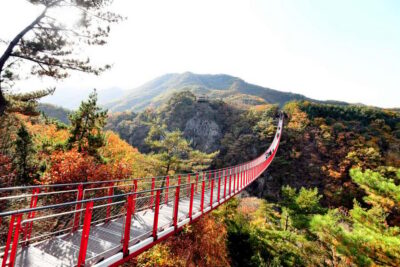

Thrilling Korean DMZ 3rd Tunnel Tour from Seoul + Red Bridge Rush
Read our review →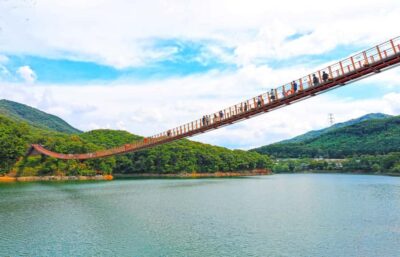
DMZ Tour & Suspension Bridge (Option English/Spanish)
Read our review →
DMZ Past and Present: Korean Demilitarized Zone Tour from Seoul
Read our review →