
Reviewed · BUSAN BEACHES
Busan: Haeundae 100-Minute Walking Tour
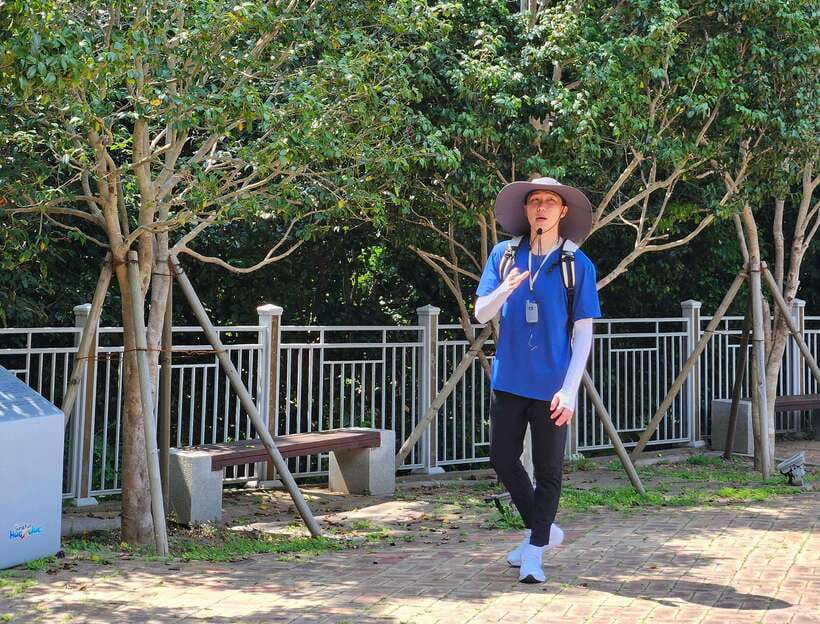
Haeundae is a beach day for most people, but this walking tour makes it feel like a timeline, with stories that explain how Busan grew into what you see today. I like the way Kim Ingyu leads the walk with clear English and sharp storytelling, so the history lands fast, not as a lecture.
I also like that you don’t just stare at views. You walk through the former Haeundae Station area and hear how the rail line, hot spring culture, and the Korean War reshaped this coastline. One caution: it’s an easy walk overall, but there’s a hill (about 50 meters) and roughly 2 kilometers of walking, so bring water and plan for sun.
Key Things You’ll Love on This Haeundae Walk

- Former Haeundae Station and the Donghae-Nambu Line story, including how the railway era connects to today’s attractions
- Gunam-ro and Gunam Oncheon, Korea’s only seaside hot spring, and why royalty mattered here
- Haeundae Beach after the Korean War, including how the shoreline became tied to U.S. military presence
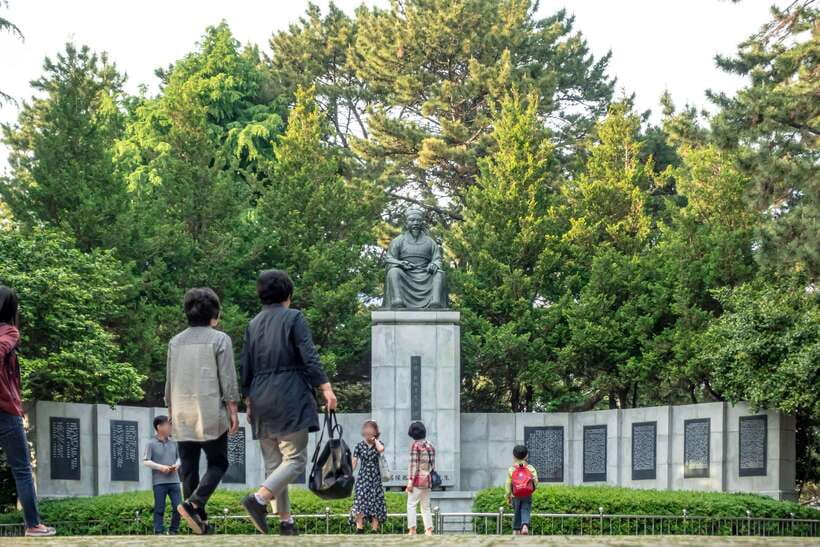
- Dongbaek Island and Choi Chi-Won, the scholar linked to the name Haeundae, plus calm coastal views
- Small-group feel with a real guide, often making it easy to ask questions and slow down where you care
Haeundae’s Backstory Turns a Beach Stroll Into a Busan Orientation

If you’re only planning on beach photos, Haeundae can feel like a pretty loop. This tour changes that. In about 90 minutes, you connect the modern waterfront you recognize to the older layers beneath it: rail, baths, war, and scholarship.
I like this approach because it gives you context you can reuse all week in Busan. When you later pass the skyline, you’ll know the earlier reasons people came here, and how the coastline kept changing.
More of the Busan beaches:
- Busan: Gamcheon Village and Haeundae Blueline Park Tour
★ 4.8 · 374 reviews - Korean cooking class in Haeundae, Busan
★ 5.0 · 92 reviews - Busan: Haeundae LCT Tower ‘X the Sky’ Entry Ticket
★ 4.7 · 23 reviews
Starting at the Old Haeundae Station Area: Where the Railway Changes Everything
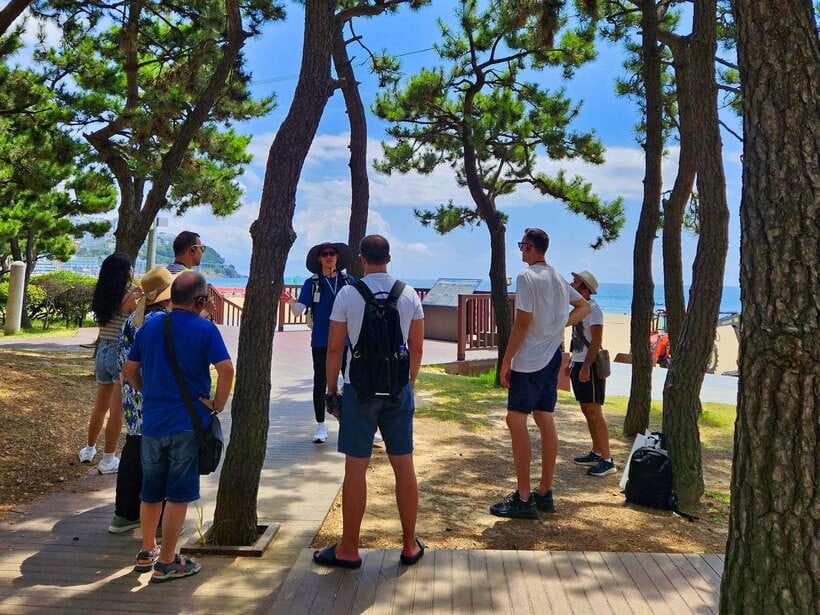
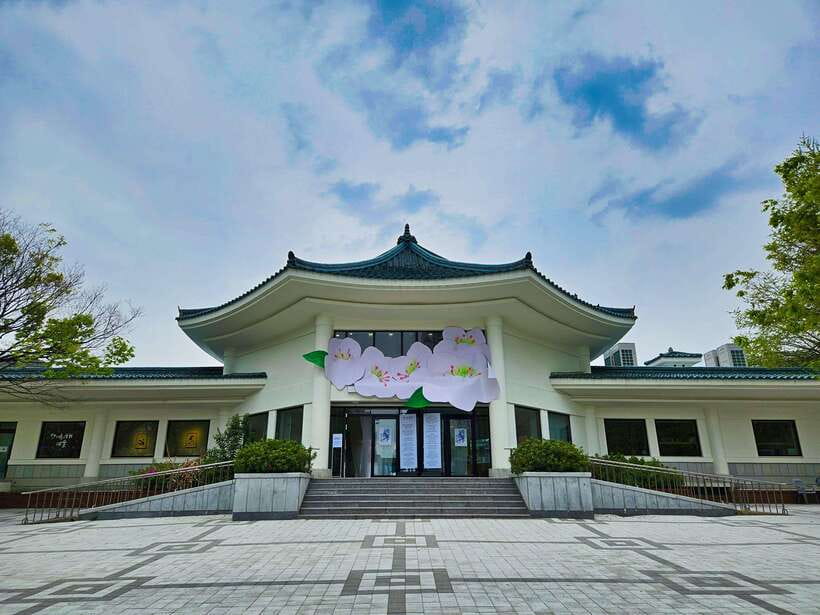
The tour begins at the former Haeundae Station area, at the plaza by Exit 4 of Haeundae Station (Line 2). When you come out, look for the meeting spot and a guide holding a flag. The first stop focuses on the station’s role during the Japanese colonial period and how the Donghae-Nambu railway helped shape Haeundae’s path toward becoming a destination.
This matters because rail is how places scale up. A hot spring retreat and coastal village becomes a place with visitors, jobs, and steady movement once trains link it to the rest of Korea. You’ll hear how that rail history still shows up indirectly in what you can see and do now.
You also spend time at Haeundae Atelier Chik Chik Pok Pok, the old-station area experience that ties past and present together. Even if you’re not a “museum person,” this stop works because it turns local infrastructure into story. You get a sense of what used to be here, and why the modern coastal entertainment zone feels the way it does.
Practical note: early in the walk, you’ll get your bearings fast. If you want to explore on your own after, this start helps you map Haeundae in your head, not just your phone.
Gunam-ro and Gunam Oncheon: Seaside Steam, Social Life, and Royal Taste
Next you head along Gunam-ro, one of the main streets that carries Haeundae’s daily life. This segment is short, but the story is specific: Gunam-ro traces back to Gunam Oncheon, Korea’s only seaside hot spring.
The tour explains why that mattered culturally. When hot springs are rare, people treat them like places with status and routine. Here, it wasn’t only ordinary visitors, it was also associated with Korean royalty. That detail helps you understand why an area like this could evolve beyond fishing and into something more destination-like.
I like this stop because it’s not abstract. You’ll learn what the hot spring era meant for how people socialized, came and went, and built a local identity around the coast. It also gives you a useful lens for Busan: the city didn’t become a “tourism” brand overnight, it grew out of lived patterns, especially around water.
If you’re wondering what to look for while you walk, it’s the street feel and the sense of movement along the seafront corridor. Even when today’s storefronts are modern, the tour helps you see how the old reasons for gathering still shape the layout.
Haeundae Beach and the Korean War: Understanding North-South Ties on the Coast
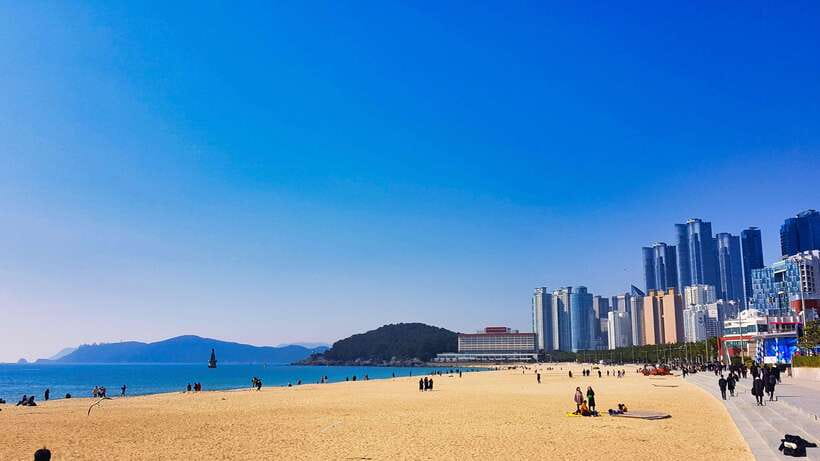
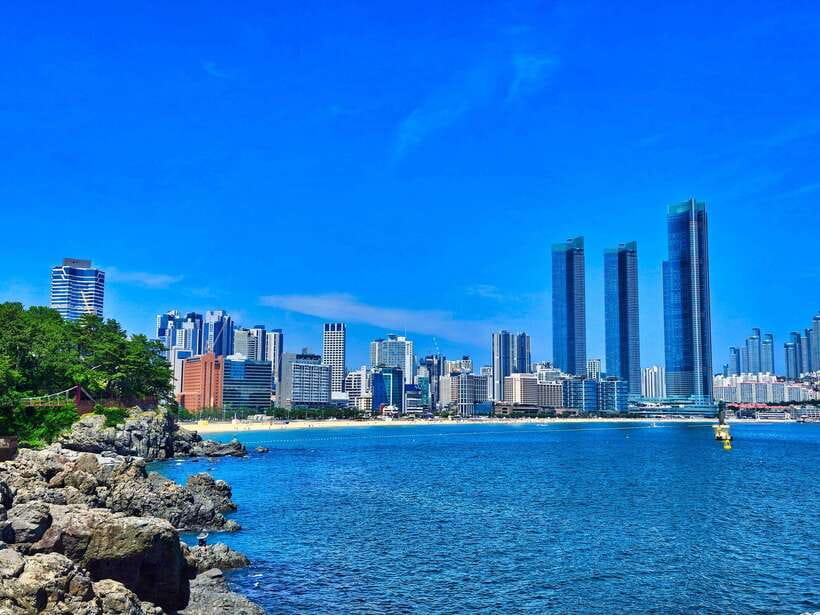
Now you’ll reach Haeundae Beach, and the guide uses the shoreline as the anchor for a heavier chapter of Korean history. The key point is the beach’s significance during the Korean War, including how it became a U.S. military base after the fighting.
This part is valuable for a simple reason: it connects a place you’ve probably heard of to a real political turning point. You’ll also understand the broader relationship between South and North Korea and how those tensions affected daily life and development patterns in the area.
I appreciate that the tour doesn’t treat history like a distant textbook topic. It frames how a coastline can shift roles quickly, and how that affects local development over time. When you stand on the beach afterward, you’ll likely feel a little more grounded, because you know what the space once meant to people living through it.
If you’re sensitive to heavy topics, give yourself permission to take breaks. The walk pace is gentle, and there are calm moments built in as you move toward the next segment.
More Walking Tours in Busan
- Busan: Day Trip with Gamcheon Culture Village and Sky Walk
★ 4.8 · 32 reviews - Real Busan Walking Experience
★ 5.0 · 27 reviews - Busan Private Walking Tour with a Local
★ 4.5 · 11 reviews - Busan: Jagalchi Market & Gamcheon village Walking Tour
★ 5.0 · 7 reviews
Dongbaek Island and Choi Chi-Won: The Name Haeundae Isn’t Random
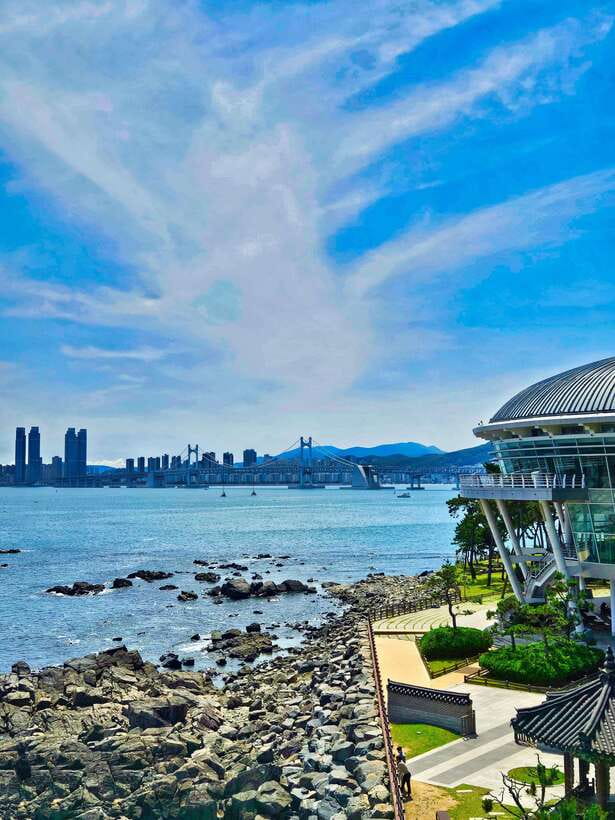
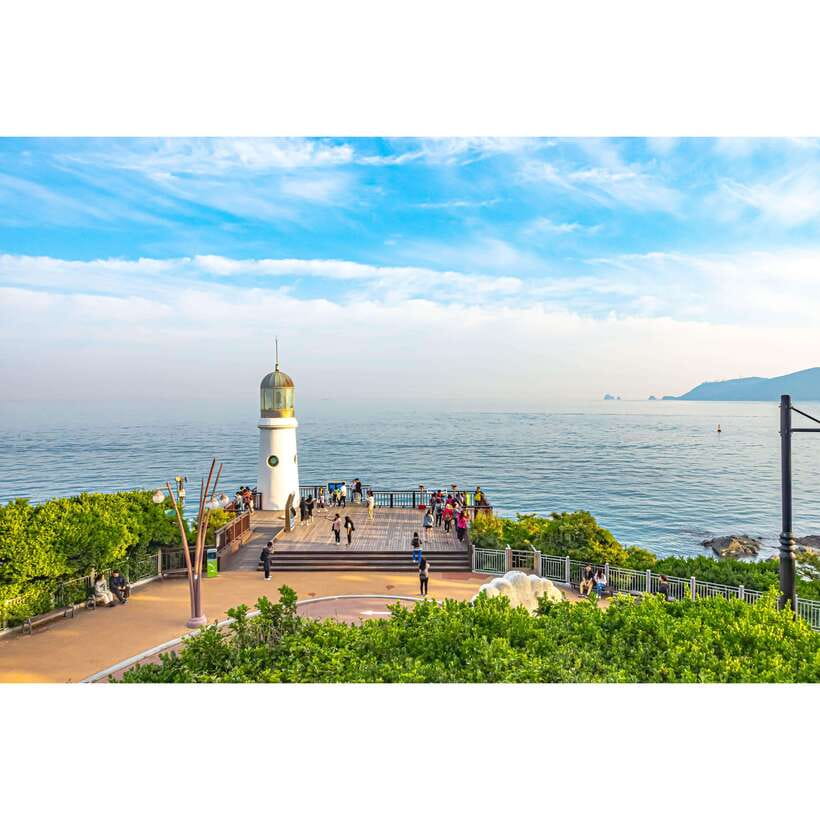
The tour ends at Dongbaek Island, a quieter coastal area where you can slow down and take in views. This is where the story connects to a person: the scholar Choi Chi-Won, who is linked to naming Haeundae.
That detail is more important than it sounds. Place names in Korea often carry meaning, and linking Haeundae to a specific intellectual legacy gives you a different kind of pride than just beach culture. You’ll walk through the island and hear how that legacy fits into the broader identity of the area.
I like endings like this because they let the history settle. After you’ve heard about rail lines, hot springs, and war, Dongbaek Island gives you breathing room. It’s also where you’ll likely want photos, since the coastal views are the kind you’ll remember even after your phone battery drops.
Price, Pacing, and What to Bring for a Smooth 90 Minutes
This tour costs about $29 per person for 90 minutes, and that price makes sense when you factor in the guide plus audio equipment. The operator provides an English-speaking guide and a wireless transmitter and receiver with complimentary earphones.
If you’re picky about hygiene, bring your own 3.5mm wired earphones. You’ll get cleaner use and still benefit from the guide’s audio.
Pacing is easy. The route includes walking around 2 kilometers, and there’s a hill of about 50 meters. The hill is the main “work” point, so if your legs are tired, aim for steady steps and take water breaks.
What I’d pack:
- Comfortable shoes (not soft sandals)
- Water (the tour recommends it)
- Sun protection if it’s bright, like a sun umbrella for shade
One more rule to remember: audio recording isn’t allowed. Normal photos and listening to the guide are the point here.
On top of the itinerary, you get something intangible: a guide who stays friendly and answers questions. Several participants mention the experience feels like hanging out with a local friend, and that tone makes a history walk go down easier.
Who Should Book This Haeundae Walk, and Who Might Skip It
This tour is a great fit if you want more than beach scenery. You’ll enjoy it if you like connecting places to events and people, especially Korean history that links directly to geography.
It’s also suitable for people who want an easy walking experience. The tour is described as wheelchair accessible. But it also notes it’s not suitable for children under 10 and people over 70, so check your comfort level with the hill before committing.
Consider skipping if:
- You dislike hills or heat and you can’t manage a short climb
- You’re only here for quick beach time and don’t want historical context
- You need audio recording for personal use, since that’s not allowed
If you’re in Haeundae for a first visit and want a fast orientation, this walk is efficient. It gives you the “why” behind the “where,” which helps your next day of wandering feel less random.
Should You Book This Tour? My Practical Take
Book it if you want Haeundae to make sense. For about $29 and a little over 90 minutes, you get a guided story that ties together the old station era, seaside hot spring culture, Korean War impact on the beach, and Choi Chi-Won’s connection to Haeundae.
I’d especially recommend it if you like questions and conversation. The guide approach is friendly and interactive, and that makes the history more personal. You’ll finish with a mental map of Haeundae that you can use immediately when you explore restaurants, streets, and waterfront areas on your own.
Skip it if you’re not interested in history at all, or if the hill would be a real problem for you. For everyone else, it’s a smart way to turn a well-known beach district into a meaningful Busan stop.
FAQ
Where is the meeting point for the tour?
You’ll meet in front of Exit 4 of Haeundae Station (Line 2) at the plaza on the right. The tour also lists the meeting location near 옛 해운대역 국가유산 미디어아트전 전시 and provides an address for Haeundae Atelier Chik Chik Pok Pok (621, Haeundae-daero, Haeundae-gu, Busan).
How long is the walking tour, and how far do we walk?
The total duration is about 90 minutes. The route involves walking about 2 kilometers and includes a hill of about 50 meters.
Is the tour easy to do for most fitness levels?
Yes, the tour is described as easy with no major challenges along the route. Still, you should be ready for the short hill and bring comfortable shoes.
What language is the guide, and do they provide audio equipment?
The guide speaks English. The tour includes a wireless transmitter and receiver, with complimentary earphones provided.
What should I bring?
Bring comfortable shoes and water. If the weather is sunny, it’s recommended to bring a sun umbrella for shade.
Is audio recording allowed during the tour?
No. Audio recording is not allowed during the experience.
Recently reviewed in Busan
- Gyeongju private tour with an official tour guide (Unesco)★ 4.5 · 4 reviews
- Small Group Discover Busan Tour with hotel pickup and dropoff★ 5.0 · 111 reviews
- A Well-Rounded Small-Group Busan Tour with Hotel Pickup Service★ 5.0 · 157 reviews
- Real Busan Walking Experience★ 5.0 · 27 reviews
- Visit Busan night market and enjoy the night view of Busan harbor★ 5.0 · 6 reviews
- Old Korea Thousand History Tour of Gyeongju from Busan★ 5.0 · 518 reviews
- West Busan Small Group Photo Tour (Max 7)★ 5.0 · 11 reviews
- Full Day Private car tour to UNESCO Gyeongju&Yangdong village★ 5.0 · 5 reviews
Busan Beaches, compared.

Gamcheon Village and Haeundae Blueline Park Tour
Read our review →
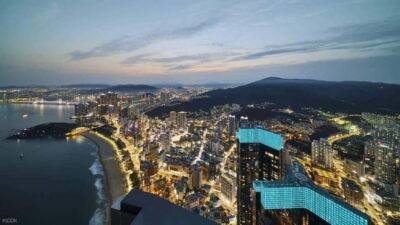

Sunset Haeundae Sky Capsule & Busan Night view Tour
Read our review →
Sky Capsule+ Huinnyeoul+ Gamcheon+ Songdo+ Night View
Read our review →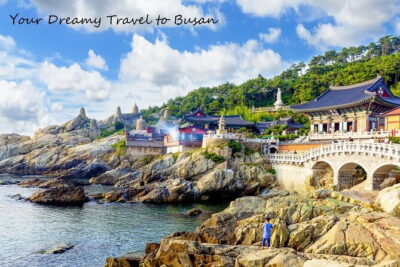
Small Group Busan Must-see Tour Opt. Songdo Ocean Cable Car
Read our review →Browse the lists this tour appears in