
Reviewed · HISTORICAL TOURS
Incheon Port History Tour by 19th Century Electric Car, KTourTOP10
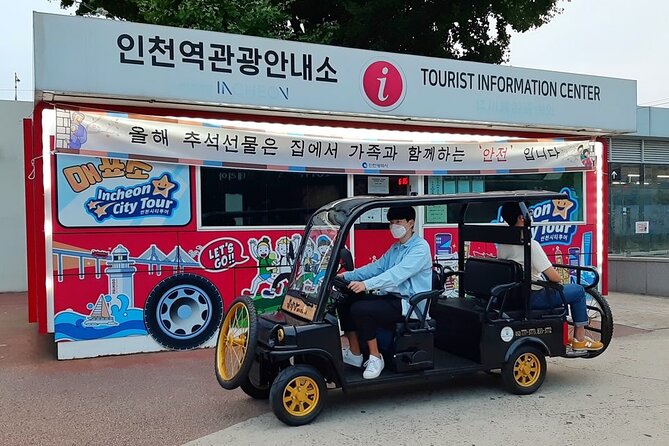
Incheon Port History Tour by 19th Century Electric Car is interesting because you get port-city storytelling while cruising the old streets in a 19th-century-style electric vehicle. I like that it packs in a lot of variety, from the Open Port zone to Chinatown, with enough time to actually see landmarks up close.
The main consideration is pace and commentary, since the experience can rely on pre-recorded narration and not every driver may be comfortable with English. If you want lots of back-and-forth questions, plan to go in with a watch-and-listen mindset.
Key highlights worth your attention
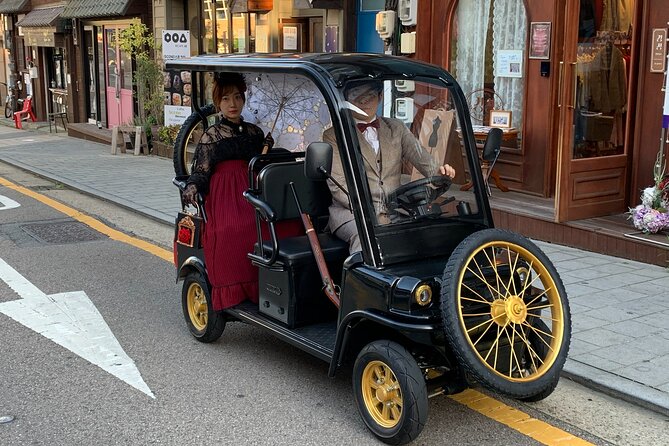
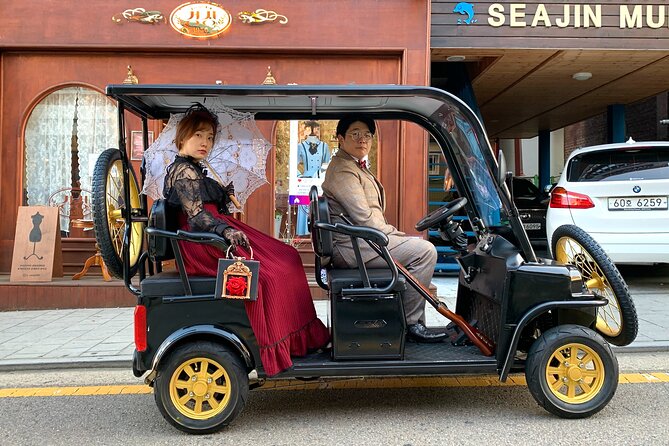
- 19th-century-style electric car ride that keeps things moving without the usual hassle
- Small group size (up to 20) that makes the tour feel less rushed
- Open Port + Chinatown in one loop, with landmarks like Jogye stairs and Euiseon-dang
- Food culture stop at the Jjajangmyeon Museum tied to an early restaurant site
- Mural street storytelling, including scenes linked to Chohanji and Three Kingdoms themes
- Jemulpo Club as a window into how foreigners socialized in Incheon over time
A quick ride through Incheon’s Open Port streets in a 19th-century-style car
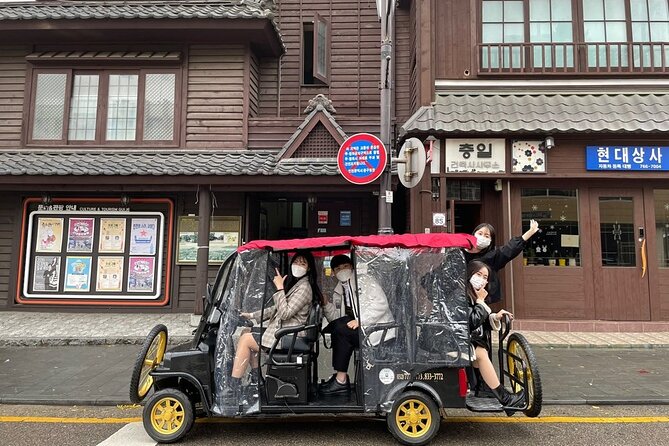
This tour is basically built around one smart idea: take the history of Incheon’s port area, then deliver it while you are rolling through it in a car that visually feels like the late 1800s. Even if you are not a hardcore history person, that format helps. You are not stuck standing in one place, and you get frequent scenery changes.
The electric car element also makes this feel practical. Incheon can be easy to walk, but the Open Port stretch and Chinatown area involve enough crossing and moving that transport matters. Here, the ride does the heavy lifting, and the route is designed so you can see several distinct stops without losing your entire hour to transit.
You also get a guide, not just a brochure. The tour includes the guide fee, and the small group size means you are less likely to be swallowed by a crowd. In real terms, it makes it easier to ask a quick clarification if you have one, or at least follow what is being pointed out.
More Historical Tours in Incheon
- From Busan: Gyeongju UNESCO World Heritage Guided Day Tour
★ 4.8 · 1,250 reviews - Gyeongju UNESCO World Heritage Guided Day Tour from Busan
★ 5.0 · 660 reviews - Seoul: Evening Dark History, Folklore & Ghost Story Walking Tour
★ 5.0 · 593 reviews
What you really get in 50 minutes, and how to time your day
The tour runs about 50 minutes. That matters because it sets expectations. This is a “see the main beats” experience. You will not spend long stretches parked outside each site, reading every sign at leisure.
Think of it like a fast, curated walk in car form. If your goal is to sample Incheon Port history and the surrounding neighborhood vibe, the timing is a good fit. If your goal is deep study, you might want to pair this with independent time afterward, especially if one stop really grabs you.
It’s also smart for layovers or a short window between plans, since the tour is short and uses a mobile ticket. But there is one real-world caution. When tours start late, short tours get painful fast. One issue that comes up is people waiting because nobody appeared at the meeting point. My advice: confirm your start time close to departure, and give yourself a buffer so you are not stuck waiting when your next plan is breathing down your neck.
Stop by stop: Art Platform, Jogye stairs, and the foreign trade zone
The route begins at the Incheon Art Platform, a red brick building that focuses on the Open Port story. What makes this stop useful is that it is not only a single photo-op. It is presented as a space for exhibitions and performances across art, music, literature, and movies. In other words, you get a sense of how the port era feeds into modern cultural life in the same buildings and atmosphere.
From there, you move into the area where Chinese and Japanese buildings sit around the stairs. This part is key to understanding the neighborhood layout. You’ll hear about Jogye (조계), a term tied to areas designated for foreign residents and trade. The route also connects this space with Jayu Park, and the viewpoint element matters because you can look out toward the Incheon Sea. Even on a short tour, that visual helps you connect the geography to the history.
If you like your history with a little physical context, this segment delivers. You are seeing the kind of built environment that shaped daily life, not just hearing names.
One practical note: the concept is straightforward, but language matters. If narration is limited for your comfort level, you will still do fine just by watching where you are and taking in the street and stair layout.
A religious stop that explains migration-era communities
Next comes Haean Catholic Church, described as having both religious and historical significance. The specific angle here is the church’s origins, created for devoted Catholics among overseas Chinese in the 1960s.
Why I think this stop works, even if you are not the type to tour churches for long: it adds human scale. Port history is often told through trade, maps, and treaties. A community-centered religious site reminds you that people lived entire lives around these movements.
Also, it is not just a generic landmark stop. It is tied to overseas Chinese residents, which connects nicely with later Chinatown moments on the route.
A few more Incheon days side by side
- Private Airport Transfer: Incheon Airport to Seoul City (1-5 pax)
★ 5.0 · 92 reviews - Private Layover Tour from Incheon Airport to Seoul
★ 5.0 · 78 reviews - (P/Transfer) Incheon Airport ↔ Seoul (Up to 5 Pax)
★ 5.0 · 61 reviews - Private Arrival Transfer: Incheon International Airport to Hotel
★ 4.5 · 42 reviews
Jjajangmyeon Museum: how a noodle becomes a time machine
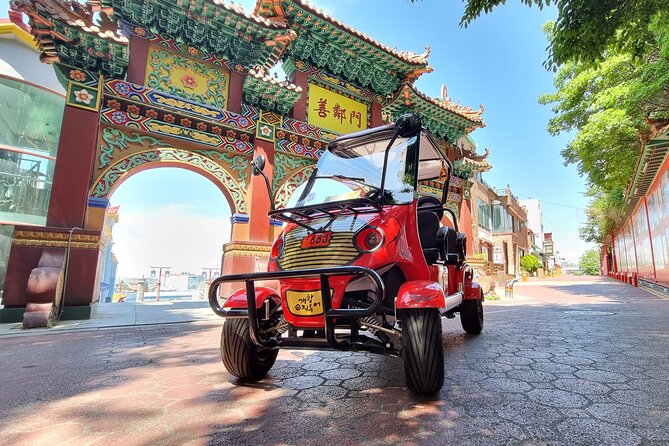
Then you hit Jjajangmyeon Museum, placed at the location where the very first original Jjajangmyeon restaurant, Gonghwachun, used to be. This is one of the smartest inclusions on the itinerary because it anchors history in something you can taste later.
The museum presentation is described as displaying relics related to Jjajangmyeon and Gonghwachun. Even in a short tour format, that is meaningful. It turns a cultural icon into a tangible link to place and origin.
If you eat Korean food, you already know how central Jjajangmyeon is to everyday culture. Here, you get a chance to see how a dish story can become a neighborhood story. If you are traveling with someone who complains that “history is boring,” this stop often converts them.
Chinatown’s Euiseon-dang and why shrines matter to the story
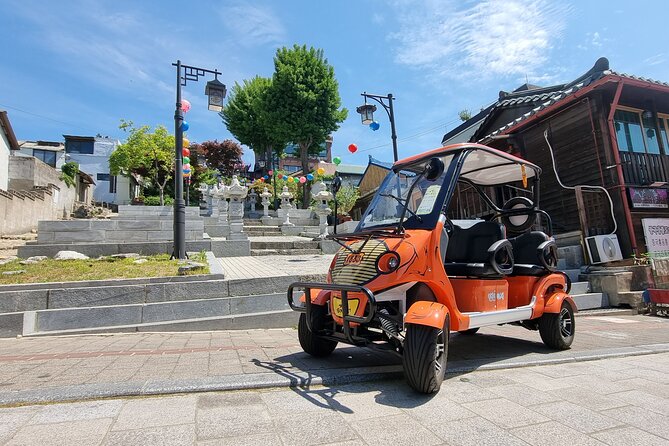
In Chinatown you visit Euiseon-dang, described as a Chinese-style shrine built by Chinese immigrants who left their homeland to seek comfort from loneliness and difficulties of immigration.
That detail changes how you look at the shrine. It is not just ornamental architecture. It’s a marker of emotional survival, a place connected to hardship and adaptation. On a tour that includes trade and foreign district planning, this shrine gives you the personal side.
You will likely find this stop especially resonant if you like history that deals with how communities formed in real time.
Songwol-dong to Donghwa Village: a neighborhood reshaped
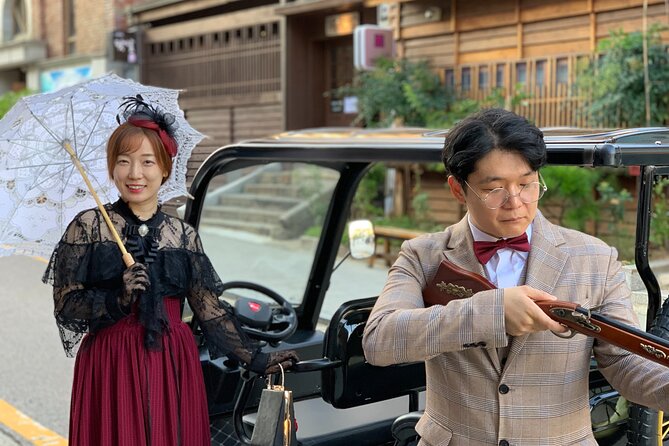
Another stop focuses on what happened after the port opened in 1883. It explains that many foreigners lived in Songwol-dong to form rich villages, and that over the decades, only seniors remained after young people moved out. The neighborhood was then reborn as Donghwa Village.
This is the type of story that helps you avoid treating history like a museum piece. Streets and buildings change, populations shift, and the “foreign district” idea can transform into something local again.
In a short tour, you may not stop for long to absorb every detail. Still, this explanation gives you a framework for reading what you see during Chinatown walks later on your own.
Chohanji Mural Street and Three Kingdoms Mural Street: stories on the wall
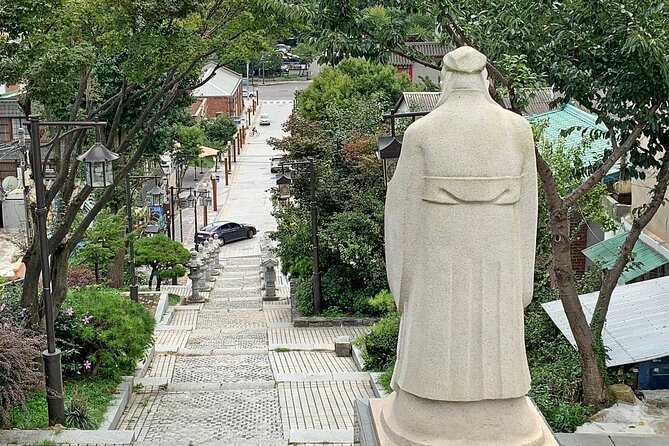
After that, you get to Chohanji Mural Street & Three Kingdoms Mural Street. The theme is murals connected to Chinese historical novels such as Chohanji and stories tied to the Three Kingdoms.
Why murals work well on this kind of tour: they are easy to process in motion. You can look, react, then move on. If you end up liking this part, you will probably enjoy taking a slower stroll afterward, because murals give you permission to linger.
One small caution: mural streets can feel a little “cheerful and stylized” compared with the solemnity of churches or the factual tone of museums. If you are hoping for only serious monuments, this section might feel more lighthearted.
But if your goal is an hour that mixes serious context with street-level visual fun, this is the best kind of break.
Jemulpo Club: a social space that shows how foreigners lived in Incheon
The tour also stops at Jemulpo Club, a building described as operated in 1981 as a social club for foreigners living in Incheon. Inside, it’s described as having a social room, billiard room, and reading room. Outside, there’s also mention of a tennis court.
This matters because it reframes port history. A port is usually explained through commerce and arrivals. But people also needed routines, friendships, and places to relax. A social club is a sign that a community formed enough to support leisure.
The building also has a layered past, including a phase linked to 1914 during the Japanese colonial period, as indicated in the description you’ll hear.
If you like stopping points that connect daily life to bigger political shifts, you’ll probably enjoy this segment more than you expect.
Price and logistics: what $45 per group really buys you
The price is $45.00 per group for up to 3 people. That’s a key value factor. If you are traveling solo, it might feel a touch pricey compared with paying per person on some tours. But if you have two travel buddies, the per-person cost drops quickly.
You also get a 50-minute electric car tour plus the guide fee. You do not get a meal or snack included, so if you are doing this during a busy day, plan to eat before or after.
Timing matters too. The experience is described as requiring good weather. So if you are visiting during a rainy stretch, you may see rescheduling or refunds handled by the provider.
Group size is capped at a maximum of 20 travelers. That is not tiny, but it is small enough that you can usually hear what is going on and see the landmarks without fighting for a view.
Service, language, and the one thing to verify before you arrive
This tour can be excellent, but it has two “real life” factors you should handle smartly.
First: commentary style. The experience can use pre-recorded narration, and that can limit Q and A. If you care about asking detailed questions, consider bringing a few prepared topics and asking the guide directly when you can. Even with pre-recording, a good guide can still point out helpful context.
Second: meeting reliability. There is at least one serious complaint tied to people waiting 45 minutes with no show and no clear communication. I cannot guarantee how your day will go. But I can tell you what reduces risk. Confirm the tour the day of travel, and double-check that you are at 266 Jemullyang-ro, Jung-gu, Incheon before you count on the start time.
If your schedule is tight, treat this like a critical appointment, not a casual stroll.
Who this tour suits best
This is a good match if you want:
- A short, efficient overview of Incheon’s port-era streets
- A fun transport twist with the old-style electric car
- A mix of history, Chinatown culture, and a food-culture stop (Jjajangmyeon Museum)
- Small-group attention rather than a huge bus crowd
It might not be the best match if you:
- Need long stops to read every sign and go deep
- Expect fluent English conversation throughout, especially if narration is pre-recorded
- Are traveling with a strict timetable and cannot tolerate any delay
If you like street-level exploration but you also want someone to connect the dots, this tour does that job.
Should you book the Incheon Port History Tour?
If you are in Incheon for a short window, I think this tour is worth considering. The combination of the electric car ride and the route choices make it feel practical, and the landmark mix hits the important themes: Open Port planning, Chinatown community life, cultural storytelling through murals, and social history at Jemulpo Club.
But book with eyes open. The experience is about an hour, not a full day. Also, confirm timing so you are not left waiting. If you do those two things, you’ll likely come away with a stronger sense of how Incheon’s port zone shaped everyday life, not just trade on paper.
FAQ
How long is the Incheon Port History Tour?
It runs for about 50 minutes.
How much does it cost and how many people can join?
It costs $45.00 per group, with up to 3 people per group.
What is included in the ticket price?
The price includes the old-style electric car tour (50 minutes) and the tour guide fee.
What’s not included?
Meals and snacks are not included.
Where do I meet for the tour?
The start point is 266 Jemullyang-ro, Jung-gu, Incheon, South Korea. The tour ends back at the meeting point.
Is there a mobile ticket?
Yes, the tour includes a mobile ticket.
What should I know about refunds and weather?
Free cancellation is available, and it requires good weather. If canceled due to poor weather, you’ll be offered a different date or a full refund.
Recently reviewed in Incheon
- Seoul Layover Private Incheon Cultural Odyssey from Airport★ 5.0 · 33 reviews
- Private Airport Transfer: Incheon Airport to Seoul City (1-5 pax)★ 5.0 · 92 reviews
- Private Airport Transfer Incheon Airport to/from Seoul(1~7pax)★ 4.0 · 4 reviews
- Layover & Stopover in Seoul/private Tour★ 4.5 · 20 reviews
- Private DMZSPYTOUR from Incheon Airport★ 5.0 · 14 reviews
- Incheon Airport Transfer Service private transport to/from Seoul★ 5.0 · 40 reviews
- 24/7 Private Airport Transfer: Incheon/Gimpo ↔ Seoul (Up To 10)★ 5.0 · 3 reviews
- Layover Tour for essential Seoul City & Gourmet tour(Incl. Lunch)★ 5.0 · 8 reviews
Historical Tours, compared.
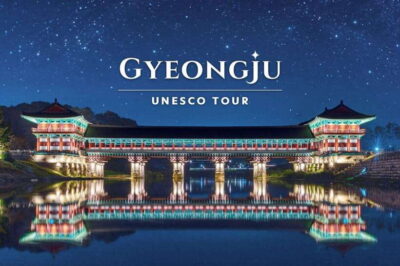
Gyeongju UNESCO World Heritage Guided Day Tour
Read our review →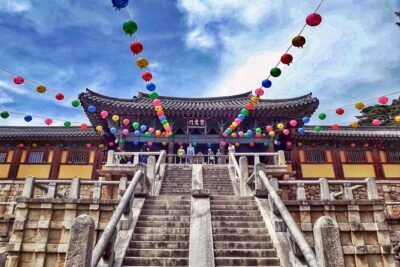
Gyeongju UNESCO World Heritage Guided Day Tour from Busan
Read our review →
Evening Dark History, Folklore & Ghost Story Walking Tour
Read our review →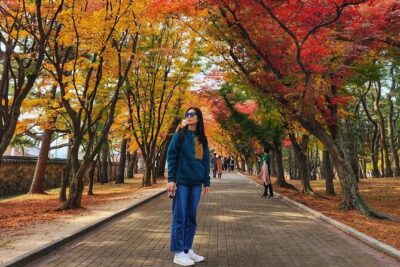
Old Korea Thousand History Tour of Gyeongju from Busan
Read our review →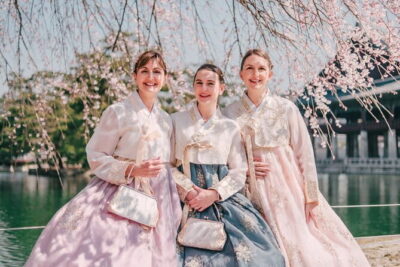
Hanbok Photoshoot and History Tour at Gyeongbokgung Palace
Read our review →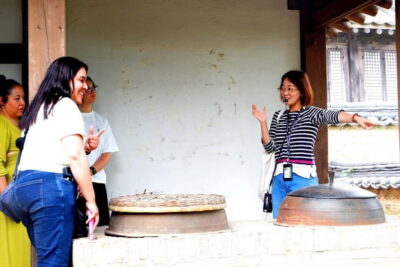
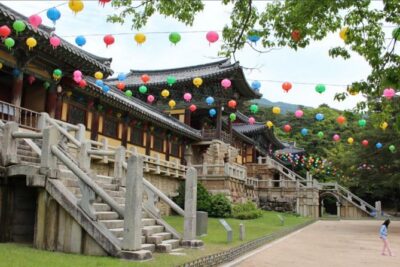
Gyeongju UNESCO World Heritage Sites and History Full-Day Tour with Lunch
Read our review →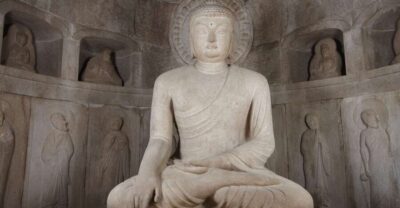
UNESCO Heritage Tour Including Bulguksa Temple
Read our review →Browse the lists this tour appears in