
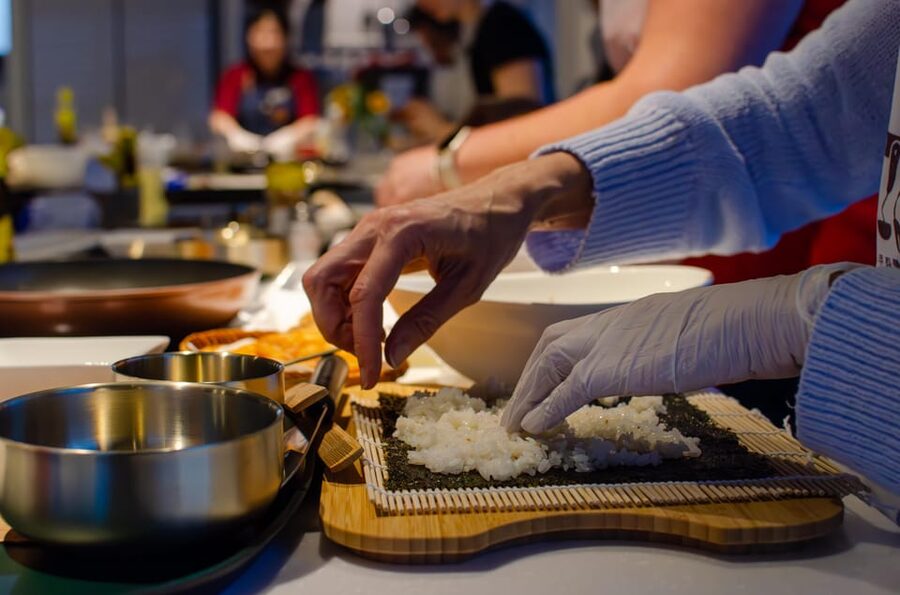
Reviewed · COOKING CLASSES
Seoul: Korean Cooking at Seoul Cooking Club!
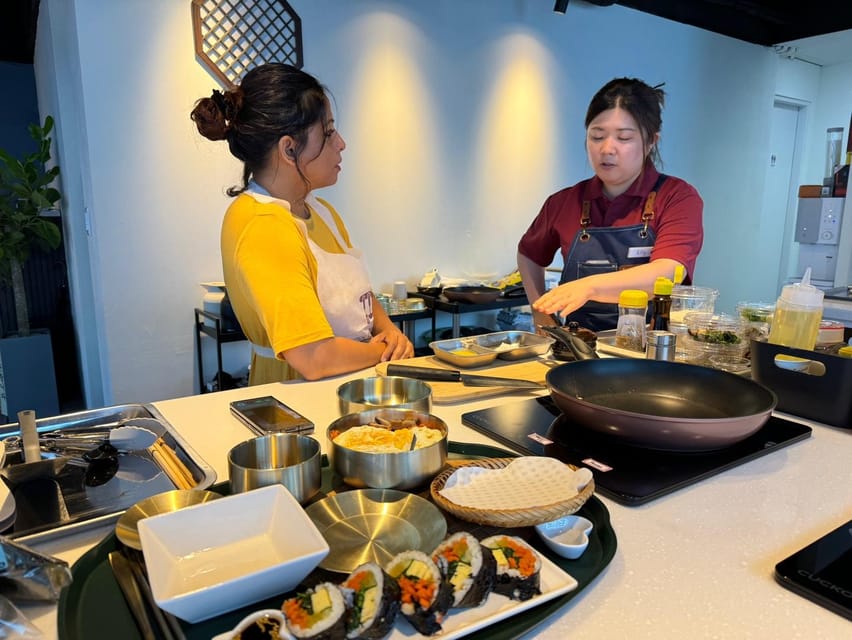
What makes this Seoul class especially fun is the mix of hands-on cooking and real eating time, all in a central Jongno kitchen near Jonggak station. You’ll learn a lineup of Korean favorites, starting with jeon (small pancakes), then moving into dishes like Japchae and Bulgogi, plus a Jeonju-style bibimbap bowl. Chefs like Sally, Olivia, Grace, and Elly teach in English and often share stories about where the flavors come from, so it’s not just chopping and hoping.
I like that the class is built to feed you, not just teach technique. You’ll build multiple dishes, taste around ten sides, and finish with a Korean dessert like bing-su, plus drinks such as Sikhye and Korean tea. One thing to consider: you need to come with a real appetite and good shoes, because you’ll be on your feet for the full 150 minutes, and kids under 16 are not included.
Key Things I’d Watch For
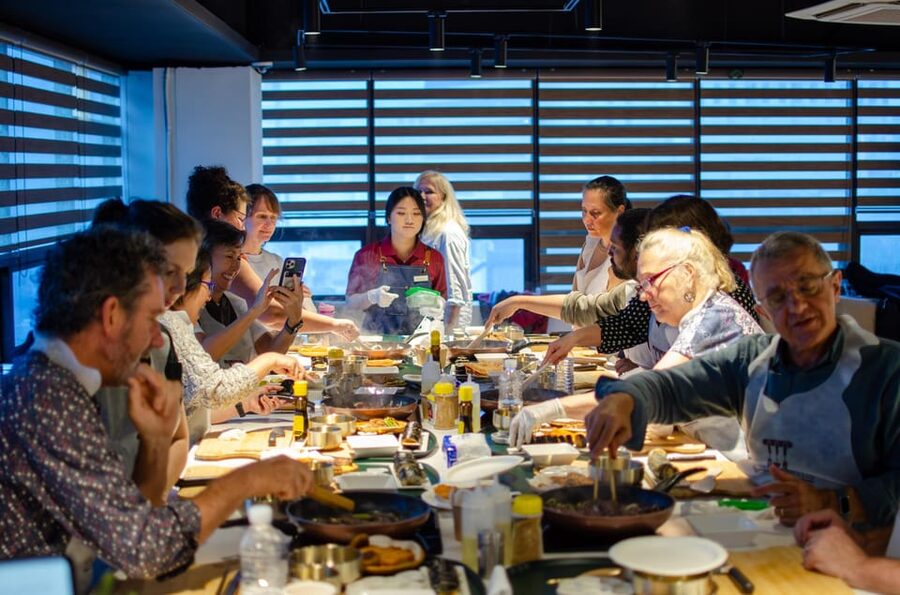
- Jonggak location on the 7th floor, easy to find and ideal before or after big sights like Insadong and Gyeongbokgung
- Jeon menu variety (pajeon, seafood, meat, tofu, sesame leaf), so you get texture lessons, not just one pancake
- A full three-course meal built from the things you cook, plus about ten tastings of banchan
- English instruction with frequent help, especially since many sessions run in small groups
- Take-home support like a recipe book and leftover containers, so you are not forced to eat everything on the spot
- Dessert and Korean drinks included, including bing-su on many days
A Central Seoul Cooking Class That Actually Feels Like Food
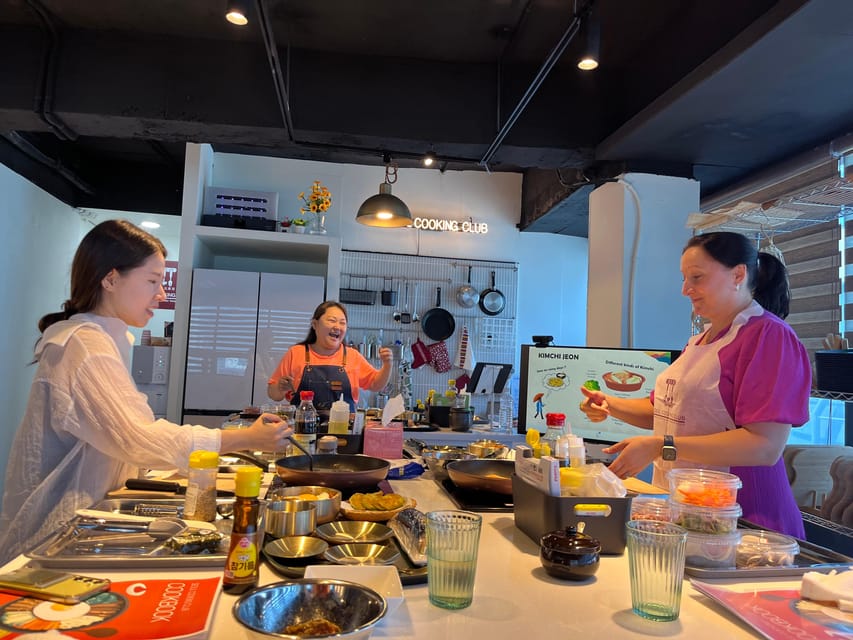
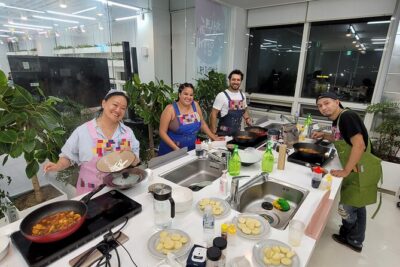
This isn’t the kind of class where you stand back while someone else cooks and you get one tiny bite. The structure here pushes you into the work: batter mixing, pan frying, stir-frying, assembling bowls, and tasting the sides that define a proper Korean meal. In other words, you’ll leave with a skill set you can reuse, not just memories of steam.
And the best part is that you’re learning Korean food in the way Koreans eat it. The meal isn’t one dish. It’s a system: main dishes, banchan, drinks, and a dessert finish. That’s why this feels valuable even if you’re not a “serious cook.” You’re building a practical template for how Korean meals come together.
More Cooking Classes in Seoul
- Local Home Korean Cooking Class & Market Adventure in Seoul
★ 5.0 · 1,024 reviews - Master Korean traditional cooking with a Kimchi chef
★ 5.0 · 385 reviews - Seoul: Korean Cooking Class at a Local Home and Market Tour
★ 5.0 · 348 reviews
Finding The Jonggak Kitchen Fast (No Taxi Panic)
The meeting point is close enough that you can arrive without stress. You’re at Jonggak Station, Line 1, Exit 12, about 15 meters away. The directions are straightforward: walk straight ahead, take an immediate first right around Pascucci, then look for the entrance next to the Good Game Zone with the orange facade. It’s in the same building, on the 7th floor.
Why this matters: cooking classes can be time-sensitive. You don’t want to spend your “learning Korean food” energy hunting staircases. This location is central to Jongno and also works well if you want to pair it with a market or palace visit.
What The 150 Minutes Really Look Like
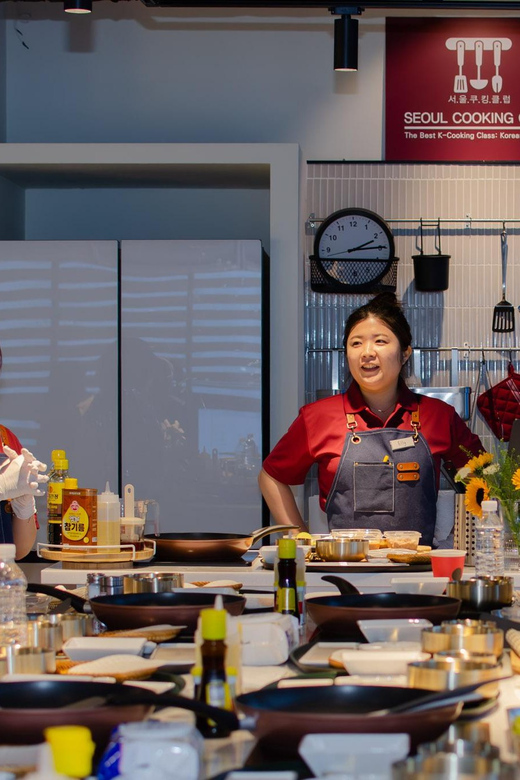
The class runs 150 minutes, and you choose among different sessions from Monday to Sunday (brunch, lunch, or early dinner). The timing affects your plans afterward, but the experience rhythm stays similar: get warmed up with drinks, cook several dishes step by step, taste sides while you work, then sit down for the meal and dessert.
A consistent theme from past participants is that prep work is handled so you can focus on cooking and learning. You won’t be scrambling for tools. Stations are set up, and assistants circulate to keep things moving. That setup helps if you’re a beginner, because the “hard part” becomes learning the flow, not inventing a workflow from scratch.
Starters: Learning Jeon, One Pan at a Time
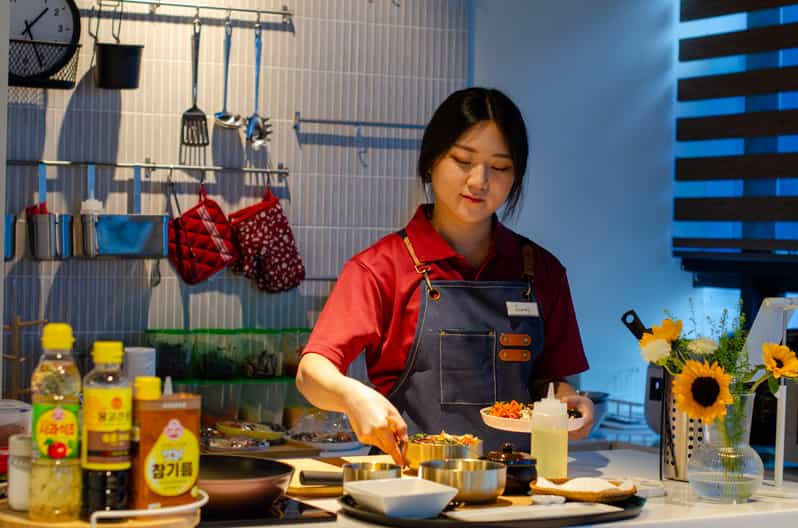
Jeon is where this class starts, and it’s a smart choice. Jeon is approachable, visual, and flexible. You can see the batter thickness, feel the heat in the pan, and instantly understand why Korean pancakes vary by filling and technique.
You’ll prepare 3 to 4 jeon flavors, typically from options like:
- Donggrangttaeng (pan-fried battered meatballs)
- Pollack pancake
- Pajeon (seafood pancake)
- Beef pancake
- Tofu pancake
- Sesame leaf pancakes
Expect to spend real time on at least a few variations, not just one. That variety is what makes the starter section useful when you cook at home later, because you’ll learn how different ingredients behave in the same basic pancake format.
Practical tip: come in with a little patience for the first round. Pancake batter can look simple and still punish sloppy technique. The good news is the instruction is step-by-step in English, and chefs like Sally and Olivia are known for clear guidance and quick fixes when something needs adjusting.
A few more Seoul days side by side
- Best DMZ Tour Korea from Seoul (Red Suspension Bridge Optional)
★ 5.0 · 41,422 reviews - DMZ Tour: 3rd Tunnel, Option(Suspension Bridge, Boat) from Seoul
★ 5.0 · 21,373 reviews - DMZ tour south Korea from Seoul (NK experience hall, defector)
★ 5.0 · 20,599 reviews - Seoul: The Best DMZ Tour with Optional Suspension Bridge
★ 4.7 · 4,978 reviews
Main Dishes: Japchae, Bulgogi, and Bibimbap Style Building
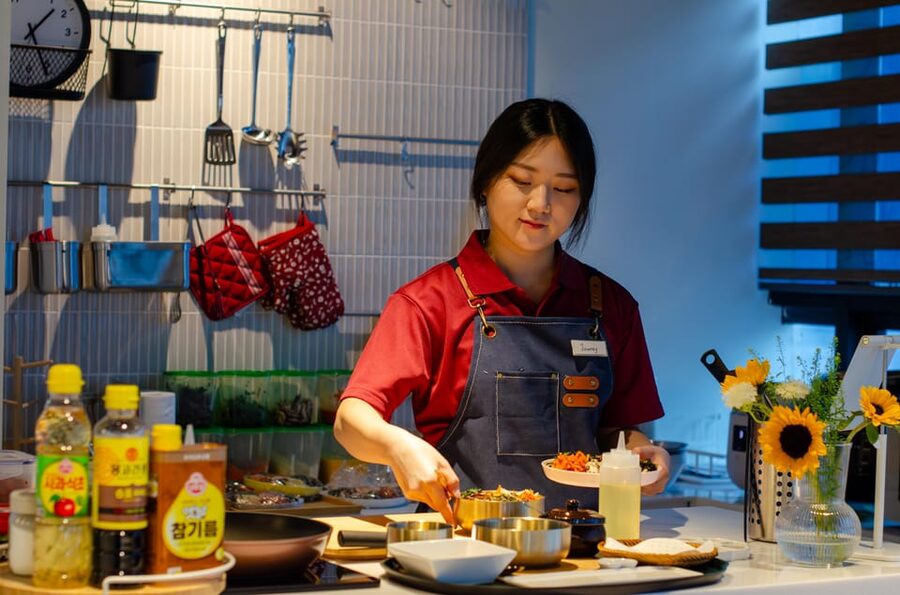
After jeon, the class shifts into “main meal mode.” This is where Korean cooking starts to make sense as a system: sauces, stir-fry timing, assembling components, and balancing tastes.
Japchae (Stir-fried vegetables and glass noodles)
Japchae is a great dish to learn because it shows the art of stir-frying without turning everything into mush. You’ll work with vegetables and glass noodles in a way that teaches you timing and how to keep things coated rather than soggy.
Bulgogi (Soy sauce seasoned grilled beef)
Bulgogi is the flavor highlight for many people. Even if you don’t become the world’s best griller, you’ll learn the seasoning logic and why it tastes the way it does. It’s also a confidence builder, because the goal is clear: you want the beef to taste deeply savory and the cooking method should keep it tender.
Jeonju Bibimbap
Jeonju bibimbap is your bowl-building moment. You’ll assemble the dish you cook, while also learning how Korean meals use toppings and banchan to create different bites. You are not just piling food, you are balancing textures and tastes.
Important note: the class includes Jeonju bibimbap as part of the meal, but the exact component list can vary by day. What stays consistent is the training: how to build a bibimbap bowl the Korean way, so it tastes right, not like a random mix.
Banchan Tasting: The Real Secret Skill
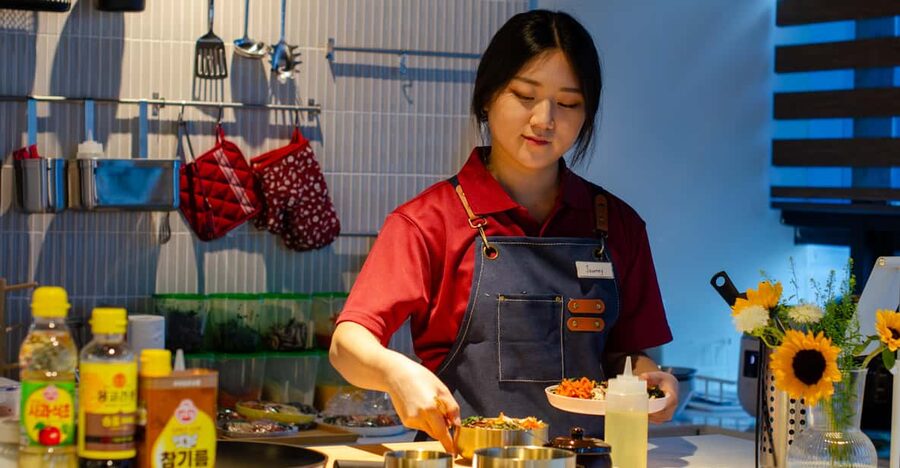
One of the best parts of this experience is the banchan section. You get around ten tastings, including sides such as:
- Kimchi
- Korean egg-roll
- Stir-fried anchovy
- Radish kimchi
- Seasoned soybean sprouts
- Seasoned spinach
- Spicy cucumber
Here’s why I think banchan matters so much: these are the flavors you taste every day in Korea, and they’re what turn a plate of “cooked food” into a Korean meal. Even if you only remember one thing, remember this: banchan is not decoration. It is the rhythm of the meal.
Also, the tastings happen while you’re cooking, not after you’re already full. That keeps you curious and helps you understand why the dishes pair the way they do.
Dessert and Drinks: Bing-su and the Sweet Finish
Your meal ends with dessert, and the exact option can change daily. A standout is bing-su, which many Korean people love for its cold, sweet comfort.
Drinks included can include:
- Water
- Sikhye, a sweet rice drink
- Korean tea
This is more than a sweet add-on. It’s part of how Korean meals feel complete. Savory, spicy, fermented, starchy, then something cooling and gentle to reset your palate.
English Instruction That Lets You Ask Questions
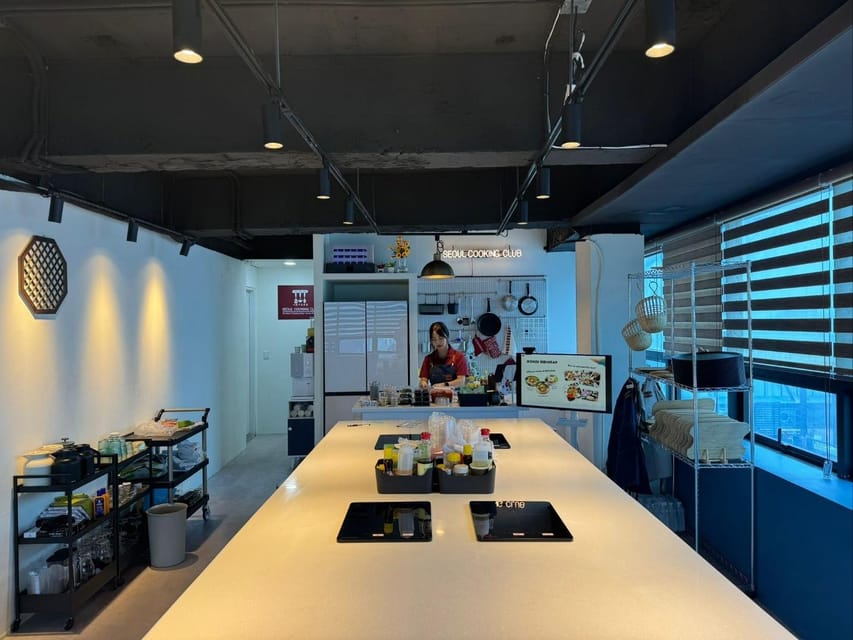
One reason this class gets such consistently high marks is the teaching style. Instruction is in English, and chefs actively answer questions. In several sessions, participants end up with plenty of attention, especially on smaller days.
If you’ve ever taken a class where you couldn’t understand the logic behind the steps, this format helps. You learn what each step is supposed to do, not just the motion. That means when you cook at home, you can adjust if your pan runs hot or your noodles behave differently.
There are also accounts of chefs being able to handle requests like gluten-free options if you ask ahead. If that matters to you, message before you go and be clear about needs.
Take-Home Value: Recipe Book and Leftovers
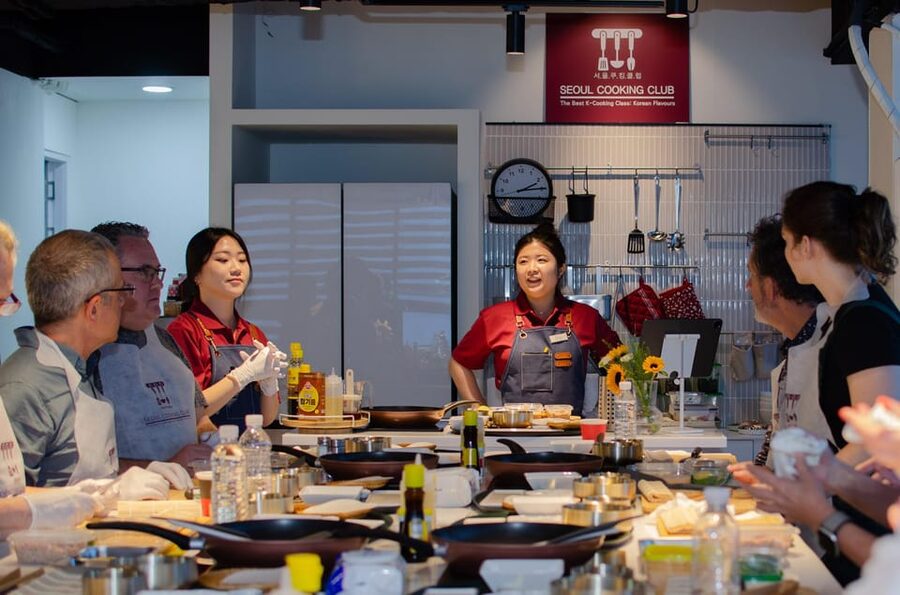
This is one of those “come hungry” experiences that does not punish you with waste. You cook a lot, you taste a lot, then you get take-home help for leftovers. Many participants also note that you receive a recipe book to take home, which makes the class feel like a skill you can practice, not a one-night show.
You’ll also likely receive a bag as a souvenir for carrying everything. Even if that’s a small detail, it changes the experience, because you can stroll away instead of negotiating with your own leftovers.
Who This Cooking Class Is Best For
This is a great match if you:
- Love Korean food and want to learn more than one dish
- Want hands-on cooking in English, without kitchen intimidation
- Prefer a class that ends with a real meal you helped make
- Travel solo and like meeting people in small group settings
It’s also ideal if you’re planning a sightseeing-heavy day. The location near Jonggak gives you easy access to famous neighborhoods such as Insadong and Ikseondong, plus markets and bigger attractions you can walk to within about ten minutes.
One consideration: it’s not suitable for children under 16. So plan it as an adult activity or as a group outing with older teens.
Price and Value: What $109 Is Paying For
At $109 per person for 150 minutes, the price sits in the “premium experience” range. The question is what you get in return, and you actually get a lot.
You’re paying for:
- Multiple dishes cooked hands-on, including jeon, japchae, bulgogi, and bibimbap
- A three-course style meal plus about ten tastings of banchan
- Included drinks and Korean tea options
- A dessert finish like bing-su on many days
- English instruction with active guidance
- Take-home support like recipe materials and leftover containers
If you were to try to recreate this day by eating at multiple Korean spots and then taking a separate class, it would usually cost more and take more time. Here, you get cooking, tasting, and sitting down to eat as one package. That is where the value comes from.
Is it worth it if you only want one “wow” dish? Probably not. This class works best if you enjoy variety and want to learn a set of dishes you can make again later.
Small Logistics That Affect Your Day
You’ll want closed-toe shoes, since you’ll be standing and cooking. If you’re planning to wear fashionable sandals, save that outfit for later. Also, there’s no hotel pickup, so factor in your route to Jonggak Station Exit 12.
After class, you’re in a strong position to keep moving. Jongno has energy at street level, and being close to Insadong, Ikseondong, Gwangjang Market, Myeongdong, and Gyeongbokgung means you can turn this into a full food and culture day.
Should You Book Seoul Cooking Club for Korean Cooking?
Book it if you want a practical Korean cooking experience in central Seoul, with real banchan tastings, multiple dishes, and English guidance that helps you understand what you are doing. The location is easy, the format is hands-on, and the take-home support makes it feel like a skill you can reuse.
Skip it if you only want quick street food sampling or you dislike cooking with other people around you. Also, if you’re not comfortable standing for about 2.5 hours, pick another activity and keep this for a day when you can fully focus.
FAQ
What is the duration of the Seoul Cooking Club class?
The class lasts 150 minutes.
Where do I meet, and how do I get there by metro?
You meet at Jonggak Station on Line 1, Exit 12. The venue is about 15 meters from the station. You walk straight ahead, take an immediate first right around Pascucci, and enter the building on the 7th floor next to the Good Game Zone (orange facade).
Is the cooking instruction offered in English?
Yes. The chef/instructor teaches in English.
What kinds of dishes will I cook and eat?
You’ll cook jeon (Korean small pancakes), plus main dishes including Japchae, Bulgogi, and Jeonju Bibimbap. You’ll also taste banchan sides (about ten tastings are mentioned) and enjoy a Korean dessert.
Does the price include drinks and dessert?
Yes. The class includes traditional Korean drinks such as water, Sikhye, and Korean tea, and it also includes Korean dessert options that can include bing-su.
Is hotel pickup included?
No. Hotel pickup and drop-off are not included.
Recently reviewed in Seoul
- Seoul City Private Tour (Optional layover)★ 5.0 · 3 reviews
- Korean Folk Village & Suwon Hwaseong Fortress Private Tour★ 5.0 · 3 reviews
- 5D4N Korea Cultural Heritage immersion Private Tour★ 5.0 · 3 reviews
- War Memorial, Jogyesa Temple & Tapgol Park Tour in Seoul★ 4.5 · 3 reviews
- Full Day Private Seoul Tour for foodies★ 5.0 · 3 reviews
- Private Tour : Royal Palace & Traditional Villages wearing Hanbok★ 5.0 · 3 reviews
- Nami Island & Nearby Attractions : Charter Van Tour With Driver★ 4.0 · 3 reviews
- K-Pop Tour★ 3.5 · 3 reviews
Cooking Classes, compared.
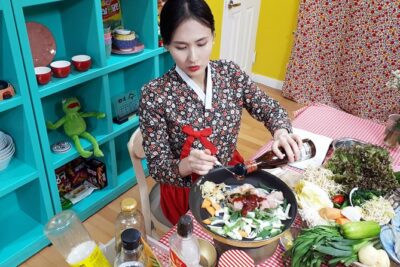
Local Home Korean Cooking Class & Market Adventure in Seoul
Read our review →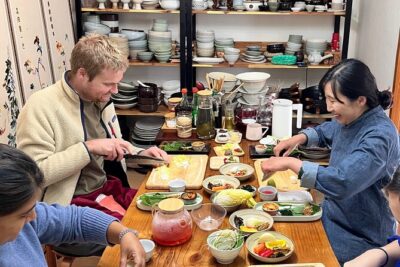
Master Korean traditional cooking with a Kimchi chef
Read our review →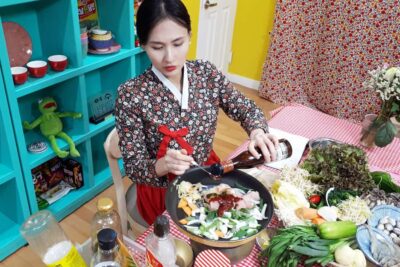
Korean Cooking Class at a Local Home and Market Tour
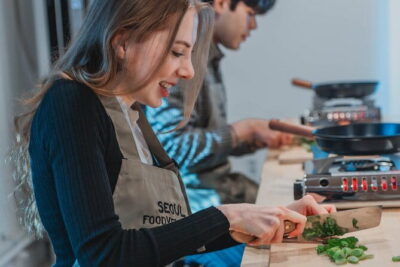
Read our review →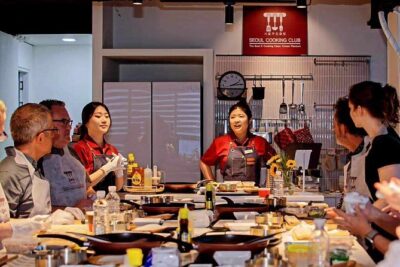
Korean Cooking Class with Grocery Shopping at Seoul Local Market
Read our review →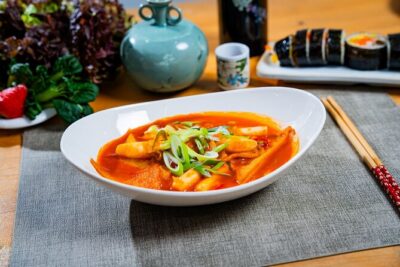
Taste of Korea, Authentic home style Cooking class
Read our review →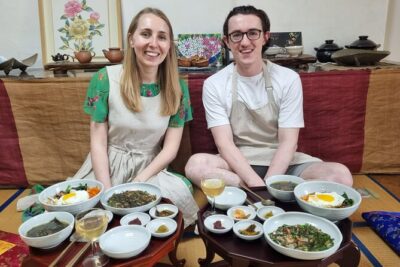
Busan Tailored Korean cooking class (Vegan OK)with market tour
Read our review →Browse the lists this tour appears in