
Reviewed · COOKING CLASSES
Seoul: Taste of Korea, Authentic home style Cooking class
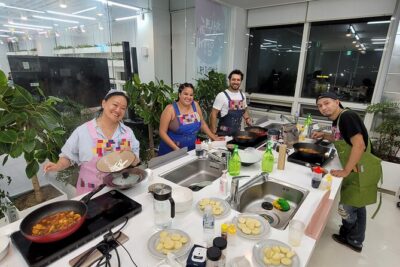
This Seoul cooking class is interesting because you do not just watch Korean food being made. You cook it hands-on at dedicated stations, then sit down and eat a full home-style meal. What I love is the step-by-step instruction from chef Jennifer, plus the chance to master dishes with real Korean comfort-food power like budae jjigae. One consideration, it is a 3-hour class that includes drinks, snacks, and a full-course meal, so plan to feel good and full, not rushed.
You’ll find the meeting point near Gyeongbokgung Subway Station, Orange Line 3, exit 2, then it’s a short walk to the studio. With a small group capped at 10 and English instruction, this is a smart fit if you want something more personal than a big group food tour.
Key Highlights That Matter Before You Book
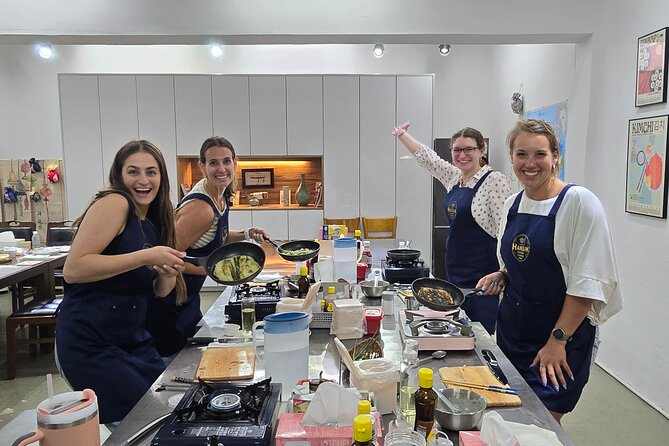
- Chef-led, step-by-step cooking so you’re not stuck guessing at how Korean techniques work
- Core recipes like gimbap, tteokbokki, haemul pajeon, and budae jjigae
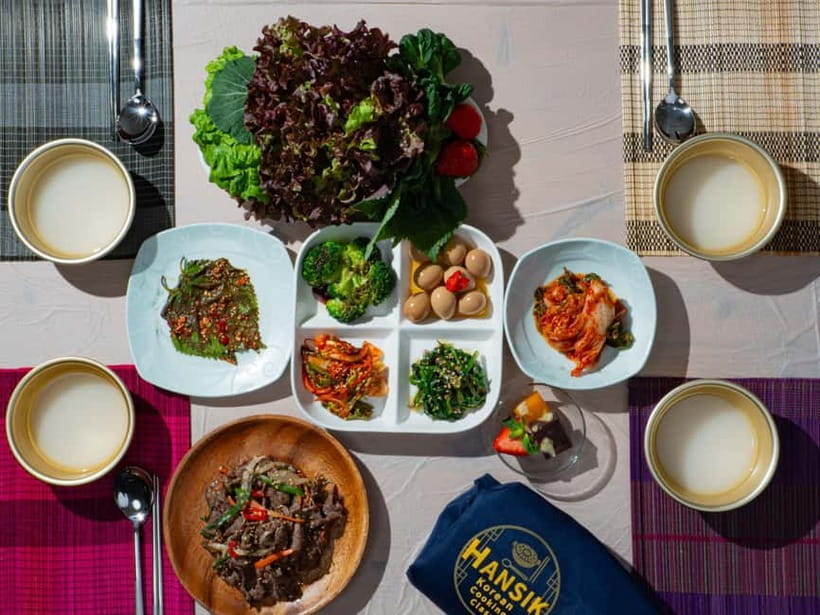
- Meal style format, you cook and then eat with banchan, Korean snacks, and dessert
- Traditional drinks included, including Sikhye and Makgeolli, plus tea and coffee
- Recipes emailed after, so you can actually repeat what you made at home
- Small group size (10 max) makes it easier to ask questions during cooking
Why This Seoul Class Feels Like Korean Home Cooking
If you’ve ever wondered why Korean food tastes so comforting, it’s often not one secret ingredient. It’s the combination of technique, timing, and how flavors build dish by dish. This class is built around that idea. You learn Korean home-style cooking the practical way, by doing the steps yourself.
What makes it especially appealing is that it’s not only about the recipes, it’s about the context. Chef Jennifer explains the cooking culture and the background behind dishes while you work. You get to connect what you taste with why it exists. That turns a single meal into something you can recreate later.
And yes, you’ll eat a lot. The format includes welcome snacks and drinks, the cooking session itself, and a full-course meal with seasonal banchan. If you like hands-on experiences where you end up with leftovers in a bag and recipes in your inbox, this is your kind of evening.
More Workshops in Seoul
- Local Home Korean Cooking Class & Market Adventure in Seoul
★ 5.0 · 1,024 reviews - Seoul: Korean Cooking Class at a Local Home and Market Tour
★ 5.0 · 348 reviews - Yongpyong Ski Resort from Seoul with Optional Lesson and Packages
★ 5.0 · 217 reviews
Getting There: Gyeongbokgung Subway Exit 2 to the Studio Door
Your start point is convenient if you’re staying in central Seoul. Meet at Gyeongbokgung Subway Station, Orange Line 3, exit 2. From there, it’s about a 5-minute straight walk to Woori Bank.
The studio sits in a small alley, between the bank and just before the K-Pop Store. That sounds oddly specific because it is. When you arrive, take a moment to check the alley entrance before you commit to walking past it. Seoul streets near major sights can look similar from a distance, so arriving a few minutes early helps.
The class ends back at the meeting point, so you’re not left figuring out a far-off location after you’ve cooked and eaten your way through the menu.
The Main Show: What You’ll Cook and Why These Dishes Teach Skills
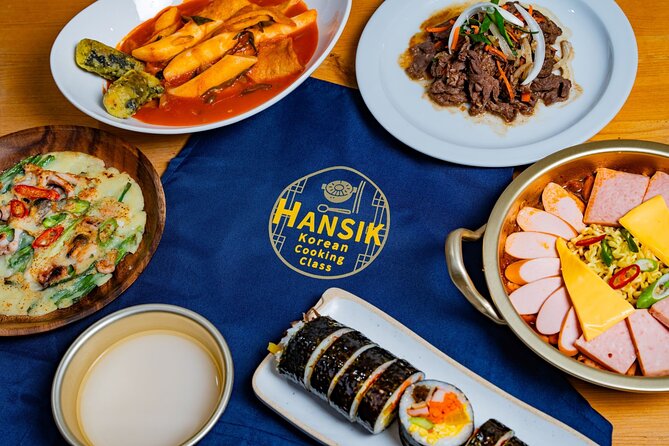
This class is centered on classic Korean dishes that teach different cooking skills. The goal is that each recipe reinforces something useful, from dough and pan-frying to stew-building and spicy-sweet sauces.
Gimbap and Tteokbokki, the Hands-On Classics
You’ll learn gimbap, the Korean rice roll that feels simple once you know the roll technique and seasoning balance. It’s a great first anchor dish because you can see progress quickly, and it teaches how Korean seasoning works with rice.
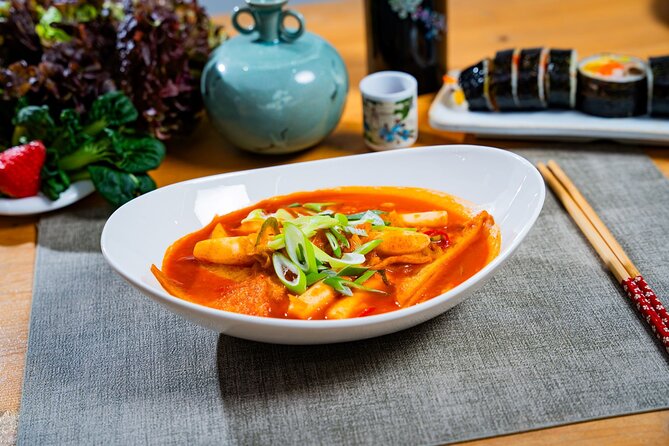
Then comes tteokbokki, rice cakes cooked with gochujang, the famous Korean red chili paste. This is where timing matters. Too little stir time, and flavor does not bond. Too long, and textures shift. You’ll learn how the sauce thickens and how to get it to taste right, not just look right.
More Cooking Classes in Seoul
- Master Korean traditional cooking with a Kimchi chef
★ 5.0 · 385 reviews - Seoul: Korean Cooking at Seoul Cooking Club!
★ 5.0 · 311 reviews - Korean Cooking at Seoul Cooking Club
★ 5.0 · 220 reviews - Experience Korean Cooking in Modern Hanok Kitchen
★ 5.0 · 118 reviews
Haemul Pajeon, Where Pan Technique and Texture Count
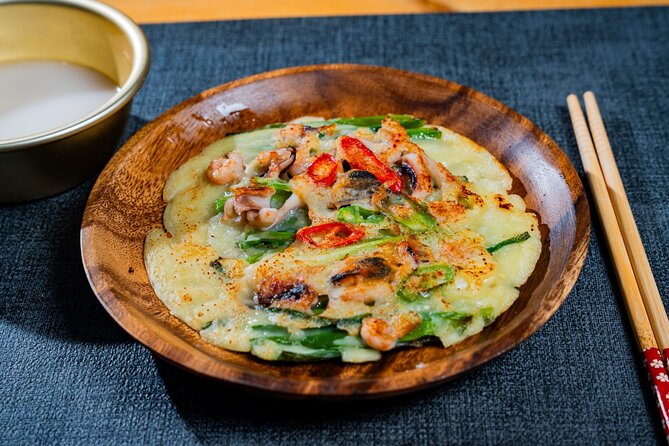
Haemul pajeon is the seafood green onion pancake. It’s not just about cooking a pancake. It’s about getting a batter that fries up correctly and handling heat so the edges set while the center cooks through.
This is one of those dishes where step-by-step coaching really earns its keep. Even people who think they cannot cook well tend to do fine once someone tells them what the batter should look like and what sounds in the pan mean.
Budae Jjigae, Comfort Food with Built-In Depth
Budae jjigae is the stew that makes Korean home cooking feel bold and satisfying. It’s hearty, it’s flavored, and it teaches how stews should taste as they develop. You’ll learn how to build the pot so it does not come out flat or overly salty.
In a couple of sessions, you might notice extra elements or extra bites beyond the core dishes, but budae jjigae is one of the highlights for a reason. It’s also a dish you can bring back to your own kitchen easily because it reheats well and tastes better the next day.
The Taste Experience: Snacks, Sikhye, Makgeolli, and Dessert
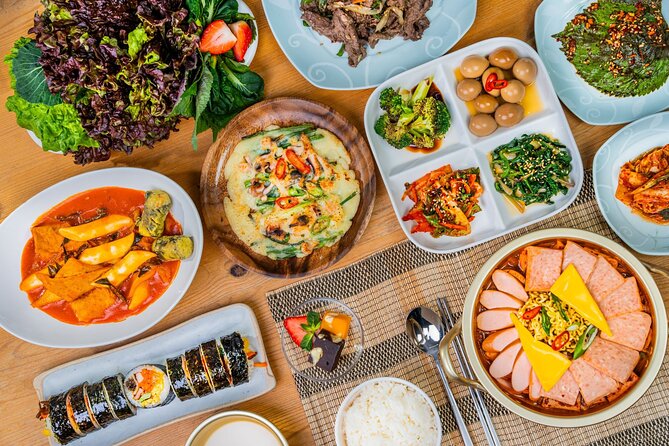
This class is designed so you’re never waiting around hungry. You’ll start with welcome drinks and Korean traditional snacks. Tea and coffee are also included.
For the traditional drinks, you’ll have Sikhye (Korean punch) and Makgeolli (Korean rice wine). Sikhye is sweet and refreshing, and it pairs well with the snack stage because it helps reset your palate. Makgeolli is milky and slightly tangy, and it fits the comfort-food vibe of the dishes you’re cooking.
Dessert is part of the full-course experience too. That matters because some classes stop after the cooking and let you scramble for dessert afterward. Here, you end with a complete meal flow, then get time to eat what you made.
Practical tip: I’d treat this as a meal, not an activity you squeeze in between tours. Multiple course points and drinks add up fast, and you’ll likely want a slower plan after class so you can actually enjoy the experience instead of rushing to your next stop.
How the 3-Hour Session Actually Works
The class runs 3 hours, with morning or evening sessions depending on availability. It’s a small group setting capped at 10, and instruction is in English, so you can follow along without guesswork.
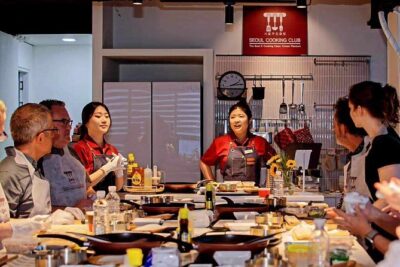
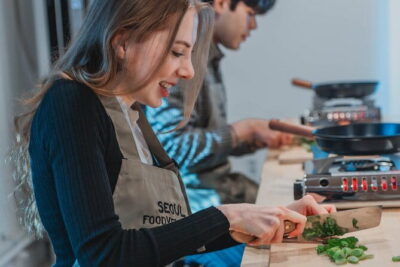
In a typical session, you’ll move through prep to cooking with guidance at each stage. Ingredient prep is key because it keeps the class from turning into chaos. The kitchen stations are set up so you can work while still seeing what the chef is doing.
From the pace described in past sessions, you often prepare about four dishes in that time window, then sit down for the meal. The timing feels balanced, not rushed, especially because you’re not starting from zero. Ingredients and equipment are handled, and you’re taught how to execute.
One helpful thing I noticed from past participants is that the teaching style is clear and encouraging. Chef Jennifer is described as welcoming and patient, and the instructions are designed to make steps feel manageable. If you worry you are not a strong cook, that reassurance matters.
Meal Time Details: Banchan, Full-Course Eating, and Take-Home Food
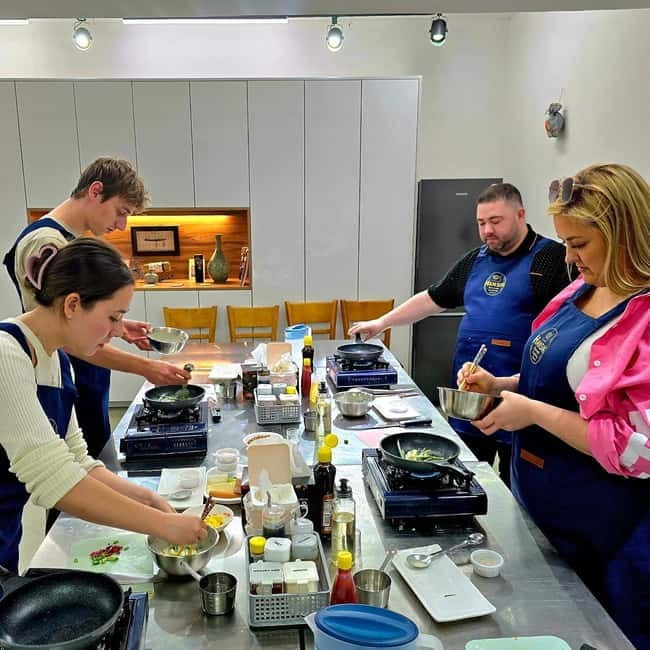
The best part, after you cook, is that the meal is structured. You don’t just taste a bite. You get a full-course meal with Korean seasonal banchan, plus Korean desserts.
You’ll also be served what you made as part of the meal, which makes the whole class feel like a shared kitchen dinner rather than a demo. Several past participants mention getting take-away bags too, which is great if you overestimated how hungry you were.
Small consideration: one person noted it would be nicer if soup were packed in a more solid container than a bag. If you want to carry budae jjigae home, you might want to plan for careful handling, or eat some immediately so the rest travels more easily.
Recipes Via Email, Plus How to Recreate Korean Food at Home
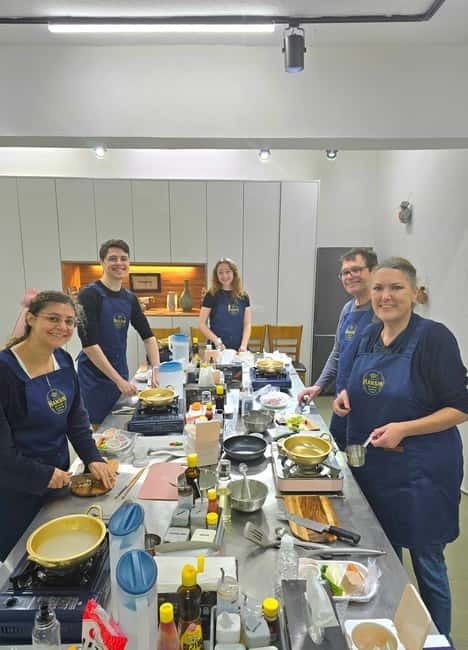
The class includes recipes via email, which is more useful than it sounds. Real cooking classes are not only about what you ate that day. They’re about giving you a reference you can use later.
If you plan to cook Korean food at home, focus on the dishes that match your comfort level. Gimbap teaches rice and rolling. Tteokbokki teaches sauce thickness and flavor balance. Haemul pajeon teaches frying technique and batter texture. Budae jjigae teaches stew building and reheating.
Also, since you’re cooking as a group, you’ll get small practical cues you might not think about alone. Things like what the batter should look like or how sauce should cling help more than a list of ingredients.
Price and Value: Is $94 Fair for 3 Hours?
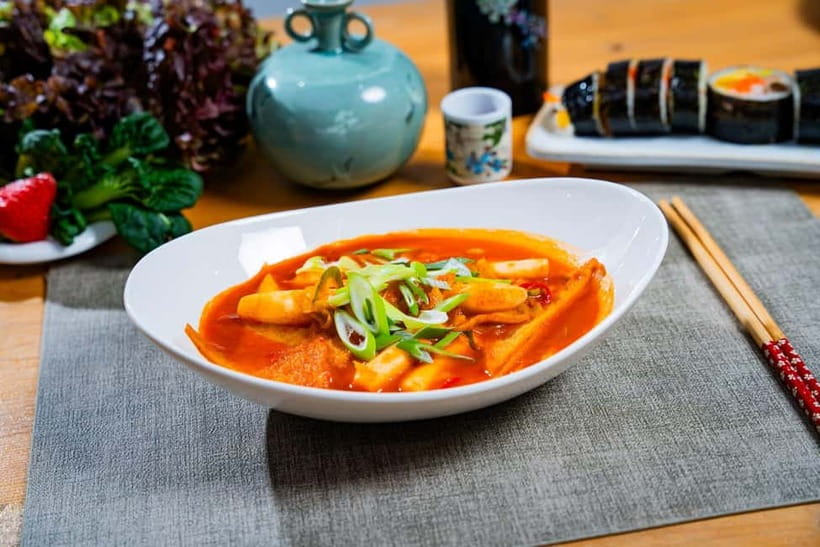
At $94 per person for a 3-hour class, the value comes from what’s bundled in. You’re not paying just for a recipe sheet and a show. You get:
- Ingredients and equipment
- Step-by-step chef instruction in English
- Traditional snacks and drinks (including Sikhye and Makgeolli)
- Tea and coffee
- A full-course meal with banchan
- Korean desserts
- Take-home recipes by email
If you’d normally spend money on a Korean cooking experience plus a meal plus drinks, the bundle starts to look sensible. You’re also paying for the kitchen setup and the personalized pace of a small group.
My honest take: if you like hands-on food experiences where you actually eat what you make, this price feels reasonable. If you only want a quick taste or you’re looking for a cheap sampler, you might find the format heavy on meal content.
Who Should Book Hansik Korean Cooking Class, and Who Might Skip It
This suits you if you:
- Want a true cooking class, not a watch-and-walk-through food experience
- Like comfort foods and street-food favorites turned into home-style recipes
- Prefer small-group learning so you can ask questions while you’re cooking
- Want to leave Seoul with recipes you can repeat
You might choose something else if you:
- Do not want a full meal and drinks included
- Prefer purely guided tastings rather than cooking stations
- Are extremely time-constrained, since this is a deliberate 3-hour workshop
Also, if you have dietary restrictions, pay attention. One participant shared that vegetarian substitutes were available during their session. That suggests the instructor may be able to accommodate, but it’s best to confirm directly when you book.
The Bottom Line: Should You Book This Class?
Yes, I’d book it if your goal is Korean home-style cooking with real instruction and a meal you can feel proud of. Chef Jennifer’s teaching style comes up again and again in the details, and the class covers dishes that teach different skills, not just one repeat trick.
Before you go, come with the right mindset. Show up hungry, wear comfortable clothes, and plan a slow finish afterward. With the mix of hands-on cooking, traditional drinks like Sikhye and Makgeolli, and the full-course meal, you get more than a souvenir. You leave with the ability to cook at least several Korean favorites at home.
FAQ
Where is the meeting point for the Seoul cooking class?
Meet at Gyeongbokgung Subway Station, Orange Line 3, exit 2. From there, it is about a 5-minute straight walk to Woori Bank, in a small alley between the bank and just before the K-Pop Store.
How long is the cooking class?
The class duration is 3 hours.
Is the cooking class taught in English?
Yes, the instructor provides instruction in English.
How many people are in each class?
This is a small group experience limited to 10 participants.
What will I be cooking?
The class includes Korean dishes such as gimbap, tteokbokki, haemul pajeon, and budae jjigae.
What is included in the price?
The package includes the home-style hands-on cooking class, water, Korean traditional snacks, tea and coffee, Sikhye, Makgeolli, Korean desserts, all ingredients and equipment, a full-course meal with seasonal banchan, and recipes sent via email.
Can I cancel and can I reserve without paying right away?
Free cancellation is available up to 24 hours in advance for a full refund. You can also reserve now and pay later to keep your plans flexible.
Recently reviewed in Seoul
- Seoul City Private Tour (Optional layover)★ 5.0 · 3 reviews
- Korean Folk Village & Suwon Hwaseong Fortress Private Tour★ 5.0 · 3 reviews
- 5D4N Korea Cultural Heritage immersion Private Tour★ 5.0 · 3 reviews
- War Memorial, Jogyesa Temple & Tapgol Park Tour in Seoul★ 4.5 · 3 reviews
- Full Day Private Seoul Tour for foodies★ 5.0 · 3 reviews
- Private Tour : Royal Palace & Traditional Villages wearing Hanbok★ 5.0 · 3 reviews
- Nami Island & Nearby Attractions : Charter Van Tour With Driver★ 4.0 · 3 reviews
- K-Pop Tour★ 3.5 · 3 reviews
Cooking Classes, compared.
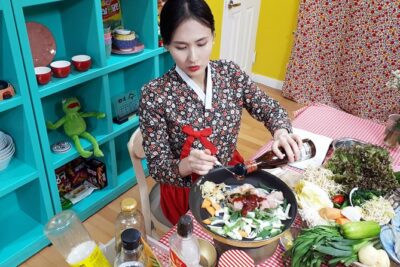
Local Home Korean Cooking Class & Market Adventure in Seoul
Read our review →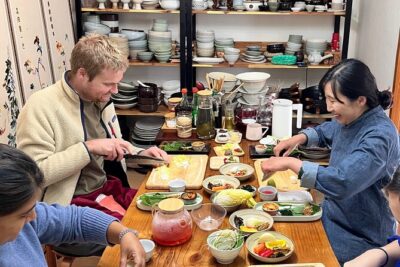
Master Korean traditional cooking with a Kimchi chef
Read our review →
Korean Cooking Class at a Local Home and Market Tour
Read our review →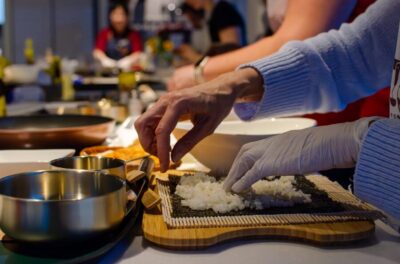
Korean Cooking Class with Grocery Shopping at Seoul Local Market
Read our review →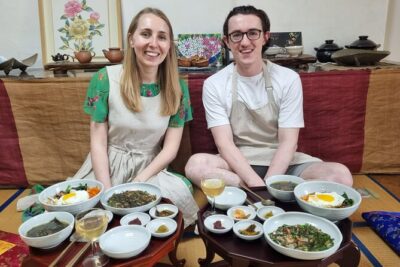
Busan Tailored Korean cooking class (Vegan OK)with market tour
Read our review →Browse the lists this tour appears in