
Reviewed · BUKCHON HANOK VILLAGE
Seoul: Bukchon Hanok Village Walking Tour
This tour is interesting because it turns Bukchon Hanok Village from pretty buildings into a real story you can follow street by street. Hanok architecture feels personal when someone helps you notice how it works, and Bukchon’s setting makes it easy to slow down without leaving Seoul behind.
I especially like two things: the way the guide explains how Hanok changed over time, and the relaxed pacing of a small-group walk with an English guide who keeps the tone friendly and clear. One consideration is that it’s still a walking tour, so plan for uneven lanes and bring comfortable shoes.
Key things you’ll notice on this Bukchon walk
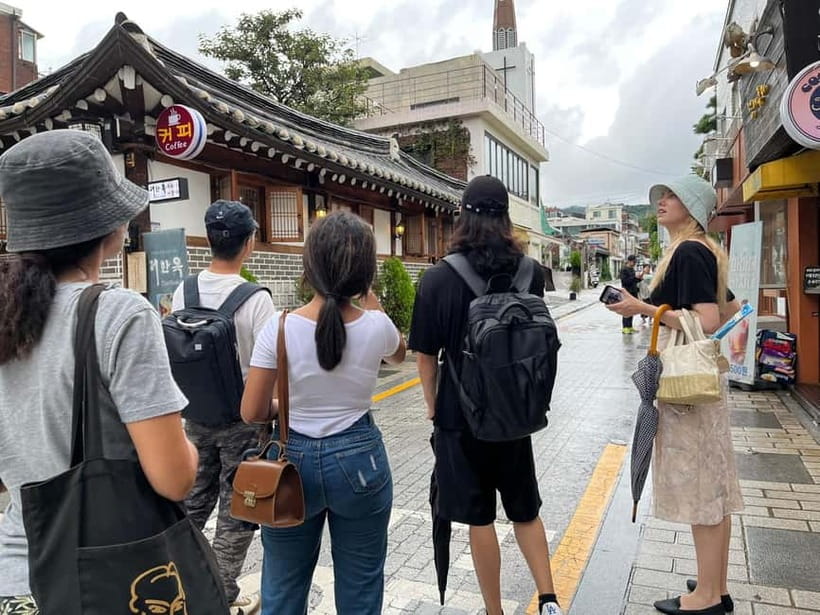
- Small group size (up to 10), so questions stay easy and the guide can adjust the pace
- English live guide, with commentary focused on what you’re seeing
- Hanok from different periods, including what changes in appearance and layout
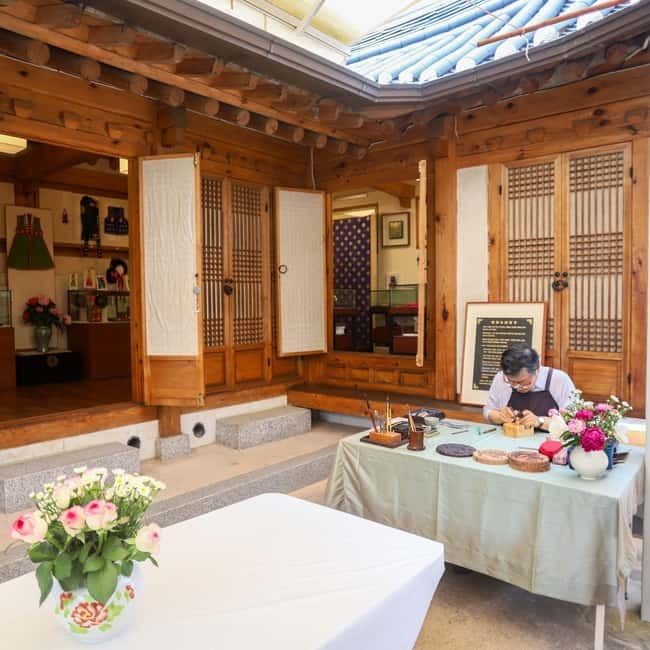
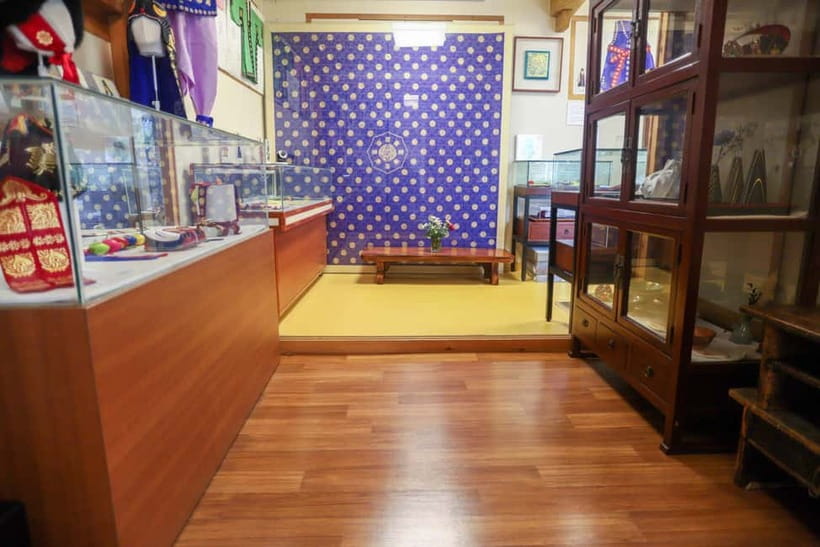
- Interior access to typical houses, not just photos from the outside
- OraeGage context, so you understand how old Seoul keeps its values
- Tea or coffee included, plus a calm break in the middle of the neighborhood
Bukchon Hanok Village: old houses in the middle of Seoul
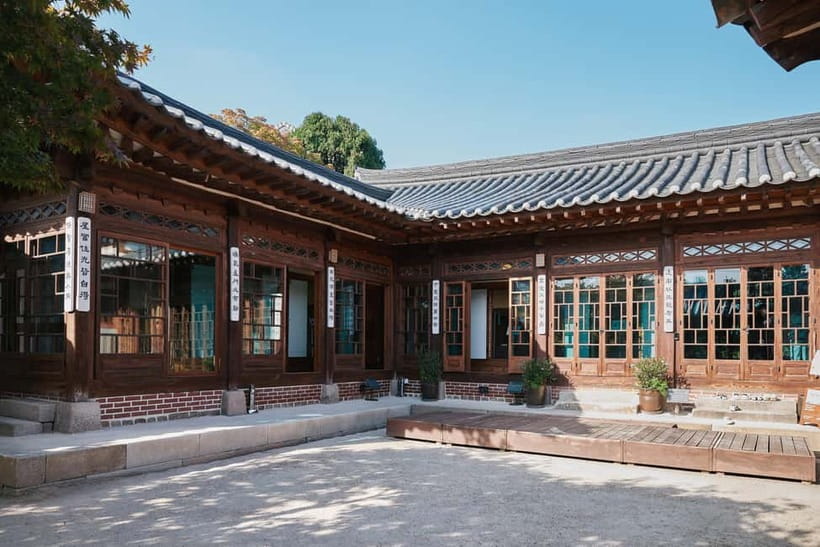
Bukchon Hanok Village sits north of Cheonggyecheon Stream and around Jongno, in an area with about 600 years of urban history. The big reason it works for a walking tour is simple: you can see how traditional Korean neighborhoods held their shape even as the city grew around them. The contrast is striking, and it’s not just for pictures.
Hanok itself is the traditional Korean architectural style, shaped by eras and refined over generations. On this tour, you’re not limited to looking at rooftops and doors. You learn what makes a Hanok a Hanok, and you also get help spotting changes between older house styles and later versions. That turns the “cool street view” into a timeline you can understand with your own eyes.
And if you’re looking for something that feels restorative, this area can do that. The quiet lanes between houses, the slower walking pace, and the guide’s focus on culture and etiquette can make the whole experience feel like a breather inside a very active city.
More of Bukchon Hanok Village:
- Seoul: Gyeongbok Palace, Bukchon Village, and Gwangjang Tour
★ 4.9 · 2,321 reviews - Seoul: Gyeongbok Palace, Bukchon Village, and Gwangjang Tour
★ 5.0 · 1,044 reviews - Seoul: Gyeongbok Palace and Bukchon Hanok Walking Tour
★ 4.8 · 157 reviews
Anguk Station meeting point and how to plan your 2 hours
You meet at Anguk Station Exit 3 (Subway Line 3). The tour ends back at the same meeting point, which makes it easy to plug into the rest of your day. The total time is about 2 hours, which is ideal if you want a meaningful cultural stop without burning half your vacation.
Because it is only two hours, the tour works best if you come with one goal in mind: pay attention. Wear shoes you can walk in for a while, and avoid expecting a long sit-down museum pace. You’ll be moving, looking closely, and listening as the guide points out details you would otherwise miss.
Small group size also matters here. With a cap of 10 participants, it’s easier to ask questions and get personal clarification. That’s not just comfortable, it helps you connect the architecture to the story in your head.
OraeGage: why old Seoul shops matter
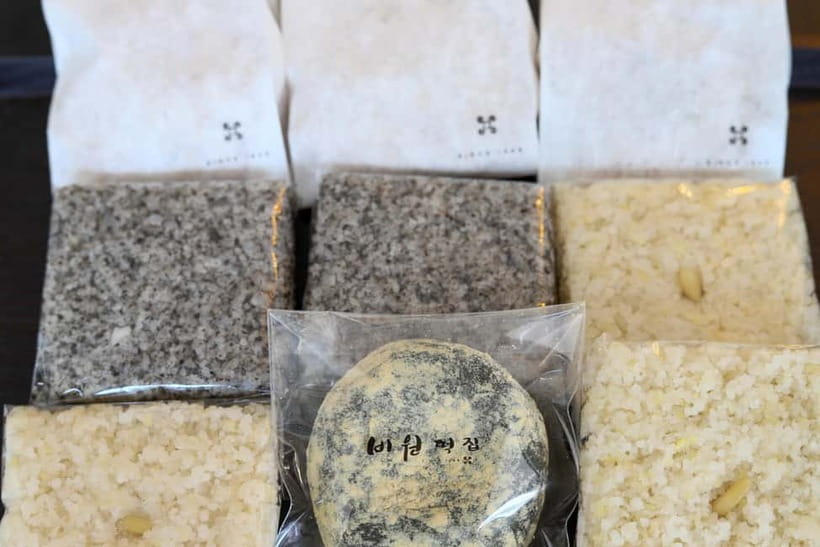
One of the less obvious parts of the tour is the idea of OraeGage. In simple terms, OraeGage refers to long-running shops that carry Seoul’s tradition and values. The point is not just age. It’s continuity, and the message is that these places deserve to last.
Seoul has identified and designated OraeGage stores for several years, with the goal of preserving the atmosphere and stories that make the city feel like a living culture rather than a themed set. During your tour, you’ll get this concept explained so you can see why old places in Korea are protected and celebrated, not replaced.
This matters because Bukchon isn’t only about houses. It’s also about how communities keep their identity. When you connect the Hanok neighborhood with ideas like OraeGage, the whole area makes more sense, especially if you’re the kind of traveler who likes context, not just scenes.
Walking the Bukchon lanes: what to look for in Hanok houses
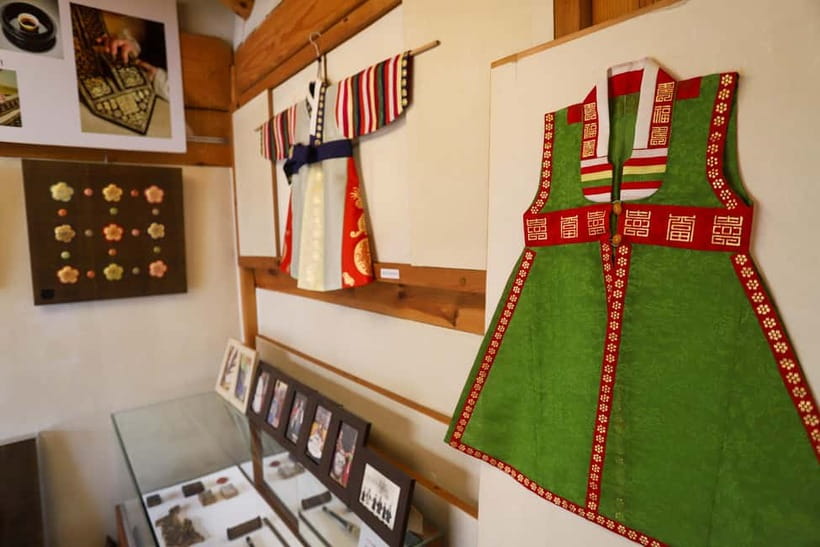
As you move through Bukchon, the guide helps you connect architectural features to everyday life. Hanok is described as evolving across periods and eras, and that’s exactly what you’ll practice during the walk. You’ll visit Hanok houses from different periods, and you’ll learn what makes each one distinct.
Here are the types of details you’ll be coached to notice:
- how the space is arranged for daily routines
- how materials and structure reflect the values of the time
- what changes you can see as Hanok styles develop
- how the houses maintain character even as the modern city sits close by
The neighborhood’s uniqueness comes from the fact that these traditional houses have been preserved and not distorted into something “foreign” or purely decorative. You’re seeing a genuine mix of old and new, with a beauty that comes from contrast rather than replacement.
This is also where the tour’s tone shifts from sightseeing into understanding. The guide doesn’t just say what something is. They explain why that kind of design made sense for the era it came from, so you start recognizing patterns as you walk.
More Walking Tours in Seoul
- Seoul moonlight walking tour with local historian
★ 5.0 · 940 reviews - Seoul: Nighttime Hidden Gems Walking Tour
★ 5.0 · 775 reviews - Seoul: Evening Dark History, Folklore & Ghost Story Walking Tour
★ 5.0 · 593 reviews - Seoul: Dark Side of the City and Ghost Stories Walking Tour
★ 4.8 · 484 reviews
Seeing interiors: typical houses, not just facades
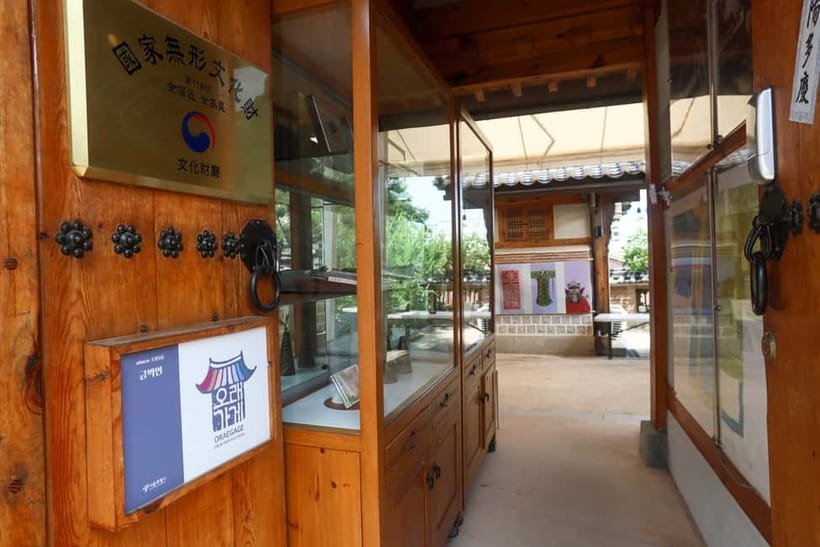
A standout part of this experience is that you don’t stay outside. The tour focuses on Hanok houses in a way that includes seeing the interior of typical homes. That changes the experience immediately. A Hanok looks beautiful from the street, but the interior helps you understand how the space would have been used.
One reason this is so valuable is that your brain needs both views, outside and in. From the outside, you learn the style. From the inside, you learn how people lived, where privacy mattered, and how rooms supported daily life. When you can connect those dots, Bukchon feels less like a postcard and more like a real home with history.
In past groups, the English guides have been praised for enthusiasm and for showing interiors with clarity, not rushing. One named example is Alan, who’s been specifically called out for thorough explanations, lots of anecdotes, and a courteous pace, plus a knack for taking photos without turning it into a production.
Even if your guide is someone else, use that as your expectation: this tour is designed to be calm, not rushed, and to keep you looking at the right things.
Noble life and the culture behind what you see
Bukchon can be a visual lesson, but the tour adds another layer by talking about how Korean nobles lived. You’ll hear about food and cultural practices associated with that class, and you’ll pick up context about etiquette and art.
You don’t need to be an expert on Korean history to get value here. The guide’s job is to connect lifestyle to architecture and customs. When the tour explains how nobles might have enjoyed food, how etiquette shaped behavior, and how culture showed up in daily life, you start seeing Hanok as more than a building style. It becomes a container for social values.
This is also where the “healing and relaxation” angle fits. Learning history can feel heavy if it’s just facts. Here, it’s presented through lifestyle and everyday culture, and that often feels lighter, more human.
Tea or coffee break: a quiet reset inside the walk
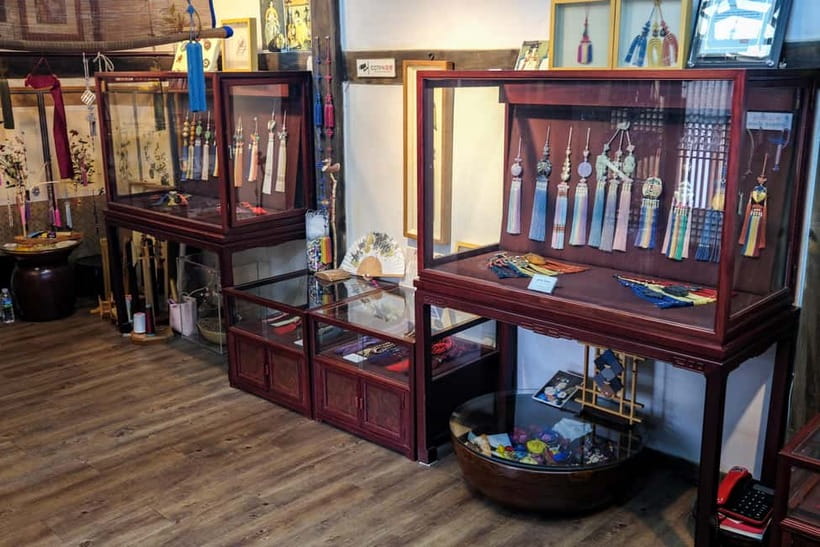
Your tour includes coffee or tea, and in some groups the guide takes you to a tea house and offers tea along with sweets. That break is more than a treat. It gives your body a pause, and it gives your brain time to absorb what you just saw.
In a neighborhood where you’re surrounded by traditional architecture, a tea stop feels like the right kind of intermission. You can sit, look around, and mentally organize the story the guide told you while you were walking.
If you’re the type who likes to take photos, this is a good moment to slow down too. A well-timed drink stop helps you avoid the frantic feeling of collecting shots before you move on.
Price and value: does $55 make sense for 2 hours?
The price is $55 per person for about 2 hours, for a small group of up to 10, with a live English guide and coffee or tea included. On paper, it’s not the cheapest thing you can do near a major attraction. But you’re paying for three value drivers that matter:
- Guide time in English: this is a cultural site where context makes the difference.
- Focused access and pacing: the experience is designed to move through Hanok houses from different periods without turning it into a chaotic self-guided scramble.
- Included refreshment: coffee or tea is included, and there’s often a tea-house feel to the stop.
If you were trying to replicate this on your own, you’d spend time figuring out which houses are worth your attention, what details to look for, and how to connect the architecture to noble life and etiquette. A guided walk compresses that learning into two hours.
So for many travelers, it’s a fair trade: pay for understanding and comfort, spend less time guessing.
Who this Bukchon walking tour is best for
This is a great fit if you:
- want a small-group cultural walk rather than a large crowd
- like architecture explanations that include how people lived
- enjoy history through etiquette, lifestyle, and food context
- want a calm break in the middle of Seoul, not another “run to the next photo” tour
It may be less ideal if you:
- hate walking or have low tolerance for uneven lanes
- only want outside views and don’t care about interior or culture lessons
- expect a super long experience, since it stays focused at about two hours
Practical tips to make the most of your Hanok visit
A few simple things will help you enjoy the tour more right away:
- Wear comfortable shoes. The village lanes can be uneven.
- Bring a mindset of looking for patterns. The guide will point out details you can connect from one house to the next.
- If you care about photos, tell yourself you’re not rushing. The pacing is designed so you can take pictures without feeling like you’re holding everyone up.
- Listen for cultural cues. The best moments are when the guide connects architecture with everyday etiquette and noble life.
If you show up ready to notice, you’ll get far more than a pretty walk.
The bottom line: should you book this Bukchon Hanok Village tour?
I think this tour is worth booking if you want a guided, English-led Hanok experience in Bukchon that goes beyond exteriors. The combination of small-group pacing, interior viewing, and culture lessons around noble life and OraeGage values is exactly the kind of “pay once, learn more” experience that makes a short stay feel full.
Book it if your schedule can handle a 2-hour walk and you want context that makes the neighborhood click. Skip it only if you truly prefer self-guided wandering or if you want something without any walking at all.
FAQ
Where does the Bukchon Hanok Village Walking Tour meet?
The tour meets at Anguk Station Exit no. 3 (Subway Line 3).
How long is the tour?
The duration is about 2 hours.
How much does the tour cost?
The price is $55 per person.
Is the tour guided in English?
Yes. It includes a live tour guide in English.
What group size should I expect?
The tour is a small group limited to 10 participants.
What is included in the price?
A local tour guide and coffee or tea are included.
What should I bring?
Wear comfortable shoes for walking.
Is there free cancellation?
Yes. You can cancel up to 24 hours in advance for a full refund.
Can I reserve now and pay later?
Yes. The option is reserve now & pay later, meaning you can book your spot and pay nothing today.
Are there any rules about booking on weekends or holidays?
Reservations cannot be confirmed on weekends and holidays.
What happens if too few people book?
If the number of participants is under 4, the tour will be canceled, and you will be notified via WhatsApp.
FAQ
Where does the tour end?
The tour ends back at the meeting point.
What happens if I miss the tour or cancel on the day?
No refund is issued for no-show or cancellation on the day of the tour.
Recently reviewed in Seoul
- Korean Folk Village & Suwon Hwaseong Fortress Private Tour★ 5.0 · 3 reviews
- Seoul City Private Tour (Optional layover)★ 5.0 · 3 reviews
- 5D4N Korea Cultural Heritage immersion Private Tour★ 5.0 · 3 reviews
- War Memorial, Jogyesa Temple & Tapgol Park Tour in Seoul★ 4.5 · 3 reviews
- Private Tour : Royal Palace & Traditional Villages wearing Hanbok★ 5.0 · 3 reviews
- Full Day Private Seoul Tour for foodies★ 5.0 · 3 reviews
- Nami Island & Nearby Attractions : Charter Van Tour With Driver★ 4.0 · 3 reviews
- K-Pop Tour★ 3.5 · 3 reviews
Bukchon Hanok Village, compared.

Gyeongbok Palace, Bukchon Village, and Gwangjang Tour
Read our review →Gyeongbok Palace, Bukchon Village, and Gwangjang Tour
Read our review →
Gyeongbok Palace and Bukchon Hanok Walking Tour
Read our review →
Best Walking Tour to Gyeongbok Palace Bukchon Hanok Village
Read our review →
Tour Seoul’s oldest district with a storyteller from Bukchon
Read our review →
Layover tour to Gyeongbokgung-Folk Museum-Bukchon-Insadong
Read our review →
Walking Tour with Gyeongbokgung Palace, Bukchon, Insadong
Read our review →Browse the lists this tour appears in