
Reviewed · BUKCHON HANOK VILLAGE
Tour Seoul’s oldest district with a storyteller from Bukchon
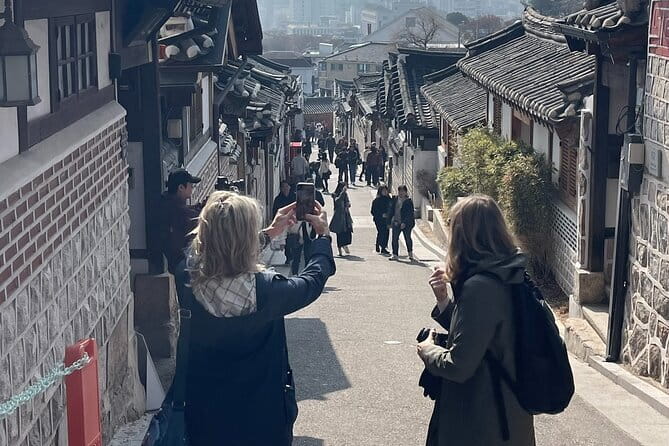
Bukchon works because it is a real neighborhood, not a theme park. This walking tour strings together centuries of Korean life through narrow alleys, with a storyteller born and raised in Bukchon, now a filmmaker and university screenwriting professor. You get a timeline that stretches from Joseon era power and daily living, all the way toward the 1980s, without turning it into a lecture.
I love the first-hand local storytelling. The guide Dong links what you see on the street to what life was like before Bukchon changed, and many guests mention the pace feels calm, not rushed. I also like the mix of stops, from royal history at Unhyeongung to everyday details like a boreum well and feng shui stories in Samcheongdong. The main drawback to watch for is that this is a walking tour, and it may be challenging for kids aged 12 and under, so plan around moderate physical fitness.
Key highlights you will actually feel during the walk
- A local-born guide, Dong, telling Bukchon stories with personal context, not just facts
- A stop plan built around scenes, from Unhyeongung to hanok alleys and Bukchon Hanok Village
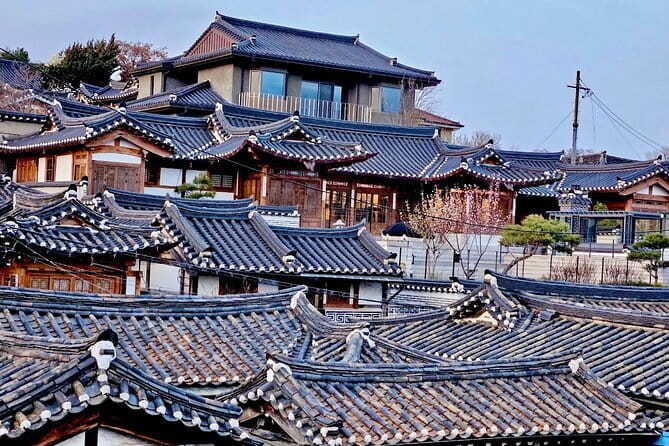
- Architecture you can read with your feet, including historic structures near Cafe Onion Anguk
- Feng shui and power politics in the same route, tied to where land and influence were centered
- Optional craft with the Plus Tour, and one popular craft mentioned is Hopae tags
- A comfortable length, about 2 to 3 hours, with a pace guests say feels relaxing
Why Bukchon Feels Different With Dong’s Stories
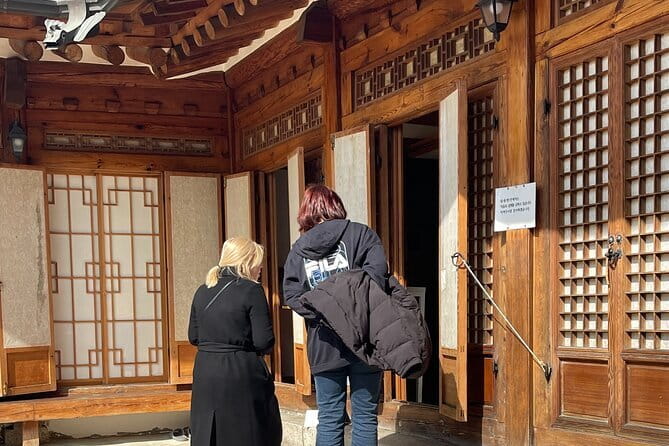
Bukchon has that postcard look, hanoks, stone lanes, quiet courtyards. But the real magic is when someone tells you why those lanes matter. This tour is built around that idea. Dong grew up in Bukchon, so when he explains places like Unhyeongung or the hanok village areas, he is not just pointing. He is connecting the past to the present in a way that makes the neighborhood feel human.
One thing I appreciate is the tour’s storytelling angle, not a “checklist of sights” angle. You are guided through the heart of Korean politics, economy, and culture from 1392 to the 1980s, but you learn it through specific stop stories: a royal succession detail here, a long-running architectural timeline there, a well that carries childhood memories and later historical findings. That structure makes it easier to remember what you saw, instead of feeling like you got dropped into a photo shoot.
The other win is how the route balances famous references with quieter, less obvious details. Some guests specifically praised the “quiet but important” parts of Bukchon that you might miss on your own. If you like Seoul as a place with layers, this is the kind of walk that gives you depth without dragging on.
More of Bukchon Hanok Village:
- Seoul: Gyeongbok Palace, Bukchon Village, and Gwangjang Tour
★ 4.9 · 2,321 reviews - Seoul: Gyeongbok Palace, Bukchon Village, and Gwangjang Tour
★ 5.0 · 1,044 reviews - Seoul: Gyeongbok Palace and Bukchon Hanok Walking Tour
★ 4.8 · 157 reviews
Tour Snapshot: 2 to 3 Hours, 10:00 am Start, Anguk Station Exit 4
This is a 2 to 3 hour private walking tour. Private matters because it usually means less waiting and a better flow for questions, and the “only your group” setup is listed for this experience.
Your day begins at Anguk Station Exit 4 in Unni-dong, Jongno District. Start time is 10:00 am. The tour ends in a different location, and the exact endpoint is provided with the details you receive after booking, so I suggest planning a nearby buffer time rather than stacking another appointment right after.
Price is $39.20 per person, and for what you get, it is less about buying admissions and more about buying time with a local storyteller. Most stops are described as free to enter. So you are paying for interpretation, context, and the guided walk through Bukchon’s key historical areas.
A couple practical notes from the experience info:
- You will be walking, and the tour asks for moderate physical fitness.
- It may be challenging for kids 12 and under, so if you are traveling with younger kids, this is worth reconsidering.
- It is near public transportation, so you are not stuck with a complicated arrival plan.
Unhyeongung: Royal Succession in One Small Stop
Stop one is Unhyeongung, and the story is the hook. When a king dies without a crown prince, an 11-year-old royal boy born and raised here becomes the 26th king of Joseon. His father then rules the country from this area for the next ten years.
That is a lot of political history to fit into one stop, but the point is how it reframes what you see. Instead of looking at a historical site like a fixed monument, you get a sense of how power moved through real places. The “young king” detail also makes the story easier to track as you walk deeper into Bukchon, because it gives you a human anchor for the bigger Joseon-era narrative.
One more subtle benefit: starting at a royal site sets your mental baseline for the rest of the route. When you later learn about ruling class hanoks or feng shui choices in this neighborhood, it feels like a continuation of the same system, not random trivia.
Cafe Onion Anguk: Historic Architecture, Countable Timelines
Next up is Cafe Onion Anguk. The focus here is the built environment, and the tour leans into a neat idea: you can learn history by paying attention to layers of architecture.
You will admire historic architecture traced to 600 years ago, 100 years ago, and 50 years ago, plus the stories behind them. I like this stop because it turns a street-level view into a timeline. You are not just standing at a famous building. You are learning how buildings carry changes across centuries, even when the changes look subtle from the outside.
If you enjoy architecture and Seoul’s “small details” approach, this stop is a good place to slow down. Many people rush Bukchon for photos. This one trains you to look longer.
A few more Seoul days side by side
- Best DMZ Tour Korea from Seoul (Red Suspension Bridge Optional)
★ 5.0 · 41,422 reviews - DMZ Tour: 3rd Tunnel, Option(Suspension Bridge, Boat) from Seoul
★ 5.0 · 21,373 reviews - DMZ tour south Korea from Seoul (NK experience hall, defector)
★ 5.0 · 20,599 reviews - Seoul: The Best DMZ Tour with Optional Suspension Bridge
★ 4.7 · 4,978 reviews
Bukchon Traditional Culture Center: Hanoks of the Yangban Ruling Class
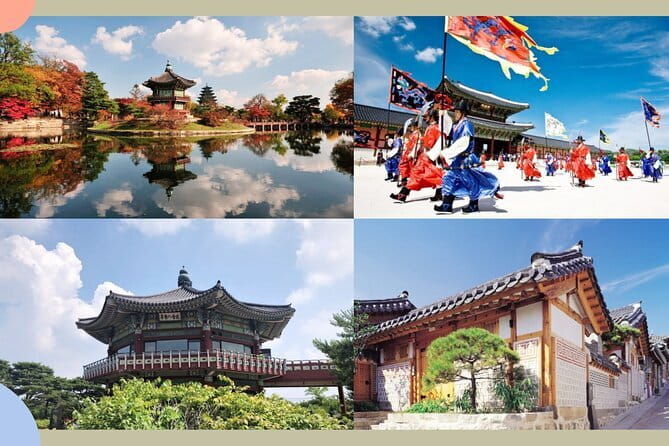
Stop three is Bukchon Traditional Culture Center, where you learn about and appreciate hanoks connected with the Yangban, the ruling class. This is where the tour shifts from “where power happened” to “how people lived and organized life.”
A hanok is more than a pretty roof. It is a home designed around social roles, climate, privacy, and hierarchy. Even without getting lost in technical building terms, understanding that these homes were tied to the Yangban makes the neighborhood feel more legible. You start noticing why certain spaces and layouts mattered, and why Bukchon’s identity formed the way it did.
One thing to keep in mind: this stop is relatively short. So if you are the type who likes to spend time inside museums or read every sign, you may want to plan an additional visit later. The value here is interpretation, not a long, self-paced study session.
Seokjeong Boreum Well: A Childhood Memory Turned Into History
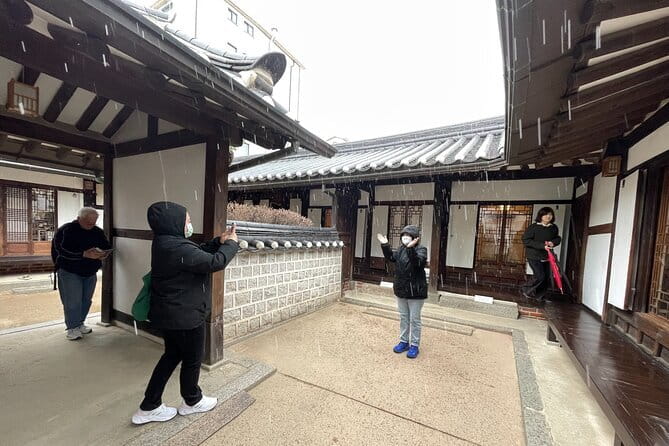
Stop four is Seokjeong Boreum Well. The tour frames this well around a storytelling approach: the guide will share stories about the wells you might have heard as a child and what history has revealed.
This kind of stop is important because it breaks the pattern of royal sites and political power. Wells are infrastructure and memory. In many old neighborhoods, a boreum well is a social landmark as much as a practical one, and the tour uses that idea to connect everyday life to later historical findings.
If you want Bukchon to feel lived-in, not museum-only, this is a good stop. It adds texture.
Choong Ang High School, Winter Sonata Fame, and the Real Historical Angle
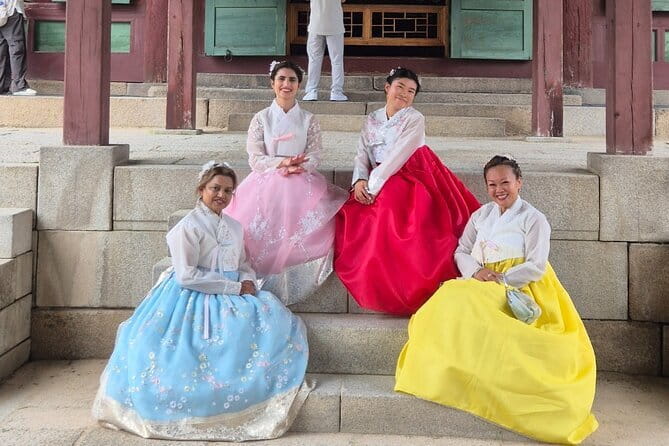
Stop five is Choong Ang High School, which is known for filming dramas and music videos, including the Winter Sonata association. The tour’s twist is that while the filming fame is real, the location is also described as a historic space that helped shape Korea into the country it became.
This is a useful approach if you have watched Korean dramas. You can enjoy the pop-culture reference, then move past it. You get a reminder that many “set-like” locations also carry real institutional and historical weight.
Keep your expectations balanced here. The tour does not list a long museum-style explanation for this stop, but it does sound built to link cultural media with the larger historical story. That makes it a nice bridge from Joseon-era framing into more modern Korea.
Samcheongdong and Bukchon: Feng Shui, Land, and Rise and Fall
Stop six is where the tour gets dramatic. You trace the rise and fall of powerful politicians and business tycoons who held land in Bukchon. The route also references why this district was chosen as capital under principles of feng shui, explained as an auspicious site.
The angle I like here is how it connects geography and belief systems to real political and economic outcomes. Feng shui in this context is not just a superstition you can laugh at, it is presented as a factor people used to justify power, prosperity, and decisions that affected lives. When you hear it linked to landholding and influence, it feels more grounded.
This stop also helps you understand Bukchon’s reputation. In Seoul, some neighborhoods become magnets for influence. This is the story of how Bukchon’s setting helped shape that.
Bukchon Hanok Village: 1920s-30s Change Through One Person’s Role
The last stop is Bukchon Hanok Village, framed around the man who changed Bukchon’s face in the 1920s and 30s. The tour keeps it human-sized, focusing on a key figure instead of trying to explain every modernization trend that hit Seoul during that period.
Even with limited stop time, this is a strong closer. It reminds you that neighborhoods do not “freeze” at one moment in history. Bukchon changes. People reshape it. And what you see now is partly the result of decisions made during the early 20th century.
If you end up walking around on your own after the tour, you will likely notice more than you planned. The final story gives you a lens for what you are seeing and why.
Price and Value: What $39.20 Really Covers
At $39.20 per person, the biggest value is not admissions. The itinerary lists multiple stops as free, including Unhyeongung (admission ticket free in the description) and the rest as free as well.
So your money goes toward:
- Dong’s storytelling and first-hand local perspective
- A guided route that ties together politics, daily life, and architecture
- The convenience of a prepared stop plan that makes it hard to get lost in Bukchon’s maze-like lanes
In the reviews, the most praised element is consistent: the guide’s local background. Guests highlight that Dong grew up in Bukchon and shares personal anecdotes that connect past and present. People also mention the pace as relaxing and not rushed, which matters because walking tours can either feel like a sprint or feel like a conversation.
Also worth knowing: the experience includes a professional guide from Bukchon. A traditional handicraft experience is available with the Plus Tour only. One review specifically mentions making Hopae tags, so if you want a hands-on cultural moment, check the Plus option.
Given the duration and the focus on interpretation, this is a good value choice for anyone who thinks Seoul is more than just landmarks. If you want a story you can carry home, not just photos, the price starts to make a lot of sense.
Pacing, Comfort, and Photo Strategy for a Walking-Heavy Tour
This is a walking tour with a time window of about 2 to 3 hours and a requirement for moderate physical fitness. Translation: you will spend real time on foot, likely on uneven or sloped lanes typical of older Seoul districts.
My practical advice:
- Wear comfortable shoes. Bukchon lanes can be charming and also tiring.
- Plan for light walking breaks as part of the tour rhythm. The stops are short, often around 10 to 20 minutes each, so you are in motion most of the time.
- If you are traveling with a camera, use your “stop” moments for wider shots, then step back from the flow when Dong is talking. You will understand more if you listen first.
The reviews repeatedly mention a good pace and that it does not feel rushed. That aligns with the stop timing: short interpretive pauses that keep you moving but still give context.
If it is hot or cold, just dress for walking outside. Nothing in the information suggests indoor shelter between stops, so your clothing choice matters.
Who This Tour Fits Best, and Who Should Rethink
This tour is strongly recommended for participants aged 12 and above. That is not just a number. It likely connects to stamina, attention span for storytelling, and the walking time.
I think this tour is a great match if:
- You want Bukchon with meaning, not just sightseeing
- You like storytelling-led tours where a local frames what you see
- You enjoy architecture, Joseon-era context, and feng shui as part of a place’s history
- You want a calm pace and space for questions
I would reconsider if:
- You are bringing very young kids who may struggle with walking and focus
- You want a fast route that hits many sights without waiting for stories
- You expect a big indoor attraction lineup at every stop
For couples, solo travelers, and small groups, this format usually works well because the guide can adapt as you ask questions. A number of reviews mention that Dong answered questions and also offered extra recommendations.
Should You Book This Bukchon Storytelling Tour With Dong?
Book it if you want to understand Bukchon the way locals do, through a neighborhood-born storyteller and a route that connects architecture, royal power, wells, and feng shui to the way Seoul developed. The best reason is the consistency in the feedback: Dong’s local perspective, the calm pace, and the sense that you learn something you would not easily find on your own.
Don’t book it if your priority is only famous photo spots with minimal walking and minimal talk. This tour is built for conversation, not speed.
If you are on the fence, here is a simple decision rule: if you enjoy stories tied to places, and you are comfortable walking for a few hours, this is an easy yes.
FAQ
How long is the Bukchon Storytelling Tour?
It runs about 2 to 3 hours.
Where do I meet the guide?
Meet at Anguk Station Exit 4, Unni-dong, Jongno District, Seoul.
What time does the tour start?
The start time listed is 10:00 am.
Is this a private tour?
Yes. It is listed as private, so only your group participates.
Who is this tour best for?
It is strongly recommended for participants aged 12 and above, and it may be challenging for children aged 12 and under.
How much walking is involved?
The tour is designed for people with moderate physical fitness. Since it is a walking route through multiple stops, plan for a few hours on foot.
What is included in the price?
A professional guide from Bukchon is included. A traditional Korean handicraft experience is available only with the Plus Tour option.
Are there admission fees at the stops?
The itinerary descriptions list admission ticket free for at least Unhyeongung, and the other listed stops are also described as having free admissions.
Does the tour use a mobile ticket?
Yes. Mobile ticket is listed as a feature.
Can I cancel and get a refund?
You can cancel up to 24 hours in advance for a full refund.
When might the tour be canceled?
The tour may be canceled if fewer than 2 guests join.
Recently reviewed in Seoul
- Korean Folk Village & Suwon Hwaseong Fortress Private Tour★ 5.0 · 3 reviews
- Seoul City Private Tour (Optional layover)★ 5.0 · 3 reviews
- 5D4N Korea Cultural Heritage immersion Private Tour★ 5.0 · 3 reviews
- War Memorial, Jogyesa Temple & Tapgol Park Tour in Seoul★ 4.5 · 3 reviews
- Private Tour : Royal Palace & Traditional Villages wearing Hanbok★ 5.0 · 3 reviews
- Full Day Private Seoul Tour for foodies★ 5.0 · 3 reviews
- K-Pop Tour★ 3.5 · 3 reviews
- 3D Private Seoul Highlight tours with DMZ & Korean Folk Village★ 5.0 · 3 reviews
Bukchon Hanok Village, compared.
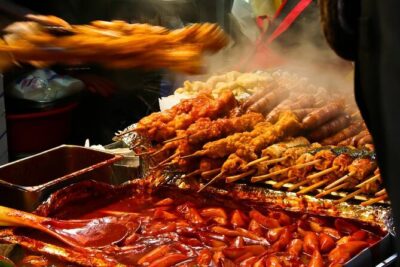
Gyeongbok Palace, Bukchon Village, and Gwangjang Tour
Read our review →Gyeongbok Palace, Bukchon Village, and Gwangjang Tour
Read our review →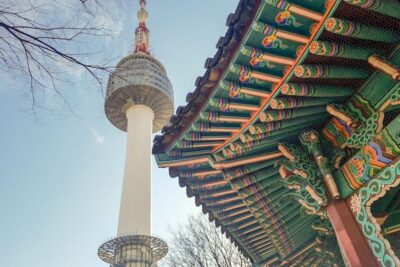
Gyeongbok Palace and Bukchon Hanok Walking Tour
Read our review →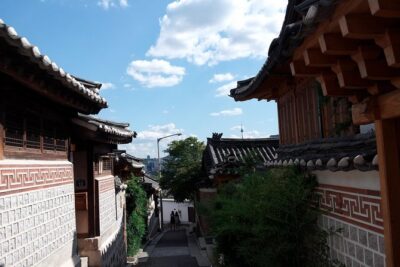
Best Walking Tour to Gyeongbok Palace Bukchon Hanok Village
Read our review →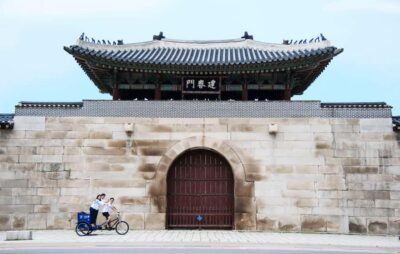
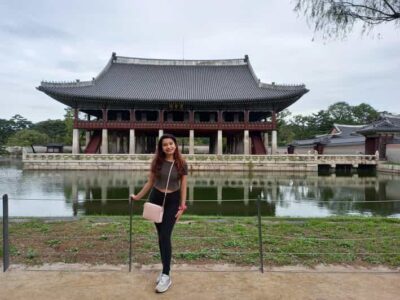
Layover tour to Gyeongbokgung-Folk Museum-Bukchon-Insadong
Read our review →
Walking Tour with Gyeongbokgung Palace, Bukchon, Insadong
Read our review →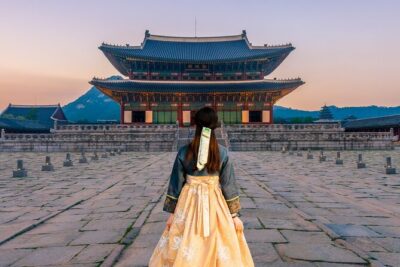
Seoul Private Tour: Palace, Bukchon, Insadong & Han River Cruise
Read our review →Browse the lists this tour appears in