
Reviewed · MARKETS
Hidden Stories & Flavors: Traditional Market Food Tour
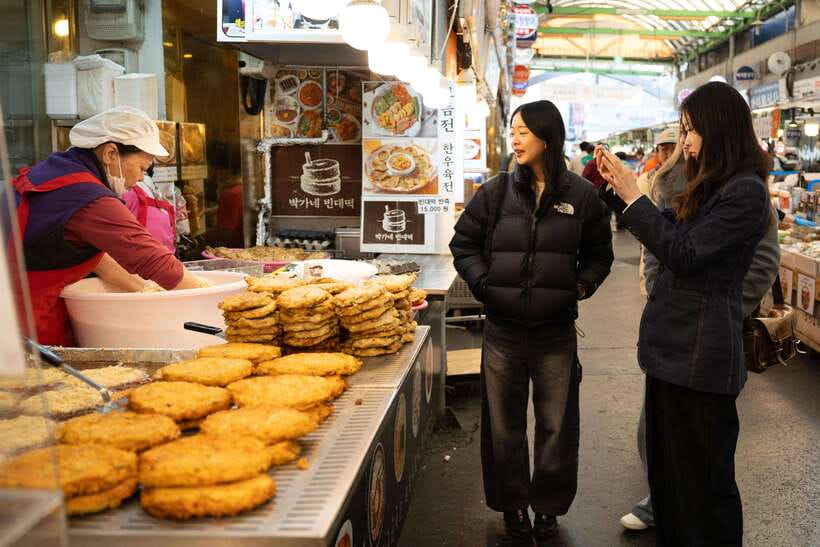
This tour works because it ties market food to real-life Korea, not just cute sightseeing. You walk through one of Seoul’s best-known traditional markets while an English-speaking guide connects what you’re eating to what you’re seeing around you.
I especially like two things: the chance to sample classic stalls food in a tight 2-hour plan, and the guide’s focus on modern context, including the Korean peninsula division and a military perspective from reserve service. One thing to consider is that the menu can change, and you’ll likely eat a lot, so plan your day around it.
Key Highlights You Can Count On
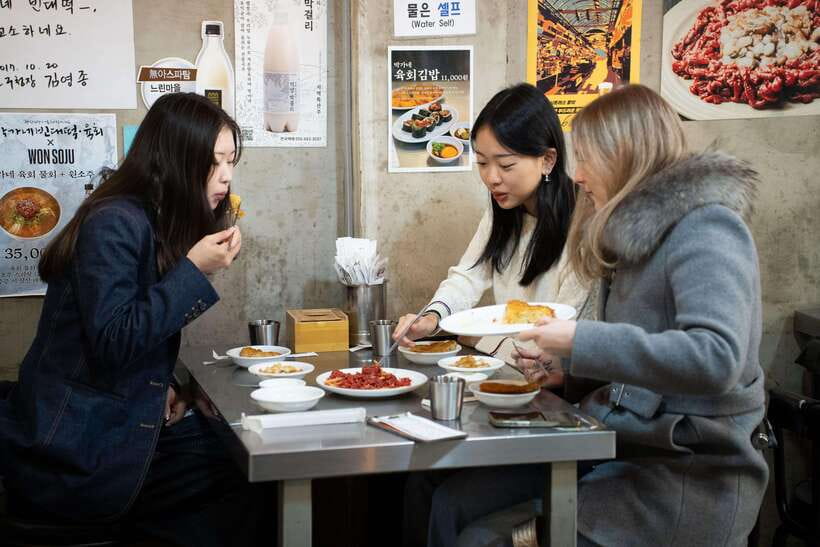
- Gwangjang Market street-food sampler in a 2-hour route that keeps moving
- English live guide who explains what you’re eating and why it matters
- Taeseong-style storytelling that links Seoul today to the peninsula division
- Lots of small bites such as dumpling, fish-shaped bun, and spicy rice cake
- A small group capped at 10, so you get time for questions
Gwangjang Market, One Bite at a Time
I like markets where you can learn by eating. This one centers on Gwangjang Market, and the format is built for people who want flavor plus context without spending a whole day wandering on their own.
The group stays small, capped at 10, and that matters more than you might think. In a market, crowding can turn the experience into a fast shuffle. Here, you can actually ask questions, get pointed to the right stall, and figure out what to try next instead of guessing.
The tour also makes a clear promise: it is not a historical tour. Instead, the guide connects the food and daily life to Seoul’s modern reality, including how people think about the peninsula division and military matters. That tone is part of why this experience feels different from a standard snack crawl.
More Market Tours in Seoul
- Seoul Street Food Market Tour
★ 5.0 · 1,226 reviews - Local Home Korean Cooking Class & Market Adventure in Seoul
★ 5.0 · 1,024 reviews - Seoul: Night Market Food Tour with Local Guide
★ 4.9 · 943 reviews
What You’ll Eat: The Menu Is the Lesson
You get a set of included items designed to cover Korean market staples, from savory street bites to sweet finishers. The exact stops can shift, but these are the food types you should expect as part of your meal.
Here’s the lineup you’ll be working with:
- Dumpling
- Meatball
- Korean hotdog
- Rice roll
- Spicy rice cake
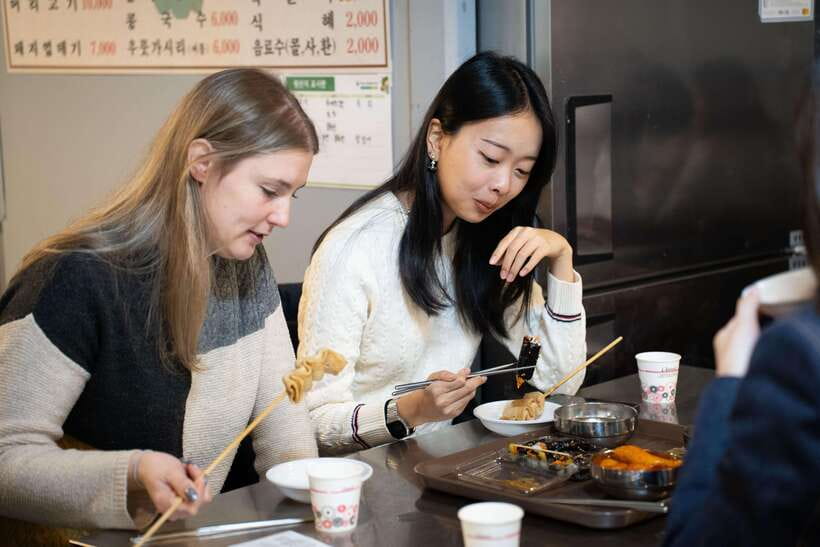
- Fish cake
- Sweet Korean pancake
- Fish-shaped bun
- Water
Dumpling and Meatball: The Comfort Base
Dumpling is a classic entry point because it’s easy to notice the difference between chewy, brothy, and pan-fried styles. In market form, you get to see how everyday comfort foods are treated like quick, satisfying street meals.
The meatball (often served as skewered or in a savory format) is another anchor dish. It helps you understand how stall cooking is tuned for speed and flavor, not plating. If you’re the type who likes to know what you’re tasting, these savory items set a baseline for the rest of the route.
Korean Hotdog and Fish Cake: Street Snacks With Structure
The Korean hotdog is one of the most recognizable market foods for first-timers, and the tour makes it approachable. You’re not just buying a snack, you’re learning how this kind of food is built to be portable, warm, and crowd-friendly.
Fish cake is similar in spirit. It’s common at markets, and it tends to show up in warm soups or as a standalone street bite. Either way, it teaches you how Korean market food often leans on simple cores, then boosts it with sauce, heat, and texture.
More Shopping Tours in Seoul
- Seoul: Palace, Temple and Market Guided Foodie Tour at Night
★ 4.9 · 750 reviews - Private DMZ Tour (No Shopping): 3rd Tunnel & Suspension Bridge
★ 5.0 · 607 reviews - Downtown Seoul Guided Food & Market Tour with 8+ Local Tastings
★ 5.0 · 580 reviews - Seoul: Korean Cooking Class at a Local Home and Market Tour
★ 5.0 · 348 reviews
Rice Roll and Spicy Rice Cake: The Flavor Dial
If you want to experience how spicy and sweet can work together, you’ll want to pay attention when the tour hits the rice options. Rice roll tends to be satisfying and filling without being overwhelming, while spicy rice cake is the dish that turns up the heat and forces you to focus on balance.
This is where the guide’s explanations help. Without context, spicy food can feel random. With the guide, you get a clearer sense of how people treat these dishes as everyday favorites, not just tourist spice hits.
Sweet Korean Pancake and Fish-shaped Bun: End With Something Friendly
Markets shouldn’t end only with savory food. The sweet Korean pancake and the fish-shaped bun are the gentle landing. They’re great if you want variety without feeling stuffed on one flavor track.
The fish-shaped bun is especially fun because it’s both snackable and portable. It’s also a good reminder that market culture includes sweets as normal parts of daily eating, not just special treats.
The Tour’s Real Value: Stories About Seoul and the Peninsula
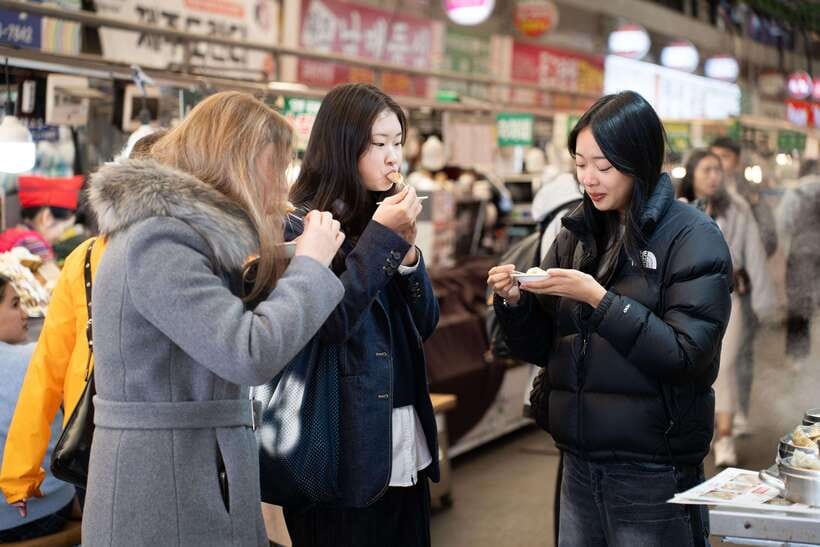
Food alone can be fun. What makes this experience worth your time is that the guide adds meaning while you eat.
The tour focuses on Seoul’s sights alongside the reality of Korea today. That includes perspectives on the peninsula’s division, and it also covers military topics from the guide’s own experience as a member of the reserve forces.
I like this approach because it avoids vague politics and keeps the conversation grounded in lived perspective. It also helps you connect what you see in the city to why people think the way they do. Even if you don’t follow the news closely, you’ll come away with a clearer sense of how these ideas sit inside everyday life.
How to Get More Out of the Conversation
When you’re in a small group, you’re not stuck listening to a monologue. If you want the experience to really land, ask follow-up questions while you’re walking between stalls, not only at the end.
Good prompts:
- What do people eat here on a normal day?
- How does the peninsula situation affect daily life and priorities?
- How do reservists talk about service and routine?
The guide’s English delivery is a key part of this. When communication is solid, the stories feel natural instead of translated and distant.
Walking the Market: What 2 Hours Feels Like
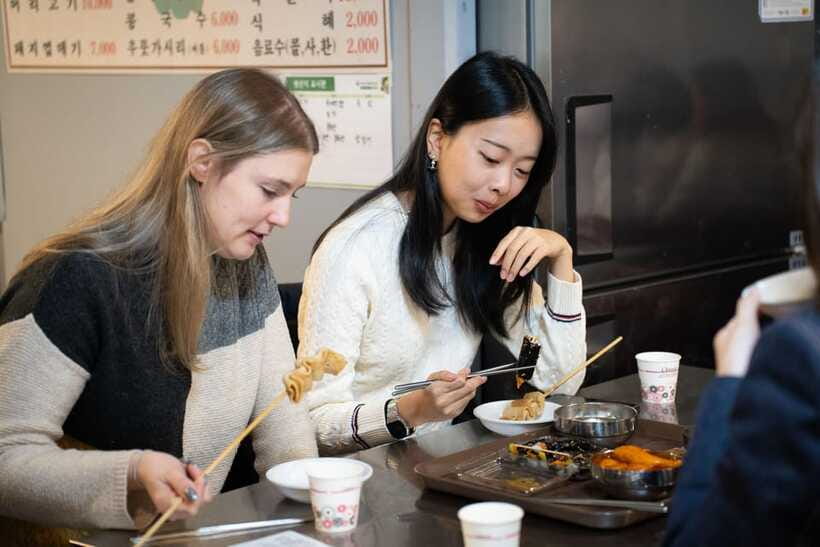
A 2-hour market tour is the sweet spot for me. Long enough to feel like you actually ate, not so long that your energy drains before the final sweet bite.
You move through the market with a plan, and that helps you avoid the two biggest problems in street-food hunting: arriving at the wrong time for certain stalls and wasting energy on trial-and-error. The tour is built to keep the pacing tight, with explanations timed to what you’re holding in your hand.
Because the menu items may change based on circumstances, you’ll want to stay flexible. If one stall is busy or a dish isn’t available, the guide adjusts. That’s normal in markets. The important part is you still leave having tried a balanced set of items across savory, spicy, and sweet.
Meeting Point: How to Start Without Stress
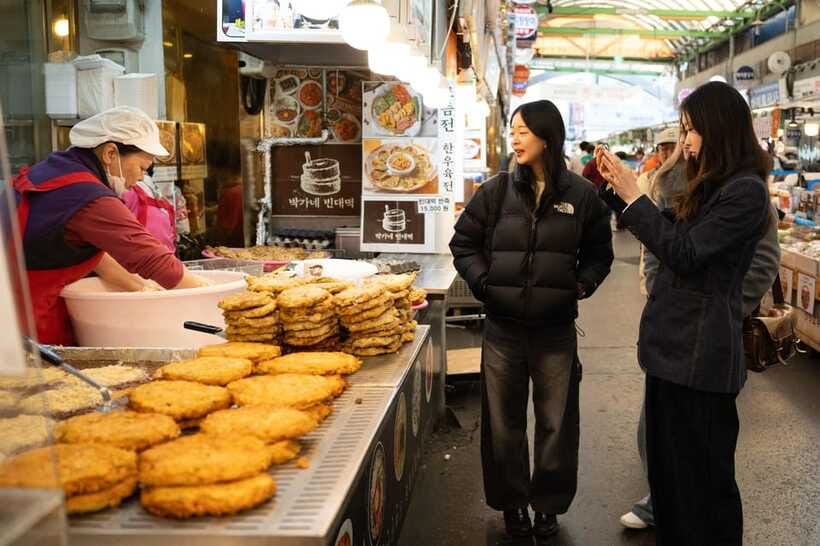
You meet at Jongno 5 ga station exit 8. This is helpful because it gives you a simple way to orient yourself before you step into the market.
If you’re arriving from elsewhere in Seoul, give yourself a few extra minutes to find the exit and get oriented. In busy transit areas, it’s easy to lose time even when directions are clear. Once you’re at the meeting spot, the group size stays small, so you’ll likely find your guide quickly.
Group Size and the Guide Factor (Taeseong Comes Up a Lot)
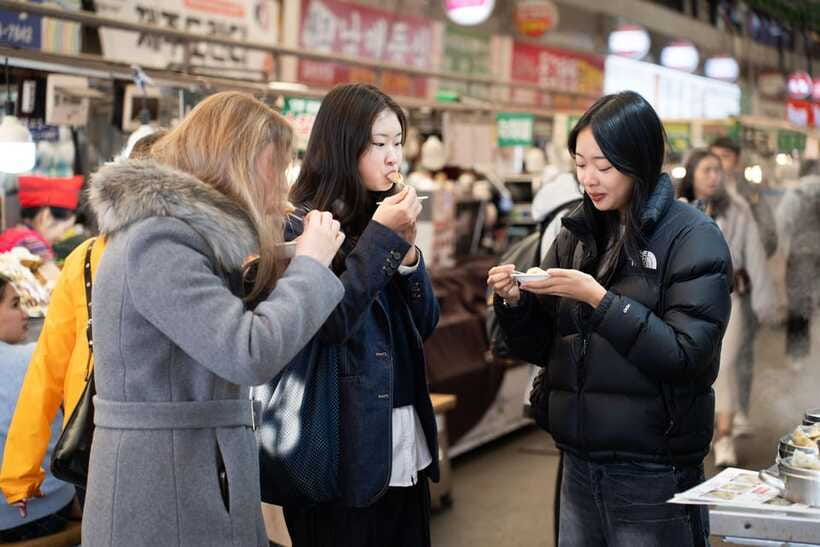
The tour runs with a small group limited to 10 participants. In practice, that usually means you spend less time waiting and more time eating and asking questions. It also makes it easier to hear the guide’s explanations over the general market noise.
A recurring theme in feedback is how helpful and socially engaged the guide can be, with Taeseong specifically named for strong English and clear dish explanations. Even if your guide is someone else, the structure is the same: you should expect explanations that connect food choices to the everyday reality of South Korea.
This is the kind of tour where “just follow along” works, but “ask smart questions” makes it much better.
Price and Value: Is $100 Worth It?
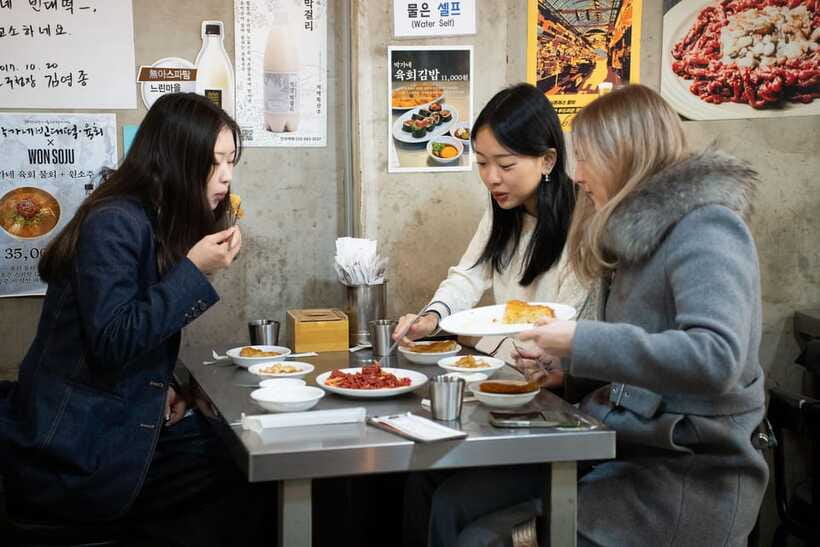
At $100 per person for a 2-hour, small-group market experience, the price can look steep at first glance. But here’s how I judge it: you’re paying for guidance, interpretation, and a planned tasting set, not just random street snacks.
You receive multiple included items, including savory bites and sweets, plus water. That’s already more than a simple one-stall meal. The guide element matters too, because the tour isn’t purely about taste. You’re also getting guided context about Seoul and the Korean peninsula’s division, including military perspective from reserve service experience. That kind of talk is hard to replicate on your own if you’re not plugged into local conversations.
So, the value equation is: if you want structure and context, $100 starts to make sense. If you’d rather roam independently and pick only a couple of snacks, you might decide differently.
Who Should Book This Market Food Tour
This works best if you match at least a few of these:
- You want street food in a short time window.
- You like learning through tasting, not only museum-style facts.
- You’re curious about Seoul’s modern reality and how the peninsula division shows up in daily thinking.
- You prefer small groups so you can ask questions.
It may feel less right if you’re only interested in strict historical sightseeing. The experience is explicitly not a historical tour, and the focus is on modern context and personal perspective while you eat.
Pace, Portions, and How Not to Feel Overstuffed
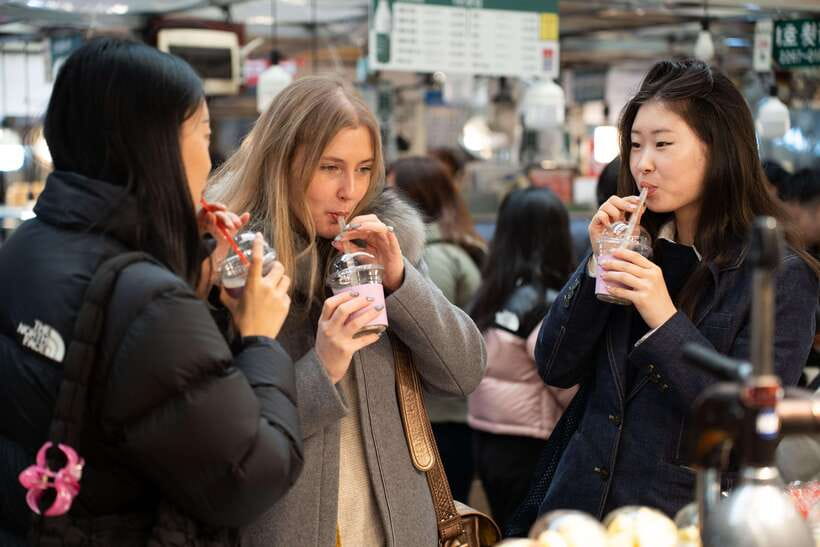
Market tours can sometimes end with regret, especially when the guide encourages tasting everything. Here’s the practical truth: the tasting list is generous, and people often note that it can be a lot of food.
If you want to avoid feeling too full:
- Eat a light breakfast or skip it the day of the tour.
- Pace yourself through the spicy and fried items.
- Save the sweet bites for after you’ve built up your appetite.
Also, the tour includes a set of dishes, so it’s not a choose-your-own adventure. If you know you dislike certain textures or strong spice, plan accordingly.
Is This Tour Really About History, or Something Else?
The answer is something else. You’re not getting a chronological history lesson. You’re getting a modern lens.
You’ll hear about Seoul’s sights and how people live with the reality of the Korean peninsula’s division. You’ll also get a military perspective drawn from reserve service. That isn’t the same thing as tracing dynasties or explaining war dates on a timeline.
Still, it can change how you see the city. When you understand what people worry about and why, the everyday details start to click. That’s the value here: context that helps you interpret what you’re doing, not just what you’re looking at.
Should You Book This Seoul Market Food Tour?
Yes, if you want a focused 2-hour Gwangjang Market food experience with an English guide and real-life context. The combination of included tastings and guided explanations is what makes this feel worth paying for, especially if you like conversations that go beyond food.
I’d skip it only if you want a pure sightseeing itinerary or strict history content. This is for people who can handle spicy street snacks, enjoy small-group interaction, and want to understand modern Korea while they eat it.
If you’re heading to Seoul and want one market outing that does more than feed you, this is a strong choice.
FAQ
Where is the meeting point for the tour?
The tour meets at Jongno 5 ga station exit 8.
How long is the market food tour?
The tour lasts 2 hours.
What is the group size?
It is a small group with a maximum of 10 participants.
What language is the guide speaking?
The live tour guide speaks English.
What foods are included?
Included items are dumpling, meatball, Korean hotdog, rice roll, spicy rice cake, fish cake, sweet Korean pancake, fish-shaped bun, and water.
Does the menu stay the same the whole time?
The menu items may change based on circumstances.
Is this tour a historical tour?
No, please note this is not a historical tour.
What kinds of topics will the guide cover?
You can expect stories about Seoul’s sights and the realities of the Korean peninsula’s division, including perspectives related to the guide’s own reserve forces experience.
Is there free cancellation?
Yes, you can cancel up to 24 hours in advance for a full refund.
More Food & Drink in Seoul
- Small-Group Night Food Tour in Seoul with Korean BBQ
★ 5.0 · 304 reviews - Seoul Night Palace & Market Food Tour with Vehicle
★ 5.0 · 275 reviews - Seoul Fun Food Tour: 12 different food tastings
★ 5.0 · 266 reviews - Soju Tasting at Distillery – story of 3 pigs
★ 5.0 · 166 reviews
Recently reviewed in Seoul
- Seoul City Private Tour (Optional layover)★ 5.0 · 3 reviews
- Korean Folk Village & Suwon Hwaseong Fortress Private Tour★ 5.0 · 3 reviews
- 5D4N Korea Cultural Heritage immersion Private Tour★ 5.0 · 3 reviews
- War Memorial, Jogyesa Temple & Tapgol Park Tour in Seoul★ 4.5 · 3 reviews
- Full Day Private Seoul Tour for foodies★ 5.0 · 3 reviews
- Private Tour : Royal Palace & Traditional Villages wearing Hanbok★ 5.0 · 3 reviews
- Nami Island & Nearby Attractions : Charter Van Tour With Driver★ 4.0 · 3 reviews
- K-Pop Tour★ 3.5 · 3 reviews
Markets, compared.
Local Home Korean Cooking Class & Market Adventure in Seoul
Read our review →
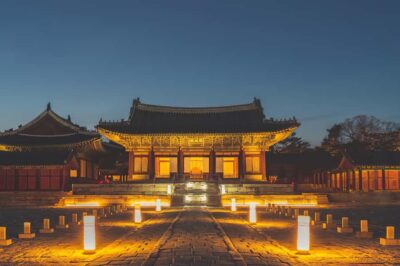
Palace, Temple and Market Guided Foodie Tour at Night
Read our review →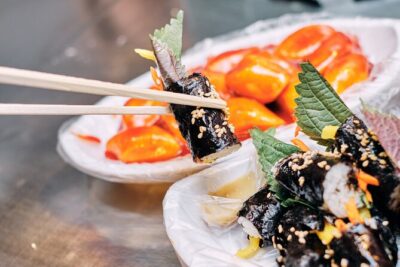
Downtown Seoul Guided Food & Market Tour with 8+ Local Tastings
Read our review →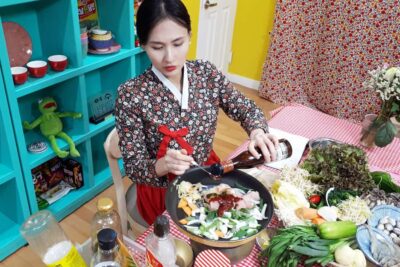
Korean Cooking Class at a Local Home and Market Tour
Read our review →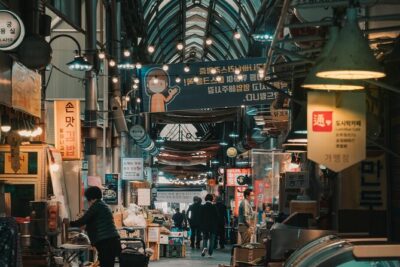
Seoul Night Palace & Market Food Tour with Vehicle
Read our review →
Cook 3 Authentic Korean Dishes with Local Market Tour
Read our review →Browse the lists this tour appears in