Reviewed · SEOUL TOURS
South Korea Highlights 7D/6N
This trip is interesting because it strings together Korea’s big contrasts in one week, from palace-era tomb walls and tea rituals to cable cars over seawater and mountain trails. I like that you get an English-speaking guide and included entry fees, so you spend less time figuring things out and more time seeing the places. I also like the mix of hands-on moments, from dressing in traditional clothing to making Hanji paper.
The one consideration is the pace. You’re moving between regions most days, with early starts and a lot of scheduled stops, so if you want slow mornings and lots of solo wandering, you may feel time-pressed.
Key highlights worth planning for
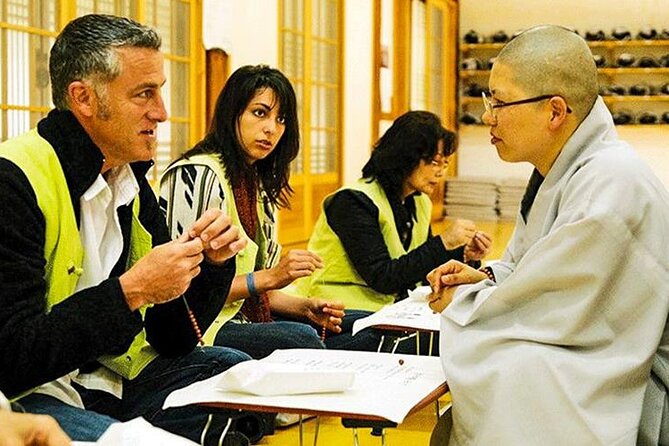
- Buddhist tea ceremony at Magoksa Temple, plus fortress walls and an easy way to connect history with daily life
- Jeonju Hanok Village and traditional costume time, not just a photo stop
- Suncheonman Bay reed marshes and Boseong green tea country, a full day that leans nature and food
- Yeosu Marine Cable Car over seawater, then Jinjuseong Fortress for 1592 history context
- Silla-era sites in Gyeongju, including Bulguksa Temple and Cheomseongdae Observatory
- Hanji Theme Park paper-making, plus Andong Hahoe Village for UNESCO-level heritage
Seoul Pickup, then Gongju’s Baekje-era Time Machine
Your week starts with a pickup in Seoul at 8:00 am. From there, you’re headed for Gongju, the ancient capital of the Baekje Kingdom, which is a great way to begin if you want history that feels tangible, not just read about.
You’ll visit Magoksa Temple first, including a tea ceremony with a Buddhist monk. Tea here is not a “sip and move on” moment. It’s a chance to slow down for a bit and understand how ritual and place connect in Korea.
After that, you go into serious Baekje territory with the tomb of King Muryeong. You’ll also see wall paintings connected to his tomb complex, plus Gongsanseong Fortress, a mountain castle where you can even try archery. If you like activities that break up walking time, this day does a good job.
Lunch lands as a set meal featuring steamed rice wrapped in a lotus leaf, which is the kind of regional touch that makes a tour feel worth it. Dinner later is kalguksu, the chopped noodle comfort food, plus dumplings.
Practical note: Gongju involves hills and stairs. If you know you get tired on steep ground, wear supportive shoes right from day one.
A few more Seoul days side by side
- Best DMZ Tour Korea from Seoul (Red Suspension Bridge Optional)
★ 5.0 · 41,422 reviews - DMZ Tour: 3rd Tunnel, Option(Suspension Bridge, Boat) from Seoul
★ 5.0 · 21,373 reviews - DMZ tour south Korea from Seoul (NK experience hall, defector)
★ 5.0 · 20,599 reviews
Jeonju Hanok Culture: Costumes, Shrines, and Pagodas at Tapsa
Jeonju is one of Korea’s easiest “yes” days because it mixes old-school atmosphere with food you can’t really replace anywhere else. After breakfast, you head to the Jeonju Hanok Village, and you get time to dress in Korean national costume. That’s not just sightseeing. You’ll have a personal memory attached to the place.
From there, you visit Gyenggjeon Shrine, built in 1410, and you’ll see a portrait of King Tae-jo. This is a nice stop because it ties culture to specific names and dates, which helps the bigger story click.
For lunch, you’ll try Jeonju bibimbab. This is one of those foods that people talk about for a reason. It tends to feel more layered and satisfying than standard versions, and the Jeonju connection makes it feel like you’re eating with context, not eating randomly.
You also taste Kakkolli, traditional Korean wine, at a local restaurant. Then later you go to Tapsa Temple, known for over 80 stone pagodas. If you like the visual repetition of stone forms against the mountainside, this is the kind of stop you remember later.
One possible drawback: Jeonju can feel like a “scene.” If you hate crowds and photo pressure, go with a simple plan, take your photos early in your free time, then focus on the quieter corners and the food.
Boseong Tea Country and Suncheonman Bay’s Reed Marshes
Day 3 is built like a nature-and-food package. You’ll head out for a green tea plantation in Boseong, plus a visit to a local village area in Naganeupseong. You’ll also spend time around Suncheonman Bay’s reed marshes, which is a signature coastal ecosystem.
Along the way you stop for a Korean-style set menu lunch, including dried corvina and a vegetable pancake. This is a good reminder of how Korean meals often work on tours: you get local ingredients without having to make every choice yourself.
Later, you visit the Yongsan Observatory and Eco-Museum in Suncheon. Even if you don’t love museums in general, the value here is that you’re getting the “why” behind what you’re seeing outside. This stop helps turn the scenery into something you can explain later.
After an active day, you transfer to Yeosu for overnight. Yeosu is a smart base because it sets you up for the coastal views on the following day.
Practical tip: expect a lot of walking outdoors. If you’re visiting in colder months, bring layers and something windproof. In Korea, mornings and coastal areas can feel sharper than you expect.
Yeosu Marine Cable Car, Jinjuseong Fortress, then Busan Time on Your Own
Yeosu hits you with a wow moment early. You’ll ride the Yeosu Marine Cable Car, which travels in gondolas over seawater. It’s described as safe but thrilling, and that’s exactly the sweet spot for most people. You get the feeling of height without needing to be an adrenaline junkie.
You then explore downtown Yeosu and the archipelago views around the old seaport. This is where the tour makes sense for people who want sea scenery but don’t want to build a transport plan from scratch.
After the cable car, you visit Jinjuseong Fortress, historically linked to the Japanese invasion in 1592. That date gives the fortress a sharper story than a general “look at the wall” experience.
Lunch is bulgoggi stew, a warm, hearty choice that fits a sightseeing day. Dinner is Korean style BBQ, which also fits the geography. Coastal area tours often end with smoky, satisfying meals that feel like a reward.
Then you transfer to Busan, but the rest of the day is on your own. This is a good chance to pick one thing rather than trying to do everything. If you’re into beach time, Busan has that option, and the sea can look surprisingly clear in the right season.
Watch-outs: this is the one day where you’re not guided through everything in Busan. Make sure you know your hotel area and how you’ll get around so you don’t burn energy on logistics.
Different day, same base:
- Seoul: The Best DMZ Tour with Optional Suspension Bridge
★ 4.7 · 4,978 reviews - Signature DMZ Tour: Exclusive Defector Talk & Suspension Bridge
★ 5.0 · 4,459 reviews - Thrilling Korean DMZ 3rd Tunnel Tour from Seoul + Red Bridge Rush
★ 5.0 · 3,097 reviews - Seoul: DMZ Tour & Suspension Bridge (Option English/Spanish)
★ 4.9 · 2,628 reviews
Gyeongju: Silla Power Sites and Cheomseongdae Observatory
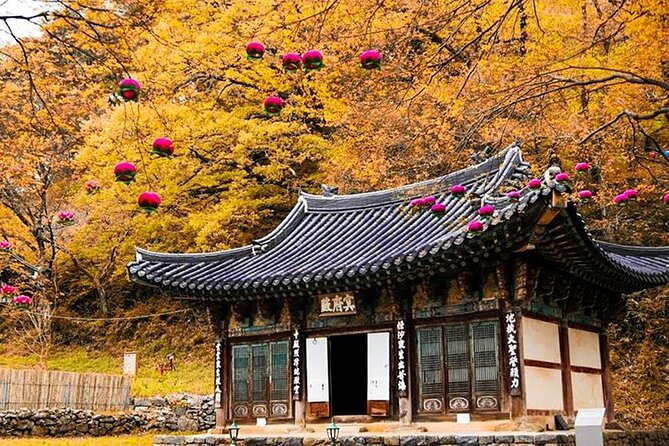
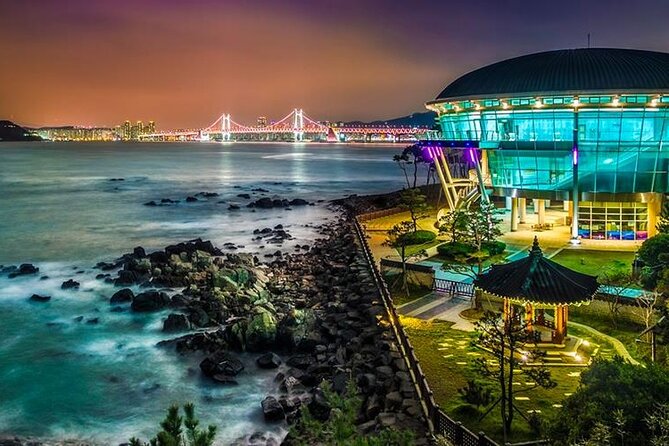
Gyeongju is one of Korea’s best “history cities,” and this tour gives you a strong concentration of major sites. You start at Nurimaru APEC House, on Dongbaekseom Island. It’s modern, but it’s also useful as context for how Korea hosts global events today.
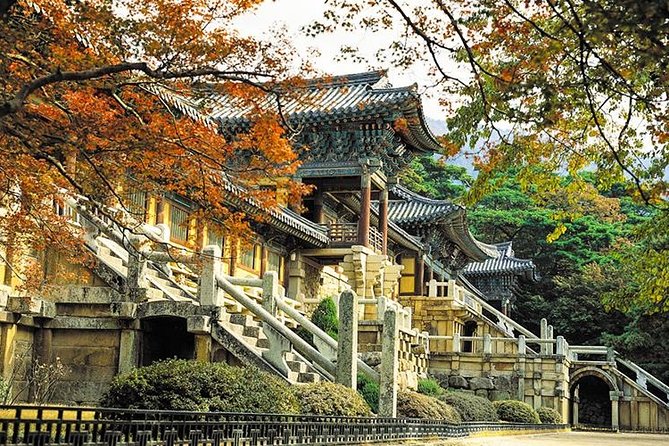
Then you head to Bulguksa Temple, a UNESCO world heritage site. Even if you don’t read every sign, Bulguksa is the kind of place where the scale and stonework make the experience feel real fast.
Next is Gyeongju National Museum, where you’ll see relics related to the Silla kingdom. Since Gyeongju was the capital, it helps you connect the city to what the kingdom actually left behind.
After that, you visit Daereungwon Tomb Complex, made up of 20 large and small tombs from the Shilla period. This is a dense stop, so give yourself permission to move slowly. The value is in seeing how different forms sit in the same historical landscape.
You end with Cheomseongdae Observatory, the oldest existing astronomical observatory in Asia. That line is big, but what you’ll notice on the ground is how physical science becomes architecture here.
Lunch is a vegetarian set menu, which is a relief if your meat intake is high so far. Dinner is a casual buffet. A buffet after this much temple-and-tomb time is practical because it lets you refuel based on what your body wants.
Practical tip: tomb and temple days can be long. If you plan to buy snacks or drinks, think ahead. You have meal times, but long “between stops” stretches still happen.
Andong Hahoe Village and Hanji Paper Making in Wonju
Day 6 leans into heritage you can feel. You travel to Andong and visit Andong Hahoe Village, known for traditional houses and as the home of descendants of the Ryu clan of Pungsan. The UNESCO mention matters because it signals the village’s preservation level and cultural value.
Hahoe is the kind of place where the buildings aren’t just decorative. They’re part of how people lived. If you like architecture and family lineage stories, this is a strong pairing.
After lunch of braised chicken, vegetables, and roasted fish, you move to Wonju for Hanji Theme Park. Hanji is traditional Korean paper, made from local mulberry tree fiber. The key point here is that you’ll learn to make Hanji, so you’re leaving with a physical connection to the craft.
Then the day continues to Pyeongchang for Korean style pork belly, samgyeopsal. This is a good contrast to earlier heritage stops, because it shifts you back into everyday Korean food culture.
One consideration: if you’re sensitive to fatigue from transfers, plan to hydrate and keep your schedule flexible inside your control. You can’t change the road trip, but you can control how you manage your energy.
Seorak Area Views: Ski Jump Tower Observatory to a Jujeongol Hike
Your final sightseeing day focuses on high views and nature movement. You start at the Ski Jump Tower Observatory, where you’ll have time in the Sky Lounge for coffee or tea and enjoy the view. Even if you’re not a sports person, observatories are a good payoff because you get a big visual summary of the region.
After that, you travel to Yangyang for a short hiking at Jujeongol of Mt. Seorak. This is the “get outside” moment that balances all the temples, museums, and historic tombs.
Lunch on the way is a set menu featuring seasoned wild vegetables. It’s a nice way to connect your hike with local flavors rather than ending the day with another generic meal.
You return to Seoul around 6:00 pm. That late return matters because it gives you a chance to finish your Korean trip without needing to tackle a long distance ride right away.
Practical tip: even for a short hike, bring grip-friendly shoes. You’ll feel the difference on uneven ground.
Price and Value: What Your $2,633 Buys You Here
At $2,633 per person for a week, this is not the cheapest way to do South Korea. But it can make sense if you want a guided route with minimal planning.
Here’s why the price can feel fair: the tour includes all entrance fees, an English-speaking tour guide, plus 6 breakfasts, 7 lunches, and 6 dinners. It also includes pickup from your Seoul accommodation and uses mobile tickets. When you add up admission costs across multiple temples, fortresses, museums, and historic sites, you’re not just paying for transportation and a guide.
Also, the tour is capped at a maximum of 35 travelers. That usually means you get a group size that stays manageable, especially with a guide keeping everyone moving.
What the price does not cover: travel insurance, tips, personal expenses like coffee or tea outside the scheduled items, and any meals or drinks not listed. If you’re the type who buys snacks constantly, your final cost can drift.
Best match for value: you want structure, you like food stops with local connection, and you don’t want to worry about tickets and entry fees every day.
Who Should Book This, and Who Might Not Love It
This tour is a strong fit if you want a guided “highlights circuit” through Korea, with culture, craft, food, and nature all included. You’ll likely enjoy it most if you like activities tied to places, like the tea ceremony at Magoksa, costume dressing in Jeonju, archery at Gongsanseong Fortress, and Hanji making in Wonju.
It may feel less ideal if you prefer flexible, slower travel. The schedule is packed across several regions, and you only have one full portion where you’re truly on your own time in Busan. If you want to spend lots of time in one city, this tour gives you variety instead of depth.
It’s also best for travelers who don’t mind early mornings, starting at 8:00 am, and who are comfortable walking and climbing on temple grounds and fortress sites.
Quick FAQ
FAQ
What is the start time for the tour?
The tour start time is 8:00 am.
Do I get picked up in Seoul?
Yes. Pickup is offered from your accommodation in Seoul.
Is a mobile ticket included?
Yes, the tour includes mobile ticketing.
Are entrance fees included?
Yes. All entrance fees are included.
How many meals are included?
Breakfast is included for 6 days, lunch for 7 days, and dinner for 6 days.
Is there an English-speaking guide?
Yes. An English-speaking tour guide is included.
What is not included in the price?
Travel insurance, tips, personal expenses (like coffee or tea), and other meals or drinks are not included.
Is the booking refundable if I cancel?
No. This experience is non-refundable and cannot be changed for any reason.
Should you book it?
If you want a guided week that covers Korea’s main sights with entrance fees and meals handled, this is a very strong option. You’ll see major historic sites, do a few hands-on activities, and get nature time in the Seorak area, with a practical end-of-day return to Seoul.
If you’re a low-planning, slow-travel type who hates tight schedules, the packed route could feel like work instead of fun. For everyone else who wants strong value in planning effort, and who enjoys mixing temples, food, and scenery, this is an easy yes.
Recently reviewed in Seoul
- Seoul City Private Tour (Optional layover)★ 5.0 · 3 reviews
- Korean Folk Village & Suwon Hwaseong Fortress Private Tour★ 5.0 · 3 reviews
- 5D4N Korea Cultural Heritage immersion Private Tour★ 5.0 · 3 reviews
- War Memorial, Jogyesa Temple & Tapgol Park Tour in Seoul★ 4.5 · 3 reviews
- Full Day Private Seoul Tour for foodies★ 5.0 · 3 reviews
- Private Tour : Royal Palace & Traditional Villages wearing Hanbok★ 5.0 · 3 reviews
- Nami Island & Nearby Attractions : Charter Van Tour With Driver★ 4.0 · 3 reviews
- K-Pop Tour★ 3.5 · 3 reviews
Seoul Tours, compared.
Best DMZ Tour Korea from Seoul (Red Suspension Bridge Optional)
Read our review →
DMZ Tour: 3rd Tunnel, Option(Suspension Bridge, Boat) from Seoul
Read our review →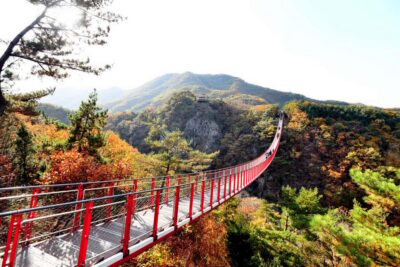
The Best DMZ Tour with Optional Suspension Bridge
Read our review →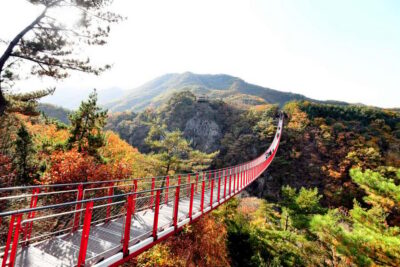
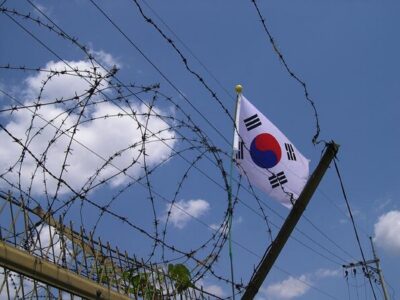
Thrilling Korean DMZ 3rd Tunnel Tour from Seoul + Red Bridge Rush
Read our review →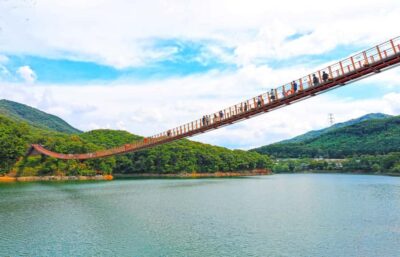
DMZ Tour & Suspension Bridge (Option English/Spanish)
Read our review →
DMZ Past and Present: Korean Demilitarized Zone Tour from Seoul
Read our review →