
Reviewed · COOKING CLASSES
Seoul : Taste of Korea, Authentic Home-Style Cooking Class
Hansik cooking in Seoul hits a sweet spot. You do not just watch, you make classic Korean home food from scratch at a clean, set-up kitchen with step-by-step help. It is also a chance to eat what you cook, not just sample a bite and run.
Two things I really like: the class is small, max 10 people, so you get real coaching, and you leave with a full-course meal that includes Korean tea plus drinks and dessert. One thing to consider: you are eating a lot in about three hours, so come hungry, plan your next meal lightly, and tell them if spice or ingredients are an issue.
Key Takeaways Before You Go
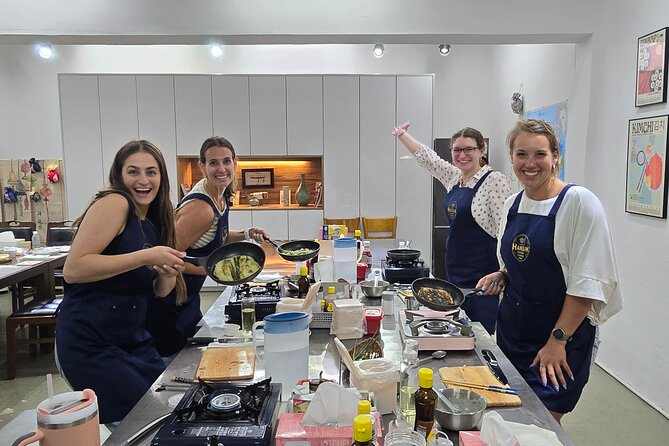
Small group cooking (up to 10) means you can actually ask questions while you’re chopping and cooking
Four dishes from scratch covers both comfort food and Seoul-style favorites
You eat a full home meal after class with Korean tea, snacks, Sikhye, and dessert
Jennifer leads the teaching with patient, hands-on guidance, plus history and language bits
Dietary needs can be adapted and you get the recipes digitally afterward
Hansik in a Small Kitchen, 4 Dishes in Three Hours
This is a hands-on Seoul cooking class focused on Hansik, which is Korean home-style cooking. The format is practical: you cook at dedicated stations, you get guided through each step, and you finish by sitting down to a proper meal that matches what you made. It is the kind of experience that makes Korean food feel doable at home, not mysterious.
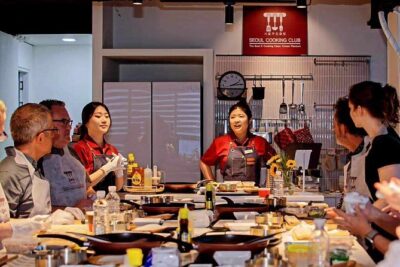
The group size matters. With a maximum of 10 people, it is easier for your instructor to spot what you need, whether it is mixing technique, heat control, or timing. In a larger class, the pace can turn into a rush. Here, the reviews point to a teaching style that gives you room to succeed.
The timing is also a good fit for most itineraries. The session runs about 3 hours, and it starts and ends at the same meeting point in Jongno District. Morning or evening sessions are offered, so you can match it with your travel day rhythms.
More Workshops in Seoul
- Local Home Korean Cooking Class & Market Adventure in Seoul
★ 5.0 · 1,024 reviews - Seoul: Korean Cooking Class at a Local Home and Market Tour
★ 5.0 · 348 reviews - Yongpyong Ski Resort from Seoul with Optional Lesson and Packages
★ 5.0 · 217 reviews
Finding 31-5 Jahamun-ro and How the Class Flows
You meet at 31-5 Jahamun-ro, Jongno District, Seoul. It is noted as near public transportation, and you finish back at the same spot. They also use a mobile ticket, and you should receive confirmation at the time of booking.
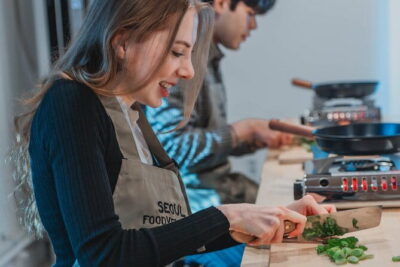
Once you’re in, the class moves in a clear rhythm. You work through the dishes step-by-step, and the setup is described as clean and professional. That matters more than you might think. Korean cooking can involve multiple components at once, so having organized stations helps you focus instead of scrambling for space or tools.
The reviews consistently mention the teacher, Jennifer, being patient and chatty, with extra support when needed. There is also a note that the class pace is well managed, so you are not left waiting while everyone else finishes. You also get recipes afterward in digital form, which is ideal if you want to recreate the food the same week you get home.
Gimbap, Tteokbokki, Haemulpajeon, Budaejjigae: What You Actually Cook
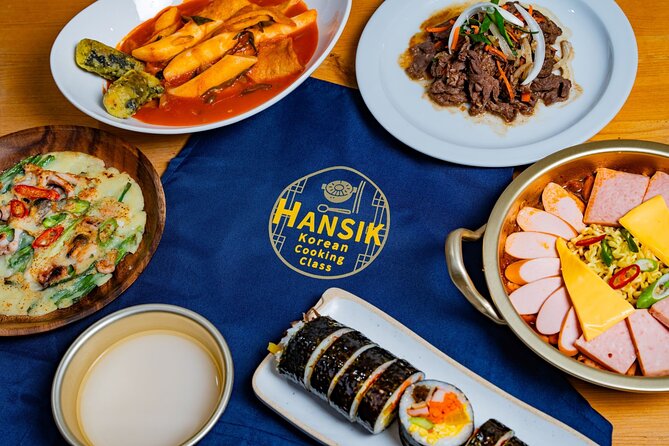
You cook four iconic dishes. Think of this as a balanced mix of snack, comfort food, and party-food energy, all taught in a home-style way.
Gimbap (Korean rice roll)
Gimbap is a great “learn the technique” dish. It forces you to understand rice seasoning and assembly, then apply it with toppings and rolling skill. Why it’s valuable: once you get the basics, you can customize gimbap endlessly with what you like and what you can find back home.
More Cooking Classes in Seoul
- Master Korean traditional cooking with a Kimchi chef
★ 5.0 · 385 reviews - Seoul: Korean Cooking at Seoul Cooking Club!
★ 5.0 · 311 reviews - Korean Cooking at Seoul Cooking Club
★ 5.0 · 220 reviews - Experience Korean Cooking in Modern Hanok Kitchen
★ 5.0 · 118 reviews
Tteokbokki (rice cakes with gochujang)
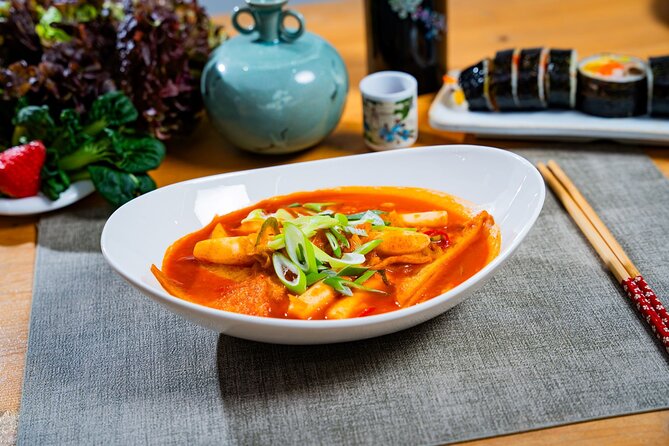
Tteokbokki is the dish people recognize fast. It features rice cakes and gochujang sauce, which means flavor comes from balance, not just heat. You will likely enjoy it most if you understand how to manage the sauce thickness and how to keep the rice cakes from turning out wrong. This is also the one where you should flag spice sensitivity early, because gochujang-based dishes can be bold.
Haemulpajeon (seafood green onion pancake)
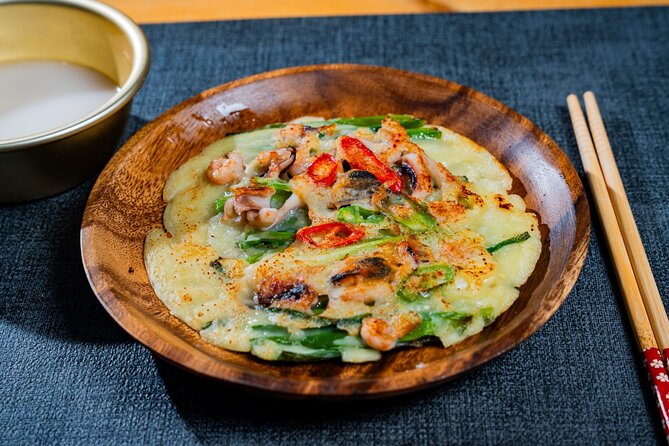
This is Korean “treat it like a pancake, but pay attention to the batter” cooking. Haemulpajeon teaches you how to mix for texture and how to cook for crisp edges without overcooking. It is also a good dish for hands-on confidence, because you can immediately see the result on the griddle or pan.
Budaejjigae (Korean army stew)
Budaejjigae is the comfort-food anchor. It teaches you about building flavor in a stew style format, then serving it as a satisfying meal. In a class like this, it helps that you will not just make one small thing. You’re building toward a full-course table.
Across all four dishes, the theme is home cooking. You are not doing restaurant-only tricks, you’re learning the moves you can repeat.
The Full-Meal Part: Sikhye, Makgeolli, Tea, and Dessert
The best cooking classes in Seoul do not treat the meal like an afterthought. This one feeds you. After you cook, you are served a full-course home meal along with Korean tea and snacks.
Here is what you can expect included:
- Korean tea and snacks
- Sikhye (a Korean rice punch)
- Makgeolli (Korean rice wine)
- Desserts
Alcohol is only served to travelers 21 and above. If you are under 21, you will still have the experience, just with non-alcoholic drinks. That policy is clearly stated, and it makes the class easier to plan for.
The “eat what you made” part is not just nice. It helps you learn. When you taste your own gimbap, or you compare what your tteokbokki turned into, you connect the method to the outcome. You also get a full view of the meal flow, which is what you’ll want if you plan to cook again later.
One more practical point: the class is heavy on portions. Multiple reviews mention leaving very full and even having leftovers. So plan for it like you would a long lunch, not a quick snack stop.
Teaching Style: Jennifer, Real Help, and Recipes You Can Use
The standout in this class is the teaching style. Jennifer is repeatedly described as supportive, patient, and good at explaining while still letting you do the cooking yourself. That balance is the key. You want direction, but you also want the pride of making the dish.
You also get more than techniques. Reviews say Jennifer adds context, including history and even language notes tied to the dishes. That can turn a cooking class from “how do I stir this” into “why does this taste the way it does.”
If you have dietary restrictions, this class offers adaptation. The information says they can provide alternative recipes if needed. Reviews also highlight that dietary preferences can be accommodated. Still, you should communicate your needs clearly when booking, since the exact alternative will depend on your constraints and what they can prepare safely.
You will also get the recipes digitally afterward. That is one of the smartest “value add” items in any cooking class. A handwritten note can be hard to follow later. Digital recipes are easier to save, zoom in on, and use when you shop and cook at home.
Value at $89: Why This Feels Like a Full Experience
At $89 per person for a 3-hour class, you are paying for more than instruction. You’re paying for ingredients, multiple dishes, and a whole meal with drinks and dessert. That is why the pricing can make sense even if you are used to cheaper DIY food experiences.
Also consider the structure. You get:
- Step-by-step cooking coaching
- A small group environment (max 10 people)
- Four dishes made by you
- A full meal after cooking, not just a taste
- Korean tea, Sikhye, and Makgeolli for 21+
If you like learning through doing, this price can feel fair. If you only want to eat Korean food and you already feel confident cooking it, you might find the $89 less “worth it.” But for most people who want a hands-on cultural activity, the “made it, ate it, then have the recipe” combo is strong value.
A final value detail: leftovers. Reviews mention taking food home. Even if your appetite is moderate, having leftovers turns the class into a part of your travel-day meals, not a one-time event.
Tips to Make Your Hansik Class Easier and Better
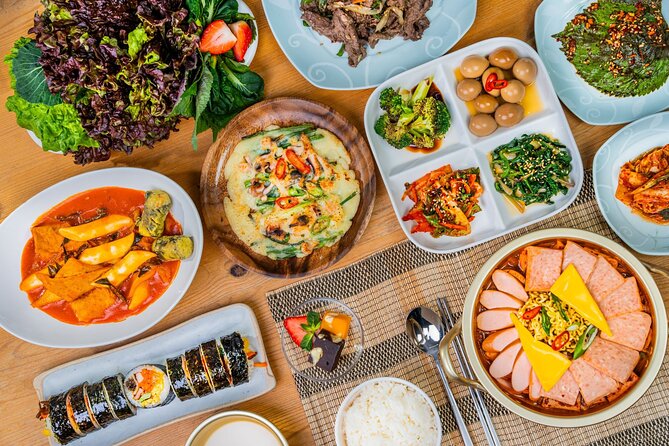
Come in hungry. The meal portion is described as substantial, and multiple people mention being very full afterward with leftovers. If you eat a big meal right before, you’ll miss a big part of the experience.
Arrive with your preferences ready. If spice level, seafood, or other ingredients are a concern, tell the instructor during class. The class is set up to offer alternatives for dietary restrictions, and the teaching style is patient, so speaking up helps you cook comfortably.
Plan your day around a 3-hour commitment. You are cooking four dishes and then eating. It is not a short “drop-in” workshop. Build in time afterward to digest and reset.
If you are visiting with kids, this can work well for older children. One review includes kids aged 10 and 12 participating and enjoying it. As always, use your best judgment based on your child’s comfort with cooking tasks.
Finally, take advantage of the digital recipes. After your trip, you’ll be more likely to cook again if you have clear instructions saved on your phone.
Who Should Book This Class (and Who Might Skip It)
Book it if you want a fun, hands-on way to learn Korean home cooking. This suits food lovers who like structure and guidance, and people who enjoy learning at the source, not just eating in restaurants.
It also fits couples and small groups because the class size supports personal attention. If you want a cultural activity that includes both cooking and a full sit-down meal, this is a strong match.
You might skip it if:
- You are not interested in cooking and prefer only eating
- You have very limited time and need something shorter than 3 hours
- You do not want to deal with spice-forward Korean flavors (like gochujang dishes), even with adjustments
Should You Book Hansik Korean Cooking Class in Seoul?
I would book this if your travel goal is to actually learn Korean cooking, not just sample food. The small group setup, the step-by-step teaching by Jennifer, the four dishes, and the meal afterward create a complete experience. The fact that you get digital recipes and can take leftovers home makes it easier to extend the value beyond those three hours.
If you want an authentic food memory you can repeat at home, this is one of those activities that usually delivers. Just come hungry, share dietary needs early, and treat it like your main meal of the day.
FAQ
How long is the Seoul Taste of Korea cooking class?
It runs for about 3 hours.
What is included in the class meal?
After cooking, you are served a full-course home meal plus Korean tea and snacks, including Sikhye and desserts. Makgeolli is also included, for adults 21+.
What dishes will I learn to cook?
The class includes four dishes: Gimbap, Tteokbokki, Haemulpajeon, and Budaejjigae.
Is the class limited to a small group?
Yes. The maximum group size is 10 travelers.
Where is the meeting point in Seoul?
You meet at 31-5 Jahamun-ro, Jongno District, Seoul, South Korea. The activity ends back at the same meeting point.
How do I get my ticket?
You receive a mobile ticket.
Are alcoholic drinks included for everyone?
No. Alcohol is only served to travelers age 21 and above. Minor travelers below 21 will be served non-alcoholic drinks.
Can the class accommodate dietary restrictions?
Yes. If you have dietary restrictions, alternative recipes can be offered.
Will I get the recipes after the class?
Yes. The recipes are provided digitally afterward.
Is free cancellation available?
Yes. You can cancel for a full refund up to 24 hours in advance. If canceled less than 24 hours before the start time, the amount paid is not refunded.
Recently reviewed in Seoul
- Seoul City Private Tour (Optional layover)★ 5.0 · 3 reviews
- Korean Folk Village & Suwon Hwaseong Fortress Private Tour★ 5.0 · 3 reviews
- 5D4N Korea Cultural Heritage immersion Private Tour★ 5.0 · 3 reviews
- War Memorial, Jogyesa Temple & Tapgol Park Tour in Seoul★ 4.5 · 3 reviews
- Full Day Private Seoul Tour for foodies★ 5.0 · 3 reviews
- Private Tour : Royal Palace & Traditional Villages wearing Hanbok★ 5.0 · 3 reviews
- Nami Island & Nearby Attractions : Charter Van Tour With Driver★ 4.0 · 3 reviews
- K-Pop Tour★ 3.5 · 3 reviews
Cooking Classes, compared.
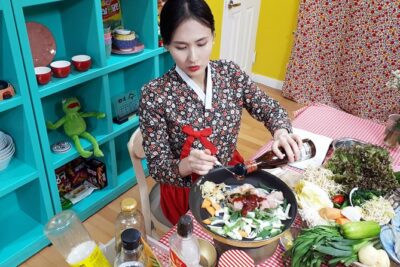
Local Home Korean Cooking Class & Market Adventure in Seoul
Read our review →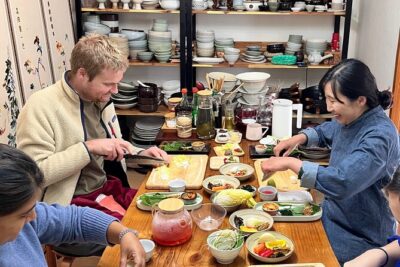
Master Korean traditional cooking with a Kimchi chef
Read our review →
Korean Cooking Class at a Local Home and Market Tour
Read our review →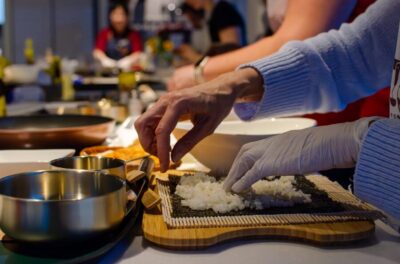
Korean Cooking Class with Grocery Shopping at Seoul Local Market
Read our review →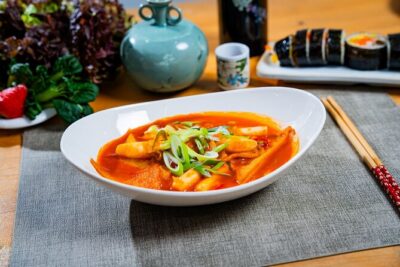
Taste of Korea, Authentic home style Cooking class
Read our review →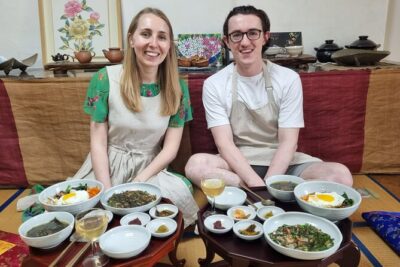
Browse the lists this tour appears in