
Reviewed · HWASEONG FORTRESS
Full-day UNESCO Heritage Tour with Suwon Hwaseong from Seoul
This is a day where Seoul and nearby Suwon feel like one connected story, not two separate places. I like that you get major UNESCO sites early, then you finish with the big, outdoor Suwon Hwaseong Fortress walk. I also like that the day is handled with a small group, air-conditioned minivan transport, and admissions taken care of for the key palaces and shrine.
One heads-up: this is a long 8.5-hour tour with several walking chunks, so it’s smart to plan your pace and wear supportive shoes, especially if the weather is warm or rainy.
Key highlights at a glance
- UNESCO combo that actually matches the theme, Changdeokgung Palace Complex plus Jongmyo Shrine, then Suwon Hwaseong later
- Suwon royal stops beyond the fortress, including Hwaseong Haenggung Palace where King Jeongjo stayed during his journeys
- Bukchon Hanok Village in the morning when the area is calmer and the Joseon-era houses are easier to enjoy
- Fortress wall views and photo time, with rest moments built in for different comfort levels
- Guide-led storytelling that turns architecture into people and events, from Joseon rituals to kingly travel
- Small group size up to 15, so the guide can respond to questions and keep the timing smooth
How This Full-Day UNESCO Seoul-to-Suwon Tour Works
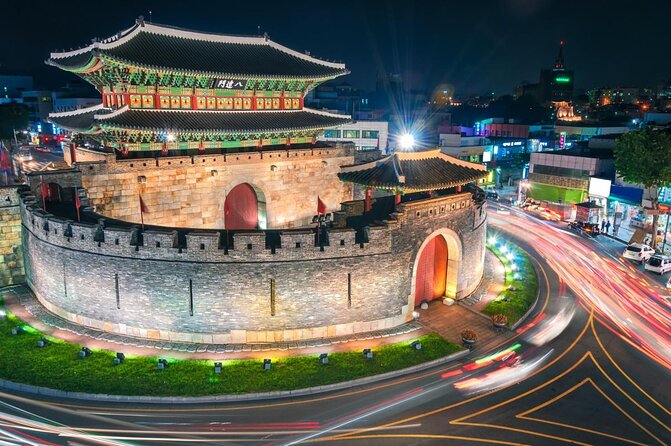
This tour is built for one thing: getting you from central Seoul to the UNESCO sites and Suwon’s royal core without the stress of figuring out buses, trains, and timed entry. You start at Myeong-dong (meeting at Myeongdong Station Exit 1061-7, 8:30am) and you end back in the Myeong-dong area.
Expect a full day of guided stops with a professional guide and air-conditioned minivan transport. The schedule is designed so you see the palace and shrine first, then head toward Suwon after lunch, ending with the fortress. The pacing tends to feel comfortable, with guides creating small breaks for photos and rest when needed.
The group stays small, maximum 15 travelers, which matters. It makes it easier for the guide to manage timing and to adjust on the fly when rain hits or someone needs a slower stroll.
More Full-Day Tours in Seoul
- Full Day Tour In The Soop BTS Ver in PyeongChang Filming Location
★ 5.0 · 1,709 reviews - Seoul City Private Full-Day Tour Including Lunch
★ 5.0 · 469 reviews - Full-day Customizable Private Seoul Highlight Tour
★ 5.0 · 301 reviews
Bukchon Hanok Village and Insadong Antiques Time
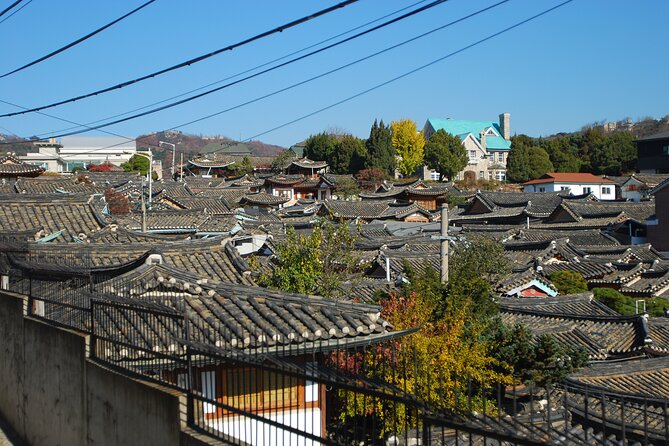
You begin in Bukchon Hanok Village, a neighborhood packed with Joseon Dynasty-era traditional houses called hanok. The name Bukchon literally points to northern Seoul, in the zone north of big landmarks like Cheonggyecheon. It’s a great first stop because you can start with real atmosphere before you jump into big palace history.
This stop runs about 40 minutes, and the admission is listed as free. That matters for value, because you get time to look around without another ticket step.
After that, the day includes browsing in Insadong. In the schedule notes, Insadong aligns with Tuesday. If that’s your day, you’ll have a chance to wander the arts and antiques lanes at a relaxed speed, which pairs nicely with the earlier visual culture of Bukchon.
Practical note: Bukchon is compact but can be uneven and busy. Wear shoes you trust, and don’t plan to do heavy photo sessions if the weather is slick.
Changdeokgung Palace Complex: More Than a Pretty Palace
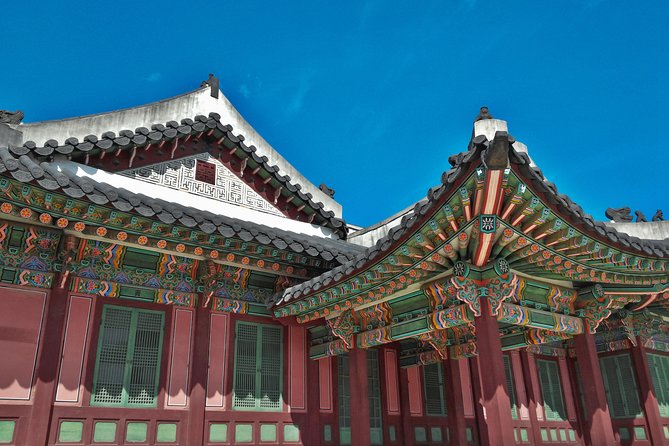
Next up is Changdeokgung Palace Complex, the UNESCO site that’s often considered one of the most well-preserved palace complexes in Korea. The name carries meaning too, to brighten virtue, which is a nice reminder that these weren’t just buildings for show. They were part of how royal life worked day to day.
This stop is about 1 hour, and admission is included. That included ticket time is a big deal on a day like this, because it reduces the chances of losing time to lines or payment steps.
You’ll also hear why Changdeokgung is a major UNESCO entry, designated as World Cultural Heritage in February 1997. In your head, the palace tends to become a “set” for stories. But in practice, it’s a place where the guide can connect details like layout, royal routine, and the reasons certain areas mattered.
One schedule detail: the plan notes that Gyeongbokgung Palace may be visited on Monday. So if your travel dates land on a Monday, you might get a slightly different palace mix. Either way, you’re still anchored in the UNESCO-grade sights.
Jongmyo Shrine: Where Royal Ancestors Were Honored
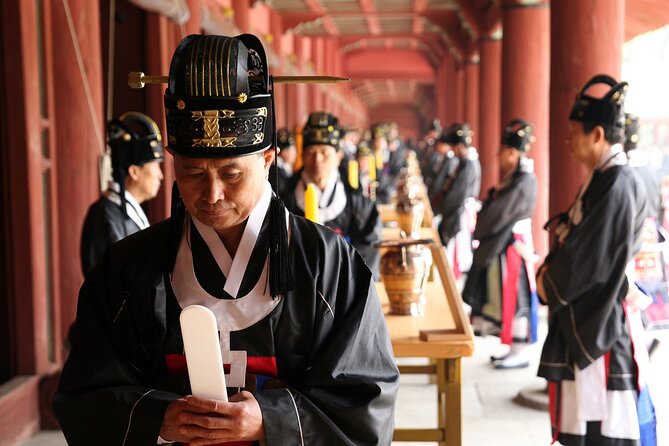
After Changdeokgung, the tour shifts to Jongmyo Shrine, another UNESCO World Heritage Site. This is different from a palace, because it’s about ceremony and continuity, not government office spaces.
Jongmyo was built by Lee Seong Gye (1335-1408) and served as a primary worship place for kings throughout the Joseon Dynasty. The stop runs about 40 minutes, and the admission is included.
If you care about how states functioned before modern times, this is the kind of place that gives context fast. Jongmyo helps explain how power and legitimacy were expressed through ritual, not just military or politics. And since the shrine visit is guided, you’re not left trying to puzzle out symbolism alone.
A good sign from the experience feedback: guides tend to keep this stop engaging, with space for questions and a pace that doesn’t feel like a rush. On a day this full, that matters.
More Historical Tours in Seoul
- Seoul: Evening Dark History, Folklore & Ghost Story Walking Tour
★ 5.0 · 593 reviews - Hanbok Photoshoot and History Tour at Gyeongbokgung Palace
★ 5.0 · 276 reviews - Seoul: City Highlights and Historical Experience No Shopping
★ 5.0 · 74 reviews - Street photoshoot and Seoul Hidden gem History Walking Tour
★ 5.0 · 68 reviews
Cheongha Korea Ginseng Museum: The Short Cultural Break
Between the UNESCO heavy hitters and the long outdoor fortress time, you get a smaller stop: the Cheongha Korea Ginseng Museum. It lasts about 30 minutes and is listed as free.
Ginseng shows up in the region’s thinking as more than a plant. The tour info points to an old reference, mentioned in Ji Jiu Zhang during China’s Han dynasty, as a herb used for many ailments. You’ll also get the modern framing that Korean ginseng performs well in adaptogenic properties.
I like this stop because it acts as a mental reset. After palaces and shrine symbolism, you get something tangible and different, and you’re not just walking from one “site” label to the next.
The only drawback is the time split: since this is a single-day tour, this stop can feel like a shorter “extra” compared to palace and fortress time. If you’re not into traditional medicine topics at all, you might still appreciate it as a break rather than a main event.
Hwaseong Haenggung Palace: King Jeongjo’s Temporary Base
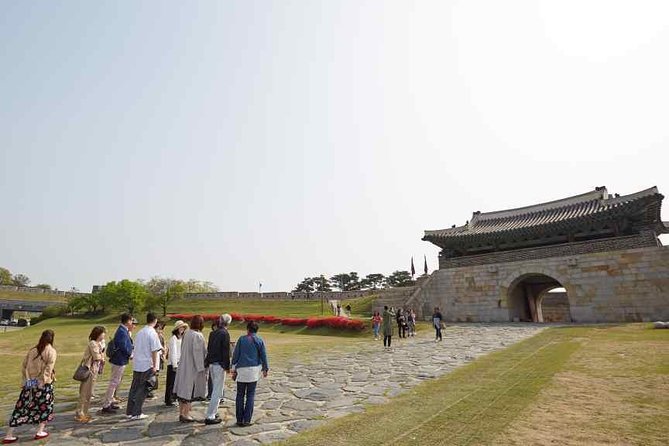
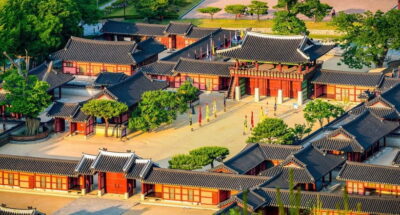
Now you’re in Suwon, and the tour goes beyond the big fortress by adding Hwaseong Haenggung Palace. This stop runs about 40 minutes, and admission is listed as included.
This palace is described as the biggest shelter type used by kings during the Jeongjo King period. It functioned as a temporary royal base during Wonhaeng, meaning long journeys. The details you’ll hear make this feel personal: it’s where King Jeongjo stayed, and where he held a feast on Hyegyeonggung Hong’s 60th birthday, plus other major events.
This is one of those stops where a guide’s storytelling can make the architecture click. Instead of seeing pavilions and halls as static, you start imagining royal travel rhythms, court logistics, and ceremonial timing.
If you’re a fan of Korean historical dramas, the framing tends to land well. One thing you can look for during the visit is how the guide connects Jeongjo’s travel to the choices the palace represented. That link makes the stop feel less like a checkbox.
Suwon Hwaseong Fortress: Walking the Wall for Panoramic Views
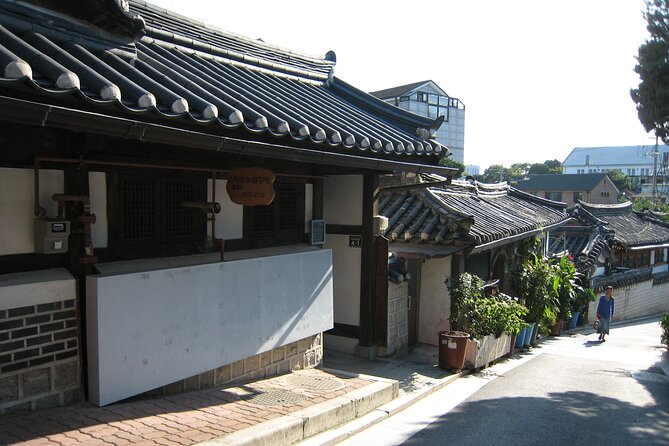
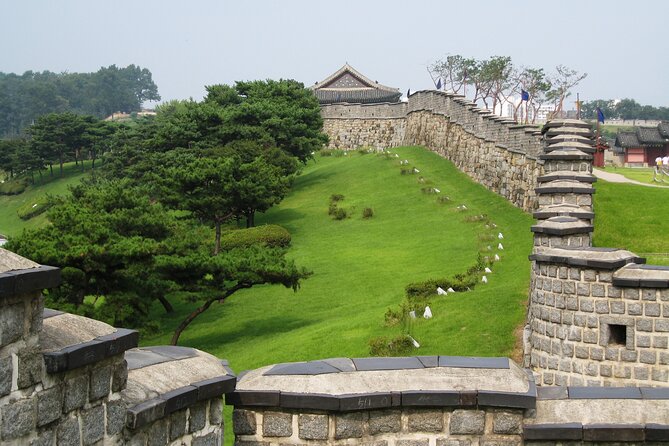
The final big attraction is Suwon Hwaseong Fortress, a UNESCO World Heritage Site. Construction dates are key here: built from 1794 to 1796, it’s tied to the Joseon Dynasty’s late era and the fortress served as the official fortress of Suwon-si in Gyeonggi-do.
The tour info explains the purpose as both filial and practical, created as a show of the king’s filial piety toward his father, Jangheonseja, and as a way to build a new pioneer city with economic power. The fortress is also noted as Historical Monument No. 3 in January 1963, with UNESCO designation in December 1997.
You’ll spend about 40 minutes here with admission included, and you can expect outdoor walking. This is where shoes matter most. The good news is that this portion is often described as manageable, with rest moments and views that feel worth the effort.
From the experience feedback, the fortress wall walk is frequently the emotional highlight. People like the calm feeling of walking and the panoramic Suwon views, not just the historical facts. And rain does not always stop the tour, so plan for weather reality: bring what you need and expect everyone to stay flexible.
Transport, Group Size, and Timing, What You Should Plan For
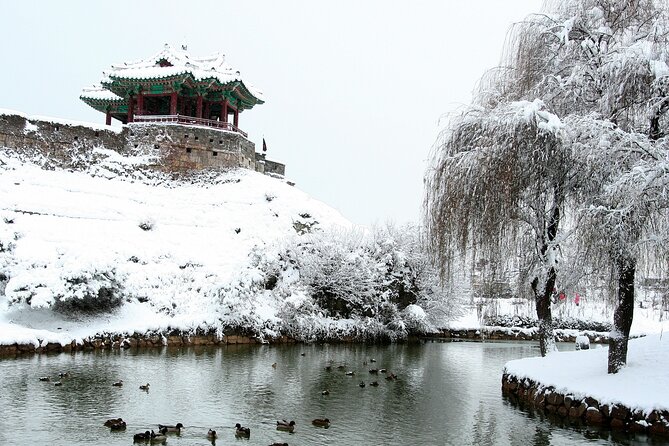
This is listed as 8 hours 30 minutes total. Stops include 40 minutes at Bukchon, 1 hour at Changdeokgung, 40 minutes at Jongmyo, 30 minutes at the ginseng museum, and 40 minutes each for Hwaseong Haenggung Palace and the fortress. In other words, you’re not just sitting on the bus.
The transport is by air-conditioned minivan with pickup handled around central areas. If your hotel is not easy to reach, the English-speaking guide meets you at the nearest central hotel or nearest subway station.
There’s also a small but important operational detail: the end point is Myeong-dong, so you’ll finish where it’s easy to grab dinner or hop back to your next plan.
The experience notes that the tour doesn’t stop at any shopping centers. That’s great if you hate forced detours, but do remember you may want to grab snacks or water before the afternoon stretch.
Lunch, Tickets, and What You Actually Pay For
The pricing is $76 per person. For a day with guided visits, minivan transport, and multiple admissions included, it can be solid value, especially if you hate piecing tickets together yourself.
But lunch is where the details get tricky. In the tour description, lunch is described as included in the highlights. Yet the included and not included sections also explicitly list Lunch as not included. Because the information conflicts, I recommend you confirm at booking time what meal arrangement you’ll get on your exact departure.
What is clearly included:
- Professional guide
- Transport by air-conditioned minivan
- Admission tickets for Changdeokgung Palace Complex, Jongmyo Shrine, Hwaseong Haenggung Palace, and Hwaseong Fortress
- Free entry for Bukchon Hanok Village and Cheongha Korea Ginseng Museum
What to bring:
- Water if lunch is not provided or if you want extra drinking time
- Comfortable shoes for the fortress segment
- A light layer for rain or wind, since the last part of the day is outdoors
Guides Who Keep the Day Moving, and Still Personal
One of the most praised parts is the guiding. Names that come up repeatedly include Leo, Chloe, Heidi, Melvin, Park Sangmi, Jeanie, Jong, Sam, Jackie, Orota, and Bak Inseok as the driver in one account.
What I like about this pattern is not name-dropping, it’s the consistency in what people respond to: clear explanations, good pacing, and guides who respond to comfort needs. Several accounts mention little breaks, photo time, and the guide keeping the day on track so you still get enough time at each stop.
You can also benefit from the small group size. With up to 15 people, it’s easier for the guide to adjust if a walkway is crowded or if someone wants one more question answered.
If you’re the type who gets impatient with rigid tours, this setup tends to help. You’re still on a schedule, but it doesn’t feel like you’re being dragged.
Should You Book This UNESCO Seoul and Suwon Day Tour?
Yes, I’d book it if you want a high-value day that links UNESCO Seoul to Suwon’s royal fortress setting with minimal logistics headaches. It’s a good fit for first-time visitors who want structure, for history lovers who like story-driven explanations, and for anyone who prefers small-group pacing instead of a large coach crowd.
I would think twice if:
- You strongly dislike walking outdoors, because the fortress portion is a real day segment.
- You need guaranteed lunch with zero uncertainty, since the provided meal info is inconsistent.
- You’re only interested in one type of site. This tour mixes palaces, shrine ritual, a ginseng stop, and fortress wall walking, which is great if you enjoy variety, but not if you want a single focus.
If you do book, plan your footwear and energy for the afternoon, and confirm the lunch situation when you reserve. Then you can focus on the fun part, seeing how Joseon-era power and ritual flows from palace halls to the Suwon walls.
FAQ
What UNESCO sites are included on this tour?
You visit Changdeokgung Palace Complex and Jongmyo Shrine as UNESCO World Heritage sites, and you also visit Suwon Hwaseong Fortress, which is UNESCO-listed as well.
How long is the tour?
The tour runs for about 8 hours 30 minutes.
Where do I meet the guide in Seoul?
You meet at Myeongdong Station Exit 1061-7, Chungmuro 2(i)-ga, Jung District, Seoul. The tour ends in the Myeong-dong area.
What time does the tour start?
The start time is 8:30am.
Is hotel pickup included?
Hotel pickup is only available for centrally-located Seoul hotels. If your accommodation is behind alleys, the English-speaking guide meets you at the nearest central hotel or the nearest subway station.
Is lunch included?
Lunch is described in the tour highlights, but the details also list Lunch under not included. Check with the operator when booking to confirm what is provided for your specific departure.
Are admission tickets included?
Admission tickets are included for Changdeokgung Palace Complex, Jongmyo Shrine, Hwaseong Haenggung Palace, and Hwaseong Fortress. Bukchon Hanok Village and the Cheongha Korea Ginseng Museum are listed as free.
Does the tour stop at shopping centers?
No. The tour explicitly does not stop at any shopping centers.
How big is the group?
The tour has a maximum group size of 15 travelers.
Can I get a refund if I cancel?
Yes, free cancellation is available. You can cancel up to 24 hours in advance for a full refund, and cancellations made less than 24 hours before the start time are not refundable.
More UNESCO Sites around Seoul
- Day Trip to UNESCO: Suwon Fortress Adventure from Seoul
★ 5.0 · 56 reviews - Andong Hahoe Village [UNESCO site] Premium Private Tour from Seoul
★ 5.0 · 24 reviews - From Seoul: 5-Day Tour of Korea with UNESCO Sites
★ 4.8 · 22 reviews - Seoul: UNESCO Heritage Palace, Shrine, and More Tour
★ 4.8 · 18 reviews
More Hwaseong Fortress Walks
- Seoul: Suwon Hwaseong Fortress & Korean Folk Village Tour
★ 4.7 · 214 reviews - Beyond Seoul: Starfield Library, Hwaseong Fortress & Cave Quest
★ 5.0 · 177 reviews - Suwon Hwaseong, Gwangmyeong Cave, & Starfield Library Trip
★ 4.4 · 87 reviews - Korean Folk Village and Suwon Hwaseong Fortress Day Tour(EG Tour)
★ 4.5 · 80 reviews
Recently reviewed in Seoul
- Korean Folk Village & Suwon Hwaseong Fortress Private Tour★ 5.0 · 3 reviews
- Seoul City Private Tour (Optional layover)★ 5.0 · 3 reviews
- 5D4N Korea Cultural Heritage immersion Private Tour★ 5.0 · 3 reviews
- War Memorial, Jogyesa Temple & Tapgol Park Tour in Seoul★ 4.5 · 3 reviews
- Private Tour : Royal Palace & Traditional Villages wearing Hanbok★ 5.0 · 3 reviews
- Full Day Private Seoul Tour for foodies★ 5.0 · 3 reviews
- Nami Island & Nearby Attractions : Charter Van Tour With Driver★ 4.0 · 3 reviews
- K-Pop Tour★ 3.5 · 3 reviews
Hwaseong Fortress, compared.
Suwon Hwaseong Fortress & Korean Folk Village Tour
Read our review →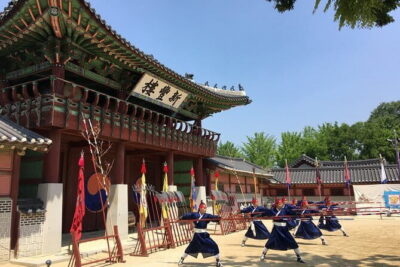
Beyond Seoul: Starfield Library, Hwaseong Fortress & Cave Quest
Read our review →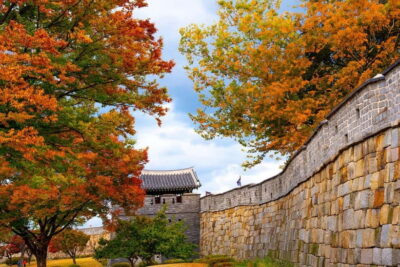

Suwon Hwaseong, Gwangmyeong Cave, & Starfield Library Trip
Read our review →
Korean Folk Village and Suwon Hwaseong Fortress Day Tour(EG Tour)
Read our review →
Browse the lists this tour appears in