
Reviewed · DMZ TOURS
Thrilling Korean DMZ 3rd Tunnel Tour from Seoul + Red Bridge Rush
The DMZ is one of those places you can read about for years and still feel a little unreal once you stand there. This full-day tour from Seoul takes you from the emotional sites around Imjingak to the Third Tunnel of Aggression, where the story suddenly becomes physical, low, and cold.
I like that it starts with easy Seoul logistics (multiple central meeting points and pickup in the downtown area). I also like that you get guided commentary with admissions handled, so the day stays focused on what matters instead of ticket-chasing.
One thing to plan for, especially if you chose the Red Bridge add-on: there can be steep hiking and you should expect photo restrictions inside the tunnel areas, which can make the day feel more like a controlled visit than a sightseeing free-for-all.
Key things to know before you go
- Multiple Seoul meeting points (Myeongdong Exit 9, Seoul City Hall Exit 6, Hongdae Exit 3) make it easier to catch the start
- Guides matter a lot (people like Nancy, Judy, Crystal, Kelly, Henry, and Yu Jin get repeatedly praised for clear, engaging explanations)
- The 3rd Tunnel is a workout and not a casual stroll, with a tight, strenuous entry experience
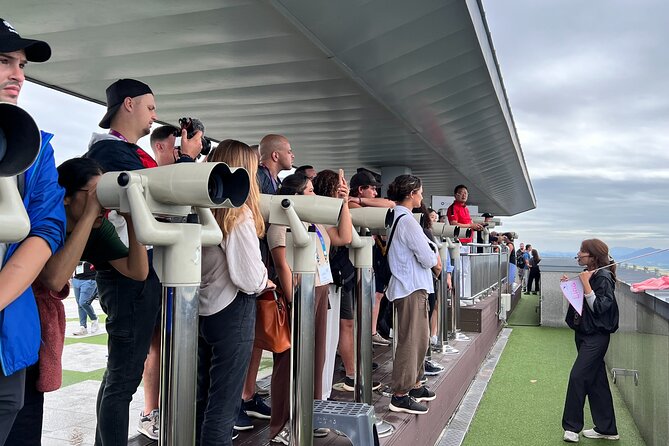
- Dora Observatory is the big view moment, but it comes with limits on what you can capture with a camera
- Red Bridge is optional (and some days it is not for the faint of heart)
DMZ and the Red Bridge: the day trip that tests your patience and your legs
A DMZ tour is never just scenic. You are seeing one of the most tangible reminders of division on Earth, but it is delivered like a guided story with rules, routes, and time limits. That makes it intense in a way most museum days are not.
What makes this one extra memorable is the mix of stops. You get the solemn Imjingak area, the iconic Bridge of Freedom, the close-up shock of the Third Tunnel, and then a high vantage at Dora Observatory. If you add the Red Bridge (Gamaksan Suspension Bridge, also called the Gloucester Heroes Bridge), the day gets a second kind of challenge, movement and climb.
More DMZ tours from Seoul:
- Best DMZ Tour Korea from Seoul (Red Suspension Bridge Optional)
★ 5.0 · 41,422 reviews - DMZ Tour: 3rd Tunnel, Option(Suspension Bridge, Boat) from Seoul
★ 5.0 · 21,373 reviews - DMZ tour south Korea from Seoul (NK experience hall, defector)
★ 5.0 · 20,599 reviews
Price and what you truly get for $35 in Seoul
At $35 per person, the value here is the combination of transportation plus admissions. The tour includes professional guiding (English or Chinese), all taxes, fees, and handling charges, and admission to the paid stops along the way. It is one of those rare deals where the main costs are already packed into the upfront price.
The trade-off is that lunch is not included. Also, the pace can be brisk, especially if your day includes the optional cable car and the optional Red Bridge. Plan your energy like you are doing a long day hike with history stops, not like a slow walking tour.
If you hate feeling rushed, your best move is to bring snacks so you can handle the gaps without paying a lot for convenience. A lot of people do exactly that because there is no full meal built in.
Getting there without stress: pickups, meeting points, and group size
This tour is set up to save you time and hassle in Seoul. You can meet at one of three central subway exits, or use hotel pickup if you are in the downtown area or near a main station. That means you are less likely to gamble on trains, transfers, and finding a meeting point with a crowd.
You also keep things simple with a mobile ticket. Your group size is capped at 150 people, so it is big enough to run smoothly, but not so huge that you feel completely lost.
Still, read this as a practical warning: the tour time can shift based on military issues or events occurring within the DMZ. That is not something you can control. If you are tight on other plans, keep your schedule buffer.
Imjingak Park stops: the emotional setup before the tunnel
Your day starts with Imjingak, which is where the DMZ story becomes personal. You visit Imjingak Pyeonghwa-Nuri Park, built in 1972 for people affected by separation. There is a strong focus on what division did to families, not just what it did to governments.
You also pass by the Peace Bell area at Pyeonghwauijong. The bell is a 21-ton bronze monument made in 2002 to symbolize the dream of reunification. It is the kind of stop that gives you a mental reset, because after that you are headed into more concrete, physical remnants.
Mangbaedan Memorial Altar is another emotional stop. Families gather there to honor loved ones trapped in North Korea, and the rituals can feel especially poignant around lunar holidays. Even if you are not in town during a holiday, it lands because it is clearly about memory and waiting.
If you like asking questions, this is where your guide can shine. The program includes time for Q and A, and it helps to front-load your questions early, before the day gets physically demanding.
A few more Seoul days side by side
- Seoul: The Best DMZ Tour with Optional Suspension Bridge
★ 4.7 · 4,978 reviews - Signature DMZ Tour: Exclusive Defector Talk & Suspension Bridge
★ 5.0 · 4,459 reviews - Seoul: DMZ Tour & Suspension Bridge (Option English/Spanish)
★ 4.9 · 2,628 reviews - DMZ Past and Present: Korean Demilitarized Zone Tour from Seoul
★ 5.0 · 2,481 reviews
Bridge of Freedom: POW history you can stand on
Then you get to the Bridge of Freedom. The tour explains how 12,773 prisoners of war crossed the Imjin River to the South in 1953, and the bridge became associated with the word freedom in their cries.
The practical point is that this is not a long stop, so it works best if you treat it like a moment to pause and absorb. You will not have hours to wander here. You get what you need, and then you move on.
The Third Tunnel of Aggression: the main event (and a serious stamina test)
This is the stop that makes the tour earn its reputation. The Third Tunnel of Aggression, also called the 3rd Infiltration Tunnel, was uncovered in 1978. It sits about 52 km from Seoul and 12 km from Munsan.
Here is the part you should take seriously: the tunnel visit is strenuous. People describe a tight route that involves descending and moving through a low, narrow passage. One review detail that sticks is that it can involve a long stretch under low height, plus a return along the same route. Translation: you cannot treat this like casual photos and walking.
Also, photo rules apply. You cannot take photos inside the tunnel, and that limitation makes the experience less about collecting images and more about focusing on what your body is experiencing.
If you want the most from the tunnel, bring the right mindset:
- wear comfortable shoes with grip
- go slow on the way in
- pace yourself so you still have energy for Dora Observatory afterward
If you are older, have mobility limits, or simply do not enjoy confined, physical spaces, think carefully before choosing this tour or confirm what the tunnel route looks like on the day you book.
Dora Observatory plus photo limits: the view with rules attached
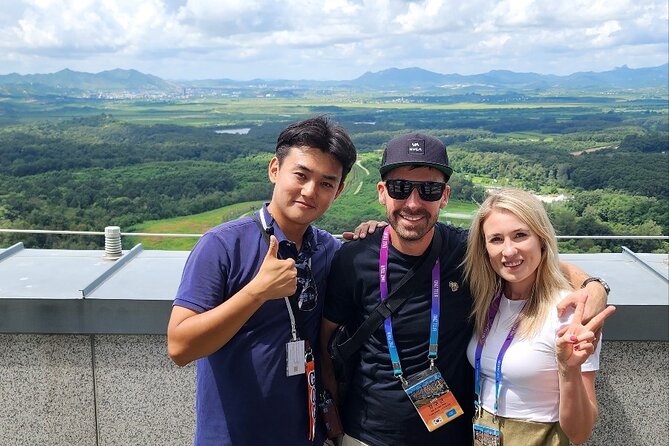
After the tunnel, you head to Dora Observatory, perched in Dorasan. This site was rebuilt in 2018 and the observatory itself dates back to 1986. It is the closest South Korean vantage point over North Korea.
This is your reward stop for the earlier stamina. You get the chance to look out and connect the history to geography, which is hard to do when you only see photos online.
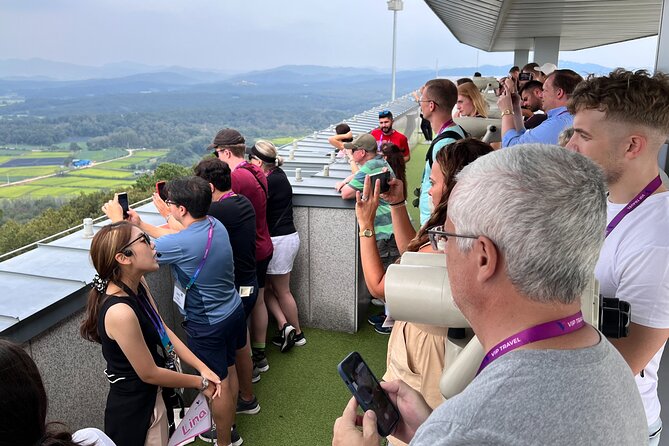
But again, rules matter. People report that you cannot take photos from the observatory to North Korea. Also, it can be far enough that binoculars help. If you wear glasses, you might still want binoculars so you can actually make out details rather than just admire the feeling of looking.
One more practical detail: expect rain and cold to matter here because your view moment is fixed to your schedule. The good news is that guides keep things moving even when the weather tries to spoil your plans.
Optional add-ons: Peace Gondola and the Gamaksan Red Bridge hike
Two optional experiences can change the vibe of the day.
First, the Paju Imjingak Peace Gondola. It opened in 2020 and crosses into the Civilian Control Zone, which is why people describe it as a different perspective than the ground-level stops. The ride includes an hour of time, so it adds weight to your schedule.
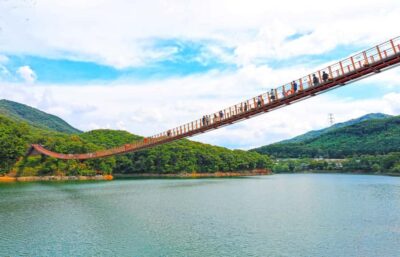
Second, the Red Bridge add-on, the Gamaksan Suspension Bridge, also called the Gloucester Heroes Bridge. It is 150 meters long and about 1.5 meters wide, built in 2018 to honor Korean War sacrifices. You spend about an hour here.
Now the caution, straight from real-world experience: the Red Bridge can involve a steep hike. People describe it as a real climb, and time can be limited, meaning you have to move quickly once you start up. If you choose this, bring patience and plan on using it as an aerobic activity, not a casual stroll.
If you are unsure, you can treat the optional stops like dials on your day. Do the gondola if you want a calmer, scenic change of pace. Do the bridge only if you are comfortable walking uphill for a short, hard stretch.
Food, timing, and the pace you should expect
This tour runs about 7 hours 30 minutes. In practice, it depends on access and timing, and it can shift due to military issues or DMZ events.
There is no lunch included. Since the day can be fast-paced, I strongly suggest you pack snacks or plan to buy small items at stops. Some people report that there is no true food stop, just quick options where you may be able to grab something fast.
Weather is another scheduling wildcard. If conditions are extreme, access may change and parts of the day may be replaced with other options. I have seen examples where bad weather led to a different set of activities rather than the standard DMZ route. The takeaway is simple: keep your flexibility.
The guide experience: clear, upbeat, and built for questions
The biggest reason this tour earns such high praise is the human part. Many guide names show up again and again, including Nancy, Judy, Kelly, Crystal, Henry, Lina, Sunny, Yu Jin, Ray, and Camp Go-Go. People talk about how the best guides keep you moving, explain history clearly, and answer questions without making you feel rushed.
A practical tip if you are sensitive to language flow: there are guides described as speaking slowly and clearly for non-native English speakers. If language comfort is a big deal for you, that is worth factoring in. Even within the same itinerary, the guide’s delivery can change your day from interesting to unforgettable.
If you want to get more than just dates, your move is to ask questions as you go. The program includes time for that, and it helps connect each stop into one coherent story.
Should you book this DMZ 3rd Tunnel + Red Bridge day tour?
Book it if:
- you want a structured, guided DMZ day where admissions and transport are handled
- you are okay with a controlled pace and photo limits
- you can handle strenuous walking in the tunnel section
- you find the human side of Korean division compelling, not just the headline facts
Skip or think twice if:
- you want lots of free time to explore on your own, this day is scheduled and time is tight
- you do not handle steep hikes well, the Red Bridge can involve a real climb with limited time
- you need photo freedom, the tunnel and some viewpoints come with restrictions
My bottom line: this is a strong choice for people who like real-world, less-performative history visits. It is not a relaxing sightseeing buffet. If you go in ready for rules, walking, and a tight schedule, you will leave with a day that feels unusually real.
FAQ
How long is the DMZ 3rd Tunnel tour from Seoul?
It runs about 7 hours 30 minutes.
Where do I meet the group in Seoul?
You can meet at one of three central subway locations: Myeongdong Subway Station Exit 9, Seoul City Hall Subway Station Exit 6, or Hongdae Subway Station Exit 3.
Is hotel pickup included?
Yes, hotel pickup is available for downtown areas or near main subway stations.
What languages are the guides?
Guides are available in English or Chinese.
Do I need a passport?
Yes, a passport is needed on the tour day. Military ID cards and locally issued ARC cards are also accepted.
Can the tour schedule change?
Yes. The tour time can change depending on military issues or events occurring within the DMZ.
Is admission included in the price?
Yes. Admission to all attractions on the itinerary is included.
Is lunch included?
No. Lunch is not included.
Can I take photos inside the Third Tunnel or from the observatory?
You cannot take photos inside the Third Tunnel, and photo access from the Dora Observatory toward North Korea is also restricted.
Are the Gondola and Red Bridge included?
They are optional. The Peace Gondola (Paju Imjingak Peace Gondola) and the Gamaksan Suspension Bridge, also known as the Red Bridge, are add-ons depending on the day.
Recently reviewed in Seoul
- Seoul City Private Tour (Optional layover)★ 5.0 · 3 reviews
- Korean Folk Village & Suwon Hwaseong Fortress Private Tour★ 5.0 · 3 reviews
- 5D4N Korea Cultural Heritage immersion Private Tour★ 5.0 · 3 reviews
- War Memorial, Jogyesa Temple & Tapgol Park Tour in Seoul★ 4.5 · 3 reviews
- Full Day Private Seoul Tour for foodies★ 5.0 · 3 reviews
- Private Tour : Royal Palace & Traditional Villages wearing Hanbok★ 5.0 · 3 reviews
- Nami Island & Nearby Attractions : Charter Van Tour With Driver★ 4.0 · 3 reviews
- K-Pop Tour★ 3.5 · 3 reviews
DMZ Tours, compared.
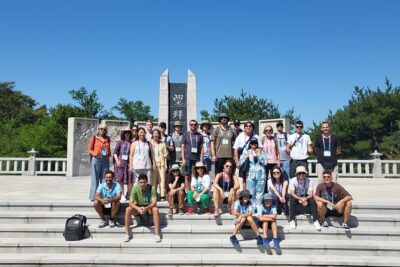
Best DMZ Tour Korea from Seoul (Red Suspension Bridge Optional)
Read our review →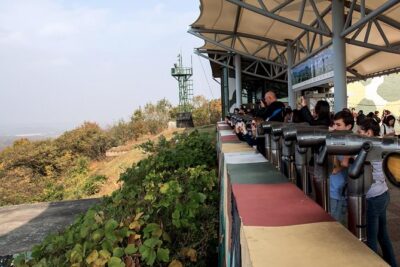
DMZ Tour: 3rd Tunnel, Option(Suspension Bridge, Boat) from Seoul
Read our review →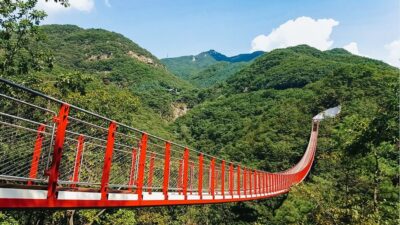
DMZ, 3rd Tunnel and Optional Suspension Bridge Tour
Read our review →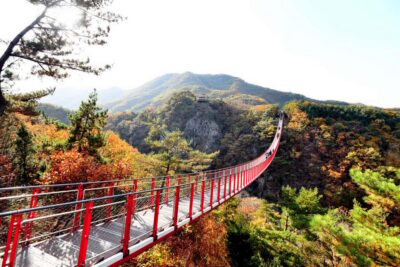
The Best DMZ Tour with Optional Suspension Bridge
Read our review →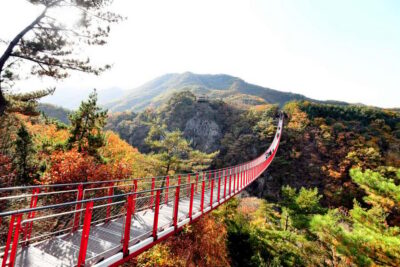
DMZ Tour & Suspension Bridge (Option English/Spanish)
Read our review →
DMZ Past and Present: Korean Demilitarized Zone Tour from Seoul
Read our review →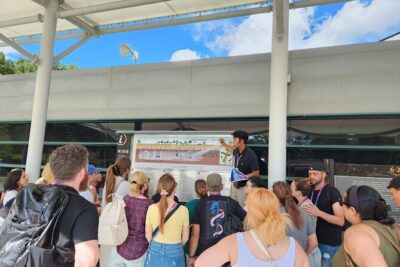
Ultimate Korea DMZ Tour from Seoul (Gondola & Suspension Bridge)
Read our review →Browse the lists this tour appears in