Reviewed · SEOUL TOURS
Discover Western Korea in 4days: All-Inclusive Experience
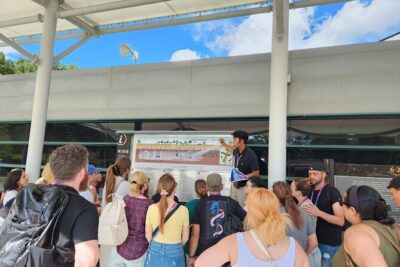
What makes this 4-day Western Korea trip interesting is that it packs big scenery and cultural stops into one smooth, guided loop, with no shopping and an easy rhythm. I love that the plan includes all entrance fees and meals, so you are not constantly calculating costs. I also like that the group stays small enough (max 35 people) to feel organized, not chaotic.
The only real consideration is physical pace. Fort steps, shrine grounds, and long travel days add up, so I’d plan on moderate fitness and wear shoes you trust.
Key highlights you will feel on the ground
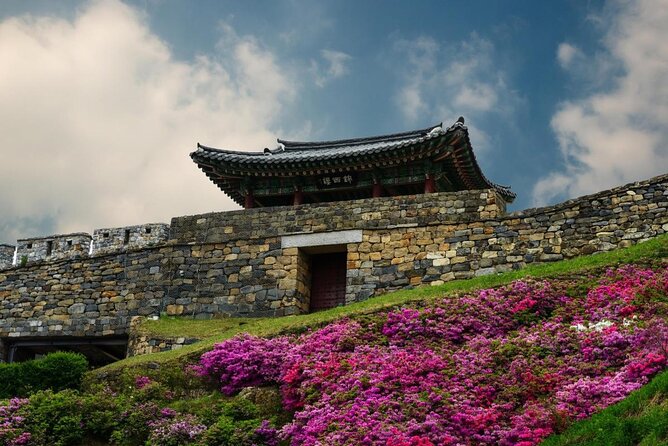
- UNESCO hillside fortress day in Gongju with Gongsanseong Fortress, plus royal tomb context at Songsan-ri
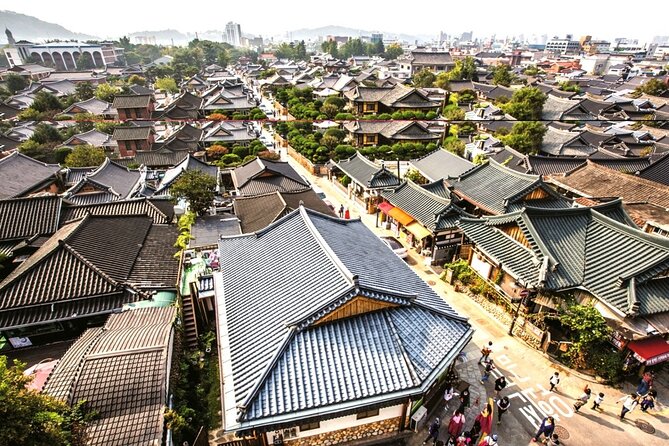
- Jeonju hanok streets and a hanbok experience in one of Korea’s most photogenic old-town areas
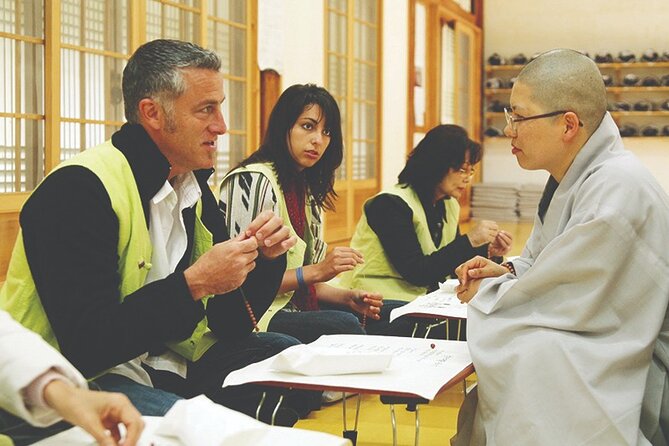
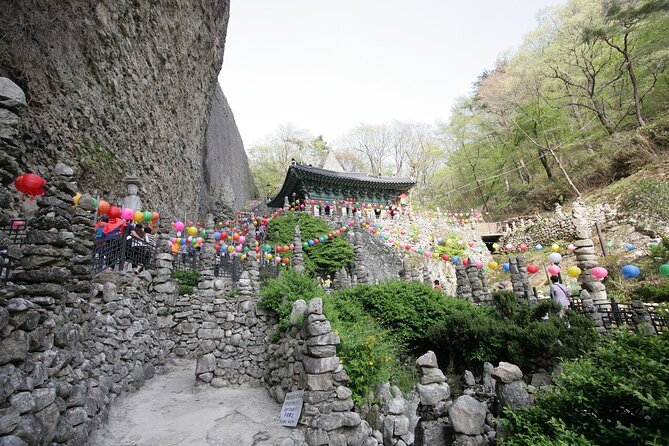
- Baekyangsa Temple tea time with a Buddhist monk, a quieter, reflective stop compared with the busy villages
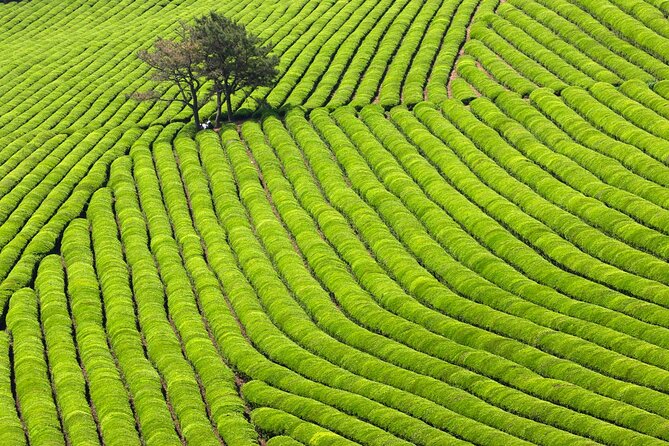
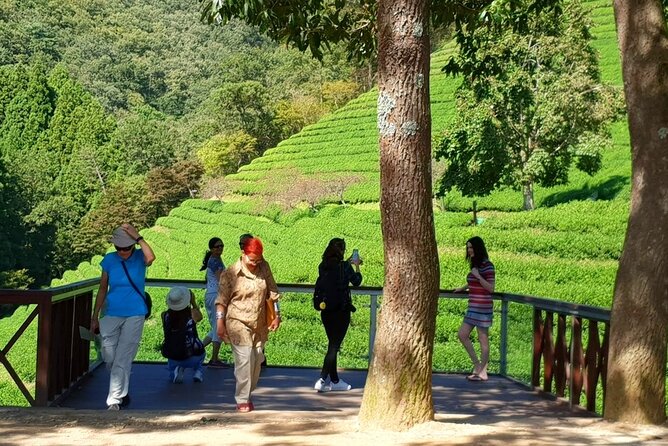
- Boseong tea terraces and Suncheon Bay wetlands, nature stops that change the mood fast
- Busan’s UN Memorial Cemetery, a sobering, well-structured history moment
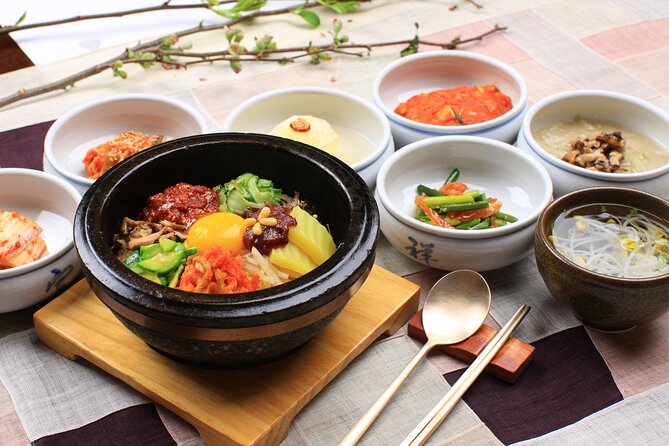
- High convenience value: hotels, guide, meals, and entrance fees are handled for you
Western Korea in 4 days, how the schedule actually works
This is one of those tours where the main benefit is simplicity. You start in Seoul at 8:00 am, follow a set route through Western Korea, and return to Seoul at the end. You are not left to figure out tickets, entrance lines, or how to connect between cities on your own. The tour also includes a visit to a wellness facility designated by the Korea Tourism Organization, which adds a change of pace mid-trip, beyond castles and temples.
Because the tour is “no options” and “no shopping,” the days are tighter than a free-form itinerary. That is a good thing if you want momentum and a clear plan. It can be annoying if you love wandering without a watch.
A professional English-speaking guide (or driver-guide) is part of the package, and that matters. In the reviews, the standout praise was about the guide care and smooth organization, including mention of a guide named Jay, described as caring, with clean, well-chosen hotels and restaurants where the food felt genuinely thought through.
A few more Seoul days side by side
- Best DMZ Tour Korea from Seoul (Red Suspension Bridge Optional)
★ 5.0 · 41,422 reviews - DMZ Tour: 3rd Tunnel, Option(Suspension Bridge, Boat) from Seoul
★ 5.0 · 21,373 reviews - DMZ tour south Korea from Seoul (NK experience hall, defector)
★ 5.0 · 20,599 reviews
Day 1 in Gongju: UNESCO views, royal tombs, and a museum with serious artifacts
Day 1 is a strong historical opener in Gongju. You start with Gongsanseong Fortress, a UNESCO World Heritage Site designated in 2015. Expect hillside walking and panoramic views. Even if you are not a castle person, the fortress setting helps you understand how older Korea defended and controlled routes from elevated ground.
Next comes the Songsan-ri Tombs and the Royal Tomb of King Muryeong. This burial site is known for its brick-built burial style, and the tone shifts here from scenery to craftsmanship. It is the kind of stop where you slow down without being told to. If you like details, you will probably enjoy how the site communicates rank and artistry through what is built and how it is built.
Then you finish with the Gongju National Museum, which holds around 10,000 cultural artifacts. This is the payoff for the day: you get to connect what you saw outside with what was preserved and recovered. The museum stop includes artifacts like gilt-bronze ornaments and items tied to King Muryeong’s tomb, which helps turn impressions into something more concrete.
Practical takeaway for Day 1: you likely cover a lot of ground. Build in a quick energy routine, water, snacks if you bring them, and expect museum time to feel dense if you try to read everything.
Day 2 in Jeonju: hanok alleys, hanbok time, and temple tea that slows you down
Jeonju is where the tour turns from fort and tomb to human scale and daily life. You begin around Gyeonggijeon Shrine in the center of the hanok area. Jeonju Hanok Village is famous for having more than 800 traditional hanok houses, and the point of the stop is not just photos. It is the calm feeling of walking lanes where the buildings keep the architecture in your view.
Then you get a hanbok experience inside the hanok village. This is one of those activities that instantly changes how you experience a place. The clothing is not just a costume moment. It slows your movement, frames your photos, and makes you pay attention to etiquette and posture in everyday space.
After that, you revisit Gyeonggijeon Shrine contextually, including a highlight that the shrine was erected in 1410 and includes the portrait of King Tae-jo, the founder of the Joseon Dynasty. Even if you do not study Korean history at home, this helps you anchor what you are seeing.
The day ends at Baekyangsa Temple, and that stop brings the most emotional contrast from the hanok streets. Here, you join a tea conversation with a Buddhist monk. The tea moment is short enough to keep the day moving, but meaningful enough to reset the pace. It is also the kind of experience that feels more personal than a typical lecture, because it happens in a real temple setting.
Possible drawback to watch for on Day 2: Jeonju is a popular stop, so expect more walking in a tight area. If your feet get tired easily, plan for slow breaks and do not try to outrun the schedule.
Day 3 in Boseong and Suncheon Bay: tea terraces followed by wetlands with wildlife energy
Day 3 starts in Boseong with green tea field scenery at Daehan Dawon. The tour frames this as the largest green tea field in Korea, which is helpful because it signals what to look for: terraced rows, long sightlines, and the sense that the plants define the shape of the hills. The walking here is usually about looking and breathing in the air quality of the place, not about a tough hike.
After lunch, you head to Suncheon Bay Wetland Reserve, a coastal marshland where the river meets the sea. The big pitch is that it is one of the world’s top five wetlands and a sanctuary for more than 250 species. What you should expect is a shift in sound and mood. Instead of stone and wood buildings, this day becomes about water, reeds, and the feeling of an ecosystem doing its thing.
This combination works well in a tour like this because the tea field gives you order and pattern, while the wetlands give you motion and unpredictability. If you are someone who likes nature that still feels cultural and accessible, this day is a good match.
Tip from a practical angle: day 3 often decides how you feel about the whole trip. If you pace yourself during the tea fields, you can enjoy Suncheon Bay more instead of just rushing through it.
Different day, same base:
- Seoul: The Best DMZ Tour with Optional Suspension Bridge
★ 4.7 · 4,978 reviews - Signature DMZ Tour: Exclusive Defector Talk & Suspension Bridge
★ 5.0 · 4,459 reviews - Thrilling Korean DMZ 3rd Tunnel Tour from Seoul + Red Bridge Rush
★ 5.0 · 3,097 reviews - Seoul: DMZ Tour & Suspension Bridge (Option English/Spanish)
★ 4.9 · 2,628 reviews
Day 4 in Busan: a solemn morning, then back toward Seoul
On the final day, the tour shifts from nature and temples to modern history. You start with the UN Memorial Cemetery in Busan. This is a solemn site dedicated to UN soldiers who lost their lives during the Korean War. Graves are arranged by nation, and the cemetery includes approximately 2,300 graves.
This stop is not meant to be fun. It is meant to be clear and respectful, and the way it is built into the tour helps you avoid missing it if you only plan for beach time. The practical value is that you get a structured visit rather than treating it as a random detour.
After that, you transition back toward Seoul. You will be dropped near transportation, and the tour notes that you arrange your own way from Seoul Station onward. If you are catching a longer connection, build buffer time, since rail and city transfers have their own rhythm.
Meals, hotels, and the all-inclusive value you are paying for
The price here is not cheap in absolute terms, but it is easier to justify when you see what it covers. For about $1,200 per person, you are buying far more than sightseeing. You get 3 nights of accommodation, a set number of breakfasts, lunches, and dinners, and all entrance fees. You also get an air-conditioned vehicle (vehicle varies by group size) and an English-speaking guide.
In other words, you are paying for logistics. When the tour is done well, logistics should feel boring in a good way. You show up, walk through a planned day, and do not argue with ticket machines or scramble for places to eat.
That is exactly where the reviews leaned positive. The strongest praise was that hotels were clean and nice, restaurants felt well thought out, and the food was amazing, with special mention that the guide Jay was caring. Even if you do not care about hotels much, “clean and nice” is not a small point. It affects your energy for the next day’s walking.
One more detail worth noting: tips and some personal expenses are not included. Drinks are also not specified as included, so if you are a frequent coffee or soda buyer, plan on those small add-ons.
Getting around: meeting points, vehicle comfort, and when KTX comes into play
The tour has clear meeting and ending points, which reduces stress. You meet at AMID Hotel Seoul38 in Insadong at the start of the trip, with a start time of 8:00 am. On the last day, you end at Seoul Station, and you arrange your own transportation from there.
Inside the trip, you travel by an air-conditioned vehicle, and the exact vehicle type changes with group size. For a comfort-focused trip, that matters. Korea can get hot or rainy, and vehicle air-conditioning keeps the day from feeling like you are fighting your own sweat.
Rail is also part of the plan. The tour notes that if the group size is 9 or fewer people, KTX tickets are provided. Even when KTX is not specified as always included for every group size, you should still assume that rail timing matters, because the tour has you moving between cities, with a note about dropping you off at Busan Station.
Practical advice: confirm your exact transport timing with your guide the day before each rail move, especially if you have evening plans after Seoul Station.
Price and value: what $1,200 buys beyond the headline number
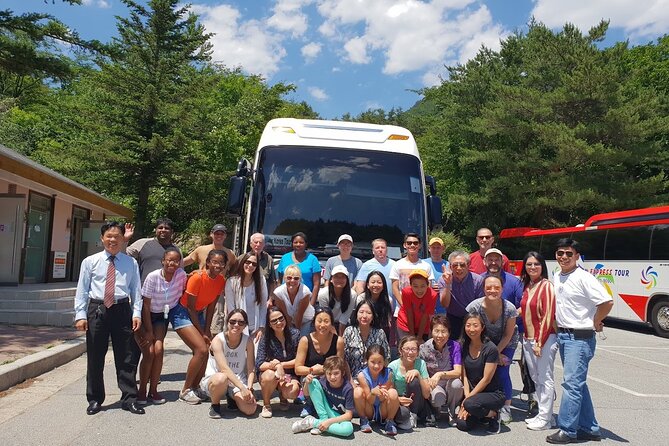
It is tempting to compare tour prices just by what you see on the cover. The better way to judge this one is to count what is typically extra in Korea: entrance fees, guided transport between multiple cities, meals, and hotel nights.
Here, entrance fees are included for the sites where tickets apply, and meals are included in a meaningful way. You are not just getting breakfast and then figuring out lunch and dinner. The tour includes 4 lunches and 3 dinners, plus 3 breakfasts, and it also covers taxes and fees associated with the tour.
So you are paying for convenience plus time. If you were building this yourself, the hard parts would be stitching it all together: booking hotels across multiple cities, lining up transport, and pricing out museum and temple entries. This tour removes that work.
The trade-off is flexibility. You cannot rewrite the schedule on the fly. If you want to sleep in, this is not the tour style for that.
Who this tour fits best
This works especially well for people who:
- Want a structured route through Western Korea without day-by-day planning
- Prefer cultural stops that are mixed with nature, not just temples all week
- Appreciate a quiet “walk, see, learn, eat, move on” rhythm
- Like the idea of a hanok village plus hands-on hanbok time, then tea and wetlands later
It also suits a wide age range, since the tour is described as suitable for ages 1 to 80+, with moderate physical fitness suggested. If you have mobility limitations, the fortress and temple walking will be the part to think about first.
Quick thoughts before you book
Should you book? If you want an easy-to-follow trip where your biggest choices are where to buy postcards, this is a strong match. The all-inclusive structure, the included meals, and the praised organization from a guide named Jay make it feel like your time is used well.
Skip it if you crave full freedom. This is not a choose-your-own-adventure style. It is a guided route with a set tempo, and that tempo will feel great or frustrating depending on your travel personality.
FAQ
What is the duration of this tour?
The tour runs for about 4 days.
Where does the tour start and where does it end?
It starts at AMID Hotel Seoul38 in Insadong, and it ends at Seoul Station. You arrange your own transportation onward from Seoul Station.
What is included in the tour price?
The included items are entrance fees, air-conditioned vehicle, 3 nights accommodation, taxes and fees, a professional English-speaking guide (or driver-guide), and meals including 4 lunches, 3 dinners, and 3 breakfasts.
Are there shopping stops on this tour?
This tour is described as having no shopping.
Is there KTX included?
KTX tickets are provided if the group consists of 9 or fewer people. The tour also involves rail travel between Busan and Seoul.
Do I need to handle transport on my own?
You arrange your own transportation to Seoul Station. The tour also notes that pickup on the first day is not included as a hotel pickup, so you should plan to reach the meeting point on your own.
How big is the group?
The group has a maximum size of 35 people.
What is the cancellation policy?
You can cancel up to 6 days in advance for a full refund, with smaller refunds available if you cancel between 2 and 6 days before the experience start time.
Is the tour suitable for people with limited mobility?
The tour states you should have a moderate physical fitness level. It is described as suitable for ages 1 to 80+, but some sites involve walking.
Recently reviewed in Seoul
- Seoul City Private Tour (Optional layover)★ 5.0 · 3 reviews
- Korean Folk Village & Suwon Hwaseong Fortress Private Tour★ 5.0 · 3 reviews
- 5D4N Korea Cultural Heritage immersion Private Tour★ 5.0 · 3 reviews
- War Memorial, Jogyesa Temple & Tapgol Park Tour in Seoul★ 4.5 · 3 reviews
- Full Day Private Seoul Tour for foodies★ 5.0 · 3 reviews
- Private Tour : Royal Palace & Traditional Villages wearing Hanbok★ 5.0 · 3 reviews
- Nami Island & Nearby Attractions : Charter Van Tour With Driver★ 4.0 · 3 reviews
- K-Pop Tour★ 3.5 · 3 reviews
Seoul Tours, compared.
Best DMZ Tour Korea from Seoul (Red Suspension Bridge Optional)
Read our review →
DMZ Tour: 3rd Tunnel, Option(Suspension Bridge, Boat) from Seoul
Read our review →
The Best DMZ Tour with Optional Suspension Bridge
Read our review →
Thrilling Korean DMZ 3rd Tunnel Tour from Seoul + Red Bridge Rush
Read our review →
DMZ Tour & Suspension Bridge (Option English/Spanish)
Read our review →
DMZ Past and Present: Korean Demilitarized Zone Tour from Seoul
Read our review →