Reviewed · SEOUL TOURS
Discover Round Korea in 7days: All-Inclusive Experience
This is interesting because it is a full-throttle Round Korea sweep that still feels structured and easy. You start in Seoul, hop through historic regions, and finish with big nature time in Seoraksan, all with an air-conditioned bus and an English-speaking guide keeping the pieces together.
I especially like the all-included setup (entrance fees, most meals, and six nights in twin or double rooms), so you are not constantly doing cost math. I also like the no-shopping style, so you can focus on sites, food, and real daily-life stops instead of chasing a shopping schedule.
The main thing to consider is the pace. You should expect full days and plenty of moving between regions, and the tour calls for moderate physical fitness, which matters when you hit outdoor spots and viewpoints.
Key points worth knowing
- All entrance fees are included, so UNESCO and major attractions do not turn into surprise add-ons
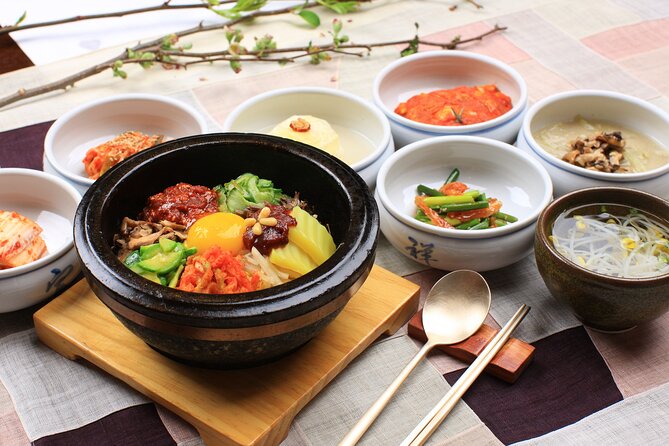
- Meals are mostly covered (6 breakfasts, 6 dinners, 7 lunches), which makes the schedule simpler to manage
- No shopping stops keeps the itinerary focused on culture, food, and sights
- Maximum group size is 35, so you get a group feel without feeling swallowed by crowds
- Built-in variety: royal tombs, tea, wetlands, fish markets, and national park scenery in one loop
- English-speaking guide support is part of the package, and one guide named Jay was singled out for excellent care
Round Korea in 7 days, without the constant planning headache

If you normally plan your own trips, this kind of tour can feel like letting someone else drive. But that is also why it works: the route is designed as a clean arc across central and southern Korea, then back north for the final nature day.
You meet at AMID Hotel Seoul at 8:00 am, and the tour ends back at the same meeting point. That means you are not hunting for a new location every day, which is a big deal when you are tired, jet-lagged, or just want to keep things simple.
This is also a group tour with a max of 35 people. In practice, that size tends to be enough for a lively group dynamic, while still allowing your guide to manage timing at major sites.
One more small but important detail: there is a mobile ticket and a special welcome kit. It sounds minor, but it often reduces the little frictions at ticket counters and meeting points.
A few more Seoul days side by side
- Best DMZ Tour Korea from Seoul (Red Suspension Bridge Optional)
★ 5.0 · 41,422 reviews - DMZ Tour: 3rd Tunnel, Option(Suspension Bridge, Boat) from Seoul
★ 5.0 · 21,373 reviews - DMZ tour south Korea from Seoul (NK experience hall, defector)
★ 5.0 · 20,599 reviews
All-included value: what you pay for (and why it is not just marketing)
At $1,970 per person for about 7 days, this is not a budget tour. The value comes from what is bundled.
Here is what you are actually getting that you would normally pay for separately:
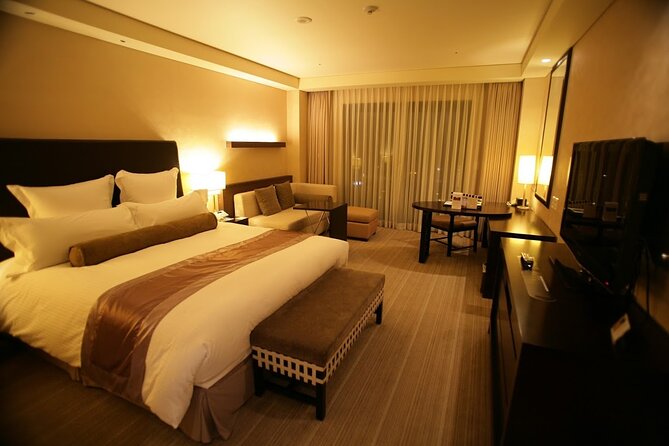
- 6 nights of accommodation in twin or double rooms
- Air-conditioned vehicle transportation (vehicle varies by group size)
- English-speaking guide (or driver-guide)
- Entrance fees included for the sites on the program
- Meals included: 6 breakfasts, 6 dinners, 7 lunches
- A wellness facility visit tied to a Korea Tourism Organization designation
When you compare that to DIY travel, the savings can be less about the meals and more about removing the “decision fatigue.” You do not have to price every ticket, find each lunch stop, and troubleshoot last-minute transport changes.
Also, the tour is very clear about what is not included, so you can budget accordingly: travel insurance, personal expenses, drinks, and tips are on you. That transparency helps you avoid the classic all-inclusive misunderstanding where you think you are covered for everything.
Day 1 Gongju UNESCO day: fortress views, a royal tomb, and an artifact overload
Day 1 starts in Gongju, and it is a strong opener because it moves from dramatic scenery to deep history fast.
Gongju Gongsanseong Fortress
Your first stop is Gongsanseong Fortress, a UNESCO World Heritage site (designated in 2015). A hillside fortress like this is not just about taking photos. It helps you understand how power and defense worked in the region, with views that make the strategic location feel obvious.
What to watch for: wear shoes with grip. Fortress paths can be uneven, and you will want your footing when you pause for overlooks.
Different day, same base:
- Seoul: The Best DMZ Tour with Optional Suspension Bridge
★ 4.7 · 4,978 reviews - Signature DMZ Tour: Exclusive Defector Talk & Suspension Bridge
★ 5.0 · 4,459 reviews - Thrilling Korean DMZ 3rd Tunnel Tour from Seoul + Red Bridge Rush
★ 5.0 · 3,097 reviews - Seoul: DMZ Tour & Suspension Bridge (Option English/Spanish)
★ 4.9 · 2,628 reviews
Songsan-ri Tombs and the Royal Tomb of King Muryeong
Next comes the Royal Tomb of King Muryeong, known for its brick-built burial style. This is one of those sites where details matter. The brick construction is a reminder that royal burial practices were as much about engineering and craftsmanship as they were about symbolism.
You will also visit the Songsan-ri Tombs and other royal tomb context. The combo works well because you see both the broader burial landscape and a standout royal example.
Gongju National Museum
The day ends with Gongju National Museum, which holds around 10,000 cultural artifacts. This stop is valuable because it turns what you saw outside into something you can interpret more clearly. Museums are where you connect the dots between burial sites, royal objects, and the culture behind them.
If you get bored in museums, you still might like this one. The focus on royal relics and artifacts from the King Muryeong context gives it direction.
Day 2 Jeonju hanok immersion that is structured, not chaotic
Jeonju is the kind of place people travel for, and this tour gives you time in the heart of the traditional neighborhood.
Jeonju Hanok Village and Gyeonggijeon Shrine
You begin at Gyeonggijeon Shrine, in the center of the hanok village. The shrine, erected in 1410, is associated with the portrait of King Tae-jo, founder of the Joseon Dynasty. So you are not just strolling for vibes. You are grounded in a specific political and historical story.
Then you explore the hanok village, described as home to more than 800 traditional Korean houses. That scale matters because you do not just see one pretty street. You can wander and feel how the neighborhood is built as a living environment, not a theme set.
Hanbok experience in Hanoknam Jeonju Hanok Village
A highlight is the hanbok experience in Hanoknam Jeonju Hanok Village. This is a fun, visual way to slow down. It also makes it easier to take your time inside the neighborhood lanes because you are not rushing just to keep your schedule.
Practical note: hanbok can be a little restrictive for long walks. If you have knee issues or tight calves, take breaks and keep your pace gentle.
Baekyangsa Temple tea conversation
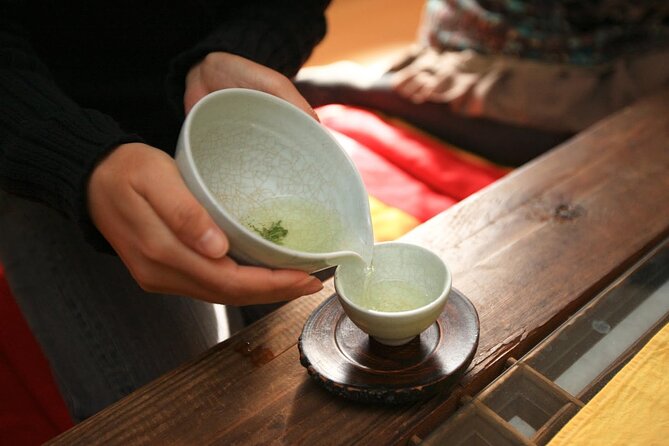
The day finishes with Baekyangsa Temple plus a tea conversation with a Buddhist monk. This is one of the most human parts of the itinerary because it is not only about looking. It gives you a calm, reflective break from the more touristic spots.
Tea time also tends to be low-pressure socially. Even if your Korean is limited, the act of sharing tea and listening is the point.
Day 3 Boseong green tea terraces and Suncheon Bay wetlands
This day is designed for people who want their culture to come with scenery.
Boseong Green Tea Field, Daehan Dawon
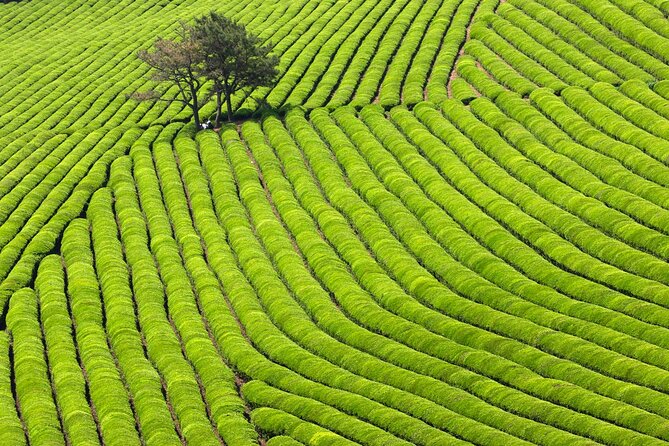
You visit Boseong Green Tea Plantation (Daehan Dawon), described as the largest green tea field in Korea. Walking between terraced rows is one of those simple activities that changes how your brain feels during travel. It is quiet, open, and you get that repeating pattern of tea bushes as far as you can see.
The scenery here also shifts with viewpoint and weather, so even if you have seen tea fields before, this one can feel fresh due to its scale and layout.
Suncheon Bay Wetland Reserve
After lunch, you head to Suncheon Bay Wetland Reserve. It is described as one of the world’s top five wetlands, and it is a sanctuary for more than 250 species. That variety is why wetlands are fascinating, even if you are not an avid bird watcher.
This is also a good day for photos, but do not only shoot. Walk, pause, and watch how the water and vegetation shape movement in the area.
Day 4 Busan reality check: war memory, a fish market, and a coastline cable car
Busan on this tour is not only about fun. You also get a serious morning.
UN Memorial Cemetery
You start at the UN Memorial Cemetery in Busan, dedicated to UN soldiers who lost their lives during the Korean War. The graves are described as about 2,300, arranged by nation. It is solemn. It is also a powerful way to understand modern Korea beyond pop culture and city skylines.
Bring a moment of respect with you. This is not a quick selfie stop.
Jagalchi Market
Then you swing to energy at Jagalchi Market, Busan’s iconic fish market. This is where you feel daily life. Stalls selling seafood and local specialties make it a real sensory experience, and the market is the kind of place where you can snack your way through without needing a formal reservation.
If you are sensitive to strong smells, go with a plan. Step in, take a quick look, and decide where you want to pause.
Songdo Cable Car over the sea
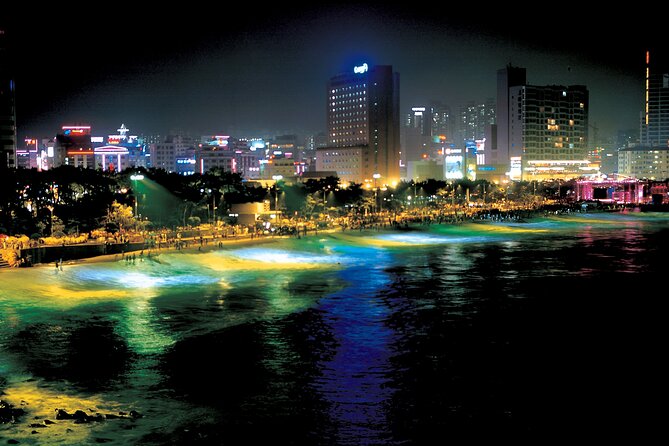
The day ends with a Songdo Sea Cable Car ride, about 1.6 km, from Songdo Beach Station to Songdo Sky Park. This is a fun way to see the coast without committing to a long hike.
What to consider: cable cars can feel like a clear “payoff” after a busy day. But you still want light layers because coastal weather can change fast.
Day 5 Gyeongju Silla highlights, from APEC modernity to royal tomb scale
Day 5 is where history ramps up. Gyeongju is known for Silla-era treasures, and this route covers several big-name stops.
Nurimaru APEC House
You begin at Nurimaru APEC House on Dongbaekseom Island, the venue of the 2005 APEC Summit. This modern architectural stop works as a bridge. You get a sense of Korea’s role in the contemporary world before returning to ancient sights.
Bulguksa Temple
Next is Bulguksa Temple, a UNESCO World Heritage site. Temple visits can be overhyped on tours, but Bulguksa is the kind of site where structures, stonework, and layout reward slow looking.
Go in expecting details. Even if you cannot read everything, the scale and craftsmanship do the explaining.
Daereungwon Tomb Complex
Then you head to the Daereungwon Tomb Complex, with large royal burial mounds and relics including elaborate gold crowns. This stop is about scale and the visual idea of power.
If you like archaeology and history, this is a major day. If you prefer modern cities, it is still worth it because Silla-era imagery is unlike what you see elsewhere.
Gyeongju National Museum and Cheomseongdae
You finish with Gyeongju National Museum, featuring iconic items such as golden crowns, and then Cheomseongdae Observatory, a beloved symbol of Gyeongju and an ancient astronomical structure.
The observatory is quick, only about 20 minutes noted on the schedule. But it is memorable because it turns time into something physical. You look at an old structure built to watch the sky, and travel stops feeling only about today.
Day 6 Andong folk village plus a hands-on Korean dessert lesson
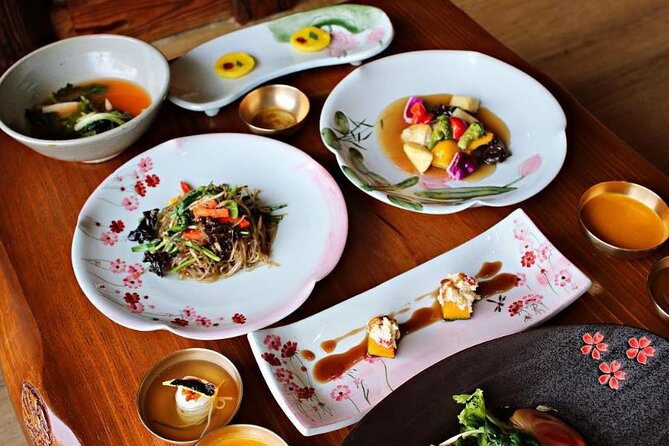
This is a more personal day, mixing traditional village life with a food-making activity.
Momyeongjae dessert-making experience
You start with an immersive Korean traditional dessert-making experience called Momyeongjae at the Korean Traditional Culture Center. You learn from expert instructors and create your own dessert, then you carry that memory with you.
This kind of activity is valuable because it breaks the sightseeing pattern. It also gives you something to focus on besides photos: the process, steps, and the taste at the end.
Andong Hahoe Folk Village
In the afternoon, you visit Andong Hahoe Folk Village, described as one of Korea’s best-preserved traditional villages and a UNESCO World Heritage Site with more than 600 years of history. The village is presented as a living cultural landscape, meaning the traditions are part of the ongoing community story.
This is the best kind of cultural stop when you want authenticity. You are not only looking at buildings. You are seeing how a place retains meaning across centuries.
Day 7 Seoraksan National Park and Jujeongol Valley for real fresh air
Your final day turns toward nature and views, starting with a greeting in Pyeongchang, then heading to Jujeongol Valley in Seoraksan National Park.
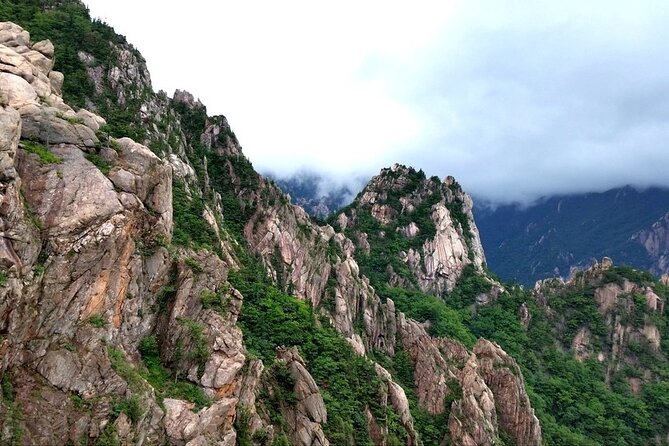
Seoraksan is described as having dramatic rock formations, soaring peaks, and crystal-clear streams. Even with limited time, that combination tends to hit hard on people who have been stuck in cities all trip.
This is also your last “big move” day. Take it slow. If you pace yourself on the trails, the views feel bigger and less rushed.
Guide quality and group dynamics: why it feels easy even when days are full
A good guide is not just translation. It is pacing, problem-solving, and the small choices that keep you from feeling lost in a fast-moving schedule.
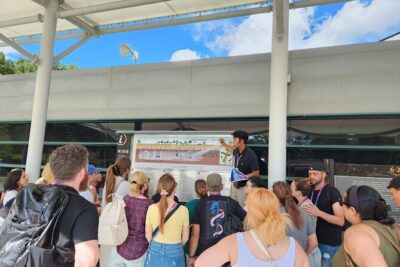
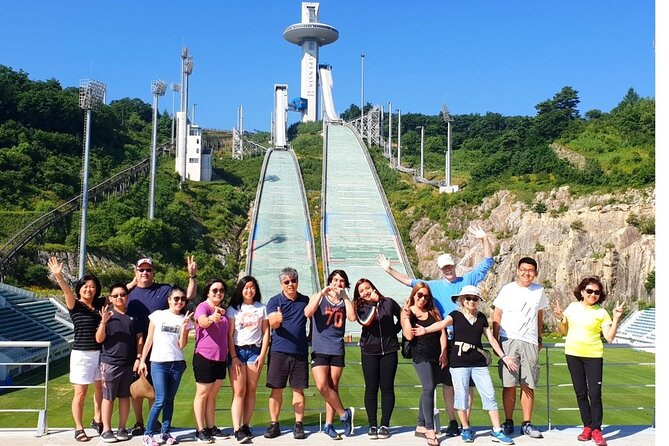
One recent group highlight was the guide Jay, who was described as friendly, fun, kind, and careful with a smaller group of 16 people. That kind of attention matters on days with multiple stops, where timing can make or break the experience.
This tour also scores extremely well in overall satisfaction. It has a 5/5 rating with 157 reviews, and 99% recommended. That is the kind of consistency you want to see when you are paying for a structured, all-in-one experience.
Who should book this Round Korea tour, and who might not
This fits you if:
- You want turnkey planning with entrance fees and meals included
- You like a mix of history, food, and scenery
- You prefer guided structure over DIY navigation
- You are comfortable with a full schedule and moderate physical fitness
This may not be ideal if:
- You hate early starts and packed days
- You want lots of free time to wander on your own without regrouping
- You are highly sensitive to long travel hours between regions
One important note from the tour style: it is built to be relaxing in the sense that logistics are handled. But it is still a “see lots of Korea” trip. Think of it as guided efficiency, not slow travel.
Should you book this tour?
I think this is a strong choice if you value value-through-structure. The price is high, but it includes the things that typically make independent travel messy: major entrances, lots of meals, six nights of lodging, and guided timing across a big loop.
I would book it if you want an easy way to experience Gongju royal history, Jeonju hanok culture, tea country and wetlands, Busan markets and cable-car views, and then finish with Seoraksan nature without building a spreadsheet.
If you want total freedom, or you dislike group schedules, you may feel constrained by the “no shopping, all program” style. But if you are happy letting someone else run the routing, this tour is built for exactly that mindset.
FAQ
Where does the tour start?
The tour starts at AMID Hotel Seoul, 38 Insadong 5-gil, Jongno District, Seoul, South Korea.
What time does the tour start?
The start time is 8:00 am.
How long is the experience?
It runs for 7 days (approximately).
What is included in the price?
Entrance fees for tour sites, an air-conditioned vehicle, 6 nights accommodation in twin or double rooms, an English-speaking guide (or driver-guide), a welcome kit, and meals including 6 breakfasts, 6 dinners, and 7 lunches are included.
Are there any shopping stops?
The program is described as having no shopping.
What is the group size limit?
The maximum group size is 35 travelers.
What kind of fitness level do I need?
A moderate physical fitness level is recommended.
Is hotel pickup on the first day included?
Hotel pickup on the first day is not included, and the tour recommends you stay at AMID Hotel Seoul.
What if the weather is poor?
The experience requires good weather. If it is canceled due to poor weather, you will be offered a different date or a full refund.
Recently reviewed in Seoul
- Korean Folk Village & Suwon Hwaseong Fortress Private Tour★ 5.0 · 3 reviews
- Seoul City Private Tour (Optional layover)★ 5.0 · 3 reviews
- 5D4N Korea Cultural Heritage immersion Private Tour★ 5.0 · 3 reviews
- War Memorial, Jogyesa Temple & Tapgol Park Tour in Seoul★ 4.5 · 3 reviews
- Private Tour : Royal Palace & Traditional Villages wearing Hanbok★ 5.0 · 3 reviews
- Full Day Private Seoul Tour for foodies★ 5.0 · 3 reviews
- Nami Island & Nearby Attractions : Charter Van Tour With Driver★ 4.0 · 3 reviews
- K-Pop Tour★ 3.5 · 3 reviews
Seoul Tours, compared.
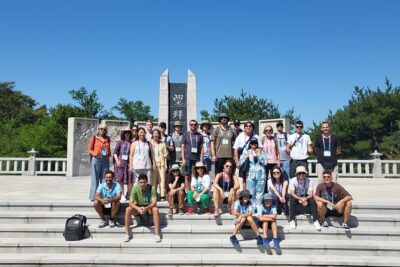
Best DMZ Tour Korea from Seoul (Red Suspension Bridge Optional)
Read our review →
DMZ Tour: 3rd Tunnel, Option(Suspension Bridge, Boat) from Seoul
Read our review →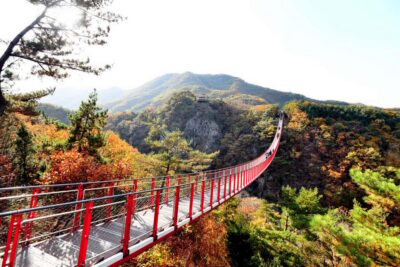
The Best DMZ Tour with Optional Suspension Bridge
Read our review →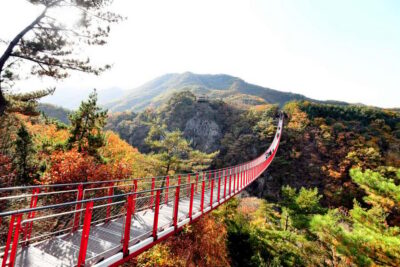
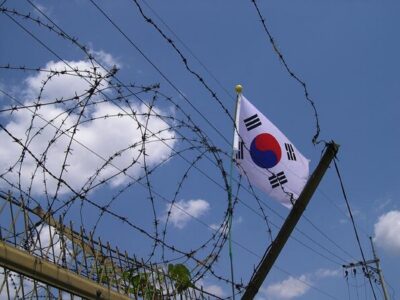
Thrilling Korean DMZ 3rd Tunnel Tour from Seoul + Red Bridge Rush
Read our review →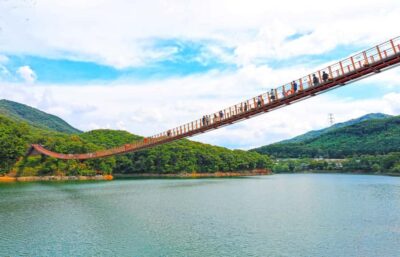
DMZ Tour & Suspension Bridge (Option English/Spanish)
Read our review →
DMZ Past and Present: Korean Demilitarized Zone Tour from Seoul
Read our review →