
Reviewed · COOKING CLASSES
Korean Cooking at Seoul Cooking Club
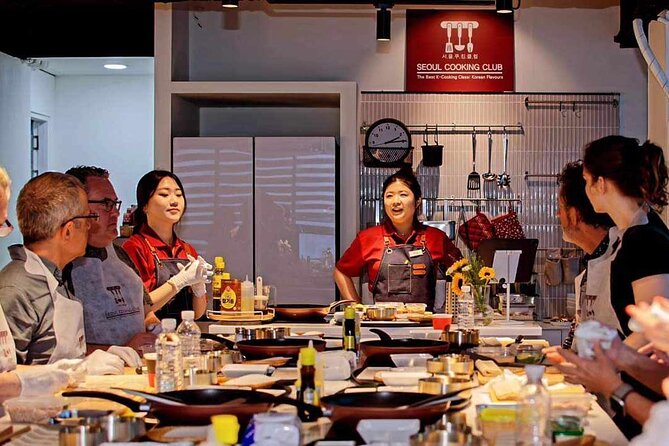
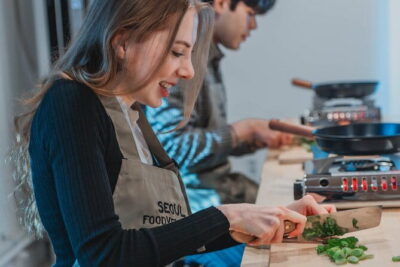
Korean Cooking at Seoul Cooking Club is interesting because you go from raw ingredients to a full Korean meal in about 2.5 hours, then you eat what you made. I like the small-group size (max 12), because your instructor, such as Olivia or Elly, can actually spot what needs fixing.
I also like the way the class is built around real variety. You’re set up to cook a three-course Korean meal and taste around 10 Korean flavors, moving through appetizers, mains, and a dessert, with options for vegans and halal diets.
One possible drawback: if you expect very complex, knife-heavy restaurant-level training, you might find some steps feel more guided and straightforward than you hoped. The best mindset is to follow directions closely, taste, and adjust.
Quick hits before you go
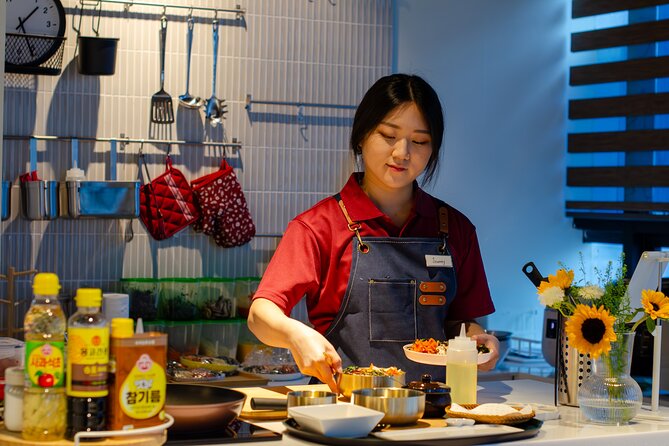
- Max 12 people means you get real attention in the kitchen, not just a seat and a hope-and-pray recipe.
- Taste-first structure: you cook and then eat what you make, plus dessert.
- Dietary options are a focus, including vegan, vegetarian, pescatarian, gluten-free, and halal.
- Classic Korean menu ideas show up often, like bulgogi, bibimbap, gimbap, japchae, and jeon-style pancakes.
- Come hungry, leave full: portions are generous, and you can take leftovers home.
- Souvenirs included: a cookbook is provided, and you may also get a tote bag.
Where Seoul Cooking Club fits in your Seoul plan
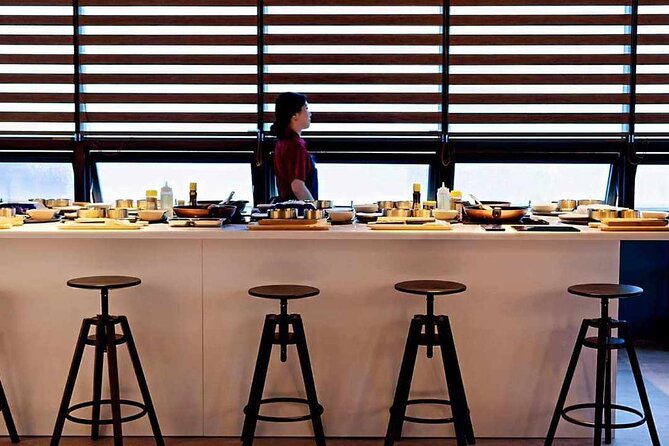
This is a Korean cooking class in Seoul’s Jongno area, starting at 71-6 Jongno 2(i)-ga, Jongno District, Seoul. It’s a practical way to spend an evening or midday, especially if you want something hands-on instead of another museum day.
The class runs about 2 hours 30 minutes, and it loops back to the meeting point at the end. That matters because you do not need to build a long commute around it. The venue is also near public transportation, so you can plan it without stressing over last-minute taxis.
The other big “fit” factor is the group size: up to 12 travelers. In a city packed with tours, this feels personal. You’re cooking with enough people to create energy, but small enough that your questions do not get lost. That’s when the teaching style actually works.
And yes, you’re not just watching. The whole point is to cook, taste, and eat together. Think: a food-focused workshop that also helps you understand what you’re seeing later in Korean restaurants.
More Cooking Classes in Seoul
- Local Home Korean Cooking Class & Market Adventure in Seoul
★ 5.0 · 1,024 reviews - Master Korean traditional cooking with a Kimchi chef
★ 5.0 · 385 reviews - Seoul: Korean Cooking Class at a Local Home and Market Tour
★ 5.0 · 348 reviews
How the cooking class menu really works: three courses, 10 flavors, lots of variety
The format is straightforward. You join for brunch, lunch, or dinner, and you’ll be making a three-course Korean meal. Along the way, you’ll also taste 10 Korean flavors, which usually means a mix of savory items across appetizers and mains, then a dessert at the end.
What you can expect to cook often includes familiar classics, and the menu flavor range tends to cover both savory and sweet. From the dish list and the patterns in the experience, you should be prepared for Korean staples like:
- Bulgogi, a go-to savory Korean comfort dish
- Bibimbap, the bowl that teaches you how Korean flavors balance and layer
- Gimbap, a Korean take on portable, snackable rice rolls
- Jeon-style pancakes, including variations people describe as kimchi pancakes
- Japchae, glass noodles tossed with seasonings and veg
A few reviews mention menus that include multiple kinds of pancakes and several classics, with dessert served after the main cooking and eating. Even if the exact dish set varies by day, the goal stays the same: you build confidence with several go-to Korean items, not just one.
One smart tip from the vibe of the class: do not eat a full meal beforehand. The experience is built around you getting hungry, cooking, and then eating a lot. If you arrive half-fed, you will lose the payoff.
Dietary-friendly Korean cooking that does not feel like a compromise
One of the standout reasons this class gets such strong marks is how openly it handles dietary preferences. You can expect options for:
- vegan
- vegetarian
- pescatarian
- gluten-free
- halal
That is not just a checkbox. The class is designed so you can still participate and still end up eating what you helped make.
If you have restrictions that matter, it helps to know you’re not the first person to ask. Some people report accommodations for peanut allergy and for avoiding beef or pork. So if your diet is complicated, you’ll probably feel more comfortable here than in a standard cooking demo where ingredients are fixed.
Practical advice: if you book, read the dietary options carefully and enter your needs clearly. If the form asks for specifics, include them. The better the details, the more likely your meal will match what you can actually eat, not what is closest on paper.
Instruction style: step-by-step teaching, taste adjustments, and culture context
This is not a hands-off show. The teaching style is described again and again as friendly, clear, and interactive. Instructors you may see include Olivia, Elly, Sally, Grace, and Ally, and multiple people highlight that the teachers break steps down so you can succeed.
What I like about this approach is the focus on basics plus flavor. You learn what ingredients are doing, not just which button to press. People describe getting guidance that helps dishes turn out well, even if you are not a confident home cook.
You’ll also get some cultural context along the way. That shows up in small explanations about ingredients and why certain flavors fit together. It is the kind of information that makes you feel less like a tourist buying souvenirs and more like someone who can interpret menus later.
You also have a feedback loop built in. You taste, then adjust as you go. That matters because Korean cooking is often about balance: salt, sweetness, acidity, heat, and aroma pulling in the same direction.
And because it’s a small group, you’ll likely get help quickly if something is off.
A few more Seoul days side by side
- Best DMZ Tour Korea from Seoul (Red Suspension Bridge Optional)
★ 5.0 · 41,422 reviews - DMZ Tour: 3rd Tunnel, Option(Suspension Bridge, Boat) from Seoul
★ 5.0 · 21,373 reviews - DMZ tour south Korea from Seoul (NK experience hall, defector)
★ 5.0 · 20,599 reviews - Seoul: The Best DMZ Tour with Optional Suspension Bridge
★ 4.7 · 4,978 reviews
What you eat, when you eat it, and why you leave with more than memories
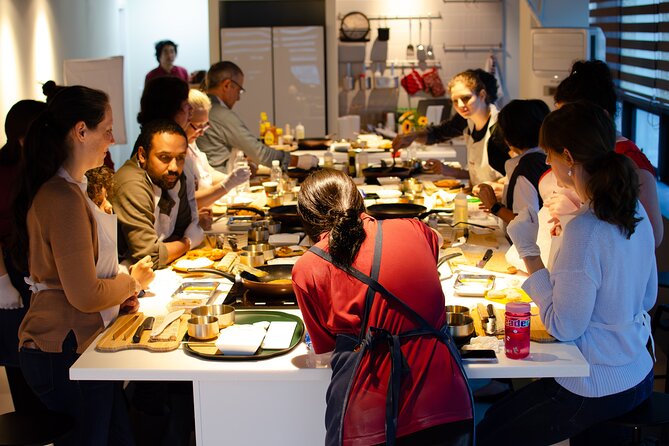
The session is structured around cooking, tasting, and eating in a way that feels satisfying, not rushed. By the time dessert arrives, you’re usually ready for it.
A big plus is that portions are often described as generous. Many people talk about having plenty to eat and also taking leftovers home for the next meal. If you are traveling and trying to avoid paying restaurant prices again that night, this is one of the best kinds of value: you turn the cooking class into dinner and tomorrow’s lunch.
People also mention beverages during the class, including water and tea, and one drink that comes up is sujeonggwa. That’s helpful because it makes the meal feel complete, not like you’re just tasting bits between steps.
Souvenir details help too. A cookbook is commonly provided, and there are mentions of a tote bag. If you want to recreate Korean food later, the cookbook is more useful than taking photos and hoping you remember the order.
One caution: because it’s food-heavy, plan your evening accordingly. Put this class earlier in your day if you can, or at least give yourself time to digest after. Seoul walking is fun, but your legs may not appreciate a full cooking-lunch combo right before a big night out.
Optional market shopping: when it helps and when it is extra
Some classes like this in Seoul include a short market shopping component. In the feedback you provided, one key point is that some people were happy to skip that part and focus on cooking and recipes.
So here’s how I’d think about it. If market time is included in your specific session, treat it as a quick flavor education. You’ll see ingredients close up, which can make the later cooking steps easier to understand.
If you are the type who hates standing around and watching people pick produce, prioritize the kitchen portion. Either way, the core value is the hands-on cooking and the eating you do afterwards.
Price and value of a $109 Korean cooking class in Seoul
At $109 per person, you are paying for a lot more than a generic “try Korean food” meal. You’re paying for instruction, ingredient handling, a full multi-item menu, and the advantage of learning several dishes in one go.
Here’s the value math that matters in real travel terms:
- You get multiple dishes and tasting across savory and sweet, not just one item.
- You work in a small group (max 12), so the experience is not diluted.
- You get accommodations for dietary preferences like vegan and halal, which can be hard to find elsewhere.
- You leave with a cookbook, plus people often mention taking leftovers home.
If you compare that to paying for even one decent restaurant meal plus a class or workshop on top, the price starts to feel reasonable. The class also saves you effort later. Once you know the basics behind bulgogi, bibimbap, gimbap, and jeon-style pancakes, you can navigate Korean menus more confidently and order with purpose.
One more practical value point: it’s a low-risk activity for solo travelers. You’re not relying on finding a cooking partner or figuring out how to use ingredients you barely recognize. Someone guides the process, and you still get the social side.
Who should book, and who might want a different Seoul activity
This class is a great fit if you:
- want a hands-on Korean cooking experience with real eating at the end
- enjoy food with variety, including both savory and sweet dishes
- need help finding options for vegan, halal, gluten-free, or other dietary requirements
- like structured learning where you can ask questions while cooking
- want to meet other travelers in a setting that is not just sitting in a tour van
It may be less ideal if you:
- want a high-intensity culinary bootcamp with advanced technique and heavy chopping throughout
- prefer watching only, because this experience is designed for you to participate
- dislike food-focused events where your biggest reward is the meal itself
That said, even people who describe themselves as not big on cooking often still enjoy it because the steps are explained clearly and the class feels approachable.
Should you book Korean Cooking at Seoul Cooking Club?
If you want one Seoul activity that is practical, social, and leaves you with both skills and leftovers, I’d book it. The mix of small-group attention, you eat what you cook, and dietary-friendly menus makes it a strong choice for a wide range of travelers. Add in the cookbook and the generous meal size, and the $109 price starts to look like a solid deal rather than a splurge.
Book it if you are hungry for Korean food knowledge, not just Instagram photos. Skip it only if you are specifically hunting for advanced culinary technique or if you know you do not enjoy structured food work.
FAQ
How long is the Korean Cooking at Seoul Cooking Club class?
It’s approximately 2 hours 30 minutes.
Where is the meeting point?
The start location is 71-6 Jongno 2(i)-ga, Jongno District, Seoul, South Korea.
What is the group size limit?
The class has a maximum of 12 travelers.
What types of meals and foods are included?
You’ll join for brunch, lunch, or dinner and make a three-course Korean meal. You’ll also taste around 10 Korean flavors, including appetizers, main courses, and dessert.
Does the class offer vegan, halal, or other dietary options?
Yes. Options include vegan, vegetarian, pescatarian, gluten-free diet, and halal.
Do I get to eat the food I cook?
Yes. The experience is designed so you can taste and eat everything you prepare, plus dessert.
Is a mobile ticket used?
Yes, the experience uses a mobile ticket.
When will I receive confirmation?
Confirmation is received at the time of booking.
Can I cancel for a refund?
Free cancellation is available. You can cancel up to 24 hours in advance for a full refund.
Is the location accessible for public transportation, and are service animals allowed?
Yes. The location is near public transportation, and service animals are allowed.
Recently reviewed in Seoul
- Korean Folk Village & Suwon Hwaseong Fortress Private Tour★ 5.0 · 3 reviews
- Seoul City Private Tour (Optional layover)★ 5.0 · 3 reviews
- 5D4N Korea Cultural Heritage immersion Private Tour★ 5.0 · 3 reviews
- War Memorial, Jogyesa Temple & Tapgol Park Tour in Seoul★ 4.5 · 3 reviews
- Private Tour : Royal Palace & Traditional Villages wearing Hanbok★ 5.0 · 3 reviews
- Full Day Private Seoul Tour for foodies★ 5.0 · 3 reviews
- 3D Private Seoul Highlight tours with DMZ & Korean Folk Village★ 5.0 · 3 reviews
- Nami Island & Nearby Attractions : Charter Van Tour With Driver★ 4.0 · 3 reviews
Cooking Classes, compared.
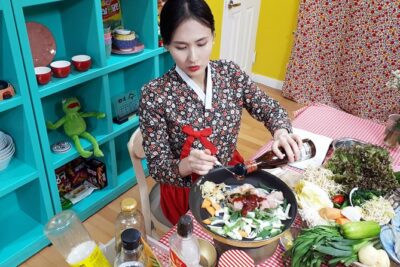
Local Home Korean Cooking Class & Market Adventure in Seoul
Read our review →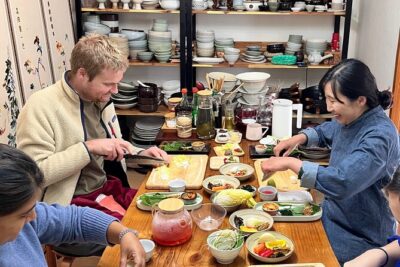
Master Korean traditional cooking with a Kimchi chef
Read our review →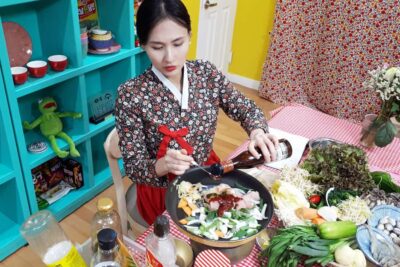
Korean Cooking Class at a Local Home and Market Tour
Read our review →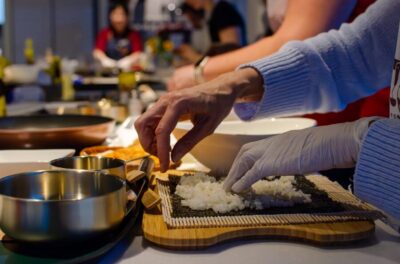
Korean Cooking Class with Grocery Shopping at Seoul Local Market
Read our review →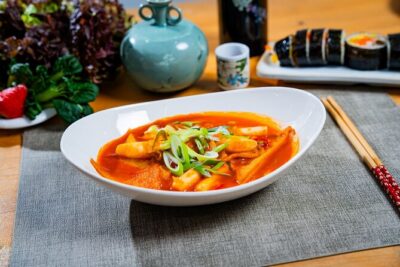
Taste of Korea, Authentic home style Cooking class
Read our review →
Busan Tailored Korean cooking class (Vegan OK)with market tour
Read our review →Browse the lists this tour appears in