
Reviewed · MARKETS
Cook 3 Authentic Korean Dishes with Local Market Tour
This experience is interesting because it starts in the real food world, Mangwon Market, then moves straight into a clean studio where you cook. You meet teacher Jomin near Mangwon Station, then learn what ingredients mean in everyday Korean cooking, not just how to follow steps.
My two biggest loves are the small group size (max four people) and the hands-on pace, with lots of personal guidance. You also finish with a professionally designed cookbook, so you can actually repeat what you made after the market heat and kitchen smoke clear.
One thing to consider is that the exact dishes can vary, since the 3-course menu may include options like soft tofu stew, bibimbap, bulgogi, kimchi stew, japchae, or stir-fried pork. Also, your class can be rescheduled or canceled if the minimum number of guests is not met (4).
Key highlights worth aiming for
- Market start at Mangwon Station (Line 6, entrance 2) so you get oriented fast and avoid guesswork
- Small class size with your own cooking station, not a crowd watching from the sidelines
- Learn Korean food culture and history while you shop and then cook
- Cook 3 dishes, then eat your work, plus you can take home leftovers
- A professionally designed cookbook that supports what you learned in the kitchen
- Vegetarian and vegan options available, handled by the instructor
Mangwon Market Start: Meet Jomin at Line 6, Entrance 2
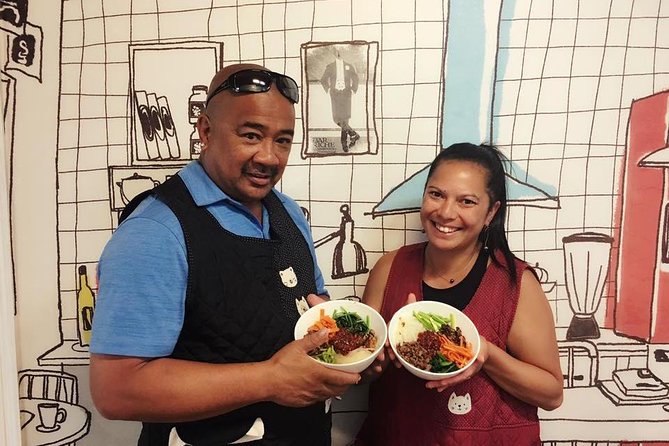
The experience begins at Mangwon Station, Seoul, at Line 6 entrance 2. That detail matters because it reduces that awkward first part of any food tour where you wonder if you’re at the wrong door. From there, Jomin takes you toward the cooking studio while you pass through Mangwon Market.
This is where the tour feels more like a local routine than a scripted attraction. You get a guided look at the ingredients used in the dishes, plus time to taste street foods along the way. The market portion is not just scenery, it’s the ingredient map for what you’ll be cooking later.
I like that Jomin focuses on how ingredients connect to real meals. You’ll hear explanations that make the later cooking steps easier to understand, even if you’re a beginner. I also appreciate the small-group feel here. With only a few people in the walk, questions stay in the conversation, not floating over your head.
One practical note: market walking usually means you’ll want comfortable shoes and patience. Streets and sidewalks can be uneven, and you’ll likely do some short stretches on foot before the studio part begins.
More Market Tours in Seoul
- Seoul Street Food Market Tour
★ 5.0 · 1,226 reviews - Local Home Korean Cooking Class & Market Adventure in Seoul
★ 5.0 · 1,024 reviews - Seoul: Night Market Food Tour with Local Guide
★ 4.9 · 943 reviews
From Market to Studio: Your Hands-On Kitchen Setup
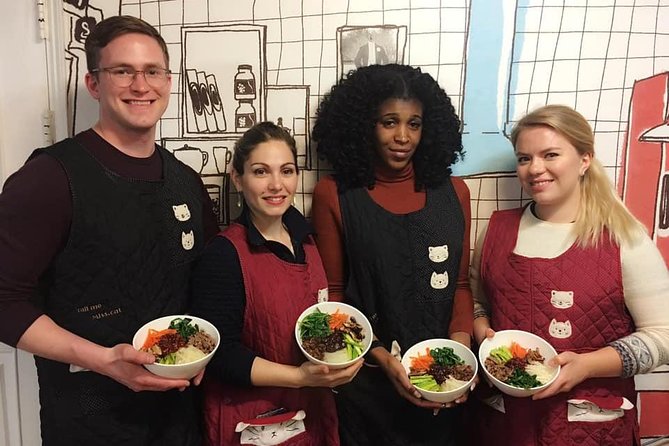
Once you arrive at the studio, there’s a quick menu chat so you know what’s coming and what to expect from the cooking flow. Then it’s sleeves up time. This is not a demo class where you watch someone else cook. You get your own private cooking table with your own cookers, and you cook your dishes hands-on.
The “max four people” limit is a big deal for value. It means you’re not waiting your turn for instruction. Jomin provides step-by-step help, and she can adjust when someone needs a slower pace, clearer cuts, or help tasting seasoning balance. If you’ve ever felt lost in group cooking classes, this structure is the fix.
The studio setup also helps you learn because you can focus. You’re not sharing counter space with a crowd. You’re working at your station, using fresh local ingredients, and following the process in front of you. That makes it easier to remember what to do later, when you cook at home.
The 3-Course Cooking Plan: What You’ll Make and Why It Matters
The menu is designed as three Korean favorites that teach different skills. The listing says the 3-course menu may include combinations like soft tofu stew, bibimbap, bulgogi, kimchi stew, japchae, or stir-fried pork. The specific pairing can change, but the goal stays the same: you’ll come away with both flavor understanding and repeatable technique.
Course 1: A Cozy Soup or Stew Base
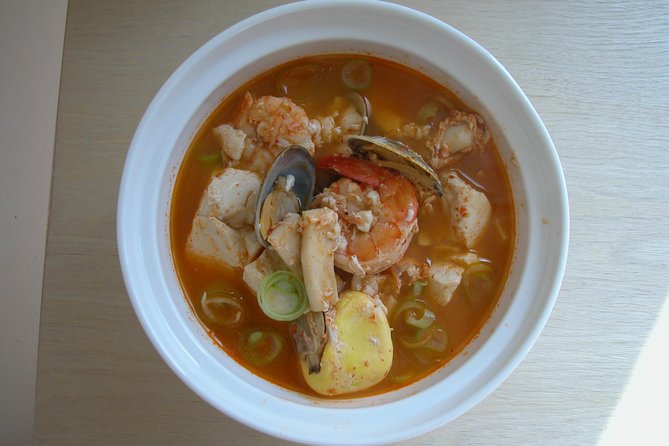
One common option is soft tofu stew, often called sundubu jjigae. In this style of dish, tofu does a lot of work. It soaks up heat and seasoning while staying tender, which makes it a great “gateway” Korean stew if you’re new.
In some classes, you might see extra attention paid to the stew ingredients, like how a broth is built. One account mentioned clams and soft tofu for the stew. You don’t need to guess what you’re doing here. Jomin’s approach keeps you moving through ingredients and timing clearly, so the stew comes out as a finished meal, not a science project.
If you’re watching spice levels, this is also where you’ll learn what makes it balanced rather than just hot. You’ll get guidance that helps you understand what to taste for while cooking.
More Shopping Tours in Seoul
- Seoul: Palace, Temple and Market Guided Foodie Tour at Night
★ 4.9 · 750 reviews - Private DMZ Tour (No Shopping): 3rd Tunnel & Suspension Bridge
★ 5.0 · 607 reviews - Downtown Seoul Guided Food & Market Tour with 8+ Local Tastings
★ 5.0 · 580 reviews - Seoul: Korean Cooking Class at a Local Home and Market Tour
★ 5.0 · 348 reviews
Course 2: Bibimbap or Bulgogi, the Flavor Builders
The second course often falls into one of two worlds: bibimbap or bulgogi-based cooking.
Bibimbap training usually means learning about building a bowl. You prep vegetables and season components, then understand how they come together. One person noted that vegetable prep and cooking on individual burners was part of the experience. That’s useful if you want to replicate the dish later, because bibimbap isn’t one step, it’s several small steps that make one balanced final result.
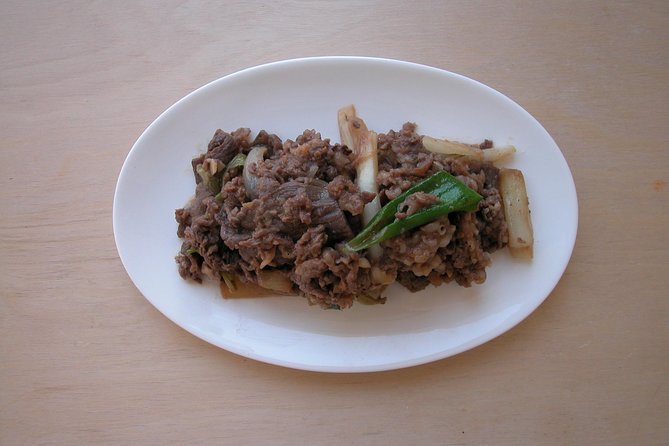
Bulgogi adds a different lesson: marinades and how sweet-salty flavors cling to meat. You may get guided help on how to make the bulgogi marinade and then cook it. If you’ve ever tried bulgogi at home and found it bland, the missing piece is often the marinade balance and the heat control during cooking. This class structure pushes you to get that right.
Course 3: Japchae, Kimchi Stew, or Stir-Fried Pork
For the third course, you might cook japchae, kimchi stew, or stir-fried pork, depending on the menu chosen for your session.
Japchae is a popular highlight because it teaches texture. Stir-frying isn’t just about getting things hot, it’s about timing and not overcooking noodles or vegetables. One participant described japchae as a favorite, which tracks with how approachable and satisfying it is.
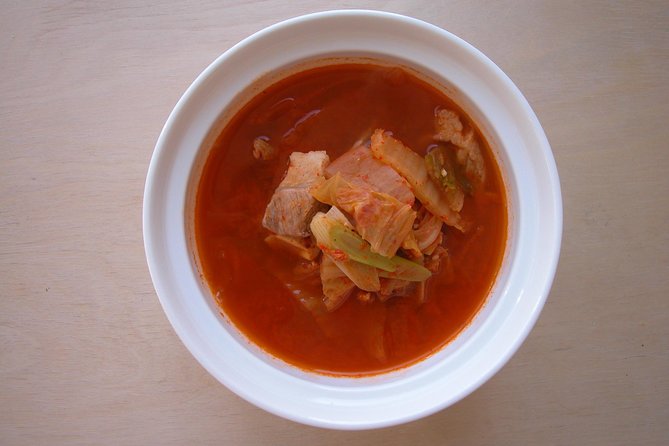
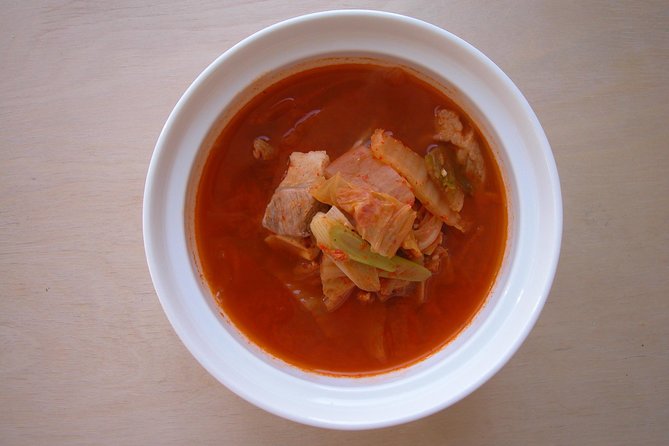
Kimchi stew is about depth. It’s not only spice, it’s fermentation flavor plus broth comfort. If kimchi stew is on your menu, you’ll likely learn how to balance it so it tastes like a proper Korean home meal rather than just opened-the-fridge kimchi.
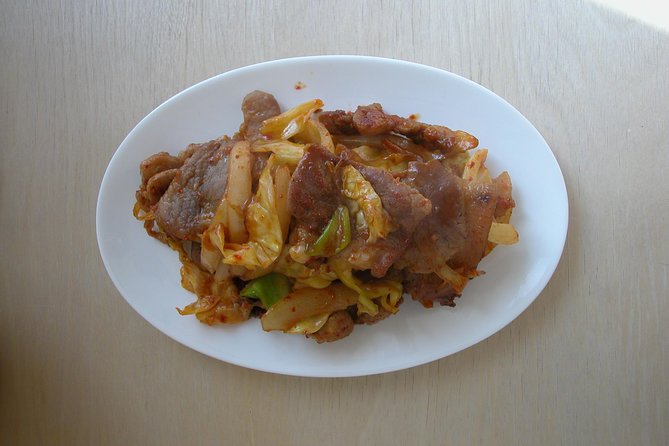
Stir-fried pork (or similar quick-fry dishes) is the “finish strong” part of the class. It reinforces how Korean cooking often uses direct heat and fast seasoning rather than long braises.
Banchan, Kimchi, and the Small Details That Make the Big Difference
Even though you’re focused on the three dishes, you also get context on Korean side flavors. The tour description and class emphasis include Korean food culture and history, and some accounts highlight explanations about banchan and kimchi. That’s not filler. When you understand what goes with what, cooking becomes less random.
In a few examples, people also mentioned tasting rice wine and learning about ingredients like prawns and anchovies used for stock. I’d treat those details as “you might encounter this” rather than guaranteed, but the point is consistent: you’ll learn why certain ingredients show up so often in Korean kitchens.
Eating What You Cook, Plus Take-Home Leftovers
The best part of hands-on cooking is the payoff, and this class builds that in. Once each dish is cooked, you enjoy the food you made. The studio is described as clean and organized, with an easy setup for eating as the next prep comes out.
You may also receive take-home containers for leftovers, so you can extend the meal after class. That’s great value in a city where restaurant meals add up fast. Even if you’re not a big cook at home, leftovers are a “no excuses” way to enjoy Korean food one more time without going out.
Lunch or Dinner Choice: How to Pick What Fits Your Day
You can choose between a lunch or dinner class. That matters because your energy and hunger levels change the whole experience.
If you take lunch, you’re starting earlier and might have more daylight time afterward for exploring Seoul. If you take dinner, the class becomes part of your evening food plan, which can be a relief if you don’t want to think about where to eat later.
Either way, the class duration is about 3 hours 30 minutes. That time window feels right for a market plus cooking format. It’s long enough to learn real technique, but not so long that you feel trapped indoors.
If you’re sensitive to spicy food, you’ll want to mention it. The tour info explicitly says a vegetarian, vegan option is available, and the instructor is described as accommodating dietary restrictions. That flexibility makes the class feel safer for picky eaters too.
Group Size, Attention, and Why the $79 Price Makes Sense
The price is $79.00 per person, and you get a lot for it if you break down what you’re paying for.
You’re paying for:
- A guided walk through a local market to understand ingredients
- Fresh ingredients used in your dishes
- A hands-on cooking setup with your own station
- Step-by-step instruction and personal assistance
- A professionally designed cookbook to take home
- A full meal from the dishes you cook
- Optional leftovers to take away
It’s not just “watching food get made.” You’re learning to make three meals, and you’re leaving with a recipe tool you can use again. That’s the key to value here. The cookbook is part of the learning loop, not just a souvenir.
Also, small class size helps the price feel fair. With max four people, you’re less likely to lose time waiting. And with a mobile ticket and near public transportation location for the meeting point, you’re not paying indirectly through time lost getting oriented.
Vegetarian and Vegan Options: Eating Korean Food Without Compromise
A vegetarian, vegan option is available. That’s important because Korean food includes plenty of plant-based choices, but it can also hide animal ingredients in broths and seasonings.
In this class, you’re not left to guess. Jomin can accommodate food restrictions, and the class structure supports it because the cooking is done at individual stations with guided instructions. That reduces the risk of someone accidentally cooking something in a way you cannot eat.
If you’re vegetarian or vegan, you should still be ready for surprises in flavor. Fermented ingredients, vegetables, and savory seasoning can be intense, but that can be good. Your goal is to come away with technique you can apply at home, not just a one-time meal.
Practical Tips Before You Go (So You Enjoy It More)
You’ll start at Mangwon Station Line 6, entrance 2, so arrive a few minutes early. When you’re walking from the station into the market, it helps to have your meeting point settled in advance.
Bring an appetite. You’re cooking and then eating your dishes, plus you may taste street foods during the market walk. That can add up, so plan to treat this as your main food event for the day.
Comfortable shoes matter because you’ll spend time moving through a local market area. Also, come ready to work with your hands. This class is designed for action, not passive observation.
If you’re hoping for a specific dish, remember the menu is flexible and may vary. Your best move is to confirm what’s on your session when you book.
When the Date Changes: Minimum Guests and Reschedules
This experience can be rescheduled or canceled if it does not meet the minimum number of guests, which is 4. If that happens, you’ll be offered a different date or a full refund.
So if you’re booking close to another plan, leave some cushion. Market days can also vary, and in some periods you might notice fewer stalls open than usual. The instructor is still set up to teach effectively, but you’ll want your schedule to handle the small realities of a neighborhood market.
Should You Book This Seoul Market Cooking Class?
I think you should book this if you want a real taste of Korean cooking that goes beyond eating. The market walk with Jomin sets up the ingredients so cooking feels logical, not random. Then the small group, hands-on studio setup makes it practical, even if you are a novice.
Book it if you care about taking home more than memories. The professionally designed cookbook plus the fact you eat what you cook and can take leftovers makes this class feel like an actual meal and a real skill lesson.
Skip it only if you want a fully fixed menu with zero variation. Because the 3-course dishes are chosen from a set of options, your session might not match every dish you hoped for. If flexibility works for you, this is an easy yes.
FAQ
Where is the meeting point?
You meet at Mangwon Station in Seoul, at Line 6 entrance 2.
How long does the experience last?
The duration is approximately 3 hours 30 minutes.
What dishes will I cook?
The 3-course menu may include dishes such as soft tofu stew, bibimbap, bulgogi, kimchi stew, japchae, or stir-fried pork.
Is there a vegetarian or vegan option?
Yes. Vegetarian and vegan options are available.
Is it a hands-on cooking class or a demonstration?
It is a hands-on class. You cook at your own private cooking table and station.
Do I take home recipes or leftovers?
You take home a professionally designed cookbook, and you can also take home any leftovers after the meal.
What if I need to cancel?
You can cancel up to 24 hours in advance for a full refund. If the class is canceled because the minimum number of guests is not met, you will be offered a different date or a full refund.
Recently reviewed in Seoul
- Korean Folk Village & Suwon Hwaseong Fortress Private Tour★ 5.0 · 3 reviews
- Seoul City Private Tour (Optional layover)★ 5.0 · 3 reviews
- 5D4N Korea Cultural Heritage immersion Private Tour★ 5.0 · 3 reviews
- War Memorial, Jogyesa Temple & Tapgol Park Tour in Seoul★ 4.5 · 3 reviews
- Private Tour : Royal Palace & Traditional Villages wearing Hanbok★ 5.0 · 3 reviews
- Full Day Private Seoul Tour for foodies★ 5.0 · 3 reviews
- K-Pop Tour★ 3.5 · 3 reviews
- 3D Private Seoul Highlight tours with DMZ & Korean Folk Village★ 5.0 · 3 reviews
Markets, compared.
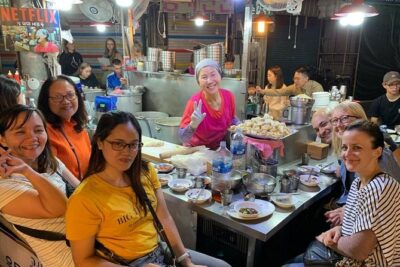
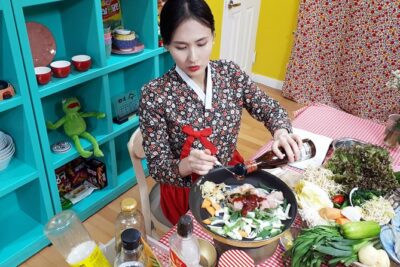
Local Home Korean Cooking Class & Market Adventure in Seoul
Read our review →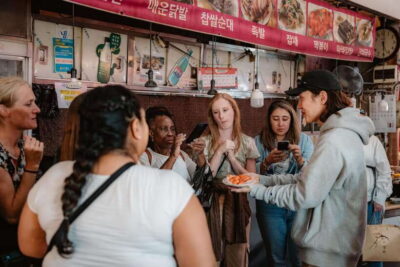

Palace, Temple and Market Guided Foodie Tour at Night
Read our review →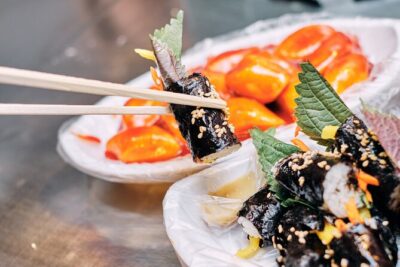
Downtown Seoul Guided Food & Market Tour with 8+ Local Tastings
Read our review →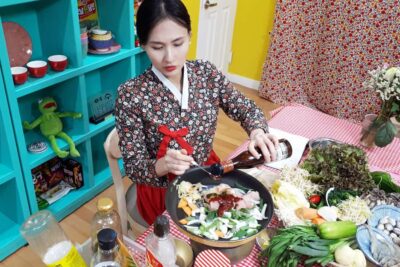
Korean Cooking Class at a Local Home and Market Tour
Read our review →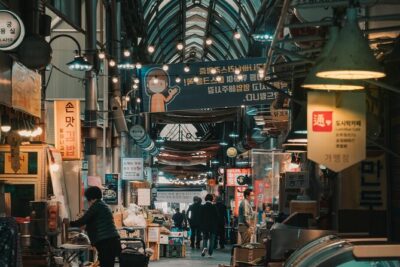
Seoul Night Palace & Market Food Tour with Vehicle
Read our review →
Korean Palace and Market Tour in Seoul Including Insadong and Gyeongbokgung Palace
Read our review →Browse the lists this tour appears in