
Reviewed · COOKING CLASSES
2-Hour Private K Cooking Class
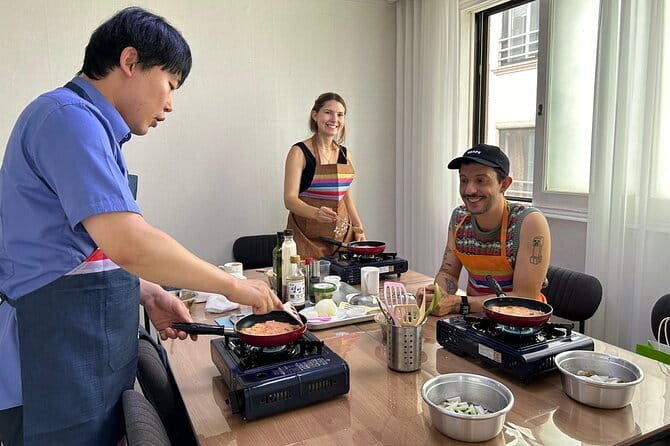
This is interesting because you get Korean food culture and practical cooking skills in one private session, starting with a traditional market tour and ending at the same place you began. I like that the class teaches you how to pick real ingredients, not just what to cook. I also like that you walk away with step-by-step recipes you can actually follow at home.
The main thing to consider is that the experience has two different formats, morning and afternoon, and the second one includes Korea’s alcohol culture and drinking games. If you do not want that part, you’ll need to choose the time slot that matches your comfort level.
Key highlights you’ll care about
- Mangwon Station start point: easy to reach via public transit and the activity returns to the meeting point.
- Private group format: only your group participates, so you can ask questions freely.
- Market-to-kitchen flow: learn ingredient selection first, then cook with those ideas right away.
- Basic Korean language and dining manners: you get communication tips and table etiquette, not just recipes.
- Home-ready results: you receive step-by-step recipes, and at least one recent class included beautifully illustrated handouts.
- Two class options: morning focuses on shopping and cooking, afternoon adds alcohol culture and drinking games.
A Market Tour Plus Hands-On Cooking in One Private Session
A good Seoul food experience should do two things at once. It should help you understand what you’re buying and eating, and it should give you a method you can repeat later. This private 2 hour cooking class with a traditional market component does both, and it does it in a personal way because it’s just your group.
You start with the market, where you learn how Koreans think about ingredients. Then you move into cooking with the ingredients and Korean know-how you just practiced. In one recent private session, the host named Jay was especially good at answering questions and connecting the dots between food and culture.
If you’re in Seoul for more than a couple days, this setup is a big win. You’re not only eating, you’re learning how to shop, cook, and handle the small social rules that make Korean meals feel natural.
More Workshops in Seoul
- Local Home Korean Cooking Class & Market Adventure in Seoul
★ 5.0 · 1,024 reviews - Seoul: Korean Cooking Class at a Local Home and Market Tour
★ 5.0 · 348 reviews - Yongpyong Ski Resort from Seoul with Optional Lesson and Packages
★ 5.0 · 217 reviews
Price and Logistics: What $80 Really Buys
The price is $80 for a private experience that runs about 2 hours and 30 minutes total. That time matters, because it includes more than a kitchen demo. You’re getting a guided market shopping moment, a cooking session, and a cultural layer like dining etiquette and basic language.
Also, this is not a bring-your-own-ingredients style class. The experience includes ingredients, a beverage, and cooking utensils. Coffee and/or tea are not included, so if you want something extra before or after, plan for it on your own.
There’s also a mobile ticket involved, which usually means less hassle when you show up. And because it’s near public transportation and the tour starts at Mangwon Station, you can pair it with other things in the Mangwon area without stress.
Where You Meet at Mangwon Station and How the Timing Feels
You meet at Mangwon Station, Seoul, and the activity ends back at the meeting point. That return matters because you don’t end up stranded in a different neighborhood after a 2.5-hour commitment.
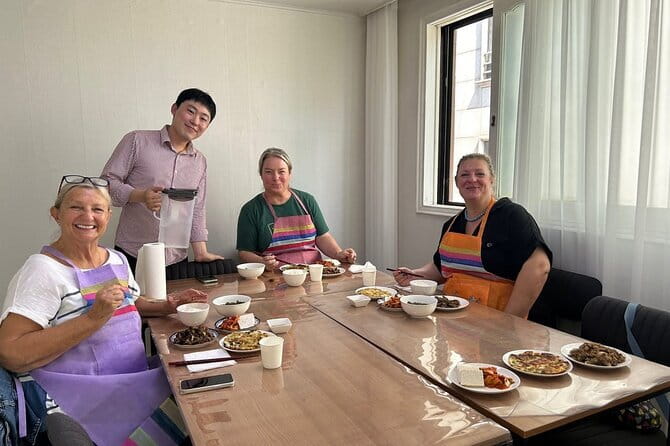
The program runs roughly 2.5 hours, and it’s designed to fit into a normal travel day. If you’re the type who likes planning around hunger, the flow helps: you first build the ingredient understanding, then you cook, then you eat what you made.
Because it’s private, the pacing can also feel less rushed than group classes. You can ask questions while you shop and while you cook, instead of saving everything for the end.
Morning Market Tour: Picking Fresh Ingredients the Korean Way
In the morning format, you do a traditional market tour first. The goal is not just wandering. You learn how to select and purchase fresh ingredients, plus what different ingredients mean in Korean cooking and local culture.
This is the part that pays off later. When you know what to look for in a Korean market, you stop guessing at home. You’ll also feel more confident in Korean grocery stores because you’ve practiced the thinking process with a guide.
A helpful detail from recent feedback is that expats living in Korea appreciated learning easy home versions of favorite dishes. They also valued the practical part: how to navigate buying staples in local Korean stores. Even if you are visiting, the same skill helps when you want to repeat dinner after your trip.
What you should expect in the morning:
- A guided walk through a market focused on food ingredients
- Time spent learning what matters for Korean cooking
- A transition from buying to cooking, so you connect ingredient choice to the final dishes
One small consideration: markets can be lively and sensory. If you prefer very quiet, controlled environments, this part may feel a bit intense, even though it’s guided and purposeful.
More Cooking Classes in Seoul
- Master Korean traditional cooking with a Kimchi chef
★ 5.0 · 385 reviews - Seoul: Korean Cooking at Seoul Cooking Club!
★ 5.0 · 311 reviews - Korean Cooking at Seoul Cooking Club
★ 5.0 · 220 reviews - Experience Korean Cooking in Modern Hanok Kitchen
★ 5.0 · 118 reviews
Afternoon Alcohol Culture: Drinking Etiquette and Games With Purpose
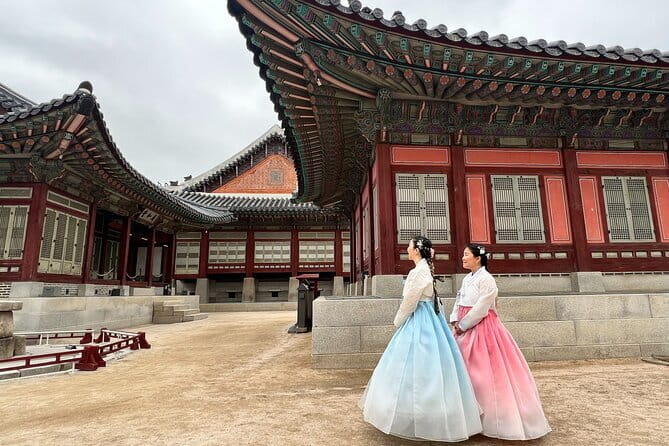
The afternoon format adds a social and cultural layer: alcohol culture and drinking games experience. You’ll learn parts of how Koreans drink socially and how to handle the etiquette around it. The class also uses games to help you connect and have fun with new people.
This format is great if you want Korean culture beyond food prep. It’s also good for building confidence, because a big part of dining etiquette is knowing what to do in the moment. When you learn those rules with guidance, it’s easier to use them later when you’re out in Seoul.
What you should expect:
- Education on dining etiquette and drinking culture
- Drinking games designed to be social
- A shift from culinary basics to cultural practice
A consideration here is obvious, but worth stating: if alcohol games make you uncomfortable, pick the morning class. The information says the afternoon includes the drinking culture portion, so you’ll want a slot that matches your comfort and your energy level.
What You Cook and Why It Matters for Home Cooking
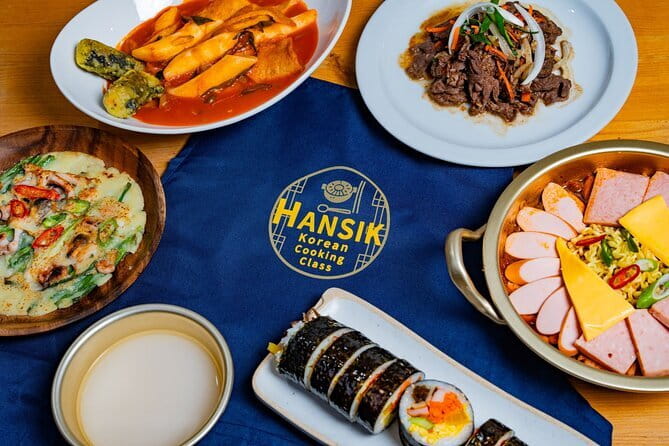
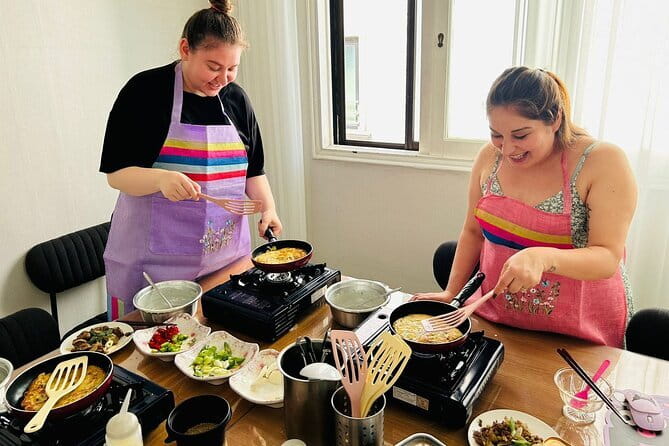
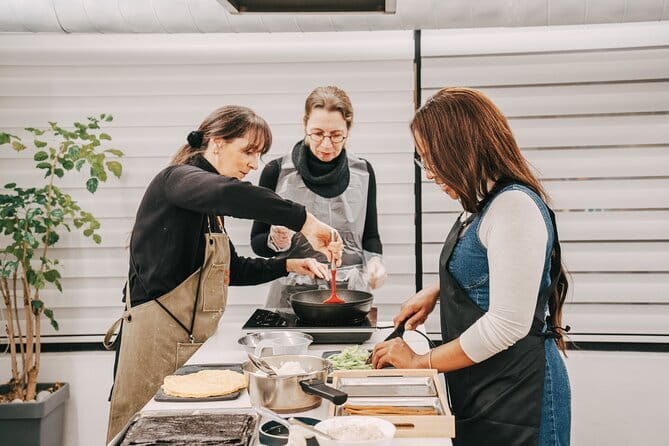
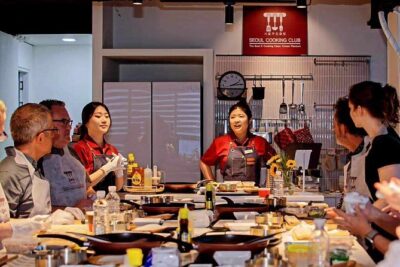
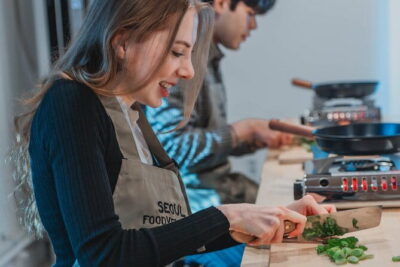
The cooking portion is the heart of the experience. You’ll cook Korean dishes together, and you get recipes at the end of the class. One recent participant highlighted cooking four delicious dishes and receiving recipes that were beautifully illustrated.
That matters more than it sounds. When recipes are clear and step-by-step, you can cook again without a guide in your kitchen. And because the class connects market ingredient choice to what you cook, you’re more likely to recreate flavors correctly.
The program also includes guidance on simple recipes that you can make at home. In other words, the goal is not to teach you restaurant-level complexity. It’s to give you realistic Korean cooking that fits a normal kitchen and a normal schedule.
In practical terms, think of it this way. You’re learning two things at once:
1) how to make Korean dishes in an approachable way
2) how to buy the right ingredients so the dish works
If you’re a repeat cook, this is the kind of class that actually changes your routine. You won’t just add it to your memory list, you’ll add it to your dinner plan.
Korean Language and Dining Manners You Can Use the Same Week
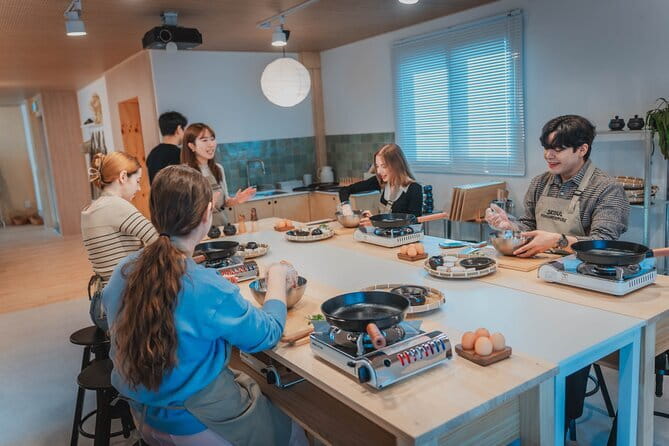
Food classes often stop at recipes. This one goes further by teaching basic Korean language and dining etiquette, plus parts of the drinking culture. That’s a smart move, because in Korea, meals are social and rules matter even when you’re eating casually.
For your travel experience, those basics can help you:
- communicate more smoothly at restaurants
- understand how to behave during shared meals
- feel less lost when someone offers drinks or expects a certain flow
You do not need to become conversational Korean to benefit. Even small phrases and clear etiquette guidance can reduce awkward moments. And because it’s tied to meals, it sticks better than memorizing words from a textbook.
Drinks, Utensils, and What’s Included in the Cooking Experience
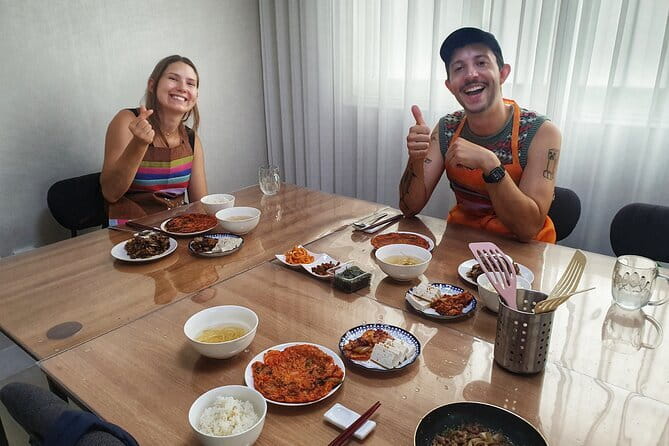
The class includes ingredients, beverage, and cooking utensils. That simplifies your planning. You don’t need to budget extra for cooking supplies, and you don’t need to track down special equipment.
The beverage is also included, which is helpful because it matches the class context. Still, coffee and/or tea are not included, so if you like a caffeine warm-up before you start, you should handle that separately.
Because the experience supplies what you need, your main prep is mental. Arrive ready to taste, ask questions, and follow instructions. The private format makes it easier to go at your pace.
How Private Classes Feel Different From Group Tours
This is a private tour or activity, so only your group participates. That changes the vibe in a few important ways.
First, you can ask questions while you’re shopping in the market. Second, you can move at a pace that fits your cooking comfort level. Third, if you have dietary preferences or you want to understand substitutions, you have a better chance of getting a direct answer.
If you’re traveling with friends or family, the private setup also makes it easier to split roles and learn together. It’s more like a guided lesson than a scripted show.
And based on the feedback, the host approach matters. One reviewer described the experience as informative and fun, and mentioned the host Jay as open to questions and helpful in building understanding. That kind of personality can make the difference between a class you remember and a class you actually use.
Best Fit: Who This Class Is For
This experience is a strong match if you want:
- hands-on cooking with a real market ingredient component
- cultural context like dining etiquette and basic language
- a private class where questions are welcome
- recipes you can follow at home, including clear step-by-step guidance
It’s also ideal if you are the type who likes learning practical shopping skills in a foreign country. If you’ve ever thought, I loved that dish, but I don’t know what to buy next time, this kind of market education is the missing piece.
If you want a purely food-only class with no alcohol culture, choose the morning format. The afternoon explicitly includes drinking games, so be honest with yourself about what you’re in the mood for.
Quick Practical Tips Before You Go
A few small moves can make the experience easier and more fun.
- Wear shoes you don’t mind walking in, since market time usually involves standing and moving.
- Come with curiosity, not just hunger. The market portion rewards attention.
- Have an open mind about etiquette and dining habits. Even if you feel awkward at first, the guide’s explanations help.
- If you pick the afternoon slot, consider how you feel about drinking games and social energy.
You’ll get the most value when you treat it like a skill lesson, not just a meal.
Should You Book This Private K Cooking Class in Seoul?
I think this is worth booking if you want a Seoul experience you can carry home. The combination of a market tour, cooking, and cultural coaching is exactly what makes it more than a one-time snack tour. The private format, the included ingredients and utensils, and the promise of step-by-step recipes tilt the value strongly in your favor, especially if you plan to cook after the trip.
Book it if you like learning how to shop and cook Korean food in a way that fits real life. Skip or choose carefully if you do not want the alcohol culture portion, since the afternoon format includes drinking games.
If you can match the time slot to your comfort, this is the kind of class that turns Seoul food memories into repeatable dinners.
FAQ
Where does the experience start?
It starts at Mangwon Station in Seoul, South Korea.
How long is the private class?
It runs about 2 hours and 30 minutes (approx.).
Is it a private tour?
Yes. It is private, and only your group will participate.
What is included in the price?
The experience includes ingredients, a beverage, and cooking utensils.
Are coffee or tea included?
No. Coffee and/or tea are not included.
Is there free cancellation?
Yes. You can cancel for a full refund up to 24 hours in advance of the experience start time.
Recently reviewed in Seoul
- Korean Folk Village & Suwon Hwaseong Fortress Private Tour★ 5.0 · 3 reviews
- Seoul City Private Tour (Optional layover)★ 5.0 · 3 reviews
- 5D4N Korea Cultural Heritage immersion Private Tour★ 5.0 · 3 reviews
- War Memorial, Jogyesa Temple & Tapgol Park Tour in Seoul★ 4.5 · 3 reviews
- Private Tour : Royal Palace & Traditional Villages wearing Hanbok★ 5.0 · 3 reviews
- Full Day Private Seoul Tour for foodies★ 5.0 · 3 reviews
- Nami Island & Nearby Attractions : Charter Van Tour With Driver★ 4.0 · 3 reviews
- K-Pop Tour★ 3.5 · 3 reviews
Cooking Classes, compared.
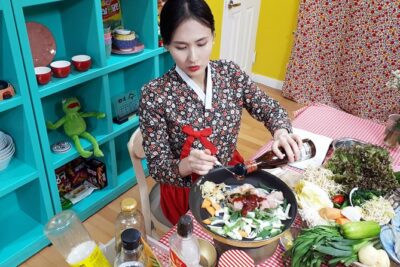
Local Home Korean Cooking Class & Market Adventure in Seoul
Read our review →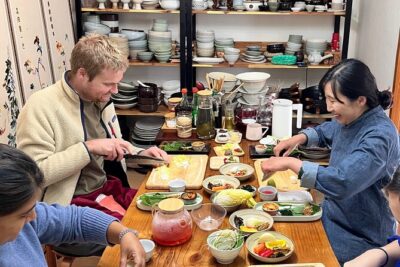
Master Korean traditional cooking with a Kimchi chef
Read our review →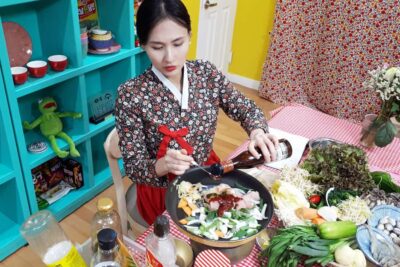
Korean Cooking Class at a Local Home and Market Tour
Read our review →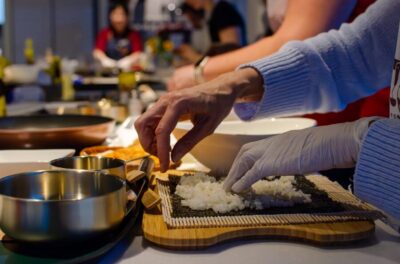
Korean Cooking Class with Grocery Shopping at Seoul Local Market
Read our review →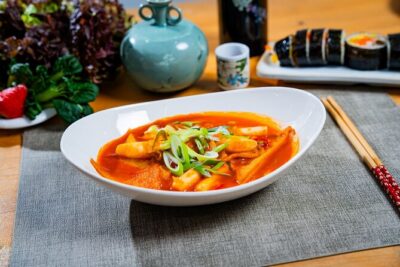
Taste of Korea, Authentic home style Cooking class
Read our review →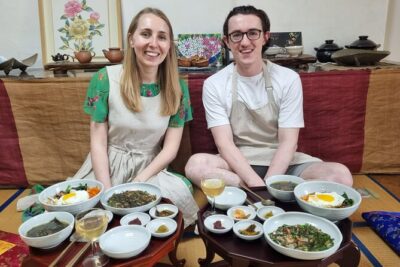
Browse the lists this tour appears in