
Reviewed · DMZ TOURS
Seoul DMZ Tour with 3rd Tunnel and Red Suspension Bridge
What makes this tour so interesting is that it takes you right up to the edge of the Korea divide, then hits you with two experiences you cannot fake: a long walk through the 3rd Tunnel and a steeper-than-it-looks climb to the Gamaksan suspension bridge. I like that the day is built around places that explain the war and the current reality, not just photos. I also love how your guide keeps the stories human, with clear context for what you’re seeing at each stop, and guides like Stella, Mama Winnie, Leo, Kenny, Grace, and Thomas are repeatedly singled out for being organized and fun.
One thing to plan for: it is a strenuous day. The tunnel requires a hunched walk with low ceilings, and the return climb plus the bridge approach means you should wear real shoes and be ready for lots of stairs and uphill walking.
Before you go, know the rules and the rhythm
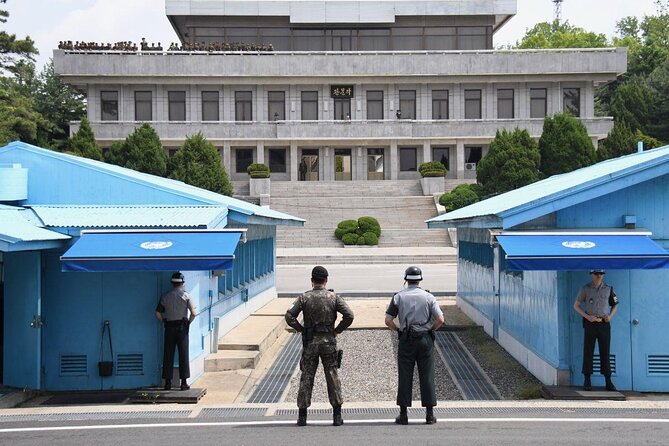
You’ll meet at Myeong-dong subway station area and spend about 8 hours on the road and at each major stop. You need a current valid passport on travel day, and you’ll ride in an air-conditioned vehicle with admission tickets included, but meals are not. Because the DMZ is military-run, the tour can be canceled without prior notice, so I suggest building some flexibility into your Seoul schedule.
Key highlights to watch for
- Imjingak Pyeonghoa-Nuri Park: built in 1972 with unification hopes, with monuments plus the North Korea Center
- Mangbaedan: a New Year stop tied to families separated across the border
- 3rd Tunnel: about 1,635 m long, very tight dimensions (around 2 m high and wide), with a steep, low-ceiling feel on the way back
- Dora Observatory: views toward North Korea, with named spots like Gaeseong, Songaksan, the Kim Il-Sung Statue, and Geumamgol (Cooperation Farm)
- Gamaksan Chulleong Bridge: a 150 m suspension bridge linked to the Battle of Solma-ri (1951), reached after a noticeable hill climb
More suspension bridge stops:
- Best DMZ Tour Korea from Seoul (Red Suspension Bridge Optional)
★ 5.0 · 41,422 reviews - DMZ Tour: 3rd Tunnel, Option(Suspension Bridge, Boat) from Seoul
★ 5.0 · 21,373 reviews - Seoul: The Best DMZ Tour with Optional Suspension Bridge
★ 4.7 · 4,978 reviews
Price and value for your $45 DMZ day
At $45 per person for an approximately 8-hour day, this is one of the more cost-friendly ways to see multiple DMZ-area sites without doing everything yourself. The big reason it feels like good value is the mix of included admissions plus a guided format. You’re paying for transportation, a guide to explain what you’re seeing, and tickets for key stops like the 3rd Tunnel and Dora Observatory, not just for a bus ride.
That said, the DMZ is not a casual sightseeing circuit. It’s regulated, weather dependent in places, and physically demanding. If you want an easy, slow day, you may find the walking and the tunnel ceilings a letdown. If you want a meaningful, structured day that stays focused on the border and the war, this price tends to make sense.
Meeting in Myeong-dong and how the day is paced
The day begins and ends back near Myeong-dong. You’ll meet at the Myeong-dong subway station area, then transfer by air-conditioned vehicle to the northern sites. Pick-up is arranged based on your selected meeting point, but hotel pickup and drop-off are not included, so plan around the meeting point rather than assuming your driver will pick you up at your door.
Pace matters here. Even if the stops are timed in chunks, you’re moving between locations on a long day. There also isn’t a meal included, so if you rely on finding food spontaneously, you can end up stressed mid-day. Bring a small stash of snacks and water, especially if you get hungry while walking uphill.
What you must bring for DMZ access (passport and footwear)
DMZ-area rules are the reason this tour feels “real,” not touristy. You’ll need a current valid passport to travel on the day you booked. No passport, no entry.
For footwear, I take the advice seriously: skip flip-flops, slippers, and high heels. On this tour you’ll be dealing with steep approaches and uneven walking surfaces, plus the tunnel portion where you’re moving slowly and carefully. Wear shoes you can walk in for a lot of steps, and consider layers, since the tunnel stays cool and the outdoors can change.
More DMZ tours from Seoul:
- DMZ tour south Korea from Seoul (NK experience hall, defector)
★ 5.0 · 20,599 reviews - Signature DMZ Tour: Exclusive Defector Talk & Suspension Bridge
★ 5.0 · 4,459 reviews - Thrilling Korean DMZ 3rd Tunnel Tour from Seoul + Red Bridge Rush
★ 5.0 · 3,097 reviews - Seoul: DMZ Tour & Suspension Bridge (Option English/Spanish)
★ 4.9 · 2,628 reviews
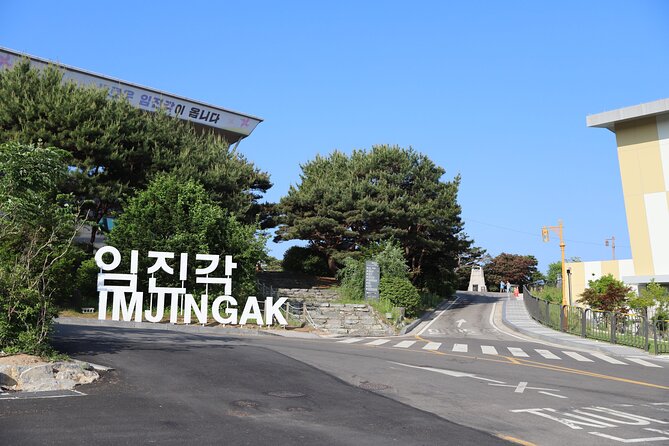
Stop 1, Imjingak Pyeonghoa-Nuri Park and the unification message
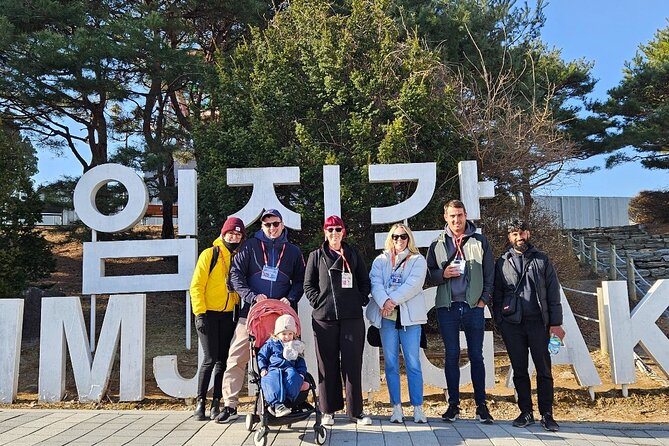
Your first major stop is Imjingak Pyeonghoa-Nuri Park, about 7 km from the Military Demarcation Line. This place matters because it was built in 1972, specifically with hope for unification someday. You’ll see a three-storied structure and the surrounding monuments and areas connected to that theme, including Unification Park and the North Korea Center.
What I like about starting here is that it gives you a mental map before you go deeper. You’re not yet in the tunnel or staring out from a distant observatory. You’re getting the story framework: why these sites exist, why the border feels personal to Koreans, and how the war still shapes daily life.
A practical note: plan on a quick visit, not a long wandering session. The tour is designed for multiple stops, so you’ll get just enough time to absorb the key points and move on.
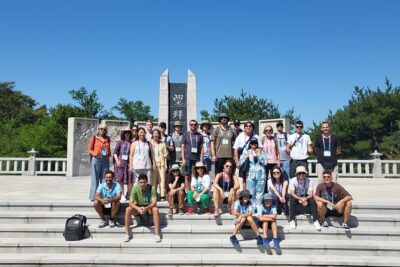
Mangbaedan: New Year for families left across the line
Next comes Mangbaedan, a free stop tied to a very specific moment: people who left family in North Korea visiting there on New Year’s Day. This is not a grand museum stop. It’s smaller, quieter, and more emotional because the meaning is direct.
If you’re the type who likes to understand the human side of history, this is one of the stops that can land hardest. If you prefer big viewpoints and dramatic scenes, you might find it calmer than you expected. Either way, it helps you connect the rest of the day to something personal, not just military geography.
The 3rd Tunnel: long, low, and worth the discomfort
The 3rd Tunnel is the star experience of the tour, and it’s also the part that tests your comfort level. It was discovered by South Korea in 1978. The tunnel runs about 1,635 m long, with tight internal dimensions around 2 m in width and 2 m in height.
Here’s what to expect on the ground. You’ll descend into a space where you have to keep your head and shoulders tucked. Reviews describe a very low ceiling feel, and people around 176 cm have reported hitting helmets because the walking posture is basically hunched-over the whole time. The temperature inside is different, and movement feels slower and more deliberate, like you’re moving through a corridor designed to constrain you.
Then comes the hardest moment: the return. The climb back can feel steep and tiring, especially after you’ve already spent time stooped. If you have knee issues, limited mobility, or you hate enclosed spaces, be honest with yourself before booking. This is not a “look around and take photos” tunnel.
Why it’s worth it: walking it gives you a physical understanding that you cannot get from a lecture. You feel the design constraints, you understand why the border matters, and you come out with a different kind of respect for the scale of the planning on both sides of the conflict.
Also, you should know this is treated as a controlled site, so follow guide instructions and don’t improvise. Safety gear is used in the tunnel, and the tour’s rules are part of the experience.
Dora Observatory: the named North Korea view points
After the tunnel, you’ll head to Dora Observatory. This is where the tour shifts from enclosed and physical to open and visual. Dora is positioned so you can overlook North Korea and several named locations, including Gaeseong, Songaksan, the Kim Il-Sung Statue, and Geumamgol (also called Cooperation Farm).
A key reality check: the views are weather dependent. Clear visibility can make the named points feel startlingly close. Haze or bad weather can turn it into more general shapes and less detail. On the bright side, even without perfect visibility, standing there still makes the story click. You see how geography controls what’s possible, and why these lookouts matter.
Timing is also important. Your stop is long enough to take in the view and hear the explanation, but not long enough to treat it like a full day hike. If you want photos, bring a steady stance and let your guide direct you to the best sightlines.
Gamaksan Chulleong Bridge, the red suspension bridge and Solma-ri context
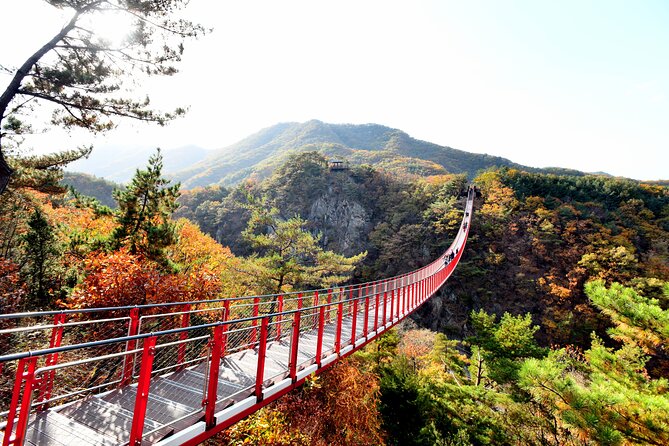
The last major sightseeing highlight is the Gamaksan Chulleong Bridge, a suspension bridge about 150 m long and around 1.5 m wide. It’s located in Solma-ri, tied to the Battle of Solma-ri (also called the Battle of Gloster Hill) in 1951.
What to expect physically: you’re not just strolling to the bridge. One common challenge described by people on this tour is the hill climb, with a lot of steps from the road to the bridge area. Add the earlier walking and the tunnel return, and this becomes the final workout of the day.
What I like about this stop is that it gives you a different flavor of “DMZ day.” You get scenic air and a dramatic structure, but it’s not a random nature break. The bridge is connected to a specific battle story, so you still carry the war context with you while you cross.
The contrast is the point. The tunnel taught you restraint through design. The observatory shows restraint through distance. The bridge shows restraint through how conflict shaped the ground itself.
Your guide makes or breaks the experience
This tour depends heavily on the guide, and it shows. Names like Stella, Mama Winnie, Leo, Kenny, Grace, and Thomas come up again and again for being organized, upbeat, and respectful. Many people also emphasize that guides help with the “how to understand this” part, not just the “what to see” part.
If you’re deciding between DMZ tours, I’d focus on this: you want someone who can connect the dots between sites. Imjingak becomes more meaningful after Dora. Mangbaedan becomes more meaningful after you understand the tunnel. The bridge becomes more meaningful when you know the battle name linked to the location.
In practice, that means you’ll get clearer explanations while on the bus and during each stop, plus help with photos. Even if your group is moving quickly, a strong guide makes the time feel purposeful.
Who this tour fits best, and who should think twice
I think this tour fits best if you:
- want a structured DMZ day without planning permits or logistics yourself
- enjoy history when it’s tied to places, not just timelines
- are okay with a moderate-to-fairly strenuous day and lots of steps
- want the rare combo of Imjingak + tunnel + Dora + a bridge tied to battle history
I think you should think twice if you:
- feel uneasy inside a tight enclosed space like the tunnel
- need a low-effort walking day, because both the tunnel return and the bridge approach can be demanding
- don’t want a long day with no included meals
Weather, timing, and small practical tips that help a lot
Two planning tips matter more than people expect.
First, treat weather as part of the deal. Dora’s view clarity can change quickly, and haze can blunt details. You cannot control it, but you can show up with patience.
Second, treat the day like a walking day, not a museum day. Bring snacks and drinks since meals are not included. Use the guide’s schedule cues rather than trying to “save time” by skipping rests. And wear shoes you won’t regret by the third hour.
One more practical note: this tour doesn’t stop at shopping centers like ginseng or amethyst factories. If you like your travel days focused and not segmented by retail detours, that’s a plus.
Should you book this DMZ tour?
If you want a meaningful, place-based DMZ experience in one full day, I’d say book it. The combination of Imjingak, Mangbaedan, the 3rd Tunnel, Dora Observatory, and Gamaksan Chulleong Bridge makes the story coherent, and the guide-led pacing helps you understand what you’re looking at instead of just collecting stamps.
But be honest about the physical side. If the idea of walking through a tight tunnel and climbing steep steps sounds exhausting, you might feel worn down by the end. If you’re fit enough for a demanding day and you care about understanding the border beyond headlines, this is one of the more focused ways to do it from Seoul.
FAQ
Do I need a passport for this DMZ tour?
Yes. A current valid passport is required on the day of travel.
Where do I meet for the tour in Seoul?
The tour starts at the Myeong-dong subway station area. Pick-up is arranged according to your selected designated meeting point, and hotel pickup and drop-off are not included.
How long is the tour?
The duration is about 8 hours.
Are admission tickets included?
Yes. Admission tickets are included for the stops listed, including the 3rd Tunnel and Dora Observatory.
Is the Joint Security Area (JSA) included?
No. The visit to the JSA is not included.
Can I cancel and get a refund?
Yes, you can cancel for a full refund up to 24 hours before the experience starts. If you cancel less than 24 hours before, the amount paid is not refunded.
Recently reviewed in Seoul
- Korean Folk Village & Suwon Hwaseong Fortress Private Tour★ 5.0 · 3 reviews
- Seoul City Private Tour (Optional layover)★ 5.0 · 3 reviews
- 5D4N Korea Cultural Heritage immersion Private Tour★ 5.0 · 3 reviews
- War Memorial, Jogyesa Temple & Tapgol Park Tour in Seoul★ 4.5 · 3 reviews
- Private Tour : Royal Palace & Traditional Villages wearing Hanbok★ 5.0 · 3 reviews
- Full Day Private Seoul Tour for foodies★ 5.0 · 3 reviews
- Nami Island & Nearby Attractions : Charter Van Tour With Driver★ 4.0 · 3 reviews
- K-Pop Tour★ 3.5 · 3 reviews
DMZ Tours, compared.
Best DMZ Tour Korea from Seoul (Red Suspension Bridge Optional)
Read our review →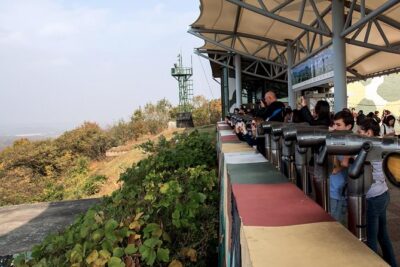
DMZ Tour: 3rd Tunnel, Option(Suspension Bridge, Boat) from Seoul
Read our review →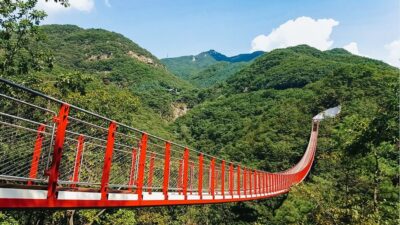
DMZ, 3rd Tunnel and Optional Suspension Bridge Tour
Read our review →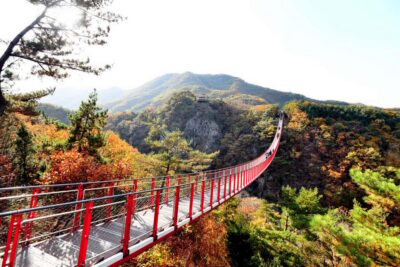
The Best DMZ Tour with Optional Suspension Bridge
Read our review →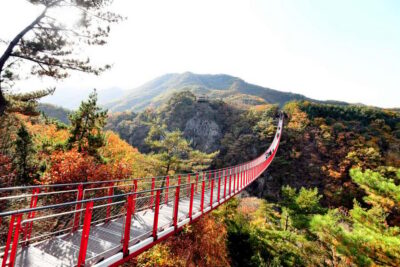
Thrilling Korean DMZ 3rd Tunnel Tour from Seoul + Red Bridge Rush
Read our review →
DMZ Tour & Suspension Bridge (Option English/Spanish)
Read our review →
DMZ Past and Present: Korean Demilitarized Zone Tour from Seoul
Read our review →Browse the lists this tour appears in