
Reviewed · PALACES
Seoul: Deoksugung Palace Night Tour
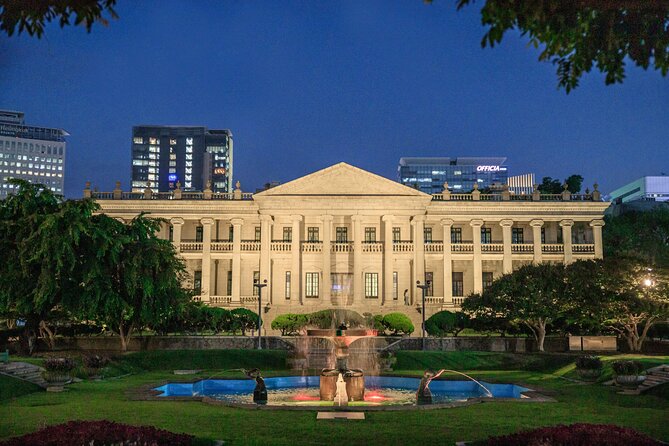
Deoksugung Palace at night has a calmer mood than the daytime crush, and the setting is extra interesting because this palace mixes old Joseon-style halls with western-influenced buildings. You also get the added bonus of stories tied to the Korean Empire era and the painful parts of Korea’s modern turn. It is a smart way to see a major Seoul landmark without losing half your time to navigation.
Two things I really like: you get guided explanations in English and Chinese, and you are walking between key buildings instead of just standing in one photo spot. I also like that this tour is designed around the evening look of the grounds, when the lighting makes architecture easier to pick out and the pace feels gentler.
One consideration: this is a night experience, and it depends on weather. If conditions are bad, the operator may switch dates or offer a refund, so plan to keep your evening flexible.
Key Points You Should Know Before You Go
- Night tour timing helps you enjoy the palace lighting and quieter atmosphere.
- English and Chinese guide commentary makes the architecture and Korean Empire context easier to follow.
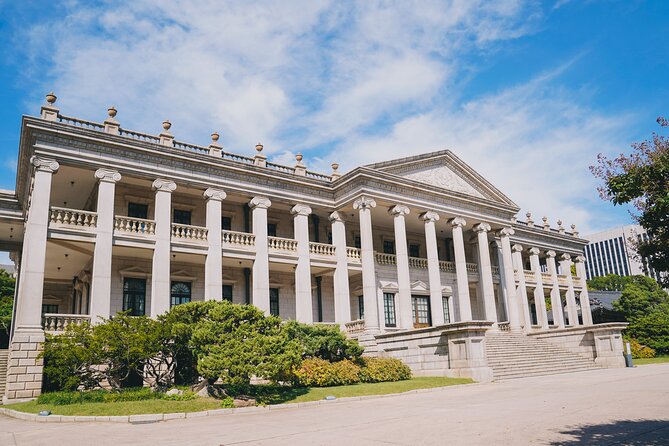
- Traditional and western-style buildings sit together here, so you see two architectural stories in one stop.
- Free admission for the palace grounds is included, so your $35 is mostly for the guided walk and interpretation.
- Small group size (up to 20) keeps the experience from feeling like a factory tour.
- No filming policy means you should be ready to enjoy the view with your eyes, not through a screen.
Why Deoksugung’s Night Walk Feels Different Than Other Palaces
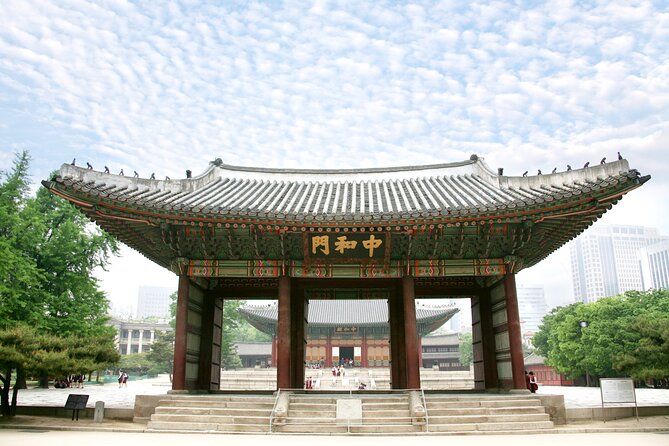
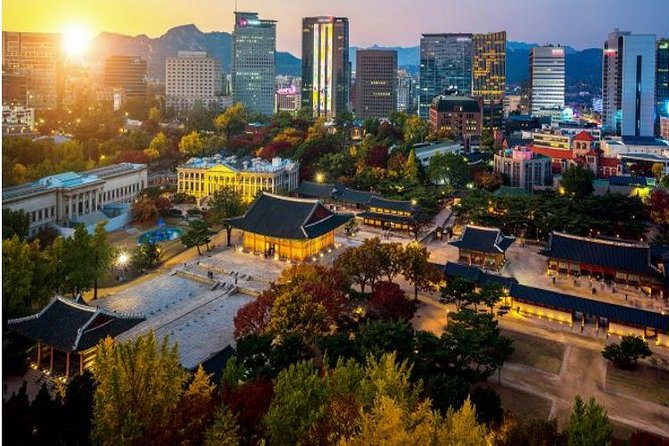
Most Seoul palace tours focus on one style, one era, one storyline. Deoksugung is more complicated, and that is exactly why it is so rewarding at night. This palace served as the main palace during a period when Korea’s leadership was experimenting with modernization, and it includes traditional halls alongside western-style buildings. That mix is rare in palaces across Korea.
At dusk and after dark, you can actually see those contrasts more clearly. Roof lines, courtyard spacing, and the shape of western-influenced structures tend to read better with softer light. Add the fact that the tour is built for a peaceful evening visit, and you have a setting where it is easier to connect the visual details to the historical story.
Another detail I appreciate is the way the tour frames the palace. It is not treated like a museum backdrop. The guide’s focus is on what Deoksugung represents in the shift from older dynastic patterns toward the Korean Empire era, including the shadows of Japanese invasion. When you hear that context while you are standing in the actual spaces, the buildings stop being just pretty scenery.
More Evening Experiences in Seoul
- Seoul: Night Market Food Tour with Local Guide
★ 4.9 · 943 reviews - Seoul: Palace, Temple and Market Guided Foodie Tour at Night
★ 4.9 · 750 reviews - Seoul: Evening Dark History, Folklore & Ghost Story Walking Tour
★ 5.0 · 593 reviews
Getting There Smoothly: City Hall Station Meet-Up and a Simple 2-Hour Plan
This tour is set up for easy public transportation. You meet in front of Exit 1 of City Hall station on Seoul Subway lines 1 and 2. Plan to arrive early enough to find the right spot and get oriented, since the night starts on time.
The walking portion is about 2 hours, which is a sweet spot. Long enough to visit multiple key buildings and get real explanations, short enough that you are not stuck on your feet too long after dinner. Also, the tour ends at Jeonggwanheon in the Sejong-daero area, so it lands you near a central zone instead of pushing you far out of the way.
Group size matters here. The tour allows up to 20 people, and smaller groups can feel noticeably more conversational. You should expect a guided rhythm: meet, walk to each building, get the story tied to what you are seeing, then move on. You will have time for questions, which is a big reason to choose a guide over a pure self-guided stroll.
You will also use a mobile ticket, so have your confirmation ready on your phone. If you are the type who likes backup plans, save the meeting point in Google Maps before you head out, just in case.
Junghwajeon: The Main Throne Hall at Dusk
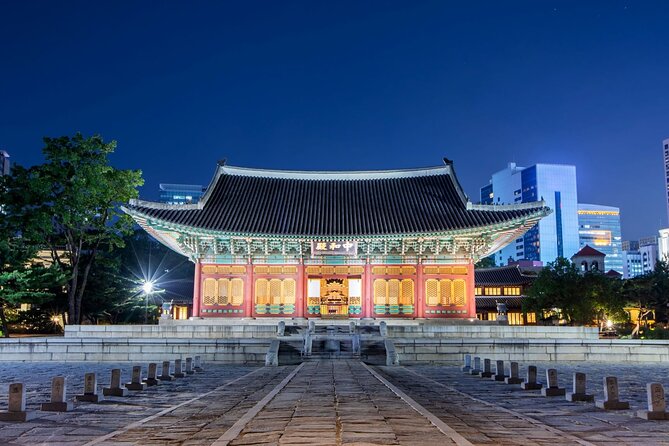
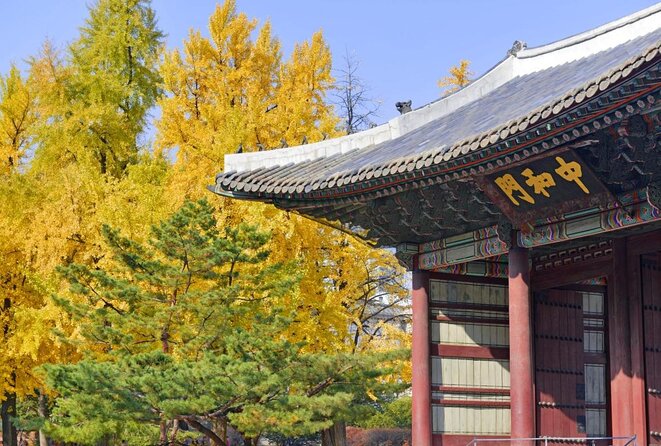
The tour begins at Deoksugung’s core ceremonial space. Your first major stop is Junghwajeon, described as the main throne hall. This is where you start to understand the palace layout as a working center, not just a collection of buildings.
What I like about Junghwajeon on a night tour is that the architecture has clearer edges. Details you might miss in daylight become more noticeable when shadows stretch across the structure. The guide uses English and Chinese explanations, which helps if you want the historical framing without having to guess what each hall was for.
Also, the main throne hall is the place where the tour’s tone clicks. Once you have the big picture, the next buildings make more sense. In other words, you are not just learning names. You are learning how the palace functioned and why certain spaces mattered.
If you tend to enjoy symbolism, pay attention to how the hall connects to the surrounding courtyard. Those sight lines are part of the story. If you are more practical, just keep your eyes moving, because this is the kind of stop where a little observation makes the explanation land better.
Seokjojeon: Western-Style Architecture You Can Actually Compare
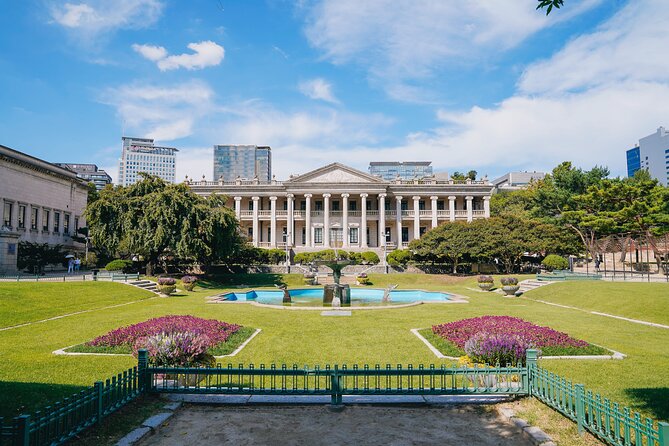
Deoksugung is known for being the only palace where traditional and western-style buildings are put together. That becomes real at the Seokjojeon stop, the western-style building in the tour route.
Night helps here too. Western-style architecture often relies on proportions, angles, and window rhythm. In evening light, those elements show up clearly, and you can compare them to the traditional Korean structures you just saw. The guide’s explanation ties the building back to the Korean Empire period and the early modernization push, so you understand why these influences appeared and how they were used.
One practical benefit: if you have ever felt that Korean palaces are hard to differentiate when you are self-guiding, this stop fixes that. You can point at what looks different, then the guide puts it into historical context.
Possible drawback: if you are expecting every stop to feel like a huge interior visit, this is more about seeing the palace spaces and hearing interpretation. The pay-off comes from the architecture comparisons and the guide’s narrative, not from wandering inside many rooms on your own.
More Palace Visits in Seoul
- Seoul: Gyeongbok Palace, Bukchon Village, and Gwangjang Tour
★ 4.9 · 2,321 reviews - Best Seoul City Tour (Gyeongbokgung Palace,Insadong,Namsan Tower)
★ 5.0 · 1,647 reviews - Small-Group Royal Palace and Seoul City Tour (hotel pick-up)
★ 5.0 · 1,474 reviews - Seoul City Sightseeing Tour Including Gyeongbokgung Palace, N Seoul Tower, and Namsangol Hanok Village
★ 5.0 · 1,423 reviews
Seokeodang and King Gojong’s World
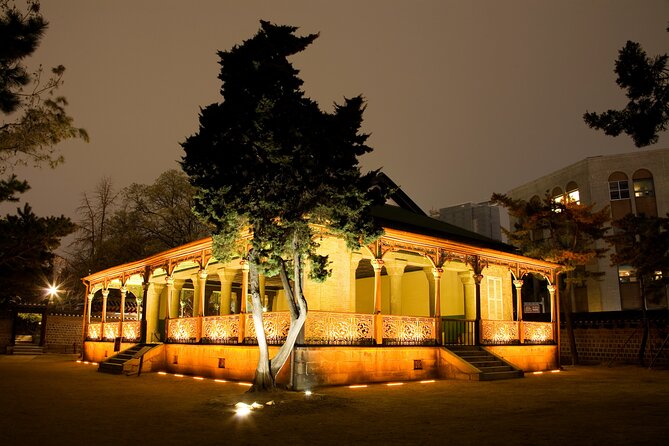
Next comes Seokeodang, which the tour highlights as a building beloved by King Gojong. This is one of those stops where you can start to feel the human side of the palace story. The architecture may be the surface, but the guide’s framing adds meaning.
In particular, you should listen for the way the tour links the space to the end of the Joseon dynasty and the transition into the Korean Empire era. Hearing that while you are standing in the palace buildings helps you connect political change to physical place. It also makes the palace feel less like an old set and more like a stage where decisions were made.
This stop is also a good moment to ask questions. The experience is built for interaction, and the guide is there to connect details. If you are curious about why certain buildings were favored, or what modernization meant for daily life at the palace, this is a strong time to ask.
If you are someone who likes stories, this is likely to be a highlight. In at least one guided experience, the guide named Alan Han was praised for giving strong insight into both history and architecture, and that kind of story-driven approach tends to shine most around personally meaningful buildings like Seokeodang.
Hamnyeongjeon and the King’s Bed-Chamber Mood
You then move to Hamnyeongjeon, identified as the king’s bed-chamber. Even if you have no interest in royal bedrooms, this stop can change how you think about palaces. It turns the palace from ceremonial halls into lived-in space.
The bed-chamber setting is where the tour’s pacing can feel especially reflective. At night, the mood is quieter, and the idea of private rooms in a grand palace structure becomes easier to grasp. The guide’s explanation helps you understand why these rooms were designed with specific priorities and what they suggest about the routines and authority within the palace.
A useful approach for this stop: let the guide speak first, then do a second look with your eyes only. You will often notice architectural cues right after you understand what the space was meant to do. That small habit makes the experience feel more like learning and less like sightseeing.
Jungkwanhun Cafeteria Stop and Time to Ask Questions
The tour route finishes with Jungkwanhun, which is listed as the cafeteria stop. This part is not just a place to pause. It gives you a natural checkpoint after you have covered multiple buildings and concepts.
I find this stop helpful for practical reasons. By this point, you might have a handful of questions, especially if you are the type who likes to tie architecture to history. The tour structure supports Q and A, and the guide is a real asset for clarifying anything confusing.
It is also a good moment to reset physically. Night tours can be tiring even when they are only two hours. A short break can keep your attention sharp for the final walking segment and help you keep a good pace.
If you are the kind of person who likes to take notes, this is where it makes sense. Write down the building names you just heard, and you can later look them up on your own. That little post-tour habit turns the tour into a memory you can revisit.
The Stone Wall by Deoksugung: Quick Advice for Extra Photos
One more thing to plan for: the palace area includes a famous stone wall next to Deoksugung that is known for its beauty. You do not need to overdo it, but do not skip it if you have time.
Night photography is where this matters. Stone textures can look dramatic under lighting, and the wall can frame the palace buildings nicely. Even if you do not take photos, stand back for a minute. The wall is one of those details that helps your brain map the palace grounds in a real way.
Just remember the rule: recording or filming during the tour is not allowed. That means you should focus on enjoying what you are seeing, not trying to capture everything in video.
Price and Value: What $35 Really Covers
At $35 per person for about two hours, this tour sits in a reasonable middle range for Seoul. The biggest value point is that the palace admission is listed as free as part of the experience. So you are not paying extra just to enter, which is where a lot of add-on tours start to feel overpriced.
You are really paying for three things:
- A guided walk between multiple key buildings
- Explanations in English and Chinese
- A smoother experience than self-guiding when you want history tied to what you are looking at
The tour also has a mobile ticket system, and it is designed around a central meeting point near City Hall station. That reduces wasted time, which is often the hidden cost in city tours.
One more value factor: the tour is capped at 20 people. A smaller group usually means fewer delays and easier questions. And if your group turns out smaller, you may find the guide can slow down and answer you more directly.
Who This Tour Suits Best, and Who Might Prefer Something Else
This night tour is a strong fit if you:
- Like architecture and history tied to what you see
- Want an English and Chinese guided experience, not a solo wandering session
- Prefer a calmer setting than midday palace crowds
- Enjoy asking questions and getting answers on the spot
It is also a good option if you are trying to balance sightseeing with a real evening out. Two hours is short enough to combine with dinner, and the meeting and ending points keep you in a central part of town.
You might not love it as much if you:
- Want lots of unscheduled free time to roam without structure
- Rely heavily on filming and recording for your travel notes (the tour does not allow it)
- Are hoping for a Monday visit specifically, since Deoksugung is closed on Mondays and you would need the alternative palace option
If you do like to plan ahead, aim to book early. The tour’s average booking window is around 45 days in advance, which suggests it is popular enough that you should not wait until the last minute.
Practical Tips for a Better Night Tour Experience
These are small things, but they make a big difference in comfort and enjoyment.
Dress for evening weather. Even when Seoul feels mild during the day, nights can feel colder, especially around palace grounds. Wear shoes you can walk in easily, and bring a light layer you can handle if the temperature shifts.
Arrive a bit early. The meeting point is straightforward, but you still want time to orient yourself before the tour starts.
Bring your curiosity. The guide’s style is built for history and architecture questions, and some guides, including Alan Han, have been specifically praised for clear explanations and strong storytelling.
Keep an eye on your phone battery. You will use it for the mobile ticket, and you may also need maps to get back on your own after the tour ends.
Should You Book the Deoksugung Palace Night Tour?
If you want a Seoul palace visit that feels thoughtful instead of rushed, this is a very solid choice. The combination of traditional and western-style architecture in one palace, plus guided explanations in English and Chinese, makes it easier to understand why Deoksugung matters during Korea’s modernization and Empire-era period.
Book it if you enjoy architecture, you like a structured walk with time to ask questions, and you prefer the quieter mood of night. Consider something else if you need to film during the experience, or if you plan to visit on a Monday and want Deoksugung specifically.
For most people, the value is clear: admission is free, the tour is only about two hours, and you are paying mainly for expert interpretation in a central, easy-to-reach setting.
FAQ
What is the start time for the Deoksugung Palace night tour?
The tour starts at 6:30 pm, and the meeting time is listed as 6:20 pm.
Where do I meet the guide?
You meet in front of Exit 1 of City Hall station (Lines 1 and 2).
How long does the tour last?
The tour duration is about 2 hours.
How much does it cost?
The price is $35.00 per person.
Is the palace admission included?
Yes. The admission ticket is listed as free.
What ticket format do I need?
A mobile ticket is used for this experience.
Are the explanations offered in English and Chinese?
Yes, the tour includes explanations in English and Chinese.
Is the palace open on Mondays?
Deoksugung Palace is closed on Mondays. You can book the Gyeongbok Palace tour instead.
How many people are in the group?
The tour has a maximum of 20 travelers.
Can I record or film during the tour?
No. Recording or filming the tour is not allowed.
What if the weather is bad?
This tour requires good weather. If it is canceled due to poor weather, you will be offered a different date or a full refund.
Recently reviewed in Seoul
- Korean Folk Village & Suwon Hwaseong Fortress Private Tour★ 5.0 · 3 reviews
- Seoul City Private Tour (Optional layover)★ 5.0 · 3 reviews
- 5D4N Korea Cultural Heritage immersion Private Tour★ 5.0 · 3 reviews
- War Memorial, Jogyesa Temple & Tapgol Park Tour in Seoul★ 4.5 · 3 reviews
- Private Tour : Royal Palace & Traditional Villages wearing Hanbok★ 5.0 · 3 reviews
- Full Day Private Seoul Tour for foodies★ 5.0 · 3 reviews
- K-Pop Tour★ 3.5 · 3 reviews
- 3D Private Seoul Highlight tours with DMZ & Korean Folk Village★ 5.0 · 3 reviews
Palaces, compared.
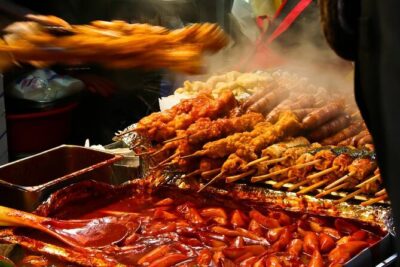
Gyeongbok Palace, Bukchon Village, and Gwangjang Tour
Read our review →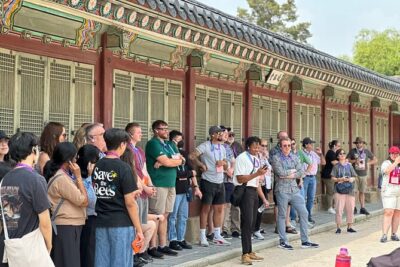
Best Seoul City Tour (Gyeongbokgung Palace,Insadong,Namsan Tower)
Read our review →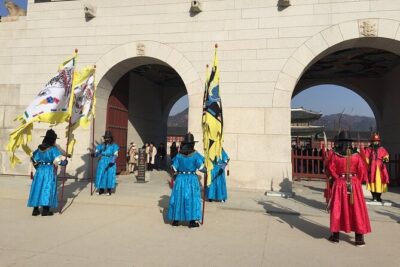
Small-Group Royal Palace and Seoul City Tour (hotel pick-up)
Read our review →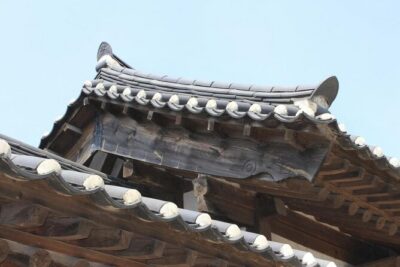
Seoul City Sightseeing Tour Including Gyeongbokgung Palace, N Seoul Tower, and Namsangol Hanok Village
Read our review →Gyeongbok Palace, Bukchon Village, and Gwangjang Tour
Read our review →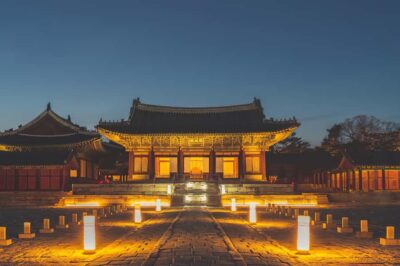
Palace, Temple and Market Guided Foodie Tour at Night
Read our review →
Seoul Highlights: Gyeongbok Palace, Insadong & N Seoul Tower
Read our review →
City Hightlights, Palace Tour, and Optional Hanbok
Read our review →Browse the lists this tour appears in