
Reviewed · FOOD & DRINK
Getting a good feel of local Seoul through food (itseoulgood)
This tour is interesting because it turns Seoul into something you can understand by taste and small streets, not just big sights. I like the mix of real tea and dumplings in Insadong and the fact that you go with a small group led by Mike, who has food experience behind the scenes.
I also like how the plan keeps moving from older Seoul to newer areas, with time in market chaos that gets organized by a guide who knows where to point and what to try. One possible consideration, the market stops and the final stretch add up to walking, with about an extra hour on top of the guided time.
Key Points to Know Before You Go
- Insadong starts you with dumplings and real tea, so you get context before the crowds.
- Kwangjang Market is all about smart ordering, because even locals can feel lost at first.
- All food is included in the tour fee, so you are not guessing your budget mid-walk.
- Small group size (max 6) means you can ask questions and get help choosing.
- Mike’s background and English make the stories and food choices easier to follow.
- You finish near Anguk Station in a traditional teahouse setting, not a random cafe.
Turning Seoul Into Something You Can Taste
If you want a fast feel for Seoul, food is one of the best shortcuts. It shows you what people do every day, what they crave, and how neighborhoods keep changing while still holding on to old habits. This tour is built for that. You will start in Insadong, then move to one of Seoul’s most famous food markets, and finish with a traditional tea stop that gives the whole day a calmer ending.
What makes it work is pacing. You do not just march through places like a checklist. You stop, sample, learn what you are looking at, then walk on. That matters because markets and side alleys can be overwhelming if you arrive cold. With the guide leading, you get structure without killing the fun.
Also, the group stays small, max 6. That is a big deal in Seoul food spots where space can be tight and lines can form fast. A small group helps you move smoothly and still ask questions without feeling rushed.
More Food & Drink in Seoul
- Seoul Street Food Market Tour
★ 5.0 · 1,226 reviews - Seoul: Night Market Food Tour with Local Guide
★ 4.9 · 943 reviews - Downtown Seoul Guided Food & Market Tour with 8+ Local Tastings
★ 5.0 · 580 reviews
Getting Oriented in Insadong: Dumplings and Real Tea First
Insadong is one of those areas where you can feel the layers of Seoul right away. It has the tourist energy, but it also has old-school corners where crafts, snacks, and daily life overlap.
You start here with local dumplings and a serving of real tea, not the kind made from powdered concentrate that many casual spots rely on. That first taste is a smart move. It gets your palate working before the market stop, and it helps you understand what “tea” should mean in this part of the city.
Expect a calm, guided start. You get a sense of what to look for, what flavors to notice, and how to order or react if you see similar items later. If you are the type who likes learning one or two key things early, this start sets you up well.
A practical note: Insadong is walk-friendly, but it is also a shopping-and-street area. Wear shoes you can stand in and bring a little patience for crowds.
Kwangjang Market: From Intimidating Crowds to Best-Choice Sampling
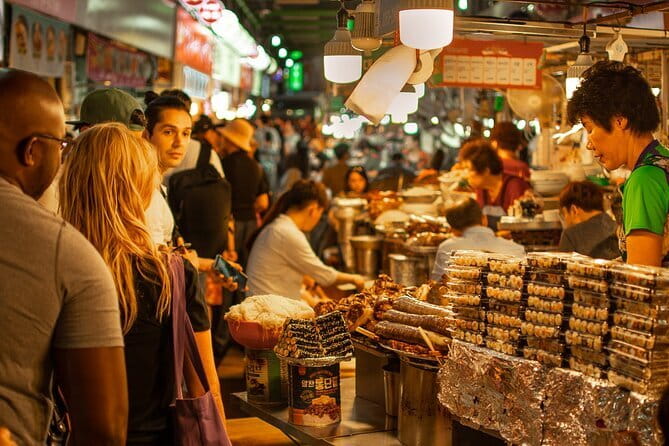
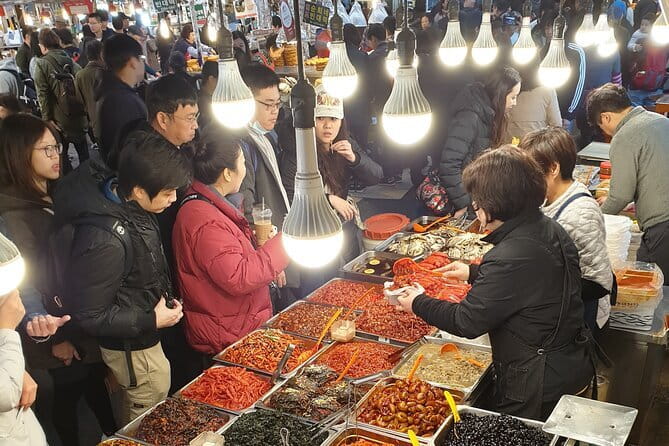
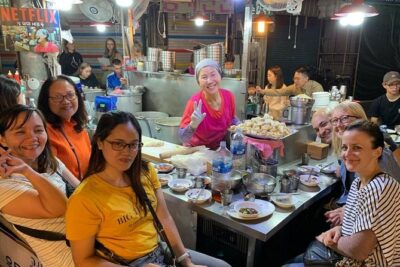
Then you hit Kwangjang Market, one of the biggest places in Seoul for food browsing and eating on the move. This is where the tour earns its keep. Market stalls can look tempting and chaotic at the same time, and it is easy to pick wrong if you are not sure what is worth your time.
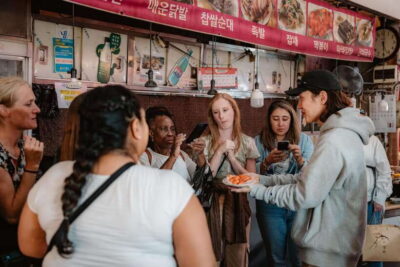
This tour tackles that problem directly. The guide helps you sample a wide variety of the market’s best foods and keeps the group on track so you do not spend your energy guessing. Even locals can have trouble picking the best stall on the first try, so it is not just you.
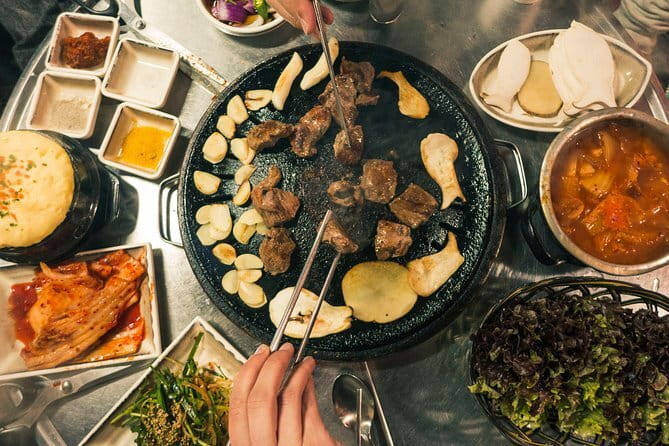
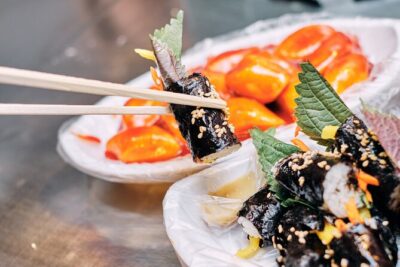
What you get is variety with guidance. Instead of eating one thing over and over, you taste multiple specialties and get quick explanations for what you are eating and why it is popular. One highlight you might encounter during the tastings is a rice wine tasting, which adds a different side of Korean food culture beyond snacks.
If you worry about the market being too much, here is the upside: you do not walk through it passively. You keep stopping, tasting, and learning, which gives you a reason to focus. You also benefit from someone who can translate food names and help you sort out what to try first.
A consideration: markets are loud, busy, and hot in some seasons. This is not a quiet stroll. If you know you get stressed in crowded places, plan to use the tour pacing as your buffer, and give yourself permission to slow down at each tasting.
Weaving Through Old and New: Hidden Alleys, Modernized Spaces
After the major food stops, the tour shifts into neighborhood walking. You will move through areas that feel both older and newly shaped, including a modernized cultural zone and back alleys where the city looks more like daily life than a postcard.
I like this part because it helps you connect the dots between what you tasted and what you are seeing. Food markets bring the flavor, but side streets show the rhythm. You get that sense of old Seoul living next to new Seoul, not as a dramatic contrast, but as a normal city reality.
This is also where a small group shines again. In narrow lanes, a group of 6 moves easier than a larger group, and you can follow the guide without constantly weaving around people. It keeps the experience feeling human, more like walking with a friend than filing through attractions.
And because the tour is food-led, you can keep asking questions about what you notice: shop signs, snack smells, or the way certain areas feel more residential or more commercial. Even if you only pick up a few answers, it makes your next solo walk through these neighborhoods easier.
A few more Seoul days side by side
- Best DMZ Tour Korea from Seoul (Red Suspension Bridge Optional)
★ 5.0 · 41,422 reviews - DMZ Tour: 3rd Tunnel, Option(Suspension Bridge, Boat) from Seoul
★ 5.0 · 21,373 reviews - DMZ tour south Korea from Seoul (NK experience hall, defector)
★ 5.0 · 20,599 reviews - Seoul: The Best DMZ Tour with Optional Suspension Bridge
★ 4.7 · 4,978 reviews
Finishing With a Traditional Teahouse Near Anguk Station
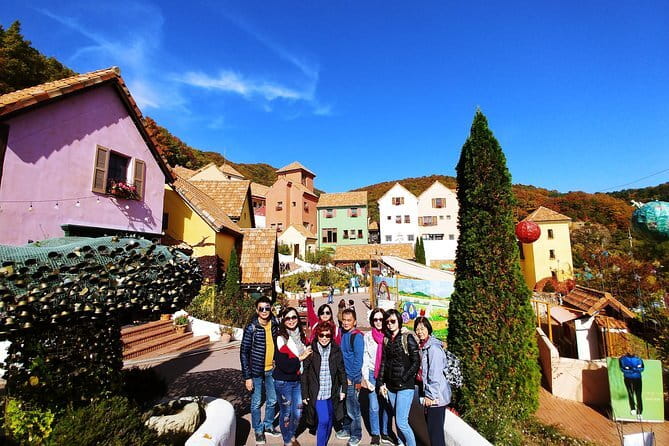
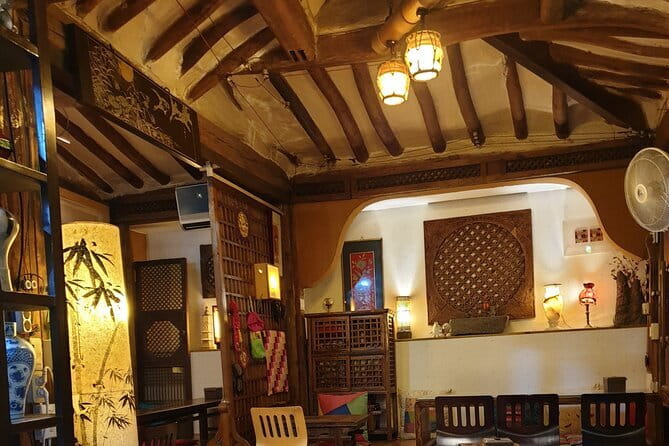
Most food tours end with a high-energy sprint. This one tends to land in a more traditional mood. You finish in a traditional hidden teahouse in a traditional area, and the tour ends near Anguk Station.
That ending matters. By the time you reach the final tea stop, you have eaten enough to feel satisfied, but not so much that you want to escape. Tea gives you a reset. It also helps you close the loop on the early tea in Insadong, so you can compare how tea fits into different parts of the day and the city.
If you like atmospheres where locals linger, a teahouse finish is a good match. It also gives you a calmer photo moment without needing to shove through crowds.
Price and Value: Why $94 Can Make Sense for Seoul
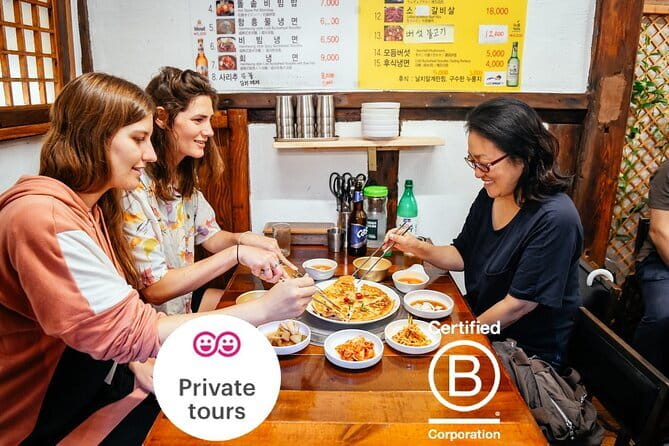
At $94 per person for about 3 hours, this is not a “cheap snack crawl.” But it also is not trying to nickel-and-dime you. The tour states that all food is included in the tour fee, and the tastings cover a range of items across major stops.
Here is why that matters for value. Seoul street food prices can add up fast if you are buying multiple items yourself, especially if you keep paying for drinks on top. With food included, you can eat more variety without constantly checking the menu and guessing which stall is best.
The other value factor is guidance. In places like Kwangjang Market, the difference between a good choice and a mediocre choice can be noticeable. Paying for help here is like paying for a shortcut to the best versions of what you want.
You will still want extra cash if you want to purchase extra items beyond what is included. That is normal for markets and shopping areas, and it keeps the tour from feeling restrictive.
One more quiet value win: the group max is 6. That often translates into fewer waiting moments, fewer misunderstandings, and more time for questions.
What to Expect on the Ground: Timing, Walking, and Comfort
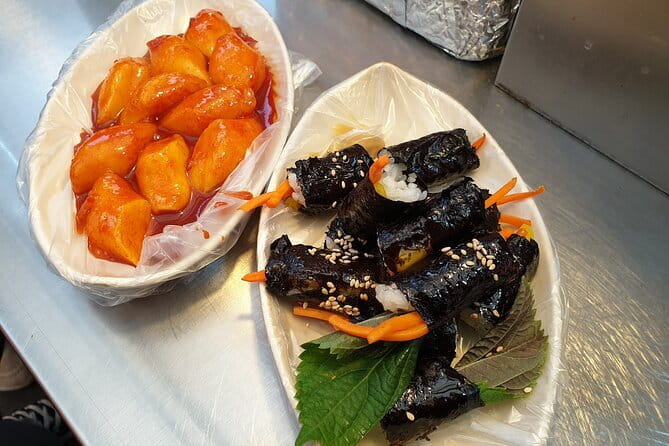
The tour runs about 3 hours total, starting at 10:30 am. There is also a note that the remaining 1 hour is for walking, so you should plan for a moderate pace.
You should also plan to do some standing. Markets and alley areas are not designed for long sit-down breaks. Bring comfortable walking shoes. If you bruise easily or have trouble standing, plan on taking your time during each tasting stop.
Good news on logistics. The tour is near public transportation, and it ends near Anguk Station. That makes it easier to roll right into the rest of your day without a long commute.
Mobile ticketing is used, which helps cut down on paperwork. If you like having everything on your phone, this fits that style.
Who This Tour Best Suits (and Who Might Want Another Plan)
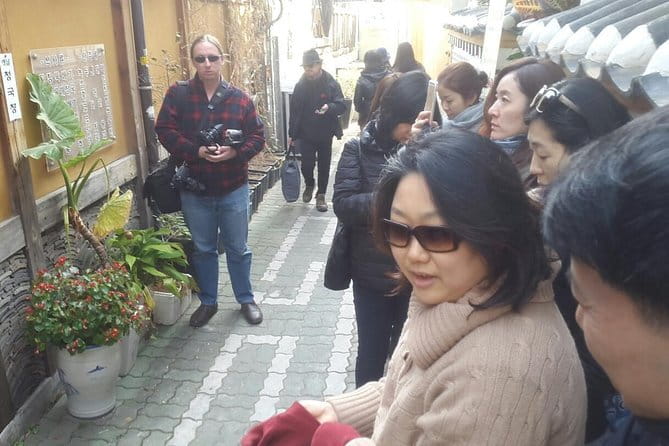
This tour is a great fit if you want a guided food route through Seoul’s older and newer sides, with enough structure to make market time enjoyable. It is also ideal if you prefer a smaller group, and you like asking questions without waiting for a large crowd to move.
It is especially good if you feel intimidated by big markets. Kwangjang Market can hit hard for first-timers. This tour turns that stress into a tasting plan, with the guide helping you choose.
If you have very strict dietary needs or you are extremely sensitive to unfamiliar ingredients, you will want to check with the operator ahead of time. The data here confirms food inclusion and flexibility, but it does not list specific dietary accommodations.
And if you cannot handle a busy crowd environment or standing in tight spaces, you might find the market segment more challenging than the average sightseeing walk.
Should You Book It?
I think you should book this tour if you want a fast, practical way to experience local Seoul through food, and you like the idea of starting with Insadong tea and dumplings before tackling Kwangjang Market. The combination of included tastings, a small group, and Mike’s food-focused guidance makes it feel like a real local meal plan, not just a photo walk.
Book it even more confidently if you appreciate stories, because the guide’s food background and strong English help the explanations land. The ending at a traditional teahouse is also a nice touch, it gives you a calm close to a food-heavy morning.
Skip it only if you want a quiet, museum-style pace, or you know you dislike crowded markets and do not enjoy standing and walking for the full stretch.
FAQ
Where does the tour start?
The tour starts at 407 Dongho-ro, Jongno District, Seoul, South Korea.
What time does the tour begin?
The start time is 10:30 am.
How long is the experience?
The duration is about 3 hours.
What are the main stops during the tour?
You’ll spend time in Insadong and at Kwangjang Market, then continue through other nearby areas and finish at a traditional hidden teahouse.
Is food included in the price?
Yes. All of the food is included in the tour fee.
Do I need extra cash?
The tour notes that you should bring extra cash if you want to purchase additional items beyond the included tastings.
Where does the tour end?
The tour ends near Anguk Station, at Toto’s Nostalgia Museum (169-2 Gwanhun-dong, Jongno District, Seoul, South Korea).
What is the group size limit?
The tour has a maximum of 6 travelers.
Can I get a full refund if I cancel?
Yes. You can cancel up to 24 hours in advance for a full refund.
Is the tour okay for someone with moderate fitness needs?
The tour notes that travelers should have a moderate physical fitness level, and there is walking involved (about 1 hour of the total time is walking).
Recently reviewed in Seoul
- Korean Folk Village & Suwon Hwaseong Fortress Private Tour★ 5.0 · 3 reviews
- Seoul City Private Tour (Optional layover)★ 5.0 · 3 reviews
- 5D4N Korea Cultural Heritage immersion Private Tour★ 5.0 · 3 reviews
- War Memorial, Jogyesa Temple & Tapgol Park Tour in Seoul★ 4.5 · 3 reviews
- Private Tour : Royal Palace & Traditional Villages wearing Hanbok★ 5.0 · 3 reviews
- Full Day Private Seoul Tour for foodies★ 5.0 · 3 reviews
- Nami Island & Nearby Attractions : Charter Van Tour With Driver★ 4.0 · 3 reviews
- K-Pop Tour★ 3.5 · 3 reviews
Food & Drink, compared.
Downtown Seoul Guided Food & Market Tour with 8+ Local Tastings
Read our review →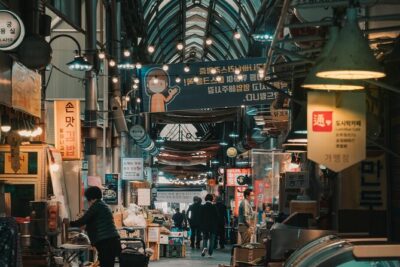
Seoul Night Palace & Market Food Tour with Vehicle
Read our review →
Seoul Fun Food Tour: 12 different food tastings
Read our review →
The Award-Winning PRIVATE Food Tour of Seoul: The 10 Tastings
Read our review →
Jasmil Baseball Stadium Game Ticket with Dinner/Beer
Read our review →Browse the lists this tour appears in