
Reviewed · DMZ TOURS
DMZ 2nd Tunnel and Cheorwon Peace Observatory with Admission
The DMZ has a way of making world history feel personal, and this route does it with real physical stops: the 2nd Tunnel, the Cheorwon Peace Observatory, and Woljeongri Station. You register before entering, follow the lead vehicle in a single file, and see how this area stayed protected for over 70 years.
I like that it is a true private tour with pickup and your own group, so you spend the day on-site rather than waiting around. I also like how the guide explanations can be very human, with names like Jun and Moon mentioned for clear history teaching, and Wendy highlighted for making sure nothing feels rushed.
One thing to plan for is that it is a long, structured day (about 8 hours) with a set route, and lunch is on your own expense.
Key things that make this DMZ day work well
- Registration first at the Crane Peace Center: you get your vehicle and visitor info handled before DMZ entry.
- Follow the lead vehicle in a single file: less hassle than tours that swap you into a different bus.
- 2nd Tunnel access up to 300 meters from the border: you walk into the tunnel experience without going all the way to the demarcation line.
- Cheorwon Observatory with a round trip monorail: you save energy on the climb to the viewpoints.
- Clear, specific war references: Battle of Blood Ridge numbers, plus stories connected to the Cheorwon area.
- Woljeongri Station wreck stop: you see a documented Korean War train wreck linked to U.N. actions.
DMZ 2nd Tunnel and Cheorwon: A tour that turns cold history into something you can stand inside
This is the kind of DMZ tour you book when you want more than photos and broad facts. The value here is the sequence. You move from pre-entry logistics, to a tunnel you can walk into, to high viewpoints where you understand why people fought over this ground, and then to a specific Korean War relic behind a station building.
You will also feel the emotional weight that many Koreans describe around reunification. It is not just talk either, because the DMZ itself is described as untouched for over 70 years, which means you are also dealing with an ecosystem that supports migratory birds, cranes, and animals. That mix of wartime history and protected nature is a big part of why this day can stick with you.
More DMZ tours from Seoul:
- Best DMZ Tour Korea from Seoul (Red Suspension Bridge Optional)
★ 5.0 · 41,422 reviews - DMZ Tour: 3rd Tunnel, Option(Suspension Bridge, Boat) from Seoul
★ 5.0 · 21,373 reviews - DMZ tour south Korea from Seoul (NK experience hall, defector)
★ 5.0 · 20,599 reviews
Getting into the DMZ area: Crane Peace Center registration and the single-vehicle flow
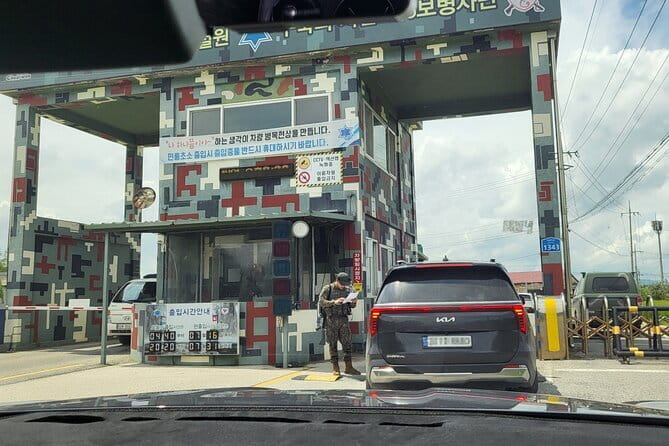
Before you get close to restricted areas, you stop at the DMZ Crane Peace Center for registration. The practical detail that matters is that the process includes registering the vehicle license number and visitor names. That tells you right away this is not a casual, walk-in sightseeing stop.
Another advantage is how entry works once you are cleared. Unlike some DMZ tours that move you onto a group tourist bus, you do not have to switch over. You enter the civilian controlled area with your own vehicle and follow the lead vehicle in single file. For many people, that is the difference between a smooth day and a day spent losing time.
When I think about DMZ logistics, I think about friction. Less friction usually means you have more time for the actual experience, and the guide has an easier job staying on schedule.
The 2nd Tunnel: discovered in 1975, explored up to 300 meters from the border
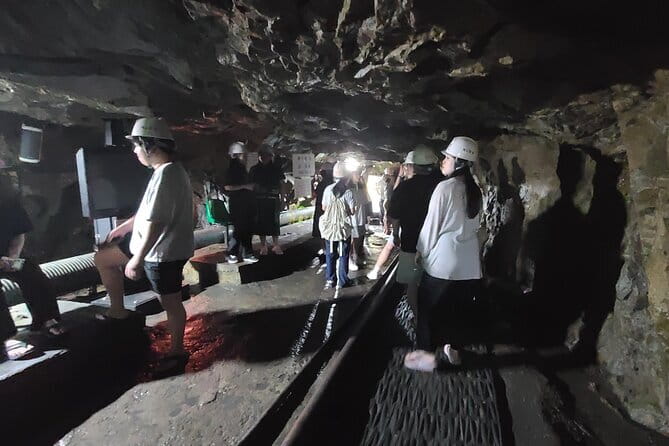
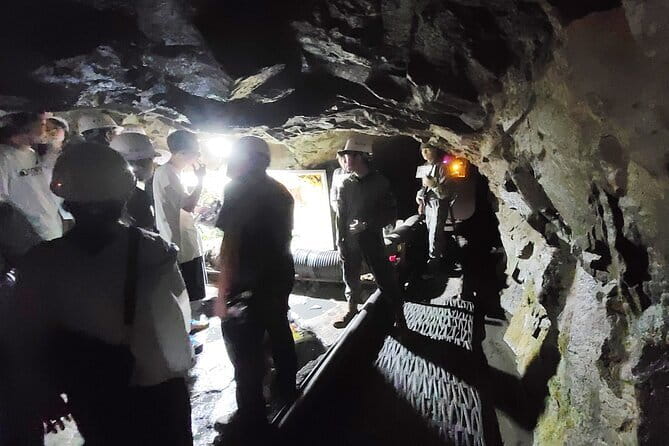
The star stop is the 2nd Tunnel, and the tour gives you a concrete story before you go underground. It was discovered on March 24, 1975. The excavation started after two soldiers reported hearing explosions during sentry duty on November 20, 1973. Even if you already know about tunnels in theory, hearing that chain of events helps you understand why this site mattered so much.
The tour frames the 2nd Tunnel as twice longer and deeper than the 3rd Tunnel. That matters because it affects what it feels like when you are inside. It is not just a short hallway. You have enough depth and length to notice how restrictive, engineered, and deliberate the space is.
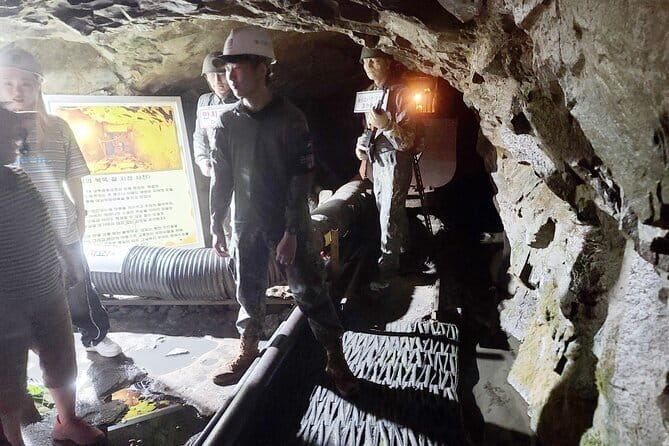
You can explore inside the tunnel up to the ending point which is 300 meters away from the military demarcation line. That limit is important for your expectations. You get the visceral experience of being in the tunnel without crossing the final sensitive boundary. Plan to take your time on the walk and listen when your guide explains how soldiers used these kinds of routes during the Cold War era.
Cheorwon Peace Observatory: monorail viewpoints plus the war stories tied to the ground
After the tunnel, you shift from enclosed to open air, and the Cheorwon Peace Observatory is where the day starts to connect. You can take the monorail to the top of the mountain, which is an obvious comfort win if you do not want to burn energy climbing when you already walked through the tunnel.
From the top, you are shown multiple things at once: the ecosystem in the DMZ, the story behind the Battle of Blood Ridge, Kim Ilsung’s high land story, and several named features connected to the area. The tour specifically mentions:
- Battle of Blood Ridge, with 1,250 North Korean soldiers and 1,030 South Korean soldiers sacrificed in a fierce battle
- Kim Ilsung crying for three days after losing the Cheorwon land
- Fortress of Gung-Ye Castle town
- Pyeonggang tableland
- A propaganda town of North Korea in the DMZ
Even if some of these names are new to you, the viewpoint helps you understand why people fought and why borders hardened. From up high, you can see how terrain shapes military decisions, and you can also feel how the same view can be interpreted in completely different ways depending on what side you stand on.
A few more Seoul days side by side
- Seoul: The Best DMZ Tour with Optional Suspension Bridge
★ 4.7 · 4,978 reviews - Signature DMZ Tour: Exclusive Defector Talk & Suspension Bridge
★ 5.0 · 4,459 reviews - Thrilling Korean DMZ 3rd Tunnel Tour from Seoul + Red Bridge Rush
★ 5.0 · 3,097 reviews - Seoul: DMZ Tour & Suspension Bridge (Option English/Spanish)
★ 4.9 · 2,628 reviews
Woljeongri Station: the train wreck behind the building and what it represents
The last major stop is Woljeongri Station. What you are looking for here is not a museum display. Behind the station building, there remains the wreck of a train bombed during the Korean War. The tour notes the train was used by the North Korean army and bombed by U.N. forces.
That detail helps you connect the tunnel stop to a broader pattern. Tunnels were one tool, trains were another, and the Korean War involved constant movement, logistics, and pressure on supply routes. Seeing a physical wreck ties those concepts to one identifiable place.
It is a smaller ending than some sightseeing days, but that is the point. The final stop leaves you with a concrete artifact that fits the theme of the day.
What the day feels like in practice: timing, pace, and being ready for a structured route
This tour runs about 8 hours. That is a full day, even though it is not trying to be a marathon. You will spend energy on the tunnel walk and on the observatory viewpoint visit, and you will be in a vehicle for the rest of the time while you travel between stops.
You should also expect a structured flow. You register, you enter, you follow the lead vehicle, you move stop to stop. That structure can feel reassuring, especially in a restricted, high-emotion location like the DMZ.
If you like a day where the guide keeps you moving and explains the why behind each stop, this format tends to work. In past experiences connected to this route, guides like Wendy are specifically described as personable, which usually means you get clear context without feeling like you are stuck listening to a lecture.
Price and value: is $245.29 per person fair for this DMZ route?

At $245.29 per person, this is not a budget excursion. The value comes from what is bundled and how private the setup feels.
Included are:
- Air-conditioned vehicle and private transportation
- Bottled water
- DMZ admission fee
- Round trip monorail ticket
Lunch is not included, and the cost listed is 15,000 KRW per person.
So where does the money go? Mostly into access and logistics. DMZ entry is not like lining up for a normal attraction, and tunnel and observatory visits have their own rules and admission requirements. Add in private transport and pickup, and you are paying for fewer hassles and more time focused on the actual stops.
This price also tends to be more appealing if you are booking a group rather than going solo. The tour offers group discounts, and it runs as a private activity where only your group participates. If you hate crowded buses and prefer a calmer pace, this format justifies a higher cost more easily.
What to pack so you enjoy it more

The info you have does not list a strict dress code, but you will feel better if you pack for a full day with both walking and indoor tunnel space. Bring:
- Comfortable walking shoes for the tunnel and observatory
- A light layer, since tunnels and high points can feel cooler than expected
- A small snack strategy for when hunger hits, since lunch is an extra 15,000 KRW per person
- Your ticket access method, since the tour uses a mobile ticket
Also, save your energy. The day includes a monorail option, which is there to help, but you still do some walking around each stop.
Who should book this DMZ tunnel and Cheorwon observatory tour
This is a strong fit if you want:
- A DMZ experience that focuses on specific sites, not just general viewpoints
- A guided explanation that connects history to physical places
- A private group setup with pickup and air-conditioned vehicle comfort
It is also described as educational for both adults and children, with the note that many young Korean students visit DMZ for lessons from the past Cold War. So if you are bringing kids old enough to handle a structured day and some heavy themes, it can work well as a learning outing.
If you hate history, or you want something casual and spontaneous with no set route, this may feel too planned. DMZ sites bring serious topics, and this itinerary leans straight into them.
Should you book it?
I would book this tour if you want the 2nd Tunnel plus Cheorwon Observatory as a single, well-paced day, and you care about getting the details explained in plain language by guides like Jun and Moon or Wendy. The included admission and monorail tickets also reduce surprises.
I would think twice if you are sensitive to long structured days, or if you expect a flexible schedule. This is built around specific DMZ entry and timed stop sequence, so it rewards people who like clarity.
If you want a DMZ day that is both practical and emotionally powerful, this one is a smart choice.
FAQ
How long is the DMZ 2nd Tunnel and Cheorwon Peace Observatory tour?
The duration is about 8 hours.
Is pickup included?
Yes, pickup is offered, and the tour includes air-conditioned vehicle transportation.
What’s included in the ticket price?
Admission to the DMZ is included, and the round trip monorail ticket is included. Bottled water and private transportation are also included.
Do I need to switch into a different bus during the DMZ visit?
No. You register first, and then you enter the civilian controlled area with your own vehicle, following the lead vehicle in a single file.
Is lunch included?
No. Lunch is not included and costs 15,000 KRW per person.
What is the cancellation policy?
You can cancel for a full refund up to 24 hours in advance of the experience start time. If you cancel less than 24 hours before the start time, the amount paid is not refunded.
Recently reviewed in Seoul
- Korean Folk Village & Suwon Hwaseong Fortress Private Tour★ 5.0 · 3 reviews
- Seoul City Private Tour (Optional layover)★ 5.0 · 3 reviews
- 5D4N Korea Cultural Heritage immersion Private Tour★ 5.0 · 3 reviews
- War Memorial, Jogyesa Temple & Tapgol Park Tour in Seoul★ 4.5 · 3 reviews
- Private Tour : Royal Palace & Traditional Villages wearing Hanbok★ 5.0 · 3 reviews
- Full Day Private Seoul Tour for foodies★ 5.0 · 3 reviews
- Nami Island & Nearby Attractions : Charter Van Tour With Driver★ 4.0 · 3 reviews
- K-Pop Tour★ 3.5 · 3 reviews
DMZ Tours, compared.
Best DMZ Tour Korea from Seoul (Red Suspension Bridge Optional)
Read our review →
DMZ Tour: 3rd Tunnel, Option(Suspension Bridge, Boat) from Seoul
Read our review →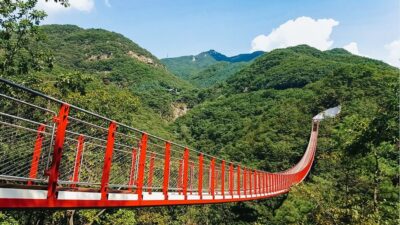
DMZ, 3rd Tunnel and Optional Suspension Bridge Tour
Read our review →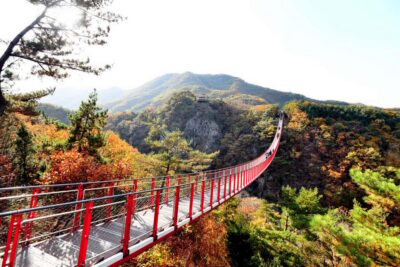
The Best DMZ Tour with Optional Suspension Bridge
Read our review →
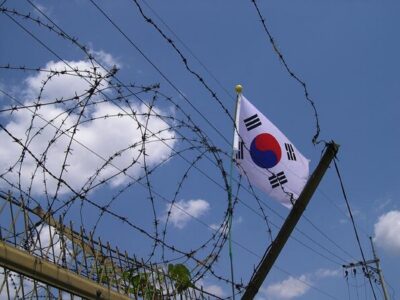
Thrilling Korean DMZ 3rd Tunnel Tour from Seoul + Red Bridge Rush
Read our review →
DMZ Tour & Suspension Bridge (Option English/Spanish)
Read our review →
DMZ Past and Present: Korean Demilitarized Zone Tour from Seoul
Read our review →Browse the lists this tour appears in