
Reviewed · DMZ TOURS
Seoul: DMZ Tour with Japanese-Speaking Guide
The Korean DMZ is one of those places you do not see by accident. It is dramatic, tightly controlled, and it gives you a real-world look at how the Korean Peninsula has been split since 1953. I especially like the Dora Observatory portion for the big-sky views when weather cooperates, and the Third Infiltration Tunnel walk because it turns history into something you can physically feel under your feet. The main drawback is that this is a military-run area, so your day can shift or even get canceled without much notice.
One more thing to plan around: the tunnel involves a steep slope and a round-trip walk that can be tough if you have mobility issues. If you have heart problems or you use a wheelchair, this tour is not a fit.
Key Things That Make This DMZ Tour Worth Your Time
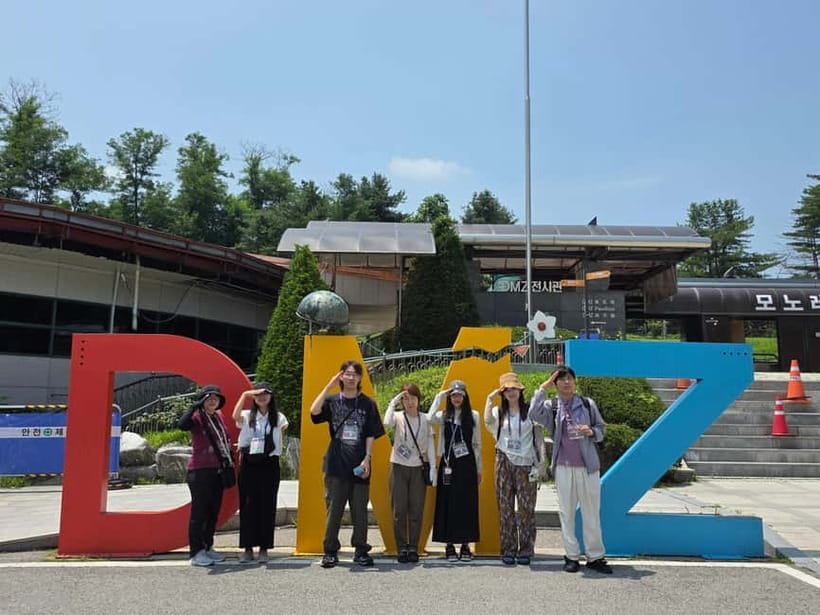
- Imjingak Park access plus guided stops that connect the story of separation to specific sites
- Freedom Bridge with a guided explanation of repatriation linked to the Korean conflict
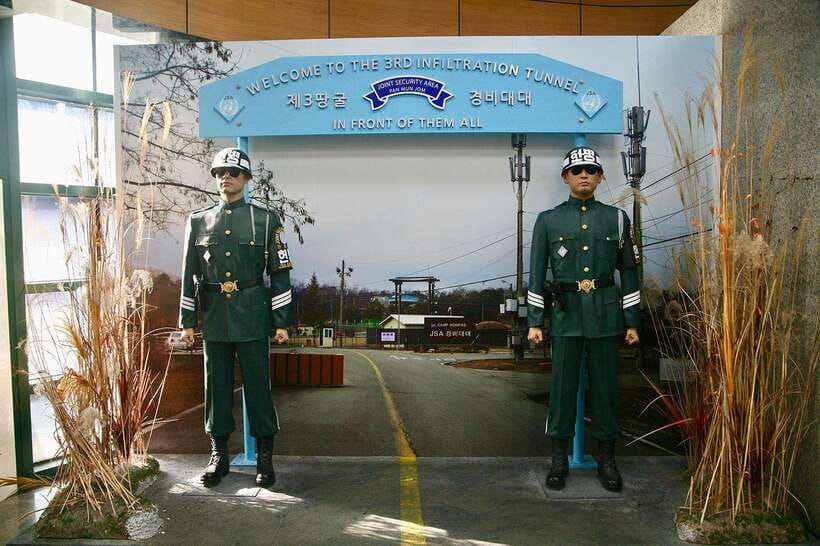
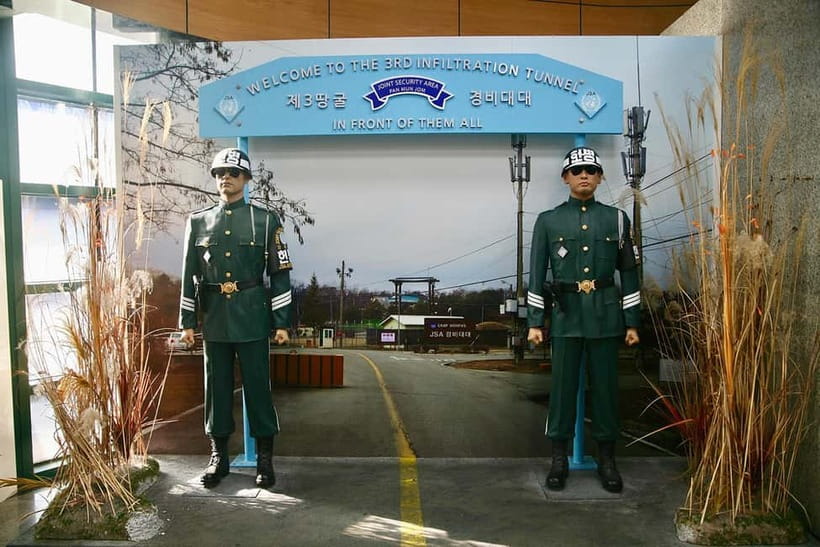
- Third Infiltration Tunnel on foot, including the reality of steep ground and time spent walking
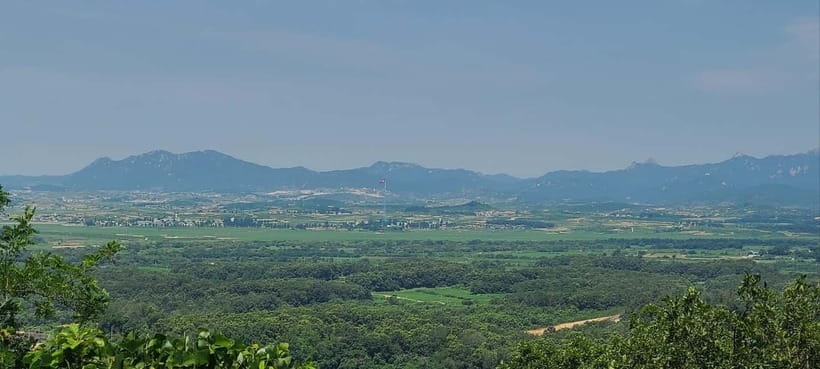
- Dora Observatory views of North Korea in clear weather, sometimes without needing the telescope
- Unification Village shopping focused on peace-and-reconciliation themed souvenirs, often including goods tied to the North
A DMZ Day Trip That Explains the Korean Divide in Plain Sight
The DMZ tour is interesting because it is not abstract. You move through a sequence of very specific places, each one tied to how the conflict played out, how people tried to reunite, and how tension is still managed today. You also get an organized perspective from a licensed guide, and the Japanese language tour approach can be very smooth if you are comfortable with Japanese explanations.
In practice, the day is built for understanding, not just sightseeing. You start with the kind of context that helps everything else make sense, then you get the rare chance to look north from a viewing point. After that, you walk a tunnel built as part of an infiltration strategy, which makes the scale and seriousness feel immediate.
A possible consideration: because DMZ operations depend on the military and government rules, the plan can change. The good news is that you will still spend time in key areas like Imjingak, but you should expect that the exact route and stops may not be identical every day.
More DMZ tours from Seoul:
- Best DMZ Tour Korea from Seoul (Red Suspension Bridge Optional)
★ 5.0 · 41,422 reviews - DMZ Tour: 3rd Tunnel, Option(Suspension Bridge, Boat) from Seoul
★ 5.0 · 21,373 reviews - DMZ tour south Korea from Seoul (NK experience hall, defector)
★ 5.0 · 20,599 reviews
Morning Logistics From Myeongdong or City Hall
Getting started is pretty straightforward, but it matters because timing affects how smoothly the day runs. You have three starting location options tied to Myeongdong Station Exit 10, plus other nearby meeting options in the same general Seoul area. From there, you ride in an air-conditioned bus or minivan, and the transfer to the DMZ area takes about an hour.
There are two practical points I think you should take seriously. First, you need a passport. This is non-negotiable for the day. Second, you should dress for real walking and real ground conditions. The tour strongly recommends that you avoid flip-flops, slippers, or shoes with heels.
You also may need a DMZ shuttle bus connection depending on group size, since transfer to the shuttle bus is required if there are less than 30 people in the car by government policy. That is not something you control, but it helps to know that the day can have one more transit step once you get closer.
The day runs about 7 to 8 hours, and the finish is a drop-off at either Myeongdong or City Hall Station, depending on your preference. That is convenient if you want to keep the evening simple.
Imjingak Park: Where the DMZ Story Starts
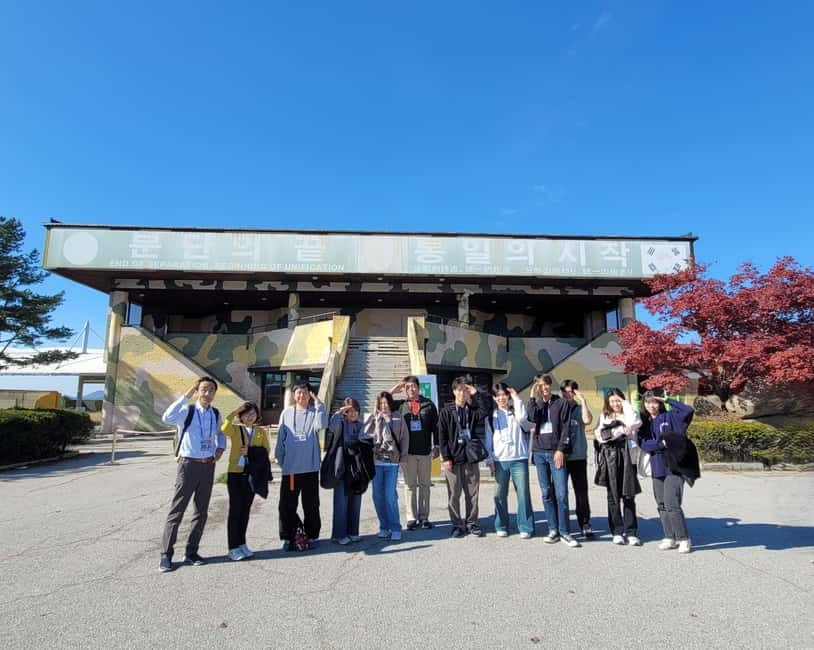
Imjingak is the kind of place where the meaning hits quickly. You get a guided visit (about one hour) that sets the stage for the rest of the day, including themes of separation, loss, and attempted reconciliation. You are also getting access to Imjingak Park, which is a key part of most DMZ tours because it acts like a briefing area for what you will see next.
Why this stop matters: it gives you the emotional and historical context before you reach sites that are more visually striking, like the tunnel and Dora Observatory. When the guide connects the dots, you understand why certain structures exist, and why certain locations are emphasized.
From a comfort standpoint, this is also a good moment to pace yourself. You will spend time walking at multiple stops later, and the tunnel portion has the biggest effort level. If you want to avoid feeling rushed, arrive with shoes ready for slopes, and take a moment to look around before you move on.
Freedom Bridge: The Repatriation Connection You Can Feel on Site
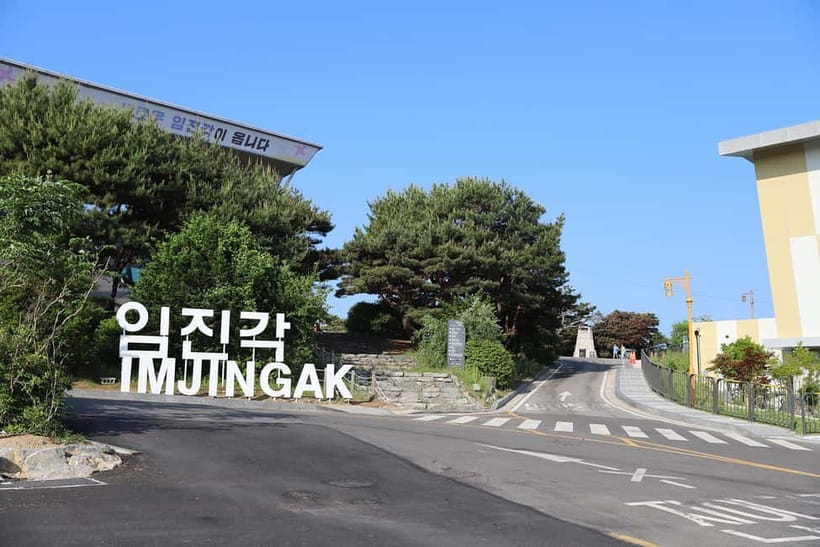
Next is the Freedom Bridge, a guided stop of about 30 minutes. This is one of the most symbolic areas of the route, because it is tied to the idea of repatriation, specifically referring to prisoners of war who were returned from the North.
I like Freedom Bridge as a stop because it is easy to understand even if you have never studied Korean history in depth. The guide’s job here is to put the location into context, and it is the kind of explanation that helps you connect what you see with what it represents.
One thing to keep in mind: this is not a long stop, so it is not the time for wandering far from the group. If you have questions, ask early while the guide is still covering the core story.
A few more Seoul days side by side
- Seoul: The Best DMZ Tour with Optional Suspension Bridge
★ 4.7 · 4,978 reviews - Signature DMZ Tour: Exclusive Defector Talk & Suspension Bridge
★ 5.0 · 4,459 reviews - Thrilling Korean DMZ 3rd Tunnel Tour from Seoul + Red Bridge Rush
★ 5.0 · 3,097 reviews - Seoul: DMZ Tour & Suspension Bridge (Option English/Spanish)
★ 4.9 · 2,628 reviews
The Third Infiltration Tunnel Walk, and Why It Can Be the Tough Part
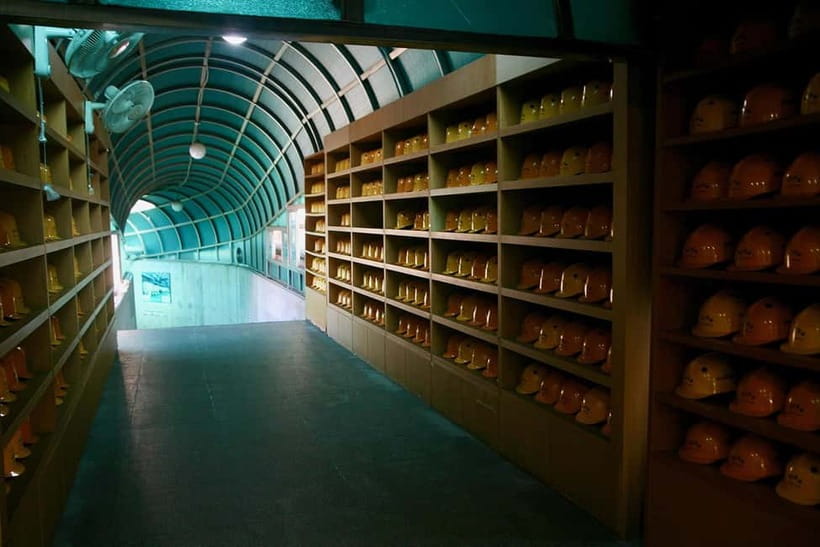
This is the portion most people remember. The tour includes the Third Infiltration Tunnel visit, with about 40 minutes of guided time in that area. The walking itself takes extra effort, with a steep slope and a round trip that can take roughly 30 to 40 minutes on foot.
Here is the practical reality: you will likely feel this more than you expect, especially in summer humidity or if you are not used to steep stairs or uneven conditions. The tour notes that it can be challenging for children and the elderly, and you can also wait in front of the tunnel if you decide not to do the full walk that day.
If you want to do the tunnel, my advice is simple. Bring a calm pace, plan for slow steps, and don’t treat it like a casual photo stop. It is also a temperature shift kind of experience. One guide-led group effect is common here, you get cooler inside the tunnel compared to the outdoor air, which can be a relief after waiting outside.
Why this part is valuable: it is history you can physically experience. Instead of only reading about infiltration attempts under the DMZ, you are inside the passage and moving through it with the group. That does not replace learning, but it makes learning stick.
Dora Observatory: North Korea Views When Weather Is Friendly
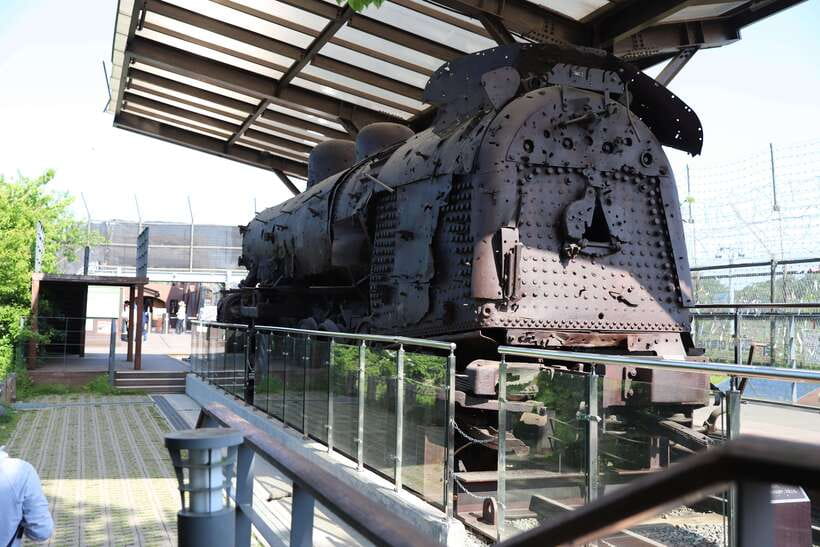
After the tunnel comes the climb to Dora Observatory on Mountain Dora. The guided visit here lasts about one hour, and in good weather you can see as far as North Korea without using the telescope.
That is a big deal for planning. The telescope can be helpful, but clear visibility without it depends on conditions, and Dora Observatory is exactly the kind of place where visibility can make or break your experience. If the day is hazy, you may still get meaningful views, but you might not get the full reach your eyes were hoping for.
The tour also includes a clear look at the DMZ area, a 2.4-mile (4 km) stretch divided since 1953. A view like this is unsettling in a quiet way. You see the distance, you hear the guide’s explanation, and you realize how much effort it takes to manage a border this close to daily life.
Unification Village: Souvenirs With a Peace Message
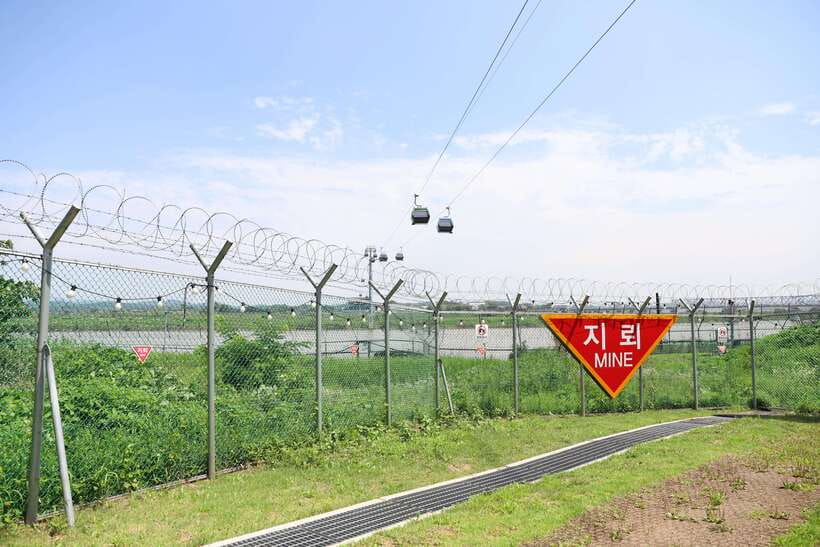
Next you stop at Unification Village, with about 30 minutes for browsing and a guided visit. This is where the tour shifts from history to everyday messaging. You can browse souvenirs and items themed around peace and reconciliation, and these often include goods from North Korea as well.
I like Unification Village for practical travel reasons. It is a straightforward place to buy small gifts and snacks before you head back to Seoul, and you can do it with the context of what you just saw. If you are the type who prefers buying something meaningful rather than random merch, this portion fits that mindset.
Do keep your time awareness here. 30 minutes is enough to browse and decide, but not enough for slow drifting. If you have a must-buy item, pick it earlier rather than later.
How the Japanese Guide Style Affects Your Day
This tour runs with a Japanese live guide, and the group experiences in the feedback are strongly about clarity. Guides like 홍유선, 윤, and 파ク were praised for explanations that are easy to follow and interesting from the start. One standout detail that matters for real life is that some guides make extra effort if you are not Korean or if the group includes people from different backgrounds. In one case, Korean conversation popped in when there was spare time, which can reduce the feeling of being totally stuck in another language.
So if you are not fluent in Japanese, do not panic. The big historical points are usually supported by what you see at each location, and a well-paced guide helps you follow the story without feeling lost.
Price and Value for a 7 to 8 Hour DMZ Briefing
At about $50 per person for a 7 to 8 hour day, this is one of the more budget-friendly ways to reach the DMZ from Seoul when compared with private tours. The value comes from what is included, not just the ticket price.
You get:
- entrance fees
- roundtrip shared transfer
- a licensed professional DMZ tour guide
- air-conditioned transportation (bus or minivan)
What is not included: food and drinks. That means you should plan to budget for a meal or snacks during the day. Also not included is travel insurance, and the visit to JSA (Joint Security Area/Panmunjom) is explicitly not part of this tour.
I think the big reason people feel satisfied is the structure. You get multiple stops that cover different aspects of the divide, and you do it with a guide. That is a lot to pack into one day, and the included transport saves you from the stress of assembling multiple transit parts on your own.
Who Should Book This Tour, and Who Should Skip
This is a strong fit if you want a guided, high-meaning day with real places rather than a quick drive-by. It is also a good fit if you can handle one physically demanding segment, the tunnel walk, and you are okay with a controlled, military-influenced environment.
You should consider skipping if:
- you have heart problems
- you are a wheelchair user
- you cannot comfortably walk steep slopes or manage a 30 to 40 minute round trip on foot in the tunnel area
Also, follow the rules. Intoxication is not allowed, smoking in the vehicle is not allowed, and alcohol and drugs are not allowed. Unaccompanied minors are not permitted. The tour is strict for a reason, and your experience will go better if everyone stays cooperative.
Should You Book This DMZ Tour?
If you want the most direct path from Seoul to the major DMZ landmarks, and you prefer a guide-led storyline, I would book it. The price is reasonable for a full-day guided itinerary with entrance fees and roundtrip shared transport.
I would only hesitate if you cannot do steep walking, or if you are traveling with someone who needs wheelchair access. Also, if you are sensitive to schedule changes, remember that DMZ operations depend on the military and government rules, and the itinerary can be adjusted without a refund.
FAQ
How long is the DMZ tour from Seoul?
The tour runs about 7 to 8 hours, depending on the schedule and conditions on the day.
What is included in the price?
The price includes entrance fees, a roundtrip shared transfer, a licensed professional DMZ tour guide, and transportation by air-conditioned bus or minivan.
Where do you get dropped off at the end?
Your finish is a drop-off at either Myeongdong or City Hall Station, depending on your preference.
Is the Joint Security Area (JSA) or Panmunjom included?
No. A visit to JSA (Joint Security Area/Panmunjom) is not included on this tour.
Do I need a passport?
Yes. You must bring a passport.
Is the tour suitable for wheelchair users or people with heart problems?
No. The tour is not suitable for wheelchair users, and it is also not suitable for people with heart problems.
Recently reviewed in Seoul
- Korean Folk Village & Suwon Hwaseong Fortress Private Tour★ 5.0 · 3 reviews
- Seoul City Private Tour (Optional layover)★ 5.0 · 3 reviews
- 5D4N Korea Cultural Heritage immersion Private Tour★ 5.0 · 3 reviews
- War Memorial, Jogyesa Temple & Tapgol Park Tour in Seoul★ 4.5 · 3 reviews
- Private Tour : Royal Palace & Traditional Villages wearing Hanbok★ 5.0 · 3 reviews
- Full Day Private Seoul Tour for foodies★ 5.0 · 3 reviews
- Nami Island & Nearby Attractions : Charter Van Tour With Driver★ 4.0 · 3 reviews
- K-Pop Tour★ 3.5 · 3 reviews
DMZ Tours, compared.
Best DMZ Tour Korea from Seoul (Red Suspension Bridge Optional)
Read our review →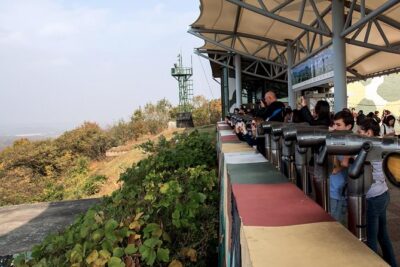
DMZ Tour: 3rd Tunnel, Option(Suspension Bridge, Boat) from Seoul
Read our review →
DMZ, 3rd Tunnel and Optional Suspension Bridge Tour
Read our review →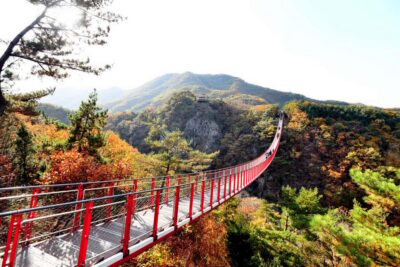
The Best DMZ Tour with Optional Suspension Bridge
Read our review →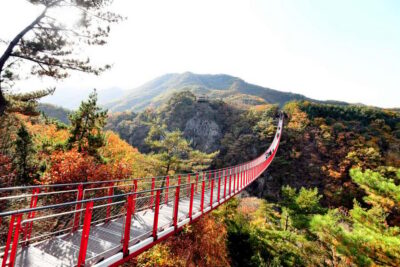
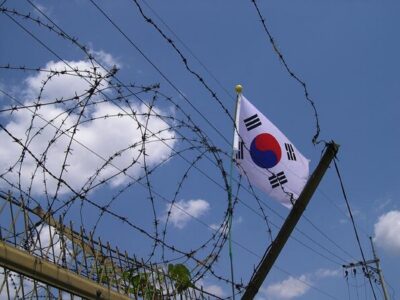
Thrilling Korean DMZ 3rd Tunnel Tour from Seoul + Red Bridge Rush
Read our review →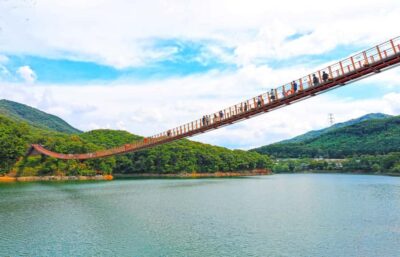
DMZ Tour & Suspension Bridge (Option English/Spanish)
Read our review →
DMZ Past and Present: Korean Demilitarized Zone Tour from Seoul
Read our review →Browse the lists this tour appears in