
Reviewed · DMZ TOURS
Seoul: DMZ Tour & North Korean Defector Meet Up (As Add-on)
Seeing the DMZ in person is one of those experiences that hits harder than photos. You go from normal Seoul life to a real, tense border zone, and you get the background to understand why it still matters. I especially like the way the day is guided by people such as Yoon, who keep the story clear and human, not just political. Two standout moments for me are the Third Infiltration Tunnel and being able to look toward North Korea from Dora Observatory.
The possible drawback is simple: the subject matter is heavy. It’s also a tightly controlled military area, so part of the plan can be affected, like Dorasan Station being temporarily closed by the military.
You’ll ride out on air-conditioned transport and spend a long half-day moving between key sites. If you pick the add-on, you also have the chance to meet a real North Korean defector at the North Korea Experience Hall at Imjingak Park, which recently opened on April 22, 2025. Just make sure you bring your passport, since all guests must have it.
Key Things to Know Before You Go
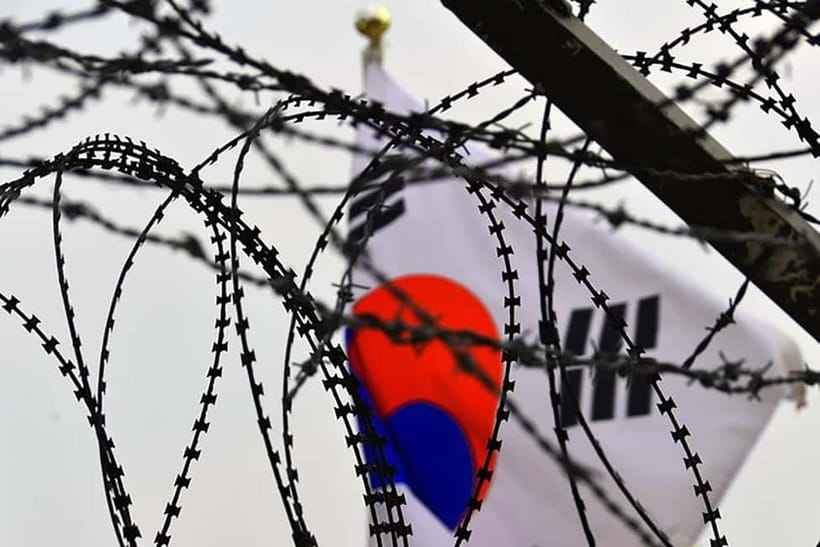
- DMZ access with guided stops at multiple checkpoints and memorial sites, not just one quick photo stop
- Third Infiltration Tunnel includes an actual descent, and the UN context is explained for you
- Dora Observatory views across the border, plus a guided build-up so it makes sense when you’re standing there
- Imjingak Park and Freedom Bridge connect the Korean War to the present in a very direct way
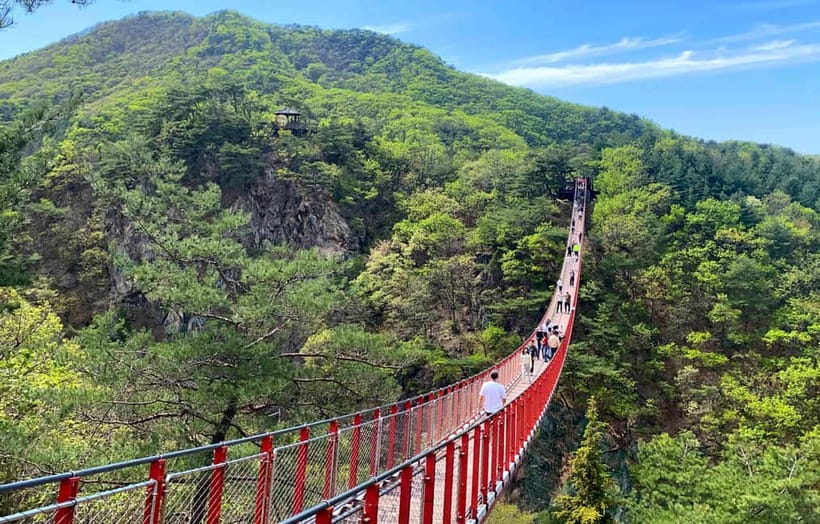
- Suspension bridge is optional, but your time slot matters
- Add-on defector meet-up is tied to the recently opened North Korea Experience Hall
A Day That Actually Lands You at the Border
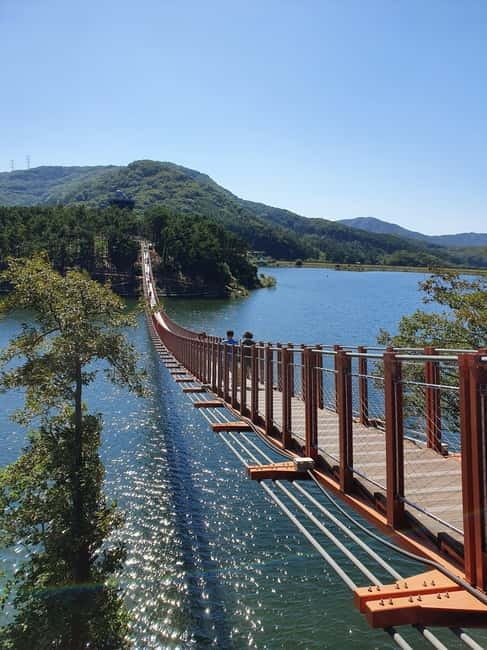
This DMZ tour from Seoul isn’t about checking a box. It’s about standing in the place where the Korean War never really ended the way most wars do, and where the world still watches for change. The contrast is startling. One minute you’re dealing with buses and crowds in Seoul. The next, you’re in a controlled zone where history feels close enough to touch.
What I like most is that the route is built to move from memorial to military history to present-day tension. The tour doesn’t throw you into the hardest parts without context. You start at Imjingak Park, which sits close to the line, then you work your way toward the tunnel and the observatory. That pacing makes the emotional weight easier to process.
You’ll also feel how much the tour depends on on-the-ground rules. This area is under military control, so plans like visiting Dorasan Station can be affected. The good news is the tour stays focused on what you can do and see within those constraints.
More DMZ tours from Seoul:
- Best DMZ Tour Korea from Seoul (Red Suspension Bridge Optional)
★ 5.0 · 41,422 reviews - DMZ Tour: 3rd Tunnel, Option(Suspension Bridge, Boat) from Seoul
★ 5.0 · 21,373 reviews - DMZ tour south Korea from Seoul (NK experience hall, defector)
★ 5.0 · 20,599 reviews
Getting From Seoul to the DMZ: Timing and Comfort
You’ll typically get pickup options depending on what you choose, including hotel pickup in Seoul (especially relevant if you book a private option). Then you settle in for about an hour on the bus/coach heading toward the DMZ area.
That transport time matters more than you might think. It gives your guide room to set expectations for what you’ll see, and it helps you mentally shift from city mode to border mode before you arrive. In a setting like this, the first 10 minutes can make or break how you experience the whole day.
The tour duration runs about 7 to 8.5 hours depending on the schedule. You’ll be moving between stops with guided time included, plus breaks along the way. It’s long, but it’s not rushed in the way some half-day tours feel. You should still plan it like a full day activity, since you’re likely to be tired afterward.
Imjingak Park: Where the War Story Starts
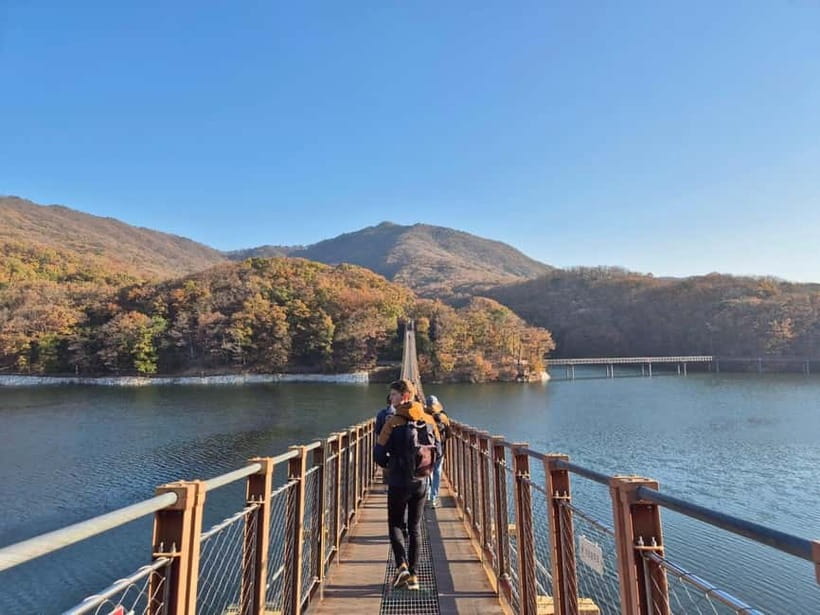
Your first major stop is Imjingak Park, which is about 7 km from the Demarcation Line. That distance is the whole point. You’re not just reading about conflict. You’re standing in the area that was shaped by it.
At Imjingak, you’ll visit an observatory, monuments, and the Freedom Bridge. The Freedom Bridge part is especially meaningful because it was used to transport 13,000 prisoners home after the war. That specific detail turns the bridge from a generic landmark into a moment with weight.
I like that this stop gives you something beyond military facts. You get the sense that the border is not only a geopolitical line, it’s also a human one. The park’s memorial tone helps you understand why the DMZ isn’t treated like a normal tourist attraction.
If you’re the type who needs a minute to absorb serious history, this is a good place to slow down before you go into the more technical, intense sites later.
Mangbaedan and the In-Between Moments
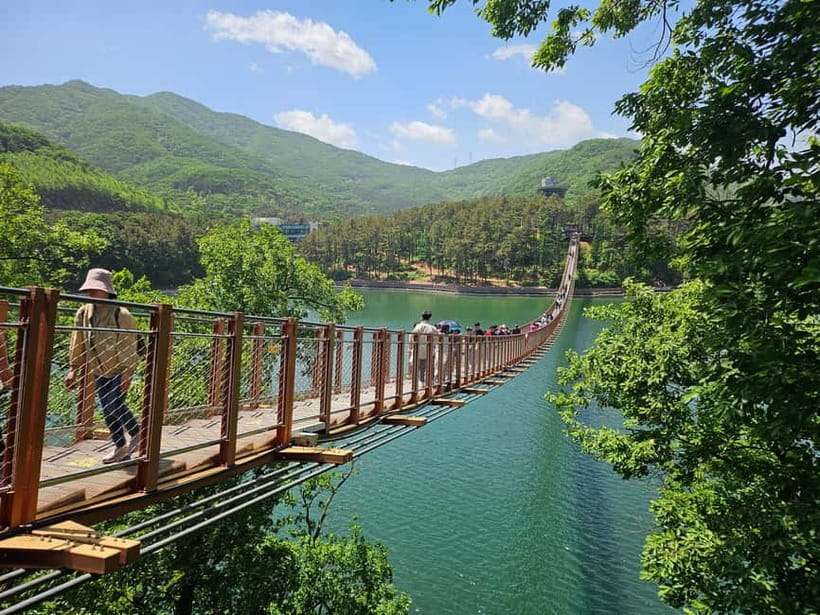
After Imjingak, you’ll continue through additional guided time at Mangbaedan. This is one of those stops that helps connect themes. It sits in the middle of the day’s structure, so it’s not just a filler between major attractions.
In practice, these smaller guided segments matter. They keep you from getting lost in “big sights” and missing the storyline. The best DMZ tours use every stop to add another layer, and this one does that with the flow of the day.
If you’re sensitive to the tone of the sites, go easy on yourself here. The day already carries emotions, and you’ll likely want a calm moment now and then, especially as you head toward the tunnel.
A few more Seoul days side by side
- Seoul: The Best DMZ Tour with Optional Suspension Bridge
★ 4.7 · 4,978 reviews - Signature DMZ Tour: Exclusive Defector Talk & Suspension Bridge
★ 5.0 · 4,459 reviews - Thrilling Korean DMZ 3rd Tunnel Tour from Seoul + Red Bridge Rush
★ 5.0 · 3,097 reviews - Seoul: DMZ Tour & Suspension Bridge (Option English/Spanish)
★ 4.9 · 2,628 reviews
Freedom Bridge: A Short Stop With a Big Context
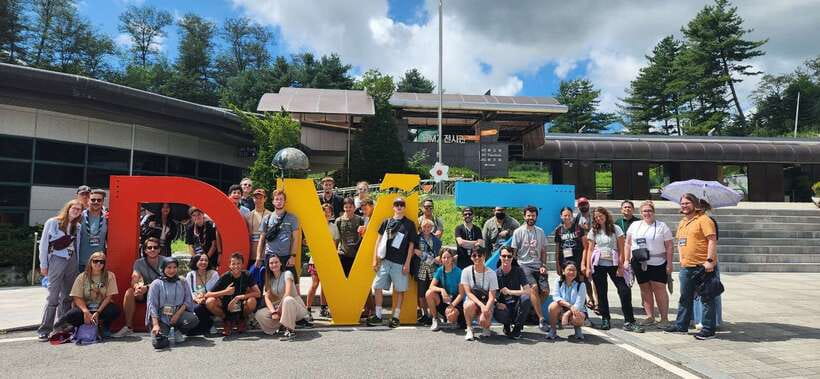
The Freedom Bridge is scheduled for about 30 minutes with guided time. That’s short enough that it won’t drag, but long enough for you to actually hear the significance and look at the area.
When a guide gives you the why behind the bridge, it changes what you see. The bridge becomes a symbol of movement, loss, and return. It’s not just a structure near the border. It’s part of the post-war story that still shapes how this region talks about reunification and separation.
For me, this is where the tour starts to feel like more than sightseeing. It’s where the day reminds you that the DMZ is tied to families, not only governments.
Third Infiltration Tunnel: What Real Material Looks Like
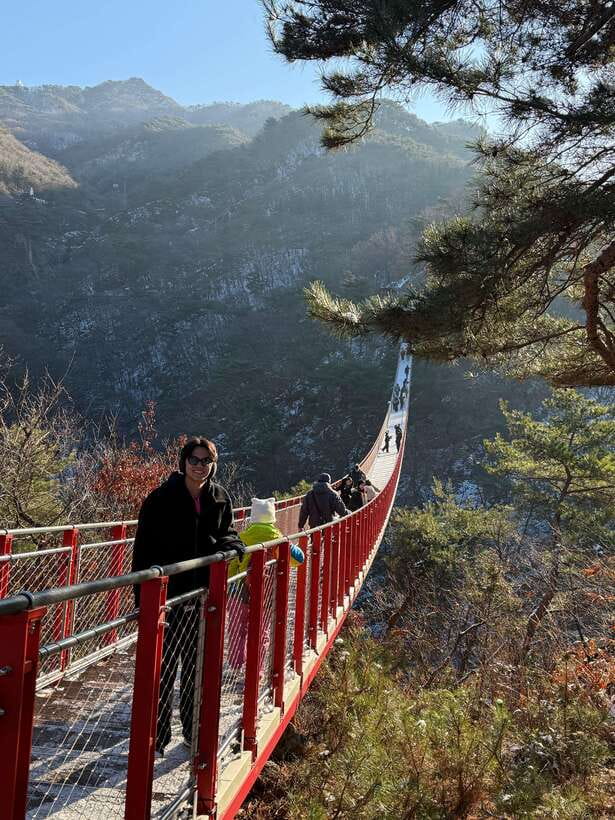
Then comes the highlight for many people: the Third Infiltration Tunnel of Aggression. It was discovered in 1978, and it was an incomplete tunnel that North Korea dug into the South. The tour also explains that it was denounced by the UN.
What makes this stop powerful is the physical reality of it. You don’t just look at a model. You descend, which means you experience the tunnel as a space, not a diagram. Even without any extra drama, that change in level and direction makes the intent feel more concrete.
This is also where your guide’s explanations really matter. Without context, a tunnel can feel like a technical curiosity. With context, it becomes evidence of long-term planning and threat perception. You’ll likely find yourself asking questions like how close this got, what it meant, and why it still shapes the border today.
If you’re claustrophobic, take that seriously before choosing a tunnel-focused tour. The data you have confirms a descent into the tunnel, so it’s not just “look from above.” You should also wear comfortable shoes and plan for a controlled setting.
Dora Observatory and Unification Village: Seeing North Korea, Then Stepping Back
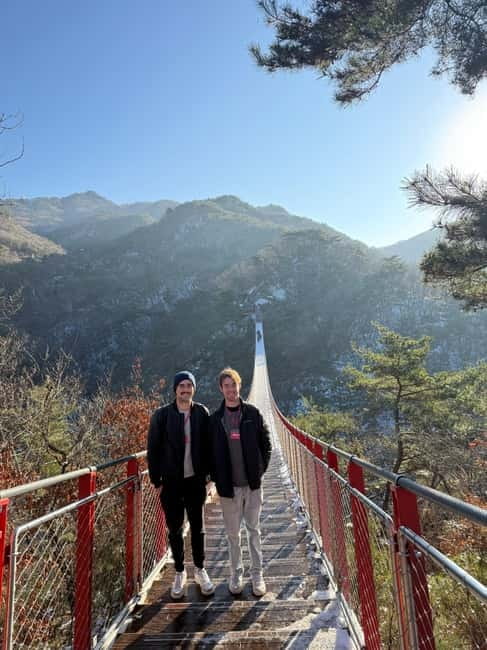
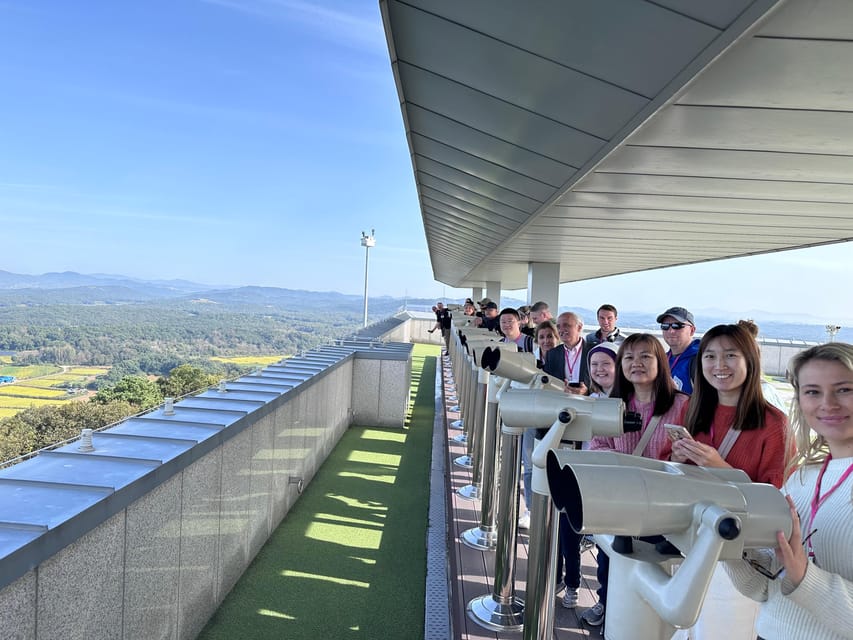
After the tunnel, you’ll head to Dora Observatory, where you can see into North Korea. You’ll get about an hour here with guided time. That hour is important. It gives you time to look, then understand what you’re looking at, and how the site has been interpreted over time.
This is one of those moments where people either get overwhelmed or they get curious. The guide helps you land in the sweet spot. You’ll also visit Unification Village for a 15-minute break, which gives you a breather between intense, emotionally heavy sights.
I like ending the day with something that balances “what we fear” with “what we hope.” Dora Observatory lets you experience the reality of separation. Unification Village is a chance to step back and think about what reunification would mean, even if it’s still only a possibility.
One important note: Dorasan Station is described as the last station before the DMZ and a symbol of reunification, but it is temporarily closed by the military. So you should not plan your mindset around getting there. Your guide will keep you moving with what is possible.
Optional Suspension Bridge: Only If the Timing Works
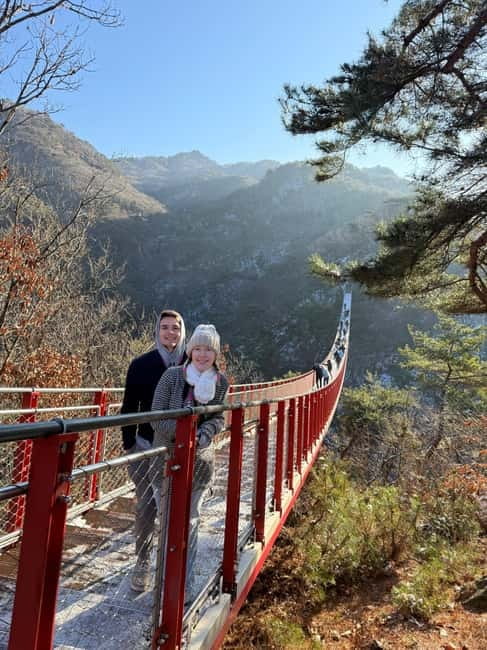
There’s an optional add-on in the day: visiting the suspension bridge. If you want it, you should know one key constraint: only the earlier time tour is available for this option.
That means you have to decide early. If you’re already selecting a departure time, this is the moment to check whether that time slot supports the bridge. If you miss it, you’re not losing the core experience. You’ll still hit Imjingak, the tunnel, and Dora Observatory as the main backbone of the tour.
If you do go, the suspension bridge is described as offering beautiful views. In a DMZ day, that kind of viewpoint break helps. It gives your brain a different kind of image to store, something more visual and open compared to the tunnel.
Add-On Upgrade: Meeting a North Korean Defector at Imjingak
If you add the North Korean Defector Meet-up and North Korea Experience Hall, you get a different layer. This add-on connects the DMZ to first-hand experience.
Here’s the specific detail that matters: the North Korea Experience Hall opened on April 22, 2025 at Imjingak Park. In this hall, you can meet a real North Korean defector and learn more about North Korea. The data also states this experience is exclusive and only available with the Seoul City Tour add-on package.
In real terms, this part can be the most memorable. It’s not just historical information from guides or exhibits. It’s personal. It can also be emotionally intense, so I’d suggest you go in ready to listen and avoid treating it like a quick Q and A moment. Think of it as a chance to understand how ordinary life changes under a closed system.
I also want to mention how the tour’s guides are often praised for handling this kind of topic carefully, including structured Q and A. People describe the session as a true experience rather than a scripted performance.
Price and Value: Is $36 a Good Deal?
The base price is $36 per person, with hotel pickup available depending on options. At that price, you’re paying for several valuable things together: guided time, air-conditioned transportation, and admission fees for the DMZ. Food and drinks are not included, so you’ll want to budget for that separately.
Is $36 worth it? For most people doing a DMZ day from Seoul, yes, because the costs add up fast if you try to DIY it. You’re also getting a structured route across multiple sites, not just one stop. The guide’s role is huge here. Without interpretation, you can walk through memorials and tunnels and only catch surface meaning.
That said, this is not a “cheap thrill” day. It’s a serious, controlled experience. If you want light entertainment, look elsewhere. If you want a guided, information-rich border day that makes the history click, the value is strong.
If you add the defector meet-up add-on, your total cost will rise, but so does the human impact of the experience.
Who Should Book This DMZ Tour
This tour is a strong fit if you:
- want a guided DMZ day from Seoul rather than a self-guided mission
- care about understanding the Korean War legacy through real border infrastructure
- like structured pacing, with time at Imjingak, then tunnel, then Dora Observatory
- appreciate expert explanations from guides who keep the tone clear and respectful
It may be a poor fit if you:
- get anxious in tight, controlled, security-heavy environments
- have concerns about descending into an actual tunnel
- want a very casual, low-emotion day
Also, bring patience. The day can feel structured and rule-bound because it is. That’s part of why it feels real.
Should You Book This DMZ Tour?
I’d book it if you’re coming to Seoul specifically to understand Korea’s most charged chapter. The combination of Imjingak Park, Freedom Bridge, Third Infiltration Tunnel, and Dora Observatory gives you a complete story arc in one long day. Add in a guide who can explain what you see in plain terms, and you’ll leave with more understanding than you arrived with.
If the defector add-on appeals to you, it’s worth serious consideration. The North Korea Experience Hall is new, and meeting a real defector is exactly the kind of moment that changes how you think about a border.
Just keep expectations grounded: Dorasan Station can be closed, the suspension bridge depends on which time you take, and the subject matter is emotionally heavy. If you can handle that, this is one of the most meaningful day trips you can do from Seoul.
FAQ
What is the duration of the DMZ tour?
The tour duration is listed as 7 to 8.5 hours, depending on the starting time.
How much does it cost?
The price is listed as $36 per person.
What stops are included during the day?
The tour includes guided visits at Imjingak Park, Mangbaedan, Freedom Bridge, Third Infiltration Tunnel, Dora Observatory, plus a short break at Unification Village.
Is the suspension bridge included?
The suspension bridge is optional. It is only available for the earlier time tour.
Is Dorasan Station part of the visit?
Dorasan Station is described as symbolic of reunification, but it is temporarily closed by the military.
What is the add-on experience about?
The add-on includes the North Korean Defector Meet-up and North Korea Experience Hall at Imjingak Park. The Experience Hall opened on April 22, 2025, and you can meet a real North Korean defector there.
What do I need to bring?
You must bring a passport. A military ID or ARC is also acceptable as listed.
What languages are available for the live guide?
The live tour guide is available in English, Chinese, and Japanese.
What’s included in the price?
Included items are air-conditioned transportation, a guide, and admission fees (DMZ). Hotel pickup is included if you select the private option.
What’s not included?
Not included items are food and drinks, travel insurance, and hotel drop-off. The tour ends back at the meeting point, with drop-off at Seoul City Hall listed as an option.
Recently reviewed in Seoul
- Korean Folk Village & Suwon Hwaseong Fortress Private Tour★ 5.0 · 3 reviews
- Seoul City Private Tour (Optional layover)★ 5.0 · 3 reviews
- 5D4N Korea Cultural Heritage immersion Private Tour★ 5.0 · 3 reviews
- War Memorial, Jogyesa Temple & Tapgol Park Tour in Seoul★ 4.5 · 3 reviews
- Private Tour : Royal Palace & Traditional Villages wearing Hanbok★ 5.0 · 3 reviews
- Full Day Private Seoul Tour for foodies★ 5.0 · 3 reviews
- K-Pop Tour★ 3.5 · 3 reviews
- 3D Private Seoul Highlight tours with DMZ & Korean Folk Village★ 5.0 · 3 reviews
DMZ Tours, compared.
Best DMZ Tour Korea from Seoul (Red Suspension Bridge Optional)
Read our review →
DMZ Tour: 3rd Tunnel, Option(Suspension Bridge, Boat) from Seoul
Read our review →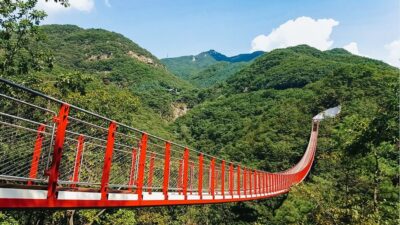
DMZ, 3rd Tunnel and Optional Suspension Bridge Tour
Read our review →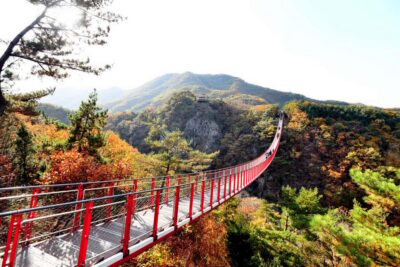
The Best DMZ Tour with Optional Suspension Bridge
Read our review →
Thrilling Korean DMZ 3rd Tunnel Tour from Seoul + Red Bridge Rush
Read our review →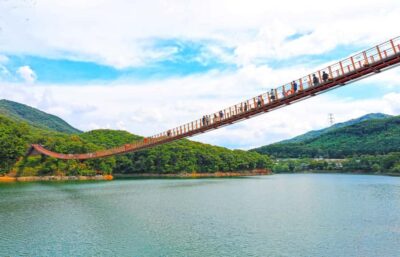
DMZ Tour & Suspension Bridge (Option English/Spanish)
Read our review →
DMZ Past and Present: Korean Demilitarized Zone Tour from Seoul
Read our review →Browse the lists this tour appears in