
Reviewed · PALACES
Seoul: 4-Hour Guided Tour to Palace, Bukchon, Jogyesa Temple
Seoul can feel like a maze at first, but this 4-hour guided loop gives you a clear theme: architecture as the story of the times. The guide frames palace design, courtyards, and traditional houses through Confucianism, so you start seeing patterns instead of just taking photos.
I love that the tour is not generic sightseeing. You spend real time at Gyeongbokgung, and the explanations connect the palace layout to Joseon Dynasty cultural ideas, which makes the buildings easier to read. I also love the guide style, Paul Koo, who keeps the pace engaging and even helps with smart picture stops and angles.
One possible drawback: the price covers the guide fee, but you will likely pay extra for palace admission (and any paid sites you choose, like N Seoul Tower if you add it), plus you handle transportation and food.
Key Highlights You Will Actually Feel
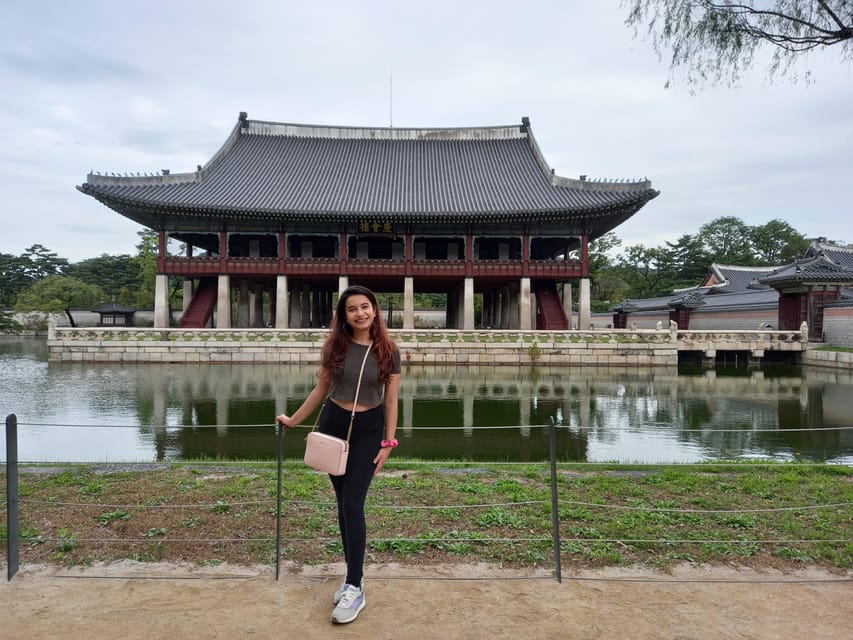
- Gyeongbokgung (1395) explained as Joseon Confucian design, not just a pretty palace
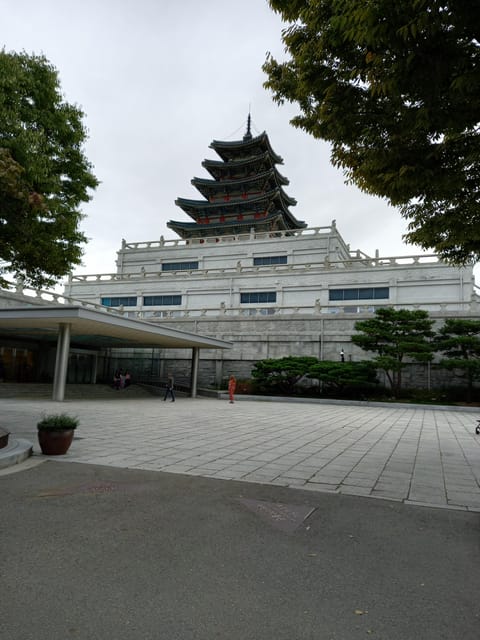
- Folk Museum of Korea turns everyday lives in Joseon into a walk-through story
- Bukchon Hanok Village delivers that old houses plus modern Seoul skyline view, with about 1,000 hanoks
- Jogyesa Temple is small but important, the headquarters of Korean Buddhism (built in 1926 in Insadong)
- Insadong time gives you context for where tradition still shows up in daily life
- Private, English live guide means you can ask questions and get practical photo guidance
Gyeongbokgung: Joseon’s Confucian design, explained in plain terms
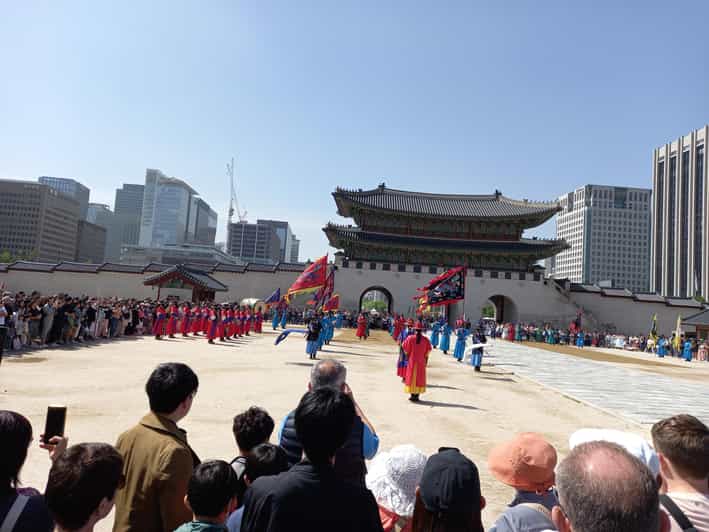
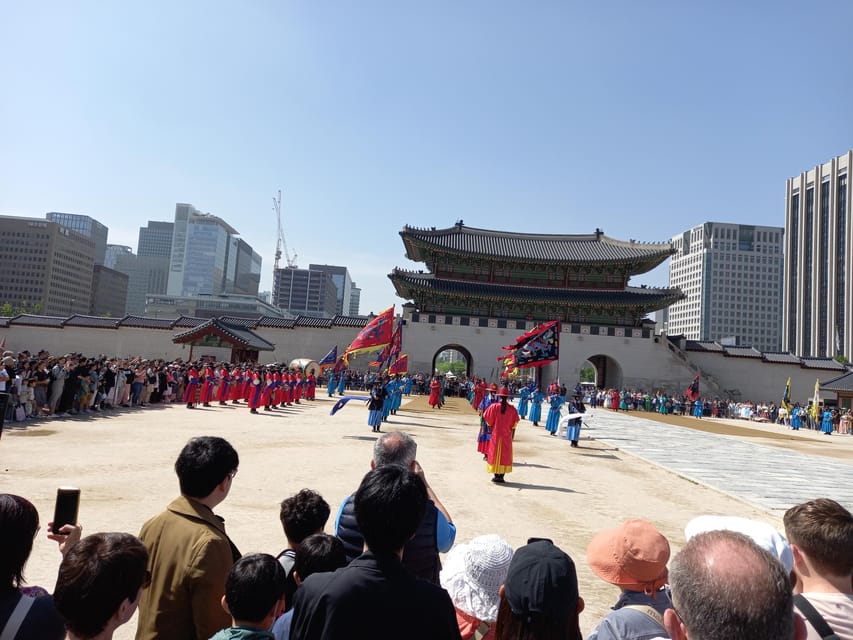
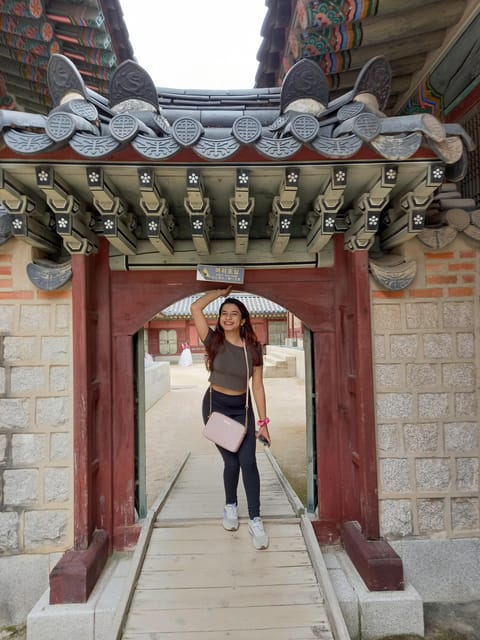
Gyeongbokgung is the heart of this tour for a reason. It is the grand palace of the Joseon Dynasty, built in 1395, and it is often described as the most striking expression of Joseon values in architecture. What changes everything here is how the guide teaches you how to look.
Instead of treating the palace like a checklist of buildings, Paul Koo explains the palace structure as a reflection of Confucianism, which was Joseon Korea’s guiding ideology. If you have ever looked at medieval European churches and thought, I know what it is, but I do not know why it matters, this is similar. Once the cultural “why” clicks, the same stones start making sense.
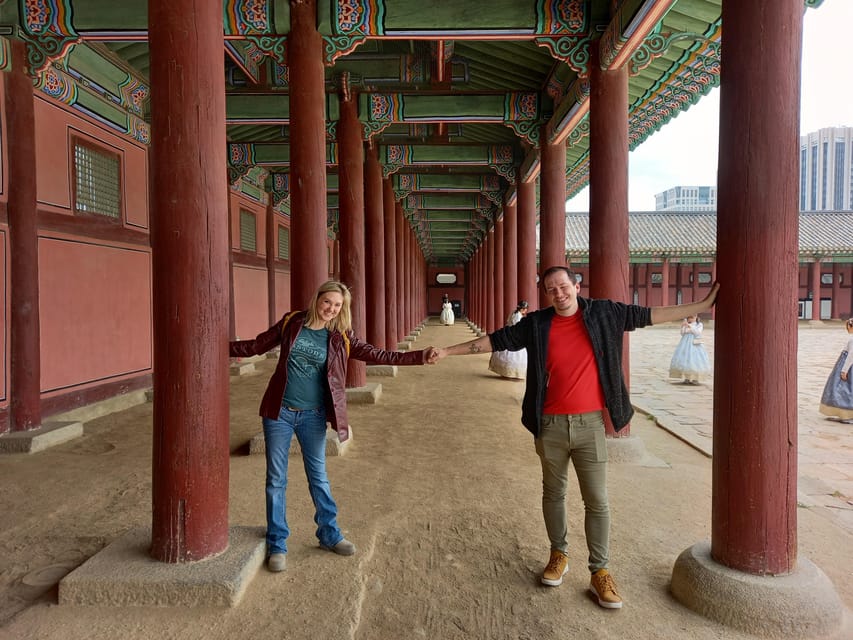
You will also appreciate the palace in a very practical way. The guide helps you notice layout choices, not just decorations. The palace is described as the largest and most magnificent Joseon palace, and it is noted for being the only palace built on flat land with an authentic Confucian palace structure. Those facts matter because they explain why the grounds feel different from what you may expect from palace imagery.
How to get the most out of your time: wear shoes you can walk in. A palace is not just one photo spot. You will want a slow look at the details, especially after the guide sets the cultural context. If you rush, you lose the meaning.
More Temple Visits in Seoul
- Seoul: Palace, Temple and Market Guided Foodie Tour at Night
★ 4.9 · 750 reviews - Seoul: Mt Seorak + Naksansa Temple or Nami Island Group Tour
★ 4.7 · 422 reviews - Best Things to Do – Half Day Seoul Trip (Seoul Palace & Temple)
★ 5.0 · 190 reviews
The National Folk Museum: everyday Joseon life, from birth to illness to death
Next up is the National Folk Museum of Korea, with a short guided visit (about 30 minutes). A lot of museums are either too academic or too vague. This one is designed to show how common people lived, and the guided angle helps you see it as a human story, not a history lecture.
The museum focuses on the life cycle in Joseon society, covering everything from birth and growth to marriage, aging, and even illness and treatment, all the way to death. It also covers seasonal activities and folk culture, plus ceremonial and commemorational rituals tied to key life moments.
You do not need a background in Korean tradition to benefit. The guide’s job is to connect those exhibits to what you just learned about the larger Joseon worldview from the palace. Confucian ideas were not only about court rules and ceremonies. They also shaped daily expectations, family roles, and rituals people followed through major life stages.
Possible drawback to plan around: because the museum time is short, you should decide ahead of time what you want to focus on. If you are the type who likes to read every label, you might feel compressed. If you are more into learning the big picture quickly, the timing is ideal.
Bukchon Hanok Village: old houses, modern skyline, and why that view matters
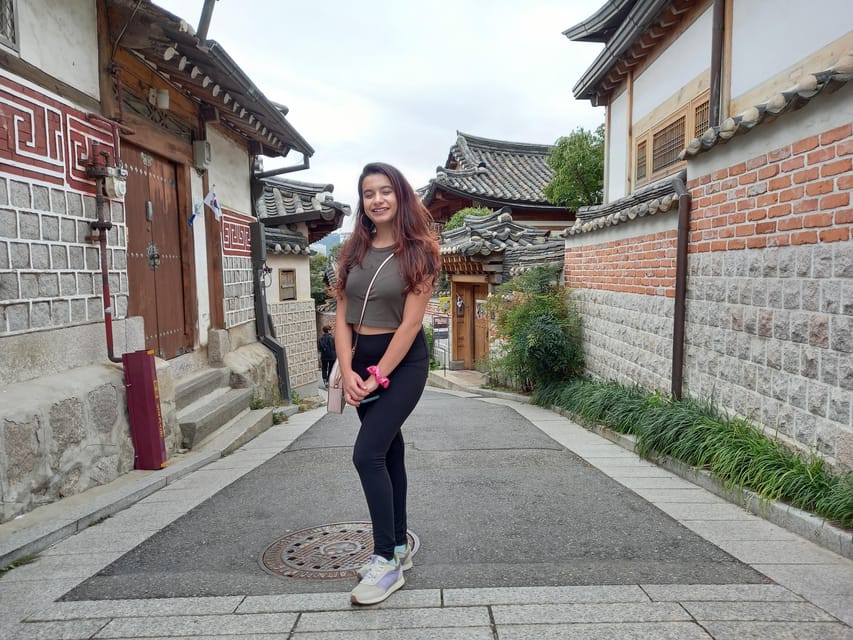
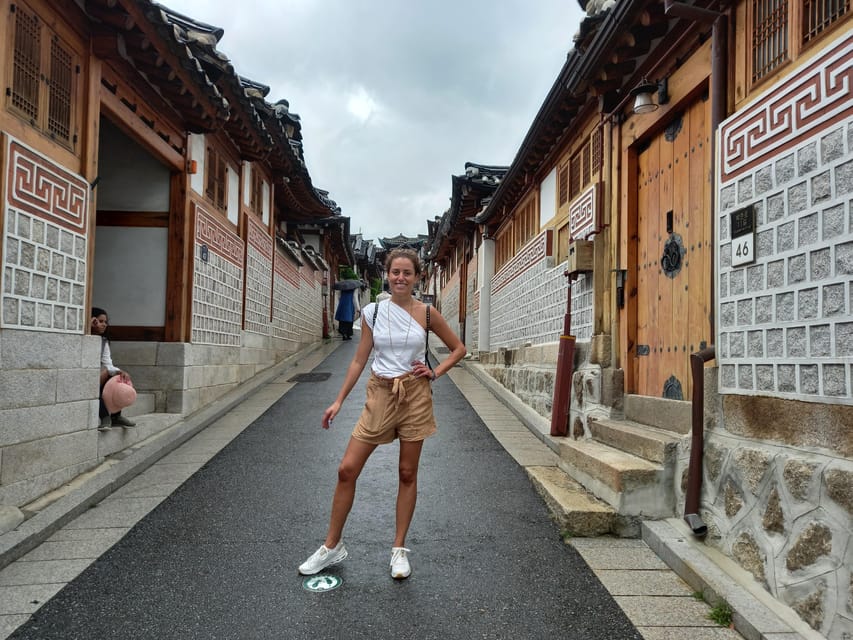
Then you get to Bukchon Hanok Village, a large cluster of traditional houses, with about 1,000 hanoks in the area. This stop is visually satisfying, but the value is more than the scenery.
The key idea here is the contrast. Bukchon shows a traditional neighborhood landscape while Seoul’s modern city elements sit nearby. You get the classic view blend, where hanoks and the surrounding skyline are in the same frame, with N Seoul Tower and skyscrapers appearing in the background.
That matters because it is easy to think traditional Seoul is frozen in time. Bukchon shows something else: tradition continues to exist inside a living city. The guide helps you read the neighborhood as an urban reality, not a museum set.
How to handle the walk: expect uneven footing in older neighborhood streets, and keep your pace steady. The guide’s photo help is useful here, because your best shots often depend on finding the right angle down a lane. Paul Koo is known for helping visitors get good picture spots, so you can spend time looking and not wasting time guessing.
Jogyesa Temple near Gyeongbokgung: small footprint, big religious role
This tour includes Jogyesa Temple, a Buddhist site that is described as small but significant because it is the headquarters of Korean Buddhism. It was built in 1926 in Insadong, and it sits adjacent to Gyeongbokgung, which makes it a natural add-on to the palace-centered day.
Jogyesa’s appeal fits the tour theme nicely. You are still in the middle of central Seoul, but the temple shifts your senses. Even if you are not a religious traveler, the place gives you a grounded look at how modern Korea practices Buddhism in a city core.
What you will likely notice: the contrast between the palace’s Confucian cultural atmosphere and the temple’s Buddhist presence nearby. The guide’s explanations help you see that these traditions are not isolated categories. They show up in real neighborhoods, with different rhythms and visual cues.
If you care about understanding religious context in a respectful way, this is one of the more satisfying stops. Paul Koo’s approach is to connect what you see to the bigger cultural story, including how people organize beliefs and daily life.
More of Bukchon Hanok Village:
- Seoul: Gyeongbok Palace, Bukchon Village, and Gwangjang Tour
★ 4.9 · 2,321 reviews - Seoul: Gyeongbok Palace, Bukchon Village, and Gwangjang Tour
★ 5.0 · 1,044 reviews - Seoul: Gyeongbok Palace and Bukchon Hanok Walking Tour
★ 4.8 · 157 reviews - Best Walking Tour to Gyeongbok Palace Bukchon Hanok Village
★ 5.0 · 138 reviews
Insadong time: letting the traditional feel sit between stops
You also get about 30 minutes in Insadong. This is not the longest stop, but it works as a transition zone. Insadong connects the palace area and the temple area in the wider sense, and it is tied to Jogyesa by location and history, since Jogyesa was built in Insadong.
Because the time is limited, treat Insadong like a short breather and context stop, not a shopping spree. In a half day like this, you can burn energy wandering without learning anything specific. With a guide, your best use of Insadong time is to orient yourself, absorb the traditional neighborhood atmosphere, and ask targeted questions about what you are seeing around you.
If you want shopping: plan to come back after the tour. During these 4 hours, your best value is learning and getting oriented, not trying to do everything.
How the 4-hour structure keeps the day from feeling chaotic
Four hours is a sweet spot for central Seoul. It is long enough to get real meaning from major stops, but short enough that you are not exhausted by the time you leave.
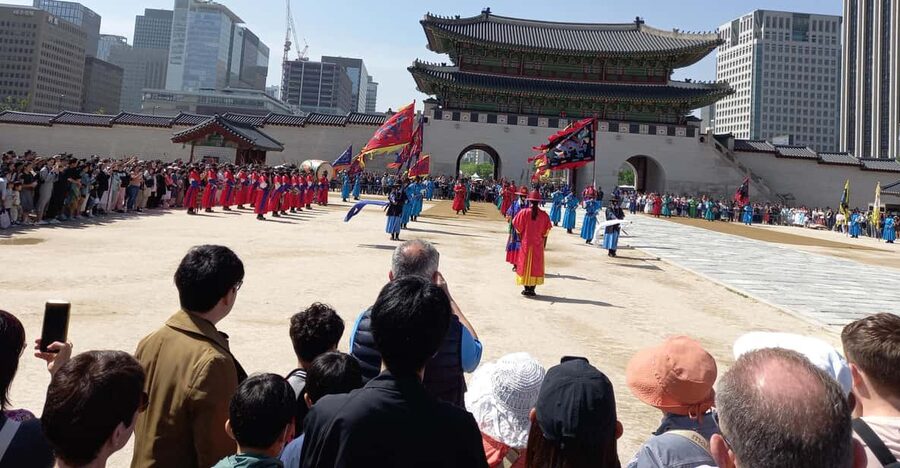
The flow is also smart. You start at Gwanghwamun Square, then spend the most time at Gyeongbokgung before moving into the smaller, more focused cultural stops like the museum and Bukchon. Then you finish with temple and Insadong area context. In other words, the “big theme” gets built first, and then you confirm it with smaller, story-driven sites.
Private group pacing helps too. This is listed as a private group, so you are not stuck watching a guide rush through a crowd. You can ask questions when something clicks, like why palaces are laid out the way they are, or how religious headquarters relate to neighborhood life.
A practical tip: if you are taking lots of photos, do it with intent. Use the guide’s help to find the right perspective, then pause and look up from the camera. The architecture is easier to appreciate once you slow down for ten seconds.
Price and value for a private 2-person group at $152
The price is $152 per group up to 2 for a 4-hour English live guided tour. The included item is the guide fee for 4 hours with guide information.
That structure changes how you should think about value. You are not paying for admission, and you are not paying for transportation or food. You are paying for a themed guide interpretation of multiple major stops in central Seoul, with enough time to actually make the cultural links.
Here is how I would judge if it is worth it for you:
- If you enjoy learning, a guide like Paul Koo who explains architecture through Confucianism can save you time and confusion. You get more meaning per hour, not just more sights.
- If you plan to visit multiple major sites in one day anyway, this private format can be a cost-effective way to avoid DIY walking stress and map headaches in the palace area and Bukchon.
- If you mainly want photos and do not care about cultural context, you might feel the guide portion is less useful since extra admissions still apply and you will be walking.
Also consider this: the tour includes picture help, including the ability to take photos without constantly stopping to figure out angles yourself. That can be a hidden value add, especially in tight alleys and palace courtyards where the best views are not always obvious.
Who this tour suits best
This is a great fit if you:
- Want to understand Joseon-era culture through Confucianism, not just see landmarks
- Prefer a guide who explains connections between architecture and cultural identity
- Like a focused half-day plan that stays centered around major sites
- Enjoy photographing but want help finding good spots, not only random snapshots
It may be less ideal if you:
- Want a very long list of stops across multiple neighborhoods, because this is intentionally focused
- Have zero interest in historical context and would rather self-guide quickly
- Expect every cost to be included, because palace admission and transportation are not included
Should you book this Seoul Palace and Culture tour?
I think you should book it if you want the fastest route to understanding the “why” behind central Seoul’s most famous traditional places. Gyeongbokgung is the anchor, and the rest of the day reinforces the theme: everyday life in the Joseon period at the Folk Museum, a real hanok neighborhood at Bukchon, and a major Buddhist presence nearby at Jogyesa Temple.
Before you book, be ready to pay extra for palace admissions and handle your own transportation and meals. Also pack walking stamina. If that fits your style, this private 4-hour experience with Paul Koo is a smart way to get meaning, good photos, and a clear sense of how Seoul’s old and new exist side by side.
FAQ
What is included in the tour price?
The price includes the guide fee for 4 hours with guide information. It does not include admission fees, transportation, or food and beverage.
How long is the tour?
The tour duration is 4 hours.
Where is the meeting point?
The meeting point is Gwanghwamun Square. After booking, you can choose the meeting place and time, and you may meet at your hotel.
Is the tour private and in English?
Yes. It is a private group tour with a live English guide.
Are palace admission fees included?
No. Admission fees for the palace are not included. The same is true for any N Seoul Tower admission.
Can I get a refund if I cancel?
Yes. You can cancel up to 24 hours in advance for a full refund.
More Palace Visits in Seoul
- Best Seoul City Tour (Gyeongbokgung Palace,Insadong,Namsan Tower)
★ 5.0 · 1,647 reviews - Small-Group Royal Palace and Seoul City Tour (hotel pick-up)
★ 5.0 · 1,474 reviews - Seoul City Sightseeing Tour Including Gyeongbokgung Palace, N Seoul Tower, and Namsangol Hanok Village
★ 5.0 · 1,423 reviews - Seoul Highlights: Gyeongbok Palace, Insadong & N Seoul Tower
★ 4.7 · 726 reviews
Recently reviewed in Seoul
- Seoul City Private Tour (Optional layover)★ 5.0 · 3 reviews
- Korean Folk Village & Suwon Hwaseong Fortress Private Tour★ 5.0 · 3 reviews
- 5D4N Korea Cultural Heritage immersion Private Tour★ 5.0 · 3 reviews
- War Memorial, Jogyesa Temple & Tapgol Park Tour in Seoul★ 4.5 · 3 reviews
- Full Day Private Seoul Tour for foodies★ 5.0 · 3 reviews
- Private Tour : Royal Palace & Traditional Villages wearing Hanbok★ 5.0 · 3 reviews
- Nami Island & Nearby Attractions : Charter Van Tour With Driver★ 4.0 · 3 reviews
- K-Pop Tour★ 3.5 · 3 reviews
Palaces, compared.
Gyeongbok Palace, Bukchon Village, and Gwangjang Tour
Read our review →
Best Seoul City Tour (Gyeongbokgung Palace,Insadong,Namsan Tower)
Read our review →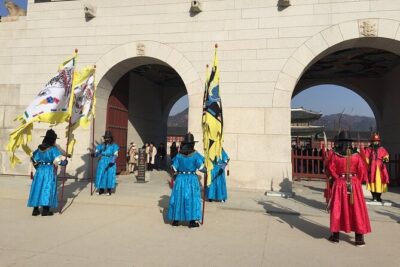
Small-Group Royal Palace and Seoul City Tour (hotel pick-up)
Read our review →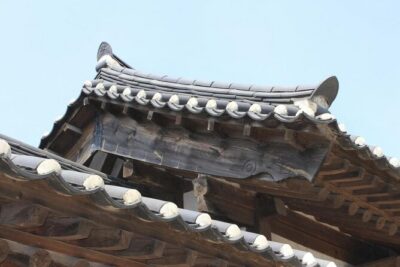
Seoul City Sightseeing Tour Including Gyeongbokgung Palace, N Seoul Tower, and Namsangol Hanok Village
Read our review →Gyeongbok Palace, Bukchon Village, and Gwangjang Tour
Read our review →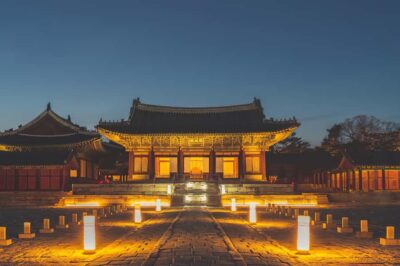
Palace, Temple and Market Guided Foodie Tour at Night
Read our review →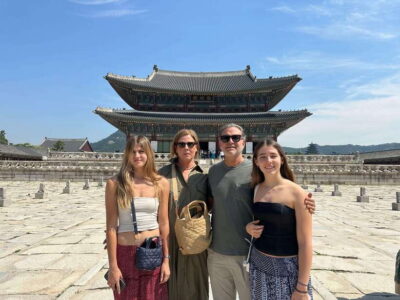
Seoul Highlights: Gyeongbok Palace, Insadong & N Seoul Tower
Read our review →
City Hightlights, Palace Tour, and Optional Hanbok
Read our review →Browse the lists this tour appears in