
Reviewed · DMZ TOURS
From Seoul: DMZ Tour with Optional Heroes Suspension Bridge
The DMZ tour from Seoul is interesting because it takes you to a place built for limits. You stand in a heavily controlled border zone and see how division, diplomacy, and history still shape daily life in Korea. Expect a mix of major sites and moments that feel oddly quiet, like your brain is catching up to what your eyes just saw.
I especially like the way this trip connects Cold War history to what’s happening right now. Two standouts for me are the walk at Freedom Bridge and the chance to enter the area tied to the 3rd Infiltration Tunnel. With a strong English guide, you also get a clearer picture of why places like Dora Observatory matter.
One drawback to plan around: DMZ access can change. Military controls can force the group to turn back suddenly, and in that case the tour continues as a DMZ Special Tour without refund.
Key highlights worth knowing
- Freedom Bridge walk with close-up views that make the border feel real.
- Imjingak Park stops including the Bell of Peace, Mangbaedan, and the Monument for Soldiers.
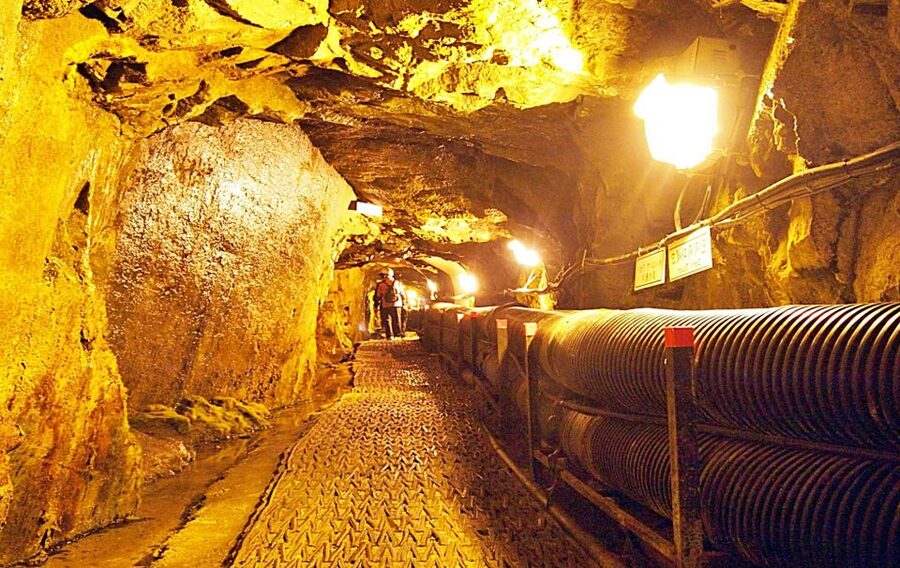
- Third Tunnel of Aggression / 3rd Infiltration Tunnel entry area for a very tangible sense of the conflict.
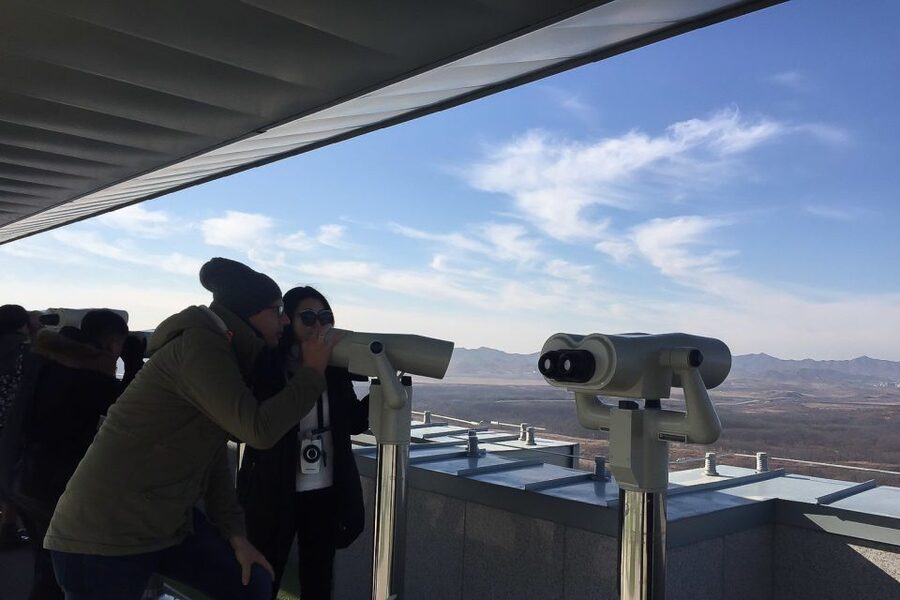
- Dora Observatory for a peek at North Korea propaganda imagery from the southern perspective.
- Dorasan Station is currently closed temporarily by the military, so don’t expect to go inside.
- Optional Gloucester Hill Memorial and Gamaksan Heroes Suspension Bridge if weather and security allow.
From Seoul to the DMZ, what the day actually feels like
This is a full, structured day trip from Seoul to Gyeonggi Province, with about an hour each way by bus or coach. The total time is listed as 7 to 9 hours, and starting times vary by availability, so check the schedule when you book. You’ll be moving through several controlled and designated stops, not just doing quick photos.
I think the best way to frame this tour is as education plus controlled access. You’re not just sightseeing. You’re visiting sites tied to the Korean War, the ongoing tension between North and South Korea, and the idea of peace that both sides keep circling back to.
Bring patience. Even with a smooth plan, the DMZ can be unpredictable. The tour notes that heavy rain, snow, or security controls can change what you see, especially if you’re going for the Suspension Bridge option.
More suspension bridge stops:
- Best DMZ Tour Korea from Seoul (Red Suspension Bridge Optional)
★ 5.0 · 41,422 reviews - DMZ Tour: 3rd Tunnel, Option(Suspension Bridge, Boat) from Seoul
★ 5.0 · 21,373 reviews - Seoul: The Best DMZ Tour with Optional Suspension Bridge
★ 4.7 · 4,978 reviews
Imjingak Park: where the emotion is in the details
Imjingak Park is where the trip shifts from distant geopolitics to human consequences. You get free time here, so you can slow down and take in the memorial feel at your own pace. It’s also one of the most natural places to start understanding why the DMZ isn’t only about borders.
You’ll see major markers at Imjingak, including the Bell of Peace, the Mangbaedan, and the Monument for Soldiers. These are the kinds of stops that work better when you read the guide’s explanations rather than trying to power through alone, because context turns a monument into a story.
A practical tip: wear shoes you can walk in for a while. This part is not a sprint, and the ground can be uneven depending on weather. Also, since the day is long, I recommend bringing water and planning your bathroom breaks around the fixed stop times, not between them.
Freedom Bridge and the moment you realize the border is not abstract
Next comes the Freedom Bridge, where you walk as part of your DMZ access route. For many people, this is where the whole experience stops feeling like a lecture and starts feeling like a place. The bridge itself is simple, but the surroundings make it emotionally heavy in a way that’s hard to replicate anywhere else.
The tour’s order also helps. Imjingak gives you the memorial framing, then the Freedom Bridge gives you the visual framing. Together, they help you understand the DMZ as a buffer zone with a human story, not just a map line.
If you care about photos, you’ll appreciate that this stop is designed for walking and looking. Still, keep your phone time reasonable. The best experience here comes from listening, because your guide’s narration is what ties the bridge to the bigger picture.
The DMZ visit: tunnel entry, exhibition context, and Dora’s view
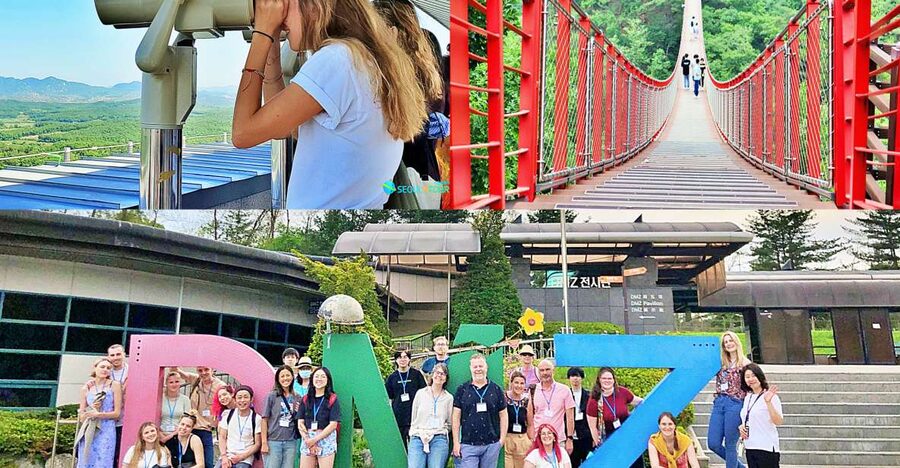
This is the heart of the day. Once you head into the DMZ, the tour is built around several “anchor” sites: the DMZ Exhibition Hall, the Third Tunnel of Aggression (described here as the 3rd Infiltration Tunnel), and the Dora Observatory.
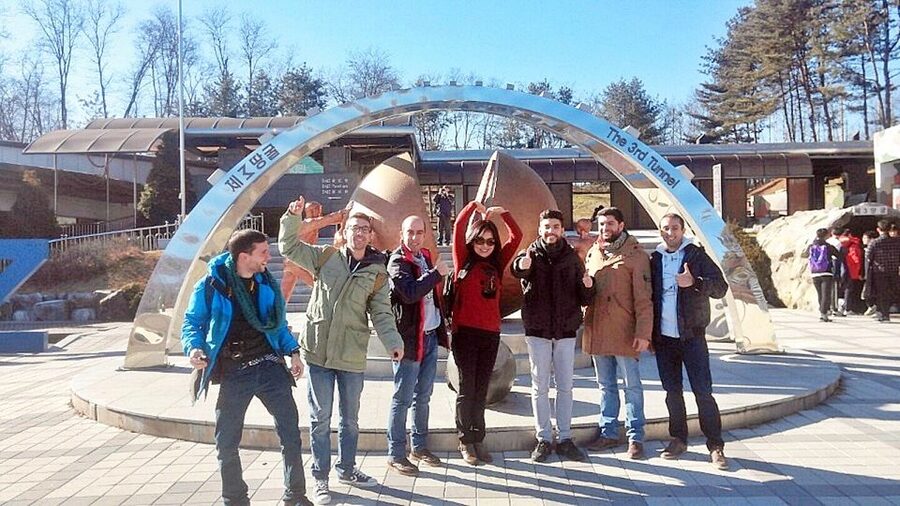
Let’s talk about the tunnel first. The ability to enter the area tied to the 3rd Infiltration Tunnel is a rare kind of access. It makes the conflict physical. You’re not just hearing numbers or dates, you’re standing where the strategy mattered, where engineering and fear met.
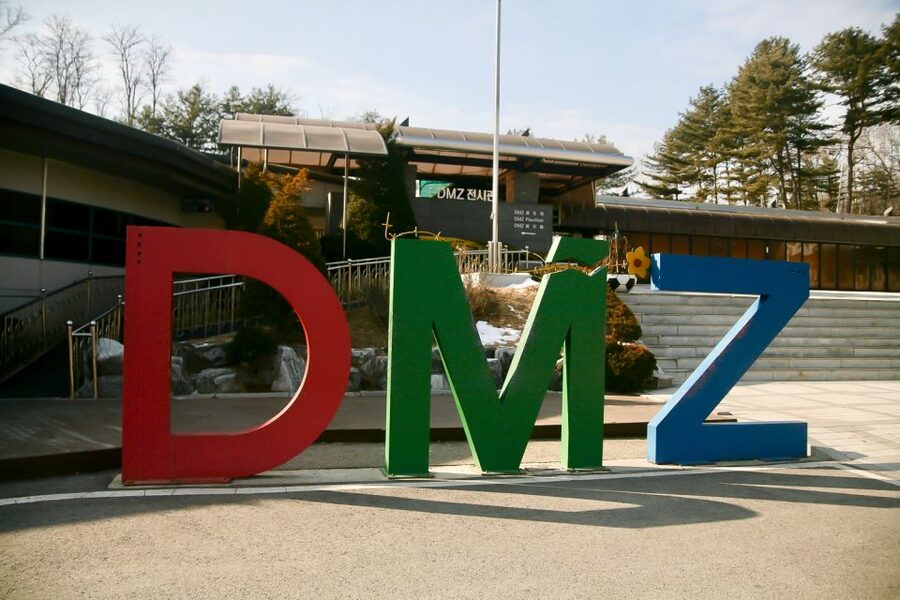
Then there’s the DMZ Exhibition Hall, which is valuable because it supports the tunnel visit. Without context, the tunnel could feel like a single dramatic stop. With context, it becomes part of a larger pattern of attempts to reach, monitor, and outmaneuver across the border.
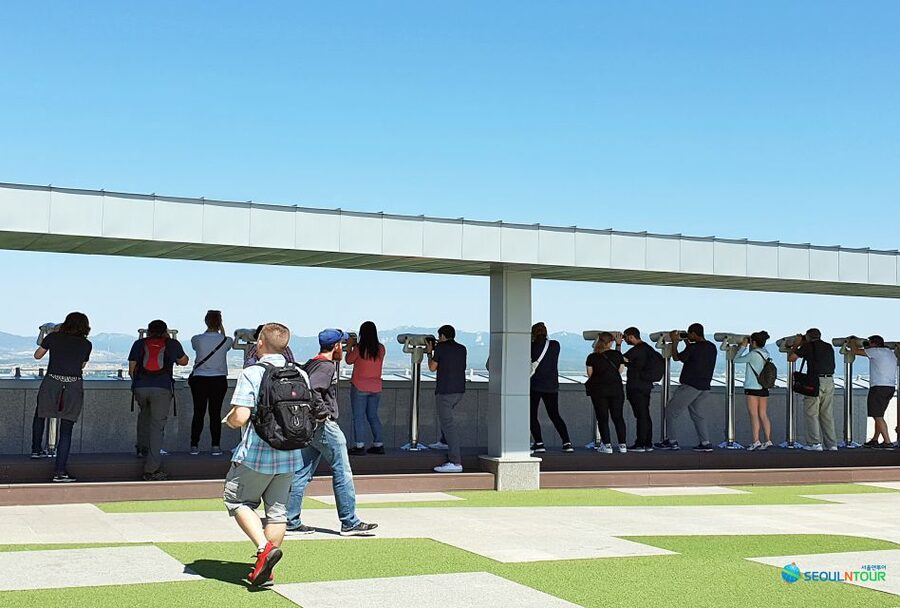
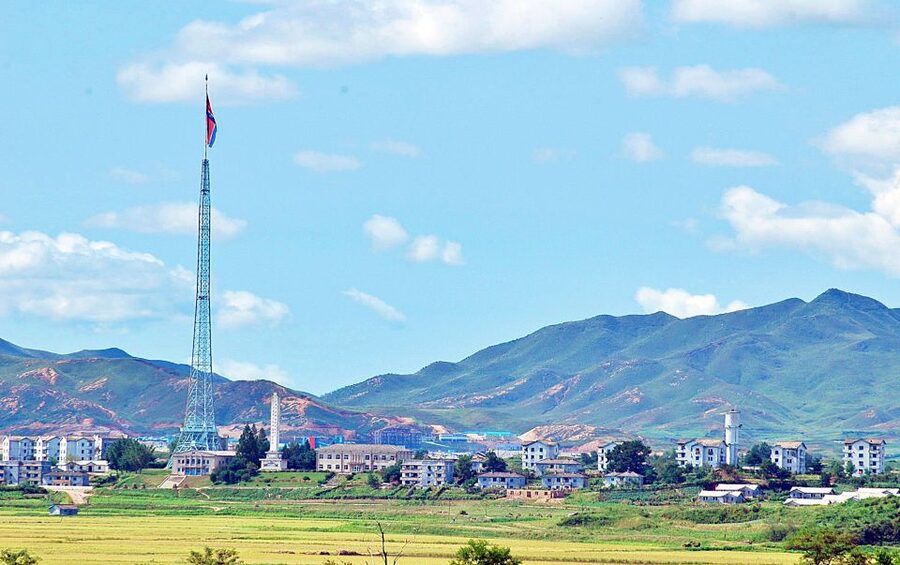
Finally, at Dora Observatory, you get a peek at North Korea’s propaganda village from the southern side. The tour notes this as something you can see through the observatory perspective, and this is one reason people leave with a more complete sense of “the other side” than they expected from a day trip.
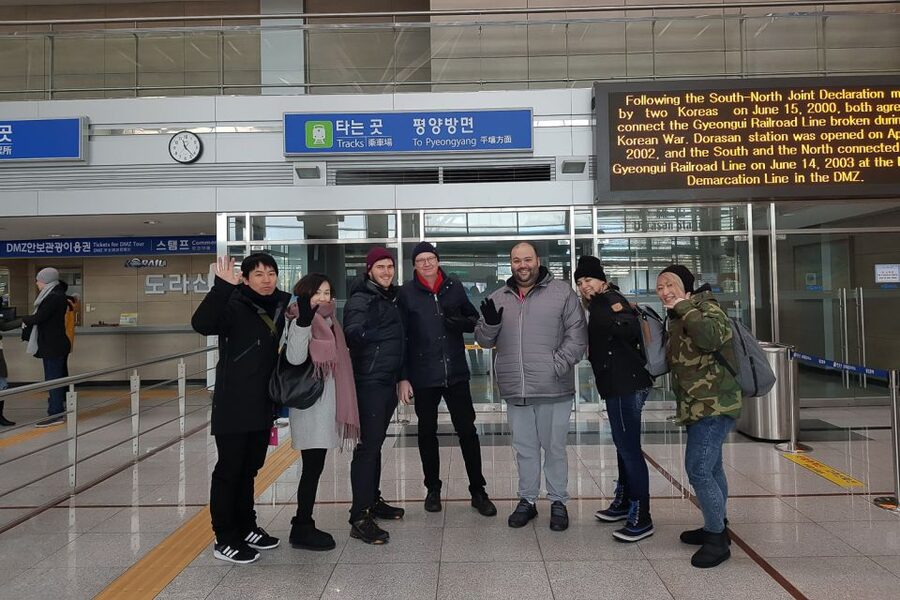
One more important note: Dorasan Station is closed temporarily by the military. The tour still may pass by, but you should not plan on boarding, entering, or treating it like a fully open stop.
More DMZ tours from Seoul:
- DMZ tour south Korea from Seoul (NK experience hall, defector)
★ 5.0 · 20,599 reviews - Signature DMZ Tour: Exclusive Defector Talk & Suspension Bridge
★ 5.0 · 4,459 reviews - Thrilling Korean DMZ 3rd Tunnel Tour from Seoul + Red Bridge Rush
★ 5.0 · 3,097 reviews - Seoul: DMZ Tour & Suspension Bridge (Option English/Spanish)
★ 4.9 · 2,628 reviews
Unification Village and Dorasan area: the look to the future, with real limits
On the way back toward Seoul, you pass by the Unification Village. It’s the kind of stop that can feel both symbolic and constrained, because the entire region carries that tension between hope and control.
This section of the day matters even if you’re not a political-history person. It’s a reminder that the DMZ is not frozen in time. It’s a living zone shaped by decisions, orders, and occasional shifts in tension.
What I like about including stops like Unification Village and the Dorasan area is that the day doesn’t end at the most intense sites. You get a final thread that ties back to the future, not just the past.
If you want your experience to feel coherent, treat these end-of-day passes as “meaning stops,” not “photo stops.” Let your guide explain why these places exist and what their purpose is in the larger system.
Optional Heroes Suspension Bridge: Gloucester Hill Memorial plus the bridge closest to the DMZ
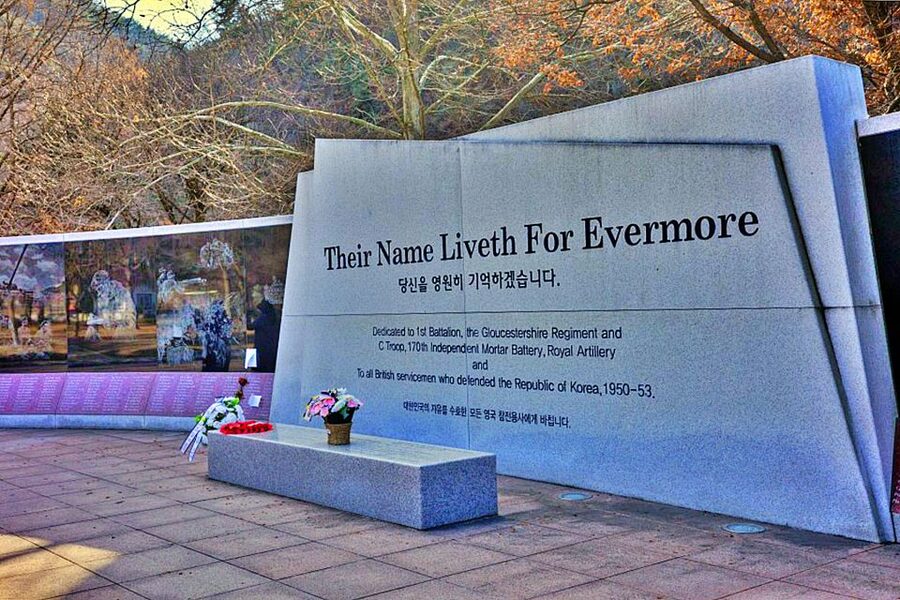
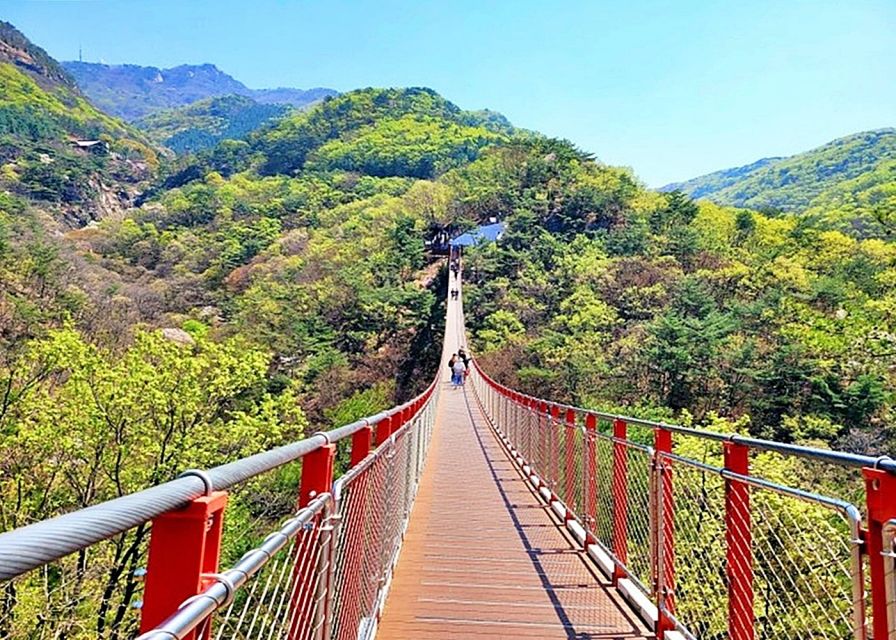
If you choose the full-day option with the Suspension Bridge, the trip adds two locations that change the tone of the day.
First is Gloucester Hill Memorial Park, described as a battlefield during the Korean War. This stop adds weight, because it reframes the earlier border tension in a more direct military landscape. Even when you already understand the war at a high level, seeing how the memorial connects to the area helps your brain put events into geography.
Then you get Gamaksan Heroes Suspension Bridge, noted as one of the longest suspension bridges in Korea and the nearest mountain to the DMZ. This is a very different feeling from the tunnel and observatory. Instead of watching history behind glass or through checkpoints, you’re walking on a big open structure where the air and views are immediate.
Weather matters here. The tour says the Suspension Bridge may be closed in case of heavy rain, snow, or security controls. If that happens, you’ll visit Odusan Unification Observatory or The War Memorial of Korea instead. That backup plan is worth taking seriously, because it affects what kind of day you end up having.
Practical shoe note: suspension bridges and memorial park paths can get slippery. Go for traction, not looks.
How to manage the schedule when DMZ access is under change
This tour runs on a tight route. There’s bus time out, time inside the DMZ, and bus time back, with fixed stops like Imjingak free time and the Freedom Bridge walk.
The key thing to understand is that DMZ security controls can change timing. The tour notes that visitors may be asked to turn back suddenly due to military control orders, and if that happens, the tour proceeds with a DMZ Special Tour without refund.
I like knowing that up front, because it changes how you set expectations. You’re not paying for a guaranteed list of every single DMZ site under all circumstances. You’re paying for a guided, structured attempt to reach the major points, with contingencies built in.
Also, Dorasan Station being closed temporarily is another “schedule reality” item. The guide can still give context and route you accordingly, but you should accept that some stops may not match the idealized version in your head.
What’s included for $50, and where the value really comes from
The price is listed as $50 per person, and the tour includes pickup from select subway stations and hotels, transportation, a tour guide, and entrance fees. Lunch and hotel pickup and drop-off are not included.
This price can feel like a bargain for a day that involves guided access to major DMZ-related sites plus transportation out of Seoul. The value isn’t just distance, though. It’s the guided context. You’re asking a guide to translate a place that is intentionally confusing, emotionally charged, and rule-driven.
In past trips, strong guides have stood out for their clear explanations and for managing time so the day feels paced rather than rushed. Names that come up often in guide stories include Junie, Sookhee, Yoon, Young, and Brian Kim. I can’t promise who you’ll get, but it’s a good sign when the experience is consistently about explanation quality, not just “getting you there.”
The main “cost” you’re paying beyond money is time and compliance. The day is long, and the DMZ has rules that don’t bend. If you show up ready to follow instructions, your day will run smoother.
What to bring, what not to wear, and the small rules that matter
This is the part that can make or break your day, so treat it like packing for a secure site, not a normal bus tour.
Bring:
- Passport
- Comfortable shoes
Not allowed:
- High-heeled shoes, sandals, or flip flops
- Pets
- Walking sticks or walking frames
- Alcohol and drugs
- Military-style clothing
- Non-folding wheelchairs and non-folding strollers
- Unaccompanied minors
There are also clear health and suitability notes. The tour says it is not recommended for pregnant women or people with serious medical conditions, and it lists many categories it is not suitable for, including wheelchairs, walkers, claustrophobia, people afraid of heights, and people with heart or respiratory issues, plus people over 75.
If you have mobility limits, back problems, or medical concerns, check carefully before you book. Your goal is to have the mental bandwidth to listen and observe, not to spend the day worrying about comfort.
Finally, follow the tour guide’s instructions at all times. In a controlled environment, that’s not just politeness. It’s how the tour stays on track.
Picking the right option for your travel style
Who is this best for?
- You like structured days with a guide who explains history and current tension in plain language.
- You want DMZ access without the complexity of arranging everything yourself.
- You enjoy “situation-based” travel, where you learn from the place itself, not just from museum panels.
Who might want to think twice?
- You dislike uncertainty and potential change due to military controls.
- You have claustrophobia, strong fear of heights, or relevant medical conditions.
- You want a long, relaxed day with lots of independent wandering. This is the opposite of that.
If you’re choosing the Suspension Bridge option, it’s best for you if you can handle walking in potentially slippery conditions and you’re okay with the possibility of weather-based changes. If the bridge closes, you still get meaningful replacements, like Odusan Unification Observatory or a War Memorial of Korea visit.
Should you book this DMZ tour with Optional Heroes Suspension Bridge?
I’d book it if you’re in Seoul and want one highly focused day that connects Korea’s conflict history to what you can still see and feel today. The combination of Imjingak, Freedom Bridge, DMZ Exhibition Hall, the tunnel entry experience, and Dora Observatory is exactly the kind of structured access that is hard to replicate on your own. Add Gloucester Hill Memorial and Gamaksan Heroes Suspension Bridge if you want the day to stretch from checkpoints into views and walking outdoors.
I would not book it if you’re counting on every stop no matter what, or if your health or mobility situation makes a controlled, rule-based day risky. Also, if the idea of possibly being turned back due to security orders would stress you out, plan your expectations accordingly.
If you want a DMZ day trip that values explanation as much as access, this one is a strong pick.
FAQ
Is JSA included on this DMZ tour?
No. The tour specifically notes that the visit to JSA (Joint Security Area) is not included.
How long is the tour from Seoul to the DMZ?
The duration is listed as 7 to 9 hours. Starting times vary, so check availability when you book.
What is included in the $50 price?
It includes pickup from select subway stations and hotels, transportation, a tour guide (English), and entrance fees. Lunch is not included.
What should I bring for the DMZ day trip?
You should bring your passport and wear comfortable shoes.
Can I visit Dorasan Station during the tour?
Dorasan Station is currently closed temporarily by the military, so you should not plan on it being open.
What DMZ sites do you visit?
You can expect stops such as Imjingak Park, Freedom Bridge, entry to the DMZ area including the 3rd Infiltration Tunnel, the DMZ Exhibition Hall, Dora Observatory, and a pass by Dorasan Station area and Unification Village on the way back.
Does the suspension bridge option always run?
Not always. In heavy rain, snow, or security controls, the Suspension Bridge may be closed. In that case, you visit Odusan Unification Observatory or The War Memorial of Korea instead.
What happens if military controls make the tour turn back?
If security controls require you to turn back suddenly, the tour proceeds with a DMZ Special Tour without refund.
Can I cancel and get a full refund?
Yes. The tour offers free cancellation, with full refund if you cancel up to 24 hours in advance.
Recently reviewed in Seoul
- Korean Folk Village & Suwon Hwaseong Fortress Private Tour★ 5.0 · 3 reviews
- Seoul City Private Tour (Optional layover)★ 5.0 · 3 reviews
- 5D4N Korea Cultural Heritage immersion Private Tour★ 5.0 · 3 reviews
- War Memorial, Jogyesa Temple & Tapgol Park Tour in Seoul★ 4.5 · 3 reviews
- Private Tour : Royal Palace & Traditional Villages wearing Hanbok★ 5.0 · 3 reviews
- Full Day Private Seoul Tour for foodies★ 5.0 · 3 reviews
- Nami Island & Nearby Attractions : Charter Van Tour With Driver★ 4.0 · 3 reviews
- K-Pop Tour★ 3.5 · 3 reviews
DMZ Tours, compared.
Best DMZ Tour Korea from Seoul (Red Suspension Bridge Optional)
Read our review →
DMZ Tour: 3rd Tunnel, Option(Suspension Bridge, Boat) from Seoul
Read our review →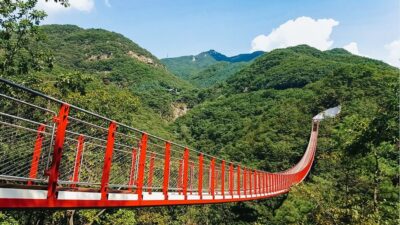
DMZ, 3rd Tunnel and Optional Suspension Bridge Tour
Read our review →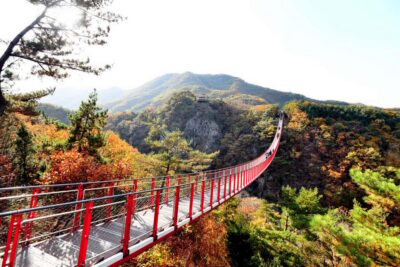
The Best DMZ Tour with Optional Suspension Bridge
Read our review →
Thrilling Korean DMZ 3rd Tunnel Tour from Seoul + Red Bridge Rush
Read our review →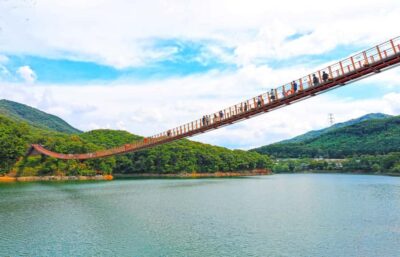
DMZ Tour & Suspension Bridge (Option English/Spanish)
Read our review →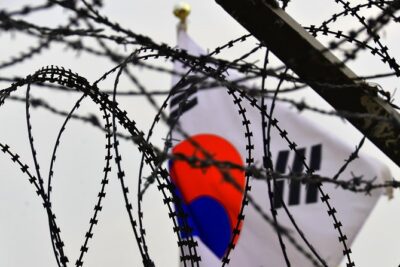
DMZ Past and Present: Korean Demilitarized Zone Tour from Seoul
Read our review →Browse the lists this tour appears in