
Reviewed · FOOD & DRINK
Seoul Food: Banchan, Bibimbap, and Beyond
This Seoul food experience is interesting because it mixes meals and snacks with a smart route through some of the city’s most famous neighborhoods. You get the best of Seoul’s old-and-new feel in one afternoon, with history on the outside and Korean comfort food on the inside. If you like learning by walking and eating, this format makes a lot of sense.
I love the way the tour centers on banchan and treats it as a main event, not just a side dish you ignore. And I like that you do not stop at one classic plate, you also get bibimbap and other Korean favorites as you go. The result is a food day that actually teaches you how Koreans eat.
One possible drawback is that it is a walking-focused outing with several major sight stops, so you will want comfortable shoes and a flexible pace. It is not the kind of tour where you quietly drift and take your time every five minutes.
Key Highlights You Should Know
- Banchan-first thinking: You learn why those small dishes matter.
- Bibimbap that feels like more than a photo: You understand how it comes together and why people order it.
- A tight 5-hour loop through Dongdaemun, Jongno, and Bukchon areas.
- Historic sights plus modern Seoul: Heunginjimun, DDP, and royal-era Gyeongbokgung in the same day.
- Dinner, snacks, bottled water, and alcoholic beverages included so you can focus on tasting.
- A named guide (Eunice) gets repeated praise for pacing and for explaining how history shapes Korean food.
Why This Seoul Food Walk Clicks
Seoul can feel like two cities at once: centuries-old palaces and market alleys on one side, and shiny design and fashion on the other. This tour turns that tension into a feature, not a distraction. You do not just read about Korean food culture. You see the spaces where it developed, then eat your way through the ideas behind it.
The food part is the main reason to book. Korea’s everyday meals often revolve around sharing, balance, and side dishes, and that is exactly what you get here. If you have ever wondered why people seem so calm when they eat in groups, banchan is a big clue, and this tour helps you connect the dots fast.
Also, I appreciate that the day is built around a set route with time blocks. About 5 hours total is long enough to feel full and learn something, but not so long that you lose the thread. Expect a hands-on experience, you will be walking between neighborhoods more than you will be sitting around.
More Food & Drink in Seoul
- Seoul Street Food Market Tour
★ 5.0 · 1,226 reviews - Seoul: Night Market Food Tour with Local Guide
★ 4.9 · 943 reviews - Downtown Seoul Guided Food & Market Tour with 8+ Local Tastings
★ 5.0 · 580 reviews
Dongdaemun, Heunginjimun, and the Start of the Story
Your afternoon begins at the JW Marriott Dongdaemun Square Seoul, in the Jongno District area, right by the major Dongdaemun zone. The first stop is Heunginjimun, also called Dongdaemun Gate. This is one of Seoul’s eight gates, built in the late 14th century, and it was the main entrance tied to the city’s defense system.
Why start here on a food tour? Because Korean cuisine is not just about taste, it is also about survival, adaptation, and social routines. A gate is a symbol of movement and exchange, and Seoul has always been good at absorbing outside influences and reshaping them into something Korean. That theme comes through later when you see how much the city mixes tradition with modern design.
This first segment is about an hour, and admission is free for this stop. It is a good warm-up, especially if you arrive with jet lag or you want the day to start with something straightforward before the eating begins.
Practical tip: This section is outside, so keep an eye on weather and bring a light layer. Even in a short day, Seoul walking adds up.
DDP Stops the Time Machine
Next comes Dongdaemun Design Plaza, or DDP. This is the futuristic building designed by Zaha Hadid, and it is famous for its unusual shape, big open spaces, and frequent exhibitions and cultural events. Admission is listed as free for this stop, and the time block is about 30 minutes.
This is not a random detour. It is a reminder that Seoul’s food culture also evolves. When Korean chefs and home cooks borrow techniques or flavors from elsewhere, they do not just copy. They remix with local ingredients and preferences, the same way Seoul’s skyline keeps changing while still staying rooted.
If you like photos, DDP is an easy win. If you care less about pictures, use the time to reset, grab water if you need it, and let your feet recover for the next stretch. The day moves quickly, so any break helps.
Cheonggyecheon Stream, Where Night Walks Feel Easy
Then you shift to the Cheonggyecheon Stream. It runs through the broader Dongdaemun and Jongno corridor, and the tour uses it as a scenic walking route. Admission is free here, and the stop is about an hour.
What I like about this choice is that it breaks the rhythm of hard sightseeing. A stream makes the day feel lighter, and the water reflects city lights at night, so it can feel especially calm after you have been in busy areas.
This is also where the tour concept clicks for me: you are not bouncing between unrelated stops. You are moving through a real Seoul experience, one that alternates between historic weight and relaxed strolling.
Practical tip: Bring a phone battery pack if you rely on maps. Walking by water in the evening means lots of quick stops to check your direction.
A few more Seoul days side by side
- Best DMZ Tour Korea from Seoul (Red Suspension Bridge Optional)
★ 5.0 · 41,422 reviews - DMZ Tour: 3rd Tunnel, Option(Suspension Bridge, Boat) from Seoul
★ 5.0 · 21,373 reviews - DMZ tour south Korea from Seoul (NK experience hall, defector)
★ 5.0 · 20,599 reviews - Seoul: The Best DMZ Tour with Optional Suspension Bridge
★ 4.7 · 4,978 reviews
Gyeongbokgung Palace and Why Royal-Era Space Matters for Food
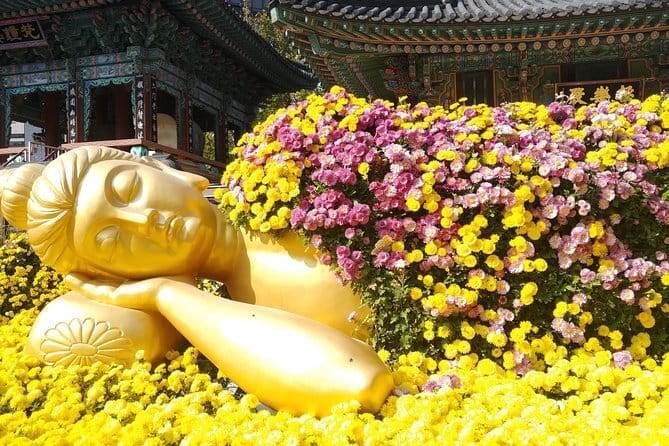
Gyeongbokgung Palace is next, and it is one of Korea’s grandest palaces. It served as the main royal palace of the Joseon Dynasty, and it is surrounded by gardens and impressive architecture. Admission is free for this stop, and the time block is about an hour.
Even if you are not a palace fanatic, this matters for your food day. Royal courts helped formalize many food traditions, and Joseon-era influence reaches forward in food etiquette, ingredient choices, and the idea that meals should balance flavors and textures. You do not need a history lecture to feel that influence. You just need the context, and a place like Gyeongbokgung gives you the right mental frame.
Use your hour wisely. Walk the main paths, look for garden views when you can, and keep your energy for the food portion later. Palace time can pass slower than you expect, especially in good weather, so staying engaged helps.
Practical tip: Wear shoes you can stand in. Palace grounds are beautiful, but they are not designed for casual flat-footed wandering.
Bukchon Hanok Village and the Side-Dish Mindset
After that, you reach Bukchon Hanok Village, a traditional area in the heart of Seoul made up of well-preserved hanok, those classic Korean houses. The stop is about 30 minutes, and admission is free.
Bukchon is where the tour’s banchan focus makes even more sense. Korean eating has a strong home and neighborhood rhythm, and hanok lanes feel like the kind of place where small shared dishes would be the norm, not a novelty. Narrow alleys, close community spaces, and traditional household culture help you understand why side dishes are a big deal. They are not extras. They are part of how a meal becomes a full conversation.
This stop is shorter than the others, which is smart. You get the vibe without losing too much time, and you keep the day from becoming sightseeing-only.
Practical tip: If you want photos, go early in the 30 minutes. The light changes fast, and people tend to pile into the best angles.
What You Eat: Banchan, Bibimbap, and Beyond
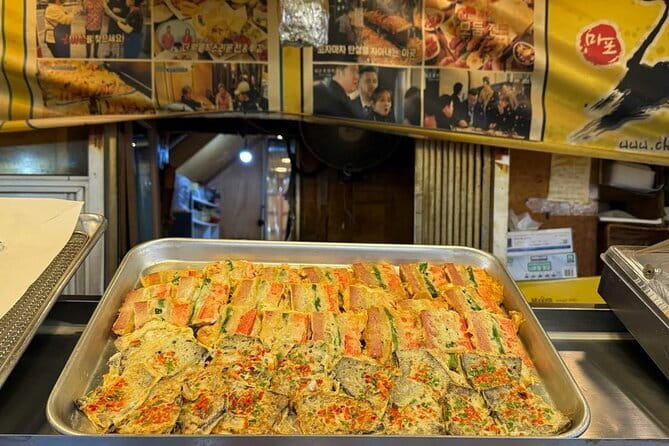
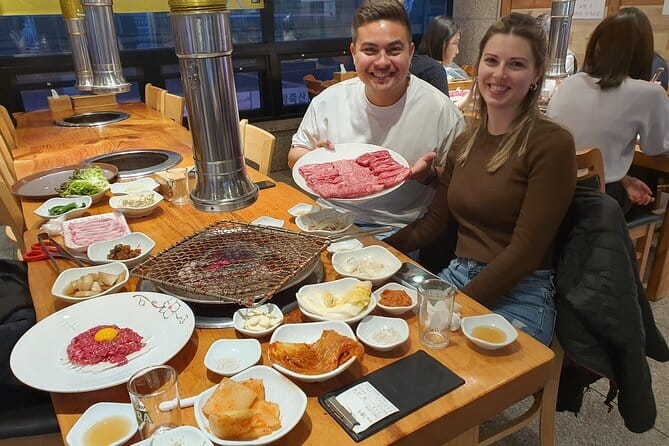
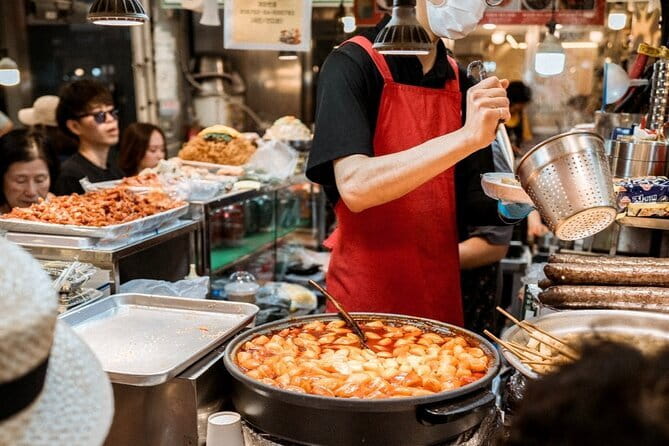
The heart of the experience is the food. The tour title is not subtle: banchan, bibimbap, and beyond. And that is exactly the range you should expect.
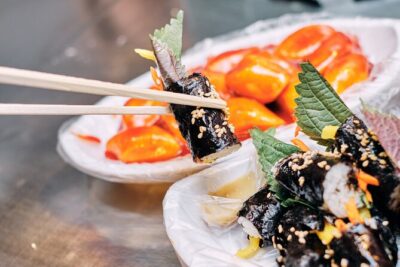
Banchan are those small dishes that usually arrive with your meal, and this tour treats them as the learning center. You will get side dishes that show how Koreans balance things like saltiness, acidity, heat, and crunch. The real value is that you start tasting patterns, not random items. That makes it easier to order on your own later, because you know what role each dish plays.
Bibimbap is the big centerpiece classic. You will not just eat it, you will understand how it works as a mix, with toppings that add color, flavor, and texture. This is the kind of meal that teaches you Korean comfort food logic: combine, season, balance, and share. If you like food that is both hearty and adjustable, bibimbap is a strong fit.
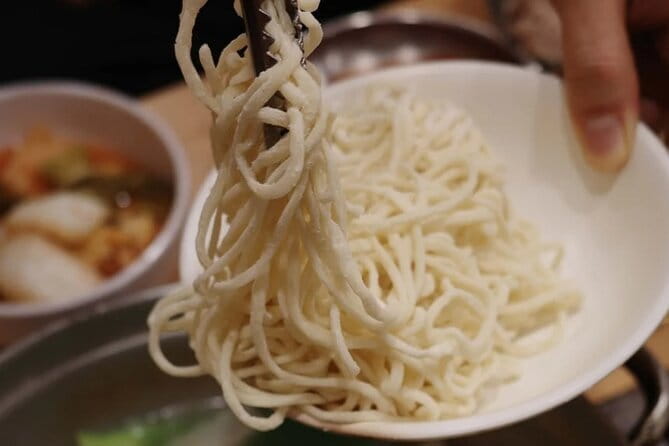
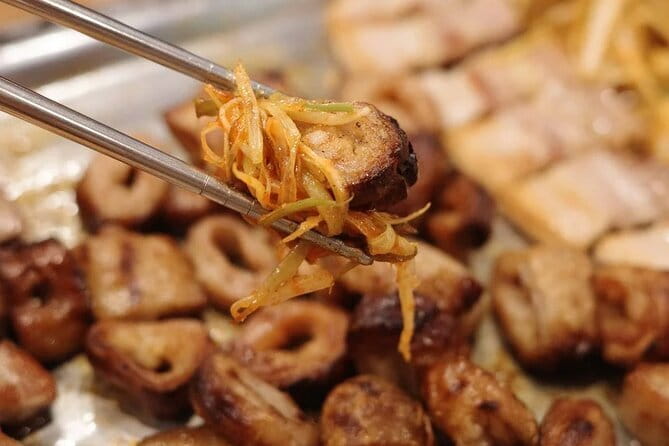
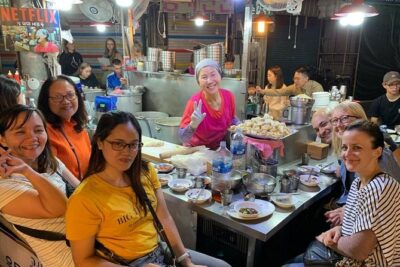
Beyond those two, the tour can include other Korean favorites. In the feedback you can spot highlights such as hearty chicken noodle soup, Korean beef served in a few different styles, and even steak tartare paired with a special sauce. That range is part of the appeal. You get a traditional anchor, then you see how Korean dining can stretch into less expected directions without losing its identity.
The day is also built around full meal moments. Dinner is included, plus snacks and bottled water. Alcoholic beverages are included too, which is a nice value add if you drink, but it also means you should pace yourself if you plan to walk a lot right after.
My advice: if you have never tried banchan before, start with the mild dishes first. Then work toward the spicier or stronger flavors. That keeps your palate steady, and you will actually be able to taste the differences.
Guide Style and Pacing That Keeps You From Feeling Rushed
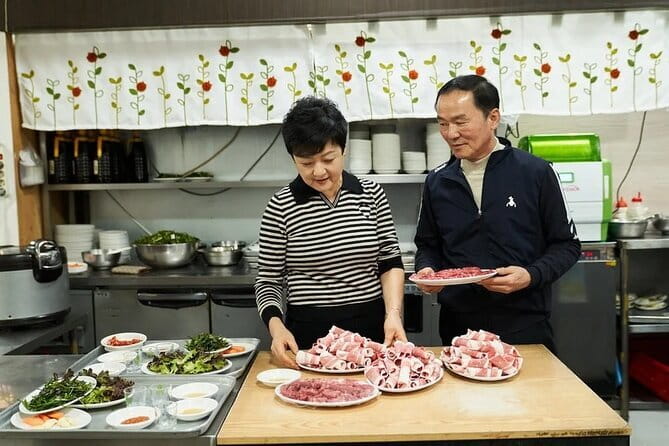
A big reason this tour scores so well is how it is paced and explained. A licensed guide leads the experience, and one guide name, Eunice, shows up repeatedly in the feedback. She is praised for explaining how history shaped Korean culture and how that shows up in food, not just in a list of facts.
That kind of framing changes your meal experience. Instead of eating and moving on, you understand why the side dishes exist, why certain flavor profiles show up together, and why Korean meals are built for sharing. You also get enough time between stop points to digest and reset, which matters on a day that combines walking with multiple tastings.
The practical win here is that you are not running from one thing to the next with no breathing room. The route includes free admission stops that keep costs under control, and the time blocks for each major area prevent the day from stretching too long.
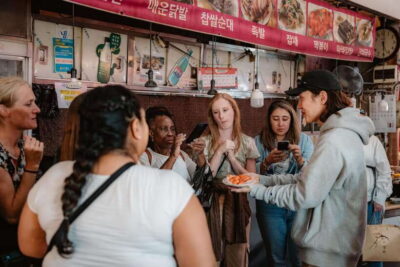
Also, since it is a private tour/activity where only your group participates, the energy is calmer than a typical large-group scramble. Some feedback also describes the group as small and friendly, so it tends to feel social without feeling chaotic.
Price and Value: Is $195 a Fair Deal
At $195 per person for about 5 hours, you are paying for more than food. You are paying for guidance, planning, and a full set of inclusions that would cost more if you tried to assemble it yourself.
Here is what is included:
- Licensed guide
- Bottled water
- Snacks
- Dinner
- Alcoholic beverages
And important for planning:
- Admission is listed as free for the major sights on the day
- Private transportation is not included
So the value equation depends on your style. If you would normally spend money on multiple meals, snacks, and a guided introduction, this price can feel fair quickly. You are also buying convenience. You do not have to figure out what to eat and where to go in a city where menus and customs can be unfamiliar.
The one trade-off is that you are not getting private transport, so you are committing to the walking schedule and public transit access around the meeting point. If you dislike walking, or you want a car-based tour, this might feel like extra effort.
Who This Tour Fits Best (and Who Might Skip It)
This tour is a strong match if you want:
- A food-forward Seoul day with banchan and bibimbap as the core
- A mix of famous sights and quieter streets, not just a restaurant crawl
- Explanations that connect history and culture to what you are eating
- Included dinner, snacks, and drinks, so you can stay present instead of doing math in your head
It may be less ideal if:
- You want lots of downtime, this is about movement and multiple stops
- You do not want any alcohol in the plan, since alcoholic beverages are included
- You prefer a purely sightseeing tour with less emphasis on eating
If you are a solo visitor, this can be a great way to get your bearings fast through the city’s classic corridors. If you are traveling as a couple or a small family unit, the private setup helps keep things comfortable.
Should You Book This Seoul Food Tour?
Book it if you want a Seoul day that actually teaches you how to eat, not just where to take photos. The combination of banchan-focused tasting, bibimbap as a centerpiece, and a route through Dongdaemun, Jongno, and Bukchon creates a day that feels both practical and memorable.
I would especially consider it if you like food that reflects culture and daily life, and you want a guide who can explain the why behind the dishes. The inclusions are strong for the price, and the free admission stops help keep the day from turning into an expenses surprise.
Skip or think twice if you are not comfortable with walking between several major areas. This is a 5-hour day with set sight stops, so bring patience, wear good shoes, and expect to work up an appetite.
FAQ
What is the duration of the Seoul Food tour?
It runs for about 5 hours.
Where does the tour start and when?
The tour starts at JW Marriott Dongdaemun Square Seoul, 279 Cheonggyecheon-ro, Jongno District, Seoul, South Korea. Start time is 1:00 pm, and it ends back at the meeting point.
What is included in the price?
The tour includes a licensed guide, bottled water, snacks, dinner, and alcoholic beverages.
Are admissions included for the main stops?
Admission tickets are listed as free for each of the main stops provided.
Is private transportation included?
No. Private transportation is not included.
How does cancellation work?
Free cancellation is available up to 24 hours before the experience start time for a full refund. Canceling less than 24 hours before the start time is not refunded.
Recently reviewed in Seoul
- Korean Folk Village & Suwon Hwaseong Fortress Private Tour★ 5.0 · 3 reviews
- Seoul City Private Tour (Optional layover)★ 5.0 · 3 reviews
- 5D4N Korea Cultural Heritage immersion Private Tour★ 5.0 · 3 reviews
- War Memorial, Jogyesa Temple & Tapgol Park Tour in Seoul★ 4.5 · 3 reviews
- Private Tour : Royal Palace & Traditional Villages wearing Hanbok★ 5.0 · 3 reviews
- Full Day Private Seoul Tour for foodies★ 5.0 · 3 reviews
- 3D Private Seoul Highlight tours with DMZ & Korean Folk Village★ 5.0 · 3 reviews
- Nami Island & Nearby Attractions : Charter Van Tour With Driver★ 4.0 · 3 reviews
Food & Drink, compared.
Downtown Seoul Guided Food & Market Tour with 8+ Local Tastings
Read our review →
Seoul Night Palace & Market Food Tour with Vehicle
Read our review →
Seoul Fun Food Tour: 12 different food tastings
Read our review →
The Award-Winning PRIVATE Food Tour of Seoul: The 10 Tastings
Read our review →
Jasmil Baseball Stadium Game Ticket with Dinner/Beer
Read our review →Browse the lists this tour appears in