
Reviewed · DMZ TOURS
DMZ Tour Seoul to North Korea’s 3rd Tunnel & Majang Lake Crossing
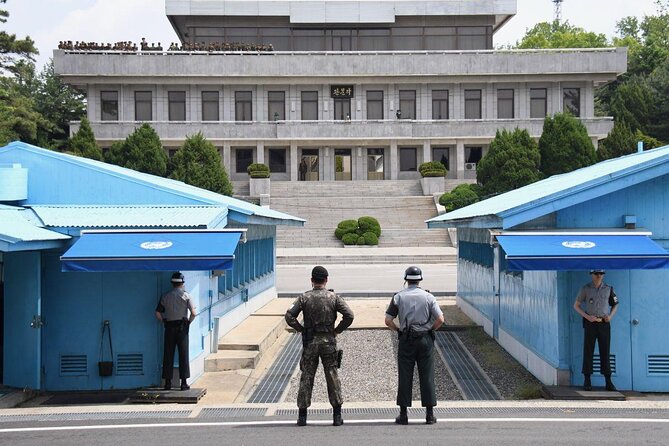
This Seoul DMZ tour is interesting because it turns the Korean Cold War from a TV-era story into real physical places, including Tunnel 3 and the view from Dora Observatory. You spend a long day close to the line that separates the two Koreas, with stops that make the history feel personal instead of abstract.
Two things I really like. First, the telescope viewing of North Korea at Dora Observatory, where you can literally look across the border from the South. Second, the smooth day flow with complimentary pickup and a guide who keeps the group moving so you spend less time figuring things out and more time seeing.
One drawback to plan for is that this is a physically active day. There are inclines and stairs, and if there are military exercises or schedule changes, access can feel a little rushed.
Key things to know before you go
- Tunnel 3 is the star: it is a long, underground site, and you should be ready for tight headroom.
- Dora Observatory is the main payoff: you can view North Korea through a high-power telescope and buy North Korean products there.
- Imjingak is not just a detour: it ties together reunification hope through memorials like the Peace Bell area.
- Bring the right ID: you will do ID checks at a military checkpoint stop, and you may need your passport.
- Optional rides can change the vibe: the Paju Imjingak Peace Gondola and the Majang Lake bridge are worth considering if you want more scenery time.
- Your guide matters more than you think: many people keep mentioning specific guides like Nancy, Alex, Kelly, Crystal, Lina, Hana, Moon, and Gogo for energy and clear storytelling.
Entering the DMZ, then going where most people stop short
A Seoul DMZ tour can be a quick sightseeing loop. This one tries to do more than look and point. You get the emotional build-up first, with memorial ground at Imjingak, then you shift into the hard facts with the third infiltration tunnel and the closest official viewing site from the South.
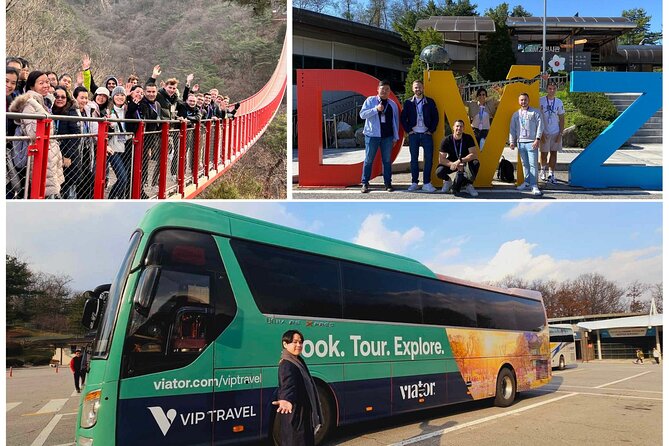
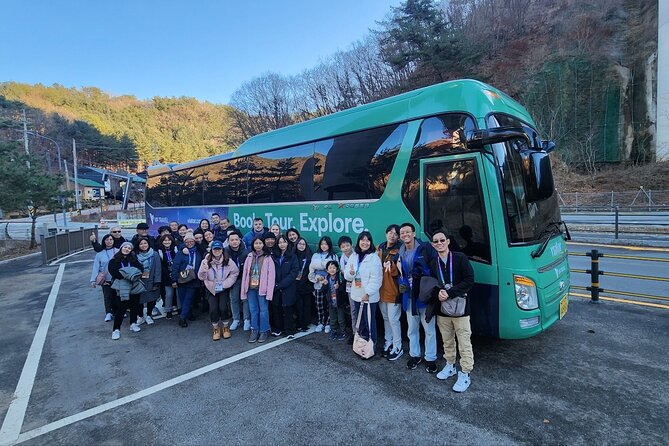
The day also moves at a practical pace. You will meet at one of three subway areas in central Seoul, board a coach, and then start transitioning into the DMZ corridor. With a maximum group size up to 150, it is large enough to feel like a real tour, but it is not the kind of endless line where you never get close to anything.
If you are the type who likes a clear narrative, you will probably enjoy how the stops connect. The guide commentary helps connect bells, bridges, and memorial altars to the same big theme: separation, loss, and hope for change.
More DMZ tours from Seoul:
- Best DMZ Tour Korea from Seoul (Red Suspension Bridge Optional)
★ 5.0 · 41,422 reviews - DMZ Tour: 3rd Tunnel, Option(Suspension Bridge, Boat) from Seoul
★ 5.0 · 21,373 reviews - DMZ tour south Korea from Seoul (NK experience hall, defector)
★ 5.0 · 20,599 reviews
Pickup points in Seoul and how to avoid the first stress spike
Your tour starts with quick meeting points around popular areas. Plan to arrive 10 to 15 minutes early at whichever subway exit matches your pickup. The main locations are:
- Myeongdong Subway Station Exit 9
- Seoul City Hall Subway Station Exit 6
- Hongdae Subway Station Exit 3
This is not just about convenience. The DMZ day has checkpoints, clearance moments, and timing constraints, so being early is how you keep the day calm. Also, a few people mentioned the tour can start earlier than the advertised time, so do not schedule anything too tight right after.
You also have flexibility at the end. Drop-offs are available around Myeongdong, Hongik Univ Subway Station, or City Hall, which is helpful if you want dinner somewhere simple without another long ride.
First DMZ stops: Imjingak clearance and the peace-park foundation
The DMZ portion of the day begins once you are in the corridor and your guide moves you through the early steps. One stop is at the Imjingak Tourist Information Center, where your group collects entrance clearance and tickets needed to enter civilian-controlled areas.
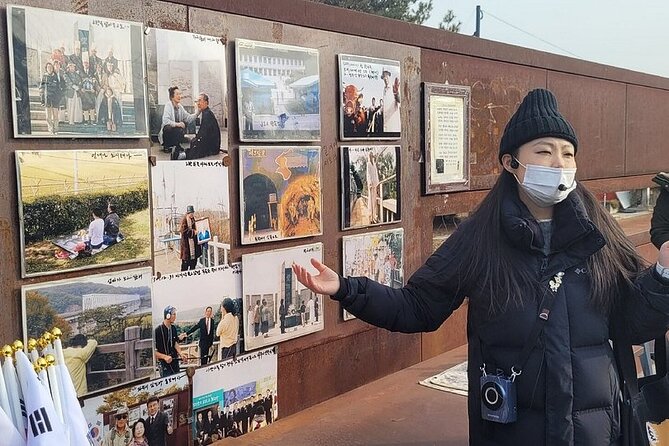
Then you settle into the emotional core at Imjingak Resort, where the atmosphere is quiet even though the theme is not. You are there for the reunification symbolism: the weathered Bell Tower area is part of the story, along with the larger set of memorials that turn a border into a human question.
If you want to understand the tone of the DMZ from the South side, this is where it starts. The place gives you time to read and absorb before the day shifts into the heavy, physical sites like the tunnel.
Bridge of Freedom: a small structure with huge meaning
Next comes one of the most iconic stops: the Bridge of Freedom. This is a wooden span built in 1953 to replace a war-torn railroad bridge over the Imjin River. It is not just a photo stop. The point is what happened there after the Korean War: 12,773 prisoners of war returned to South Korea.
You will feel the contrast immediately. One minute you are walking along a gentle riverside bridge. The next minute your guide is explaining the larger story of exchanges and survival. It helps the Bridge of Freedom make sense in your head, not just in your camera.
If you are short on time, prioritize this stop. It is one of those places where the history is easiest to carry because the bridge itself is simple.
A few more Seoul days side by side
- Seoul: The Best DMZ Tour with Optional Suspension Bridge
★ 4.7 · 4,978 reviews - Signature DMZ Tour: Exclusive Defector Talk & Suspension Bridge
★ 5.0 · 4,459 reviews - Thrilling Korean DMZ 3rd Tunnel Tour from Seoul + Red Bridge Rush
★ 5.0 · 3,097 reviews - Seoul: DMZ Tour & Suspension Bridge (Option English/Spanish)
★ 4.9 · 2,628 reviews
Gondola option at Paju Imjingak: scenery time without losing the plot
If you selected it, you will have the option of the Paju Imjingak Peace Gondola ride. It launched in 2020 and crosses over the Imjin River for views of the DMZ edge. The ride is described as soaring about 20 meters above the river for a wide look.
Why this matters: the DMZ day can feel heavy. A scenic segment like this gives your brain room to breathe. It also gives you a different angle on the same border geography you are seeing from land-based stops.
If you dislike cable-car style rides or you have a fear of heights, skip it. You can still see a lot without it.
Memorials at Mangbaedan, plus the steam locomotive stop
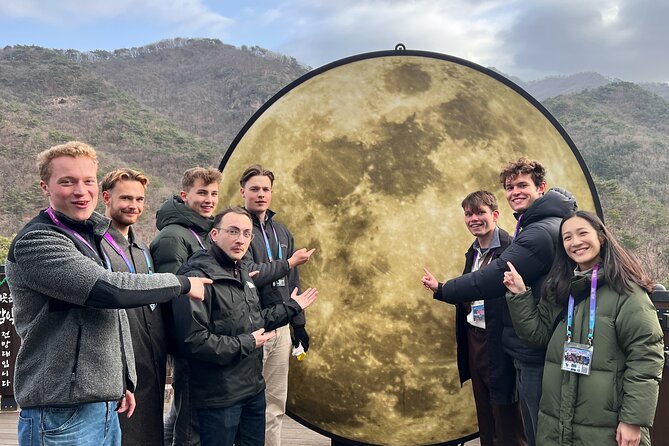
After the Bridge of Freedom, you move through additional memorial ground. Mangbaedan is an altar area built in 1987, where families pay tribute to relatives in North Korea during traditional holidays. It is brief, but the purpose is clear and the tone is respectful.
Then comes a distinctly different kind of stop: the steam locomotive at Jangdan Station of the Gyeongui Line. It is a preserved iron horse that once traveled along that line until the Korean War halted travel in 1950. This helps break up the schedule with something tangible and mechanical, not just symbolic.
It is a good reminder that borders are not only lines on maps. They interrupt trains, roads, daily life, and future plans.
The Peace Bell moment at Imjingak Park
You will also encounter Pyeonghwauijong, the Peace Bell. It is a massive 21-ton bronze bell cast in 2002. The emotional goal is unity and reunification hope, and the bell area is the kind of stop where you might pause longer than you expect.
This is also where a strong guide can add value. A great guide does not only recite dates. They connect the bell imagery to what people were living with, and what those symbols mean on the ground.
If you get a guide like Nancy or Moon, you will likely experience exactly that kind of person-to-place connection. People have praised guides for energy, for answering questions patiently, and for helping make the day fun while still serious.
Unification Bridge checkpoint: this is where you prove you are you
At the Unification Bridge area, your bus makes a brief stop at a military checkpoint. Soldiers inspect the bus and conduct ID checks before allowing entry.
Make sure you bring the ID your instructions call for. The tour data specifically mentions your passport, a Military ID Card, or a South Korea-issued ID. Do not assume you can wing it with a phone photo. Bring the real card.
This checkpoint moment is one of the clearest reminders that the DMZ is not an attraction in the normal sense. It is controlled territory, and your job is to follow instructions fast.
Passing the Imjin River: wildlife time and quiet contrast
Once you clear the checkpoint rhythm, the coach passes over the Imjin River. Your guide encourages you to look for birds and wildlife that have been left undisturbed since the armistice.
Even if you do not spot much, the point lands. The DMZ can feel like a strange mix of intense human history and surprisingly calm nature. It gives you a different mental texture before the tunnel.
Tunnel 3: what it feels like when Cold War turns physical
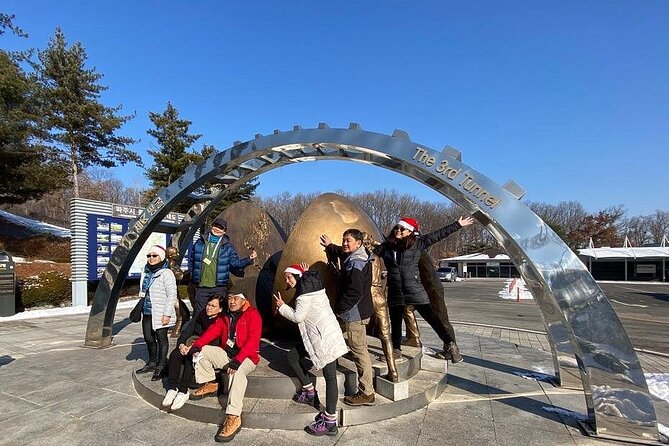
Then you get to the main event: The Third Tunnel, also called the Third Infiltration Tunnel. It was unearthed in 1978. The description notes it is 1,635 meters long and located about 52 km from Seoul and 12 km from Munsan.
This is the stop that makes the day feel real in a different way. Memorials tell you how people feel. The tunnel tells you what someone tried to build, at scale, and how far the conflict planning went.
Practical tip: plan for tight space and head height issues. One helpful comment was that people over 6 feet may bump their head in the tunnel area, so keep your helmet position secure and stay aware. If you are someone who hates cramped spaces, try to stay mentally calm once you enter.
Also, it is a long day in warm weather sometimes. One guide-led experience described a hot and humid day, and the guide still managed the group well. Bring water and be ready for sweat.
Dora Observatory: telescope viewing from the closest official South-side spot
After Tunnel 3, you climb to Dora Observatory, established in 1986 and revamped in 2018. This is described as the closest view of North Korea from South Korea, perched atop Dorasan.
This is where you get the most direct answer to the question many people have when booking: can I actually see North Korea? The tour experience includes viewing through high-power telescopes.
There is also a practical bonus. At the observatory, you can buy North Korean products. It is not a normal souvenir situation. It is more like a snapshot of the weird economic and cultural reality of the border zone.
If your guide helps you with where to look, you will probably get more from this stop. Guides like Alex and Crystal have been singled out for explaining what you are looking at, and for helping people take good photos.
Tongilchon-gil: a calmer village stop tied to what grows nearby
Next you pause at Tongilchon-gil, a tranquil village just past the civilian control line. The itinerary highlights Jangdan soybeans, including a mention that you can treat yourself to their nutty, velvety flavor.
This stop is a palate cleanser after the tunnel. It also adds a useful reminder that even in divided territory, agriculture and everyday life continue in the areas that are accessible.
If you want a slower moment for photos and snack time, this is often it. Just keep an eye on the clock, because the day still needs to close strong.
Optional Majang Lake Suspension Bridge: quick drama, then quiet views
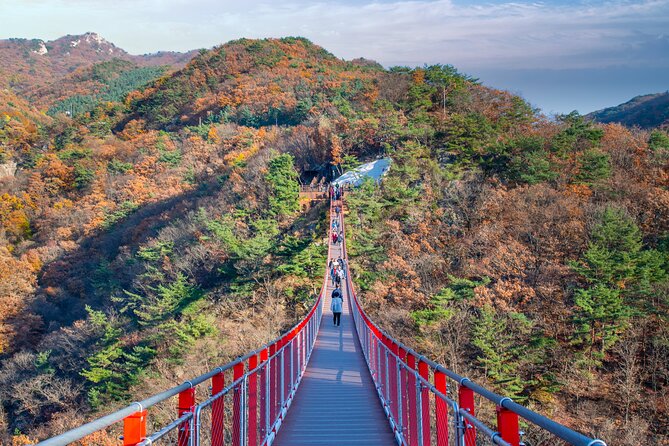
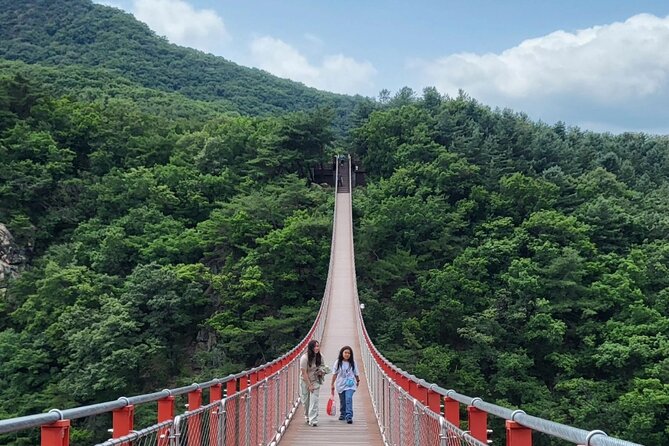
If you selected it, the tour can end with Majang Lake and a crossing of the Majang Reservoir Suspension Bridge. The bridge opened in 2020 and is described as 262 meters long and about 25 meters above the lake.
Why I think this is a smart optional add-on: it gives you open-air views and a sense of the region beyond memorial sites. After the emotional weight of the DMZ, it can feel strangely normal in a good way.
If you dislike heights, cable bridges, or if it is pouring rain, you might skip it. But if you like scenery and motion, it is a memorable closer.
Price and value for a full DMZ day at about $35
At $35 per person for around 8 hours, this tour is priced like a value play, not a luxury private day. You get professional guiding in English or Chinese, hotel pickup in downtown/subway-adjacent zones, and entrance access to major DMZ stops including Tunnel 3 and Dora Observatory.
The biggest value driver is not just the sites. It is the structure. For the DMZ, your day depends on ID checks, timing, and access rules. Hiring a guide and using organized transport reduces the risk of losing time at the most sensitive parts of the route.
What you should expect not to be included: lunch. You will want to plan a snack strategy or set aside time for food at the stops that offer it. Also, only the DMZ tour is guaranteed if you do not add the extras. Optional add-ons can change your total experience, like the Red Suspension Bridge and strawberry picking being available depending on checkout selection.
The guides: why the energy level can change the whole day
One of the most consistently praised parts of this kind of tour is the guide. In the comments you provided, people repeatedly mention guides like Nancy, Alex, Kelly, Crystal, Lina, Hana, Ray, Moon, Emily, and Gogo.
What those strong guides seem to do well:
- Keep the pace smooth so you do not feel lost
- Add personal context and answer questions clearly
- Improve photo-taking moments, especially at viewpoint sites
- Keep the day fun without turning it into a joke-fest
If you see one name you like when booking, that matters. But even if you do not, aim to engage. Ask your guide what to look for through the telescope. Ask how to read what you see at memorial sites. You will get more out of the day with a little curiosity directed at the person doing the commentary.
Should you book this DMZ tour, Tunnel 3 and Dora Observatory included?
Book it if you want the classic DMZ stops with the big DMZ-ticket experiences: Tunnel 3, Dora Observatory, and the Imjingak memorials that give emotional context. It is also a good fit if you like guided structure and you want to minimize ID and timing stress.
Skip it, or at least go in with eyes open, if you hate stairs and cramped spaces. This is not a sit-and-smile tour. It requires physical stamina, and the tunnel adds tight-space discomfort. Also, if you are extremely sensitive to schedule changes, understand that military activity can affect access and make the day feel rushed at times.
If you are traveling from Seoul and you want one day that actually changes how you understand the Korean peninsula, this route makes a lot of sense.
FAQ
How long is the DMZ tour from Seoul?
The tour is listed at about 8 hours.
Where do I meet the group in Seoul?
You can meet at one of three subway locations: Myeongdong Subway Station Exit 9, Seoul City Hall Subway Station Exit 6, or Hongdae Subway Station Exit 3.
Do I need my passport for the tour?
You may need ID for a military checkpoint stop. The instructions specifically mention bringing your passport, a Military ID Card, or a South Korea-issued ID.
Is the Third Tunnel included?
Yes. The Third Tunnel is included in the tour itinerary.
Will I be able to see North Korea through a telescope?
Yes. At Dora Observatory, you can view North Korea through a telescope.
Are the Gondola ride and Majang Lake bridge optional?
Yes. The Paju Imjingak Peace Gondola ride is optional. The Majang Lake Suspension Bridge crossing is also optional if you select it.
Is lunch included?
No. Lunch is not included.
What should I bring or prepare for the tunnel?
Plan for a cramped tunnel experience and bring appropriate comfort for a long day. The tips you provided also suggest keeping a hard hat secure, especially if you are tall.
Is this tour for English speakers?
Yes. The tour guide is listed as English or Chinese.
What is the cancellation policy?
You can cancel for free up to 24 hours in advance for a full refund. If you cancel less than 24 hours before, the amount you paid is not refunded.
Recently reviewed in Seoul
- Korean Folk Village & Suwon Hwaseong Fortress Private Tour★ 5.0 · 3 reviews
- Seoul City Private Tour (Optional layover)★ 5.0 · 3 reviews
- 5D4N Korea Cultural Heritage immersion Private Tour★ 5.0 · 3 reviews
- War Memorial, Jogyesa Temple & Tapgol Park Tour in Seoul★ 4.5 · 3 reviews
- Private Tour : Royal Palace & Traditional Villages wearing Hanbok★ 5.0 · 3 reviews
- Full Day Private Seoul Tour for foodies★ 5.0 · 3 reviews
- Nami Island & Nearby Attractions : Charter Van Tour With Driver★ 4.0 · 3 reviews
- K-Pop Tour★ 3.5 · 3 reviews
DMZ Tours, compared.
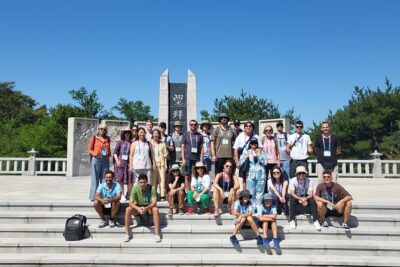
Best DMZ Tour Korea from Seoul (Red Suspension Bridge Optional)
Read our review →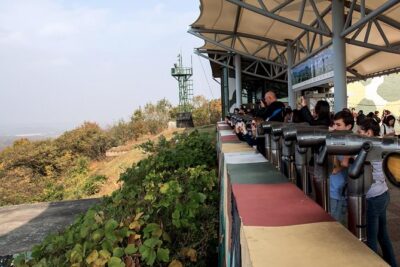
DMZ Tour: 3rd Tunnel, Option(Suspension Bridge, Boat) from Seoul
Read our review →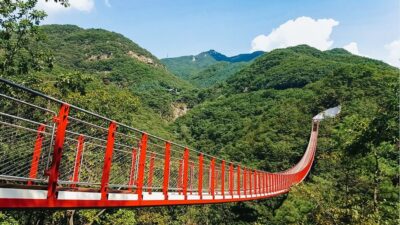
DMZ, 3rd Tunnel and Optional Suspension Bridge Tour
Read our review →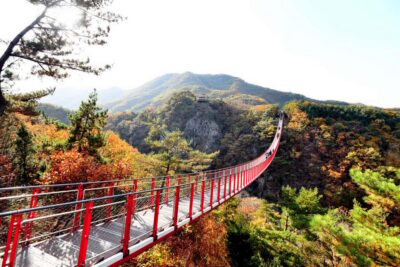
The Best DMZ Tour with Optional Suspension Bridge
Read our review →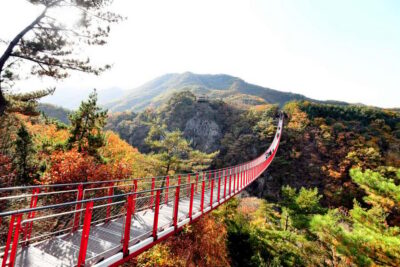
Thrilling Korean DMZ 3rd Tunnel Tour from Seoul + Red Bridge Rush
Read our review →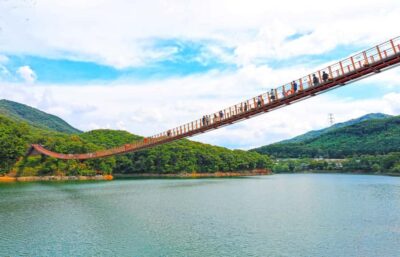
DMZ Tour & Suspension Bridge (Option English/Spanish)
Read our review →
DMZ Past and Present: Korean Demilitarized Zone Tour from Seoul
Read our review →Browse the lists this tour appears in