
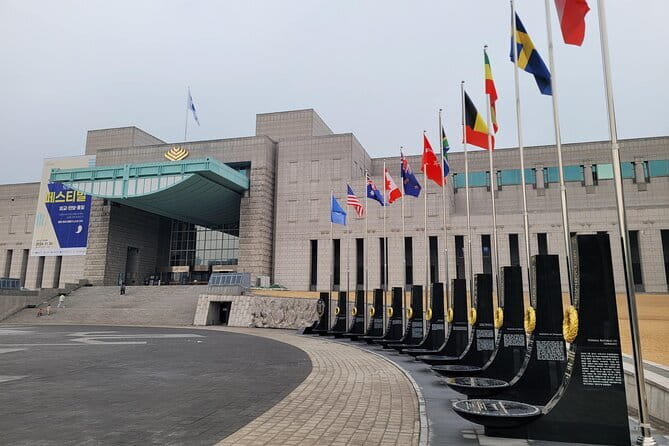
Reviewed · WAR MEMORIAL OF KOREA
Korean War Memorial Private Guided Tour
A Korean War Memorial tour can be just walking and reading, but this one is built to make the story click. It connects the breakup after liberation, the war’s origins, and the armistice era that leads into the DMZ story, all in a private setup with a one-group guided format. I especially like the way the guide turns big events into something you can follow, step by step, with clear context for peace and conflict.
I also like that the experience includes free admission to the Korean War Room areas and gives you complementary pictures and document copies to take your understanding home. The one thing to keep in mind is that this is focused on the War Memorial stop, so if you want to physically visit the DMZ itself, you’ll need a separate tour later.
Key Highlights You Should Care About
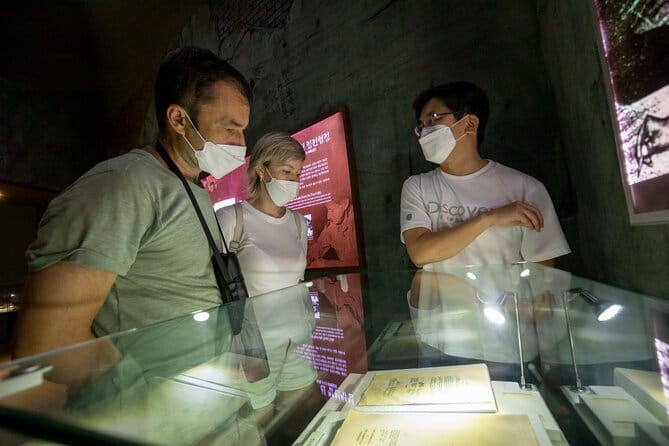
- One group, up to 5 people, so you can ask questions and move at your pace
- PhD-student English guide with Korea history, peace activism, and DMZ tour expertise
- Korean War Room I-III guided visit, organized around the war’s turning points
- Handouts with pictures and copies of documents, meant to clarify propaganda vs reality
- Explains the armistice and the birth of the DMZ era, with hidden angles not fully shown in the displays
- Mobile ticket plus a straightforward meet-in-the-lobby plan at the War Memorial
Seoul’s Korean War Memorial, Explained Like a Real Classroom
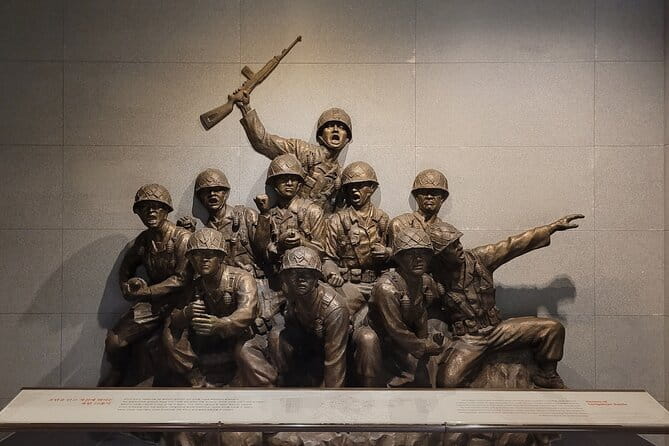
The Korean War Memorial of Korea in Seoul is one of those places that looks straightforward until you start thinking about what it is actually trying to do. This tour treats the memorial like a map: it shows you how the conflict formed, how it evolved through distinct phases, and how the armistice left behind the DMZ reality you still see today.
What makes this experience stand out is the guide’s approach. You’re not just getting a guide voice over the exhibits. You’re getting a structured explanation that links the early conditions after liberation to the backgrounds of both North and South, then walks through multiple war stages and the armistice logic. That structure matters because the Korean War can feel confusing if you only remember headlines.
And yes, you get the practical benefit too. The guide provides complementary materials, like pictures and copies of documents, which helps when the exhibit text is too broad or too condensed. From what I’ve seen described by previous participants, the handouts are also used to help you separate what propaganda tried to sell from what you can treat as evidence and context.
The tour is about 2 hours and it stays focused on the memorial stop. That means you’ll leave with a clearer mental timeline. If you were hoping for a full-day, multi-site Seoul history marathon, you might find the scope narrow. But if you want focus and understanding in a short window, it’s a smart use of time.
More War Memorial of Korea visits:
- Seoul: War Memorial of Korea Private Guided Museum Tour
★ 4.9 · 29 reviews - DMZ Tour + The War Memorial of Korea Museum
★ 5.0 · 28 reviews - Seoul Morning Tour: Seoul Tower, Namsan Hanok Village, The War Memorial of Korea
★ 4.5 · 22 reviews
Your Two-Hour Plan at the War Memorial of Korea (What You’ll Actually See)
This private tour is centered on one stop: the War Memorial of Korea, specifically the Korean War Room areas called out as Room I-III. You meet at the lobby and the guide takes you into the exhibition spaces for the main guided portion.
Here’s what makes those rooms worth targeting. The guide frames the Korean War as both a national story and an international conflict, and that is exactly the kind of framing that helps you understand why the war looked the way it did. Instead of treating everything as a single event, you get a staged explanation, matching how people often study the conflict.
You can expect the guide to cover:
- The situation right after liberation and how the two Koreas formed
- The backgrounds and origins of the war
- Four stages of the war situation, explained so you can track what changed over time
- The armistice, and how the DMZ became the system that froze the conflict into a long-term reality
A small but real benefit here is pacing. In a normal museum visit, you might skim panels and miss the narrative thread. In this format, the guide acts like a timeline manager. You’re more likely to remember details because you’re hearing them attached to a sequence.
A possible drawback is also simple: because this is only one stop, you won’t get every corner of the War Memorial on your own. You’ll get what the guide considers the most explanatory parts. If you love wandering and reading everything slowly, you may want to add free time before or after the tour.
Korean War Room I-III, and Why a Peace-First Lens Changes What You Notice
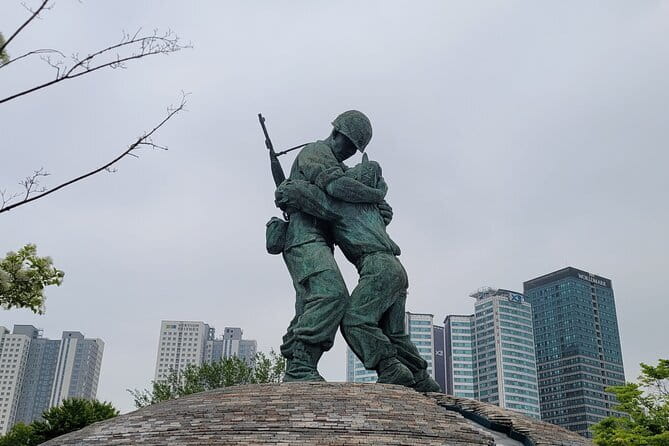
The memorial is full of artifacts, photos, and staged displays. The key difference with this tour is that the guide constantly brings things back to a peace perspective. You’re encouraged to notice the human and social cost, not just the military hardware and official messaging.
This peace-first lens is useful because it changes what you pay attention to. When the guide compares how conflict was explained versus what you can reasonably understand about the causes and outcomes, you end up asking better questions while you’re walking. For example, participants have specifically highlighted how the guide helped them distinguish propaganda from broader truth and context behind what happened.
That’s an important skill, not just a fun fact. Korea’s history is loaded with competing narratives, and museum labels can only do so much. A strong guide gives you a framework for reading the exhibits critically. And because the guide is described as having expertise spanning Korean history, peace activism, and DMZ tours, the focus isn’t just historical trivia. It’s about how societies survive after conflict.
I’d also expect the guide to point out that the memorial, like any major institution, has limits. One description of the tour says the guide includes hidden stories and angles that the War Memorial itself does not fully spell out inside the exhibitions. That doesn’t mean the museum is lying. It means the guide fills in the context so the exhibits make more sense as you move through them.
What the Handouts and Document Copies Do for Your Memory
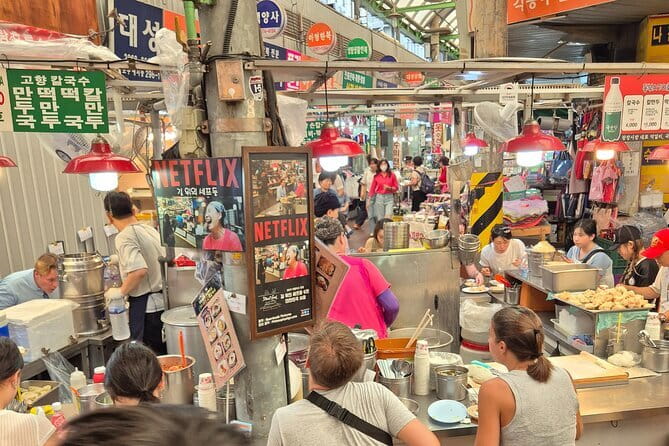
I love museum guides, but I also love when a tour gives you something tangible that makes the learning stick. Here, you get complementary materials, including pictures and copies of documents, tailored to the tour’s themes.
Why that matters: the Korean War is full of dates, names, and shifting frontlines. If you go in cold, it’s easy to remember a single dramatic image but forget how everything connected. The document copies and photos act like a cheat sheet you can review later, especially when jet lag or busy travel days start to blur details.
The guide’s materials also seem designed for discussion and critical thinking. One repeated theme in the experience description is helping you sort through what looks like official messaging versus what makes sense when you place it in broader context. In plain terms, the handouts are there so you can go home and keep thinking, not just go home and forget.
Practical note: since the tour is 2 hours, you should treat the handouts as part of the program, not an afterthought. If you get them at the start or mid-tour, take a minute to scan and then come back to them while you’re in the rooms. You’ll get more out of the walking.
A few more Seoul days side by side
- Best DMZ Tour Korea from Seoul (Red Suspension Bridge Optional)
★ 5.0 · 41,422 reviews - DMZ Tour: 3rd Tunnel, Option(Suspension Bridge, Boat) from Seoul
★ 5.0 · 21,373 reviews - DMZ tour south Korea from Seoul (NK experience hall, defector)
★ 5.0 · 20,599 reviews - Seoul: The Best DMZ Tour with Optional Suspension Bridge
★ 4.7 · 4,978 reviews
Private Group Logistics That Make This Tour Easier Than Most
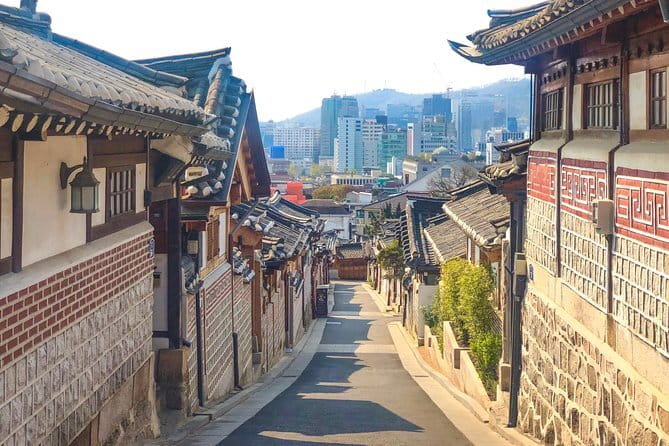
This is private and built for small groups. The price is $100 per group for up to 5 people, which is a big deal if you’re traveling as a couple or a small family. Even if you’re a solo traveler, the private format can still feel like good value if you want a structured, Q-and-A heavy experience instead of a crowded group tour.
The tour lasts about 2 hours and uses a mobile ticket, so you’re not hunting for paper confirmation on your phone in a museum lobby. The meeting point is the lobby area at 8-66 Yongsan-dong 1(il)-ga, Yongsan District, Seoul, and the tour ends at the War Memorial location at 29 Itaewon-ro, Yongsan District, Seoul.
You’ll also want to plan for moderate physical activity. It’s not described as hardcore, but you should be comfortable moving through exhibition rooms during the guided segment.
One thing I like about this setup is how the private group format helps when timing goes weird. A participant noted the guide was keeping them updated when they were running late, so they could join once they arrived inside the exhibition rooms. I can’t promise every situation will be identical, but the overall setup suggests the guide is actively managing the group inside the memorial rather than just waiting at the entrance.
Price and Value: Is $100 for a Korean War Memorial Private Guide Fair?
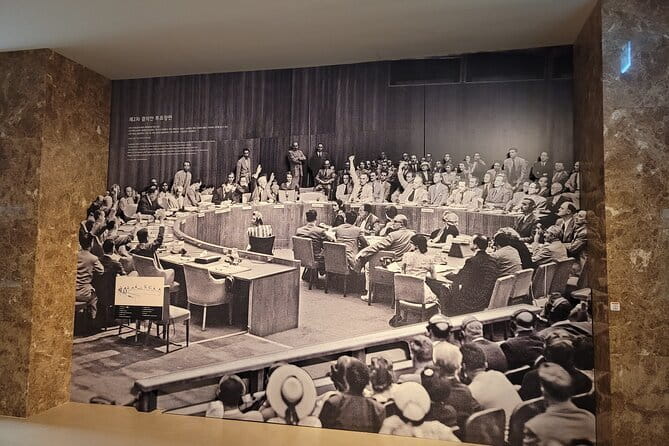
Let’s talk value in a practical way. Paying $100 per group for up to 5 people works out best when you can share the cost. If two or three of you are going, it often feels like you’re buying a guided lesson rather than a standard museum pass.
So what are you actually getting for that money?
- A professional English-speaking guide with advanced expertise in Korean history and peace activism
- A guided visit through Korean War Room I-III
- Complementary pictures and copies of documents
- Free admission to the areas covered in the tour
- A true private format where your questions can shape the pace
Compared with the cost of doing this kind of history work on your own, the main value is time and clarity. The Korean War can be heavy. A guide helps you build a coherent timeline fast, and the handouts make it easier to keep the facts straight after you leave.
Also, this tour is designed to fit into a normal Seoul travel day. With only one stop and about 2 hours, you can still add other sights without sacrificing your energy.
If you’re someone who loves reading independently and doesn’t care about a guided framework, you might feel like paying for a guide is unnecessary. But if you want understanding, this is the kind of guided experience that usually pays off in your memory and your conversations afterward.
Who This Tour Is Best For (And Who Might Skip It)
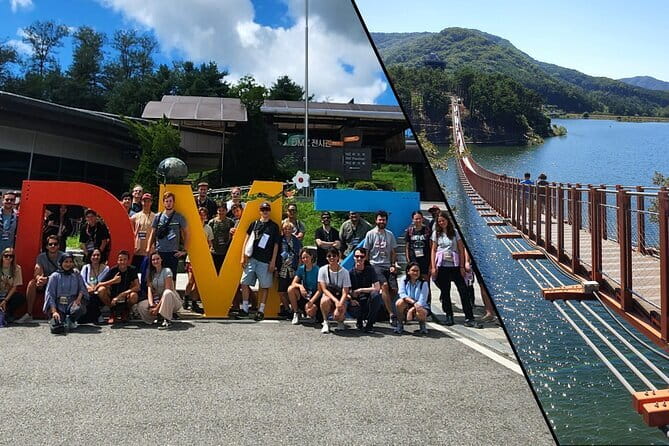
You’ll be a good fit if you:
- Want to understand the Korean War beyond basic dates
- Prefer a guided timeline with room-specific focus (Room I-III)
- Like asking questions in a private setting
- Appreciate peace and social context, not only military facts
- Plan to do additional related history or DMZ-area tours later, because this builds useful background
The tour also suits people who like structured explanations. Even if you’re not a history expert, the tour is described as making complex topics easier to understand.
If you’re the type who wants to roam every exhibit panel at your own speed, this might feel a little too structured. Also, if your top goal is to visit the DMZ itself, this is not that. It’s a War Memorial tour that explains the armistice and the DMZ birth era, but it does not replace a DMZ visit.
Should You Book This Korean War Memorial Private Guided Tour?
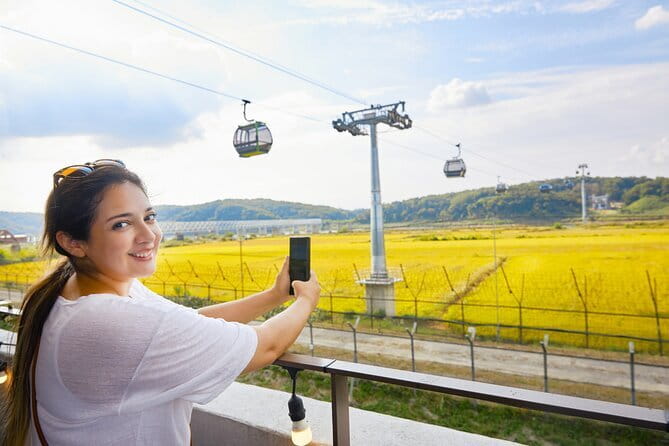
I think you should book if your priority is clarity and context in a short time. This tour gives you a focused 2-hour guided visit through Korean War Room I-III, with a strong peace and social-cost angle. The complementary materials, including document copies and photos, are the kind of add-on that makes a guided visit feel worth repeating later in your own notes.
It’s also a good move if you like learning from someone who can explain how to separate propaganda from a more grounded understanding of events. Based on the way the guide’s explanations are described, you’re likely to come away with a better mental framework, not just a pile of facts.
Skip it only if you want a long, self-paced museum day, or if you specifically want to physically go to the DMZ during this single experience. In that case, you’ll want a different tour plan.
FAQ
FAQ
Where does the tour start?
The tour starts at the lobby of the War Memorial of Korea, at 8-66 Yongsan-dong 1(il)-ga, Yongsan District, Seoul.
How long is the guided tour?
The tour lasts about 2 hours.
How much does it cost?
It costs $100.00 per group, up to 5 people.
Is this a private tour?
Yes. It is a private tour, and only your group participates.
Is admission included?
Yes. Admission ticket for the Korean War Room areas covered in the tour is free.
Do I need to print anything?
No. The tour uses a mobile ticket.
What language is the guide?
The guide is an English-speaking professional.
Are tips included?
No. Tips are not included.
What is the cancellation rule?
You can cancel for a full refund if you cancel at least 24 hours before the experience start time. If it is canceled because the minimum number of travelers is not met, you will be offered another date or a full refund.
Recently reviewed in Seoul
- Seoul City Private Tour (Optional layover)★ 5.0 · 3 reviews
- Korean Folk Village & Suwon Hwaseong Fortress Private Tour★ 5.0 · 3 reviews
- 5D4N Korea Cultural Heritage immersion Private Tour★ 5.0 · 3 reviews
- War Memorial, Jogyesa Temple & Tapgol Park Tour in Seoul★ 4.5 · 3 reviews
- Full Day Private Seoul Tour for foodies★ 5.0 · 3 reviews
- Private Tour : Royal Palace & Traditional Villages wearing Hanbok★ 5.0 · 3 reviews
- Nami Island & Nearby Attractions : Charter Van Tour With Driver★ 4.0 · 3 reviews
- K-Pop Tour★ 3.5 · 3 reviews
War Memorial of Korea, compared.
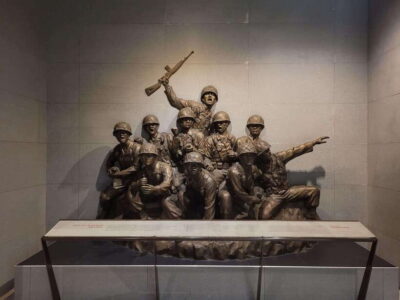
War Memorial of Korea Private Guided Museum Tour
Read our review →
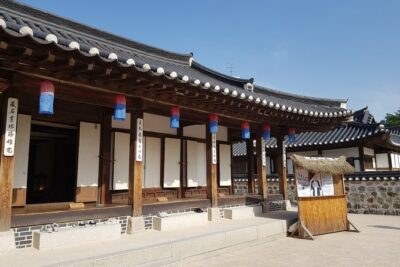
Seoul Morning Tour: Seoul Tower, Namsan Hanok Village, The War Memorial of Korea
Read our review →
Exclusive Private DMZ Tour & War Memorial Hall or Suspension Bridge(No Shopping)
Read our review →![[DMZ Private Full day Tour] & The War Memorial include Lunch](https://x.lovingkorea.com/wp-content/uploads/dmz-private-full-day-tour-the-war-memorial-include-lunch-400x267.jpg)
[DMZ Private Full day Tour] & The War Memorial include Lunch
Read our review →![[Private] DMZ & Imjingak Peace Gondola Experience Inter-Korean War](https://x.lovingkorea.com/wp-content/uploads/private-dmz-imjingak-peace-gondola-experience-inter-korean-war-400x267.jpg)
[Private] DMZ & Imjingak Peace Gondola Experience Inter-Korean War
Read our review →
War Memorial, Jogyesa Temple & Tapgol Park Tour in Seoul
Read our review →Browse the lists this tour appears in