
Reviewed · HWASEONG FORTRESS
Hwaseong Fortress and Korean Folk Village Tour from Seoul
If you like history you can actually walk through, this day trip is a strong pick. You start at Hwaseong Fortress, a UNESCO site with real walls, gates, and artillery towers. Then you shift gears to the Korean Folk Village, where you see daily Joseon-era life and watch crafts and folk performances.
I especially like the way the fortress makes late-Joseon city planning feel concrete, not just theoretical. And I like that the Folk Village is hands-on in spirit, from workshops to market food. One possible drawback: the day is scheduled tight, and rain can affect whether performances run or how long you spend outdoors.
In one group I heard about, the guide was Richard, and he got high marks for being attentive and clearly explaining the fortress. That matters, because Hwaseong Fortress can feel like a lot to take in if you’re just walking on your own.
Plan for a solid walking day. You’ll move between stops and explore on foot, so bring comfy shoes and expect a moderate pace.
Key points that make this tour worth your time
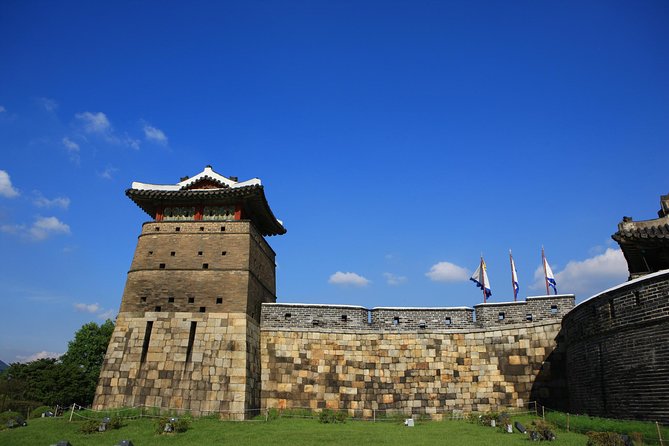
- UNESCO Hwaseong Fortress: walls, gates, and artillery towers in Suwon, built in the late 1700s
- Real Joseon context: a guide explains why King Jeongjo’s project mattered and how the fortress functioned
- Korean Folk Village with 200+ restored homes: restored late-Joseon houses and household artifacts
- Workshop browsing: pottery, bamboo wares, paper, brass wares, fans, embroidery, and more
- Market lunch option at the village: bibimbap is specifically mentioned, plus you can add extras if you want
- Small-group feel: up to 9 people, with hotel pickup by comfortable coach
Walking Hwaseong Fortress like a fortified city
Hwaseong Fortress is the kind of sight that changes the moment you get close. From afar, it’s easy to think it’s just “big walls.” Up close, you see structure, placement, and the sheer effort it took to defend Suwon.
This is a morning start from Seoul by air-conditioned coach. Your guide talks during the ride, which helps you land with context before you even step onto the site. When you arrive, you follow a guided route that includes major features like gates and artillery towers, not just a generic stroll.
I like how the tour keeps you moving but doesn’t rush you into a blur. You get time on the walls and key stops, and the guide frames what you’re seeing in plain terms: why it was built, what it was supposed to protect, and how it fits into late Joseon.
More Hwaseong Fortress walks:
- Seoul: Suwon Hwaseong Fortress & Korean Folk Village Tour
★ 4.7 · 214 reviews - Beyond Seoul: Starfield Library, Hwaseong Fortress & Cave Quest
★ 5.0 · 177 reviews - Suwon Hwaseong, Gwangmyeong Cave, & Starfield Library Trip
★ 4.4 · 87 reviews
The late-Joseon story behind the 5.7 km of walls
Hwaseong Fortress is tied to Suwon’s role as one of Joseon Korea’s regional centers. The fortress was constructed from 1794 to 1796, and it was designated a UNESCO World Cultural Heritage site in 1997.
Here’s the detail I find most useful when planning your visit: the fortress was not just a military wall. It was also meant to project power and support a new kind of city growth. The tour’s explanation connects it to King Jeongjo’s goals, including his dedication to his father, and it shows how architecture was part of state ambition.
You’ll also hear that the walls stretch about 5,700 kilometers, with Paldalsan Mountain at the center of the overall layout. Even if you don’t memorize the numbers, this kind of framing helps you understand why the route feels planned, not random.
And yes, there are performances at the site, plus festival energy in the right season, so if you catch one, you’ll get a more “lived-in” feeling than if you came at an off day.
Korean Folk Village: more than staged rooms
After the fortress, you transfer by coach to the Korean Folk Village. The big idea here is simple: it recreated late Joseon daily life through restored traditional houses and household items.
The village opened in 1974, after more than 260 traditional houses were renovated. That’s a lot of physical material, and it matters because you can walk from home to home and see how people lived, not just read about it once.
The layout is pedestrian-friendly in the sense that it’s made for walking. Inside, expect to see Joseon-era items displayed in traditional houses. That’s where the tour earns its keep, because a guide can translate what you’re looking at into something meaningful: what you’d use, how rooms worked, and how domestic life differed from modern living.
Workshops, crafts, and folk performances you can actually watch
If you only show up for photos, you’ll miss the point. The Korean Folk Village is built around experiences like crafts and folk customs.
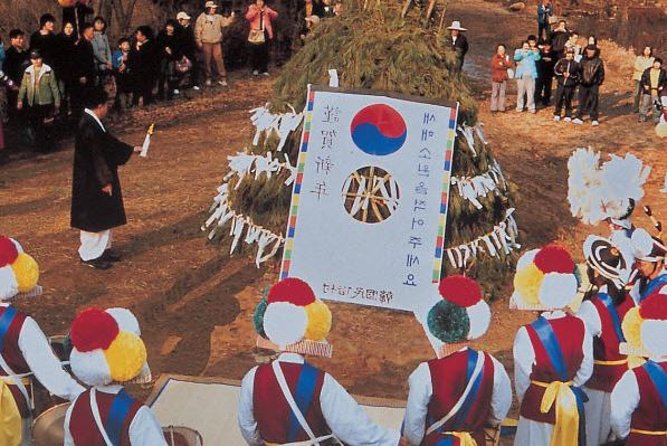
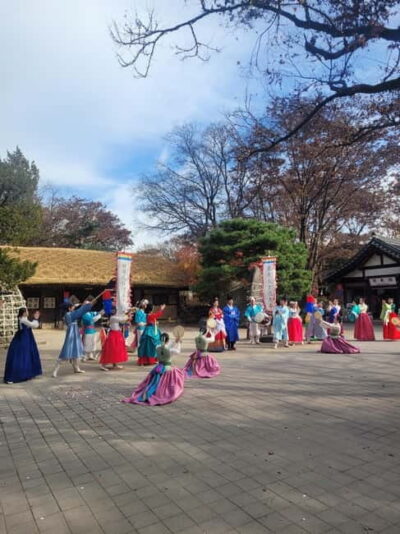
On the program, you’re set up to see performances such as nongak, a form of farmer’s music, plus other seasonal events. The tour also mentions traditional activities like jultagi tightrope acrobatics and even a traditional wedding ceremony, depending on the day’s schedule.
What I like most is the workshop element. You can observe artisans making items such as:
- pottery
- baskets and bamboo wares
- paper and fans
- brass wares and musical instruments
- embroidery and more
This is the part that feels most authentic even when things are “touristy.” You’re watching people create. If you’re the type who enjoys slowing down for small details, this is your best hour of the day.
A few more Seoul days side by side
- Best DMZ Tour Korea from Seoul (Red Suspension Bridge Optional)
★ 5.0 · 41,422 reviews - DMZ Tour: 3rd Tunnel, Option(Suspension Bridge, Boat) from Seoul
★ 5.0 · 21,373 reviews - DMZ tour south Korea from Seoul (NK experience hall, defector)
★ 5.0 · 20,599 reviews - Seoul: The Best DMZ Tour with Optional Suspension Bridge
★ 4.7 · 4,978 reviews
When it rains, adjust your expectations fast
This is a practical heads-up. Weather can change the feel of the day.
One real risk is that sudden rain can cut time short outdoors, which then compresses what you can see. Another is that performances in the Folk Village may not run if conditions are off, and you might end up with more time moving through buildings and exhibitions rather than watching scheduled shows.
My advice is simple: bring a compact umbrella and be ready to trade “performance time” for “house and museum time.” If you handle that mindset, the day still works, because there’s a lot to see inside and through workshops.
The village market lunch: bibimbap and extras you can choose
Lunch happens at the village market area. Bibimbap is specifically mentioned as the classic Korean meal you can enjoy there.
Here’s the part you should confirm before you go: the tour description talks about lunch as part of the day plan, but the package terms also indicate lunch may not be included unless specified. In plain terms, don’t assume lunch is fully covered. Check what’s actually included in your confirmation.
If lunch is on you, bibimbap is usually a good choice because it’s filling and it keeps you from hunting for food afterward. And if you want to add other items like rice cakes or traditional liquor, those are mentioned as options at additional cost.
Timing, transport, and the small-group pace
This is an eight-hour day trip with a start time of 8:30 am. The drive from Seoul to Suwon is long enough that pickup and onboard commentary really matter.
You get round-trip hotel transport by comfortable coach, and the group size is capped at 9. A small group sounds like a luxury, but it’s also practical. It keeps everyone from being separated too far, and it helps the guide manage timing between the fortress and the Folk Village.
There’s also a mobile ticket, and pickup is offered, which makes your morning simpler. If you’re staying around Myeongdong, the tour includes drop-off at Myeongdong station as well.
Moderate physical fitness is required. That doesn’t mean you need to be an athlete. It means you should be ready for walking on uneven surfaces, stairs, and longer stretches outdoors at the fortress.
Price value around $91, and what you’re really paying for
At $91 per person, you’re paying for four things: guided access, transport, timed movement between two major sites, and admissions that are included for both stops.
The fortress alone can be a “pick your own route” kind of day if you go independently. The value here is that you get a guided route with key stops, and you get explanations that help you connect the dots between architecture and Joseon-era goals.
Then you get the Korean Folk Village with a structured walkthrough. That’s where the guide and admissions help justify the fee. A self-guided visit is possible, but you’d likely spend more time figuring out what to look for, especially inside restored homes with artifact displays.
Bottom line: this is a good value if you want less planning and more context. If you’d rather roam freely without a schedule, the day could feel a bit “managed.”
Who should book this day trip?
This one fits best if you:
- want a one-day taste of both fortress architecture and restored Joseon-era life
- like guided explanations that make big sites easier to understand
- want hotel pickup and a coach ride that removes the hassle of transfers
It might be less ideal if you:
- hate tight schedules
- need extra time to shop or wander without staying on the planned path
- are hoping for a guaranteed slate of live performances, regardless of weather
If you’re traveling with a moderate pace and you’re comfortable walking, it’s a very workable day from Seoul.
Should you book Hwaseong Fortress and the Korean Folk Village?
I’d book it if your goal is a structured, guided day that mixes outdoor monument time with indoor cultural detail. Hwaseong Fortress gives you the big UNESCO wow factor, and the Folk Village gives you the “how people lived” layer that photos alone can’t provide.
To make the decision clean, do this before you pay: check whether lunch is actually included in your specific booking, and bring rain gear just in case your schedule gets nudged by weather. If you’re good with that, this tour is a solid use of a Seoul day, especially if you want less planning and more guided storytelling.
FAQ
How long is the Hwaseong Fortress and Korean Folk Village tour?
The tour runs about 8 hours.
What time does the tour start?
The start time is 8:30 am.
Do you get hotel pickup and drop-off?
Yes. Hotel pickup is included, and drop-off is included at Myeongdong station.
Is a guide included, and what language do they speak?
Yes, the tour includes a professional English-speaking guide.
Are admissions included for both stops?
The itinerary indicates that admission tickets are included for Hwaseong Fortress and the Korean Folk Village.
Is lunch included?
Bibimbap at the village market is part of the plan, but the tour terms state that lunch is not included unless specified. Check your confirmation for what’s actually covered.
What happens if I need to cancel?
You can cancel for free up to 24 hours before the experience start time for a full refund.
Recently reviewed in Seoul
- Korean Folk Village & Suwon Hwaseong Fortress Private Tour★ 5.0 · 3 reviews
- Seoul City Private Tour (Optional layover)★ 5.0 · 3 reviews
- 5D4N Korea Cultural Heritage immersion Private Tour★ 5.0 · 3 reviews
- War Memorial, Jogyesa Temple & Tapgol Park Tour in Seoul★ 4.5 · 3 reviews
- Private Tour : Royal Palace & Traditional Villages wearing Hanbok★ 5.0 · 3 reviews
- Full Day Private Seoul Tour for foodies★ 5.0 · 3 reviews
- K-Pop Tour★ 3.5 · 3 reviews
- 3D Private Seoul Highlight tours with DMZ & Korean Folk Village★ 5.0 · 3 reviews
Hwaseong Fortress, compared.
Suwon Hwaseong Fortress & Korean Folk Village Tour
Read our review →
Beyond Seoul: Starfield Library, Hwaseong Fortress & Cave Quest
Read our review →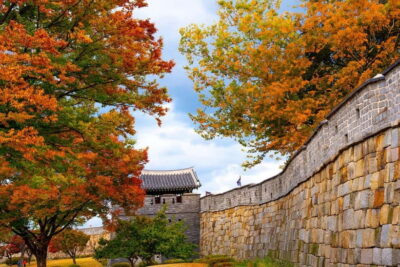

Suwon Hwaseong, Gwangmyeong Cave, & Starfield Library Trip
Read our review →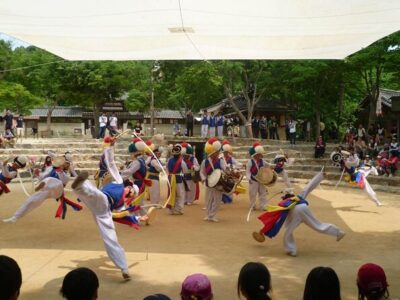
Korean Folk Village and Suwon Hwaseong Fortress Day Tour(EG Tour)
Read our review →
Browse the lists this tour appears in